
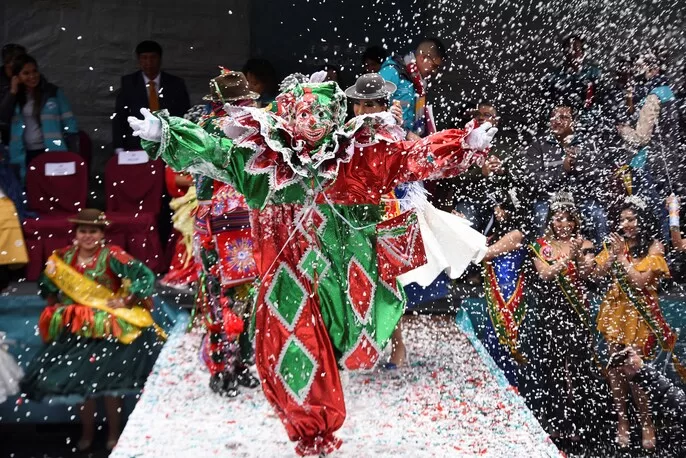
UNESCO Heritage Oruro Carnival: A Cultural Extravaganza
Imagine a vibrant explosion of color, sound, and movement, echoing through the high-altitude streets of the Bolivian Andes. This is the UNESCO Heritage Oruro Carnival, a spectacle so rich in history, tradition, and spiritual significance that it transcends a mere celebration to become a living testament to cultural identity. Far from just a party, this carnival is a profound expression of indigenous beliefs fused with Catholic tradition, recognized globally as a Masterpiece of the Oral and Intangible Heritage of Humanity by UNESCO in 2001. It’s a journey into the heart of Bolivian culture, offering an unparalleled experience that captivates every sense and leaves an indelible mark on all who witness its grandeur.
What is the Oruro Carnival?
At its core, the Oruro Carnival is a pre-Lenten festival celebrated annually in the city of Oruro, Bolivia. It’s a complex tapestry woven from thousands of years of local traditions, dating back to pre-Columbian Andean rituals that honored Pachamama (Mother Earth) and the deities of the Uru people. With the arrival of Spanish colonizers, these indigenous practices intertwined with Catholic beliefs, particularly the veneration of the Virgen del Socavón (Virgin of the Mineshaft), the patroness of miners. This syncretism is what makes the carnival truly unique, a powerful blend where ancient Andean cosmology meets Christian dogma.
The carnival serves multiple purposes: it’s a plea for good harvests, a tribute to the mining spirit, a celebration of community, and a spiritual pilgrimage. Its significance lies in this profound cultural exchange and the ability of its people to preserve their heritage despite centuries of external influence. The elaborate street parades, mesmerizing dance and music in Oruro, and the sheer scale of community involvement all contribute to its status as one of the most important cultural festivals in South America. For visitors, it’s not just an event; it’s an immersion into a living, breathing piece of Bolivian heritage.
History of the Oruro Carnival
The historical roots of the Oruro Carnival stretch back centuries, long before its recognition as a UNESCO World Heritage event. Initially, the Uru people, one of the oldest ethnic groups in the Andes, performed rituals to Andean deities, particularly the Supay (devil figure) and Pachamama. These early celebrations were deeply connected to agricultural cycles and the mining activities that defined the region.
When the Spanish arrived in the 16th century, they brought Catholicism and sought to suppress indigenous religious practices. However, the local population ingeniously integrated their traditions into the new Christian framework. The ancient cult of Supay, for example, transformed into the figure of the devil in the Diablada dance, now battling the Archangel Michael. The veneration of Pachamama found its parallel in the Virgen del Socavón, whose sanctuary became a central point of the carnival.
Throughout the colonial period and into the republican era, the carnival evolved, incorporating new dances, music, and costumes while maintaining its spiritual core. By the 19th and 20th centuries, it had grown into a massive spectacle, attracting participants and spectators from across Bolivia and beyond. The vibrant display of cultural diversity and the deep historical significance of the festivals eventually caught the attention of international bodies. In 2001, UNESCO officially recognized the Oruro Carnival as a Masterpiece of the Oral and Intangible Heritage of Humanity, acknowledging its immense value as a repository of folk art, music, and dance, and its role in preserving the distinct cultural identity of the Andean region. This recognition cemented its place among Bolivia heritage sites and amplified its global importance.
Cultural Significance of the Carnival
The cultural significance of the UNESCO Heritage Oruro Carnival cannot be overstated. It is a living encyclopedia of Bolivian cultural identity, expressed through an awe-inspiring array of folk dances, intricate costumes, and powerful music. Each element tells a story, often blending pre-Hispanic myths with Catholic narratives.
The most iconic dance is the Diablada (Dance of the Devils), a dramatic portrayal of good versus evil, featuring dancers in elaborate, often terrifying, Oruro Carnival costumes depicting devils, angels, and the Archangel Michael. The devils, with their monstrous masks, reflect the Supay, lord of the underworld in Andean mythology, now reinterpreted as a figure tempting humanity. The Diablada is not merely a performance; it’s a spiritual journey, culminating in a ritualistic battle and a plea for forgiveness before the Virgen del Socavón.
Beyond the Diablada, dozens of other traditional Bolivian dances fill the streets. The Morenada symbolizes the suffering of African slaves brought to the mines, characterized by heavy, ornate costumes and a slow, deliberate rhythm. The Caporales is a more modern, energetic dance reflecting the mulatto overseers, known for its athletic leaps and vibrant attire. The Tobas evokes the Amazonian indigenous people, with dancers adorned in feathers and animal skins, performing agile movements. Other dances include the Kullawada, Llamerada, Ayllu, and Waca Waca, each with its own history, specific music, and unique Oruro Carnival costumes, contributing to the rich tapestry of the carnival celebrations.
The music, played by live bands accompanying each dance group, is integral. It ranges from the haunting melodies of panpipes and quenas to the brassy sounds of trumpets and trombones, all pulsating with an infectious rhythm that drives the dancers and energizes the crowd. This festive atmosphere, steeped in local traditions and historical significance, creates a cultural exchange that is both deeply spiritual and incredibly engaging. The carnival is a powerful vehicle for community involvement, allowing generations to connect with their past and express their vibrant present.
When and Where to Experience the Carnival
The UNESCO Heritage Oruro Carnival takes place annually in the city of Oruro, Bolivia, typically during the week leading up to Ash Wednesday, which marks the beginning of Lent. This means the main festivities usually fall in late February or early March, though the exact dates vary each year based on the Catholic liturgical calendar. The central and most spectacular event, the Grand Procession or “Entrada,” occurs on the Saturday before Ash Wednesday, lasting for over 20 hours as tens of thousands of dancers and musicians parade through the city streets.
Oruro itself is a city located in the high plains (Altiplano) of Bolivia, at an altitude of approximately 3,700 meters (12,140 feet) above sea level. It’s about a three to four-hour bus ride south of La Paz, the administrative capital. Given its altitude, visitors should be prepared for thinner air and cooler temperatures, especially at night.
For those planning to experience this incredible event, an Oruro travel guide would strongly advise booking accommodation well in advance, as hotels and guesthouses fill up quickly. The city transforms entirely during carnival week, with every available space taken by visitors and participants. Transportation to Oruro also becomes more challenging and expensive closer to the dates, so securing bus or train tickets ahead of time is crucial. While the main parade is the highlight, the entire week is filled with activities, making it a truly immersive experience for anyone interested in Bolivia cultural festivals.
Tips for Attending the Oruro Carnival
Attending the UNESCO Heritage Oruro Carnival is an unforgettable adventure, but a little preparation goes a long way to ensure a smooth and enjoyable experience. Here are some essential tips for first-time visitors:
-
Book Everything in Advance: This cannot be stressed enough. Hotels, hostels, and even guesthouses in Oruro are fully booked months before the carnival. The same goes for bus tickets from major cities like La Paz or Cochabamba. Last-minute arrangements are incredibly difficult and expensive.
-
Secure Your Viewing Spot: The main procession on Saturday is the highlight. The best way to see it is from rented grandstands (graderías) that line the parade route. These seats offer comfort and an elevated view, but they sell out quickly. Many hotels or tour operators offer packages that include grandstand seats. If you don’t have a seat, arrive extremely early (before dawn) to claim a spot on the street, but be prepared for long hours of standing in dense crowds.
-
Acclimatize to the Altitude: Oruro is high! Arrive a day or two early in La Paz or Oruro to allow your body to adjust. Stay hydrated, avoid alcohol and heavy meals on your first day, and take it easy to prevent altitude sickness.
-
Stay Hydrated and Bring Sun Protection: Even at high altitude, the sun can be intense. Drink plenty of water (bottled water is readily available) and use high-SPF sunscreen, a wide-brimmed hat, and sunglasses.
-
Dress in Layers: Days can be warm, but evenings and early mornings are chilly. Layers will allow you to adapt to changing temperatures. Comfortable walking shoes are a must, as you’ll be on your feet for hours.
-
Safety First: Like any major festival, pickpocketing can be an issue in crowded areas. Keep valuables secure and out of sight. It’s advisable not to flash expensive cameras or jewelry. Travel with companions if possible.
-
Embrace the Festive Atmosphere: The carnival involves a lot of water balloons and foam spray. It’s a playful tradition, so be prepared to get wet and join in the fun! Consider bringing a waterproof bag for electronics.
-
Respect Local Traditions: This is a deeply spiritual and cultural event for Bolivians. Be mindful and respectful of the religious aspects, particularly around the Virgen del Socavón sanctuary. Ask permission before taking close-up photos of participants, especially children.
-
Try Local Cuisine: Don’t miss the opportunity to sample traditional Bolivian foods. Street vendors offer a variety of snacks, but be sure to choose vendors with good hygiene.
By following these tips, your Oruro Carnival experience will be much more enjoyable and memorable, allowing you to fully appreciate the cultural diversity and historical significance of this incredible event.
Festivities and Activities During the Carnival
The UNESCO Heritage Oruro Carnival is not just a single event but a week-long series of festivities and activities that build to the grand climax. While the main Saturday procession is world-renowned, the entire schedule is packed with unique experiences that showcase Bolivia’s rich heritage.
The carnival officially kicks off with the Anata Andina (Indigenous Festival) on the Thursday before the main Saturday parade. This is a fascinating event where indigenous communities from surrounding rural areas gather to perform their traditional dances and music, offering gratitude to Pachamama for the harvest. It’s a more authentic and less commercialized display of local traditions, providing a deeper insight into the carnival’s ancestral roots.
Throughout the week, various smaller parades, rehearsals (convites), and cultural events take place. Dance groups practice their routines in the streets, and the vibrant Oruro Carnival costumes are meticulously finalized. The atmosphere in the city steadily builds, with street vendors selling traditional foods, drinks, and carnival paraphernalia.
The pinnacle of the carnival is the Grand Procession (Entrada) on the Saturday before Ash Wednesday. This is a monumental event, often lasting over 20 hours, featuring more than 50 dance groups and thousands of musicians. Each group, representing a specific traditional Bolivian dance, follows a precisely choreographed route, beginning from the outskirts of the city and culminating at the Sanctuary of the Virgen del Socavón. The dedication of the dancers, many of whom have practiced for months, is awe-inspiring as they perform intricate steps for miles. The air vibrates with the continuous rhythm of the bands, the cheers of the crowd, and the spiritual energy of the pilgrims.
On Sunday, the day after the Grand Procession, the Corso takes place. This is a lighter, more relaxed parade, often featuring children’s groups and more informal celebrations, maintaining the festive atmosphere. Throughout the week, various veladas (vigils) and misturas (offerings) are held, often involving elaborate altars and traditional rituals that further underscore the deep spiritual and community involvement central to the Oruro Carnival experiences. The entire city becomes a stage, celebrating cultural diversity and the profound heritage preservation efforts of its people.
Unique Experiences at the Oruro Carnival
Beyond the well-known main parade, the UNESCO Heritage Oruro Carnival offers a wealth of unique experiences that delve deeper into local traditions and the true spirit of the celebration. These are the moments that truly differentiate an ordinary visit from an immersive cultural exchange.
One such experience is attending a Convite, or rehearsal, in the weeks leading up to the main carnival. These are informal but intense practice sessions where dance groups perfect their routines. Witnessing a convite gives you a raw, unfiltered look at the dedication and community involvement required. You can see the intricate footwork being honed, the camaraderie among dancers, and the sheer physical exertion involved, often culminating in a short pilgrimage to the Virgen del Socavón. It’s a powerful testament to the spiritual commitment behind the festive atmosphere.
Another unique aspect is exploring the Sanctuary of the Virgen del Socavón. While thousands visit on the main carnival day, taking time on a quieter day to understand its history and significance provides a deeper appreciation. The sanctuary is built over an old mine shaft, linking the devotion to the Virgin with Oruro’s mining heritage. Inside, you can see the offerings left by miners and dancers, and feel the profound spiritual connection that underpins the entire festival.
Delving into the world of Oruro Carnival costumes offers another fascinating insight. Many of these elaborate outfits are handmade by local artisans, often taking months to complete. Visiting workshops or talking to costume makers (if you can find them) reveals the incredible craftsmanship, symbolism, and cultural pride woven into every sequin, feather, and mask. These aren’t just clothes; they are works of art carrying generations of meaning.
Don’t forget to explore the city’s mining history. Oruro was once a major silver mining hub, and its past is intrinsically linked to the carnival. Visiting a local mining museum or even an old mine (some offer tours) can provide context to the legends and spiritual beliefs that permeate the carnival celebrations. This connection to the land and its resources is a fundamental part of the Uru people’s heritage.
Finally, engage with the local community beyond the parade route. Try the traditional food and drinks offered by street vendors. Listen to the stories of the older generations, who have witnessed the carnival evolve over decades. These interactions offer a genuine cultural exchange and allow you to see the carnival not just as a tourist attraction, but as a living, breathing part of Bolivian identity and a powerful force for heritage preservation.
How the Carnival Supports Local Communities
The UNESCO Heritage Oruro Carnival is far more than just a spectacular event; it is a vital economic and social engine for the city of Oruro and its surrounding communities. Its recognition by UNESCO has amplified its global appeal, drawing in tourists from around the world and injecting significant revenue into the local economy.
Economically, the carnival creates thousands of temporary and permanent jobs. Local artisans thrive, producing the intricate Oruro Carnival costumes, masks, and accessories that are central to the celebration. Tailors, embroiderers, jewelers, and mask-makers work for months leading up to the event, showcasing their traditional skills. Musicians, dancers, and choreographers are employed, often year-round, in the preparation and execution of the performances.
The influx of visitors boosts the tourism sector immensely. Hotels, restaurants, and local businesses experience a surge in demand, providing income for countless families. Transportation services, from intercity buses to local taxis, also see increased activity. Street vendors, offering everything from traditional Bolivian foods to carnival souvenirs, benefit greatly from the festive atmosphere. This economic impact extends beyond the immediate carnival period, as the event’s global visibility promotes Bolivia tourism year-round.
Socially, the carnival plays a crucial role in strengthening community involvement and cultural identity. Dance groups are often organized by neighborhoods or associations, fostering strong bonds and collective effort. Generations participate together, ensuring the transmission of local traditions and knowledge from elders to youth. This intergenerational transfer of cultural heritage is key to the carnival’s longevity and authenticity.
Furthermore, the carnival serves as a powerful platform for cultural exchange. It showcases the rich cultural diversity of Bolivia to a global audience, fostering understanding and appreciation. The pride and sense of belonging it instills in the local population are immeasurable. By celebrating and preserving its unique blend of indigenous and Catholic traditions, the Oruro Carnival ensures that Bolivia’s heritage sites remain vibrant and relevant, contributing to the overall well-being and cultural richness of the region.
Conclusion: The Importance of Preserving the Carnival
The UNESCO Heritage Oruro Carnival stands as a magnificent testament to human creativity, resilience, and spiritual devotion. Its designation as a Masterpiece of the Oral and Intangible Heritage of Humanity by UNESCO in 2001 was a crucial step in recognizing its profound value, not just for Bolivia, but for the entire world. This recognition highlights why the carnival is so much more than a series of street parades; it’s a living, breathing cultural artifact.
The carnival’s importance lies in its ability to seamlessly weave together pre-Columbian Andean rituals with Catholic beliefs, creating a unique and vibrant expression of cultural identity. Through its elaborate Oruro Carnival costumes, the rhythmic dance and music in Oruro, and the deep-seated local traditions, it tells a continuous story of historical significance, spiritual belief, and community involvement. It is a powerful example of how cultural festivals can serve as a conduit for memory, identity, and collective celebration.
Preserving the Oruro Carnival means safeguarding an irreplaceable part of human heritage. It ensures that the intricate folk dances, the symbolic masks, the traditional Bolivian dances, and the spiritual devotion to the Virgen del Socavón continue to thrive for future generations. It protects the traditional knowledge and skills of artisans, musicians, and dancers, and sustains the economic and social fabric of the Oruro community.
As a beacon of cultural diversity and a prime example of heritage preservation, the UNESCO Heritage Oruro Carnival invites us all to appreciate the richness of global cultures. It reminds us that our shared human story is best told through the vibrant, living traditions that connect us to our past and inspire our future. To experience this carnival is to witness the enduring power of culture, a spectacle that truly is a cultural extravaganza deserving of its global acclaim and continued protection.