
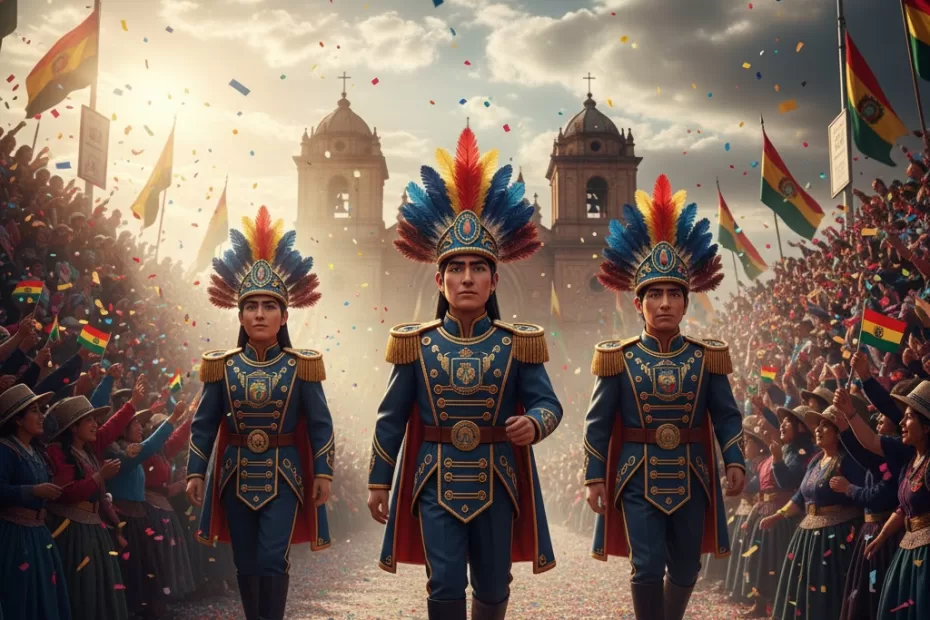
Oruro Carnival: A Celebration of Local Heroes
Nestled high in the Bolivian Andes, the city of Oruro awakens each year with a spectacular explosion of color, sound, and fervent devotion. This is the Oruro Carnival, a majestic cultural phenomenon recognized by UNESCO as a Masterpiece of the Oral and Intangible Heritage of Humanity. Beyond the dazzling parades and intricate costumes, at its very heart, the Oruro Carnival is a profound celebration of its local heroes – the unsung individuals whose unwavering dedication, passion, and tireless efforts ensure this ancient tradition not only endures but flourishes year after year. These are the dancers who spend months perfecting their steps, the musicians whose fingers fly across instruments, the artisans who meticulously craft each elaborate costume, and the community leaders who tirelessly organize and safeguard its rich heritage. Their collective spirit and commitment transform Oruro into a living canvas of history, faith, and indigenous pride, inviting the world to witness one of the most vibrant cultural festivals in Bolivia.
Introduction to Oruro Carnival
The Oruro Carnival is more than just a party; it’s a profound spiritual journey, a syncretic blend of indigenous Andean beliefs and Catholic traditions that culminates in a grand pilgrimage to the Sanctuary of the Virgen del Socavón (Virgin of the Mineshaft). For ten days leading up to Ash Wednesday, the typically quiet city of Oruro transforms into a pulsating epicenter of festive events, drawing hundreds of thousands of spectators and participants from across Bolivia and the globe. This extraordinary spectacle, often considered one of the most significant festivals in South America, showcases an unparalleled richness of Bolivian dance, music, and folklore.
Its recognition by UNESCO in 2001 underscored its immense global significance, placing it alongside other world-renowned heritage sites. This designation not only acknowledges the carnival’s artistic and historical value but also emphasizes its role as a powerful expression of collective identity and cultural continuity for the people of Oruro and Bolivia as a whole. The carnival serves as a vibrant tapestry woven from ancient customs and colonial influences, telling stories of Andean cosmology, Spanish conquest, and the enduring spirit of a community. From the moment the first brass band strikes a chord to the final, emotional procession, the Oruro Carnival offers an immersive cultural experience unlike any other, showcasing the very essence of Bolivian heritage and the deep-rooted traditions that define its people. It’s a testament to the resilience of local culture and the power of celebration to unite and inspire.
The Role of Local Heroes in Oruro Carnival
The true magic of the Oruro Carnival lies not just in its scale or spectacle, but in the unwavering dedication of its Oruro local heroes. These individuals, often working behind the scenes, are the lifeblood of the festivities, ensuring that every intricate detail, every rhythmic beat, and every symbolic gesture is preserved and presented with authenticity. They are the guardians of the carnival’s soul, embodying the spirit of community and commitment that makes this cultural experience so profound.
Consider the bordadores – the master embroiderers. For months, sometimes even a full year, before the carnival, these artisans painstakingly craft the elaborate costumes. Their workshops, often humble family affairs, become hives of activity where intricate designs are brought to life with vibrant threads, sequins, and mirrors. Each stitch is a testament to their patience and skill, a direct link to generations of tradition. These costumes are not mere garments; they are works of art, imbued with meaning and symbolism, representing mythological creatures, historical figures, and religious devotion. Without these dedicated bordadores, the visual splendor, which is so central to the Oruro Carnival experience, would simply not exist.
Then there are the fraternidades – the dance groups. Each fraternidad is a tight-knit community, often spanning generations within a single family or neighborhood. Their leaders, many of whom have danced since childhood, dedicate countless hours to organizing rehearsals, fundraising, and maintaining group cohesion. They are the custodians of specific dance styles, ensuring that the complex choreography of the Diablada, Morenada, Caporales, and other dances is passed down accurately and passionately. These leaders inspire their members, instilling a sense of pride and responsibility in upholding the customs. The dancers themselves are heroes, committing to rigorous practice schedules, often after long workdays, driven by an unshakeable devotion to their heritage and a promise to the Virgen del Socavón. Their physical endurance and emotional investment are palpable during the main procession, where they dance for hours, often at high altitude, fueled by faith and camaraderie.
Musicians, too, play an indispensable role. The brass bands, known as bandas de música, are integral to the carnival’s energy. These professional and amateur musicians spend months rehearsing the complex scores that accompany each dance group. Their powerful, emotive music provides the pulse of the carnival, guiding the dancers and electrifying the crowds. Band leaders and composers often adapt traditional melodies or create new ones, ensuring the music evolves while remaining true to its roots. Their instruments, from booming bass drums to piercing trumpets, are extensions of their souls, carrying the festive events forward.
Beyond the performers and artisans, there are community leaders and elders who serve as living encyclopedias of the carnival’s history and meaning. They advise, mediate, and ensure that the traditions are respected and that new generations understand the profound cultural significance of festivals like Oruro. These local heroes are the true guardians of the Oruro Carnival local heroes ethos, embodying the spirit of collective effort that sustains this magnificent celebration. Their stories, though often untold on a grand stage, are woven into the very fabric of the carnival, making it a vibrant and enduring testament to their dedication.
Cultural Significance of the Carnival
The Oruro Carnival is far more than an annual spectacle; it is a profound expression of Bolivian identity, a living testament to the rich tapestry of its history, beliefs, and artistic traditions. Its cultural significance stems from its unique syncretism, blending ancient Andean cosmology with Catholic dogma, a reflection of the country’s complex colonial past and enduring indigenous roots. At its core, the carnival is a religious pilgrimage, a massive act of devotion to the Virgen del Socavón, the patron saint of miners. For many participants, particularly the dancers, their participation is a promise or a penance, often undertaken for three consecutive years, in exchange for a blessing or a fulfilled wish.
This intertwining of spiritual beliefs is evident in the narratives portrayed through the dances. The famous Diablada, or “Dance of the Devils,” for instance, visually dramatizes the eternal struggle between good and evil, with the Archangel Michael triumphing over Lucifer and his legions of devils. Yet, beneath this Christian overlay, the devils themselves bear striking resemblances to the Supay, the ambivalent deity of the Uru people’s underworld, who is both malevolent and benevolent, associated with the earth’s mineral wealth. This duality highlights the indigenous understanding of the spiritual world, where nature spirits and deities continue to hold sway alongside Christian figures.
The carnival also serves as a powerful affirmation of indigenous identity and resistance. Many dances, like the Morenada, with its heavy, shuffling steps, are believed to satirize the African slaves brought by the Spanish, while simultaneously expressing the suffering and resilience of the indigenous population under colonial rule. These dances are not just entertainment; they are a form of storytelling, preserving historical memory and transmitting cultural values across generations. The sheer scale and communal effort involved in the carnival reinforce a strong sense of community and belonging, uniting people from diverse backgrounds in a shared celebration of their heritage.
Furthermore, the Oruro Carnival is a custodian of folklore and traditions. It is a vibrant platform where oral histories, myths, and legends are re-enacted and kept alive. The music, the elaborate costumes, and the choreography are all steeped in symbolic meaning, reflecting ancestral wisdom and contemporary social narratives. It is through these festive events that Bolivia’s pluralistic cultural heritage is not only celebrated but actively perpetuated, making it an invaluable heritage site in Bolivia and a beacon of cultural significance for festivals worldwide. The carnival reinforces the idea that culture is a dynamic, living entity, constantly evolving while staying rooted in its foundational customs and traditions.
History of the Oruro Carnival
The history of the Oruro Carnival is as rich and layered as the costumes worn by its dancers, a fascinating journey that stretches back centuries, long before the arrival of the Spanish conquistadors. Its origins are deeply rooted in the ancient traditions of the Uru people, one of Bolivia’s oldest indigenous groups, who inhabited the high Andean plateau around Lake Poopó. These early communities celebrated Anata or Phujllay, festivals dedicated to Pachamama (Mother Earth), the achachilas (mountain spirits), and Supay (the lord of the underworld, associated with mines), seeking good harvests and protection from natural disasters. These pre-Hispanic rituals involved music, dance, and offerings, elements that remain central to the modern carnival.
With the arrival of the Spanish in the 16th century and the subsequent colonization, the indigenous traditions began to intertwine with Catholic beliefs introduced by the missionaries. The Spanish established Oruro as a major mining center, attracting indigenous laborers who brought their beliefs and rituals into the colonial towns. To suppress indigenous religious practices, the Spanish attempted to replace them with Christian festivities. However, the ingenious local population found ways to subtly integrate their ancient customs and deities into the new religious framework. For example, the Andean Supay was reinterpreted as the Christian devil, and the veneration of local deities was redirected towards Catholic saints.
The legend of the Virgen del Socavón is central to this syncretism. According to local lore, in 1789, the Virgin Mary miraculously appeared to a dying bandit named Anselmo Bellarmino (also known as “Chiru Chiru”) in the depths of a mine shaft, transforming him and protecting the miners. This miracle solidified her status as the patroness of Oruro’s miners, and her feast day, Candlemas (February 2nd), became the focal point for the annual celebrations. Over time, the indigenous dances and music, initially performed in secret or disguised as Christian folklore, gradually merged with the Catholic observances, evolving into the unique form we recognize today.
Throughout the 19th and 20th centuries, the carnival continued to grow, incorporating new dances and musical styles. The development of distinct fraternidades (brotherhoods or dance groups) played a crucial role in systematizing the performances and preserving specific dance traditions. These groups, often organized by specific trades or neighborhoods, became the custodians of the carnival’s elaborate rituals and performances. The Oruro Carnival history is a vibrant testament to cultural resilience, a story of how ancient beliefs adapted, survived, and ultimately thrived under new influences, creating a celebration that is profoundly Bolivian and universally captivating. It represents a continuous dialogue between past and present, a living museum of customs and traditions that define the heritage of the Andean people.
Dances and Costumes of the Carnival
The Oruro Carnival is a dazzling kaleidoscope of movement and color, brought to life by its myriad folk dances and the extraordinary, elaborate costumes that adorn the thousands of participants. Each dance tells a unique story, rooted in history, mythology, or social commentary, making the entire spectacle a vibrant narrative of Bolivian heritage.
The most iconic and visually striking dance is undoubtedly the Diablada, or “Dance of the Devils.” This powerful performance features dancers dressed as horned devils, often with terrifying masks, intricate capes depicting serpents and dragons, and boots adorned with bells. They are led by Lucifer and a female devil, China Supay, and eventually confronted by the Archangel Michael, symbolizing the triumph of good over evil. The Diablada’s energetic leaps and stomps, accompanied by dramatic music, are a highlight of the main procession.
Another prominent dance is the Morenada, or “Dance of the Black Slaves.” This dance is characterized by its slow, heavy, and melancholic rhythm, performed by dancers wearing voluminous costumes that can weigh up to 30 kilos. The masks, often depicting exaggerated features of African slaves with bulging eyes and thick lips, are adorned with feathers and jewels. The sound of the matracas (rattles) accompanying their steps is symbolic of the chains of slavery. While historically debated, the Morenada is largely understood as a satirical portrayal of the suffering of African slaves in the colonial mines, and by extension, the indigenous laborers.
The Caporales is a more modern and energetic dance, originating in the 1960s. It features male dancers in elaborate, embellished costumes with large-brimmed hats and high-heeled boots, often carrying whips, symbolizing the caporales or overseers of the slaves. Female dancers wear short, brightly colored skirts, embroidered blouses, and high boots. The dance is characterized by its vigorous jumps and synchronized footwork, making it one of the most popular and visually dynamic dances.
Other significant dances include the Tobas, representing the indigenous peoples of the Bolivian lowlands, with their exotic feather headdresses and agile, warrior-like movements. The Kallawayas pay homage to the traditional healers of the Andes, with their distinctive hats and ponchos, carrying small bags of medicinal herbs. The Waca Waca is a satirical dance depicting bullfighting, with dancers wearing elaborate bull-shaped headdresses. The Llamerada celebrates the llama herders, an integral part of Andean life, with dancers carrying small llamas made of wool.
The costumes for each dance are meticulously crafted, often taking months to complete. They are not merely decorative but are integral to the storytelling and symbolism of the carnival. The use of vibrant colors, intricate embroidery, feathers, mirrors, and precious metals makes each costume a work of art. The sheer variety and artistic detail of these costumes, combined with the diverse Bolivian dance styles, create an unparalleled visual and auditory feast, making the Oruro Carnival a truly unforgettable experience for anyone interested in folklore and traditions. The music accompanying these dances, typically performed by large brass bands, adds another layer of emotional depth and festive energy to these incredible festive events.
UNESCO Recognition and Its Impact
In 2001, the Oruro Carnival received a monumental distinction: it was proclaimed a “Masterpiece of the Oral and Intangible Heritage of Humanity” by UNESCO. This prestigious recognition was not merely an accolade; it was a profound affirmation of the carnival’s immense cultural value, acknowledging its unique blend of indigenous spirituality, colonial history, and artistic expression. The designation underscored its significance not just for Bolivia, but for the entire world, placing it in a select category of cultural phenomena deemed worthy of global protection and promotion.
The impact of this UNESCO designation has been multi-faceted and largely positive. Firstly, it brought an unprecedented level of international visibility to the Oruro Carnival. Before 2001, while known within South America, its global profile was limited. The UNESCO status dramatically increased awareness, attracting a wider audience of international tourists, researchers, and cultural enthusiasts eager to experience one of the most authentic UNESCO festivals. This surge in Oruro tourism has, in turn, stimulated the local economy, providing opportunities for artisans, musicians, hoteliers, and restaurateurs.
Secondly, and perhaps most importantly, the recognition has played a crucial role in the preservation and safeguarding of the carnival’s traditions. With UNESCO’s endorsement comes a greater imperative to document, protect, and transmit the intricate customs, dances, music, and costume-making techniques to future generations. Local authorities and cultural organizations, often with international support, have intensified efforts to create educational programs, workshops, and archives to ensure that the knowledge and skills associated with the carnival do not fade. This focus on heritage preservation helps to maintain the authenticity of the celebration against potential commercial pressures.
However, UNESCO recognition also brings challenges. The increased Oruro tourism, while economically beneficial, requires careful management to prevent over-commercialization and to minimize the environmental and social impact on the local community. There’s a delicate balance to strike between showcasing the carnival to the world and protecting its intimate, spiritual essence for the local heroes who are its primary custodians. Ensuring that the benefits of tourism are distributed equitably among the community and that the spiritual significance remains paramount over mere spectacle is an ongoing effort.
Despite these challenges, the UNESCO designation has undeniably strengthened local pride and reinforced the importance of the carnival in Bolivian national identity. It serves as a powerful reminder of Bolivia’s rich cultural heritage and the enduring power of its traditions. For the people of Oruro, it’s a validation of their centuries-old devotion and artistic expression, ensuring that this extraordinary celebration of faith, folklore, and community continues to thrive for generations to come. It has transformed the carnival into a globally recognized symbol of Bolivian cultural resilience and a major draw for travel to Oruro.
Experiencing the Oruro Carnival
Experiencing the Oruro Carnival is an immersive journey into the heart of Bolivian culture, a sensory overload that promises unforgettable memories. To truly embrace this UNESCO-listed festival, planning is key, as the city transforms into a vibrant hub attracting hundreds of thousands of visitors.
The main event of the Oruro Carnival typically takes place on the Saturday before Ash Wednesday, known as the “Peregrinación al Socavón” (Pilgrimage to the Mineshaft). This is the grand procession, where thousands of dancers and musicians, organized into dozens of fraternidades, embark on a long, arduous, and deeply spiritual journey through the city streets, culminating at the Sanctuary of the Virgen del Socavón. The procession can last for over 20 hours, starting early in the morning and continuing well into the next day, with each group performing their intricate dances for the Virgin.
While the Saturday procession is the absolute highlight, the festivities begin much earlier. Weeks before, you’ll find pre-carnival events, rehearsals, and smaller parades (known as convites) taking place. These offer a more intimate glimpse into the preparations and the dedication of the local heroes. The Friday before the main procession features the “Convite del Tío,” a ceremony dedicated to the “Tío de la Mina” (Uncle of the Mine), an indigenous deity of the underworld, where miners offer coca leaves, alcohol, and cigarettes to ensure good fortune and safety.
On Sunday, after the main procession, the “Día del Diablo y del Moreno” (Day of the Devil and the Moreno) features a more relaxed parade and a series of popular block parties, or entradas, where the dance groups perform again, often with less formality. Monday is traditionally dedicated to the Challa, a ritual of thanksgiving to Pachamama (Mother Earth) for abundance, where homes, businesses, and vehicles are adorned with streamers and offerings. The entire week leading up to Ash Wednesday is filled with music, dance, and celebration.
What to expect? Be prepared for crowds, noise, and an electrifying atmosphere. The air is thick with the sounds of brass bands, the scent of salteñas (local pastries) and grilled meats, and the sight of dazzling costumes. Alcohol flows freely, and the mood is overwhelmingly joyful and reverent. If you secure a spot in the grandstands along the main route, you’ll have a prime view of the parade. However, even from the sidelines, the energy is infectious.
For the Oruro Carnival experience, comfort is important. Wear comfortable shoes, as you’ll be doing a lot of walking and standing. The high altitude of Oruro (approximately 3,700 meters or 12,140 feet above sea level) can be challenging, so acclimatize slowly, stay hydrated, and avoid overexertion. Embrace the local culture, join in the cheers, and allow yourself to be swept away by the festive events and the profound spiritual journey that defines this incredible celebration. It’s a true travel guide to cultural experiences in Bolivia.
Travel Tips for Attending Oruro Carnival
Attending the Oruro Carnival is an incredible cultural experience, but it requires some savvy planning to make the most of your trip. Here are some unique travel tips to help you navigate this vibrant festival and enjoy the Oruro attractions beyond the main parade.
Booking Accommodation: This is crucial. Hotels in Oruro book up months, even a year, in advance, and prices skyrocket. If you can’t find a hotel in Oruro, consider staying in Cochabamba or La Paz and taking an early morning bus or shared taxi (known as trufi or collectivo) to Oruro on the main parade day. Be prepared for very early starts and late returns. Alternatively, some locals rent out rooms; look for “alojamiento” signs or ask around. Book well in advance!
Altitude Sickness: Oruro is high. Drink plenty of water, avoid alcohol and heavy meals on your first day, and take it easy. Coca leaf tea (mate de coca) or chewing coca leaves (readily available) can help alleviate symptoms. If you feel unwell, rest and seek medical attention if necessary.
Grandstand Tickets: To guarantee a good view of the main procession on Saturday, you’ll need to purchase grandstand seats (graderías). These are often sold out months in advance through official channels or can be bought from scalpers at inflated prices closer to the date. If you don’t get a seat, arrive extremely early (before dawn) to secure a standing spot along the route, or consider paying a local family for a balcony view.
Local Customs and Safety: The carnival is a joyous but intense event. Be aware of your surroundings and keep your valuables secure. Pickpocketing can occur in crowded areas. When interacting with locals, a polite “Buenos días/tardes/noches” goes a long way. During the carnival, it’s common for people to spray foam (espuma) or throw water balloons at each other, especially among younger crowds. It’s all part of the fun, but if you want to stay dry, try to avoid the most active areas or wear a poncho. Embrace the spirit of the celebration, but always be respectful of religious processions.
Local Bolivian Cuisine: Don’t miss the opportunity to savor Oruro’s culinary delights. Try charquekan, a traditional dish made from dried llama meat, cheese, potatoes, and corn. Salteñas, savory baked pastries filled with meat and vegetables, are a must for breakfast or a snack. For a hearty meal, look for fricasé, a spicy pork stew, or silpancho, a thin slice of beef or llama served with rice, potatoes, and a fried egg. Street food is abundant during the carnival, but choose vendors with long lines and good hygiene.
Beyond the Parade: While the carnival is the main draw, Oruro itself has interesting sites. Visit the Sanctuary of the Virgen del Socavón, the main pilgrimage site. Explore the National Anthropological Museum “Eduardo López Rivas” to learn more about the region’s indigenous cultures and mining history. The city’s central plaza, Plaza 10 de Febrero, is a charming spot to relax. Consider a day trip to the nearby Capachos hot springs for relaxation after the intense festivities.
Transportation: Buses are the most common way to travel to Oruro from other Bolivian cities. During carnival, bus tickets also sell out quickly. Once in Oruro, taxis are readily available, but confirm the fare before getting in, especially during peak times. Walking is also a great way to explore the city center and find hidden Oruro attractions.
By following these tips, your travel to Oruro for the Oruro Carnival will be a smooth, enriching, and truly memorable cultural experience, allowing you to fully appreciate the festivities and the incredible dedication of the Oruro Carnival local heroes.
Conclusion: The Spirit of Oruro Carnival
The Oruro Carnival is far more than an annual event; it is the beating heart of a community, a vibrant tapestry woven from centuries of history, faith, and artistic expression. From the moment the first drumbeat echoes through the Andean valleys to the final, reverent procession to the Virgen del Socavón, this UNESCO-recognized masterpiece is a profound celebration of life, resilience, and identity. Its enduring power lies not merely in its spectacular dances or elaborate costumes, but in the unwavering spirit of its Oruro Carnival local heroes.
These are the unsung artisans who meticulously craft each shimmering costume, the dedicated musicians whose melodies ignite the festive events, the tireless dancers who embody ancestral stories, and the community leaders who tirelessly safeguard its customs and traditions. Their collective passion and commitment are the true engines of the carnival, ensuring that this invaluable heritage is passed down through generations, vibrant and alive. They are the guardians of a unique cultural experience, preserving the intricate details and profound meanings that make the Oruro Carnival a global treasure.
As visitors, we are not just spectators but temporary participants in a living tradition, invited to witness a powerful demonstration of faith, community, and the enduring strength of local culture. The carnival serves as a powerful reminder of Bolivia’s rich cultural heritage, a testament to how ancient beliefs can adapt and thrive alongside new influences. It is a place where the sacred and the profane dance in harmony, where history is re-enacted with fervent devotion, and where the spirit of celebration unites everyone. The Oruro Carnival, with its dazzling display and deep spiritual roots, truly encapsulates the essence of human creativity and the profound importance of preserving cultural heritage for all time. It is an unforgettable journey into the soul of Bolivia, a testament to the power of tradition and the enduring spirit of its people.
Alright, let’s talk esportivasbet. They have a good range of esport options to bet on. Site is pretty user-friendly too. Def worth checking out if you are into betting on those games. Had a good experience here.
Interesting read! Seeing more platforms like 55bmw vip com cater to the PH market with legit PAGCOR licensing is great. Quick registration & deposit options are key-200 PHP minimum is accessible! What are your thoughts on VIP reward systems in esports betting?
The enduring spirit of Oruro highlights how deeply rooted cultural value can sustain a community. It’s a masterclass in collective dedication. This resilience mirrors the need for robust digital platforms to preserve and share global heritage. For those wanting a digital window into similar vibrant experiences, you can check out jl89 download apk.
Dude, this Gzone breakdown is super helpful! It’s like a science experiment for fun. Makes me wanna check out gzone com now; the slot variety looks wild! 🎰✨
Just noticed their RNG audits and safety protocols look solid for serious players. If you need secure access to blackjack or baccarat, check out table game casino vip today. Stay safe and play responsibly!
Wondering about game odds? It’s like mastering a new dice roll! Understanding probability makes everything clearer. Check out Calico cat vip for more diverse options!
Just finished analyzing mobile odds here in Bali; this platform’s seamless performance for Filipino players is impressive. Check out luckygameapk online casino for that premium live dealer experience on your Android device now!