
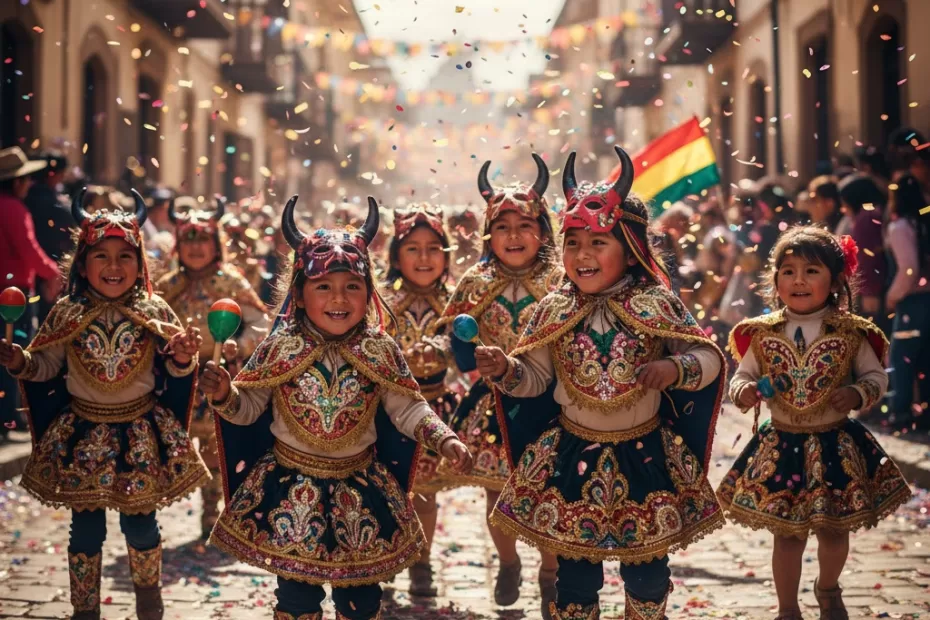
Children at Oruro Carnival: A Colorful Celebration
Imagine a kaleidoscope of vibrant colors, the rhythmic pulse of traditional music, and the joyous laughter of thousands echoing through the streets of a historic Bolivian city. This is the Oruro Carnival, a spectacle recognized by UNESCO as a Masterpiece of the Oral and Intangible Heritage of Humanity. While the grand parades and elaborate dances often steal the spotlight, a truly heartwarming and crucial element of this magnificent festival is the enthusiastic participation of children. From the youngest toddlers taking their first tentative steps in miniature costumes to pre-teens mastering complex dance routines, the children at Oruro Carnival are not just spectators; they are the living heart of its past, present, and future. Their involvement ensures the continuity of age-old customs, breathes new life into traditional dances, and creates an unforgettable cultural experience for families from around the globe. This article delves into the profound roles these young participants play, offering a unique perspective on one of the world’s most spectacular family festivals.
The Significance of Oruro Carnival
To truly appreciate the role of children, one must first understand the immense cultural and historical weight of the Oruro Carnival itself. Nestled high in the Andes Mountains, Oruro, Bolivia, transforms annually into a spiritual and artistic epicenter, drawing hundreds of thousands of visitors. More than just a party, this carnival is a profound expression of Bolivian culture, weaving together indigenous Andean beliefs with Catholic traditions introduced during the colonial era. Its origins are deeply rooted in pre-Hispanic Andean rituals dedicated to Pachamama (Mother Earth) and Supay (the Uru god of the underworld, later syncretized with the devil).
The Oruro Carnival history is a fascinating tapestry of resilience and adaptation. The Uru people, one of the oldest ethnic groups in the Andes, maintained their religious ceremonies despite Spanish attempts to suppress them. Over centuries, their veneration of Pachamama and Supay merged with the Catholic feast of Candlemas (Virgen de la Candelaria), creating a unique syncretic celebration. The central narrative revolves around the Archangel Michael’s triumph over evil, symbolized by the iconic Diablada dance, which features elaborate devil costumes. This blend of ancient spiritualism and colonial influence makes the carnival a powerful symbol of national identity and cultural heritage.
Beyond its spiritual significance, the Oruro Carnival is an economic and social cornerstone for the region. It showcases a diverse array of traditional dances, each telling its own story, from the elegant Morenada to the energetic Caporales. These performances, accompanied by vibrant carnival music, are not merely entertainment; they are living prayers, expressions of community, and a vibrant display of artistic craftsmanship in the form of intricate costumes and masks. The sheer scale and depth of these Bolivia festivals underscore why its preservation, especially through the next generation, is so vital. The cultural significance of this event extends far beyond its week-long duration, resonating throughout the year in the preparations, rehearsals, and the collective memory it creates. It’s a testament to the enduring spirit of the Bolivian people and their commitment to preserving their rich heritage.
Children’s Roles in the Carnival
The heart of the Oruro Carnival beats strongly in the participation of its youngest members. Far from being mere observers, children are active, enthusiastic, and indispensable participants, playing a crucial role in the preservation and reimagining of carnival customs. Their involvement ensures that the spirit and traditions of this grand celebration are passed down through generations, making them vital custodians of cultural heritage. From learning the intricate steps of traditional dances to donning miniature versions of the elaborate carnival costumes, these young participants embody the future of the Oruro celebrations.
Children’s roles in culture are particularly pronounced here. Many begin their carnival journey almost from infancy, often carried in their parents’ arms during parades or dressed in simple, symbolic attire. As they grow, their involvement deepens. They attend rehearsals with their families, absorbing the rhythms and movements, learning the stories behind each dance, and understanding the significance of the various characters. This early exposure fosters a deep connection to their heritage and instills a sense of pride in their cultural identity.
Their participation is not just about mimicry; it’s about active engagement. Children bring a fresh energy and perspective to the carnival. While they learn from elders, they also contribute to the evolution of the traditions, sometimes subtly influencing interpretations or adding their youthful enthusiasm to the performances. This dynamic interplay between tradition and innovation is key to the carnival’s enduring vitality. Family participation is a cornerstone of this process, with parents, grandparents, aunts, and uncles often dancing alongside their children, guiding them through the elaborate processions and sharing stories of their own carnival experiences. These family activities reinforce community bonds and ensure that the knowledge and passion for the carnival are transmitted effectively.
The sight of hundreds, if not thousands, of children performing with such dedication and joy is one of the most moving aspects of the Oruro Carnival. They are not just performing; they are embodying the myths, legends, and history of their people. Their presence transforms the event into a truly intergenerational spectacle, a vibrant testament to the power of cultural events in Bolivia to unite and inspire.
Traditional Costumes of Children
One of the most captivating aspects of the children at Oruro Carnival is their dazzling array of traditional costumes. These are not merely outfits; they are intricate works of art, rich in symbolism and meticulously prepared, often months in advance. Each costume tells a story, representing characters from Andean mythology, historical figures, or traditional professions, and plays a vital role in the visual spectacle of the carnival.
For children, these carnival costumes are often scaled-down versions of their adult counterparts, but no less elaborate or significant. Take, for instance, the Diablada, arguably the most iconic dance. Young boys and girls, dressed as “Diablitos” and “Diablitas,” wear masks adorned with serpents, toads, and lizards – animals sacred to the Uru people – along with horns and often illuminated eyes. Their outfits feature intricate embroidery, sequins, and mirrors, symbolizing the dazzling, yet often frightening, underworld. The preparation of these costumes is a family affair, with parents and even grandparents often contributing their skills in sewing, beading, and painting, passing down artisanal knowledge alongside the cultural meanings.
Another popular dance is the Morenada, which commemorates the African slaves brought to Bolivia during colonial times. Children participating in the Morenada wear heavy, richly embroidered costumes, often featuring large, ornate hats and masks with exaggerated features. The preparation of these outfits, especially the intricate capes and wide skirts, can be incredibly time-consuming and expensive, reflecting the family’s dedication and pride. Similarly, children in Caporales dances sport energetic, colorful outfits with bells on their boots, echoing the spirited movements of the adult dancers.
The meanings embedded in these costumes are profound. They teach children about their history, their myths, and their place within the community. Wearing these garments is a transformative experience, allowing them to embody characters and connect with their ancestors. The process of preparing them, from choosing fabrics to adding the final embellishments, is a bonding experience for families, reinforcing cultural heritage and ensuring that the artistry of these traditions continues to flourish. It’s a tangible link to the past and a vibrant expression of present-day identity.
Dance Performances by Children
The vibrant dance performances presented by children are a highlight of the Oruro Carnival, showcasing not only their boundless energy but also their deep connection to Bolivian culture. These young dancers are not just mimicking steps; they are embodying the spirit of their ancestors and contributing to the dynamic narrative of the carnival. The significance of these dances extends far beyond mere entertainment; they are living prayers, historical reenactments, and powerful expressions of community identity.
Children participate in nearly all the traditional dances featured in the carnival, often forming their own dedicated groups or dancing alongside their families in adult troupes. From the majestic Diablada to the elegant Morenada, the spirited Caporales, the traditional Kullawada, and the lively Tinku, each dance tells a unique story and demands specific skills and dedication.
In the Diablada, for example, young boys and girls, often as young as five, learn the intricate footwork and dramatic gestures that symbolize the struggle between good and evil. They practice for months, mastering the turns, jumps, and coordinated movements that bring the dance to life. The rhythm of the carnival music, often played by live brass bands, guides their every step, filling the air with an infectious energy. For children, performing the Diablada is a powerful experience, connecting them directly to the narrative of the carnival’s origins and its spiritual significance.
Similarly, in the Morenada, children learn the slow, deliberate steps that evoke the arduous journey of the enslaved Africans. Despite the costumes’ weight, they move with remarkable grace and solemnity, understanding the historical context and emotional depth of the dance. The repetitive, hypnotic beat of the Morenada music is an integral part of their performance, creating a mesmerizing spectacle. The Caporales, with its energetic leaps and spins, is particularly popular among older children and teenagers, allowing them to showcase their athleticism and exuberance. The bells on their boots add to the percussive soundscape, making their presence felt throughout the procession.
These dance performances by children are crucial for the continuity of the Oruro Carnival. They ensure that the complex choreographies, the historical narratives, and the spiritual meanings are passed down accurately. Through their participation, children develop discipline, teamwork, and a profound sense of pride in their cultural heritage. They become active agents in preserving these festive traditions, ensuring that the vibrant tapestry of Oruro’s dances continues to mesmerize and educate future generations. It’s a testament to how deeply ingrained these traditions are, and how effectively they are being transmitted through the joy and dedication of the young dancers.
How Families Participate Together
The Oruro Carnival is not just an individual spectacle; it is a profound family experience, deeply ingrained in the fabric of Bolivian society. For many, participating in the carnival is a cherished annual tradition, a time when families unite to celebrate their heritage, create lasting memories, and reinforce community bonds. The ways families participate together are numerous and varied, making it a truly inclusive event for all ages, especially for the children at Oruro Carnival.
One of the most common forms of family participation is through the dance troupes, known as conjuntos. Entire families often belong to the same conjunto, with multiple generations dancing side-by-side. Grandparents, parents, and children might all be seen in matching costumes, performing the same traditional dances. This shared activity fosters a strong sense of belonging and continuity. Children learn the dance steps from their parents and older siblings, not just in formal rehearsals but also informally at home, during gatherings, and through observation. This direct transmission of knowledge and passion is invaluable, ensuring that the carnival’s traditions are preserved and passed down organically.
Beyond dancing, families engage in numerous activities surrounding the carnival. The preparation of carnival costumes is often a collective effort, involving meticulous sewing, embroidery, and embellishment. This collaborative process is a wonderful opportunity for family bonding, with older members teaching younger ones traditional craft skills and sharing stories associated with each costume’s symbolism. Cooking traditional Bolivian cuisine for family gatherings and celebrations during the carnival period is another cherished activity, filling homes with delicious aromas and fostering a festive atmosphere.
Families also participate by simply attending the parades and events together. Securing good viewing spots, sharing snacks, cheering on their loved ones, and soaking in the vibrant atmosphere are all part of the collective experience. For families with children, finding a good vantage point for the main procession, the Anata Andina or the Corso Infantil (Children’s Parade), becomes a shared mission, creating anticipation and excitement. These family festivals are a chance to reconnect, celebrate, and immerse themselves in the rich cultural tapestry of Oruro.
Creating memorable experiences for children at Oruro Carnival is paramount. Parents often take great care to explain the stories behind the dances, the significance of the costumes, and the historical context of the event. They encourage their children to ask questions, to engage with the culture, and to feel a sense of pride in their heritage. This active engagement transforms the carnival from a mere spectacle into a powerful educational and bonding experience, ensuring that the joy and cultural richness of Oruro remain etched in their hearts for years to come. It’s a true celebration of family, culture, and community.
Safety Tips for Families at the Carnival
Attending a massive, vibrant event like the Oruro Carnival with children can be an incredibly rewarding cultural experience, but it also requires careful planning and adherence to safety guidelines. Ensuring the well-being of your family, especially the little ones, should be your top priority amidst the festive chaos. Here are essential carnival safety tips for families attending the Oruro Carnival:
-
Stay Together and Establish Meeting Points: The crowds at Oruro can be immense. Always hold your child’s hand or use a child leash for younger kids. Before entering crowded areas, establish a clear meeting point in case anyone gets separated. Teach older children this location and to identify a safe adult (e.g., a uniformed police officer or a vendor with a fixed stall) if they get lost. Consider writing your contact information on a piece of paper and placing it in your child’s pocket.
-
Dress Appropriately and for the Weather: Oruro is at a high altitude (over 12,000 feet), so the weather can be unpredictable. Days can be sunny and warm, but evenings can get chilly. Dress in layers, and make sure everyone has hats and sunscreen for sun protection. Comfortable walking shoes are a must, as you’ll be doing a lot of walking.
-
Hydration and Snacks: Carry plenty of bottled water to stay hydrated, especially given the altitude. The excitement can make children forget to drink, leading to dehydration. Pack healthy, easy-to-eat snacks to avoid relying solely on street vendors, though trying local treats is part of the experience!
-
Protect Against Water and Foam: A popular tradition during Oruro Carnival is playing with water balloons, water pistols, and foam spray. While fun for many, it can be overwhelming or even frightening for some children. If you want to avoid getting soaked, consider staying away from areas where people are actively engaged in water fights, or simply embrace it and bring ponchos and goggles! Be especially careful with foam spray around children’s faces and eyes.
-
Be Aware of Altitude Sickness: Oruro’s high altitude can affect visitors, especially children. Symptoms include headaches, nausea, dizziness, and fatigue. Acclimatize slowly, drink plenty of fluids, and avoid strenuous activity on your first day. Consult a doctor before your trip about preventative measures.
-
Guard Against Pickpockets: In any large crowd, pickpockets can be a concern. Keep valuables secure in a money belt or a cross-body bag worn in front of you. Avoid flashing expensive items. Teach children not to carry valuables and to be aware of their surroundings.
-
Plan Rest Breaks: The carnival is a marathon, not a sprint. Children can get tired and overstimulated quickly. Plan for regular rest breaks in quieter areas, away from the main thoroughfares. A quick nap in a stroller or a quiet moment with a snack can make a big difference.
-
Supervise Food and Drink: While tempting, be cautious about street food for young children, especially if they have sensitive stomachs. Stick to reputable vendors or established restaurants. Ensure any drinks are from sealed bottles.
-
Noise Protection: The carnival is incredibly loud with music, cheering, and firecrackers. Consider bringing ear protection (earplugs or noise-canceling headphones) for sensitive children to prevent overstimulation and protect their hearing.
-
Emergency Preparedness: Know the location of local police stations or medical aid tents. Have important phone numbers (local emergency services, your accommodation) easily accessible.
By keeping these safety tips in mind, families can navigate the Oruro Carnival with confidence, ensuring a fun, safe, and truly memorable cultural experience for everyone. It’s about enjoying the vibrant spectacle while prioritizing the well-being of your precious little adventurers.
Travel Tips for Visiting Oruro During Carnival
Planning a trip to Oruro during the carnival season requires careful preparation, especially when traveling with kids. This once-in-a-lifetime cultural experience is highly sought after, meaning accommodations and transportation fill up quickly. By following these practical travel tips, families can ensure a smoother and more enjoyable visit to this incredible Bolivian celebration.
Firstly, book everything well in advance. The Oruro Carnival attracts hundreds of thousands of visitors annually, and this surge in demand means that flights, bus tickets, and hotels are often fully booked months ahead of time. Start your planning at least six to eight months in advance, if not more, to secure the best options and avoid inflated last-minute prices. This is particularly crucial for family travel, as you’ll likely need specific room configurations or seating arrangements.
Consider your entry point into Bolivia. Most international flights arrive in La Paz or Santa Cruz. From there, you’ll need to travel to Oruro. Buses are a common and generally reliable mode of transportation between major Bolivian cities. The journey from La Paz to Oruro takes approximately 3-4 hours by bus, while from Santa Cruz, it’s a much longer, overnight trip. When booking bus tickets, opt for “bus cama” (sleeper bus) or “semi-cama” (semi-sleeper) options for greater comfort, especially for longer journeys with children. Always purchase tickets from reputable bus companies at the main terminal.
Upon arrival in Oruro, be prepared for crowds and a lively atmosphere. The city transforms entirely for the carnival events. Familiarize yourself with the layout of the parade routes and key Oruro attractions you might want to visit outside of the main festivities. Having a basic understanding of Spanish will be incredibly helpful for navigating, communicating with locals, and enhancing your cultural experience.
Remember the altitude factor. Oruro sits at over 3,700 meters (12,100 feet) above sea level. This can cause altitude sickness, especially for those coming from sea level. Plan to arrive a few days before the main carnival events to allow your family to acclimatize. Drink plenty of water, avoid alcohol and heavy meals, and take it easy on your first day or two. Consult your doctor about medication for altitude sickness if you’re concerned, particularly when traveling with kids.
For viewing the main parades, it’s advisable to purchase seats in the grandstands (graderías) beforehand. These offer a better view, some shade, and a safer, more comfortable experience for families compared to standing in the general crowd. Many tour operators offer packages that include grandstand seats.
Accommodations for Families
Finding suitable accommodations for families in Oruro during the carnival is one of the biggest challenges, but with early planning, it’s entirely manageable. The city has a limited number of hotels, and during carnival, they are in extremely high demand.
Look for hotels that explicitly cater to families or offer larger rooms, connecting rooms, or suites. Many establishments in Oruro are smaller, locally-run hotels or guesthouses. While charming, they might not always have the amenities a family with young children might expect, such as cribs or extensive room service.
-
Book Early: This cannot be stressed enough. As soon as your travel dates are firm, secure your accommodation.
-
Location Matters: Consider staying close to the main parade route if you want easy access to the action, but be prepared for noise. Alternatively, staying a few blocks away might offer a quieter retreat for children to rest.
-
Amenities: Prioritize amenities like private bathrooms, hot water (which can sometimes be intermittent in smaller establishments), and perhaps breakfast included. Wi-Fi is generally available but might be slow due to the high demand.
-
Alternative Options: If hotels are fully booked, explore options like Airbnb or local guesthouses. Sometimes, local families rent out rooms or entire apartments during the carnival. These can offer a more authentic experience and often more space for families. However, ensure you book through reputable platforms or trusted local contacts.
-
Check Reviews: Always read recent reviews, especially those from other families, to get an idea of the hotel’s suitability and service quality during peak season.
Remember that prices will be significantly higher during carnival, reflecting the demand. Be prepared for this when budgeting for your Oruro travel guide.
Transportation Options
Navigating to and within Oruro during the carnival requires some foresight regarding transportation options. The city’s streets become heavily congested, and many roads are closed for parade routes, impacting normal traffic flow.
Getting to Oruro:
-
Buses: As mentioned, buses are the primary mode of inter-city transport. From La Paz, buses depart frequently from the main bus terminal. Ensure you book round-trip tickets well in advance, especially for your departure from Oruro after the carnival, as seats fill up rapidly.
-
Private Transfers: For families seeking more comfort and convenience, especially with luggage and children, a private transfer from La Paz can be arranged through tour operators or hotels. This is often more expensive but offers door-to-door service and flexibility.
-
Trains: While Bolivia has some train services, they are not a common or convenient option for reaching Oruro from major cities like La Paz during carnival.
Getting Around Oruro during Carnival:
-
Walking: Once you are in Oruro, walking will be your primary mode of transport. Many streets are pedestrianized or closed to traffic during the main events. Wear comfortable shoes and be prepared for long walks through crowded areas.
-
Taxis: Taxis are available, but during carnival, they will be scarce, expensive, and often stuck in traffic. Agree on the fare before starting your journey, as meters are rarely used. It’s best to use taxis for shorter distances or when you need to get away from the main carnival zone.
-
Minibuses/Colectivos: These shared vans operate on fixed routes and are very affordable. However, they can be extremely crowded, which might not be ideal for families with young children or those unfamiliar with the routes.
-
Avoid Driving: Unless you are very familiar with Oruro and Bolivian driving conditions, bringing your own car is not recommended. Parking will be virtually impossible, and navigating the closed streets and heavy traffic will be a nightmare.
Plan your movements carefully, especially on parade days. Allow extra time to get anywhere, and be prepared for delays. Having a clear understanding of your itinerary and local transportation options will significantly reduce stress and enhance your family’s enjoyment of the Oruro Carnival, ensuring a smooth and memorable experience.
Conclusion: A Family Experience at Oruro Carnival
The Oruro Carnival is far more than just a spectacular parade; it’s a profound cultural immersion, a vibrant tapestry of tradition, faith, and community spirit. For families, and particularly for the children at Oruro Carnival, it represents an unparalleled opportunity to connect with a living heritage, witness breathtaking artistry, and create memories that will last a lifetime. From the youngest dancers taking their first tentative steps in miniature, colorful costumes to the teenagers mastering complex choreographies, children are not just passive observers but active, vital participants in the perpetuation of this UNESCO-recognized masterpiece.
Their enthusiastic involvement ensures that the ancient rhythms, the intricate traditional dances, and the rich symbolism embedded in every carnival costume are passed down through generations. Through shared family participation, whether it’s crafting an elaborate outfit, rehearsing dance steps, or simply cheering from the sidelines, children learn about their cultural heritage in the most engaging and unforgettable way possible. This hands-on experience fosters a deep sense of identity and pride, making them the crucial custodians of Bolivia’s vibrant past and its hopeful future.
While navigating the bustling streets and exuberant crowds requires careful planning and adherence to safety tips, the rewards of experiencing the Oruro Carnival as a family are immeasurable. It’s an adventure filled with sensory delights: the thunderous sound of carnival music, the dazzling array of colors, the taste of local delicacies, and the infectious energy of a community united in celebration. By taking the time to plan accommodations and transportation, and by embracing the spirit of the festival, families can unlock a truly unique cultural experience.
The joy radiating from the faces of children as they dance, sing, and play amidst the grandeur of the Oruro celebrations is a testament to the enduring power of this festival. It’s a reminder that cultural events are not just about preservation but also about renewal and reimagining, with each new generation bringing its own unique spark. Attending the Oruro Carnival with children is not just a trip; it’s an investment in cultural understanding, a celebration of family bonds, and a joyous immersion into the heart of Bolivian culture. It’s an invitation to witness history in motion, carried forward by the vibrant spirit of its youngest participants.
Interesting read! The focus on user engagement-especially minimizing friction during registration-really resonates. Seems like platforms like SZ777 casino login are truly prioritizing the player experience to build lasting loyalty. Great insights!
Landed on OKVNDBET and haven’t looked back! Solid platform and smooth gaming experience. Give okvndbet a shot. You might just find your new favorite spot.
Understanding game probabilities is key to enjoying dice games – and seeing transparency like Million88 publishes RTPs is fantastic! It helps make informed choices. Thinking of trying out their platform – a million88 download might be a good first step! Definitely appreciate the localized payment options too.
Understanding game probabilities is key to enjoying dice games – and seeing transparency like Million88 publishes RTPs is fantastic! It helps make informed choices. Thinking of trying out their platform – a million88 download might be a good first step! Definitely appreciate the localized payment options too.
Comment:
This vibrant celebration of cultural heritage reminds me how immersive experiences bring communities together. Just as Oruro Carnival preserves traditions through participation, modern entertainment platforms create engaging digital spaces. The dedication to cultural continuity here is truly inspiring! 77ph download
steroids to lose fat
References:
forum.dsapinstitute.org
buy real steroids online
References:
etuitionking.net
References:
Monticello casino
References:
https://alnashraaldawlia.com/2020/01/13/%d9%85%d9%82%d8%a7%d8%a8%d9%84-3-4-%d9%85%d9%84%d9%8a%d9%88%d9%86-%d8%af%d9%88%d9%84%d8%a7%d8%b1-%d9%81%d9%8a-%d9%85%d8%b2%d8%a7%d8%af-%d8%a8%d9%8a%d8%b9-%d8%a3%d9%83%d8%ab%d8%b1-%d8%b3%d9%8a%d8%a7/
References:
Online poker australia
References:
https://ohmyspins-casino.online-spielhallen.de/
References:
Starlight casino
References:
https://online-casino-test-stiftung-warentest.online-spielhallen.de/
References:
Leverkusen
References:
https://casino-spiele-kostenlos-ohne-anmeldung.online-spielhallen.de/
References:
Göttingen
References:
https://casino-rosenthal.online-spielhallen.de/
References:
Europa casino mobile
References:
https://graph.org/Can-I-Play-Pokies-Online-In-Australia-04-27
References:
Latest casino bonus
References:
https://graph.org/Does-Crown-Sydney-Have-Pokie-Machines-04-27
References:
William casino shamrick.us