
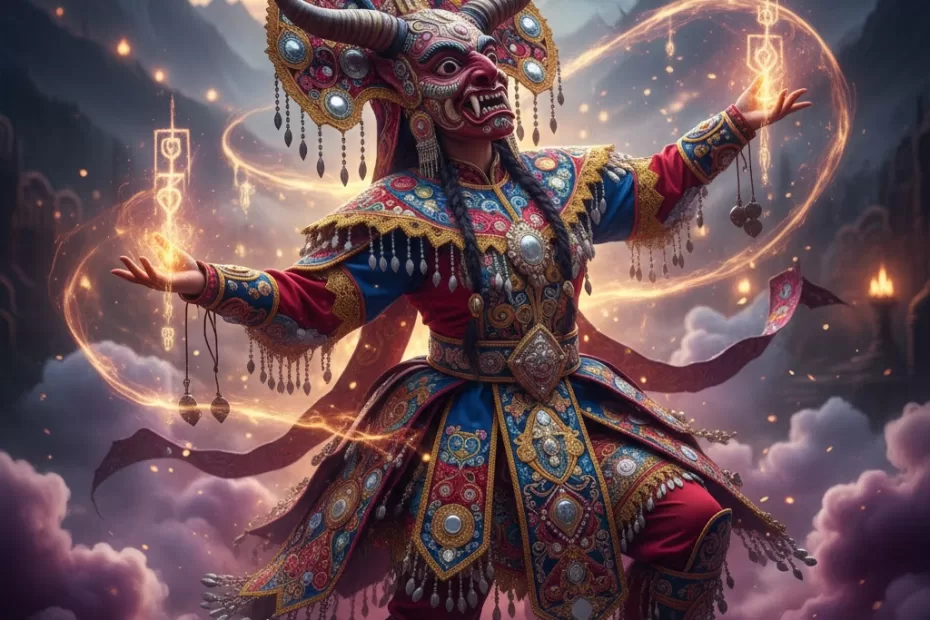
The Spiritual Journey of Oruro Dancers
Deep within the heart of Bolivia, amidst the rugged beauty of the Andes, lies a vibrant tapestry of culture, faith, and fervent devotion. This is the world of the Oruro Carnival, a spectacle recognized by UNESCO as a Masterpiece of the Oral and Intangible Heritage of Humanity. At the core of this elaborate celebration are the Oruro dancers, individuals whose every step, every intricate movement, and every dazzling costume piece is a testament to a profound spiritual journey. Far more than mere performers, these dancers embody a living tradition, blending indigenous beliefs with Catholic spirituality in a unique expression of cultural identity and unwavering faith. Their dance is not just entertainment; it’s a sacred offering, a plea, a thanksgiving, and a powerful reaffirmation of who they are and where they come from. It’s an immersive experience that transcends the physical, connecting them to their ancestors, their community, and the very soul of the land.
Introduction to Oruro Dancers
The Oruro dancers are the pulsating heart of the annual Oruro Carnival, a grand festival that transforms the mining city into a kaleidoscope of sound, color, and spiritual energy. These aren’t professional entertainers in the conventional sense, but rather ordinary people – miners, students, homemakers, professionals – who dedicate countless hours, immense physical effort, and significant personal resources to participate. Their commitment stems from a deep-seated reverence for the Virgin of Socavon, the patron saint of miners, and an ancestral connection to Andean deities.
Each group of Oruro dancers, known as a conjunto, represents a specific traditional dance, such as the Diablada (Dance of the Devils), Morenada (Dance of the Black Slaves), Caporales, Llamerada, or Tinkus. Each of these traditional dances carries its own history, symbolism, and distinct spiritual expression. For the participants, being an Oruro dancer is a significant aspect of their cultural identity, a legacy passed down through generations. It is a profound spiritual dance that weaves together folklore traditions, indigenous beliefs, and Catholic rites into a singular, powerful narrative. The cultural significance of their role extends beyond the festival itself; they are custodians of Bolivian folklore and cultural heritage, ensuring these ancient practices endure in a modern world. Their dance performance is a public declaration of faith and belonging, a living prayer performed with the entire body and soul, making their spiritual journey an integral part of Bolivia’s vibrant cultural landscape.
Historical Background of the Oruro Carnival
To truly grasp the spiritual journey of Oruro dancers, one must delve into the rich historical tapestry of the Oruro Carnival itself. Its roots stretch back centuries, long before the arrival of the Spanish conquistadors. The indigenous Uru people, who inhabited the region, celebrated Anata or Phujllay, a harvest festival dedicated to Pachamama (Mother Earth) and the apus (mountain spirits). These ancient rituals involved music, dance, and offerings to ensure bountiful harvests and protection.
With the advent of Spanish colonization and the imposition of Catholicism, these indigenous beliefs did not vanish but rather adapted. The Catholic Church, in its efforts to convert the local population, often co-opted existing pagan festivals, aligning them with Christian holidays. Thus, the Anata festival gradually merged with the Christian celebration of Carnival, particularly around the Feast of the Purification of the Virgin Mary (Candlemas). This syncretism is the cornerstone of the Oruro Carnival’s unique character. The Virgin of Socavon, initially associated with the indigenous Anchanchu (a mischievous spirit of the mines), became the central figure of devotion. The Spanish also introduced theatrical representations of good versus evil, which found a fertile ground in existing Andean spiritual narratives.
The Oruro Carnival, therefore, evolved as a powerful blend of two distinct cultural and religious traditions. It became a space where indigenous beliefs could persist, albeit under a Catholic veneer, allowing the Uru and later Quechua and Aymara communities to preserve their cultural identity and spiritual expression. The early dances were often clandestine, performed in hidden corners to avoid colonial suppression. Over time, as the carnival gained acceptance, these dance rituals became more elaborate, incorporating elements from both worlds. This history of resistance, adaptation, and fusion imbues the Oruro festivities with a deep sense of resilience and spiritual power, making every dance performance a living testament to a complex past and a vibrant present. The dance history of Oruro is thus a story of enduring faith and the continuous reassertion of cultural heritage.
The Influence of Andean Spirituality
Andean spirituality forms the very bedrock of the Oruro dancers’ performances, profoundly shaping their devotion and identity. It is a worldview rooted in a deep respect for nature and a belief in the interconnectedness of all living things. Central to this belief system is Pachamama, Mother Earth, who is revered as a benevolent provider and a powerful force. Dancers offer her prayers and gifts, seeking her blessing for their performance, their families, and their communities. This reverence for the earth is evident in many dance rituals, where offerings of coca leaves, alcohol, and other symbolic items are made.
Alongside Pachamama, the Tio Supay (Uncle Devil) holds a significant, albeit complex, place in Andean spirituality, particularly for the miners of Oruro. The Tio is believed to be the lord of the underworld, the protector of the mines, and the owner of the mineral riches. Miners traditionally offer him coca, cigarettes, and alcohol to ensure their safety and to ask for good fortune. In the Oruro Carnival, particularly in the iconic Diablada dance, the devil figures are not purely evil but represent a powerful, ambivalent force that must be appeased and respected. This duality reflects the Andean understanding of the world, where good and bad, light and dark, coexist and balance each other.
The influence of Andean spirituality is also seen in the concept of ayni (reciprocity) and mink’a (communal work), which are fundamental to the organization and execution of the Oruro Carnival. Dancers often commit to dancing for several years (three to seven years is common) as a promesa or promise to the Virgin of Socavon, often made in exchange for a granted prayer or a wish fulfilled. This act of devotion is a form of ayni – a reciprocal relationship with the divine. The rigorous training, the communal costume making, and the collective effort required for the dance performance all reflect the spirit of mink’a. This fusion of ancient indigenous beliefs with Catholic devotion creates a unique spiritual framework where the dance itself becomes a sacred act, a bridge between the earthly and the divine, embodying the very essence of the spiritual journey for Oruro dancers.
The Costumes and Their Symbolism
The elaborate costumes worn by Oruro dancers are not merely decorative; they are powerful symbols, each thread and embellishment imbued with deep meaning, telling stories of history, mythology, and spiritual beliefs. These traditional costumes are works of art, often heavy and intricate, requiring months of meticulous craftsmanship and significant financial investment. For the dancers, donning these garments is a transformative experience, a physical manifestation of their commitment to their spiritual journey and cultural identity.
Take, for instance, the Diablada, arguably the most famous dance of the Oruro Carnival. The Diablada costumes are truly spectacular, featuring colossal horned masks, often adorned with serpents, lizards, and other creatures representing the underworld. The vibrant colors – red, gold, green – are not arbitrary; red often symbolizes the devil’s fire and passion, while gold represents wealth and the sun. Mirrors stitched onto the costumes are believed to ward off evil spirits and reflect negative energy. The intricate details, like the spiders, toads, and bats, are all emblematic of the Tio Supay and the challenges faced in the mines. The caretas (masks) themselves are individual masterpieces, handcrafted and often passed down through families, carrying the spiritual energy of previous wearers.
The Morenada dancers wear equally impressive, heavy costumes, often weighing over 60 pounds, symbolizing the chains and burdens of African slaves brought to the mines during the colonial era. The distinctive matracas (rattles) they carry represent the sound of their chains. Their large, elaborate hats, often adorned with feathers and jewels, signify a blend of colonial opulence and indigenous resistance. The Caporales, a more modern dance, features flashy, military-inspired outfits with high-heeled boots and intricate embroidery, often depicting scenes of colonial overseers, yet performed with a vigorous, almost defiant energy. Even the simpler costumes of the Llamerada or Kallawaya dances, which evoke the pastoral life and ancient healing traditions, are rich in symbolism related to nature, animals, and the spiritual connection to the land. Each dance symbolism is meticulously preserved, ensuring the cultural significance of every element.
Materials Used in Costumes
The creation of these iconic traditional costumes involves a fascinating array of materials, each chosen not only for its aesthetic appeal but also for its symbolic and, often, spiritual significance. The meticulous selection and application of these materials underscore the deep reverence and commitment of the Oruro dancers to their craft and their faith.
For the magnificent masks of the Diablada, papier-mâché is the primary base, allowing for the creation of intricate shapes and exaggerated features. This is then adorned with a variety of materials: glass eyes that seem to peer into the soul, real or artificial horns, and often human hair or alpaca wool for texture. Metallic paints, often gold and silver, are used to highlight details, symbolizing the mineral wealth of Oruro and, by extension, the power of the Tio Supay. Mirrors are frequently incorporated, not just for their reflective quality but as protective talismans, believed to deflect evil and symbolize the light of the divine.
Textiles form the foundation of many costumes. Rich velvets, satins, and brocades are favored for their luxurious feel and vibrant colors, often imported and chosen for their durability to withstand the rigors of the dance performance. Intricate embroidery, often done by hand, transforms these fabrics into storytelling canvases. Threads of gold, silver, and vibrant silks are used to depict mythological creatures, Andean symbols, Catholic iconography, and historical scenes. This embroidery is not merely decorative; it is a form of spiritual expression, with each stitch often made with a prayer or intention.
Feathers, particularly from exotic birds like macaws and ostriches, are extensively used, especially in the elaborate headpieces of the Morenada and Caporales. Feathers symbolize flight, freedom, and a connection to the celestial realm, linking the dancer to the heavens and to the spirits of their ancestors. Sequins, beads, and precious or semi-precious stones are meticulously hand-sewn onto every surface, catching the light and creating a dazzling spectacle that represents the brilliance of the sun and the stars, further enhancing the spiritual dance. The weight of these materials, combined with the elaborate design, transforms the dancer into a living, breathing sculpture, a moving altar that embodies the very essence of the Oruro traditions and their profound cultural heritage.
The Dance as a Form of Spiritual Expression
For the Oruro dancers, the act of dancing transcends mere performance; it is a profound form of spiritual expression, a living prayer, and the very embodiment of their cultural identity. Every step, every turn, every synchronized movement is infused with intention, devotion, and a deep connection to the sacred. This is where the core objective of understanding how participants experience the event as an act of devotion and identity truly comes to life. The physical exertion, the months of practice, the financial sacrifice – all culminate in a pilgrimage of faith, danced through the streets of Oruro.
The dance performance begins long before the actual carnival procession. It starts with the promesa, a solemn vow made to the Virgin of Socavon, often for three, five, or seven consecutive years. This commitment is not taken lightly; it signifies a deep personal sacrifice and an unwavering faith. During the arduous rehearsals, which can last for months, dancers not only perfect their steps but also mentally and spiritually prepare themselves. These practices become communal rituals, strengthening bonds within the conjunto and reinforcing a shared sense of purpose and spiritual beliefs. The shared struggle and joy solidify their cultural identity.
On the days of the Oruro Carnival, particularly during the main procession (the Entrada), the dance becomes a pilgrimage. Dancers embark on a long route, often covering several kilometers, dancing continuously for hours under the high Andean sun or through the cool night. This physical endurance is itself an act of penance and devotion. The rhythm of the music, the collective energy of the group, and the cheers of the crowd create an almost trance-like state, allowing dancers to transcend their physical limitations and connect with a higher spiritual plane. They dance for the Virgin, for Pachamama, for their ancestors, for their families, and for the well-being of their community.
Each traditional dance, with its unique choreography and music, serves as a distinct medium for spiritual expression. The fierce, almost aggressive movements of the Diablada dancers, for instance, symbolize the struggle between good and evil, with the devils ultimately submitting to the Virgin. The Morenada, with its heavy, shuffling steps, evokes the suffering of the enslaved but also their resilience and eventual triumph. Through these movements, dancers not only recount historical narratives but also internalize and project their own spiritual journeys, fears, hopes, and gratitude. It’s a powerful affirmation of their Andean spirituality and a vibrant display of Bolivian folklore, making the dance a central pillar of their spiritual life.
Rituals and Beliefs Associated with the Dance
The spiritual journey of Oruro dancers is intricately woven with a rich tapestry of rituals and beliefs that precede, accompany, and follow their awe-inspiring dance performances. These rituals are not mere superstitions; they are deeply meaningful practices that anchor the dancers in their cultural heritage and fortify their spiritual expression.
Before the Oruro festivities officially begin, many conjuntos participate in a velada or vigil. This solemn gathering is held in honor of the Virgin of Socavon, where dancers light candles, offer prayers, and sometimes spend the entire night in contemplation and devotion. It’s a time for reflection, for asking for blessings, and for reaffirming their promesa. During these vigils, coca leaves are often offered to Pachamama and the Tio Supay, seeking permission and protection for the upcoming dance. These initial dance rituals are crucial for setting the spiritual tone and preparing the dancers mentally and emotionally for the intensity of the carnival.
On the day of the Entrada, the main procession, specific rituals are observed. Many dancers will visit the Sanctuary of the Virgin of Socavon before or after their performance, often crawling on their knees the last few meters as a sign of extreme humility and devotion. This act of penance is a powerful demonstration of their spiritual beliefs and commitment. During the dance itself, certain gestures or movements carry specific meanings. For example, in the Diablada, the symbolic “battle” between the devils and the archangel Michael culminates in the devils’ submission, representing the triumph of good over evil. Throughout the procession, blessings are often sought from priests or yatiris (Andean shamans), further blending the Catholic and indigenous spiritual paths.
After the carnival, the spiritual journey doesn’t abruptly end. Many conjuntos hold a final mass or a small celebration to give thanks for a successful and safe performance. The costumes are carefully stored, often with a sense of reverence, as they are imbued with the spiritual energy of the dance. The promesa continues to weigh on the dancers’ minds, reminding them of their commitment for the following years. These rituals and beliefs associated with the dance reinforce the idea that the Oruro Carnival is not merely an annual event but a continuous cycle of faith, devotion, and cultural preservation. It is a testament to the enduring power of folklore traditions and the deep spiritual connection that binds the Oruro dancers to their land, their history, and their divine protectors.
Challenges Faced by Oruro Dancers Today
Despite the profound spiritual journey and cultural significance embedded in their traditions, Oruro dancers today face a myriad of contemporary challenges that threaten the authenticity and sustainability of their practices. These challenges range from economic pressures to the pervasive influence of globalization, all of which test the resilience of their cultural heritage and their commitment to the Oruro traditions.
One of the most significant hurdles is the economic burden associated with participation. The elaborate traditional costumes, particularly for dances like the Diablada and Morenada, are incredibly expensive to create and maintain. They require high-quality materials, intricate craftsmanship, and often come with significant costs for custom-made masks and accessories. Dancers often spend thousands of dollars out of their own pockets, which can be a substantial strain for many families in a developing nation. Beyond the costumes, there are costs for rehearsals, music, travel, and various offerings, making participation a luxury for some. This economic barrier can exclude less affluent individuals who otherwise feel a strong spiritual calling to dance, potentially impacting the diversity and inclusivity of the conjuntos.
Another challenge lies in the increasingly competitive nature of the Oruro Carnival itself. As its international recognition grows, so does the pressure to perform flawlessly and to outdo other groups. This can sometimes shift the focus from spiritual devotion to performance spectacle, with an emphasis on flashy choreography and elaborate presentations over the deeper meaning of the dance rituals. The sheer physical demands of the dance performance, coupled with the commitment required for rehearsals and the multi-year promesa, also lead to burnout or make it difficult for individuals with demanding jobs or family responsibilities to participate consistently.
Furthermore, the transmission of knowledge and skills to younger generations is a constant concern. While many traditions are passed down within families, modern distractions and the allure of contemporary culture can sometimes diminish interest in the rigorous demands of traditional dance. Ensuring that the intricate dance history, the symbolic meanings of the costumes, and the underlying spiritual beliefs are effectively conveyed to new dancers is crucial for cultural preservation. Without a continuous influx of dedicated young participants, the future of these vibrant folklore traditions could be jeopardized, making the safeguarding of this cultural heritage a perpetual challenge for the Oruro dancers.
The Impact of Globalization on Cultural Practices
Globalization, while bringing increased international recognition and tourism to the Oruro Carnival, also introduces complex cultural challenges that directly impact the spiritual journey of Oruro dancers and their traditional practices. The influx of external influences can lead to both opportunities and threats to the authenticity of Bolivian folklore and Andean culture.
One of the most visible impacts is the commercialization of the carnival. As the event gains global prominence, there’s a growing pressure to cater to tourist expectations, which can sometimes overshadow the sacred and devotional aspects of the festival. Souvenir shops selling mass-produced versions of traditional costumes or masks, for example, might devalue the painstaking craftsmanship and spiritual significance of the authentic garments. The focus can shift from a spiritual expression to a tourist attraction, potentially eroding the deep-seated meaning of the dance performance for participants. This commercialization can also lead to a commodification of sacred rituals, where practices once reserved for spiritual devotion become marketable commodities.
Moreover, the global spread of media and popular culture can influence the aesthetics and even the choreography of traditional dances. While innovation can be positive, there’s a risk that conjuntos might modify their dances to appear more “modern” or “appealing” to a global audience, inadvertently diluting the historical accuracy or symbolic integrity of the traditional dance. This pressure to adapt can lead to a gradual loss of specific dance symbolism or the nuanced storytelling embedded in the movements. The fusion of global music styles with traditional Andean melodies, while sometimes creating exciting new sounds, can also lead to a departure from the authentic soundscapes that have historically accompanied these spiritual dances.
Another challenge arises from intellectual property rights and cultural appropriation. As the Oruro Carnival becomes more widely known, there’s a risk of other groups or countries adopting elements of Oruro’s cultural heritage without proper acknowledgment or respect for its origins and spiritual significance. This can lead to a feeling among Oruro dancers that their cultural identity is being diluted or exploited. Balancing the desire for global recognition with the imperative of cultural preservation and protecting the authenticity of their spiritual beliefs and folklore traditions is a delicate act. The effects of globalization thus present a continuous negotiation for Oruro dancers, as they strive to maintain the integrity of their spiritual journey amidst a rapidly changing world.
Conclusion
The spiritual journey of Oruro dancers is a profound and captivating testament to the enduring power of faith, cultural identity, and human devotion. Far from being mere participants in a festive parade, these individuals embody a living legacy, seamlessly weaving together ancient indigenous beliefs with Catholic spirituality to create a unique and vibrant form of spiritual expression. Their commitment to the Oruro Carnival is a sacred promesa, a multi-year dedication that transcends physical exertion and financial sacrifice, transforming the dance performance into an act of profound prayer and thanksgiving.
From the historical roots of the Oruro Carnival, born from the syncretism of Uru Anata festivals and Christian observances, to the intricate symbolism of their traditional costumes and the deeply personal rituals associated with their craft, every aspect of an Oruro dancer’s life during the carnival is imbued with spiritual significance. They dance for the Virgin of Socavon, for Pachamama, for the Tio Supay, and for the preservation of their cherished cultural heritage. Each step, each vibrant costume, and each communal gathering reinforces their connection to their ancestors, their community, and the very soul of Bolivia.
However, this rich tradition is not without its contemporary challenges. Economic pressures, the demands of globalization, and the constant negotiation between authenticity and commercialization all threaten to dilute the spiritual essence of their practice. Yet, through their unwavering dedication and the collective effort of conjuntos and communities, Oruro dancers continue to safeguard and transmit their folklore traditions to new generations. Their spiritual journey remains a powerful beacon of cultural preservation, reminding us of the deep human need for connection, identity, and devotion in a world that often moves too fast. The Oruro dancers are not just performers; they are the heart and soul of Bolivian folklore, embodying a spiritual legacy that continues to inspire and resonate across the globe.
Further Reading and Resources
For those eager to delve deeper into the fascinating world of Oruro dancers, their spiritual journey, and the rich tapestry of Bolivian folklore, a wealth of resources awaits. Exploring academic journals on cultural studies and anthropology can provide in-depth analyses of Andean spirituality, dance symbolism, and the historical evolution of the Oruro Carnival. Documentaries and ethnographic films offer compelling visual narratives of the dance rituals and the lives of the dancers, capturing the vibrant cultural identity and spiritual expression firsthand. Museums and cultural institutions, both in Bolivia and internationally, often host exhibitions dedicated to traditional costumes, masks, and the broader context of indigenous beliefs and cultural heritage. Online archives and university research papers also provide valuable insights into the globalization effects on traditional dance and the ongoing challenges of cultural preservation. Engaging with these resources can enrich your understanding of this extraordinary spiritual dance and its profound cultural significance.
123win44, huh? I was kinda skeptical at first, but it’s not bad! Fast payouts, which is a big deal for me. Give it a spin, maybe? 123win44
Really insightful article! Transparency in RTP, like with million88 download apk, is HUGE for building trust. I appreciate platforms prioritizing player experience & clear stats-makes a difference! 👍
I am thanksful for this post!
acewin888 https://www.exacewin888.org
[5879]PHCity Online Casino: Best Philippines Slots, Easy Login, Register & App Download Join PHCity Online Casino for the best phcity slots in the Philippines. Enjoy secure phcity login, fast phcity register, and the official phcity app download for a premium gaming experience. visit: phcity
Hmm, सुरक्षा हमेशा सबसे पहले! यह पोर्ट का विवरण अच्छा है, पर हमेशा सुरक्षा जांच ज़रूरी है। 3777 port app का उपयोग करते समय, टू-फैक्टर ऑथेंटिकेशन को प्राथमिकता दें। सतर्क रहें!
The structural integrity of chance demands rigorous analysis. While the Online Games APK offers breadth, remember that underlying probability dictates the true expectation value. Check this out: online games apk.
Such a vibe! The games load instantly and I love the variety of options available. braa888 is hands down one of the best platforms I have used recently.