
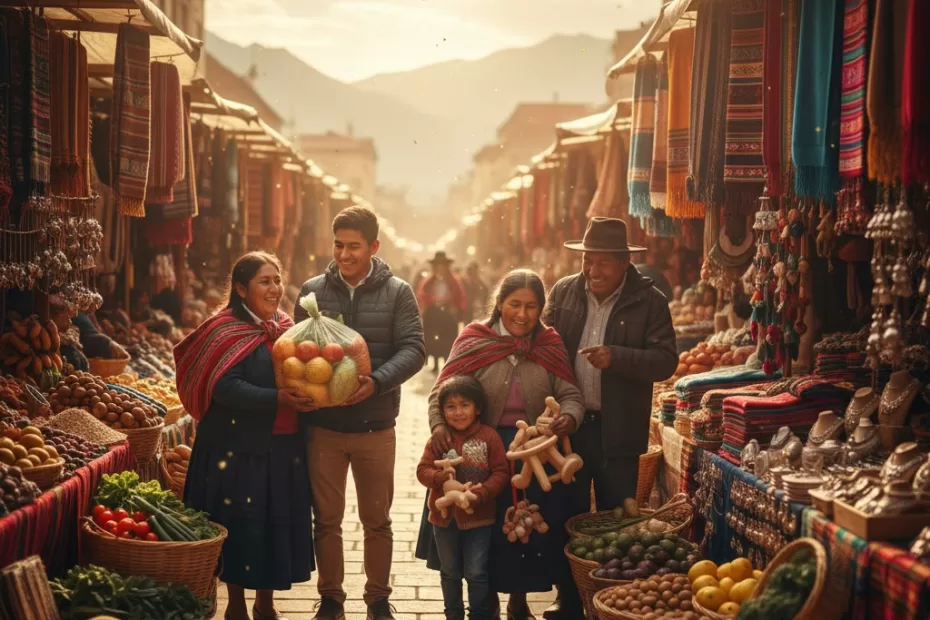
Understanding the Economic Benefits for Oruro Families
Oruro, a vibrant city nestled in the Bolivian altiplano, is much more than just the home of its world-renowned Carnival. Beneath the surface of its rich cultural heritage lies a dynamic local economy, where the resilience and ingenuity of its people drive significant economic benefits for Oruro families. From bustling food stalls to the intricate craft of costume rentals, and the broader impact of its growing tourism sector, Oruro families are finding diverse pathways to economic empowerment and improved family welfare.
The city’s unique position, coupled with various community programs and Oruro initiatives, creates a fascinating ecosystem where traditional practices meet modern economic strategies. This article will delve into the multifaceted ways in which Oruro’s households profit from these opportunities, exploring the direct and indirect economic contributions that bolster their livelihoods and contribute to the overall Oruro economic development. We’ll look at the intricate dance between cultural preservation and economic growth, examining how local efforts, sometimes supported by national economic initiatives Bolivia, are shaping a more prosperous future for its residents. The story of Oruro is one of community development, where every family’s success echoes through the social fabric, contributing to a stronger, more sustainable local economy.
Overview of Economic Initiatives in Oruro
Oruro’s economic landscape is continually shaped by a variety of programs and initiatives designed to uplift its families. These efforts span across different sectors, aiming to provide a safety net, foster entrepreneurship, and create sustainable pathways to prosperity. Both government bodies and non-governmental organizations (NGOs) play crucial roles in this endeavor, often working in tandem to address the specific needs of the community.
One significant area of focus for Oruro economic development is the support for small and micro-enterprises. Many families in Oruro rely on small businesses, such as artisan workshops, local eateries, and retail shops, as their primary source of income. Programs often provide access to micro-financing, which is vital for these nascent businesses to acquire capital for inventory, equipment, or expansion. These loans, often with favorable terms, empower individuals to turn their entrepreneurial ideas into tangible income-generating activities, directly contributing to family income Oruro.
Beyond financial aid, skill-building workshops are a cornerstone of many community programs Oruro. These workshops cover a wide range of practical skills, from business management and accounting for small business owners to specialized craft techniques that enhance the value of local products. For instance, artisans might receive training in new design trends or marketing strategies to better position their unique Oruro heritage crafts in local and tourist markets. This focus on human capital development is essential for boosting productivity and competitiveness, ensuring that families possess the necessary tools to thrive in a dynamic economy.
Furthermore, there are social programs designed to provide direct assistance to vulnerable families, ensuring basic needs are met while they pursue economic stability. These might include food security initiatives, educational support for children, or health programs that reduce the financial burden on households. Such initiatives are critical for laying a stable foundation upon which families can build their economic future, preventing them from falling into deeper cycles of poverty. The Oruro community support network is often robust, with local cooperatives and associations playing a vital role in organizing and disseminating information about these opportunities.
The overarching goal of these diverse economic initiatives Bolivia is to foster a resilient and self-sufficient local economy, where every family has the opportunity to improve its economic status. By integrating financial support, skill development, and social safety nets, Oruro aims to create a holistic environment for sustainable economic growth Oruro, ultimately enhancing the overall family welfare in Oruro. These efforts are not just about immediate relief; they are about building long-term capacity and fostering an environment where economic prospects Oruro are continually expanding for all its residents.
Impact of Tourism on Family Income
Tourism stands as a powerful engine for economic development in Oruro, significantly boosting the economic benefits for Oruro families. The city’s unique cultural appeal, particularly the UNESCO-recognized Oruro Carnival, draws visitors from across Bolivia and around the globe. This influx of tourists translates directly into increased demand for goods and services, creating a vibrant marketplace that many local households capitalize on.
The Oruro Carnival benefits are perhaps the most visible and impactful aspect of tourism for local families. During the weeks leading up to and during the festival, the city transforms into a hub of activity. Visitors require accommodation, food, transportation, and souvenirs, all of which are primarily provided by local businesses and individuals. This surge in demand creates a temporary but substantial boost in family income Oruro, allowing many to earn a significant portion of their annual earnings in a short period. The festival is not just a cultural event; it’s a massive economic driver that underpins much of the city’s annual economic cycle.
Beyond the Carnival, Oruro’s rich mining history, museums, and high-altitude landscapes attract a steady stream of visitors throughout the year. This sustained cultural tourism helps to diversify income streams for families, reducing their reliance on seasonal events. Local guides, taxi drivers, and small shop owners benefit from this continuous flow, ensuring that the Oruro tourism impact is felt year-round. Families often invest these earnings into improving their homes, educating their children, or expanding their small businesses, demonstrating a direct link between tourism revenue and improved family welfare in Oruro. The economic empowerment derived from these opportunities is crucial for many households, offering pathways out of vulnerability and into greater financial stability.
Job Creation During Festivals
Major cultural events like the Oruro Carnival are unparalleled in their ability to generate temporary job creation Oruro, providing critical economic benefits for Oruro families. As thousands of tourists descend upon the city, the need for various services skyrockets, opening up a plethora of opportunities for local residents. These temporary roles are often a lifeline for families, allowing them to accumulate savings or cover significant expenses.
One of the most prominent examples is the proliferation of food stalls. Families set up temporary kitchens on sidewalks and in plazas, selling traditional Bolivian delicacies like api, salteñas, and anticuchos. These food stalls are not just a source of sustenance for visitors but a significant income generator for the families operating them, some of whom specialize in these culinary offerings year-round and expand operations for the festival. The preparation, cooking, and selling of these items require numerous hands, often engaging multiple family members, from children helping with serving to elders preparing ingredients.
Another substantial source of income comes from costume rentals. The elaborate and often expensive costumes for the Carnival dancers are a major investment. Many Oruro families specialize in the creation, maintenance, and rental of these intricate outfits. They might sew new costumes, repair existing ones, or rent out their family’s collection to dancers who cannot afford to buy their own. This niche market is incredibly lucrative during the Carnival season, providing a steady stream of income for skilled artisans and entrepreneurial families. The detailed embroidery, sequin work, and feather arrangements demand significant craftsmanship, which is often passed down through generations, making it a valuable part of the local economy.
Beyond these direct services, the Carnival creates demands for a wide array of support roles. Local musicians and dancers are hired, security personnel are needed, and hospitality services like guesthouses and informal lodging arrangements flourish. Transportation services, from taxis to local buses, see a surge in demand, benefiting drivers and vehicle owners. Even street vendors selling anything from water bottles to small souvenirs find a bustling market. These temporary jobs, while seasonal, are vital for many Oruro families, providing concentrated periods of work that contribute significantly to their annual earnings and overall economic stability. The Oruro Carnival benefits truly extend throughout the entire community, touching almost every household in some capacity.
Supporting Local Businesses
Beyond direct job creation, tourism has a profound ripple effect, significantly supporting local businesses and, by extension, the economic benefits for Oruro families. When tourists visit, their spending circulates within the local economy, creating a multiplier effect that benefits a wide range of enterprises and households. This sustained economic activity helps to strengthen the overall Oruro economic development.
Restaurants and eateries, from small family-run diners to larger establishments, experience a substantial boost in patronage. Tourists seek out authentic local cuisine, leading to increased sales for these businesses. This, in turn, creates demand for local agricultural products, benefiting farmers and suppliers in the surrounding areas. Hotels and guesthouses, especially during peak season, operate at full capacity, providing employment for staff and generating income for owners. Many of these accommodations are small, family-owned ventures, meaning the profits directly contribute to the family income Oruro.
Souvenir shops and artisan markets thrive on tourist spending. Local artisans, who often work from their homes, sell their unique crafts, textiles, and jewelry. These sales not only provide direct income but also help preserve traditional Oruro heritage crafts and skills, ensuring their continuity for future generations. The demand for these goods encourages local business support, fostering a vibrant ecosystem of small-scale production and trade. The revenue generated allows these businesses to reinvest, expand, and create more stable employment opportunities.
Furthermore, the increased foot traffic and economic activity during tourist seasons benefit a myriad of other service providers. Hair salons, laundromats, convenience stores, and internet cafes all see increased business. Even informal vendors selling everyday items experience heightened sales. This widespread economic stimulation helps to solidify the local economy, making it more robust and less vulnerable to external shocks. The money spent by tourists doesn’t just go to the primary businesses; it flows through the community as wages are earned, goods are purchased from local suppliers, and services are utilized, creating a continuous cycle of economic growth Oruro. This pervasive support for local businesses ensures that the economic benefits for Oruro families are distributed widely, fostering a sense of shared prosperity.
Agricultural and Economic Development Programs
While Oruro is renowned for its mining and cultural tourism, agriculture remains a foundational pillar for many families, particularly in the surrounding rural areas. Agricultural programs Oruro are vital for enhancing the economic benefits for Oruro families, helping them achieve greater self-sufficiency and improve their livelihoods through sustainable practices. These initiatives often focus on modernizing farming techniques, diversifying crops, and improving market access for local produce.
Many families in Oruro’s periphery engage in subsistence farming, cultivating traditional crops like quinoa, potatoes, and various cereals. However, climate change and traditional farming methods can limit productivity and income potential. Economic development programs in this sector aim to introduce more resilient and productive agricultural practices. For instance, families might receive support for implementing irrigation systems, which are crucial in the semi-arid altiplano, or for adopting organic farming techniques that yield healthier crops and command higher prices in niche markets. This shift towards sustainable agriculture Oruro not only protects the environment but also secures long-term food security and income stability for families.
Crop diversification is another key strategy. By encouraging families to cultivate a wider range of crops, including high-value vegetables and fruits suitable for the local climate, programs help reduce reliance on a single crop and mitigate risks associated with market fluctuations or crop failures. This also opens up new opportunities for families to supply local markets, restaurants, and even tourist establishments with fresh, locally grown produce, strengthening the local economy and reducing dependence on imported goods.
Moreover, efforts are made to connect farmers directly with consumers and larger markets, bypassing intermediaries who often take a significant cut of the profits. Farmer cooperatives are often formed to pool resources, negotiate better prices, and collectively transport goods to urban centers. These cooperatives empower families by giving them a stronger voice in the market and ensuring they receive a fairer share of the revenue from their hard work. Such initiatives are crucial for the economic empowerment of rural families, providing them with the tools and knowledge to transform their agricultural practices into sustainable, profitable ventures. This focus on agricultural practices is a cornerstone of broader community development efforts, aiming to lift families out of poverty and create lasting economic sustainability.
Access to Resources and Training
A critical component of agricultural and economic development programs in Oruro is ensuring that families have adequate access to resources and training. Without the right knowledge and tools, even the most promising initiatives can falter. These programs are meticulously designed to equip Oruro families with everything they need to transition from subsistence farming to more productive and profitable agricultural practices.
Training initiatives are often at the forefront, offering practical workshops and field demonstrations. These sessions cover a wide array of topics crucial for sustainable agriculture Oruro. For example, families learn about efficient water management techniques, such as drip irrigation or rainwater harvesting, which are vital in a region where water can be scarce. They are taught about soil health management, including composting and crop rotation, to improve fertility and yield without relying heavily on expensive chemical fertilizers. Livestock management training is also common, focusing on animal health, breeding, and improving dairy or meat production, which provides an additional income stream for many families. These educational programs empower families with the knowledge to make informed decisions that directly impact their economic prospects Oruro.
Beyond knowledge, access to physical resources is paramount. Many programs facilitate access to improved seeds that are more resilient to local climate conditions and offer higher yields. They might also provide modern farming tools and equipment, ranging from hand tools that reduce labor to small-scale machinery that can significantly increase efficiency. For families engaged in animal husbandry, support might include access to veterinary services or improved feed.
Financial resources, often in the form of micro-loans, are also critical. These loans allow families to invest in necessary inputs, such as seeds, fertilizers, or small livestock, which might otherwise be out of reach. These financial mechanisms are often accompanied by training in financial literacy, helping families manage their budgets, save for the future, and make sound investment decisions.
The combination of training and resources fosters a sense of self-reliance and innovation among Oruro families. It allows them to experiment with new crops, adopt advanced techniques, and ultimately increase their agricultural output and income. This holistic approach to community development ensures that the economic benefits for Oruro families are not just temporary but are built on a foundation of knowledge and sustainable practices, leading to long-term economic stability and improved family welfare.
Challenges Faced by Oruro Families
Despite the various initiatives and opportunities, Oruro families, like many across Bolivia, still face significant challenges in improving their economic status. Understanding these hurdles is crucial for designing more effective and targeted interventions that can truly make a difference in their lives and contribute to sustainable Oruro economic development.
One of the most persistent issues is poverty, which often manifests as limited access to basic services. Many families, especially those in rural or peri-urban areas, struggle with inadequate access to quality education, healthcare, and sanitation. This lack of access can perpetuate a cycle of poverty, as poor health affects productivity and limited education restricts opportunities for higher-paying jobs. The cost of these essential services, even when available, can be prohibitive for low-income households, further straining their already tight budgets.
Limited access to resources is another major impediment. This includes not just financial capital, but also access to productive land, modern technology, and reliable infrastructure. For instance, farmers might lack access to irrigation systems, forcing them to rely on unpredictable rainfall, or they might not have the means to transport their produce efficiently to markets. Small business owners often struggle to secure loans from traditional banks due to a lack of collateral or credit history, making it difficult to expand or even sustain their operations. This scarcity of resources hinders their ability to compete and grow, limiting their economic prospects Oruro.
Furthermore, Oruro’s economy, while diversified by tourism, still faces vulnerabilities. Dependence on a few key sectors, such as mining, can make the region susceptible to global commodity price fluctuations. While the Oruro Carnival benefits are substantial, their seasonal nature means families must manage their finances carefully to last throughout the year, or find alternative income sources during off-peak times. This economic instability can create uncertainty and make long-term planning difficult for families.
Environmental factors, such as climate change, also pose an increasing threat, particularly to agricultural families. Changes in weather patterns, including more frequent droughts or unpredictable frosts, can severely impact crop yields and livestock, directly affecting food security and family income Oruro. Addressing these multifaceted economic challenges Oruro requires a concerted effort from government, NGOs, and the community to build resilience and create more equitable opportunities for all.
Success Stories: Families Thriving in Oruro
Amidst the challenges, there are numerous inspiring success stories of Oruro families who have not only improved their economic situation but have also become beacons of hope within their communities. These narratives highlight the power of perseverance, innovation, and the effective utilization of available economic benefits for Oruro families, often through programs designed for economic empowerment.
Take, for instance, the Quispe family, who initially struggled with subsistence farming. Through an agricultural program that provided training in organic farming and access to improved quinoa seeds, they transformed their small plot of land. They learned advanced irrigation techniques and how to process their quinoa into value-added products like flour and pasta. Their products now fetch premium prices at local markets and even reach specialized organic stores in larger cities. This not only significantly increased their family income Oruro but also created job creation Oruro opportunities for neighbors who help with harvesting and processing, demonstrating the ripple effect of their success.
Another compelling example is the Mamani family, who leveraged the Oruro Carnival benefits. For years, they struggled to make ends meet, but the matriarch, a skilled seamstress, saw an opportunity in costume rentals. She participated in a local business support program that offered a small loan and marketing advice. Starting with a few traditional costumes, her business, “Danzas de Oruro,” now boasts a vast collection, renting out dozens of elaborate outfits each Carnival season. Her children help with design, maintenance, and client management, turning a seasonal opportunity into a thriving family enterprise that provides year-round income from repairs and custom orders. This has allowed them to invest in their children’s education and improve their living conditions, significantly enhancing their family welfare in Oruro.
Then there’s the Rojas family, who capitalized on the demand for local cuisine among tourists. They started with a small food stall during the Carnival, specializing in api con buñuelos. Their delicious offerings and friendly service quickly gained popularity. With support from a community development initiative, they were able to secure a permanent location and expand their menu. Today, their small restaurant is a beloved spot, attracting both locals and tourists, providing stable employment for several family members and contributing to the vibrant local economy. These success stories Oruro are not isolated incidents; they represent a growing trend of families finding innovative ways to harness Oruro’s unique resources and opportunities.
Community Support and Collaboration
The remarkable success stories of Oruro families often have a common thread: strong community support and collaboration. It’s rarely an individual effort; rather, it’s the collective strength of local organizations, cooperatives, and government agencies working together that creates an environment where families can truly thrive. This collaborative spirit is a cornerstone of economic benefits for Oruro families.
For the Quispe family, their agricultural success was greatly amplified by their participation in a local farmers’ cooperative. This cooperative not only facilitated access to training and resources but also provided a collective bargaining power that allowed them to negotiate better prices for their products and access wider markets. They shared knowledge with other members, exchanged best practices, and collectively tackled challenges, fostering a sense of mutual aid and community development. This kind of Oruro community support reduces individual risk and maximizes the potential for shared prosperity.
Similarly, the Mamani family’s costume rental business benefited immensely from local business support networks. These networks often connect entrepreneurs with mentors, provide access to workshops on financial management and marketing, and even help secure initial capital. In Oruro, there are often informal groups of artisans and small business owners who share resources, refer clients, and collectively promote their services, especially during peak tourist seasons. This collaborative ecosystem helps small businesses overcome the initial hurdles of starting up and provides ongoing assistance, strengthening the local economy from the ground up.
Government programs also play a crucial role, often working in partnership with NGOs and local communities to implement economic initiatives Bolivia. These partnerships can provide funding for infrastructure improvements, technical assistance, and policy frameworks that support local enterprises. For example, municipal efforts to promote cultural tourism directly benefit families involved in the Carnival, while agricultural ministries might fund projects that enhance sustainable agriculture Oruro.
Ultimately, these success stories underscore that while individual drive is essential, it is the robust network of community support and collaboration that often turns potential into reality. When families feel connected, supported, and empowered by their community, they are far more likely to overcome economic challenges Oruro and achieve lasting economic empowerment, creating a positive cycle of growth and improved family welfare for the entire region.
Future Prospects for Oruro Families
Looking ahead, the future prospects for Oruro families appear promising, with several initiatives and evolving trends poised to further enhance their economic benefits. The city and its surrounding region are actively exploring new avenues for growth, focusing on diversification, technology integration, and leveraging their unique cultural and natural assets to ensure long-term economic sustainability.
One significant area of focus is the expansion of cultural tourism beyond the Carnival. While the Carnival is a major draw, efforts are underway to promote Oruro’s rich mining heritage, pre-Columbian sites, and Andean landscapes throughout the year. Developing ecotourism opportunities in the surrounding areas, such as birdwatching tours or trekking expeditions, could create new income streams for families involved in guiding, hospitality, and local crafts. This diversification would reduce reliance on a single, seasonal event, leading to more stable family income Oruro.
Digital literacy and technology integration are also becoming increasingly important. Programs aimed at teaching Oruro families digital skills – from basic computer use to online marketing and e-commerce – could open up vast new markets for local artisans and small businesses. Imagine a family running a costume rental business being able to reach international clients online, or an artisan selling their unique crafts through a global marketplace. These skills are crucial for navigating the modern economy and ensuring that local businesses remain competitive and relevant.
Furthermore, there’s a growing emphasis on adding value to agricultural products. Instead of just selling raw quinoa or potatoes, families are being encouraged and supported to process these into higher-value goods like quinoa flour, snacks, or artisanal potato chips. This not only increases their profit margins but also creates new job creation Oruro opportunities in processing and packaging. Investment in small-scale processing facilities and training in food safety and quality control are key components of these agricultural programs Oruro.
Finally, continued investment in infrastructure, such as improved roads, reliable internet access, and better public services, will be critical. These foundational improvements make it easier for businesses to operate, for products to reach markets, and for families to access education and healthcare, all of which contribute to a higher quality of life and stronger economic prospects Oruro. By embracing innovation, nurturing their cultural heritage, and fostering a collaborative spirit, Oruro families are well-positioned to build a future of sustained economic growth and enhanced well-being.
FAQs about Economic Benefits for Oruro Families
Q1: How does the Oruro Carnival specifically help families economically?
The Oruro Carnival provides significant temporary income for families through job creation in food stalls, costume rentals, hospitality, transportation, and artisan sales, allowing them to earn a substantial portion of their annual income in a short period.
Q2: What kind of agricultural support is available for Oruro families?
Agricultural programs offer training in sustainable practices like irrigation and organic farming, access to improved seeds and tools, and support for forming cooperatives to improve market access and pricing for their produce.
Q3: Are there programs for small family businesses in Oruro?
Yes, various initiatives provide micro-financing, skill-building workshops in business management and marketing, and local business support networks to help small family-owned enterprises grow and thrive.
Q4: What are the main economic challenges Oruro families face?
Families often face challenges such as poverty, limited access to quality education and healthcare, insufficient infrastructure, and vulnerabilities to climate change and economic fluctuations.
Q5: How can community members get involved in Oruro’s economic initiatives?
Community members can participate by joining local cooperatives, attending skill-building workshops, volunteering with NGOs, or supporting local businesses and cultural events, all of which contribute to Oruro economic development.
Frivv, oh man, brings back all the childhood memories! Spent so many afternoons glued to my computer playing those simple, addictive games. Definitely a solid choice for a quick dose of nostalgia and mindless fun. Check it out: frivv
That analysis was spot on! Seeing platforms like Million88 prioritize transparency with RTP is huge for informed betting. Seriously boosts confidence – checking out million88 games might be a smart move for serious players! Solid insights here.
I am thanksful for this post!
beeph https://www.joybeeph.net
Honestly, the focus on ‘beginner-friendly’ is key; managing expectations before diving into the bet 100 mechanics seems crucial for new users. It’s more about process than just slots, really. Check out bet 100 com for a good overview!