
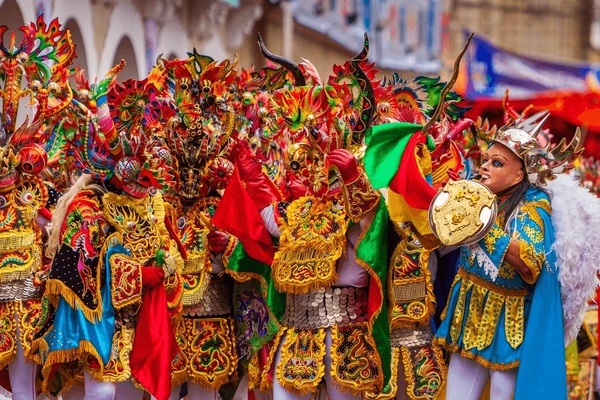
Religious Traditions of the Oruro Carnival
The air in Oruro, Bolivia, crackles with an energy unlike any other during its annual carnival. Far more than just a vibrant street party, the Oruro Carnival is a profound spiritual journey, a magnificent tapestry woven from centuries of devotion, indigenous beliefs, and Catholic influence. Recognized by UNESCO as a Masterpiece of the Oral and Intangible Heritage of Humanity, this grand festival is a testament to Bolivia’s rich cultural heritage, showcasing a unique blend of ancient Andean traditions and colonial-era Catholicism. For those seeking to understand the heart of Bolivian folklore and the deep spiritual significance embedded within its most spectacular celebrations, exploring the religious traditions Oruro Carnival offers is an unparalleled experience. It’s a journey into a world where the sacred and the festive dance hand-in-hand, creating an event that resonates with the soul of a nation.
Introduction to the Oruro Carnival
At its core, the Oruro Carnival is a dazzling display of faith, art, and community, unfolding over ten days leading up to Ash Wednesday. Situated in the high-altitude mining city of Oruro Bolivia, this festival transcends typical Carnival celebrations, serving as a powerful expression of collective spirituality. Its significance in Bolivian culture cannot be overstated; it is a living museum of traditions, a vibrant showcase of the country’s diverse ethnic groups, and a deeply rooted religious observance. The carnival’s religious roots trace back to pre-Columbian times, honoring Pachamama, the Mother Earth, and the Tío Supay, a benevolent and malevolent deity of the mines. With the arrival of the Spanish conquistadors, these indigenous beliefs began to intertwine with Catholic practices, particularly the veneration of the Virgin of Socavon (Our Lady of the Mines). This syncretism is what makes the Oruro Festival truly unique, distinguishing it from other Latin American festivals. The entire event is a grand pilgrimage, culminating in a spectacular procession that pays homage to the Virgin, demonstrating a profound devotion that underpins every dance, costume, and ritual. It’s a powerful cultural event that draws visitors from around the globe, eager to witness this extraordinary fusion of spiritual expression.
Historical Background
The origins of the Oruro Carnival are deeply embedded in the historical narrative of the Andean region. Long before the Spanish conquest, the Uru people, indigenous inhabitants of the Oruro area, observed rituals dedicated to Pachamama, the revered Mother Earth, and various other deities associated with nature and fertility. These ancient ceremonies, often involving offerings and dances, were integral to their agricultural cycles and mining activities. The Tío Supay, a complex figure embodying both the protector and owner of the underground minerals, was particularly significant for the miners, who would offer coca leaves, alcohol, and cigarettes to ensure safe passage and bountiful yields.
The arrival of the Spanish in the 16th century brought with it Catholicism and a concerted effort to evangelize the indigenous populations. However, rather than completely eradicating existing beliefs, a process of syncretism began to unfold. Indigenous deities were often reinterpreted as Catholic saints, allowing the local people to continue their traditional worship under a new guise. For instance, the Virgin of Socavon, the patron saint of miners, became closely associated with Pachamama, offering a parallel figure for devotion. The Tío Supay, while retaining his pre-Hispanic characteristics, also found a place within the Christian narrative, sometimes portrayed as a devil figure in the morality plays that became central to the carnival.
Over the centuries, the carnival evolved, absorbing influences from various social and economic strata. The mining boom in Oruro in the colonial and republican eras brought a diverse population to the city, each contributing to the evolving traditions. The dances, which began as simple indigenous rituals, transformed into elaborate choreographies, often depicting historical events, social commentary, or religious allegories. The “Diablada,” or Dance of the Devils, emerged as the most iconic expression of this syncretism, dramatizing the eternal struggle between good and evil, with the Archangel Michael battling the devils for the souls of humanity, all under the watchful gaze of the Virgin of Socavon. This intricate historical layering has shaped the carnival into the grand spectacle it is today, a living testament to the resilience and adaptability of Bolivian traditions and indigenous culture.
Key Religious Traditions
The heart of the Oruro Carnival lies in its deeply embedded religious traditions, a complex interplay of ancient Andean spiritual practices and Catholic devotion. Every aspect of the festival, from its opening rituals to the final procession, is imbued with profound spiritual significance. These devotional practices are not mere performances; they are fervent acts of faith, prayers in motion, and offerings to both visible and invisible forces.
Ceremonial Offerings
Ceremonial offerings are a cornerstone of the Oruro Carnival, reflecting the enduring presence of indigenous beliefs, particularly the veneration of Pachamama. Before the main procession begins, and throughout the days of the festival, participants engage in various rituals to appease and thank the Earth Mother and other Andean deities. One of the most common practices is the ch’alla, a ritual sprinkling of alcohol or other liquids on the ground as an offering. This act acknowledges Pachamama as the provider of sustenance and wealth, especially for the miners who rely on her bounty from the earth.
Another significant offering is the mesa blanca, or “white table,” a beautifully arranged collection of sweets, herbs, nuts, and sometimes miniature effigies, meticulously prepared by yatiris (Andean spiritual healers) or community elders. These offerings are often burned at specific altars or sacred sites, such as the Tío Supay’s shrine in the mines, or at crossroads, to seek blessings, protection, and prosperity for the coming year. The items chosen for the mesa blanca are symbolic, each representing a prayer or a desire—sweets for a sweet life, herbs for healing, and so on. These offerings are not just historical relics; they are living, breathing traditions that connect the participants directly to their ancestral spiritual heritage, ensuring the favor of the earth and the spirits for the success of the carnival and the well-being of the community. These rituals in Oruro underscore the profound respect for nature and the spiritual world that remains central to Andean traditions.
The Role of Devotional Dances
The sheer spectacle of the Oruro Carnival is largely defined by its devotional dances, each a vibrant narrative steeped in religious meaning. These aren’t just performances; they are acts of penance, thanksgiving, and supplication, a form of active prayer performed by thousands of dedicated dancers.
The Diablada, or Dance of the Devils, is undoubtedly the most iconic and spiritually charged of all the dances. It symbolizes the eternal struggle between good and evil, with richly costumed devils representing the forces of darkness, led by Lucifer and Satan, being ultimately vanquished by the Archangel Michael. At its heart, the Diablada is an homage to the Virgin of Socavon. Each step, each jump, each intricate movement is an offering, a promise made by the dancers to the Virgin for her protection and blessings. Many dancers commit to performing for several years, often seven, as a form of penance or gratitude. The Diablada also subtly incorporates elements of the Tío Supay, with the miners’ devotion to him being woven into the devil figures, blurring the lines between pre-Columbian and Catholic interpretations.
Beyond the Diablada, numerous other traditional dances Bolivia has to offer contribute to the carnival’s spiritual tapestry:
-
Morenada: This dance, characterized by its heavy, elaborate costumes and slow, rhythmic steps, often depicts the suffering of African slaves brought to the mines during colonial times. While seemingly secular, its performance is often an act of devotion, with dancers fulfilling promises to the Virgin, seeking solace and hope. The sound of the matraca (rattle) is believed to ward off evil spirits.
-
Caporales: A more modern dance, the Caporales emerged from the Saya and Tundiqui dances, celebrating the overseers (caporales) of the black slaves. Despite its contemporary feel, many groups dance as an act of faith, dedicating their performance to the Virgin of Socavon, seeking her blessings for their families and communities.
-
Llamerada: The Dance of the Llama Herders pays tribute to the vital role of llamas in Andean life and economy. Dancers, dressed in traditional herder attire, perform graceful movements that evoke the herding of llamas. This dance is an offering to Pachamama and the mountain spirits for the health of their herds and bountiful pastures.
-
Kullawada: This elegant dance, featuring dancers adorned in intricate, often silver-laden costumes and large, flat hats, represents the traditional spinners and weavers of the Andes. It’s a celebration of their craft and an offering for prosperity and good fortune in their endeavors, often dedicated to the Virgin.
Each of these ritual dances, performed with immense passion and precision, contributes to the overall spiritual fervor of the Oruro Carnival events. They are not merely entertainment but profound expressions of faith, cultural diversity, and communal identity, uniting participants in a shared spiritual journey.
Costumes and Symbols
The costumes of Oruro Carnival are not merely decorative; they are elaborate narratives, rich with symbolic meanings that reflect the carnival’s dual religious heritage. Every stitch, every embellishment, and every color tells a story, blending indigenous cosmology with Catholic iconography.
The most striking example is found in the costumes of the Diablada. The devil masks are masterpieces of artisanry, terrifying yet captivating. They feature monstrous faces, often adorned with snakes, toads, lizards, and condors – animals deeply significant in Andean traditions and often associated with the underworld or powerful spirits. The three-headed serpent, a common motif, represents Amaru, an Andean mythical creature associated with the underworld and water. The large, bulging eyes, fangs, and horns are meant to evoke fear and represent the malevolent aspects of the Tío Supay and the Christian devil. Yet, these devils dance in devotion to the Virgin, creating a powerful visual paradox that encapsulates the syncretism of the festival. The dancers’ elaborate capes, often embroidered with religious imagery, further emphasize this blend.
Other costumes also carry deep symbolism:
-
Morenada: The heavy, often silver-adorned costumes of the Morenada dancers, particularly the enormous, wide-brimmed hats and the “matraca” (rattle), symbolize the chains and burdens of the enslaved African miners. The masks often depict exaggerated features, reflecting the historical perception and suffering.
-
Caporales: The vibrant, often sequined outfits, high boots, and whips of the Caporales reflect the power and authority of the colonial overseers, yet the dance itself is a celebration of strength and resilience, often performed with a spiritual dedication.
-
Llamerada: The simple, colorful ponchos, hats, and slings (whip-like instruments) of the Llamerada dancers are direct representations of the traditional Andean llama herders, symbolizing their close connection to nature and their livelihood, which is often dedicated to Pachamama.
-
Kullawada: The elegant, often heavily embroidered dresses and large, distinctive hats of the Kullawada dancers symbolize the wealth and artistry of the textile workers, with their movements mimicking the act of spinning and weaving, a craft deeply embedded in indigenous culture.
Beyond the specific costumes, many Oruro Carnival symbols are prevalent throughout the festival. The images of the Virgin of Socavon are ubiquitous, appearing on banners, altars, and even incorporated into some costume designs. Crosses, often adorned with Andean motifs, are also common. The presence of these symbols reinforces the devotional practices and the overarching spiritual significance of the event. Each costume, therefore, is not just an outfit but a sacred garment, a performative prayer that embodies the complex religious beliefs and the cultural diversity that defines this extraordinary Bolivian tradition.
The Influence of Catholicism
The integration of Catholicism into the Oruro Carnival is perhaps its most fascinating and defining characteristic. While the festival has ancient pre-Columbian roots, the arrival of the Spanish and the subsequent evangelization efforts led to a profound transformation, not through eradication, but through absorption and reinterpretation. This process, known as syncretism, is evident in virtually every aspect of the carnival, creating a unique spiritual landscape where indigenous beliefs and Catholic doctrines coexist and often merge seamlessly.
The central figure of Catholic influence is undoubtedly the Virgin of Socavon, or Our Lady of the Mines. Legend has it that the Virgin intervened to save a miner from the wrath of the Tío Supay, and her image was later discovered in a mine shaft. This narrative allowed for a natural fusion with the existing veneration of Pachamama, the Mother Earth. For the indigenous people, who had long worshipped the nurturing earth spirit, the Virgin provided a familiar and accessible maternal figure within the new religious framework. Today, she is the undisputed patroness of the Oruro Carnival, and the entire festival is essentially a massive pilgrimage and offering in her honor. Dancers embark on a solemn journey to her sanctuary, located above the old mine entrance, to offer their performances as acts of faith and penance.
The Tío Supay, the lord of the underworld and guardian of the mines, is another prime example of this religious blend. While originally a revered and feared indigenous deity, he was often demonized by the Spanish and equated with the Christian devil. However, rather than disappearing, the Tío endured, and his image became central to the Diablada. The devils in the dance, while representing Christian evil, also carry the essence of the Tío Supay, acknowledging his power over the mineral wealth. Miners continue to make offerings to him in the mines, even as they participate in the carnival’s Catholic celebrations, demonstrating the simultaneous adherence to both belief systems.
Catholic rituals, such as masses, blessings, and the sacrament of confession, are integral to the carnival schedule. The procession itself, while featuring a kaleidoscope of pre-Hispanic and colonial-era dances, culminates in a solemn act of devotion at the Virgin’s sanctuary. The Archangel Michael, a key figure in the Diablada, battling Lucifer, clearly draws from Christian mythology, yet his role is intertwined with the indigenous struggle against malevolent spirits. Even the timing of the carnival, leading up to Ash Wednesday and the start of Lent, aligns it with the Christian liturgical calendar, providing a framework for the pre-existing indigenous celebrations.
This blending of faiths is not merely superficial; it represents a deep cultural adaptation and resilience. For centuries, the people of Oruro have found ways to express their spiritual needs by integrating new elements into their traditional practices, creating a vibrant, dynamic, and profoundly meaningful set of religious celebrations. The Oruro Carnival stands as a living testament to the power of cultural diversity and the enduring human quest for spiritual connection, showcasing a unique form of religious syncretism found in few other places.
Comparative Religious Practices
While many festivals worldwide celebrate cultural heritage and religious devotion, the Oruro Carnival distinguishes itself through its remarkably deep and explicit syncretism between indigenous Andean beliefs and Catholicism. This unique blend offers a fascinating point of comparison with other cultural festivals, highlighting Oruro’s distinctive spiritual significance.
Consider the famous Brazilian Carnival, for instance. While vibrant and rooted in Catholic tradition (as a pre-Lenten celebration), its religious undertones are often overshadowed by exuberant revelry, samba, and secular celebration. Though African spiritual traditions (like Candomblé) exist in Brazil, their integration into the main public Carnival celebrations is less overt and less universally acknowledged than the Andean traditions within Oruro. The focus in Brazil leans heavily towards a celebratory, often hedonistic, escape before the solemnity of Lent. In contrast, the Oruro Carnival maintains a pervasive sense of sacred purpose, with every dance and costume serving as a devotional act rather than purely entertainment. The penitential aspect, the fulfilling of promises to the Virgin, and the continuous offerings to Pachamama are central to the experience, not peripheral.
Similarly, Mexico’s Day of the Dead (Día de Muertos), while a profound spiritual event blending indigenous Mesoamerican beliefs with Catholicism, focuses specifically on honoring deceased ancestors. While it shares the fusion of pre-Hispanic and Catholic elements, its thematic scope is different. The Oruro Carnival, on the other hand, encompasses a broader spectrum of spiritual engagement, addressing fertility, protection from mining dangers, the struggle between good and evil, and community well-being, all under the watchful eyes of both the Virgin and Andean spirits.
Even within other festivals in South America, the intensity and visibility of Oruro’s religious syncretism stand out. Many Andean communities have festivals that honor Pachamama or local saints, but few achieve the scale, complexity, and internationally recognized cultural heritage status of Oruro, where the Diablada’s explicit portrayal of the Archangel Michael battling figures that are both Christian devils and manifestations of the Tío Supay is a clear and direct representation of this fusion.
The religious practices of the Oruro Carnival are not merely a historical curiosity; they are a living, evolving expression of faith that bridges two distinct spiritual worlds. This makes it more than just a spectacle; it is a profound spiritual journey for its participants and a powerful demonstration of cultural resilience and adaptation, setting it apart as a truly exceptional global festival. Its deep spiritual significance, where every step is a prayer and every costume a symbol of faith, underscores its unique position in the pantheon of world religious festivals.
Conclusion
The Oruro Carnival is far more than an annual spectacle of color and sound; it is a living testament to the enduring power of faith and the remarkable ability of cultural traditions to adapt and evolve. Its religious traditions, steeped in centuries of history, reveal a profound and intricate blend of ancient indigenous beliefs and colonial-era Catholicism. From the solemn ceremonial offerings to Pachamama and the Tío Supay to the fervent devotional dances dedicated to the Virgin of Socavon, every aspect of the festival pulsates with spiritual significance.
This unique syncretism, where the Diablada’s devils embody both Christian evil and Andean spirits, and the Virgin of Socavon stands as a maternal figure akin to Mother Earth, is what gives the Oruro Carnival its unparalleled identity. It is a powerful example of how cultural diversity can manifest in a cohesive, deeply meaningful celebration. The elaborate costumes, rich with symbolic meanings, serve as visual prayers, while the collective participation in the ritual dances reinforces community bonds and a shared spiritual journey.
The cultural impact of the Oruro Carnival extends far beyond the streets of Oruro Bolivia. It serves as a vital custodian of Bolivian folklore and cultural heritage, attracting international attention and fostering a deeper understanding of Andean traditions. For participants and spectators alike, the festival offers an immersive experience into a world where the sacred is seamlessly interwoven with the festive, where historical narratives are danced into being, and where devotion takes on a tangible, breathtaking form. Ultimately, the Religious traditions Oruro Carnival represents are not just practices of the past but a vibrant, living expression of faith that continues to shape the identity and spiritual life of a nation. It is a powerful reminder of humanity’s universal quest for meaning, connection, and spiritual expression.
Alanodt5game.com. Site loads, the games seem pretty simple. If that’s your thing Give alanodt5game a try!
[8070]The Top Online Casino in the Philippines: Premium Slots and Fast GCash Gaming. visit: taya333