
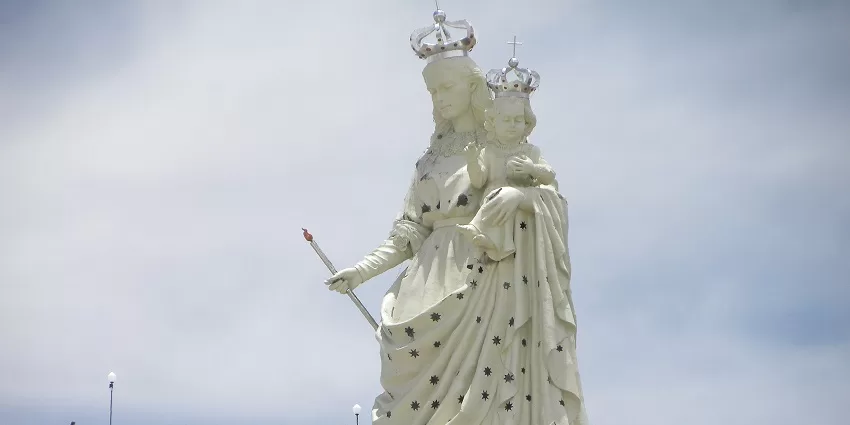
The Virgin of Socavón: A Cultural Icon in Oruro, Bolivia
Nestled high in the Bolivian Andes, the city of Oruro is a place where ancient traditions blend seamlessly with Catholic devotion, creating a vibrant tapestry of faith and folklore. At the heart of this cultural richness lies the profound reverence for the Virgin of Socavón, a revered manifestation of the Virgin Mary who serves as the patron saint of miners. For centuries, this sacred figure has been an integral part of the region’s identity, embodying the hopes, fears, and unwavering faith of the Oruro community. Her presence is particularly palpable during the world-renowned Oruro Carnival, a spectacular display of cultural heritage that has earned global recognition. Exploring the Virgin of Socavón Oruro means delving into the very soul of Bolivian customs and understanding the deep spiritual significance that permeates every aspect of life in this high-altitude city. It’s a journey into Andean culture, Catholic traditions, and the vibrant spirit of a people who celebrate their beliefs with unparalleled passion.
Historical Background of the Virgin of Socavón
The story of the Virgin of Socavón is deeply intertwined with Oruro’s mining history, a narrative steeped in both hardship and miracles. The name “Socavón” itself, meaning “mine shaft” or “underground tunnel,” immediately links her to the dangerous world of the miners who have toiled beneath the earth for centuries. Before the arrival of Catholicism, the indigenous Andean people worshipped Supay, the lord of the Ukhu Pacha (the underworld), often associated with the riches found beneath the earth. When the Spanish colonizers introduced Christianity, a fascinating syncretism began to emerge, where traditional local beliefs merged with new Catholic celebrations.
One of the most enduring legends surrounding the Virgin of Socavón Oruro dates back to the late 18th century, telling the tale of a notorious bandit named Anselmo Bellarmino, known as “Nina Nina” (fire-fire) due to his fiery temper and daring exploits. According to the legend, Nina Nina was a fearsome figure who preyed on the wealthy, but he harbored a secret devotion to the Virgin Mary. On a cold Saturday night, during a robbery attempt, he was mortally wounded. As he lay dying in the entrance of a mine shaft, a beautiful woman appeared before him, offering comfort and solace. This mysterious woman was identified by the local community as the Virgin Mary. Miners, witnessing the event or hearing of it, believed it to be a divine intervention, a sign of the Virgin’s compassion for even the most wayward souls.
Another version of the legend speaks of a young miner who, after a tragic accident, was miraculously saved by the Virgin Mary. The story quickly spread, solidifying her status as a protector of those who risked their lives in the mines. Over time, the Virgin of Socavón became the undisputed mining patron saint, a figure to whom miners prayed for safety, good fortune, and protection against the dangers lurking in the dark tunnels. This historical significance transformed her image into a powerful symbol of hope and resilience for the entire Oruro community, making her a central figure in Bolivian folklore and a key element of Oruro history. The devotion grew, establishing a sacred site where people could express their faith and seek solace, eventually leading to the construction of a sanctuary in her honor, marking one of the city’s most important historical landmarks.
The Sanctuary of the Virgin of Socavón
Perched majestically atop a hill overlooking the city of Oruro, the Sanctuary of the Virgin of Socavón stands as a beacon of faith and a testament to unwavering devotion. This impressive structure is not merely a church; it is the spiritual heart of the community, a place where the sacred presence of the Virgin of Socavón is palpable. Its prominent location offers breathtaking panoramic views of Oruro, making it a significant landmark and a popular tourist attraction for those who travel Bolivia.
The architecture of the Oruro Sanctuary is a blend of colonial and republican styles, reflecting the various periods of its construction and renovation. The façade, often adorned with intricate carvings and vibrant colors, draws visitors and pilgrims alike. Inside, the atmosphere is one of profound reverence. The central altar houses the revered image of the Virgin of Socavón, often depicted with a protective gaze, adorned with rich vestments and precious jewels donated by her faithful. The walls are frequently lined with ex-votos – small plaques, photographs, or handmade offerings – left by individuals whose prayers were answered, a testament to the countless miracles attributed to the Virgin.
Beyond its architectural beauty, the sanctuary holds immense importance to the local community. It serves as the starting and ending point for countless religious pilgrimages, particularly during the Oruro Carnival. For the faithful, visiting the Oruro Sanctuary is a deeply personal and spiritual experience. Many make the arduous climb on their knees, fulfilling promises or seeking blessings, a powerful display of their commitment and belief. It is a sacred place where local beliefs are expressed, where generations have come to pray, to mourn, and to celebrate. The sanctuary is not just a building; it is a living symbol of Oruro’s cultural identity and a focal point for the city’s spiritual life, attracting thousands annually as a significant site for cultural tourism.
Festivals and Celebrations in Honor of the Virgin
The devotion to the Virgin of Socavón culminates in a series of vibrant festivals and celebrations throughout the year, none more spectacular or globally recognized than the Carnaval de Oruro. This annual event is not just a party; it is a profound religious festival, a complex tapestry woven from Catholic traditions, Andean culture, and Bolivian folklore, all offered in honor of the Virgin of Socavón Oruro.
The Carnaval de Oruro, declared a Masterpiece of the Oral and Intangible Heritage of Humanity by UNESCO, is a pre-Lenten celebration that transforms the city into an explosion of color, music, and dance. While it shares elements with other carnivals around the world, its unique religious significance sets it apart. The entire festival is a massive act of devotion, a promise made to the Virgin Mary for protection and blessings. Thousands of dancers and musicians, organized into hundreds of fraternities, spend months preparing for the grand procession known as the Entrada.
This spectacular parade, lasting for more than 20 hours, sees groups performing intricate choreographies along a four-kilometer route that eventually leads to the Sanctuary of the Virgin of Socavón. Each dance group, with their elaborate costumes and traditional music, represents a distinct aspect of Bolivian folklore and history. The journey is arduous, often beginning in the early hours of the morning and continuing late into the night, but the exhaustion is overcome by an unwavering spiritual fervor. As the dancers approach the Oruro Sanctuary, their energy intensifies, their movements becoming a final, fervent offering. Upon reaching the sanctuary, many dancers remove their masks, kneel, and offer a silent prayer of gratitude and devotion to the Virgin of Socavón, symbolizing the fulfillment of their promise. This blend of festive events and deep religious pilgrimage showcases the true spiritual significance of the celebration, making it one of the most compelling Andean festivals and a cornerstone of community traditions.
The Carnival is a powerful example of syncretism. While the dances might seem pagan to an outsider, for the participants, they are a form of worship. The characters, often representing good and evil, dance out a narrative that ultimately reaffirms the triumph of good, guided by the benevolent Virgin of Socavón. This fusion of indigenous rituals with Catholic celebrations creates a unique cultural experience, drawing visitors from all over the world to witness this extraordinary display of faith and tradition.
The Diablada Dance and Its Significance
Among the multitude of dances performed during the Carnaval de Oruro, none is more iconic or symbolically rich than the Diablada dance. The “Dance of the Devils” is synonymous with the Oruro Carnival and holds a central place in the devotion to the Virgin of Socavón Oruro.
The Diablada is a dramatic representation of the struggle between good and evil, a narrative deeply rooted in both pre-Columbian beliefs and Christian teachings. The main characters include Lucifer and Satanás, representing evil; the Archangel Michael, representing good; and a host of devils (Diablos) with their terrifying masks, often adorned with serpents, toads, and other mythical creatures. The dance is not merely entertainment; it is a ritualistic battle, with the Archangel Michael ultimately prevailing over the forces of evil.
The connection between the Diablada and the Virgin of Socavón is profound and heartfelt. According to tradition, the first Diablada dancers were miners who, facing the dangers of their profession, made a solemn promise to the Virgin Mary. They vowed to dance in her honor every year during Carnival if she protected them from accidents and brought them good fortune. This promise has been passed down through generations, making the Diablada a sacred act of religious devotion. Each elaborate costume, each energetic step, and each blast of the traditional banda music is an offering to the mining patron saint.
The elaborate costumes are masterpieces of Bolivian craftsmanship, often weighing a considerable amount due to their intricate details, mirrors, and precious stones. The masks, in particular, are works of art, meticulously crafted and deeply symbolic. The performance of the Diablada is physically demanding, requiring immense stamina and dedication from the dancers. As they move through the streets of Oruro, their synchronized movements and vibrant attire create an awe-inspiring spectacle. When the Diablada dancers finally reach the Sanctuary of the Virgin of Socavón, they perform their final, most fervent dance before the altar, reaffirming their promise and expressing their gratitude. This powerful cultural expression serves not only as a highlight of the Oruro Carnival but also as a living testament to the enduring faith and cultural identity of the Bolivian people, blending ancient myths with devout Catholic celebrations.
Pilgrimages and Rituals
The devotion to the Virgin of Socavón Oruro extends far beyond the grand spectacle of the Carnival. Throughout the year, and especially during key religious dates, thousands of faithful embark on personal and communal pilgrimages to the Sanctuary of the Virgin of Socavón. These acts of religious pilgrimage are deeply ingrained in Bolivian customs, representing a profound expression of faith, hope, and gratitude.
For many, the pilgrimage begins long before they reach the steps of the Oruro Sanctuary. It can involve arduous journeys from distant towns and villages, often undertaken on foot, as a penance or a testament to their unwavering belief. The most poignant of these rituals occurs during the Carnaval de Oruro and on the Feast Day of the Virgin of Socavón (February 2nd, coinciding with Candlemas). During these times, countless pilgrims, including the dancers of the Carnival, make their way up the steep hill to the sanctuary.
A particularly striking ritual involves pilgrims ascending the final stretch of the hill on their knees, a powerful display of humility and sacrifice. This act is often performed to fulfill a promesa (promise) made to the Virgin in exchange for a granted wish, a healing, or protection from harm. As they crawl, sometimes for hundreds of meters, they offer silent prayers, reflecting on their lives and their connection to the divine. This physical act of devotion is a deeply personal experience, yet it is shared by a community of believers, creating a powerful collective spiritual significance.
Inside the sanctuary, various rituals are performed. Pilgrims light candles, offer flowers, and leave ex-votos as tokens of their gratitude. Many approach the image of the Virgin of Socavón, touching her vestments or the glass protecting her image, believing that this physical contact can transmit blessings or healing. Priests offer blessings, hear confessions, and celebrate Mass, reinforcing the Catholic traditions that are interwoven with the local beliefs. For miners, in particular, these rituals are crucial. They often bring miniature tools, small bags of minerals, or other symbols of their trade to be blessed by the Virgin, seeking her continued protection in the dangerous underground world. These community traditions highlight the Virgin’s role as a vital protector and a source of spiritual strength for the people of Oruro.
Cultural Impact and Global Recognition
The Virgin of Socavón Oruro and the festivals held in her honor have transcended local devotion to achieve significant cultural impact and global recognition. At the forefront of this recognition is the Carnaval de Oruro, which in 2001, was proclaimed by UNESCO as a “Masterpiece of the Oral and Intangible Heritage of Humanity.” This prestigious designation not only elevated the Carnival’s status on the world stage but also brought international attention to the deep religious devotion that underpins the entire celebration, centered around the Virgin of Socavón.
This global recognition has had a profound impact on Bolivian culture and its cultural identity. The Virgin of Socavón has become a powerful symbol of Bolivia, representing the country’s unique blend of indigenous heritage and Catholic faith. She embodies the resilience and spiritual depth of the Bolivian people, particularly those from the Andean region. The Carnival, with its vibrant Diablada dance and other traditional performances, serves as a living museum of Bolivian folklore, attracting cultural tourism and researchers eager to study this unique phenomenon.
The influence of the Virgin of Socavón extends beyond the annual festival. She is a constant presence in the daily lives of the people of Oruro, visible in homes, businesses, and public spaces. As the mining patron saint, her image is revered by those who work in the mines, but her protective aura is believed to extend to all residents. Her story and the legends surrounding her are passed down through generations, reinforcing local traditions and shaping the collective memory of Oruro history.
The cultural impact is also evident in the arts, music, and literature of Bolivia. The Virgin of Socavón inspires countless songs, poems, and artworks, serving as a muse for artists who seek to capture the essence of Bolivian customs and spiritual significance. The global recognition of the Carnival has also spurred efforts in cultural preservation, ensuring that the intricate costumes, traditional music, and complex choreographies are maintained for future generations. For many, the Virgin of Socavón is not just a religious icon but a unifying force, a source of pride, and a testament to the enduring power of faith and cultural heritage in Bolivia.
Tips for Visiting the Sanctuary
Visiting the Sanctuary of the Virgin of Socavón Oruro is an unforgettable experience, offering a unique glimpse into the heart of Bolivian culture and spirituality. For those planning to travel Bolivia and witness this incredible site, a few practical tips can enhance your journey.
First and foremost, be prepared for the altitude. Oruro is located at approximately 3,700 meters (12,140 feet) above sea level. Take it easy upon arrival, stay hydrated, and consider carrying coca leaves or sorojchi pills to help with altitude sickness. Comfortable walking shoes are essential, especially if you plan to walk up to the sanctuary. The ascent, while not overly strenuous for most, can be challenging at high altitude.
Respect for local beliefs and customs is paramount. The sanctuary is a sacred place, and visitors should dress modestly and behave respectfully. Photography is generally permitted, but always be mindful and ask permission before taking close-up shots of people participating in rituals or prayers. While exploring the Oruro Sanctuary, take your time to absorb the atmosphere, observe the rituals, and appreciate the artistic details. Consider hiring a local guide, especially during the Carnival, as they can provide invaluable insights into the history, legends, and spiritual significance of the Virgin of Socavón and the surrounding area.
Security is generally good, but as in any tourist attraction, it’s wise to be aware of your surroundings and keep your valuables secure. Local transportation, such as taxis and micros (small buses), are readily available and affordable for getting around Oruro.
Best Time to Visit
Undoubtedly, the best time to visit the Virgin of Socavón Oruro and experience the full depth of its cultural and religious significance is during the Carnaval de Oruro. This usually takes place over the weekend before Ash Wednesday, typically in February or early March. During this period, the city comes alive with the grand procession, the vibrant Diablada dance, and countless other festive events and community traditions. Witnessing the Entrada and the culmination of the pilgrimage at the Oruro Sanctuary is an unparalleled experience that truly captures the essence of this sacred site and its devotion to the Virgin Mary.
However, if you prefer to avoid large crowds and higher prices for accommodation, visiting outside of the Carnival period is also an option. The sanctuary is open year-round, offering a more serene and contemplative experience. The Feast Day of the Virgin of Socavón on February 2nd also draws significant numbers of pilgrims, offering a glimpse into the religious fervor without the full scale of the Carnival. Spring and autumn (roughly April-May and September-November) offer pleasant weather, making it a good time for general travel Bolivia and exploring other tourist attractions in the region.
Local Cuisine and Attractions
No visit to Oruro is complete without indulging in the local cuisine and exploring other historical landmarks. Bolivian food is hearty and flavorful, reflecting the country’s rich agricultural heritage. Be sure to try:
-
Salteñas: A beloved Bolivian empanada, filled with savory meat, vegetables, and a slightly sweet, juicy sauce. Perfect for a morning snack.
-
Fricasé: A traditional Oruro dish, especially popular after a long night of celebration. It’s a rich pork stew served with potatoes and chuño (freeze-dried potatoes), often spiced with ají.
-
Anticuchos: Skewers of marinated beef heart, grilled to perfection and served with potatoes and a spicy peanut sauce.
-
Api con Pastel: A warm, sweet purple corn drink (api) often enjoyed with a fried cheese pastry (pastel) – a perfect breakfast or afternoon treat.
Beyond the Virgin of Socavón, Oruro offers other attractions that deepen understanding of its Oruro history and cultural identity:
-
Museo de la Casa de la Cultura: Offers insights into Oruro’s art, history, and folklore.
-
Museo Mineralógico y Metalúrgico: Given Oruro’s mining heritage, this museum provides a fascinating look at the region’s geological wealth and the tools of the trade.
-
Monumento a la Virgen del Socavón (Cristo de la Concordia): A colossal statue of the Virgin, even larger than Rio’s Christ the Redeemer, located on the mountain above the sanctuary, offering spectacular views and another point of pilgrimage.
-
Hot Springs of Obrajes and Capachos: Located a short drive from Oruro, these natural thermal baths offer a relaxing escape.
Exploring these sites and savoring the local flavors will enrich your experience and provide a comprehensive understanding of the vibrant local traditions and spiritual significance that define Oruro, a true gem for cultural tourism.
Hoki108, always bringing the good vibes! Love the variety of games they have. It’s my lucky spot when I want to have some fun. Give it a try! hoki108.