
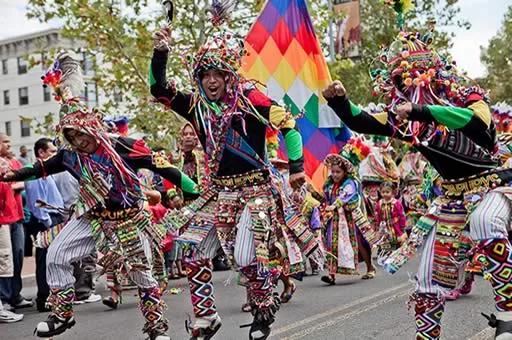
Oruro Carnival Traditions Explained
Nestled high in the Andean mountains of Bolivia, the city of Oruro bursts into an explosion of color, sound, and fervent devotion once a year for its world-renowned Carnival. More than just a party, the Oruro Carnival is a profound cultural and religious event, a vibrant tapestry woven from indigenous Andean beliefs and Catholic traditions. For anyone seeking a truly immersive cultural experience in Bolivia, understanding the intricate Oruro Carnival traditions explained here is essential. It’s a journey into the heart of Bolivian folklore, a spectacle that captivates with its elaborate costumes, mesmerizing dances, and deep spiritual significance.
Introduction to the Oruro Carnival
The Oruro Carnival, or Carnaval de Oruro, is arguably the most magnificent of all festivals in Bolivia, a true highlight among Bolivian cultural festivals. It’s an annual celebration that draws hundreds of thousands of spectators and participants, transforming the normally quiet mining city into a pulsating hub of activity. What makes this Oruro Festival truly unique is its profound syncretism – the seamless blending of pre-Columbian Andean traditions with Catholic rituals introduced by Spanish colonizers. At its core, the carnival is a tribute to the Virgen del Socavón (Virgin of the Mineshaft), the patron saint of miners, and a homage to the ancient Andean deities, particularly Pachamama (Mother Earth) and Supay (the god of the Uru underworld, often depicted as the devil).
This incredible cultural event is far more than just a parade; it’s a living museum of dance, music, and artistry, a testament to the enduring spirit of the Bolivian people. Every aspect, from the intricate traditional Bolivian dances to the dazzling carnival costumes, tells a story deeply rooted in the region’s history and beliefs. For those planning a Bolivia travel adventure, experiencing the Oruro Carnival atmosphere firsthand is an unparalleled opportunity to witness one of the world’s most spectacular cultural experiences in Bolivia.
History of the Oruro Carnival
The Oruro Carnival’s history is as rich and layered as the costumes worn by its dancers. Its origins can be traced back to pre-Columbian Andean traditions, particularly the Uru people’s ancient rituals celebrating Pachamama and the Tío Supay. These early ceremonies were deeply connected to the agricultural cycles and the mining activities that defined the region. When the Spanish arrived in the 16th century, they brought with them Catholicism and its own calendar of festivals. Over time, a fascinating fusion occurred. The indigenous people, forced to adopt Christian practices, ingeniously hid their ancestral beliefs within the new rituals. For example, the veneration of the Virgin Mary became intertwined with the worship of Pachamama, and the figure of Supay was masked as the Christian devil.
The modern Oruro Carnival truly began to take shape in the late 18th century, particularly after the miraculous appearance of the Virgin of Candelaria (later known as the Virgen del Socavón) in a mining shaft. This event cemented the religious aspect of the carnival, transforming it into a pilgrimage. Throughout the 19th and 20th centuries, as Oruro grew as a mining center, various migrant groups brought their own cultural expressions, contributing new dances, music, and costumes to the evolving celebration. This dynamic interplay of cultures has made the Oruro Carnival a continually evolving and incredibly diverse expression of Bolivian traditions, a vibrant testament to its complex past.
Cultural Significance of the Carnival
The Oruro Carnival holds immense cultural significance, not just for Bolivia but for the entire world. In 2001, UNESCO recognized the Oruro Carnival as a “Masterpiece of the Oral and Intangible Heritage of Humanity,” a testament to its profound value and the need to preserve its unique traditions. This UNESCO heritage Oruro Carnival designation highlights its role as a living repository of Andean culture, folklore, and spiritual beliefs.
For Bolivians, especially the people of Oruro, the carnival is more than just an annual event; it’s a fundamental part of their identity and a powerful expression of their cultural heritage. It serves as a communal space where history, religion, and art converge, fostering a strong sense of community and continuity across generations. The carnival is a deeply spiritual pilgrimage, particularly for the dancers who dedicate months of preparation and practice as an act of devotion to the Virgen del Socavón. Through its elaborate rituals, music, and dance, the carnival reaffirms ancient beliefs, celebrates resilience, and provides a vibrant platform for the transmission of Oruro folklore and Andean traditions Oruro. It’s a powerful symbol of national pride and a key element of Bolivia’s cultural landscape.
Traditional Dances of the Oruro Carnival
The heart and soul of the Oruro Carnival lie in its traditional dances Oruro, each telling a unique story and representing different aspects of Bolivian culture and history. Over 50 distinct dance groups, known as conjuntos, participate, performing a spectacular array of choreographies that captivate the senses. These performances are not merely entertainment; they are acts of devotion, historical narratives, and social commentaries brought to life through movement, music, and elaborate attire. From the fierce energy of the Diablada to the stately elegance of the Morenada, these dances embody the spirit of the carnival and the rich tapestry of Andean culture.
Diablada: The Dance of the Devils
The Diablada is arguably the most iconic and visually striking of all the dances at the Oruro Carnival. This “Dance of the Devils” is a dramatic representation of the eternal struggle between good and evil, a central theme in Andean cosmology and Christian theology. Its history is deeply intertwined with the mining culture of Oruro Bolivia, where miners would appeal to the Tío Supay (the devil-like lord of the underworld) for protection and rich veins of ore.
In the carnival, the Diablada dancers, often numbering in the hundreds, embody various demonic figures, led by Lucifer and Satanás, accompanied by the beautiful China Supay (the devil’s wife). Their elaborate costumes feature magnificent horned masks, intricate serpent motifs, and shimmering capes, creating a truly awe-inspiring spectacle. The dance itself is energetic and powerful, characterized by stomping feet, leaps, and dramatic movements that symbolize the devils’ struggle against the Archangel Michael, who ultimately defeats them. It’s a powerful narrative of redemption and faith, a central part of the Oruro pilgrimage.
Morenada: The Dance of the Morenos
The Morenada, or “Dance of the Morenos,” is another profoundly significant and popular dance, rich in cultural relevance and historical depth. This dance is widely believed to be a poignant representation of the African slaves brought to Bolivia by the Spanish during the colonial era to work in the silver mines of Potosí and Oruro. The distinctive rhythmic shuffling steps of the Morenada are said to mimic the heavy footfalls of the enslaved Africans, burdened by chains and the high altitude, while their elaborate costumes symbolize wealth and status, perhaps as a form of aspiration or ironic commentary.
Dancers wear large, heavy masks with exaggerated features, often dark-skinned, and carry a matraca (a large wooden rattle) that adds to the distinctive percussive soundscape. The costumes are incredibly ornate, often featuring wide-brimmed hats adorned with feathers and jewels, and voluminous skirts or trousers. The Morenada is a slower, more stately dance than the Diablada, but no less powerful, conveying a sense of melancholy, resilience, and the enduring spirit of those who suffered under colonial rule. It’s a powerful cultural expression among Bolivia dance festivals, reflecting a complex past.
Caporal: The Dance of the Foremen
The Caporal dance, a more contemporary addition to the Oruro Carnival repertoire, has rapidly gained immense popularity, both within Bolivia and internationally. This dynamic and energetic dance is a vibrant representation of the caporales or foremen, who supervised the African slaves and indigenous laborers in colonial times. Often depicted as mixed-race or mestizo, these foremen were figures of authority, sometimes benevolent, sometimes oppressive.
The Caporal costume for men is characterized by high boots with large bells (cascabeles), a brightly colored shirt, trousers, and a wide-brimmed hat, often adorned with feathers. Women wear short, elaborately decorated skirts, high-heeled boots, and blouses that emphasize their movements. The dance itself is characterized by vigorous jumps, spins, and synchronized footwork, demanding great stamina and coordination. It’s a celebration of strength, rhythm, and a powerful expression of Andean culture, symbolizing a blend of indigenous and European influences, and is a major draw at Oruro events.
Costumes and Their Meanings
The Oruro Carnival costumes are not merely attire; they are works of art, imbued with deep symbolism and crafted with meticulous detail. Each ensemble tells a story, conveying the history, beliefs, and social commentary of the particular dance group. The vibrant colors, intricate embroidery, and shimmering embellishments are a visual feast, making the carnival a truly unforgettable spectacle.
For the Diablada, the devil masks are the most striking element, often made from papier-mâché, clay, or fiberglass, adorned with real or artificial horns, glass eyes, and grotesque features. These masks can be incredibly heavy and expensive, taking months to create. The elaborate costumes include capes depicting serpents, dragons, and other mythical creatures, symbolizing the underworld and the forces of evil. The Archangel Michael, in contrast, wears a gleaming, angelic costume, often with a sword and shield, representing divine power.
Morenada costumes are characterized by their heavy, dark-skinned masks, often with large mustaches and protruding tongues, symbolizing the hardships faced by the enslaved. The matraca (rattle) held by each dancer is also a symbolic element, representing the chains of slavery. The women’s costumes are equally elaborate, featuring voluminous skirts (polleras) and intricately embroidered blouses.
Caporal costumes, while more modern, are no less symbolic. The bells on the men’s boots signify the chains of the enslaved, while the whip or baton carried by the male dancer represents the authority of the foreman. The women’s vibrant, figure-hugging outfits and high-heeled boots emphasize the dance’s energetic and flirtatious nature. Every sequin, every feather, every stitch contributes to the overall narrative, making the carnival costumes a crucial part of the Oruro Carnival traditions explained.
The Carnival Procession
The main event of the Oruro Carnival is the grand procession, known as the Entrada, which takes place on the Saturday before Ash Wednesday. This spectacular parade stretches for several kilometers through the streets of Oruro, culminating at the Sanctuary of the Virgen del Socavón. It’s a breathtaking display of devotion, artistry, and endurance, lasting for over 20 hours, from early morning until the following dawn.
Thousands of dancers, musicians, and accompanying groups, representing the various conjuntos, participate in this continuous flow of color and sound. Each group performs their specific traditional Bolivian dances, showcasing their elaborate costumes and intricate choreography. The atmosphere along the parade route is electric, filled with the rhythmic sounds of traditional instruments – flutes, drums, brass bands – and the cheers of the enormous crowd. Spectators line the streets, often having secured their spots days in advance, to witness this incredible Oruro Carnival experience. The procession is not just a performance; it’s a solemn pilgrimage, with dancers making their way to the Virgin’s sanctuary, often on their knees for the final stretch, as an act of penance and gratitude. The sheer scale and emotional intensity of the Entrada make it an unparalleled cultural event and a highlight of any Oruro Carnival itinerary.
Practical Information for Attending the Carnival
Attending the Oruro Carnival is an unforgettable adventure, but it requires careful planning. Here are some travel tips Oruro Carnival to help you make the most of your experience:
-
When to Visit: The Oruro Carnival dates usually fall in February or early March, culminating on the Saturday before Ash Wednesday. Exact dates vary each year, so check the official calendar well in advance.
-
Getting There: Oruro is accessible by bus from La Paz (approximately 3-4 hours) or Cochabamba (approximately 4-5 hours). During carnival, transport can be crowded, so book tickets in advance.
-
Accommodation: Hotels in Oruro book up months in advance and prices skyrocket. Consider booking a year ahead or staying in a nearby city like Cochabamba or La Paz and taking an early morning bus on the main parade day. Hostels and guesthouses offer more budget-friendly options, but also fill quickly.
-
Tickets for the Parade: To get a good view of the procession, you’ll need to purchase a seat in the grandstands (graderías) or along the elevated platforms (palcos). These tickets are sold weeks or even months in advance by official vendors or through tour operators. Be wary of unofficial sellers. Standing room along the route is free but provides limited views.
-
What to Bring: Sunscreen, a hat, sunglasses, and plenty of water are essential, as Oruro’s altitude (3,700 meters / 12,140 feet) and sun can be intense. Dress in layers, as temperatures can vary. Bring small bills for vendors.
-
Safety: The carnival atmosphere is generally festive, but be mindful of your belongings in crowded areas. Avoid walking alone at night and be cautious with alcohol consumption.
-
Altitude Sickness: Oruro’s high altitude can affect visitors. Acclimatize in La Paz for a few days before heading to Oruro, drink plenty of water, and avoid strenuous activity on your first day.
-
Respectful Engagement: Remember this is a deeply religious and cultural event. Be respectful of participants, ask permission before taking photos, and avoid interfering with the parade. This Oruro travel guide emphasizes cultural sensitivity.
Conclusion: Experiencing the Oruro Carnival
The Oruro Carnival is far more than a simple festival; it’s a profound journey into the heart of Bolivian culture and spirituality. From the ancient roots of its Oruro Carnival history to the dazzling spectacle of its traditional dances Oruro and carnival costumes, every element speaks of a rich heritage. The intricate Oruro Carnival traditions explained here offer just a glimpse into the depth and passion that fuel this UNESCO-recognized masterpiece.
To witness the grand procession, feel the pulsating rhythm of the music, and experience the fervent devotion of the dancers is to connect with something truly ancient and deeply human. It’s an unparalleled opportunity for cultural experiences in Bolivia, offering insights into Andean traditions Oruro and the resilience of a people who have woven their beliefs into a breathtaking celebration. Whether you’re drawn by the vibrant Oruro Carnival atmosphere, the historical significance, or simply the desire for an extraordinary travel adventure, the Oruro Carnival promises an immersive and unforgettable experience that will stay with you long after the last dancer has passed.
Unique Aspects of Oruro Carnival (Differentiation Opportunity)
While the Diablada and Morenada are widely celebrated, the Oruro Carnival holds many lesser-known traditions that add to its unique character. One such intriguing aspect is the “Convite,” a preparatory mini-parade that takes place two Sundays before the main Entrada. This event serves as a solemn promise, a “contract” with the Virgin, where dancers commit to participating in the full procession. It’s a beautiful, intimate moment where the spiritual dedication is palpable, often overlooked by tourists focusing solely on the main event.
Another fascinating element is the Anata Andina, a parallel indigenous harvest festival that often coincides with the carnival. While the main carnival is syncretic, the Anata is a purely indigenous celebration of Pachamama and the agricultural bounty, featuring traditional music, dances, and offerings from rural communities. It’s a powerful reminder of the carnival’s deep pre-Columbian roots and the ongoing vitality of indigenous culture in Oruro.
Furthermore, the “Relato del Diablo” (Devil’s Narrative) is a theatrical performance that often precedes the main Diablada procession, usually performed in the mining district. This play recounts the legend of the Tío Supay and his encounter with the Archangel Michael, providing crucial context for the dance that follows. It’s a blend of ancient storytelling and religious drama, offering a deeper understanding of the spiritual battle at the core of the Diablada. These unique Oruro events provide a richer, more nuanced understanding of the Oruro Carnival significance beyond the surface spectacle, truly setting it apart from other festivals in Bolivia.
Download sv388app and you may just find a new favorite app to play on! I know I sure did. Try it yourself! Here’s the link: sv388app
where do bodybuilders get steroids
References:
medibang.com
did arnold use steroids
References:
grossman-stensgaard-2.blogbright.net
References:
What are the best steroids to use
References:
https://fachrihelmanto.com/3142/konsep-penelitian-interdisiplin-dalam-linguistik-terapan/
References:
Stay Fair Go Casino minimum deposit bitcoin deposit
References:
Riverbelle casino
References:
https://graph.org/Top-5-Online-Casinos-for-Big-Wins-04-20
References:
Ingolstadt
References:
https://online-casino-paypal-ausland.online-spielhallen.de/
References:
Freiburg im Breisgau
References:
https://casino-real-money-online.online-spielhallen.de/
References:
Dresden
References:
https://online-casino-gratis-guthaben.online-spielhallen.de/
References:
Potsdam
References:
https://downtown-grand-hotel-casino.online-spielhallen.de/
References:
Fantasy springs casino
References:
icmimarlikdergisi.com