
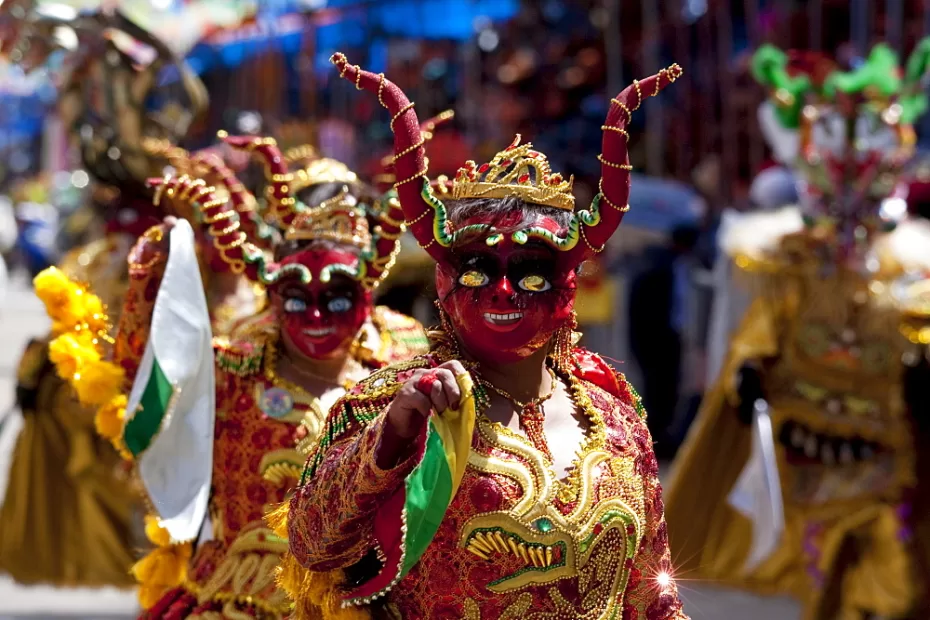
The Devil Dance of Oruro, Bolivia
Nestled high in the Andean mountains, the city of Oruro, Bolivia, comes alive once a year with a spectacle unlike any other on Earth: the Oruro Carnival. At the heart of this vibrant celebration, which draws visitors from across the globe, is the mesmerizing and deeply symbolic Devil Dance, or Diablada. More than just a performance, the Devil Dance of Oruro, Bolivia, is a profound expression of cultural heritage, religious syncretism, and historical resilience, offering a captivating glimpse into the soul of Andean culture and Bolivian traditions. It’s a powerful narrative told through movement, music, and elaborate costume, a festive event that transcends mere entertainment to become a spiritual journey.
Introduction to the Devil Dance
The Devil Dance, or Diablada, is the quintessential feature of the Oruro Carnival, recognized by UNESCO as a Masterpiece of the Oral and Intangible Heritage of Humanity. This isn’t merely a dance; it’s a dramatic representation of the struggle between good and evil, a vibrant tapestry woven from indigenous beliefs and Catholic teachings. Its origins are deeply rooted in the mining culture of the Andean region, particularly in Oruro, a city built on the wealth of its silver mines. For centuries, miners have sought protection and fortune from the Tío Supay, a benevolent and malevolent deity of the underworld, often depicted as a devil figure. The dance, therefore, is a complex homage, a plea, and a celebration.
At its core, the Devil Dance Oruro Bolivia is a traditional dance performance that showcases dazzling costumes, intricate choreography, and powerful music. It tells a story that has been passed down through generations, evolving yet retaining its fundamental spiritual essence. The dance serves as a pivotal moment in the Oruro Festival, embodying the spirit of carnival celebrations and offering a unique window into the cultural identity of Bolivia. It’s a key reason why many travel to Bolivia, seeking authentic travel experiences that connect them with the rich history and living traditions of South America festivals.
Historical Background
To truly appreciate the Devil Dance, one must delve into its intricate historical background, a narrative that stretches back centuries before the arrival of the Spanish conquistadors. The roots of this traditional dance lie firmly in pre-Columbian Andean culture, where indigenous communities worshipped a pantheon of deities, including Pachamama (Mother Earth) and various spirits associated with mountains, mines, and natural forces. Rituals often involved masked dances to appease these deities, ensure good harvests, or protect miners.
When the Spanish arrived in the 16th century, they brought Catholicism, which profoundly impacted the existing indigenous belief systems. Rather than outright replacing local traditions, a process of syncretism occurred, where indigenous beliefs merged with Catholic doctrines. The Tío Supay, the lord of the underworld and protector of the mines, became conflated with the Christian devil. However, unlike the purely malevolent Christian devil, the Tío Supay held a more ambiguous role – he could be both provider and destroyer, demanding respect and offerings. This duality is central to the Devil Dance.
The Diablada as we know it today began to take shape during the colonial period, particularly in mining towns like Oruro. Spanish missionaries introduced morality plays and allegories of good versus evil, which resonated with the existing indigenous practices of masked dances. Over time, these elements blended, incorporating European theatricality with Andean cosmology. The dance became a way for indigenous people to express their spiritual beliefs, often subtly subverting colonial religious impositions while seemingly conforming to them. This historical significance is what makes the Devil Dance Oruro Bolivia such a powerful cultural expression. Its evolution over time reflects the dynamic interplay of different cultures and beliefs, culminating in the vibrant spectacle seen at the Oruro Carnival today. It’s a living testament to Bolivia’s rich cultural heritage and a cornerstone of its cultural festivals.
Cultural Significance
The importance of the Devil Dance in Bolivian culture cannot be overstated. It is far more than a mere performance; it is a profound expression of national identity, a spiritual journey, and a crucial element of social cohesion. The dance embodies the syncretic nature of Bolivian religiosity, where ancient Andean traditions seamlessly blend with Catholic faith. Dancers, often devout Catholics, perform the Diablada as an act of devotion to the Virgen del Socavón (Virgin of the Mines), the patron saint of Oruro. This pilgrimage to her sanctuary, located at the entrance of a former mine, is a central part of the Oruro Festival.
For the miners, whose lives are intrinsically linked to the depths of the earth, the Devil Dance holds particular resonance. It is a way to honor and appease the Tío Supay, seeking his protection from accidents and hoping for rich mineral veins. The dance acts as a communal catharsis, allowing participants to confront their fears and hopes, and to celebrate their resilience in the face of hardship. This indigenous dance, with its deep roots in the earth and its gaze towards the heavens, connects generations, reinforcing community bonds and preserving ancestral knowledge.
Furthermore, the Diablada plays a vital role in festivals across Bolivia, particularly the Oruro Carnival. It serves as a powerful symbol of resistance and cultural survival, demonstrating how indigenous people adapted and preserved their spiritual practices under colonial rule. The dance is a vibrant declaration of cultural identity, a celebration of Bolivia’s unique blend of traditions, and a major draw for cultural tourism. It highlights the rich tapestry of music and dance that defines the Andean region and offers unparalleled travel experiences for those seeking to immerse themselves in authentic Bolivian culture.
The Dance Performance
The Devil Dance performance is an explosion of energy, color, and sound. It is a highly choreographed spectacle, executed by hundreds, sometimes thousands, of dancers moving in unison through the streets of Oruro. The performance typically features a central narrative: the Archangel Michael confronting a legion of devils, ultimately triumphing over them. This dramatic structure is infused with playful elements, acrobatic moves, and moments of deep reverence.
The dancers, organized into comparsas or fraternities, spend months, if not an entire year, preparing for the carnival. Their dedication is palpable in every stomp, every turn, and every synchronized movement. The dance itself is physically demanding, requiring immense stamina to perform for hours, often at high altitudes. The steps are robust and rhythmic, characterized by powerful footwork that echoes the pounding of miners’ picks and the heartbeat of the earth. Dancers leap, swirl, and march, their heavy costumes adding to the challenge, yet also to the grandeur of the spectacle.
The Diablada is not just about the devils. Other characters, each with symbolic meaning, join the procession. These include the China Supay (the devil’s female companion), who often performs more graceful, seductive movements, and figures representing animals like bears and condors, connecting the dance to the natural world of the Andes. The interplay between these characters, the devils, and the Archangel Michael creates a dynamic and visually stunning narrative that captivates audiences and reinforces the dance’s religious and cultural symbolism. This dance performance is a highlight of any Oruro travel guide, offering an unforgettable experience of South America festivals.
Costumes and Masks
Perhaps the most iconic aspect of the Devil Dance Oruro Bolivia is its breathtakingly elaborate costumes and masks. These are not mere adornments but intricate works of art, each element imbued with deep symbolic meaning and crafted with meticulous detail. The Diablada costumes are a vibrant fusion of indigenous and European influences, reflecting the syncretic nature of the dance itself.
The devil masks are the undisputed stars. Crafted from plaster, wire mesh, and often adorned with jewels, mirrors, and even real animal horns, they are terrifyingly beautiful. Each mask features bulging eyes, menacing fangs, and often serpents or dragons emerging from the head, symbolizing the evils and temptations of the world. The colors are vivid – reds, greens, blues, and golds – each hue carrying its own significance. Red, for instance, often represents the fire of hell or the blood of the earth, while gold symbolizes wealth and the precious minerals sought by miners. The craftsmanship is astounding, with some masks taking months to complete, becoming heirlooms passed down through families. These masks serve a dual purpose: they are fearsome representations of the Tío Supay and the Christian devil, but also a form of protection for the dancer, allowing them to embody the spirit of the character while remaining anonymous.
Beyond the masks, the full devil costume is equally impressive. It typically includes a richly embroidered chest plate (often depicting a snake, dragon, or other mythical creature), a cape adorned with religious or Andean symbols (such as the condor or the chakana cross), and intricately decorated boots. Many costumes feature mirrors, which are believed to ward off evil spirits by reflecting them away. The sheer weight and complexity of these outfits are a testament to the dancers’ dedication, making the dance performance a truly arduous feat.
Other characters also boast distinctive attire. The Archangel Michael, for instance, wears a shimmering white or blue tunic, feathered wings, and carries a sword, symbolizing purity and divine power. The China Supay (female devil) wears a more elegant, often revealing, and elaborately embroidered dress, accompanied by a smaller, more alluring mask or elaborate headpiece. Bears, representing fertility and the wildness of the Andes, wear shaggy costumes and often engage in playful interactions with the crowd. The visual spectacle created by these diverse and richly symbolic dance costumes is a key element of the Oruro Festival, making it a highlight of cultural tourism and a must-see for anyone interested in Bolivia tourism.
Music Accompanying the Dance
The pulsating rhythm and melodic strains of the music are the lifeblood of the Devil Dance, driving the dancers and electrifying the atmosphere. The music accompanying the dance is a powerful blend of traditional Andean sounds and European military band influences, reflecting the same syncretism found in the costumes and choreography. It is loud, vibrant, and utterly infectious, an essential component of the carnival celebrations.
Large brass bands, known as bandas de músicos, are central to the Diablada. These bands, sometimes numbering hundreds of musicians, play a mix of traditional Bolivian folk music, such as morenadas and caporales, alongside specific Diablada tunes. Instruments like trumpets, trombones, tubas, and saxophones provide a powerful, booming sound that resonates through the streets. This brass instrumentation was introduced during the colonial period and has since become an integral part of the festive events.
Interspersed with the brass are traditional Andean instruments, though less prominent in the main Diablada bands, they are present in other folk dance groups during the Oruro Carnival. These include zampoñas (panpipes), quenas (flutes), and various percussion instruments that add a distinct indigenous flavor. The rhythmic section, featuring drums, cymbals, and bass drums, provides the driving beat that dictates the dancers’ powerful footwork.
The music’s tempo and intensity vary, mirroring the dramatic arc of the dance performance. There are moments of frenetic energy, where the music propels the devils into vigorous leaps and spins, and more solemn passages as the dancers approach the sanctuary of the Virgen del Socavón. The repetitive, hypnotic melodies, combined with the sheer volume and enthusiasm of the musicians, create an immersive sonic landscape that enhances the visual spectacle and deeply engages both dancers and spectators. This powerful combination of music and dance is what makes the Devil Dance Oruro Bolivia an unforgettable experience and a cornerstone of Bolivia traditions. It’s an auditory feast that complements the visual splendor, making the Oruro Festival a truly sensory travel experience.
Festival of Oruro
The Devil Dance, while magnificent on its own, reaches its zenith as the central act of the Oruro Carnival, one of the most significant cultural festivals in South America. This annual event, held before Ash Wednesday, transforms the usually quiet mining city of Oruro into a whirlwind of color, sound, and devotion. Recognized by UNESCO as a “Masterpiece of the Oral and Intangible Heritage of Humanity,” the Oruro Carnival is not merely a party; it is a profound religious pilgrimage and a vibrant showcase of Bolivian culture.
The carnival’s origins date back to pre-Columbian times, with indigenous rituals honoring Pachamama and the Tío Supay. With the arrival of the Spanish, these traditions merged with Catholic celebrations, particularly those surrounding the Virgen del Socavón. Legend has it that the Virgin miraculously appeared in a mine shaft in Oruro, becoming the patron saint of miners. Thus, the carnival evolved into an elaborate demonstration of faith, where thousands of dancers and musicians pay homage to the Virgin, often fulfilling promises or seeking blessings.
The main event of the Oruro Carnival is the grand procession, known as the Entrada, which spans several kilometers and lasts for more than 20 hours. During this epic journey, over 50 groups, comprising tens of thousands of dancers and musicians, parade through the city streets. While the Diablada is the most famous, many other traditional dance forms are featured, including morenadas, caporales, llamadas, and waka waka, each with its own unique costumes, music, and historical significance. The sheer scale and continuous energy of this procession are awe-inspiring, embodying the collective spirit and cultural identity of the Bolivian people. It’s a testament to the enduring power of historical dances and a major draw for cultural tourism, placing Oruro on the map for those seeking authentic travel Bolivia experiences.
Festival Schedule and Events
The Oruro Carnival is not a single-day event but a series of vibrant celebrations that unfold over several days, culminating in the grand procession. While the exact dates vary each year, typically falling in February or early March, the core schedule remains consistent, centered around the weekend before Ash Wednesday.
The festivities usually begin with a series of smaller parades and events in the weeks leading up to the main carnival. These often include neighborhood pre-carnaval parties, folk dance performances, and musical gatherings where groups practice their routines and showcase their artistry. The city slowly builds its festive energy, offering a taste of the excitement to come.
The main carnival weekend kicks off on Saturday with the Sábado de Peregrinación (Pilgrimage Saturday), which is the most important day. This is when the grand procession, featuring the Devil Dance and numerous other traditional dance groups, makes its long and arduous journey through the streets, culminating at the Sanctuary of the Virgen del Socavón. Dancers perform their intricate routines, often in a state of deep spiritual devotion, making their way to the altar to offer their prayers and thanks. This is the highlight of Oruro events and a truly immersive experience for anyone interested in cultural festivals.
Sunday, known as Domingo de Corso, features a more relaxed and celebratory parade, often with less emphasis on the religious pilgrimage and more on pure joy and spectacle. This day might include more contemporary dance groups, satirical floats, and a more general party atmosphere. The following Monday and Tuesday are typically dedicated to Ch’alla rituals, where homes and businesses are blessed with offerings to Pachamama, seeking prosperity and good fortune. These intimate ceremonies, often accompanied by music and feasting, offer a glimpse into local customs.
Throughout the entire period, the city buzzes with activity. Street vendors sell traditional food and drinks, local artisans display their crafts, and impromptu musical performances erupt on street corners. The air is thick with the scent of incense, roasted meats, and the vibrant energy of thousands of revelers. For those planning to travel Bolivia specifically for this event, understanding the festival schedule is key to making the most of this extraordinary cultural experience and immersing oneself in the unique carnival celebrations.
Visitor Information
Experiencing the Devil Dance Oruro Bolivia and the Oruro Carnival firsthand is an unforgettable journey into the heart of Bolivian culture. However, like any major international festival, it requires careful planning to ensure a smooth and enjoyable trip. Oruro travel tips are essential for navigating the crowds, securing accommodations, and making the most of this unique cultural heritage.
First and foremost, be prepared for high altitude. Oruro sits at an elevation of approximately 3,700 meters (12,140 feet) above sea level. Visitors, especially those coming from lower elevations, should take precautions against altitude sickness (soroche). This includes hydrating well, avoiding alcohol and heavy meals upon arrival, and taking it easy for the first day or two. Acclimatization is key to fully enjoying the festivities.
Security is also an important consideration. While the carnival is generally a joyous event, large crowds can attract pickpockets. Keep valuables secure, be aware of your surroundings, and avoid flashing expensive items. It’s wise to carry only essential documents and a limited amount of cash.
Embrace the local customs and immerse yourself in the festive atmosphere. Bolivians are generally welcoming, and participating respectfully in the celebrations will enhance your experience. Try local foods, learn a few basic Spanish phrases, and don’t be afraid to dance along to the music. Photography is permitted and encouraged, but always be respectful of performers and locals.
Best Times to Visit
The absolute best time to visit Oruro to experience the Devil Dance and the full grandeur of the Oruro Carnival is during the main carnival weekend, specifically the Sábado de Peregrinación. As mentioned, this usually falls in February or early March, depending on the Catholic liturgical calendar. To witness the complete spectacle of the grand procession, including the thousands of dancers and musicians making their pilgrimage, this is the essential window.
However, booking travel and accommodation for this peak period requires significant foresight. Hotels and guesthouses in Oruro fill up months in advance, and prices can surge. If you plan to attend during this time, aim to book your flights and lodging at least 6-12 months ahead. Alternatively, some visitors choose to stay in the nearby city of La Paz and travel to Oruro by bus or organized tour for the day of the procession, though this also requires early booking for transportation.
For those who prefer a slightly less crowded experience but still want to witness elements of the carnival and traditional dance, visiting in the weeks leading up to the main event can be an option. During this “pre-carnival” period, you might catch smaller parades, rehearsals, and local celebrations, offering a more intimate glimpse into the preparations without the overwhelming crowds of the main weekend. However, the full impact and scale of the Devil Dance and the Oruro Festival are truly experienced during the main Entrada. This is when you’ll find the most comprehensive array of Oruro events and a truly immersive experience of South America festivals.
Travel Tips
Planning a trip to Oruro for the carnival requires attention to several practical details to ensure a smooth and enjoyable travel experience.
Accommodations: As previously mentioned, book hotels or guesthouses well in advance, preferably a year out for the main carnival weekend. Options range from basic hostels to more comfortable hotels, but luxury options are limited in Oruro. Consider staying in La Paz and taking a bus or booking a guided tour for the day, but be prepared for long travel times and early starts.
Transportation: Oruro is well-connected by bus from major Bolivian cities like La Paz, Cochabamba, and Santa Cruz. The bus journey from La Paz takes approximately 3-4 hours. During carnival, roads can be congested, and public transport will be busy, so factor in extra travel time. If you’re coming from further afield, flying into El Alto International Airport (LPB) in La Paz is the most common approach.
Tickets for Grandstands: To get a good view of the procession, especially on Pilgrimage Saturday, it’s highly recommended to purchase tickets for the grandstands (graderías). These can be bought in advance through tour operators or sometimes locally a few days before the event, though they sell out quickly. Prices vary depending on location and visibility. Standing along the route is free but requires arriving very early to secure a spot.
What to Pack:
-
Warm Layers: Oruro’s altitude means temperatures can drop, especially in the evenings. Pack warm clothing, including a jacket, hat, and gloves.
-
Sun Protection: The sun at high altitude is intense. Bring sunscreen, sunglasses, and a wide-brimmed hat.
-
Comfortable Walking Shoes: You’ll be doing a lot of walking and standing.
-
Rain Gear: February/March is still within the rainy season, so a light rain jacket or umbrella is advisable.
-
Small Backpack: For water, snacks, and essentials.
-
First-Aid Kit: Include altitude sickness medication (e.g., Diamox, consult your doctor), pain relievers, and any personal medications.
Food and Drink: Embrace the local cuisine. Try salteñas, api con buñuelos (purple corn drink with fried dough), and various meat dishes. Drink plenty of bottled water to stay hydrated and avoid tap water.
Communication: While some people in tourist-oriented areas might speak English, knowing basic Spanish phrases will greatly enhance your experience.
Respectful Engagement: The carnival is a deeply cultural and religious event. Be respectful of local traditions, avoid disruptive behavior, and ask for permission before taking close-up photos of individuals.
By keeping these travel tips in mind, visitors can fully immerse themselves in the magic of the Devil Dance Oruro Bolivia and the unforgettable experience of the Oruro Carnival, making their travel to Bolivia a truly enriching adventure. This comprehensive approach ensures you can fully appreciate the historical dances and vibrant cultural festivals of the region.
Conclusion
The Devil Dance of Oruro, Bolivia, is far more than a spectacular show; it is a living testament to the resilience, faith, and vibrant cultural identity of the Bolivian people. From its ancient Andean roots, through centuries of colonial influence, to its current status as a UNESCO-recognized masterpiece, the Diablada embodies a profound blend of indigenous spirituality and Catholic devotion. Its elaborate costumes, powerful music, and dramatic choreography tell a story of good versus evil, of human struggle and spiritual triumph, deeply intertwined with the lives of the miners and the soul of the nation.
As the centerpiece of the Oruro Carnival, this traditional dance draws thousands of visitors each year, offering unparalleled travel experiences and a deep dive into Bolivian traditions. It serves not only as a vibrant celebration but also as a crucial vehicle for preserving cultural heritage and fostering a strong sense of community. The Devil Dance Oruro Bolivia is a powerful symbol of how historical dances can continue to evolve while maintaining their core essence, captivating new generations and inviting the world to witness the rich tapestry of Andean culture. Its impact on cultural tourism is immense, making Oruro an essential destination for anyone seeking to understand the heart of South America’s festive events and the enduring power of its cultural identity. To experience the Diablada is to connect with the very spirit of Bolivia, a journey that lingers long after the last drumbeat fades.
Cwinslot… not bad! Registration was quick and easy . I’d recommending checking this one out. cwinslot