
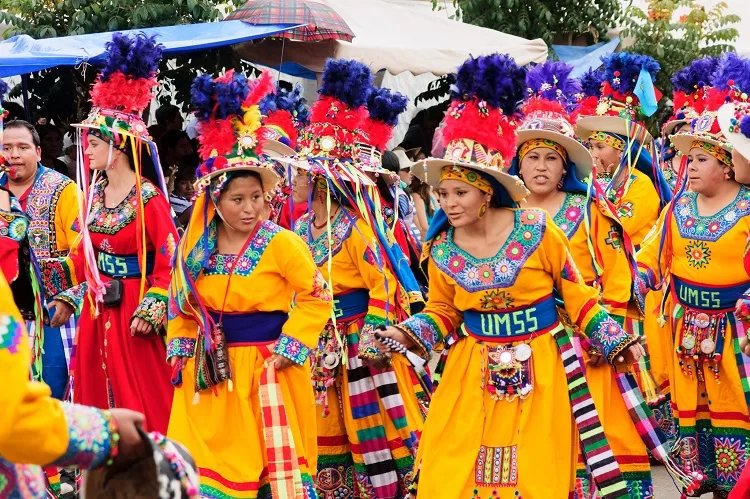
Traditional Music of Oruro Carnival
The Oruro Carnival, a UNESCO Masterpiece of the Oral and Intangible Heritage of Humanity, is far more than just a vibrant street parade; it’s a profound expression of Bolivian cultural identity, a spectacular fusion of indigenous Andean traditions and Catholic beliefs. At its very heart beats the rhythmic pulse of traditional music Oruro Carnival, an essential element that brings this ancient festival to life. This grand celebration, held annually in the mining city of Oruro, Bolivia, showcases a rich tapestry of sound and movement, deeply rooted in the region’s history and spiritual reverence.
Overview of Oruro Carnival
The Oruro Carnival is one of the most significant cultural festivals Bolivia offers, tracing its roots back over 2,000 years to pre-Columbian Andean rituals dedicated to Pachamama (Mother Earth) and the Tío Supay (Uncle of the Mines). With the arrival of the Spanish, these indigenous practices blended with Catholic traditions, particularly the veneration of the Virgin of Socavón. This syncretism is evident in every aspect of the festival, from its elaborate costumes to its profound religious processions. The carnival’s history is a testament to resilience and adaptation, making it a cornerstone of Oruro cultural significance and a powerful symbol of Bolivia’s cultural heritage. Each year, thousands of dancers and musicians gather, transforming the city into a living museum of Bolivian Carnival traditions and a spectacle of Andean folklore.
Significance of Traditional Music
The role of traditional music in the Oruro Carnival cannot be overstated; it is the very soul of the celebration. Far from being mere background noise, Oruro Carnival music is integral to every dance, every ritual, and every moment of joy and devotion. It dictates the pace, evokes the emotions, and tells the stories embedded in each performance. This carnival music traditions bind participants and spectators alike, enhancing the festival experience by creating an immersive atmosphere where ancient spirits and modern revelry intertwine. The intricate relationship between Oruro music and dance is what gives the carnival its unique energy and enduring appeal, making it one of the most captivating festivals in Bolivia.
Cultural Roots and Influences
The traditional music of Oruro is a beautiful mosaic of cultural influences. Its deepest roots lie in indigenous Bolivian music, particularly the melodic and rhythmic structures of Andean music. Instruments and melodies often reflect the sounds of the high Andes, echoing the spiritual connection to the mountains and land. However, centuries of Spanish presence also introduced European harmonies and brass instruments, leading to a unique blend. This rich fusion creates the distinctive soundscape of traditional Bolivian music, a testament to Bolivia music history and the vibrant evolution of Andean cultural festivals.
Folk Dances and Their Music
The Oruro Carnival is renowned for its spectacular folk dances Oruro, each accompanied by its own distinctive traditional music. These performances are not just entertainment; they are living narratives, embodying historical events, spiritual beliefs, and community identity. From the fierce Diablada to the graceful Kullawada, Bolivia traditional dances are a central part of the Oruro Festival dances, bringing to life stories passed down through generations.
La Diablada
Perhaps the most iconic of all Bolivian dance styles, La Diablada, or the “Dance of the Devils,” is a dramatic representation of the struggle between good and evil. Its music is powerful and driving, characterized by strong brass sections (trumpets, trombones, tubas) and robust percussion. The rhythm is intense and commanding, propelling the dancers’ elaborate leaps and spins. This Oruro music heritage piece is a true auditory spectacle, capturing the essence of the battle between the Archangel Michael and Lucifer.
Morena Dance
The Morenada, or “Morena Dance,” is a slower, more stately dance, often performed by dancers wearing heavy, elaborate costumes that symbolize the weight of the chains worn by African slaves brought to the mines. The music of the Morenada is characterized by its deep, resonant bass drums and a more melancholic, yet majestic, melody. It reflects a poignant chapter in Latin American music history and contributes significantly to Bolivia cultural identity.
Caporales Dance
The Caporales dance is a relatively newer addition to the carnival, characterized by its energetic and athletic movements, often performed by male dancers with whips. Its music is incredibly vibrant and fast-paced, featuring prominent drum beats, sharp brass fanfares, and often intricate guitar work. The Caporales music characteristics evoke a sense of power and celebration, rooted in the historical role of the “caporales” or foremen who oversaw the African slaves.
Kullawada Dance
The Kullawada dance is a more elegant and traditional dance, representing the indigenous textile workers. The music is typically slower and more melodic, often featuring panpipes (sikus) and flutes (quenas), creating a gentle yet profound sound. This traditional folk music speaks to the artistry and patience of the weavers, embodying a crucial aspect of Bolivia’s cultural heritage.
Instruments Used in Oruro Carnival
The sound of the traditional music Oruro Carnival is rich and diverse, thanks to an array of distinctive Oruro musical instruments. Wind instruments like the siku (Andean panpipes), quena (a notched flute), and tarkas (wooden flutes) produce haunting, melodic sounds. Percussion is vital, with bombos (large drums), cajas (smaller snare-like drums), and wankaras providing the driving rhythms. The charango, a small, ten-stringed lute, adds a unique strumming texture. Additionally, the influence of European brass bands is evident, with trumpets, trombones, and tubas now forming the backbone of many ensembles, particularly for the more energetic dances.
Modern Influences on Traditional Music
While deeply rooted in tradition, Oruro Carnival music is not static. Contemporary music influences have found their way into the festival, with some groups experimenting with modern arrangements, electronic elements, or incorporating international rhythms. However, this evolution typically occurs while maintaining the authenticity and core essence of the traditional sounds. Bands often fuse traditional instruments with modern ones, creating a dynamic sound that appeals to new generations without losing touch with the festival’s deep cultural and historical significance. It’s a delicate balance, but one that ensures the Oruro music heritage continues to thrive and evolve.
Conclusion
The traditional music of Oruro Carnival is far more than just a collection of melodies and rhythms; it is the living heart of one of the world’s most spectacular cultural expressions. It tells stories, preserves history, and unites people in a shared celebration of faith and identity. From the ancient calls of the siku to the powerful roar of the brass bands, this music is an indispensable part of the Oruro Carnival traditions. Its preservation is crucial for maintaining Bolivia’s cultural identity and ensuring that future generations can continue to experience the profound spiritual and cultural journey that defines this extraordinary festival.
Easy peasy wowphlogin. Finally, a login that works without any headaches. Get in the game and start winning! wowphlogin
pros of anabolic steroids
References:
obyavlenie.ru
how to get anavar prescription
References:
blogfreely.net
References:
Cabazon casino
References:
https://casinopop-casino.online-spielhallen.de/
References:
Clam casino
References:
https://el-cortez-casino.online-spielhallen.de/
References:
Oldenburg
References:
https://energy-casino-47.online-spielhallen.de/
References:
Reutlingen
References:
https://fun-casino.online-spielhallen.de/
References:
Western lotto max
References:
https://graph.org/Australia-Online-Gambling-Reddit-04-27
References:
Casino night zone
References:
https://mp3diary.com/marcirby52892
References:
Pamper casino forum.otoportal.net