
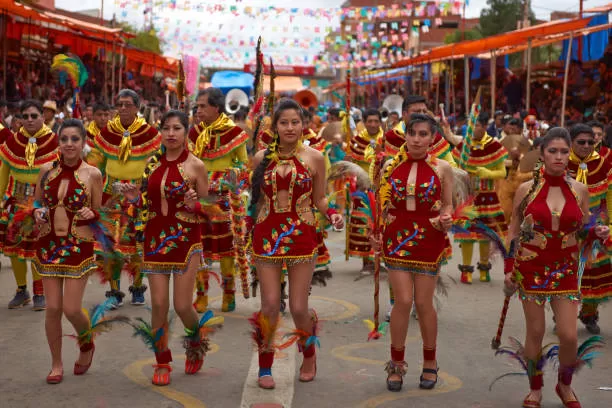
Tobas Dance Oruro: A Cultural Celebration
Nestled high in the Bolivian Andes, the city of Oruro bursts into an unparalleled spectacle each year, drawing visitors from across the globe. At the heart of this vibrant celebration, the Oruro Carnival, lies a rich tapestry of folkloric dances, each telling a unique story of history, spirituality, and identity. Among these, the Tobas dance Oruro stands out as a powerful and visually stunning representation of Bolivia’s deep indigenous roots and enduring cultural heritage. More than just a performance, the Tobas dance is a living, breathing testament to the resilience and spirit of the Tobas people, an ethnic group whose legacy is intricately woven into the fabric of Bolivian traditions.
This dance is a vital component of Bolivia cultural festivals, embodying the spirit of celebration and the profound connection between past and present. When you witness the Tobas dance in Oruro, you’re not merely observing a display of movement and music; you’re experiencing a vibrant piece of history, a cultural expression that resonates with the very soul of the Andes. Its rhythmic drumbeats and energetic leaps transport onlookers to an ancient past, while its colorful costumes and fierce expressions speak volumes about the strength and pride of a people. Exploring the Tobas dance in Oruro is to embark on a journey through time, discovering the origins and significance of one of Bolivia’s most cherished cultural treasures.
What is Tobas Dance?
The Tobas dance is an intensely energetic and visually captivating traditional dance that vividly portrays the spirit and history of the Tobas people, an indigenous group originally inhabiting the Gran Chaco region of Bolivia, Paraguay, and Argentina. While their historical territories are far from the Andean altiplano of Oruro, their dance has become an integral and celebrated part of the Oruro Carnival, one of the largest and most significant cultural events in Bolivia and recognized by UNESCO as a Masterpiece of the Oral and Intangible Heritage of Humanity.
At its core, the Tobas dance is a celebratory and martial performance, characterized by powerful, high-flying leaps, rapid footwork, and a distinctive, almost warrior-like posture. Dancers typically move in organized formations, often in lines or circles, their movements synchronized yet individualistic enough to convey raw energy. The dance is not just about physical prowess; it’s a narrative, telling tales of hunting, warfare, and the spiritual connection to the land and its creatures. The movements evoke the agility of jungle animals, the stealth of hunters, and the collective strength of a community. The intensity of the dance is palpable, reflecting a deep spiritual connection and an expression of identity that has been passed down through generations.
The cultural significance of Tobas dance in Bolivian culture cannot be overstated. It serves as a powerful reminder of the nation’s diverse indigenous heritage, bridging geographical and historical divides. Though the Tobas themselves are not native to the Oruro region, their dance was introduced and adopted by miners and other communities in the Andes, who found resonance with its themes of struggle, resilience, and connection to nature. This adoption highlights a broader phenomenon in Bolivian folklore, where various ethnic dances come together to form a rich national identity. The dance is a celebration of life, a form of spiritual offering, and a demonstration of community solidarity. It’s a testament to how cultural forms can transcend their original context and find new meaning and appreciation in different settings, becoming a unifying symbol within a larger national narrative of folkloric dances.
The indigenous roots of the Tobas dance are fundamental to understanding its essence. Its origins are deeply embedded in the cultural practices of the Tobas (also known as Qom) people, who traditionally lived in harmony with the natural environment of the Gran Chaco. Their dances were often part of rituals, ceremonies, and daily life, reflecting their cosmology, social structures, and relationship with their surroundings. The high jumps and vigorous movements often symbolize the act of hunting, the crossing of rivers, or the overcoming of obstacles in their jungle and savanna environment. The dance is a living embodiment of their worldview, an expression of their historical experiences, and a powerful assertion of their identity. Even as it is performed in the colder climes of Oruro, the dance retains this primal energy and connection to its indigenous origins, making it a unique and cherished part of Bolivia’s cultural tapestry and a highlight of many Oruro festivals.
History of Tobas Dance
The historical background of Tobas Dance is a fascinating journey that speaks to the dynamism of cultural exchange and adaptation within Bolivia. While the main keyword “Tobas dance Oruro” often brings to mind the vibrant spectacle of the Oruro Carnival, understanding its history requires looking beyond the Andean altiplano to the lowland jungles and savannas of the Gran Chaco.
The Tobas people, also known as Qom, are an indigenous group whose traditional territories span parts of Bolivia, Paraguay, and Argentina. For centuries, their culture developed in the unique ecosystem of the Chaco, characterized by dense forests, rivers, and vast plains. Their traditional dances, including what we now recognize as the Tobas dance, were intrinsically linked to their way of life: hunting, fishing, gathering, and spiritual ceremonies. These early forms of the dance were expressions of their cosmology, social cohesion, and their relationship with the natural world. Movements often mimicked animals, celebrated successful hunts, or prepared warriors for conflict, embodying the very essence of their existence in the Chaco.
The evolution of Tobas dance over time, particularly its journey to Oruro, is a story of migration, cultural appropriation, and ultimately, integration. During the late 19th and early 20th centuries, many indigenous peoples from the lowlands, including the Tobas, were subjected to forced labor and displacement, often moving towards the mining centers of the Bolivian Andes in search of work and new opportunities. It was through these migrations that elements of lowland indigenous cultures began to mix with the Andean traditions.
The exact point of origin for the Tobas dance’s appearance in Oruro is debated, but it is generally understood that it began to gain prominence in the early 20th century. Miners and other laborers, many of whom had indigenous roots or connections to lowland communities, introduced and adapted the dance. They found that its energetic movements and vibrant aesthetics resonated with the festive spirit of the Oruro Carnival, which was already a melting pot of various folkloric expressions. Initially, the dance may have been performed by individuals or small groups, gradually growing in popularity and structure.
By the mid-20th century, the Tobas dance had become a firmly established conjunto folklórico (folkloric group) in the Oruro Carnival. The dance’s strong visual appeal, unique music, and powerful movements quickly captivated audiences and participants alike. Its adoption by Andean communities was not without complexities, as it represented a cultural borrowing. However, over time, the Tobas dance in Oruro evolved into a distinct Andean interpretation, incorporating elements that reflected the new context while striving to honor its indigenous roots. This cultural fusion is a hallmark of many traditional dances in Bolivia, where diverse influences converge to create new, vibrant forms of expression.
The dance’s historical background is a testament to the enduring power of cultural forms to adapt, survive, and thrive in new environments. From its origins in the Gran Chaco as an expression of the Tobas people’s identity and way of life, it traveled to the Andean highlands, where it was embraced and transformed, becoming one of the most beloved and recognized performances in the Oruro Carnival and a significant element of Bolivia’s rich cultural heritage. This journey underscores the dynamic nature of cultural events in Bolivia and the continuous interplay between different indigenous traditions.
Tobas Dance in Oruro Carnival
The Oruro Carnival is not merely a festival; it is an epic narrative told through dance, music, and elaborate costumes, a sacred pilgrimage for many, culminating in a grand procession dedicated to the Virgen del Socavón (Virgin of the Mineshaft). Within this colossal celebration, the Tobas dance Oruro holds a place of immense significance, captivating spectators with its raw energy and deep cultural resonance.
The role of Tobas Dance in the Oruro Carnival is multifaceted. It represents a vital indigenous contribution to the carnival’s diverse tapestry, standing alongside other iconic dances like the Diablada and Morenada. For many, the Tobas dance embodies the spirit of freedom and the connection to the earth, a stark contrast to some of the carnival’s more colonial or syncretic expressions. Its inclusion ensures that the carnival remains a comprehensive showcase of Bolivia travel and its rich ethnic dances, bridging the geographical and cultural divide between the lowlands and the highlands. Each year, numerous Tobas dance groups, known as fraternidades, dedicate months to practice, perfecting their synchronized leaps and powerful gestures, all in preparation for their moment on the grand processional route.
The performances of Tobas dance during the Oruro Carnival are nothing short of breathtaking. Dancers, adorned in their elaborate costumes, move with incredible agility and strength, executing high jumps and vigorous footwork that symbolize hunting, jungle life, and the Tobas people’s historical resistance. The rhythm, driven by drums and panpipes, is infectious, compelling the dancers to push their physical limits. As they parade through the streets of Oruro, often for many hours, their energy never wanes. The performance is a continuous flow of movement, a spectacle of color and sound that commands attention. The dancers’ expressions are intense, conveying a sense of pride and a profound connection to the dance’s origins. This continuous display of stamina and passion is a key characteristic of the Tobas dance performances, making it a highlight of the Oruro celebration.
Audience engagement with the Tobas dance is immediate and profound. As the Tobas groups pass, the crowds lining the streets erupt in cheers and applause, often mimicking the distinctive high leaps with their arms. The rhythmic Tobas music creates an electric atmosphere, encouraging spectators to tap their feet, clap their hands, and even dance along from the sidelines. Children are particularly captivated by the vibrant costumes and dynamic movements, often dreaming of one day joining a fraternidad. The dance fosters a powerful sense of community, uniting both participants and onlookers in a shared cultural experience. For visitors experiencing the Oruro Carnival for the first time, the Tobas dance is often a memorable highlight, offering a window into the raw power and beauty of traditional Bolivian music and dance. The sheer spectacle and the palpable energy make it one of the most anticipated dance performances of the entire festival, cementing its place as an iconic representation of Oruro culture.
Costumes and Music of Tobas Dance
The visual splendor and auditory landscape of the Tobas dance are as integral to its identity as the movements themselves. The traditional costumes and music that accompany Tobas dance performances are not mere adornments; they are rich with cultural importance, telling stories, conveying status, and connecting dancers to their indigenous roots.
The costumes of the Tobas dance are a dazzling display of color, texture, and symbolism. Each element is carefully chosen to reflect the dance’s origins in the Gran Chaco and the Tobas people’s connection to their natural environment. The most striking feature is often the elaborate feathered headdress, known as penacho, which can be quite large and intricate, adorned with a variety of bird feathers, often from species found in the lowlands. These feathers symbolize freedom, flight, and the avian life of the jungle. The headdress is a powerful visual element, adding height and grandeur to the dancers’ already dynamic movements.
Dancers typically wear animal skins, often jaguar or puma prints, or fabric designed to mimic these patterns. These skins evoke the wildness of the jungle and the strength and agility of these predatory animals, reflecting the dance’s themes of hunting and primal power. Around their ankles, dancers wear ch’ullus, or anklets, adorned with seeds, shells, or small bells, which create a rhythmic rattling sound that complements the music and emphasizes their energetic footwork. In some variations, dancers also wear a skirt-like garment made of woven natural fibers or animal hide, further enhancing the “jungle warrior” aesthetic. Face paint, often in geometric patterns or animalistic designs, adds to the fierce and captivating appearance. The entire ensemble is designed to be visually impactful, enhancing the drama and intensity of the dance performances, making the Tobas dance costumes instantly recognizable among other ethnic dances.
The music of Tobas dance is equally distinctive and vital to its character. It is primarily driven by percussion and wind instruments, creating a powerful and hypnotic rhythm that propels the dancers. The main instruments include various types of drums (bombos and cajas), which provide a deep, resonant beat, often mimicking the heartbeat or the sounds of the jungle. These drums lay the foundation for the energetic tempo.
Accompanying the drums are wind instruments, most notably the sikus (panpipes) and quenas (Andean flutes). While panpipes are more commonly associated with the Andean highlands, their use in Tobas music in Oruro demonstrates the cultural fusion that has occurred. The melodies produced by these instruments are often haunting and evocative, adding a layer of spiritual depth to the martial energy. The interplay between the deep thrum of the drums and the soaring, sometimes melancholic, notes of the wind instruments creates a unique soundscape that is instantly recognizable as traditional Bolivian music. The music is not merely background; it dictates the pace, mood, and intensity of the dance, guiding the dancers through their intricate formations and powerful leaps. This unique blend of instrumentation and rhythm underscores the dance’s cultural heritage, making Tobas music a powerful component of the overall cultural experience in Bolivia.
How to Experience Tobas Dance
Experiencing the Tobas dance is a highlight for anyone interested in Bolivian culture, traditional dance, and vibrant cultural festivals. While the Oruro Carnival is undoubtedly the grandest stage for the Tobas dance, there are other opportunities to witness this powerful performance.
The most immersive way to experience the Tobas dance is by planning a trip to Oruro, Bolivia, specifically during the annual Oruro Carnival. This UNESCO-recognized event is a spectacular display of Bolivian folklore and cultural heritage. The carnival typically takes place in February or early March, preceding Ash Wednesday, so it’s essential to check specific dates each year as they vary.
For those planning Bolivia travel, it’s advisable to book accommodations and transport well in advance, as Oruro becomes incredibly crowded during carnival week. Hotels, hostels, and even private homes offer lodging, but demand is high. Securing a spot along the parade route is also crucial. Many tour operators offer grandstand seats, which provide excellent views and some protection from the sun and crowds. Alternatively, arriving early on the main procession days (Saturday and Sunday) allows you to find a good standing spot, though it can be more challenging.
Beyond the main carnival days, some folkloric groups, or fraternidades, may hold pre-carnival rehearsals or smaller performances in the weeks leading up to the main event. Keeping an eye on local Oruro events schedules or inquiring with local tourism offices can provide information on these more intimate opportunities to see dancing in Oruro. These smaller cultural experiences in Bolivia can offer a unique perspective, often allowing for closer observation of the intricate Tobas dance costumes and movements.
Participating in Oruro Carnival
Participating in the Oruro Carnival, especially if you want to experience the Tobas dance up close, requires a bit of planning and an adventurous spirit. While most visitors are spectators, there are ways to engage more deeply.
Firstly, simply being present and immersed in the atmosphere is a form of participation. The energy of the crowds, the continuous music, and the vibrant street life make the entire city a stage. You can join in the joyous spirit by cheering on the dancers, clapping to the rhythms of traditional Bolivian music, and enjoying the street food and festivities.
For a truly immersive experience, some tour operators or local organizations offer packages that allow visitors to join a comparsa (a non-dancing group that parades alongside the main dance groups) or even, in rare cases, participate as a dancer in a less formal group. This usually involves renting or purchasing a costume and attending some rehearsals. This level of participation requires significant commitment and preparation but offers an unparalleled insight into the dedication and community spirit behind the Oruro Carnival. It’s advisable to research reputable tour operators that specialize in cultural experiences in Bolivia and can facilitate such unique opportunities. Remember that joining a dance group for the main procession is a serious commitment for the dancers, often requiring years of practice and membership in a specific fraternidad. However, for those keen on dancing in Oruro, there are sometimes opportunities to join smaller, more informal groups during the “convite” (pre-carnival rehearsals) or on the final day of the carnival, “Domingo de Corso,” when the parade is less formal.
Best Places to Watch Tobas Dance
To fully appreciate the Tobas dance performances, strategic viewing is key. During the Oruro Carnival, the main procession route is several kilometers long, winding through the city’s central streets.
-
Avenida 6 de Agosto: This is one of the prime viewing locations, especially near the beginning of the route. Grandstands here offer excellent elevated views, allowing you to see the Tobas dancers approaching and perform in full glory.
-
Plaza 10 de Febrero: The main plaza is another central point where many groups pause to perform for the judges and the large crowds gathered. The energy here is electric, and the performances are often more extended and detailed.
-
Calle La Paz: Towards the end of the route, near the Sanctuary of the Virgen del Socavón, the dancers, though tired, often find a renewed burst of spiritual energy. Watching them enter the sanctuary is a deeply moving experience, as it marks the culmination of their spiritual pilgrimage.
-
Grandstands vs. Street Level: While grandstands offer comfort and a good overview, watching from street level (if you can secure a spot) provides a more intimate and visceral experience, allowing you to feel the vibrations of the drums and the energy of the crowd up close. Be prepared for crowds and jostling.
Beyond the Oruro Carnival, it’s less common to find dedicated Tobas dance performances on a regular basis. However, during other cultural events in Bolivia, particularly those celebrating folkloric dances or Bolivian traditions, you might encounter Tobas groups. Cities like La Paz and Cochabamba sometimes host smaller cultural festivals or folkloric shows where various ethnic dances are performed. Checking local event listings or inquiring at cultural centers in these cities can sometimes yield opportunities to see Tobas dance outside of Oruro. However, for the true, grand spectacle of Tobas dance Oruro, the carnival remains the undisputed champion.
The Future of Tobas Dance
The Tobas dance, with its vibrant history and profound cultural significance, faces both opportunities and challenges in the modern era. As a cherished component of Bolivian folklore and a highlight of the Oruro Carnival, its future hinges on a delicate balance of preservation and adaptation. Current trends indicate a growing global recognition of indigenous cultures and traditional dance forms, which bodes well for the Tobas dance. However, like many traditional arts, it also grapples with issues such as cultural continuity, commercialization, and the impact of globalization.
One of the most encouraging trends is the increasing interest from younger generations in learning and performing the Tobas dance. Many fraternidades (dance groups) actively recruit and train young people, ensuring that the movements, music, and stories are passed down. This intergenerational transfer of knowledge is crucial for the dance’s survival. Furthermore, the dance’s inclusion in major cultural events in Bolivia, particularly the Oruro Carnival, guarantees it a prominent platform each year, reinforcing its importance within national identity.
Globally, the Tobas dance is gaining recognition through various avenues. Documentaries, academic studies, and cultural exchange programs are helping to introduce this unique Bolivian tradition to wider international audiences. The UNESCO designation of the Oruro Carnival itself as a Masterpiece of the Oral and Intangible Heritage of Humanity provides an umbrella of protection and promotion for all the dances within it, including the Tobas dance. This global visibility not only brings prestige but also encourages tourism and cultural appreciation, which can indirectly support preservation efforts. Bolivia tourism agencies often highlight the Tobas dance as a key cultural experience, drawing more visitors to witness this spectacular art form.
However, challenges persist. The authenticity of the dance can sometimes be diluted by commercial pressures, leading to simplified costumes or modified movements to appeal to broader audiences. There’s also the ongoing debate about cultural appropriation, given that the dance originated with the Tobas people of the Chaco but is primarily performed by non-Tobas groups in Oruro. Ensuring respectful representation and acknowledging the dance’s indigenous roots remains a critical aspect of its future development. Balancing innovation with tradition is another tightrope walk; while new choreographies or musical interpretations can keep the dance fresh, they must not undermine its fundamental characteristics and cultural importance.
Cultural Preservation Efforts
Recognizing the vital role of the Tobas dance in Bolivia’s cultural heritage, numerous initiatives are aimed at preserving its authenticity and ensuring its longevity. These efforts span various levels, from local communities to national and international organizations.
At the community level, the fraternidades themselves are the primary custodians of the Tobas dance. They invest countless hours in teaching choreography, explaining the symbolism of the Tobas dance costumes, and imparting the historical and spiritual significance of the dance to new members. Many groups have strict rules regarding the traditional aspects of their performances, striving to maintain the integrity of the dance. They often conduct research into the dance history in Bolivia and the indigenous Tobas culture to ensure accuracy and respect.
Academic institutions and cultural centers in Bolivia also play a significant role. Universities, museums, and research centers conduct studies on Bolivian ethnic music and dances, documenting their origins, evolution, and cultural meanings. They organize workshops, seminars, and exhibitions that educate the public about the Tobas dance and other folkloric dances, fostering a deeper understanding and appreciation. These institutions are critical in maintaining a historical record and promoting scholarly engagement with cultural heritage.
Government bodies, often through ministries of culture, provide support for cultural preservation. This can include funding for folkloric groups, organizing cultural festivals, and promoting Bolivian traditions both domestically and internationally. The legal protection afforded by the UNESCO designation for the Oruro Carnival also provides a framework for safeguarding the cultural practices associated with it, encouraging sustainable tourism and ensuring that the benefits of cultural recognition contribute to preservation.
International organizations and NGOs also contribute by supporting cultural heritage projects, sometimes offering grants for research, documentation, or educational programs related to indigenous arts. Their involvement helps to raise awareness globally and provides resources that might not be available locally.
Ultimately, the future of the Tobas dance relies on a collective commitment to its preservation. By valuing its indigenous roots, supporting the dedicated dancers and musicians, and promoting respectful engagement, the Tobas dance Oruro will continue to leap, swirl, and tell its powerful story for generations to come, remaining a vibrant symbol of Bolivian identity and a beacon of cultural celebration.
Anyone tried PHJL Login yet? Setting up my account was super easy. The interface is clean. Hoping for some lucky spins! Give it a shot: phjllogin