
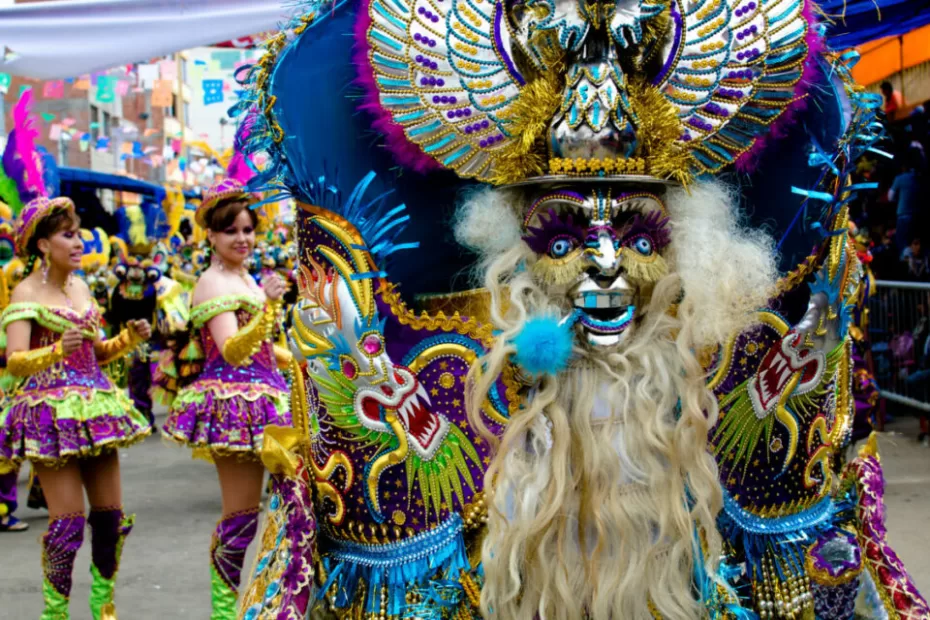
The Enchanting Music of the Oruro Carnival Parade
Deep in the heart of the Bolivian Andes lies Oruro, a city that, once a year, transforms into a vibrant kaleidoscope of color, dance, and, most profoundly, sound. The Oruro Carnival is not merely a festival; it’s a living, breathing tapestry of cultural heritage, and at its core, driving every step, every sway, every moment of awe, is the extraordinary Oruro Carnival parade music. This isn’t just background noise; it’s the very pulse of the celebration, a symphony of ancient traditions and contemporary beats that tells the story of Bolivia’s rich history and spiritual devotion. From the moment the first note strikes, an electric energy permeates the air, compelling thousands of carnival dancers and spectators alike to move to its irresistible rhythm.
What is the Oruro Carnival?
The Oruro Carnival, recognized by UNESCO as a Masterpiece of the Oral and Intangible Heritage of Humanity, is one of South America’s most spectacular festivals. It’s an annual religious and cultural event held in Oruro, Bolivia, typically in February or early March, leading up to Ash Wednesday. Far from being just a party, its origins are deeply rooted in indigenous Andean traditions, particularly the veneration of Pachamama (Mother Earth) and Ekeko (the god of abundance), which later merged with Catholic rituals introduced by Spanish colonizers.
The carnival’s central theme revolves around the triumph of good over evil, represented most famously by the “Diablada” or Dance of the Devils, a mesmerizing spectacle where dancers in elaborate devil costumes perform intricate choreographies. This blend of pre-Hispanic beliefs and Catholic faith creates a unique syncretism, making the Oruro Carnival a profound expression of Bolivian culture and identity. Over several days, the city comes alive with parades featuring thousands of musicians and tens of thousands of dancers, each group, or “conjunto,” performing specific traditional dances with their own distinct costumes and, crucially, their own accompanying Oruro Carnival parade music. This grand Oruro festival is a vital showcase of Bolivian traditions and a cornerstone of the nation’s cultural heritage.
The Role of Music in the Carnival
Music is the undisputed driving force behind the Oruro Carnival. Without its powerful rhythms and evocative melodies, the elaborate costumes, the intricate choreographies, and the sheer scale of the parades would lose their soul. It’s the music that dictates the pace of the carnival dancers, ignites the fervor of the crowds, and carries the spiritual significance of each dance. The soundscapes of the carnival are incredibly diverse, reflecting the myriad of cultural influences that have shaped Bolivia. From the deep, resonant throb of the bombo to the piercing call of the quena, every instrument, every note, contributes to an atmosphere charged with emotion and history.
The types of music played are as varied as the dances themselves. Each dance, be it the majestic Diablada, the elegant Morenada, the energetic Caporales, or the graceful Llamerada, has its specific musical accompaniment, often performed by live bands that march alongside the dancers. This continuous flow of live music Oruro creates an immersive experience, a sonic journey through Andean culture and Bolivian folklore. The cultural significance of this carnival music extends beyond mere entertainment; it is a means of storytelling, a way to pass down traditions, and a powerful expression of collective identity and spiritual devotion. It’s a testament to the enduring power of music to connect people to their past, present, and future.
Traditional Instruments Used
The unique sound of the Oruro Carnival parade music is largely thanks to a fascinating array of traditional Bolivian instruments, many of which have roots stretching back centuries in Andean music. These instruments are not just tools for making sound; they are integral to the cultural fabric of the festival.
-
Charango: This small, ten-stringed Andean lute is perhaps one of the most iconic instruments of the region. Originally made from the shell of an armadillo, modern charangos are typically crafted from wood. Its bright, high-pitched sound adds a distinctive sparkle to many carnival melodies, particularly in folk music and more intricate arrangements. It’s often used for melodic leads and harmonic support.
-
Zampoña (Panpipes): Known for their haunting, ethereal sound, zampoñas are a family of panpipes made from cane or bamboo. They come in various sizes, from the small chuli to the large toyo, each producing different pitches. Zampoñas are central to traditional Andean music, often played in ensembles where musicians interlock melodies, creating a rich, layered sound that evokes the vastness of the mountains.
-
Quena: Another ancient Andean wind instrument, the quena is a notched flute typically made from cane. Its melancholic and expressive tone is instantly recognizable and often carries the main melody in many traditional songs. The quena’s sound can range from soft and breathy to sharp and penetrating, making it incredibly versatile for conveying different emotions within the carnival’s diverse music genres.
-
Bombo: The bombo is a large, deep-sounding drum, often made from hollowed-out tree trunks and covered with animal hide. It provides the foundational rhythm for many carnival dances, its powerful beat echoing through the streets and driving the collective movement of the dancers. The bombo is the heartbeat of the parade, a constant, grounding presence that anchors the more elaborate melodies and harmonies.
-
Wankara: Similar to the bombo but generally smaller, the wankara is another type of bass drum that contributes to the rhythmic pulse. It often works in conjunction with the bombo, adding depth and complexity to the percussive elements.
-
Matracas: These wooden rattles, often shaped like animals or figures, create a distinctive clattering sound. While not melodic, their percussive contribution is vital, adding texture and energy, particularly in dances like the Morenada, where their rhythmic clatter mimics the chains of enslaved Africans.
-
Guitars and Mandolins: While not indigenous, European string instruments like guitars and mandolins have been integrated into Bolivian music over centuries, adding harmonic richness and melodic counterpoints to the traditional ensembles.
Together, these instruments create a sonic landscape that is both ancient and vibrant, deeply rooted in the land and its people, forming the very essence of the Oruro music experience.
Popular Music Genres in the Parade
The Oruro Carnival parade music is a dynamic fusion of various music genres, each intrinsically linked to specific dances and their cultural narratives. This rich tapestry of sounds showcases the depth of Bolivian musical traditions and its ongoing evolution.
-
Andean Folk Music: This is the bedrock of the carnival’s sound. Characterized by the prominent use of zampoñas, quenas, and charangos, Andean folk music often features melancholic yet uplifting melodies, reflecting the majestic landscape and spiritual traditions of the Andes. Genres like Kullawada and Llamerada are deeply rooted in this style, with music that evokes the daily lives and spiritual beliefs of the region’s indigenous communities. It’s a heritage music that speaks volumes about the Oruro Carnival history.
-
Morenada: One of the most iconic dances, the Morenada’s music is instantly recognizable by its slow, heavy, and majestic rhythm, driven by the powerful bass drums (bombos) and the distinctive clatter of the matracas. The music often features brass instruments alongside the traditional Andean ones, creating a grand, almost mournful sound that accompanies the dancers in their elaborate, heavy costumes, symbolizing the arduous journey of African slaves brought to the mining regions.
-
Diablada: The music for the Diablada, or Dance of the Devils, is arguably the most dramatic and powerful of the carnival. It’s characterized by strong, driving rhythms, often performed by large brass bands accompanied by percussion. The music evokes the epic struggle between good and evil, with triumphant fanfares and urgent, pulsating beats that mirror the energetic and often acrobatic movements of the devil dancers. It’s a quintessential example of carnival music that blends indigenous and European influences.
-
Caporales: This genre is known for its high energy and infectious rhythm. Caporales music is fast-paced, vibrant, and heavily influenced by Afro-Bolivian rhythms, often featuring prominent brass sections, drums, and sometimes electric guitars. The music compels dancers to perform vigorous, synchronized steps, characterized by stomping boots and agile leaps, making it one of the most popular and visually striking dances in the parade.
-
Waca Waca: This satirical dance, depicting bullfighting, has its own distinctive, often humorous, musical style. It features lively melodies and rhythms that accompany the dancers dressed as bulls, bullfighters, and milkmaids, adding a lighter, playful element to the carnival’s diverse repertoire of music genres.
-
Tinku: Originating from the ritualistic combat of indigenous communities, Tinku music is characterized by its powerful, almost tribal rhythms, often played with drums and wind instruments. It’s a raw, energetic style that underpins the vigorous, stomping movements of the Tinku dancers.
-
Saya and Afro-Bolivian Rhythms: While not always the central focus, influences from Afro-Bolivian music, particularly Saya, can be heard in various carnival compositions, especially in the Caporales. These rhythms add a unique syncopated feel and a different kind of percussive energy.
These diverse musical styles, performed by countless bands, contribute to the overwhelming sensory experience of the Oruro Carnival, making it a truly unforgettable celebration of sound and movement. The blend of traditional and contemporary styles ensures that the Oruro Carnival music remains vibrant and relevant, a testament to its enduring appeal and cultural significance.
Notable Performers and Bands
While the Oruro Carnival is a collective celebration where the “conjuntos” (groups of dancers and musicians) are the stars, certain bands and musical traditions have achieved legendary status for their contributions to the Oruro Carnival parade music. These groups are often composed of highly skilled musicians who dedicate themselves to mastering the intricate rhythms and melodies required for each dance.
Many of the most celebrated performers are not individual “stars” in the commercial sense, but rather the brass bands, known as “bandas de músicos,” that accompany each dance group. These bands, sometimes numbering hundreds of musicians, are the backbone of the musical experience. Groups like the “Banda Pagador,” “Banda Espectacular Poopó,” and “Banda Unión Pagador” are household names in Oruro and across Bolivia. Their rigorous training and dedication ensure that the powerful sound of the Diablada, Morenada, and Caporales is delivered with precision and passion. These live music Oruro ensembles practice for months, perfecting their arrangements and endurance, as they must play continuously for hours during the main parade.
Beyond these large brass bands, there are also groups specializing in Andean folk music, who bring the delicate sounds of the charango, quena, and zampoña to life. These ensembles often perform with smaller dance groups or during pre-carnival events and contribute significantly to the broader Oruro music experience. They are crucial in preserving the more ancient forms of heritage music. While specific interviews with individual musicians are rare given the collective nature of the carnival, their dedication is universally acknowledged. The precision, stamina, and emotional depth they bring to their performances are what elevate the Oruro Carnival performers from mere musicians to vital storytellers of Bolivian traditions. Their commitment ensures that the vibrant sounds of the Oruro Carnival continue to echo through generations, maintaining the authenticity and power of this extraordinary cultural event.
How to Experience the Music of the Oruro Carnival
Experiencing the Oruro Carnival parade music firsthand is an unforgettable journey into Bolivian traditions. For visitors planning to immerse themselves in this spectacle, a few tips can enhance the musical experience:
-
Plan Ahead: The carnival draws huge crowds, so booking accommodations and transportation well in advance is crucial. This is a major event for music tourism in Bolivia.
-
Find a Good Viewing Spot: The main parade route winds through the city for several kilometers. While you can stand anywhere along the route, purchasing seats in the grandstands (graderías) offers the best views and a more comfortable experience. These spots allow you to see the intricate dance formations and hear the music clearly as each group passes. Look for seats closer to the beginning of the route for fresh performances or near the end for the grand finale.
-
Visit During the Main Parade Days: The peak musical experience occurs during the main “Peregrinación al Socavón” (Pilgrimage to the Virgin of Socavón) on the Saturday before Ash Wednesday, and the “Día del Diablo y del Moreno” (Day of the Devil and the Moreno) on Sunday. These are the days when thousands of musicians and dancers fill the streets with continuous Oruro Carnival parade music.
-
Explore Beyond the Main Route: While the official parade is spectacular, don’t miss the opportunity to explore the side streets and plazas. You’ll often find smaller, impromptu musical performances, local bands practicing, and community gatherings where you can experience the carnival music styles in a more intimate setting.
-
Attend Pre-Carnival Events: Leading up to the main carnival, Oruro hosts various “convites” (rehearsals/pre-parades) on weekends. These are excellent opportunities to witness the dedication of the carnival dancers and musicians, and get a taste of the music without the overwhelming crowds of the main event. It’s a chance to see the Oruro Carnival performers in a slightly less formal environment.
-
Engage with the Locals: Bolivians are proud of their cultural heritage. Don’t hesitate to ask questions about the music, the dances, and their cultural significance. Many are happy to share their knowledge and passion.
-
Be Prepared for the Elements: Oruro is at a high altitude (over 3,700 meters or 12,000 feet), so be mindful of the sun and cold. Bring water, sunscreen, and warm layers.
-
Embrace the Energy: The music is infectious. Let yourself be carried away by the rhythms. Clap along, cheer for the dancers, and simply soak in the incredible atmosphere. This is a cultural event in Bolivia unlike any other, a true Oruro music experience.
By following these tips, visitors can fully appreciate the vibrant sounds and deep cultural significance of the Oruro Carnival, making their trip a truly memorable encounter with Bolivian music and traditions.
The Cultural Impact of Oruro Carnival Music
The Oruro Carnival parade music is far more than just entertainment; it’s a powerful cultural force that deeply impacts Bolivian society and resonates on a global scale. Its influence permeates various aspects of life, from national identity to artistic expression and even economic development through music tourism.
At a national level, the music of the Oruro Carnival serves as a unifying element for Bolivia’s diverse population. It encapsulates the complex history of the nation, blending indigenous Andean culture, Spanish colonial influences, and even Afro-Bolivian rhythms. Each genre within the carnival’s repertoire tells a story – of mining struggles, spiritual devotion, historical events, and the resilience of a people. This makes the music a living textbook of Oruro Carnival history and a crucial component of the nation’s collective memory. The melodies and rhythms are instantly recognizable to Bolivians, evoking a strong sense of pride and belonging, reinforcing a shared cultural heritage.
The carnival’s music also acts as a vibrant ambassador for Bolivian culture on the international stage. As the Oruro Carnival gained UNESCO recognition, its music styles have attracted global attention, drawing scholars, musicians, and tourists eager to experience its unique sounds. This exposure has led to collaborations with international artists, performances at world music festivals, and a broader appreciation for Andean music and traditional Bolivian instruments. The sheer scale and energy of the live music Oruro provides annually offer a compelling reason for people to explore Bolivia festivals.
Furthermore, the Oruro Carnival’s music plays a significant role in fostering community spirit and youth engagement. Children grow up hearing these sounds, learning the dances, and often joining musical groups from a young age. This ensures the continuity of traditions and instills a deep respect for their cultural roots. The rigorous practice schedules for the Oruro Carnival performers teach discipline, teamwork, and dedication, contributing to the social fabric of the community. The music is an essential part of the Oruro cultural significance, shaping local identity and providing a creative outlet.
Economically, the popularity of the carnival and its music fuels a thriving music tourism industry, bringing substantial revenue to Oruro and the wider region. It supports local artisans who craft traditional instruments, costume makers, and countless small businesses that cater to the influx of visitors. This economic impact further solidifies the music’s importance beyond its artistic value, making it a cornerstone of the region’s prosperity.
The cultural impact of Oruro Carnival music is thus multifaceted: it’s a historical narrative, a national unifier, a global ambassador, a community builder, and an economic driver. It’s a testament to the power of sound to shape and reflect a nation’s soul.
Preservation of Musical Traditions
The immense cultural value of the Oruro Carnival parade music has led to concerted efforts to preserve and promote its traditional forms. In an increasingly globalized world, ensuring that these unique sounds are not lost to time or diluted by commercial pressures is a paramount concern for many.
One of the primary preservation efforts comes from the very structure of the carnival itself. The “Asociación de Conjuntos Folklóricos del Carnaval de Oruro” (ACFO) plays a vital role in regulating and promoting the traditional aspects of the music and dance. They ensure that each dance group adheres to specific musical styles, traditional Bolivian instruments, and choreographies, thereby safeguarding the authenticity of the performances. This institutional oversight helps maintain the integrity of the various music genres that define the carnival.
Educational initiatives are also crucial. Music schools and cultural centers in Oruro and other parts of Bolivia offer classes in traditional instruments like the charango, quena, and zampoña, as well as instruction in the specific rhythms and melodies associated with each carnival dance. These programs are essential for passing down knowledge from older generations of Oruro Carnival performers to younger ones, ensuring that the skills and understanding required to produce this heritage music endure. Workshops and festivals dedicated to Andean music further reinforce these efforts, providing platforms for learning and performance.
Furthermore, recording and archiving projects are underway to document the vast repertoire of Oruro Carnival music. Ethnomusicologists and cultural institutions are working to create comprehensive collections of recordings, scores, and historical data. This serves as a vital resource for future generations, allowing them to study and recreate the traditional sounds with accuracy. Digital platforms and online resources also play a role in making this rich musical heritage accessible to a wider audience, both within Bolivia and internationally.
Finally, the pride and passion of the musicians and carnival dancers themselves are perhaps the strongest forces for preservation. Their unwavering dedication to endless hours of practice, their commitment to traditional dance and musical forms, and their deep spiritual connection to the carnival ensure that the Oruro Carnival music continues to thrive and evolve while retaining its essential character. These collective efforts highlight the profound respect for Oruro traditions and the determination to keep this vibrant cultural heritage alive for centuries to come.
Conclusion: The Lasting Legacy of Oruro Carnival Music
The Oruro Carnival parade music is unequivocally the beating heart of one of the world’s most spectacular cultural events. It is the invisible conductor that orchestrates the magnificent dance of thousands, the storyteller that narrates centuries of Oruro Carnival history, and the emotional core that connects participants to their spiritual and cultural roots. From the deep, grounding thrum of the bombo to the soaring, ethereal notes of the zampoña, each sound contributes to an immersive Oruro music experience that transcends mere auditory pleasure, becoming a profound journey into the soul of Bolivia.
This music, a vibrant blend of ancient Andean melodies and later influences, is a testament to the resilience and richness of Bolivian traditions. It encapsulates the syncretic nature of the carnival itself, where indigenous beliefs and Catholic devotion intertwine seamlessly. The diverse music genres, each tied to a specific dance and narrative, showcase the incredible breadth of the nation’s cultural heritage. The tireless dedication of the Oruro Carnival performers, from the massive brass bands to the intricate folk ensembles, ensures that this live music Oruro is delivered with unparalleled passion and precision.
As a UNESCO-recognized masterpiece, the Oruro Carnival’s music has garnered global attention, solidifying its place as a significant contributor to world music and culture. Efforts to preserve these musical traditions, through educational programs, archival projects, and the unwavering commitment of its practitioners, ensure that this invaluable heritage music will continue to inspire and enchant. The Oruro Carnival parade music is not just a soundtrack to a festival; it is a living legacy, a powerful expression of identity, and an enduring beacon of cultural significance that will resonate for generations to come, inviting all who hear it to partake in its magic.
Was looking for somthing new and landed on aaajilinet. The look and feel is definitely modern. Check it out aaajilinet and let me know if it lives up to the hype!