
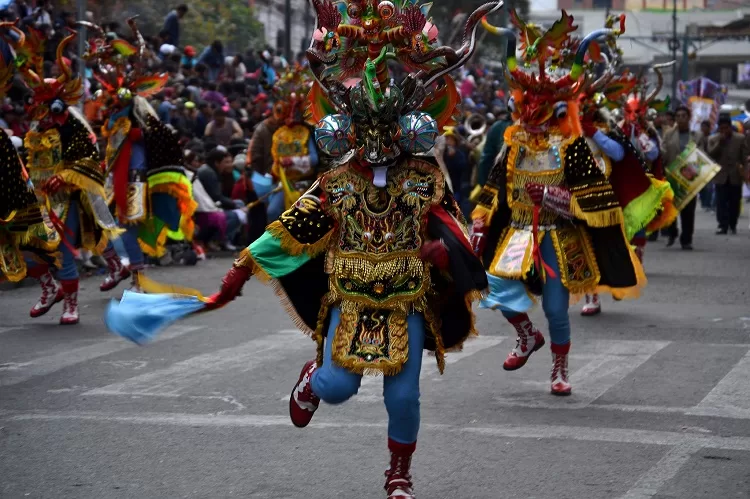
Dance Competitions at Oruro Carnival
Imagine a spectacle where centuries of tradition, vibrant colors, and pulsating rhythms converge in a breathtaking display of human artistry and devotion. This is the essence of the Oruro Carnival in Bolivia, a UNESCO-recognized Masterpiece of the Oral and Intangible Heritage of Humanity. While the entire carnival is a feast for the senses, it’s the intense and awe-inspiring dance competitions that truly form the beating heart of this extraordinary cultural extravaganza. These competitions are not merely performances; they are profound expressions of faith, history, and community, where every step, every twirl, and every intricate costume tells a story passed down through generations.
The dance competitions at Oruro Carnival are the culmination of months, sometimes even a full year, of dedicated preparation by thousands of dancers. From the youngest child taking their first tentative steps to seasoned veterans who have danced for decades, each participant contributes to a collective effort that aims for perfection. This isn’t just about winning; it’s about honoring ancestors, paying homage to the Virgin of Socavón, and showcasing the rich tapestry of Bolivian culture to the world. The atmosphere is electric, charged with anticipation, pride, and an undeniable spirit of friendly rivalry. As groups parade through the streets of Oruro, their synchronized movements and elaborate attire captivate onlookers, transforming the city into an open-air theater where ancient myths and living traditions come alive.
Overview of Oruro Carnival
The Oruro Carnival stands as one of the most magnificent and significant cultural festivals in Bolivia, deeply rooted in the country’s rich indigenous heritage and colonial history. Its origins can be traced back to pre-Columbian Andean rituals, where indigenous peoples paid tribute to Pachamama (Mother Earth) and the Uru god Tiw. With the arrival of the Spanish conquistadors, these native traditions began to merge with Catholic beliefs, particularly the veneration of the Virgin of Socavón, the patron saint of miners. This syncretism is a defining characteristic of the carnival, weaving together pagan and Christian elements into a unique spiritual and cultural tapestry.
The Oruro Carnival history is a fascinating journey through time, reflecting the resilience and adaptability of Bolivian culture. Originally, the Uru people performed the “Llama Llama” or “Diablada” dance to appease the “Supay,” or devil, figures associated with the mining industry. When the Spanish introduced Catholicism, the Virgin Mary was incorporated into the narrative, transforming the Supay into representations of evil that are ultimately vanquished by the Archangel Michael. This blending of beliefs allowed indigenous traditions to survive under colonial rule, subtly preserving their spiritual essence within a new religious framework.
Today, the carnival is a vibrant testament to this historical fusion, celebrated annually in the city of Oruro, a mining town located in the highlands of Bolivia. It’s more than just a festival; it’s a profound pilgrimage, particularly for the thousands of dancers and musicians who participate. The central event, the entrada, or grand procession, stretches for several kilometers and lasts for over twenty hours, featuring more than 50 different folk dance groups and thousands of musicians. This spectacular procession culminates at the Sanctuary of the Virgin of Socavón, where dancers offer their performances as a devotional act. The carnival’s global recognition by UNESCO underscores its immense importance not just for Bolivia, but for humanity’s shared cultural heritage, highlighting its role in preserving ancient traditions and fostering a sense of national identity. It’s a powerful demonstration of how cultural festivals in Bolivia can bridge the past and present, offering a glimpse into the soul of a nation.
The Importance of Dance in Oruro Carnival
Dance is not merely an element of the Oruro Carnival; it is its very heartbeat, the primary mode of expression, and the most visible manifestation of its deep cultural significance. For the thousands who participate and the hundreds of thousands who watch, Bolivian dance is a conduit for storytelling, a form of worship, and a powerful assertion of identity. Every step, every costume, and every musical note is imbued with meaning, reflecting the complex historical, religious, and social narratives that define the region.
The role of dance in the carnival extends far beyond entertainment. It serves as a living museum, preserving ancient myths, historical events, and social commentaries. The various dance styles in Bolivia showcased during the carnival embody the diverse ethnic groups and historical influences that have shaped the nation. From the fierce Diablada representing the struggle between good and evil, to the stately Morenada depicting the suffering of African slaves, each dance is a chapter in Bolivia’s collective memory. The physical act of dancing is often a form of penance or an offering to the Virgin of Socavón, performed by dancers who have pledged their participation for years as a sign of devotion, seeking blessings or giving thanks.
The cultural significance of dance at Oruro Carnival is immense. It fosters community, strengthens social bonds, and provides a platform for cultural transmission across generations. Children grow up watching and participating, learning the intricate steps and understanding the stories behind each movement, ensuring that these traditions endure. The intense preparation, the camaraderie within the dance groups, and the shared purpose of honoring their heritage create a profound sense of belonging and collective identity. It’s a powerful demonstration of how art and faith intertwine, creating a spectacle that is both deeply personal and universally resonant.
Traditional Dances Featured
The Oruro Carnival is a living encyclopedia of Bolivian folk dance, showcasing an astonishing array of styles, each with its own history, symbolism, and unique flair. While dozens of groups participate, a few traditional dances stand out as iconic representations of the carnival’s spirit.
One of the most emblematic and visually striking is the Diablada dance, or “Dance of the Devils.” This powerful performance is central to the carnival’s narrative, representing the eternal struggle between good and evil. Dancers, adorned in spectacular, often terrifying, devil masks with bulging eyes, fangs, and horns, wear elaborate costumes featuring serpents, toads, and other mythological creatures. They move with an energetic, often menacing, stomp and leap, led by the Archangel Michael, who ultimately triumphs over the forces of evil. The Diablada’s origins are deeply intertwined with the Uru miners’ beliefs, who sought to appease the “Supay” (devil of the underworld) to ensure safe passage and rich veins of ore. It’s a vibrant fusion of indigenous beliefs and Catholic iconography, making it a cornerstone of the Oruro Carnival traditions.
Another profoundly significant dance is the Morenada dance. This slow, majestic, and deeply emotional dance is a poignant tribute to the African slaves brought to Bolivia during the colonial era to work in the silver mines. The dancers wear heavy, ornate costumes that can weigh up to 30 pounds, symbolizing the chains and burdens carried by the slaves. The distinctive “matracas” (rattles) they carry mimic the rattling of chains, and their masks often feature exaggerated features, representing the African slaves. The Morenada’s slow, ponderous steps evoke the arduous journey and suffering of these individuals, yet it also celebrates their enduring spirit and cultural contributions. It’s a powerful reminder of a difficult past and a testament to the resilience of the human spirit, making it one of the most moving dance styles in Bolivia.
The Caporales dance offers a more energetic and youthful contrast. This relatively modern dance, originating in the 1970s, pays homage to the “caporales” or overseers of African slaves, who were often of mixed heritage. While the theme has evolved, the dance retains a vibrant, almost militaristic energy. Dancers, both male and female, wear elaborate, often sequined, costumes with high boots and large bells on their ankles, creating a distinct rhythmic sound. The movements are dynamic, characterized by high kicks, jumps, and intricate footwork, reflecting a blend of African, indigenous, and Spanish influences. The Caporales dance has gained immense popularity and is now one of the most widely performed dances in the carnival, known for its dazzling choreography and infectious enthusiasm.
Other notable dances include the Tobas, an agile and spirited dance representing indigenous groups from the Bolivian lowlands, characterized by feathered headpieces and swift, jumping movements. The Kullawada is a graceful dance traditionally performed by weavers, known for its elegant steps and intricate costumes adorned with colorful threads. The Waca Waca is a satirical dance that mimics bullfighting, with dancers dressed as bulls and bullfighters, often adding a comedic element to the procession. Each of these dances, along with many others, contributes to the rich tapestry of the Oruro Carnival, offering a unique window into the diverse cultural heritage of Bolivia.
Judging Criteria for Dance Competitions
The dance competitions at Oruro Carnival are fiercely contested, and the judging process is a critical component that ensures fairness and maintains the high artistic and traditional standards of the event. While specific dance competition rules can vary slightly from year to year or between categories, several core criteria consistently guide the judges’ evaluations. These criteria encompass not only the technical prowess of the dancers but also the authenticity and impact of their overall presentation.
Choreography and Synchronization are paramount. Judges meticulously observe how well the entire group moves as a cohesive unit. This includes the precision of their steps, the uniformity of their arm movements, and the overall flow of their formations. For dances like the Diablada or Morenada, which involve large numbers of participants, perfect synchronization is a monumental achievement, reflecting countless hours of practice. The complexity and originality of the choreography, while respecting traditional forms, are also considered. Judges look for dynamic transitions, engaging patterns, and a clear narrative progression within the dance.
Costumes and Attire are another vital aspect. The elaborate and historically significant costumes are not merely decorative; they are integral to the storytelling and cultural authenticity of each dance. Judges assess the accuracy of the costumes according to the specific dance style and its traditional symbolism. This includes the quality of materials, the intricacy of the embroidery, the vibrancy of the colors, and the overall craftsmanship. For example, in the Morenada, the weight and symbolism of the matracas and masks are crucial. In the Diablada, the terrifying beauty and detail of the devil masks are heavily scrutinized. The judges also look for uniformity in costume within a group, ensuring that all dancers present a unified and authentic appearance. Any deviation from traditional elements or poor execution can result in deductions.
Performance and Expression delve into the emotional and energetic delivery of the dancers. This criterion evaluates how well the dancers embody the spirit and meaning of their chosen dance. Are they energetic and enthusiastic? Do their facial expressions and body language convey the appropriate emotions, be it the solemnity of the Morenada, the fierceness of the Diablada, or the joy of the Caporales? The judges look for passion, dedication, and a connection to the narrative of the dance. Stamina is also key, as groups must maintain a high level of performance over several kilometers of the procession route. A group that can sustain its energy and expressive quality from start to finish often earns higher marks.
Finally, Musicality and Rhythm are closely tied to the dance itself. While musicians are often judged separately, the dancers’ ability to move in perfect harmony with the accompanying music is crucial. Judges observe how well the dancers interpret the rhythm, tempo, and dynamics of the live band. The interplay between the dancers and musicians creates the complete sensory experience, and a disconnect can detract from the overall performance. The sound of the bells on Caporales costumes or the matracas in Morenada are also part of this rhythmic evaluation, ensuring they contribute to the overall musical tapestry.
Together, these criteria ensure that the dance competitions at Oruro Carnival are judged comprehensively, honoring both the technical skill of the dancers and the profound cultural and historical integrity of these cherished Bolivian dance traditions.
Participating Groups and Their Costumes
The Oruro Carnival is a kaleidoscope of participating groups, each a distinct fraternidad (brotherhood) or conjunto (ensemble) that dedicates itself year-round to perfecting its performance. These groups are the lifeblood of the carnival, comprising thousands of dancers, musicians, and costume makers who pour their hearts and souls into the annual celebration. Each group, often named after its dance style or a patron saint, represents a community, a neighborhood, or even a professional guild, fostering a deep sense of loyalty and shared purpose among its members.
Many of these groups have histories stretching back decades, some even over a century, passing down their traditions from one generation to the next. For instance, the “Gran Tradicional Auténtica Diablada Oruro” is one of the oldest and most respected Diablada groups, known for its rigorous adherence to traditional steps and elaborate devil masks. Similarly, the “Fraternidad Artística y Cultural La Morenada Zona Norte” is renowned for its majestic Morenada performances, with hundreds of dancers moving in synchronized, heavy steps, their intricately adorned costumes shimmering under the Bolivian sun.
The costumes worn by these groups are not merely garments; they are wearable art, laden with symbolism and crafted with incredible detail. They are often the most expensive and time-consuming aspect of preparation, with many dancers investing thousands of dollars and countless hours in their attire.
For the Diablada groups, the most striking element is undoubtedly the mask. These masks are true masterpieces, handcrafted from papier-mâché, clay, or plaster, and adorned with glass eyes, real animal horns, mirrors, and vibrant paints. They depict various types of devils, from the fearsome Supay to more grotesque or comedic figures, each with its own specific symbolism. The costumes themselves are rich in detail, featuring embroidered images of serpents, toads, lizards, and other creatures believed to inhabit the underworld, often embellished with sequins, glitter, and metallic threads. The Diablada dancer’s costume can weigh upwards of 50 pounds, a testament to the endurance required for the long procession.
The Morenada costumes are equally magnificent but convey a different kind of grandeur. The male dancers wear large, heavy monteras (hats) that resemble a colonial helmet or a large fish, often decorated with feathers and intricate beadwork. Their jackets and trousers are heavily embroidered with silver and gold threads, often depicting scenes from the mining industry or symbols of prosperity. The most iconic feature, however, is the matraca (rattle), an ornate wooden instrument that produces a distinctive sound, mimicking the chains of enslaved Africans. Female Morenada dancers wear elegant, voluminous skirts (polleras), embroidered blouses, and bowler hats, often carrying delicate umbrellas. The sheer weight and opulence of these costumes speak to the suffering and resilience they represent.
Caporales costumes, while newer in tradition, are no less spectacular. Male dancers wear high, ornate boots adorned with large bells (cascabeles), tight-fitting, embroidered trousers, and elaborate vests or jackets, often with capes. Their hats are typically broad-brimmed and decorated with feathers and sequins. Female Caporales dancers wear short, embroidered skirts, elegant blouses, and knee-high boots, often with a small whip or a decorative baton. The emphasis is on vibrant colors, glitter, and a dynamic, youthful aesthetic, reflecting the energy of the dance.
Beyond these main dances, groups performing Tobas wear elaborate feathered headpieces, body paint, and skirts made of natural fibers, evoking Amazonian indigenous cultures. Kullawada dancers display intricate weaving patterns in their costumes, often made from alpaca wool, with elegant sombreros (hats) for women and detailed vests for men.
The preparation for these costumes is a year-long endeavor, involving master artisans, tailors, embroiderers, and mask makers. Each piece is meticulously crafted, often passed down or commissioned specifically for the carnival. The collective effort and pride invested in these costumes underscore the profound cultural and personal significance of participating in the dance competitions at Oruro Carnival, making each group’s appearance a testament to tradition, artistry, and unwavering devotion.
How to Experience the Oruro Carnival
Experiencing the Oruro Carnival is an unforgettable journey into the heart of Bolivian culture, a sensory overload of sound, color, and emotion. To truly immerse yourself in this cultural festival in Bolivia, planning is key, as millions flock to the city of Oruro for the main events.
The carnival officially begins with various pre-carnival activities in the weeks leading up to the main celebration, but the absolute highlight is the Grand Procession (Entrada), which typically takes place on the Saturday before Ash Wednesday. This is the day when all the dance groups, accompanied by their bands, parade for over 20 hours along a four-kilometer route, culminating at the Sanctuary of the Virgin of Socavón. This is where you’ll witness the peak of the dance competitions Oruro Carnival is famous for. The Sunday after the Entrada features the “Dia del Diablo y del Moreno” (Day of the Devil and the Moreno), where the Diablada and Morenada groups perform again, often with slightly less formality but just as much passion. Monday is dedicated to the “Challa,” a traditional offering to Pachamama (Mother Earth) for prosperity, followed by smaller, more local festivities.
To secure a good viewing spot for the Grand Procession, it’s crucial to book tickets for a grandstand seat (gradería) well in advance. These seats line the entire parade route and offer the best vantage points. Prices vary depending on location, with seats closer to the starting point or the main plaza being more expensive. Beware of unofficial vendors; purchase tickets from reputable sources or through your accommodation. Alternatively, many hotels and guesthouses along the route offer balconies for rent, providing an elevated and comfortable viewing experience, often with food and drink included. If you’re on a tighter budget, arriving very early on Saturday morning (or even Friday night) can allow you to find a standing spot along the non-ticketed sections, but be prepared for large crowds and limited visibility.
Accommodation in Oruro fills up rapidly, sometimes a year in advance. It’s highly recommended to book your hotel or hostel as soon as your travel dates are firm. Many visitors opt to stay in La Paz and travel to Oruro by bus or private transport on the day of the procession, though this means a very early start and late return. If you choose this option, arrange your transport well in advance, as roads can become congested.
What to expect: The carnival is an intense experience. The air is filled with the sounds of brass bands, the rhythmic clatter of matracas, and the cheers of the crowd. Be prepared for crowds, noise, and a party atmosphere. Water balloons and foam sprays are traditional playful elements, especially among younger revelers, so be ready to get wet! Dress in layers, as Oruro’s high altitude means temperatures can fluctuate throughout the day. Stay hydrated and be mindful of your belongings in crowded areas. Embrace the energy, respect the traditions, and allow yourself to be swept up in the magic of one of the world’s most unique cultural festivals. The Oruro Carnival events are truly a spectacle like no other.
Travel Tips for Visitors
Visiting the Oruro Carnival requires careful planning to ensure a smooth and enjoyable experience. Here are some practical travel tips for those planning to visit this extraordinary Bolivian celebration:
-
Book Everything in Advance: This cannot be stressed enough. Flights to Bolivia (usually to La Paz or Santa Cruz), inter-city buses/trains, accommodation in Oruro (or La Paz if you plan day trips), and especially grandstand seats for the main procession should be booked months, if not a year, ahead of time. Last-minute bookings are nearly impossible or prohibitively expensive.
-
Altitude Sickness: Oruro is situated at an elevation of approximately 3,700 meters (12,140 feet) above sea level. Many visitors experience symptoms of altitude sickness (soroche). Arrive a few days early in La Paz (approx. 3,650m) to acclimatize. Drink plenty of water, avoid alcohol and heavy meals, and consider consulting your doctor about medication like Acetazolamide (Diamox). Coca tea (mate de coca) or coca leaves are traditional remedies that many find helpful.
-
Transportation:
-
To Oruro: From La Paz, buses are the most common way to reach Oruro. During carnival, special services are often arranged, but traffic can be heavy. A train service also connects La Paz and Oruro, offering a more comfortable, albeit slower, option.
-
Within Oruro: The city center is walkable, but taxis are readily available. Agree on the fare before starting your journey. During the main procession, many streets are closed, so be prepared to walk to your grandstand seat.
-
-
Safety and Security: Like any large event, pickpocketing can be an issue. Keep valuables secure and out of sight. Only carry essential items and a limited amount of cash. Be aware of your surroundings, especially in crowded areas. It’s advisable to go out in groups, particularly at night.
-
Weather and Clothing: Oruro’s climate is high-altitude desert, meaning sunny days can be warm, but evenings and mornings are cold. Bring layers, including a warm jacket, hat, and gloves. Sunscreen, sunglasses, and a wide-brimmed hat are essential due to the intense UV radiation at high altitude. Comfortable walking shoes are a must.
-
Food and Drink: Enjoy the local cuisine, but be cautious with street food to avoid stomach issues. Stick to bottled water or purified water. There will be plenty of vendors selling refreshments along the parade route.
-
Respect Local Traditions: The Oruro Carnival is a deeply religious and cultural event. Be respectful of the traditions, the dancers, and the local community. Ask permission before taking close-up photos of individuals, especially those in elaborate costumes.
-
Communication: While Spanish is the official language, many locals in Oruro also speak Aymara or Quechua. Learning a few basic Spanish phrases will be helpful.
By following these tips, visitors can ensure a safer, more comfortable, and culturally enriching experience at the Oruro Carnival, allowing them to fully appreciate the splendor of the dance competitions Oruro Carnival proudly presents.
Conclusion: Celebrating Culture Through Dance
The Oruro Carnival is far more than just a party; it is a profound cultural statement, a vibrant testament to the enduring spirit and rich heritage of Bolivia. At its very core, the dance competitions Oruro Carnival hosts are the lifeblood of this celebration, embodying centuries of tradition, faith, and artistic expression. These aren’t just performances; they are sacred offerings, living prayers, and passionate declarations of identity that resonate deeply with participants and spectators alike.
Through the intricate steps of the Diablada, the solemn majesty of the Morenada, and the dynamic energy of the Caporales, the carnival weaves together the diverse threads of Bolivia’s past and present. Each dance group, with its meticulously crafted costumes and synchronized movements, tells a story—a narrative of indigenous beliefs, colonial history, and the resilience of a people. The rigorous preparation, the intense dedication, and the unwavering commitment of thousands of dancers underscore the immense cultural significance of dance in preserving Oruro Carnival traditions. It’s a year-long journey culminating in a few days of glorious spectacle, where every participant contributes to a collective act of remembrance and renewal.
The Oruro Carnival serves as a powerful reminder of how cultural heritage can be kept alive, not in museums, but through the vibrant, living traditions of its people. The dance competitions ensure that these unique dance styles in Bolivia are not only maintained but also evolve, passed down with passion from one generation to the next. For those who witness it, the carnival is an unforgettable experience, an immersion into a world where history dances, faith moves, and culture truly comes alive. It’s a celebration that reaffirms the importance of tradition, community, and the universal language of dance in connecting us to our past and enriching our future.
N666bet… the name a bit scary, but the site actually quite user-friendly. Fast payouts (so far!) and the customer support is responsive. I like! Try your luck at n666bet.