
Street Vendors at Oruro Carnival: A Cultural Experience
The Oruro Carnival, a majestic spectacle nestled high in the Bolivian Andes, is far more than just a parade of dazzling costumes and vibrant dances. It’s a living, breathing testament to Bolivian heritage, a profound cultural immersion where ancient traditions blend seamlessly with contemporary life. While the main procession, the “Entrada,” captivates global audiences with its UNESCO-recognized artistry and spiritual depth, a parallel, equally vital celebration unfolds on the bustling streets: the vibrant world of street vendors Oruro Carnival. These dedicated local entrepreneurs are not merely merchants; they are the pulsating heart of the festival’s commerce, the purveyors of both sustenance and cultural continuity, offering an authentic taste and feel of this extraordinary event. Their presence transforms the city into an expansive, dynamic marketplace, enriching every facet of the carnival experience for locals and visitors alike.
Introduction to Oruro Carnival
The Oruro Carnival is Bolivia’s most significant cultural event, celebrated annually in the city of Oruro, high in the Andean mountains. Recognized by UNESCO as a Masterpiece of the Oral and Intangible Heritage of Humanity, it’s a profound demonstration of devotion, culture, and artistic expression. This two-week-long festival culminates in a grand procession that spans over 20 hours, featuring thousands of dancers and musicians who perform a pilgrimage to the Sanctuary of the Virgen del Socavón (Virgin of the Mineshaft). The carnival’s origins are a fascinating tapestry woven from indigenous Andean rituals, particularly the ancient Uru traditions, and the Catholic religious practices introduced by Spanish colonizers. It beautifully fuses pre-Hispanic beliefs in Pachamama (Mother Earth) and Supay (devil or lord of the underworld) with Christian iconography, creating a unique syncretic celebration.
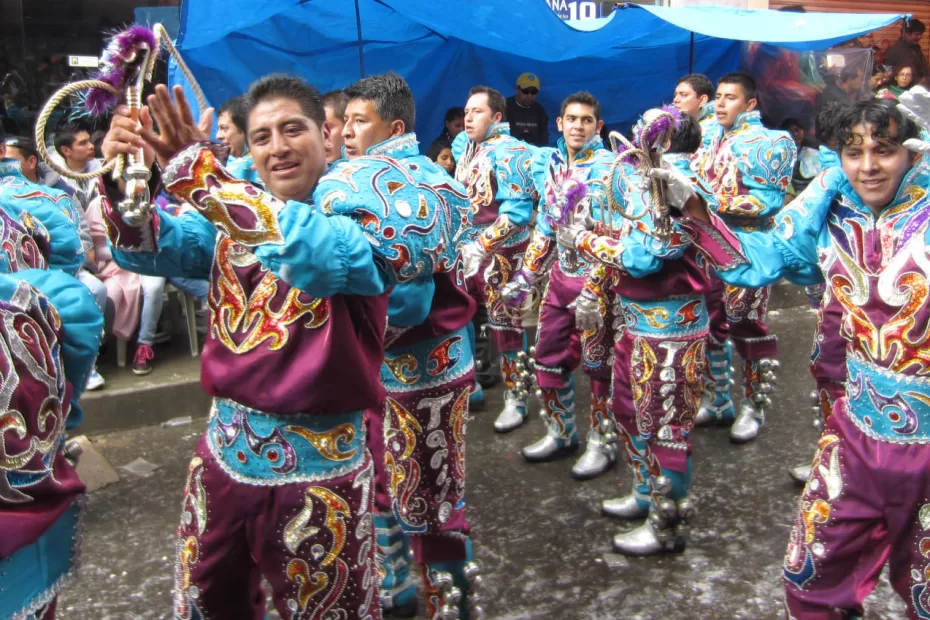
What makes the Oruro Carnival truly unique is this intricate blend of the sacred and the profane, the ancient and the modern. Dancers perform iconic folk dances like the “Diablada” (Dance of the Devils), “Morenada,” “Caporales,” and “Tobas,” each telling a story, often with deep historical and social commentary. The elaborate costumes, often weighing many pounds, are works of art themselves, adorned with intricate embroidery, mirrors, and precious metals. Beyond the main procession, the carnival includes numerous smaller parades, folk music performances, theatrical representations, and community gatherings that fill the streets with an electrifying energy. It’s an immersive experience that overwhelms the senses with color, sound, and a powerful sense of history. The sheer scale and spiritual devotion involved set it apart from other festivals in Bolivia and indeed, around the world, drawing visitors from every corner of the globe eager to witness this unparalleled cultural spectacle.
The Role of Street Vendors in Oruro Carnival
The vibrant tapestry of the Oruro Carnival would be incomplete without the ubiquitous presence of its Oruro Carnival vendors. These hardworking individuals are the unsung heroes who fuel the festivities, both literally and figuratively. They are an indispensable part of the carnival atmosphere, contributing significantly to the lively, bustling energy that defines the event. From dawn till late into the night, the streets of Oruro transform into an expansive, impromptu marketplace, teeming with an incredible array of goods and services. The sheer volume of people – participants, spectators, and tourists – creates an enormous demand for everything from quick refreshments to intricate souvenirs, and it’s the street vendors who rise to meet this challenge. Their stalls, often simple setups adorned with colorful displays, line every available space, turning ordinary sidewalks and plazas into bustling arteries of commerce and cultural exchange.
These vendors play a crucial role in the local economy, providing livelihoods for countless families and injecting vital funds into the community during the carnival season. Their presence ensures that the thousands of attendees have access to essential items and delightful treats without having to venture far from the heart of the action. Beyond their economic function, the street vendors are cultural ambassadors, offering visitors an authentic glimpse into Bolivian daily life and the traditional crafts and culinary delights of the region. They embody the entrepreneurial spirit of Oruro and are fundamental to the overall Oruro Carnival experience. Their calls, the aromas of cooking food, and the visual spectacle of their wares are as much a part of the carnival’s sensory landscape as the music and dancing. They bridge the gap between the grand performances and the practical needs of the revelers, ensuring that everyone can fully immerse themselves in the celebration without interruption. The carnival street vendors are, in essence, the backbone of the festival’s accessibility and its continuous flow, making it a truly inclusive and self-sustaining event.
Types of Goods Offered by Vendors
The variety of products sold by street vendors Oruro Carnival is truly astounding, reflecting the rich cultural tapestry of Bolivia. Walking through the crowded streets, one encounters an endless assortment of items, each telling a part of the Andean story.
Local Crafts and Souvenirs:One of the most appealing aspects of the street markets is the abundance of local crafts. Artisans, often from Oruro and surrounding regions, showcase their intricate skills through a myriad of handmade items. You’ll find exquisite textiles woven from alpaca and llama wool, fashioned into warm ponchos, scarves, and vibrant blankets, each piece a testament to traditional weaving techniques passed down through generations. These textiles often feature geometric patterns and Andean symbols, making them not just beautiful but also culturally significant.
Another highlight among Bolivian crafts are the miniature replicas of the carnival’s iconic masks, particularly those of the Diablada devils. These range from small, decorative pieces perfect for a bookshelf to more elaborate, wearable versions. Alongside these, you’ll discover intricate silver jewelry, often incorporating semi-precious stones or traditional Andean motifs, reflecting the region’s rich mining heritage. Pottery, leather goods, and small wooden carvings depicting scenes from the carnival or Andean folklore are also popular carnival souvenirs. Many of these items are crafted by local artisans right on the spot or brought from nearby workshops, allowing visitors to witness the creation process and appreciate the dedication behind each piece. These unique items serve as tangible memories of the Oruro Carnival experience, connecting visitors directly to the artistic soul of the region.
Traditional Foods and Beverages:While crafts capture the eye, the aroma of traditional foods captivates the nose and stomach. Oruro food stalls are a culinary paradise, offering a diverse range of snacks and meals that are both delicious and deeply rooted in traditional Bolivian cuisine. From hearty stews to sweet treats, the food offerings are designed to sustain and delight the massive crowds. This aspect of the street vendor culture is explored in more detail in the next section, but suffice it to say, the food is as much a part of the cultural immersion as the dances and music. The sheer variety ensures that there’s something to satisfy every palate, making the culinary journey through the carnival streets an adventure in itself.
Culinary Delights: Street Food at Oruro Carnival
The Bolivian street food scene at Oruro Carnival is nothing short of a gastronomic adventure, an integral part of the carnival experience that tantalizes the taste buds and provides essential sustenance for the marathon celebrations. As you navigate the throngs, the air becomes thick with an intoxicating mix of savory and sweet aromas, drawing you irresistibly towards the myriad of Oruro food stalls. These makeshift kitchens and stands are a testament to the ingenuity and culinary prowess of local cooks, offering an authentic taste of traditional Bolivian cuisine. Eating from these street vendors Oruro Carnival is not just about convenience; it’s a deep dive into the local street food culture.
One of the most iconic and beloved dishes you’ll encounter is the salteña. This savory baked pastry, often compared to an empanada, is filled with a juicy, slightly sweet and spicy stew of meat (chicken or beef), potatoes, peas, and sometimes a hard-boiled egg. It’s a perfect on-the-go snack, providing a burst of flavor and energy. Another staple is anticuchos, skewers of marinated beef heart, grilled over charcoal until tender and smoky, often served with a potato and a spicy peanut sauce. The slightly chewy texture and rich, savory flavor make them a perennial favorite.
For those craving something heartier, choripán is a popular choice: a grilled chorizo sausage served in a crusty bread roll, often topped with llajwa (a spicy Bolivian salsa) or a simple tomato and onion salad. Api con buñuelos offers a delightful sweet and savory combination. Api is a thick, warm, purple corn drink, subtly spiced with cinnamon and cloves, often served with buñuelos, which are fluffy, fried dough fritters dusted with powdered sugar or drizzled with miel de caña (cane syrup). This pairing is especially comforting during the chilly Andean mornings and evenings.
You’ll also find tucumanas, which are similar to salteñas but fried instead of baked, offering a crispy exterior and a similarly delicious filling. Empanadas de queso (cheese empanadas), often deep-fried, are another simple yet satisfying snack. For meat lovers, silpancho might appear in a more portable form; though traditionally a plated meal, vendors often adapt it, offering crispy breaded beef or llama meat with a fried egg and rice or potatoes.
Beyond the main dishes, there are countless smaller treats. Think churros with various fillings, fresh fruit juices, and a range of local candies. The drinks selection is also diverse, from refreshing mocochinchi (dried peach drink) to stronger chicha (fermented corn beverage) for adults. Each bite and sip from these Bolivian street food vendors tells a story of the region’s culinary heritage, passed down through generations. It’s an essential part of the cultural festivals experience, allowing visitors to truly immerse themselves in the local way of life. The vibrant array of tastes, smells, and textures creates a sensory feast that rivals the visual spectacle of the carnival itself, making the food stalls an unmissable highlight of the Oruro Carnival highlights.
Cultural Significance of Street Vendors
The presence and activities of street vendors Oruro Carnival extend far beyond mere commercial transactions; they are deeply interwoven into the cultural fabric of the festival and the broader Andean society. These vendors are not just selling goods; they are preserving and presenting aspects of Andean culture and Oruro traditions that are essential to the region’s identity. Their stalls act as informal cultural hubs, where local languages like Quechua and Aymara are spoken, traditional recipes are shared, and the stories behind the crafts are told. This direct interaction offers a unique form of cultural immersion for visitors, allowing them to connect with the local community on a personal level that a formal shop might not provide.
The items sold by vendors, from hand-woven textiles to traditional foods, are often imbued with symbolic meaning and historical significance. A piece of jewelry might carry an ancient Andean motif, while a particular dish might be prepared using methods that have been passed down for centuries. This makes the vendors crucial custodians of Bolivian heritage and cultural heritage. They represent the continuity of traditional practices in the face of modernization, ensuring that future generations can still experience and appreciate the artisanal skills and culinary traditions that define Oruro. The festive atmosphere generated by the vendors, with their lively calls and colorful displays, also contributes significantly to the overall celebratory mood of the carnival, making it an even more engaging and authentic experience. They are a visible, tangible link to the past, grounding the spectacular performances in the everyday lives and traditions of the people of Oruro.
Vendors and Community Identity
The Oruro Carnival vendors are more than just merchants; they are vital representatives of the community, embodying the spirit and resilience of Oruro. Their presence during the carnival season is a powerful affirmation of local identity and a celebration of collective effort. Many of these vendors come from families who have participated in the carnival’s informal economy for generations, making their involvement a cherished local tradition. This continuity fosters a strong sense of community engagement, as families and neighbors work together, often pooling resources and sharing knowledge, to prepare for the influx of visitors.
Through their offerings, vendors play a significant role in preserving local traditions. The intricate artisan crafts they sell, such as masks, textiles, and traditional clothing, are not merely decorative items; they are expressions of indigenous art forms and storytelling. Each piece often carries cultural narratives, symbols, and techniques that have been passed down through ancestral lines. By producing and selling these items, vendors ensure that these skills and stories remain alive and relevant. Similarly, the traditional Bolivian cuisine served from their stalls represents a living heritage, with recipes that have nourished generations and reflect the agricultural bounty and culinary ingenuity of the Andean region.
Moreover, the act of buying from these vendors is itself an act of supporting the local community directly. It’s a transaction that goes beyond economics, fostering a connection between the visitor and the local culture. The vendors’ interactions with customers, often characterized by warmth and a willingness to share insights into their products and culture, contribute to the overall carnival experience. They help to create a welcoming and inclusive environment, inviting outsiders to partake in the vibrant life of Oruro. In essence, the vendors are living embodiments of Oruro’s character, their stalls serving as miniature showcases of the community’s creativity, resilience, and profound connection to its heritage, making them an indispensable part of Oruro experiences and the broader carnival celebrations.
Visitor Experience: What to Expect from Street Vendors
For visitors attending the Oruro Carnival, engaging with the street vendors Oruro Carnival is an absolute must. It’s an essential part of the cultural immersion and offers a direct, unfiltered glimpse into local life. Expect a vibrant, bustling, and sometimes chaotic atmosphere, especially in the days leading up to and during the main procession. The streets will be packed with people, and vendor stalls will line every available space, from main avenues to narrow side streets. The air will be filled with a symphony of sounds: the calls of vendors advertising their wares, the sizzle of food on grills, and the constant murmur of conversations in Spanish, Quechua, and Aymara.
The visual feast is equally compelling. Stalls are often adorned with colorful fabrics, stacked high with tempting treats, and glimmering with handmade crafts. You’ll find everything from hearty meals to quick snacks, refreshing drinks, and an incredible array of carnival souvenirs and Bolivian crafts. Vendors are generally friendly and eager to interact, often happy to explain their products or even share a bit about their traditions. This direct engagement is one of the most rewarding aspects of the Oruro Carnival experience.
Navigating the crowds and communicating can be part of the adventure. While many vendors will understand basic Spanish, a few key phrases can go a long way. Be prepared for cash-only transactions, as credit card machines are rare in these informal settings. The prices are typically very reasonable, making it an affordable way to enjoy authentic local food and purchase unique mementos. Remember that hygiene standards might differ from what you’re used to, but most vendors are diligent about keeping their food fresh and their areas clean. Embrace the sensory overload; it’s all part of the authentic charm of festivals in Bolivia. The energy is infectious, and the opportunity to support local livelihoods directly while experiencing the heart of the carnival’s commercial pulse is truly invaluable.
Tips for Tourists Engaging with Vendors
To make the most of your interactions with street vendors Oruro Carnival and ensure a smooth, enjoyable experience, here are some practical travel tips for tourists:
-
Carry Small Bills and Coins: Most vendors operate on a cash-only basis, and they often don’t have a lot of change for large denominations. Having Bolivian bolivianos in small bills (Bs 10, 20, 50) and coins (Bs 1, 2, 5) will make transactions much quicker and easier for everyone.
-
Learn Basic Spanish Phrases: While not strictly necessary, knowing a few phrases like “Cuánto cuesta?” (How much does it cost?), “Gracias” (Thank you), and “Por favor” (Please) will be greatly appreciated and can enhance your interactions. Even a simple smile and gesture can bridge language barriers.
-
Haggle Respectfully (for Crafts): For local crafts and souvenirs, a bit of friendly negotiation is often expected and part of the local traditions. However, remember to do so respectfully and with a good-natured attitude. Don’t be overly aggressive, and understand that for many vendors, this is their livelihood. For food items, prices are usually fixed.
-
Observe Before You Buy Food: When choosing a food stall, take a moment to observe. Look for vendors with a steady stream of local customers, as this often indicates freshness and good quality. Check if the food is cooked fresh, kept hot, or stored properly. Trust your instincts – if a place doesn’t look clean, it’s best to move on.
-
Try New Things: This is your chance for true cultural immersion! Be adventurous and sample the various Bolivian street food offerings. Ask the vendor what’s popular or what they recommend. Many vendors are proud of their dishes and happy to explain them.
-
Be Aware of Your Surroundings: While engaging with vendors, especially in crowded areas, always be mindful of your personal belongings. Keep your wallet and phone secure and close to your body to prevent pickpocketing, which can be common in large crowds.
-
Stay Hydrated and Take Breaks: The carnival is a marathon, not a sprint. Drink plenty of water (bottled is best) and take breaks from the hustle and bustle. Many vendors also sell refreshing drinks like jugos naturales (fresh fruit juices) or mocochinchi.
-
Engage with Curiosity: Show genuine interest in the products and the vendors themselves. Ask about the origin of a craft, the ingredients of a dish, or the story behind a family recipe. This respectful curiosity can lead to memorable conversations and deeper insights into Andean culture and the Oruro experiences.
By following these tips, you’ll not only enjoy the incredible array of goods and delicious food but also gain a richer understanding of the people and the vibrant Oruro traditions that make the Oruro Carnival so special.
Conclusion: Embrace the Street Vendor Experience
The Oruro Carnival is an unparalleled spectacle of culture, devotion, and vibrant energy, a true highlight among festivals in Bolivia. While the dazzling dances and elaborate costumes capture the global imagination, it’s the tireless work and vibrant presence of the street vendors Oruro Carnival that truly complete this extraordinary celebration. They are far more than just merchants; they are the lifeblood of the festival’s local commerce, essential contributors to the festive atmosphere, and crucial custodians of Bolivian heritage. From the intricate artisan crafts that tell stories of Andean culture to the irresistible aromas of traditional Bolivian cuisine, these carnival street vendors offer a multi-sensory journey into the heart of Oruro.
Engaging with these vendors provides an authentic cultural immersion, allowing visitors to connect directly with the local community, support their livelihoods, and gain a deeper appreciation for the traditions that define this region. The bustling Oruro food stalls and diverse street markets are not just places to grab a bite or a souvenir; they are dynamic hubs of community engagement, where the spirit of Oruro is tangible and vibrant. By embracing the street vendor experience, tourists unlock another layer of the Oruro Carnival highlights, transforming their visit from a mere observation into a truly interactive and unforgettable adventure. So, when you plan your trip to this magnificent carnival celebration, make sure to set aside ample time to wander through the lively streets, savor the local flavors, admire the handmade treasures, and fully immerse yourself in the rich tapestry woven by the dedicated Oruro Carnival vendors. It’s an experience that promises to be as enriching and memorable as the grand procession itself.
VX88Bet, eh? Another contender enters the ring! Gotta say, I’m always a little skeptical at first. Show me the promos, the odds, and the easy withdrawals. Prove to me that vx88bet is the real deal!