
Your Ultimate Budget Guide for the Oruro Carnival Trip
The Oruro Carnival is not just a festival; it’s an experience that transcends mere celebration, offering a vibrant glimpse into the heart of Bolivian culture and its rich spiritual tapestry. Declared a Masterpiece of the Oral and Intangible Heritage of Humanity by UNESCO, this annual spectacle draws hundreds of thousands of visitors from across the globe, eager to witness its unparalleled grandeur. If you’re dreaming of immersing yourself in the elaborate costumes, mesmerizing dances, and pulsating music of this incredible event, you’re in for a treat. However, like any major international festival, planning a trip requires careful consideration, especially when it comes to your finances. This comprehensive guide is designed to help you meticulously plan your budget for Oruro Carnival trip, ensuring you can enjoy every moment without breaking the bank. We’ll delve into all aspects of travel costs Oruro Carnival, providing you with actionable tips and detailed breakdowns to make your Bolivian adventure both memorable and affordable.
Understanding the Oruro Carnival: A Cultural Overview
Before we dive into the nitty-gritty of budgeting, it’s essential to understand what makes the Oruro Carnival so special. Nestled high in the Andes, the city of Oruro transforms into a kaleidoscope of color and sound each year, usually in February or early March, in the days leading up to Ash Wednesday. This isn’t just a party; it’s a profound religious and cultural event, blending indigenous Andean beliefs with Catholic traditions. The carnival is a tribute to the Virgen del Socavón (Virgin of the Mines), the patron saint of miners, and Pachamama (Mother Earth).
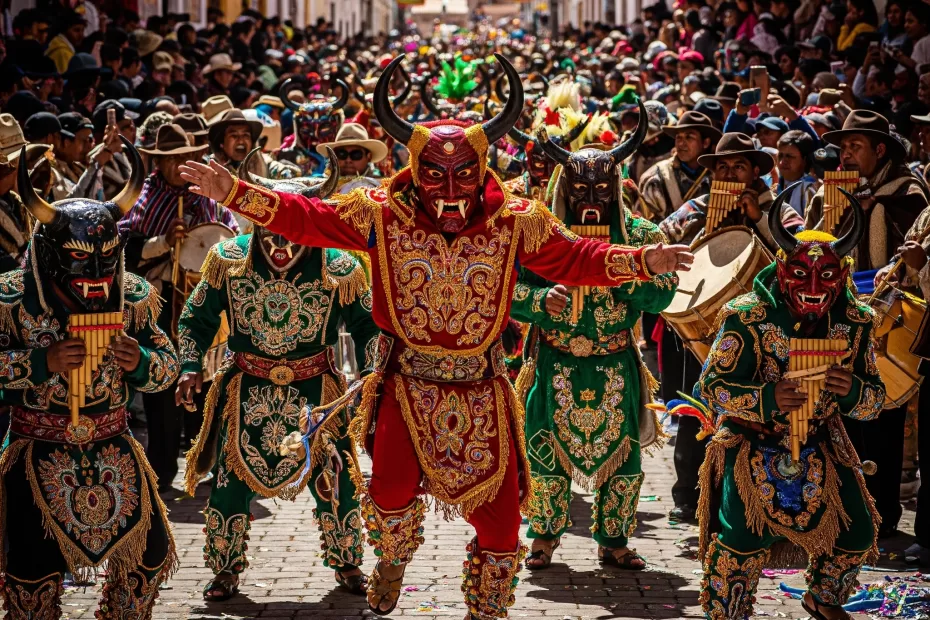
The core of the celebration is the Peregrinación al Socavón, a massive procession that sees tens of thousands of dancers and musicians perform intricate choreographies over several kilometers, culminating at the sanctuary of the Virgin. The most iconic dance is the Diablada, or “Dance of the Devils,” where performers don elaborate, often terrifying, masks and costumes representing devils, angels, and other mythological figures. This dance, with its dramatic battle between good and evil, is a powerful representation of the syncretism that defines Bolivian culture. Beyond the Diablada, you’ll witness the Morenada, Caporales, Tobas, Kullawada, and many other traditional dances, each with its own history and significance.
The significance of the Oruro Carnival extends beyond its visual spectacle. It is a living testament to the cultural heritage Bolivia holds, preserving ancient traditions and artistic expressions. For travelers, it offers a unique opportunity to witness a vibrant, spiritual, and deeply rooted festival. The energy is infectious, the costumes are breathtaking, and the sheer scale of the event is awe-inspiring. Understanding this cultural backdrop will not only enhance your Oruro experience but also help you appreciate why certain aspects, like grandstand seating, are integral to the festival experience and thus, part of your Oruro Carnival budget. It’s a key highlight for anyone interested in Bolivia cultural festivals and a major draw for Bolivia trip planning.
Estimating Your Budget for the Oruro Carnival
Planning a trip to a major festival like the Oruro Carnival requires a clear understanding of potential expenses. From getting there to where you’ll rest your head, what you’ll eat, and how you’ll enjoy the festivities, every aspect contributes to the overall cost of attending Oruro Carnival. Let’s break down the estimated costs involved in attending this incredible event. Your Oruro Carnival budget will largely depend on your travel style, how far in advance you book, and your personal preferences.
Transportation Costs
Getting to Oruro, a city located in the high plains of Bolivia, is the first major logistical and financial hurdle. Most international travelers will fly into El Alto International Airport (LPB) in La Paz or Viru Viru International Airport (VVI) in Santa Cruz. From there, you’ll need to make your way to Oruro.
-
International Flights: This will be your biggest single expense and will vary wildly depending on your origin, time of booking, and airline. Budget anywhere from $800 to $2,000+ USD for round-trip international airfare. Booking well in advance is crucial for securing better prices.
-
Domestic Travel to Oruro:
-
From La Paz: Oruro is about a 3-4 hour bus ride from La Paz. Buses are frequent, comfortable, and very affordable.
-
Standard Bus: Expect to pay between 20-40 BOB (approximately $3-$6 USD) for a one-way ticket. These are basic but get the job done.
-
Executive/Cama Bus: For more comfort, especially if you have luggage, a semi-cama (reclining seats) or cama (fully reclining seats) bus will cost 50-80 BOB (approximately $7-$12 USD). These are highly recommended for the slightly longer journey.
-
During Carnival, prices might slightly increase, and availability drops dramatically without prior booking.
-
-
From Cochabamba: The bus journey from Cochabamba to Oruro is similar in duration, around 3-4 hours. Prices are comparable to those from La Paz, ranging from 25-70 BOB ($4-$10 USD) depending on the bus class.
-
From Santa Cruz: This is a longer journey, typically 12-16 hours by bus.
-
Standard Bus: 80-120 BOB ($12-$17 USD).
-
Cama Bus: 150-250 BOB ($22-$36 USD).
-
Alternatively, you could fly from Santa Cruz to La Paz (around $50-$100+ USD, 1 hour flight) and then take a bus to Oruro, but this adds a connection.
-
-
Train: While there are train services in Bolivia, they are less frequent and often slower than buses for routes like La Paz to Oruro. It’s generally not the most practical or fastest option for transport to Oruro Carnival.
-
-
Local Transportation within Oruro: Once in Oruro, you’ll primarily rely on walking, micros (local buses), and trufis (shared taxis).
-
Micros: A single ride costs a few Bolivianos (around 2 BOB or $0.30 USD). They are crowded but very cheap.
-
Trufis/Shared Taxis: These follow fixed routes and are slightly more expensive than micros, typically 3-5 BOB ($0.45-$0.70 USD) per person, depending on the distance.
-
Private Taxis: For convenience, especially with luggage or late at night, a private taxi might be useful. Fares within the city usually range from 10-20 BOB ($1.50-$3 USD). Always agree on the price beforehand. During the carnival, roads are often closed, and taxis might be scarce or charge inflated prices. Walking is often the best way to get around the main festival areas.
-
When considering your Bolivia travel budget, remember that transport to Oruro Carnival, especially domestic travel, should be booked well in advance.
Accommodation Options and Pricing
Accommodation during the Oruro Carnival is where your budget can take a significant hit if not planned carefully. Oruro is not a large city, and its infrastructure, while improving, can be strained by the influx of hundreds of thousands of visitors. Prices soar, and availability plummets, making early booking absolutely non-negotiable for Oruro Carnival accommodation.
-
Hostels (Budget-Friendly):
-
Average Price: Expect to pay anywhere from $25-$60 USD per night for a dorm bed during Carnival. In comparison, outside the festival, a dorm bed might cost $7-$15 USD.
-
Amenities: Basic, often shared bathrooms, sometimes includes breakfast. Look for social atmospheres.
-
Tips: Book months in advance. Many hostels will have minimum stay requirements during the festival (e.g., 3-4 nights). Affordable hotels Oruro are rare, so hostels are your best bet for true budget travel Bolivia.
-
-
Budget Hotels/Guesthouses:
-
Average Price: Private rooms in budget hotels or guesthouses can range from $70-$150 USD per night during the Carnival. Normally, these rooms would be $20-$40 USD.
-
Amenities: Private bathroom, basic furnishings, sometimes TV.
-
Tips: These fill up extremely quickly. Read reviews carefully, as quality can vary.
-
-
Mid-Range Hotels:
-
Average Price: For a comfortable, clean room with better amenities, expect to pay $150-$300+ USD per night. Outside Carnival, this would typically be $50-$100 USD.
-
Amenities: Often includes breakfast, Wi-Fi, private bath, potentially a restaurant.
-
Tips: These offer a good balance of comfort and convenience but come at a premium during the festival.
-
-
Airbnb/Local Rentals:
-
Average Price: Prices vary widely based on size, location, and amenities, but expect to pay similar rates to mid-range hotels, potentially $100-$400+ USD per night for an entire apartment or house.
-
Amenities: Can offer more space, kitchen facilities, and a local experience.
-
Tips: Check reviews thoroughly. Be aware that some hosts may inflate prices significantly. This can be a good option if traveling with a group to split costs.
-
-
Camping (Very Limited):
-
Availability: Very few, if any, official camping sites exist within Oruro. This is generally not a viable option for the Oruro Carnival trip.
-
Costs: If you find a private landowner willing to let you camp, it would be minimal, but security and facilities would be concerns.
-
Key Accommodation Advice:
-
Book Early: Seriously, as soon as you know you’re going, book your accommodation. Six months to a year in advance is not too early for Oruro Carnival 2025 planning.
-
Location: Staying within walking distance of the main parade route is ideal, but also the most expensive. Consider staying slightly further out and using local transport if you’re on a tight budget.
-
Minimum Stays: Be prepared for hotels to enforce 3-4 night minimum stays during the carnival period.
-
Confirm Everything: Get written confirmation of your booking and price.
A significant portion of your Oruro Carnival budget will be allocated here, so thoughtful planning is key.
Food and Drink Expenses
Exploring the local cuisine Oruro offers is an integral part of the Oruro experience. Bolivia is generally very affordable for food, and Oruro is no exception, provided you stick to local eateries and street food. Your daily food and drink expenses can range from very low to moderate, depending on your choices.
-
Street Food (Budget-Friendly):
-
Breakfast: Salteñas (savory baked pastries with meat and vegetables) are a Bolivian staple, costing 5-10 BOB ($0.70-$1.50 USD) each. Api con pastel (purple corn drink with fried cheese pastry) is another delicious and cheap option, around 5-8 BOB ($0.70-$1.20 USD).
-
Lunch/Dinner: You can find various street stalls selling anticuchos (beef heart skewers), empanadas, choripán (sausage sandwich), or small plates of silpancho (thinly pounded meat, rice, potatoes, and egg) for 10-25 BOB ($1.50-$3.50 USD).
-
Total Daily Street Food Budget: $5-$15 USD per day. This is the best way to manage Oruro Carnival food prices.
-
-
Local Restaurants (Mid-Range):
-
Lunch Menus (Almuerzo): Many local restaurants offer almuerzo (set lunch menus) that include a soup, main course, and sometimes a drink for 15-35 BOB ($2-$5 USD). This is excellent value.
-
Dinner (A la Carte): For a more substantial meal, like fricase (pork stew with corn and potatoes) or chairo (Andean soup), expect to pay 30-70 BOB ($4-$10 USD) per dish.
-
Total Daily Local Restaurant Budget: $15-$30 USD per day.
-
-
Tourist-Oriented Restaurants/Cafes:
-
Prices: These will be significantly higher, comparable to Western prices, ranging from 70-150 BOB ($10-$20 USD) per meal.
-
Total Daily Tourist Restaurant Budget: $30-$60+ USD per day.
-
-
Drinks:
-
Bottled Water: 5-10 BOB ($0.70-$1.50 USD) for a large bottle. Carry a reusable bottle and refill when possible.
-
Soft Drinks/Juices: 5-15 BOB ($0.70-$2 USD).
-
Local Beer (Paceña, Huari): 10-25 BOB ($1.50-$3.50 USD) at a store, 20-40 BOB ($3-$6 USD) at a bar/restaurant.
-
Singani (Bolivian Brandy): A bottle can cost 40-80 BOB ($6-$12 USD) at a store, mixed drinks more at bars.
-
-
Groceries: If your accommodation has kitchen facilities, buying groceries from local markets can significantly reduce food costs. A week’s worth of basic groceries for one person might be 100-200 BOB ($15-$30 USD).
Tips for Food & Drink:
-
Eat Where Locals Eat: Not only is it cheaper, but it’s also where you’ll find the most authentic and delicious food.
-
Hydrate: At Oruro’s altitude (3,700 meters or 12,140 feet), staying hydrated is crucial. Buy large bottles of water.
-
Be Adventurous: Don’t be afraid to try new things, but always choose stalls with high turnover and visible cooking processes to ensure freshness.
Considering your Oruro Carnival budget, allocating $15-$30 USD per day for food and non-alcoholic drinks should be a comfortable estimate for a budget-conscious traveler enjoying local fare.
Activities and Entertainment Costs
Beyond the essentials of getting there, sleeping, and eating, there are specific Oruro Carnival festival expenses related to experiencing the festival itself.
-
Grandstand Tickets (Crucial for Viewing): This is arguably the most significant entertainment cost and often the most debated. To get a good view of the main parade, you’ll need a seat in the grandstands (graderías) along the route.
-
Prices: Oruro Carnival tickets vary widely based on location and day. The main Saturday procession (the Peregrinación) is the most expensive.
-
Basic seats (further from the main square): $50-$100 USD for Saturday.
-
Mid-range seats: $100-$250 USD for Saturday.
-
Premium seats (near Plaza 10 de Febrero): $250-$400+ USD for Saturday.
-
Sunday’s “Corso” (repetition of the parade) is generally cheaper, perhaps $30-$150 USD.
-
-
Booking: These tickets are notoriously hard to get directly and are often sold through tour operators or scalpers. Booking through a reputable tour company that includes grandstand seating in a package can be less stressful, though it will be more expensive overall. If you try to buy locally, beware of scams.
-
Alternative: If you truly want to save, you can try to find a spot on the street, but it will be incredibly crowded, and views will be limited. Some locals rent out balconies for a fee.
-
-
Costumes & Souvenirs:
-
Carnival Attire: While you don’t need a full Diablada costume, many people buy colorful hats, masks, or simple carnival accessories. These can range from 10-100 BOB ($1.50-$15 USD).
-
Souvenirs: Traditional crafts, textiles, and smaller trinkets make great mementos. Budget 50-200 BOB ($7-$30 USD) for a few items.
-
-
Museums and Local Attractions:
-
Oruro has a few interesting museums, such as the Museo Nacional Antropológico Eduardo López Rivas and the Museo de la Mina San José.
-
Entry Fees: Typically 10-30 BOB ($1.50-$4 USD) per museum.
-
These are good Oruro attractions to visit on the days leading up to or after the main parade.
-
-
Parties and Nightlife:
-
Many informal parties and street celebrations happen during Carnival. Entry to clubs or specific parties might range from 20-50 BOB ($3-$7 USD). Drinks will be extra.
-
-
Tips for Performers: It’s customary to tip performers if you take photos with them, especially those in elaborate costumes. A small tip of 5-10 BOB ($0.70-$1.50 USD) is appreciated.
Your Oruro Carnival itinerary might include these additional Oruro Carnival activities. For a budget traveler, plan to spend around $50-$100 USD on a grandstand ticket (if you choose one of the cheaper options on Sunday or a less prime location on Saturday), plus another $30-$50 USD for miscellaneous activities and souvenirs. For those desiring prime seating, this budget will need to be significantly higher.
Summary of Estimated Daily/Total Costs (Excluding International Flights):
CategoryBudget Traveler (USD)Mid-Range Traveler (USD)Comfort Traveler (USD)Accommodation$25 – $60 (dorm bed)$70 – $150 (budget hotel)$150 – $300+ (mid-range hotel)Local Transport$2 – $5$5 – $10$10 – $20Food & Drink$15 – $30$30 – $60$60 – $100+Carnival Tickets$50 – $100 (basic)$100 – $250 (mid-range)$250 – $400+ (premium)Activities/Misc.$10 – $20$20 – $40$40 – $70+Daily/Total (excl. tickets)$52 – $115$125 – $260$270 – $490+
Note: These are estimates for the Carnival period and can fluctuate. Grandstand tickets are often a one-time purchase for the main day, not a daily cost.
For a 4-day Oruro Carnival trip, a budget traveler might aim for a total of $300-$600 USD (excluding international flights), while a mid-range traveler could expect $600-$1200 USD, and a comfort traveler $1200-$2000+ USD. This detailed breakdown should help you formulate your Oruro Carnival budget effectively.
Travel Tips for a Budget-Friendly Oruro Carnival Experience
Attending the Oruro Carnival is an incredible experience, and with some smart planning, it doesn’t have to drain your savings. Here are some practical Oruro Carnival travel tips to help you save money while fully enjoying the festival. These budget-friendly travel tips are crucial for anyone considering a Bolivia trip planning.
Book Everything in Advance
This cannot be stressed enough when it comes to planning your budget for Oruro Carnival trip. The Oruro Carnival is one of South America’s largest and most famous festivals, and the city’s capacity is quickly overwhelmed.
-
Flights: If you’re flying internationally, aim to book your flights at least 6-8 months in advance, if not more. Prices for flights to La Paz or Santa Cruz will steadily climb as the carnival date approaches. For Oruro Carnival 2025, start looking for flights in mid-2024.
-
Accommodation: As discussed, Oruro Carnival accommodation is the most difficult and expensive aspect. Book your hostel, hotel, or Airbnb 8-12 months out. Many places will open their bookings a year in advance. Not only will you secure a spot, but you’ll likely get a much better rate than if you wait until a few months before. Waiting means paying exorbitant prices or staying in less desirable locations far from the action.
-
Bus Tickets to Oruro: While you might think local transport is easy to get, intercity bus tickets to Oruro from La Paz, Cochabamba, or Santa Cruz also sell out quickly in the weeks leading up to the carnival. Purchase these online or at major bus terminals a month or two in advance. This ensures you get the bus class you want and avoid last-minute scramble or inflated prices.
-
Grandstand Tickets: If you plan to buy grandstand seats, research reputable tour operators who include them in packages. These packages, while pricier, guarantee a seat and save you the hassle and risk of buying from scalpers. If you plan to buy locally, arrive several days early and be prepared to queue or search extensively, and always be wary of counterfeit tickets.
Booking early is the single most effective way to keep your Oruro travel expenses in check and ensure a smoother, less stressful trip. It’s a cornerstone of any sensible budget itinerary Bolivia.
Use Public Transport
Once you’re in Oruro, navigating the city efficiently and affordably is key to maintaining your Bolivia travel budget.
-
Local Buses (Micros): These brightly colored minibuses are the backbone of Oruro’s public transportation. They are incredibly cheap (usually 2 BOB per ride) and cover most of the city. While they can be crowded, especially during carnival, they are an excellent way to get around if your accommodation is a bit further from the central parade route. Learn their routes or ask locals for directions.
-
Shared Taxis (Trufis): Trufis operate like shared taxis, following fixed routes. They are slightly more expensive than micros (3-5 BOB per person) but offer a bit more comfort and speed. They’re a good option for specific routes.
-
Walking: Oruro’s city center is quite walkable, and during the carnival, many streets are closed to vehicular traffic anyway. Walking allows you to soak in the atmosphere, discover hidden gems, and is, of course, completely free. It’s often the best way to get to the parade route on the main days.
-
Avoid Private Taxis (unless necessary): While convenient, private taxis are more expensive, and during the carnival, they might charge significantly inflated prices or struggle with road closures. Use them sparingly, for example, for late-night returns or if you have heavy luggage. Always negotiate the price before getting in.
Embracing local public transport not only saves money but also provides an authentic Oruro experience, allowing you to interact more with the local population and gain a deeper understanding of the city’s rhythm. This is a primary budget-friendly travel tip for anyone traveling in Bolivia.
Avoid Tourist Traps
Every popular tourist destination has its share of “tourist traps,” and Oruro during Carnival is no exception. Being mindful of where and how you spend your money can significantly impact your Oruro Carnival budget.
-
Eating:
-
Steer Clear of Restaurants Directly on the Main Parade Route: These establishments often inflate their prices dramatically during the carnival, offering mediocre food at premium rates.
-
Seek Out Local Markets and Street Food: The Mercado Campero and other local markets are fantastic places to find fresh produce, local snacks, and hearty meals at very affordable prices. Street food vendors, especially those with long lines of locals, usually offer delicious and safe options. This is where you’ll find the most authentic Oruro Carnival food prices.
-
Look for Almuerzos (Set Lunch Menus): Many small, local restaurants offer almuerzo during lunchtime, which is a multi-course meal for a very low price. This is a staple of Bolivian dining and an excellent way to save money.
-
-
Shopping for Souvenirs:
-
Compare Prices: Don’t buy the first souvenir you see. Walk around, compare prices, and if you’re in a market, don’t be afraid to haggle politely (though this is less common in fixed-price stores).
-
Buy from Local Artisans: Look for artisans selling their crafts directly rather than generic souvenir shops. You’ll often find more unique items at better prices, and your money directly supports the local community.
-
-
Services:
-
Be Wary of Unsolicited Offers: If someone approaches you offering a “special deal” on tickets, tours, or accommodation, exercise caution. Always verify credentials and compare prices.
-
Research Tour Operators: If you plan to book any tours or packages, research reputable companies beforehand. Reading online reviews and checking with your accommodation for recommendations can help you avoid scams and overpriced services.
-
-
Grandstand Tickets: As mentioned, buying grandstand tickets can be tricky. If you’re not going through a well-established tour operator, be extremely cautious of street vendors or individuals selling tickets. Counterfeit tickets are a known issue. It’s often better to pay a bit more for certainty or opt for the free street viewing areas.
By being a discerning traveler and following these Oruro travel advice points, you can significantly reduce your Oruro travel expenses and enjoy a more authentic and budget-friendly Oruro festival guide experience. These carnival travel tips are essential for a smooth and affordable Oruro experience.
Frequently Asked Questions about Budgeting for Oruro Carnival
Planning for a major cultural event like the Oruro Carnival naturally brings up many questions, especially concerning the financial aspects. Here are some frequently asked questions to help you refine your budget for Oruro Carnival trip.
Q: When is the best time to book for Oruro Carnival?A: For the best prices and availability, book international flights, accommodation, and intercity bus tickets at least 6-12 months in advance.
Q: Is Oruro Carnival expensive?A: It can be, especially if you book last minute or opt for premium experiences; however, with careful planning and budget-friendly choices, it’s possible to attend affordably.
Q: Can I find last-minute accommodation in Oruro during Carnival?A: It’s extremely difficult and expensive; last-minute options will be scarce, overpriced, and likely far from the main festivities.
Q: What’s the cheapest way to get to Oruro?A: Taking a long-distance bus from major Bolivian cities like La Paz or Cochabamba is the most economical way to reach Oruro.
Q: Is it safe to travel to Oruro during Carnival?A: Generally, yes, but exercise standard precautions: watch your belongings, avoid walking alone at night, and be aware of your surroundings, especially in crowded areas.
Q: How much spending money do I need daily for food and local transport?A: For a budget traveler, plan for $15-$30 USD per day for food and local transport, focusing on street food and local buses.
Q: Are Oruro Carnival tickets (grandstand seats) necessary?A: While they offer the best views of the parade, they are not strictly necessary; you can watch from the streets, but it will be very crowded with limited visibility.
Q: What currency is used in Bolivia?A: The official currency is the Bolivian Boliviano (BOB); it’s advisable to carry some small denominations for street vendors and local transport.
Q: What are some budget-friendly travel tips for Bolivia beyond Oruro Carnival?A: Embrace public transport, eat local street food or almuerzos, stay in hostels, and consider traveling during the shoulder seasons to save on costs.
Q: Is it possible to experience Oruro Carnival without grandstand seats?A: Absolutely! Many locals and budget travelers enjoy the carnival from the street, soaking in the vibrant atmosphere and dancing alongside the parade.
Conclusion: Enjoying the Oruro Carnival Without Breaking the Bank
The Oruro Carnival is an unparalleled spectacle, a vibrant fusion of indigenous spirituality and Catholic tradition that truly captures the essence of Bolivian culture. While the prospect of attending such a grand event might seem daunting from a financial perspective, meticulous planning and a savvy approach to your budget for Oruro Carnival trip can make this dream a reality. We’ve explored everything from the travel costs Oruro Carnival entails to the nuances of Oruro Carnival accommodation, Oruro Carnival food prices, and the various Oruro Carnival festival expenses.
The key takeaways for any traveler looking to experience this cultural heritage Bolivia offers on a budget are clear: book everything in advance to lock in the best prices for flights, buses, and lodging, especially for Oruro Carnival 2025. Embrace local public transport and walking to navigate Oruro, allowing you to save significantly on daily travel. And finally, be a smart consumer by avoiding tourist traps, opting for authentic local cuisine, and being cautious with grandstand ticket purchases.
By following these budget-friendly travel tips and being mindful of your Bolivia travel budget, you can craft a budget itinerary Bolivia that allows you to fully immerse yourself in the Oruro experience. You don’t need a lavish budget to witness the breathtaking Diablada, feel the pulsating rhythm of the Morenada, or be captivated by the elaborate costumes and devotion of the performers. With careful planning and a willingness to embrace the local way of life, you can enjoy the Oruro Carnival highlights without breaking the bank. So start your Bolivia trip planning now, prepare for an unforgettable adventure, and get ready to dance, sing, and celebrate in one of the world’s most spectacular cultural festivals!
Valorcasiono? Is that even a word? LOL. Anyway, been playing there for a bit now. It’s alright, nothing spectacular, but nothing terrible either. Just a standard casino site. Check it out: valorcasiono
peryaplus https://www.rsperyaplus.net
Alright folks, time to try my luck at 333bbet. Heard some good things, let’s see if they’re true. Check out 333bbet here: 333bbet
Thinking about throwing some coins into 58wingame tonight. Looks promising, let’s see if I can win big! Learn more about 58wingame here: 58wingame
Gonna give 888jogobet a shot. Feeling lucky tonight! Hopefully I can add some extra cash to my wallet. Jump into the action at 888jogobet: 888jogobet