
Volunteer Opportunities at the Oruro Carnival 2026
Imagine a whirlwind of vibrant colors, pulsating rhythms, and ancient traditions coming alive on the streets of a historic Bolivian city. This is the Oruro Carnival, a spectacle unlike any other, recognized by UNESCO as a Masterpiece of the Oral and Intangible Heritage of Humanity. While many dream of witnessing this incredible celebration as a spectator, there’s a deeply rewarding way to engage with its magic: by volunteering. Embracing volunteer opportunities at the Oruro Carnival offers a unique chance to dive headfirst into Bolivian culture, contribute to a globally significant event, and make a tangible difference. It’s an invitation to move beyond observation and become an integral part of a living tradition, fostering community impact and creating a truly unforgettable travel experience.
What is the Oruro Carnival?
The Oruro Carnival is far more than just a festival; it’s a profound cultural and religious event deeply embedded in the identity of Bolivia. Held annually in the city of Oruro, high in the Andes, it is one of the largest and most significant cultural events Oruro hosts, attracting hundreds of thousands of visitors from around the globe. Its roots stretch back centuries, blending indigenous Andean beliefs with Catholic traditions introduced during the Spanish colonial era. This rich syncretism is at the heart of the carnival’s unique character.
At its core, the Oruro Carnival is a pre-Lenten celebration dedicated to the Virgin of Socavón, the patron saint of miners. However, this devotion is intricately woven with ancient Andean spiritual practices, particularly the veneration of Pachamama (Mother Earth) and various ancestral deities like El Tío, the lord of the underworld, guardian of the mines. The carnival acts as a symbolic representation of the eternal struggle between good and evil, a dramatic narrative expressed through elaborate dances, music, and costumes.
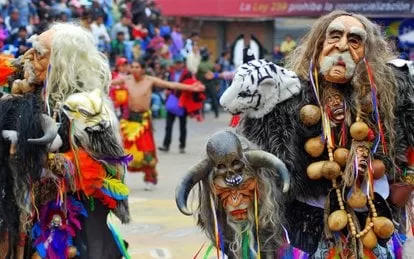
The main event is the grand “Entrada” or procession, a spectacular parade that stretches for kilometers and lasts for more than twenty hours over a single day. Thousands of dancers, musicians, and performers, organized into dozens of fraternities, participate, showcasing an incredible array of traditional dances. The iconic Diablada, or Dance of the Devils, is arguably the most famous, with its dazzling costumes featuring intricate masks adorned with serpents, toads, and other symbolic creatures, representing demons and devils from Andean mythology. Alongside the Diablada, you’ll witness the stately Morenada, the energetic Caporales, the graceful Llamerada, the vibrant Tinkus, and many more, each telling its own story through intricate choreography and symbolic attire.
The music is as integral as the dance, with brass bands accompanying each fraternity, their powerful sounds reverberating through the high-altitude air. The costumes are masterpieces of craftsmanship, often hand-embroidered and adorned with sequins, beads, and precious metals, taking months to create. Beyond the grand procession, the carnival includes a series of smaller parades, folk music concerts, traditional food fairs, and religious ceremonies, all contributing to the electric atmosphere that engulfs the city.
The Oruro Carnival’s history is a testament to the resilience of cultural heritage. Despite attempts to suppress indigenous practices during colonial times, the traditions persisted, evolving to incorporate new elements while retaining their essence. Today, it stands as a powerful symbol of Bolivian identity, a vibrant expression of its diverse cultural tapestry, and a vital celebration of local traditions that continue to thrive and evolve. Understanding this deep cultural importance is key to appreciating the profound impact of volunteer opportunities Oruro Carnival offers. It’s an opportunity to protect and promote this incredible festival participation.
Why Volunteer at the Oruro Carnival?
Volunteering at the Oruro Carnival offers an unparalleled experience that goes far beyond typical tourism. It’s a chance to immerse yourself deeply in one of the world’s most vibrant cultural festivals, contributing directly to its success and preservation. The benefits are manifold, touching upon personal growth, cultural understanding, and making a genuine community impact.
Firstly, the opportunity for cultural immersion in Bolivia is profound. As a volunteer, you’re not just an observer; you become an active participant. You’ll work alongside local community members, interact with performers, and gain an insider’s perspective on the intricate preparations and traditions that make the carnival so special. This direct engagement allows you to experience Bolivian culture in a way few tourists ever can, fostering a deeper understanding of Oruro culture, its people, and their customs. You might learn basic Quechua or Aymara phrases, share meals with local families, or even learn about the symbolism behind a particular dance. This genuine cultural exchange Oruro provides is invaluable.
Secondly, you’ll be engaging in meaningful community service Bolivia. The Oruro Carnival is a massive undertaking, and local organizations, non-profit organizations, and community groups rely heavily on volunteer support to manage its various facets. Your efforts, whether in logistics, cultural education, or supporting performers, directly contribute to the smooth running of the festival and its sustainability. This isn’t just about helping; it’s about becoming part of a collective effort to celebrate and preserve a UNESCO-recognized cultural heritage. This contribution creates a significant social impact, ensuring that future generations can continue to enjoy and participate in this magnificent event.
Beyond the immediate impact, volunteering fosters immense personal growth. You’ll develop new skills, from event management and coordination to cross-cultural communication. You’ll learn to adapt to new environments, solve problems on the fly, and work effectively in diverse teams. Stepping out of your comfort zone in such a dynamic setting can boost your confidence, resilience, and adaptability. It’s a challenging yet incredibly rewarding experience that will equip you with life skills applicable far beyond your time in Oruro.
For those with a passion for travel and volunteer experiences, this is an ideal fit. It transforms a typical vacation into an impactful travel Bolivia adventure. Instead of merely consuming a cultural event, you actively contribute to it. This form of travel allows you to connect with a destination on a deeper level, building relationships with locals and gaining a more nuanced perspective of the country. It’s an authentic way to experience the world, leaving you with not just memories, but a sense of accomplishment and genuine connection to the place you visited.
Furthermore, volunteering during festivals like the Oruro Carnival offers a unique vantage point. You’ll witness the behind-the-scenes magic, the dedication of the performers, the intricate planning, and the sheer effort that goes into creating such a grand spectacle. This insider access provides insights into the true spirit of festival participation, allowing you to appreciate the carnival not just as entertainment, but as a profound expression of communal identity and belief. You’ll gain a deeper appreciation for the Oruro Carnival festival’s rich history and its ongoing significance.
Finally, it’s an opportunity to be part of something truly unique. How many people can say they helped organize or facilitate one of the world’s most vibrant carnival celebrations? It’s a story you’ll carry with you forever, a testament to your willingness to engage, learn, and contribute. By exploring volunteer opportunities Oruro Carnival offers, you’re choosing to make a difference and create a truly unforgettable chapter in your life.
Types of Volunteer Opportunities Available
The Oruro Carnival is a multifaceted event, requiring a wide array of skills and hands-on support. Consequently, the volunteer roles Oruro Carnival offers are incredibly diverse, catering to various interests and capacities. Whether you’re passionate about cultural preservation, event logistics, or simply connecting with people, there’s likely a role that fits. These opportunities provide a chance for direct festival participation and allow volunteers to contribute to the success of Oruro Carnival events, ensuring a positive experience for both participants and spectators.
Many volunteer positions focus on supporting the local community engagement and the preservation of Oruro culture. These roles often involve working closely with local organizations and artists, helping to ensure the traditions are passed down and celebrated authentically. Other opportunities lean more towards the practical aspects of managing a large-scale event, from crowd control to administrative support. Regardless of the specific role, all volunteers play a crucial part in sustaining this magnificent cultural heritage.
Cultural Exchange Programs
For those eager to dive deep into the heart of Oruro culture and facilitate understanding between different communities, cultural exchange programs offer some of the most rewarding volunteer opportunities. These roles are often focused on promoting cross-cultural dialogue and ensuring that the stories and traditions of the carnival are shared effectively with a global audience.
-
Cultural Guides and Interpreters: With visitors arriving from all over the world, there’s a significant need for volunteers who can bridge language barriers. This involves assisting international tourists and participants, providing explanations about the dances, costumes, and religious significance of the carnival. Volunteers might lead small groups, answer questions, or translate for local artists and performers. A good grasp of Spanish is often beneficial, but even English speakers can assist by clarifying information for non-Spanish speaking visitors. This role is central to promoting cultural exchange Oruro is known for during the carnival.
-
Assisting Local Artists and Artisans: The carnival’s elaborate costumes and masks are the result of months of painstaking work by local artisans. Volunteers can assist these artists in various capacities, from helping with material preparation and organization to documenting their creative process. This offers an intimate look into the craftsmanship and dedication behind the carnival’s visual spectacle, helping to preserve vital local traditions. It’s an incredible way to support the artisans who are the custodians of Oruro’s artistic heritage.
-
Educational Workshops and Outreach: Some organizations run educational programs leading up to and during the carnival, aimed at local youth or international visitors. Volunteers might help organize and facilitate workshops on traditional dance, music, or costume making. They could assist in schools or community centers, sharing information about the carnival’s history and cultural importance. This kind of volunteer work directly contributes to the long-term sustainability of the festival by educating and inspiring future generations.
-
Documentation and Storytelling: In an increasingly digital world, documenting cultural events is vital. Volunteers with skills in photography, videography, or writing can help capture the essence of the carnival. This might involve interviewing performers, documenting the various parades, or creating content for online platforms that promote the carnival globally. This work helps to build an archive of the Oruro Carnival festival, ensuring its legacy is preserved and shared with a wider audience, contributing to international volunteering efforts in cultural preservation. These are excellent travel and volunteer opportunities for creative individuals.
These cultural exchange roles are perfect for those seeking deep cultural immersion in Bolivia, offering a chance to truly connect with the heart and soul of the Oruro Carnival. They highlight the importance of local community engagement and contribute significantly to the understanding and appreciation of this unique cultural heritage.
Event Management and Coordination
The logistical challenge of organizing an event as massive and intricate as the Oruro Carnival is immense. This is where event volunteering roles become crucial, ensuring everything runs smoothly, safely, and efficiently. These roles are perfect for organized individuals, problem-solvers, and those who enjoy working in a dynamic, fast-paced environment.
-
Logistics and Setup/Teardown: Before, during, and after the main events, there’s a constant need for hands-on support. This includes helping with the setup of stages, seating areas, barriers, and information points, as well as the subsequent teardown and clean-up operations. Volunteers might assist with transporting equipment, arranging supplies, or ensuring venues are ready for various Oruro Carnival events. This is often physically demanding work but incredibly rewarding as you see the carnival infrastructure come to life.
-
Crowd Control and Information Points: With hundreds of thousands of spectators, managing crowds is paramount for safety and flow. Volunteers are often deployed at strategic points along the parade route, helping to guide people, manage entry and exit points, and provide general information. They might answer questions about the schedule, direct people to facilities, or assist with lost and found. This role requires good communication skills, patience, and a friendly demeanor, directly contributing to the safety and enjoyment of festival participation for everyone.
-
Performer Support: The thousands of dancers and musicians require significant support. Volunteers might help with costume distribution, managing changing areas, providing water and snacks, or assisting with coordination before and after their performances. This behind-the-scenes work is vital for ensuring that the performers can focus on their art, making their carnival celebrations a memorable experience.
-
Administrative and Office Support: Behind every grand event is a team handling countless administrative tasks. Volunteers can assist with data entry, managing registrations, responding to inquiries, preparing materials, or helping with general office duties for the organizing committees or non-profit organizations. These roles are essential for the smooth operational flow and are perfect for those with organizational skills and attention to detail.
-
Media and Communications Support: For those with an interest in media, there are opportunities to assist with press accreditation, guiding journalists, or helping with social media updates. This ensures that the story of the Oruro Carnival reaches a wider audience and that media professionals have the support they need to cover the event effectively.
-
First Aid and Medical Support: For volunteers with medical training (e.g., paramedics, nurses, doctors), there are critical roles in assisting local medical teams. This involves providing basic first aid, helping with emergency response, and ensuring the health and safety of participants and spectators. This is a vital area for community impact and requires specific qualifications.
These event management and coordination roles are fundamental to the success of the Oruro Carnival festival. They offer a practical way to contribute to the social impact of the event, providing essential support that ensures a safe, organized, and truly spectacular experience for everyone involved. Exploring these volunteer roles Oruro Carnival offers provides a unique perspective on the complexities and triumphs of organizing such a significant cultural gathering.
How to Get Involved
Deciding to pursue volunteer opportunities Oruro Carnival offers is the first exciting step; the next is navigating the process of actually getting involved. While the carnival is a massive event, volunteer positions can be competitive, so planning and preparation are key. The application process typically involves several stages, and understanding the requirements and deadlines is crucial for a successful placement.
1. Research and Identify Organizations:The first step is to research organizations that facilitate volunteering at the Oruro Carnival. These typically fall into a few categories:
-
Local Non-Profit Organizations (NGOs): Many Bolivian NGOs focus on cultural preservation, community development, or tourism. They often recruit international and local volunteers to assist with carnival-related projects, from logistics to cultural education. Searching for “volunteer Bolivia cultural festivals” or “Oruro NGOs” can yield results.
-
International Volunteering Platforms: Several international organizations specialize in connecting volunteers with projects abroad. These platforms often partner with local Bolivian groups and can offer structured programs that include accommodation, orientation, and in-country support. Examples include reputable volunteer abroad providers.
-
Oruro Tourism Boards or Carnival Organizing Committees: Sometimes, the official organizing bodies for the carnival or local tourism offices might directly recruit volunteers, especially for roles related to information, logistics, or crowd management. Keep an eye on their official websites or social media channels in the months leading up to the carnival.
-
University Programs: If you are a student, check if your university has partnerships or programs for cultural exchange in Bolivia or international volunteering, as they might have established connections with Oruro-based initiatives.
It’s recommended to contact several organizations to compare programs, roles, and support structures. Look for transparency in their operations, clear communication, and a history of successful volunteer placements.
2. Application Process:Once you’ve identified potential organizations, the application process usually involves:
-
Online Application Form: This will gather your personal details, educational background, relevant experience, and motivations for volunteering.
-
Resume/CV: Highlight any relevant skills, such as language proficiency, event management experience, first aid certification, or experience in community service Bolivia.
-
Statement of Purpose/Cover Letter: This is your chance to express why you want to volunteer at the Oruro Carnival specifically and what you hope to contribute. Emphasize your interest in cultural exchange Oruro, your commitment to impactful travel Bolivia, and your desire to experience Bolivian culture.
-
Interview: Many organizations conduct interviews (often via video call) to assess your suitability, language skills, and commitment.
-
Background Checks: Especially for roles involving vulnerable populations, a background check may be required.
3. Requirements and Qualifications:While specific requirements vary by role and organization, general qualifications often include:
-
Age: Most programs require volunteers to be at least 18 years old.
-
Language Skills: While not always mandatory, a basic to intermediate level of Spanish is highly advantageous for most roles, especially those involving direct interaction with locals or guiding. Some organizations might offer Spanish language training as part of their program.
-
Skills and Experience: Depending on the volunteer roles Oruro Carnival offers, specific skills might be preferred. For event management, organizational skills and experience in logistics are valuable. For cultural education, teaching experience or deep cultural knowledge is a plus. For medical roles, relevant certifications are essential.
-
Commitment: Volunteers are expected to commit to a certain duration, typically ranging from one to three weeks, often spanning the core carnival period and a few days before/after for setup/teardown.
-
Health and Fitness: The carnival environment can be demanding, with long hours, walking, and high altitude. Good physical health is generally required.
4. Deadlines and Timing:The Oruro Carnival typically takes place in February or early March, depending on the liturgical calendar. Volunteer opportunities Oruro Carnival often open for applications several months in advance, usually from September to December of the preceding year. It is highly recommended to apply as early as possible, as popular roles fill up quickly. Last-minute applications are rarely successful for well-organized programs.
5. Costs:Be aware that many international volunteering programs involve a fee. This fee typically covers administrative costs, in-country support, accommodation, meals, orientation, and sometimes even language lessons. While it might seem counterintuitive to pay to volunteer, these fees enable non-profit organizations to sustain their operations and provide a structured, safe experience for volunteers. Always inquire exactly what the fee covers.
By diligently researching, preparing a strong application, and understanding the expectations, you can significantly increase your chances of securing a fulfilling volunteer placement and joining us Oruro Carnival for an experience of a lifetime. This proactive approach ensures you’re ready to contribute meaningfully to carnival celebrations and gain a truly unique travel experience.
Tips for First-Time Volunteers at the Oruro Carnival
Embarking on your first international volunteer journey, especially to a vibrant and intense event like the Oruro Carnival, is an exhilarating prospect. To ensure your experience is as rewarding and smooth as possible, a bit of preparation and an open mindset will go a long way. Here’s some practical advice for first-time volunteers at the Oruro Carnival.
1. Prepare for the Altitude: Oruro is situated at an elevation of approximately 3,700 meters (12,140 feet) above sea level. Altitude sickness (soroche) is a real concern. * Acclimatize: Arrive in Bolivia a few days early, perhaps in La Paz (which is even higher) or Cochabamba (lower), to allow your body to adjust. * Stay Hydrated: Drink plenty of water and avoid alcohol, especially in your first few days. * Take it Easy: Avoid strenuous activity upon arrival. * Coca Leaves: Chewing coca leaves or drinking coca tea is a traditional and effective remedy for altitude sickness in Bolivia.
2. Health and Safety First:* Vaccinations: Consult your doctor well in advance about recommended vaccinations for Bolivia (e.g., Yellow Fever, Hepatitis A & B, Typhoid). * Travel Insurance: Comprehensive travel insurance is non-negotiable. Ensure it covers medical emergencies, evacuation, and personal belongings. * Medication: Bring any prescription medications you need, along with a copy of your prescription. A basic first-aid kit with pain relievers, band-aids, antiseptic wipes, and anti-diarrhea medication is also wise. * Stay Vigilant: Like any large festival, pickpocketing can occur. Keep valuables secure, avoid flashing expensive items, and be aware of your surroundings, especially in crowded areas or at night. Travel in groups when possible. * Food and Water Safety: Drink only bottled or filtered water. Be cautious with street food; stick to reputable vendors or cooked-to-order meals to avoid stomach issues.
3. Pack Smart:* Comfortable Shoes: You’ll be on your feet for long hours, walking and standing. Comfortable, broken-in shoes are essential. * Layers: Oruro’s weather can be unpredictable, with warm days and cold nights,
For those into the world of matka and satta, 777dpboss143 Seems ok. Standard site and pretty much the same as the others. Worth a spin: 777dpboss143