
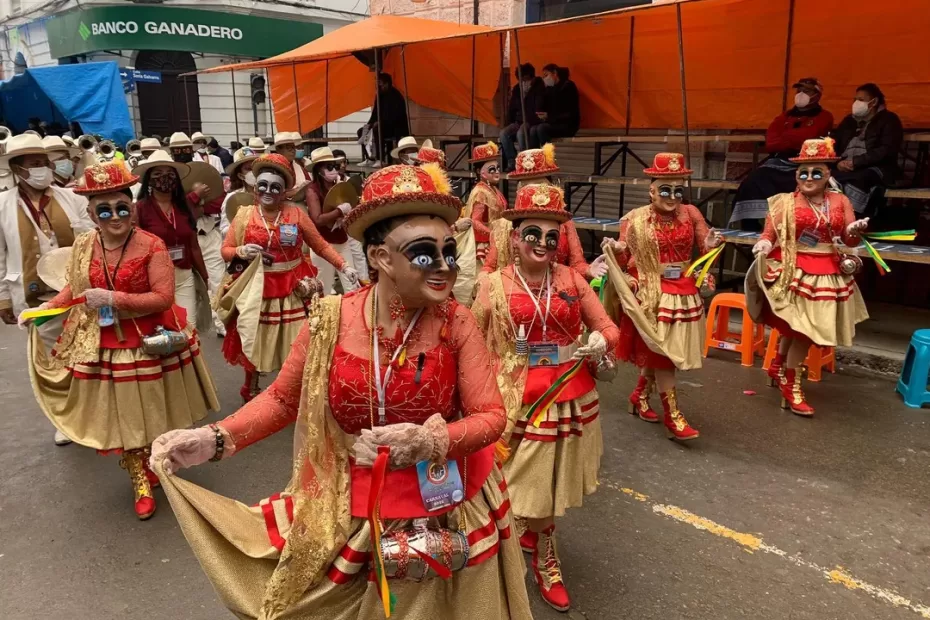
Youth Participation in Oruro Carnival: A Cultural Highlight
The Oruro Carnival, a vibrant tapestry of color, sound, and fervent devotion, stands as one of Bolivia’s most treasured cultural jewels. Recognized by UNESCO as a Masterpiece of the Oral and Intangible Heritage of Humanity, this annual spectacle transcends mere celebration; it is a profound expression of collective identity, history, and spiritual belief. At its heart, the carnival is a dynamic narrative woven by generations, and in recent years, the crucial role of youth participation in Oruro Carnival has become increasingly evident. Young people are not just passive observers; they are the pulsating lifeblood that ensures the carnival’s enduring legacy, bringing fresh energy while upholding time-honored traditions.
Introduction to the Oruro Carnival
Nestled high in the Bolivian Andes, the city of Oruro transforms each year into a grand stage for its eponymous carnival, a pre-Lenten festival that dates back over two centuries. More than just a party, the Oruro Carnival is a complex blend of indigenous Andean traditions and Catholic rituals, centered around the veneration of the Virgen del Socavón (Virgin of the Mines). Its roots lie in ancient indigenous ceremonies honoring Pachamama (Mother Earth) and Tio Supay (devil figure of the mines), which later syncretized with Christian beliefs during the colonial era.
The carnival’s significance is multifaceted. Historically, it was a way for miners to express their faith, fears, and hopes, appealing to the Virgin for protection and bounty. Today, it serves as a powerful symbol of Bolivian culture, a national and international attraction that draws thousands. The main event, the “Peregrinación al Socavón” (Pilgrimage to the Mine Shaft), sees over 28,000 dancers and 10,000 musicians performing 18 hours of continuous traditional dances and music along a four-kilometer route, culminating at the sanctuary of the Virgen del Socavón.
Each dance group, known as a conjunto, represents a specific traditional dance, such as the Diablada (Dance of the Devils), the Morenada, the Caporales, and the Tobas, each with its own elaborate costumes, unique choreography, and symbolic meaning. The Diablada, perhaps the most iconic, portrays the struggle between good and evil, with dancers adorned in intricate devil masks and vibrant costumes. The Morenada reflects the suffering of African slaves brought to the mines, while the Caporales is a more modern, energetic dance often associated with overseers. These performances are not just entertainment; they are living prayers, expressions of devotion, and a powerful reaffirmation of cultural identity. The carnival history is rich with stories of resilience, cultural fusion, and unwavering faith, making it a profound experience for all who witness it.
The Role of Youth in the Carnival
The sheer scale and vibrancy of the Oruro Carnival would be impossible without the dedicated involvement of its young participants. From the moment the first rhythmic drumbeat echoes through the streets to the final, exhausted steps of the pilgrimage, young people are at the forefront, breathing life into every aspect of the celebration. Their engagement is not merely superficial; it is deeply embedded in the carnival’s fabric, ensuring its continuity and evolution.
Youth participation in Oruro Carnival manifests in myriad ways, most visibly through dance. Thousands of young Bolivians dedicate months, sometimes even a full year, to preparing for their performance. They join Oruro dance groups, often following in the footsteps of parents and grandparents, learning complex choreographies and understanding the profound cultural significance behind each movement. These youth dancers are not just learning steps; they are internalizing stories, histories, and spiritual beliefs. They practice tirelessly, enduring long hours and physical exertion, driven by a shared passion for their heritage and a desire to honor the Virgen del Socavón. For many, this is their first significant connection to the broader Oruro culture and the traditional festivals that define their community.
Beyond dance, youth also play a vital role in the carnival’s musical landscape. Young musicians, often starting at a very early age, join brass bands, bandas de sikuris (panpipe groups), and other traditional ensembles that accompany the dance groups. They learn to play traditional Oruro music, mastering instruments like trumpets, trombones, tubas, and percussion, providing the powerful, infectious rhythms that propel the dancers forward. Their commitment to these musical traditions is crucial for maintaining the carnival’s authentic soundscape, ensuring that the unique melodies and harmonies are passed down through generations. This youth engagement Bolivia showcases a deep commitment to the arts.
Volunteering is another significant area of youth involvement. Behind the scenes, countless young people contribute their time and effort to ensure the smooth running of the massive event. They assist with logistics, help organize events, manage crowds, provide support to dancers and musicians, and participate in community clean-up efforts. These youth volunteers are often the unsung heroes, demonstrating a strong sense of community involvement and responsibility. Their dedication extends beyond the performance itself, reflecting a holistic approach to cultural participation.
Cultural Significance of Youth Participation
The importance of youth involvement in preserving cultural heritage cannot be overstated. The Oruro Carnival, like many traditional festivals, faces the constant challenge of maintaining its authenticity in a rapidly modernizing world. It is the young generation that acts as the primary conduit for the transmission of Oruro traditions. By actively participating, they absorb the intricate details of the dances, the symbolism of the costumes, the historical narratives, and the spiritual devotion that underpins the entire event. This active learning process ensures that the knowledge and practices are not lost but are instead revitalized with each passing year.
Without youth tradition being upheld, the carnival would risk becoming a static museum piece rather than a living, evolving cultural phenomenon. Young people bring their energy, creativity, and contemporary perspectives, which, when blended with ancient practices, help the carnival adapt and remain relevant to new generations. Their involvement is a powerful testament to the enduring appeal of Bolivian culture and its capacity to inspire and engage. It fosters a deep sense of cultural pride and belonging, connecting individuals to a larger collective identity. This cultural preservation is a dynamic process, and youth are its most vital agents.
Youth-led Initiatives and Projects
The drive and creativity of young people in Oruro extend beyond traditional participation into proactive leadership. In recent years, there has been a noticeable rise in youth-led initiatives and Oruro youth projects aimed at enhancing and promoting the carnival. These initiatives often leverage modern tools and platforms, demonstrating how youth activism can intersect with cultural heritage.
For instance, some groups of young people have taken on the responsibility of documenting the carnival through photography and videography, creating digital archives that preserve the event for future generations and share it with a global audience. Others have organized workshops for younger children, teaching them basic dance steps, costume-making, or the history of the carnival, thus nurturing the next generation of participants. These educational programs are crucial for long-term cultural sustainability.
There are also instances of youth groups organizing pre-carnival events, such as smaller parades, art exhibitions, or music concerts, to build excitement and engage a broader segment of the community. These youth cultural events often serve as platforms for experimentation, allowing young artists and performers to showcase their talents while paying homage to the carnival’s spirit. Some youth have even formed initiatives focused on the ecological impact of the carnival, promoting sustainable practices and waste reduction, showcasing a modern concern for community festivals. Such projects highlight the innovative ways young people contribute, ensuring the carnival’s vitality and relevance in the 21st century. Their efforts embody youth empowerment, transforming them from participants into active creators and guardians of their cultural legacy.
Impact of Youth on the Carnival’s Future
The vibrant presence of young people in the Oruro Carnival is not just a momentary burst of energy; it’s a profound investment in the event’s future. Their active engagement ensures that the carnival remains a living, evolving tradition rather than a static relic of the past. The dynamic interplay between tradition and innovation, largely driven by the younger generation, positions the Oruro Carnival for continued relevance and growth.
One of the most significant impacts of youth engagement is the guarantee of continuity. As older generations pass on their knowledge and experience, it is the youth who are ready to step into their shoes, carrying forward the intricate dances, the powerful music, and the sacred rituals. This intergenerational transfer is vital for the carnival significance, preventing the erosion of cultural practices and ensuring that the stories and meanings embedded within the celebration continue to resonate. Without this constant influx of new, young participants, the carnival would inevitably lose its vibrancy and eventually fade.
Furthermore, young people often bring a fresh perspective, infusing the carnival with new ideas and approaches while respecting its core traditions. They might experiment with new choreographies that subtly evolve existing dances, introduce contemporary musical arrangements that blend seamlessly with traditional Oruro music, or utilize social media to expand the carnival’s reach and attract a global audience. This innovative spirit, coupled with a deep reverence for heritage, allows the carnival to adapt to changing times without sacrificing its essence. This blend of old and new is critical for the long-term health of cultural festivals.
Educational Programs and Workshops
To foster this continuity and innovation, various educational programs and workshops play a crucial role, often targeting young participants directly. These initiatives are designed to deepen understanding, refine skills, and instill a profound appreciation for the carnival’s rich heritage. Many dance groups and cultural organizations offer structured training sessions where experienced dancers and musicians mentor younger individuals. These sessions go beyond mere physical training; they delve into the history of each dance, the symbolism of the costumes, and the spiritual significance of the pilgrimage.
For example, workshops might focus on the intricate steps of the Diablada or the rhythmic complexities of the Morenada, ensuring that traditional forms are accurately learned. Other programs might teach young musicians how to play specific instruments used in the carnival’s bands, preserving the unique soundscapes of Oruro. These educational programs are not just about technical proficiency; they are about cultural participation and fostering a sense of ownership among the youth. They provide a structured environment for learning, allowing young people to connect with their heritage on a deeper level and become true custodians of Oruro traditions.
Some initiatives even extend to teaching the craft of costume making, mask design, and textile work, ensuring that the artisanal skills associated with the carnival are also passed down. These programs equip young people with the knowledge and abilities necessary to contribute meaningfully to all facets of the Oruro festival experiences, preparing them to be future leaders and innovators within the carnival community. This proactive approach to education is a cornerstone of youth empowerment within the context of the carnival.
Community Engagement and Impact
The extensive youth participation in Oruro Carnival has a profound and far-reaching impact on community bonding and cultural pride within Oruro and beyond. When young people collectively dedicate themselves to the carnival, they strengthen the social fabric of their community. The shared experience of practicing, performing, and celebrating fosters strong bonds of camaraderie and solidarity among peers. They learn teamwork, discipline, and mutual respect, which are invaluable life skills that extend far beyond the carnival season.
This collective effort also instills a powerful sense of cultural pride. Seeing their peers, friends, and family members actively participating in such a grand and significant event reinforces a deep appreciation for Bolivian culture and Oruro traditions. It creates a shared identity and a feeling of belonging that is particularly important for young people navigating their place in the world. The carnival becomes a focal point for community involvement, where individuals come together regardless of background, united by a common purpose.
Moreover, the visibility of youth in the carnival inspires younger children to dream of their own participation, creating a virtuous cycle of engagement. It sends a clear message that their cultural heritage is alive, vibrant, and worth investing in. This ripple effect strengthens intergenerational ties, as grandparents and parents proudly watch their children and grandchildren carry on the family’s carnival legacy. The carnival activities, therefore, become a powerful catalyst for community cohesion, reinforcing cultural significance and ensuring that the spirit of Oruro continues to thrive through its youngest generations. It is a testament to how youth in festivals can transform entire communities.
Challenges Faced by Youth in the Carnival
While youth participation in the Oruro Carnival is undeniably vital and rewarding, it is not without its challenges. Young participants often navigate a complex landscape of commitments, expectations, and practical difficulties that can test their dedication. Understanding these obstacles is crucial for developing supportive strategies that ensure continued and meaningful youth engagement.
One significant challenge is the substantial time commitment required. Preparing for the carnival involves months of rigorous practice, often several times a week, in addition to school, work, and other personal responsibilities. For students, balancing academic demands with intense carnival rehearsals can be particularly taxing, requiring exceptional discipline and time management skills. This commitment can sometimes lead to exhaustion or a feeling of being overwhelmed, especially as the carnival date approaches.
Financial constraints also pose a considerable hurdle. The elaborate costumes, which are often custom-made and adorned with intricate details, can be very expensive. Dancers and musicians also incur costs for rehearsal spaces, transportation, and participation fees. For many young people and their families, these expenses can be a significant burden, potentially excluding those from lower-income backgrounds despite their talent and enthusiasm. This is a common issue in many traditional festivals that rely heavily on participant contributions.
Furthermore, young people often face the pressure of upholding tradition while also navigating the desire for personal expression and modern influences. There’s an expectation to perform dances and music exactly as they have been for generations, which can sometimes limit creative freedom. Striking a balance between preserving the authenticity of Oruro traditions and allowing for contemporary interpretations is a delicate act that young participants must constantly manage. This tension between tradition and modernity is a continuous thread in cultural heritage.
Another challenge lies in the physical demands of the carnival. The pilgrimage itself is an arduous journey, covering several kilometers over many hours, often at high altitudes. Dancers and musicians need to maintain peak physical condition, and injuries or exhaustion can be a concern. Access to proper training, nutrition, and medical support can sometimes be limited, adding to the difficulties faced by young participants. Addressing these challenges requires concerted efforts from community leaders, cultural organizations, and families to provide the necessary support and resources.
Conclusion
The Oruro Carnival, a breathtaking spectacle of faith, folklore, and cultural pride, owes its enduring vitality to the passionate and unwavering commitment of its young participants. The “Youth participation Oruro Carnival” is not merely an auxiliary component; it is the very engine that propels this UNESCO-recognized masterpiece into the future. From the tireless dedication of youth dancers and musicians who spend months perfecting their craft, to the invaluable contributions of youth volunteers who ensure the carnival’s smooth operation, young people are unequivocally at the heart of this grand celebration.
Their active involvement is a powerful testament to the cultural significance of youth engagement Bolivia. By embracing Oruro traditions, learning the intricate steps of the Diablada or the melodies of Oruro music, and engaging in community festivals, young people become the living custodians of their cultural heritage. They are the essential link in the chain of cultural preservation, ensuring that the stories, beliefs, and artistic expressions embedded within the carnival are passed down with authenticity and vigor through generations.
Moreover, the impact of youth-led initiatives and educational programs extends beyond mere participation, fostering youth empowerment and driving innovation within the carnival framework. These efforts not only deepen understanding and refine skills but also instill a profound sense of cultural pride and community involvement, strengthening the social fabric of Oruro. While challenges such as time commitment, financial burdens, and the balance between tradition and modernity exist, the spirit and resilience of young Bolivians continue to overcome these obstacles.
Ultimately, the Oruro Carnival is more than just an annual event; it is a living, breathing testament to a rich cultural identity, constantly renewed and reinterpreted by its youngest generations. The energy, creativity, and profound dedication of youth ensure that the carnival significance will continue to resonate, captivating audiences and inspiring future generations for centuries to come. Their participation is not just a highlight; it is the very promise of the carnival’s vibrant future.
Heard about bj88thailand from a mate who said it was pretty popular. Thinking of checking it out, heard the slots are good. Try it out and see for yourself: bj88thailand