
Sponsorship at Oruro Carnival
The Oruro Carnival, a vibrant and deeply rooted cultural spectacle in Bolivia, stands as one of the most magnificent expressions of traditional art, music, and dance in South America. Recognized by UNESCO as a Masterpiece of the Oral and Intangible Heritage of Humanity, this annual celebration attracts hundreds of thousands of visitors from across the globe, eager to witness its unparalleled grandeur. But behind the dazzling costumes, intricate choreographies, and pulsating rhythms lies a significant logistical and financial undertaking. This is where the vital role of sponsorship comes into play, transforming the carnival from a local tradition into a globally celebrated event.
Understanding the intricate relationship between funding and festivity is key to appreciating the carnival’s continued success and evolution. Sponsorship isn’t just about financial contributions; it’s about a partnership that fuels the preservation of cultural heritage, supports local communities, and provides invaluable exposure for participating businesses. For companies seeking to engage with a passionate audience and align their brand with a truly authentic cultural experience, sponsorship at Oruro Carnival offers a unique and impactful opportunity.
Understanding the Oruro Carnival
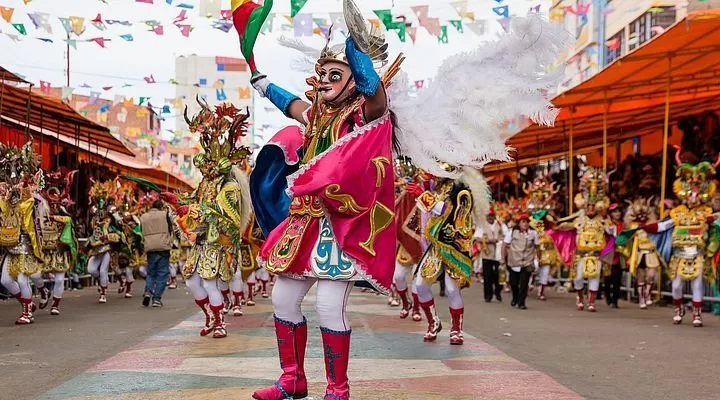
To truly grasp the significance of sponsorship, one must first understand the Oruro Carnival itself. Nestled high in the Bolivian Andes, the city of Oruro becomes the epicenter of a pre-Lenten festival that is a breathtaking fusion of indigenous Andean traditions and Catholic rituals. Its history is a rich tapestry woven over centuries, predating the arrival of the Spanish conquistadors. The Uru people, indigenous to the region, celebrated Pachamama (Mother Earth) and Supay (god of the underworld) with rituals that eventually blended with Christian beliefs introduced by the Spanish. This syncretism is vividly expressed in the carnival’s central figure, the Diablada or Dance of the Devils, where masked dancers representing devils and angels perform a dramatic battle between good and evil, culminating in the adoration of the Virgin of Socavón.
The carnival is far more than just a parade; it’s a profound spiritual journey and a communal expression of faith and identity. Over 50 different folk dance groups, comprising tens of thousands of dancers and musicians, participate in the main procession, which stretches for several kilometers and lasts for more than 20 hours. Each group, dedicated to a specific traditional dance—like the Morenada, Caporales, Tinkus, or Llamerada—spends months, sometimes even a full year, preparing their elaborate carnival costumes, perfecting their choreography, and ensuring every detail reflects the rich Bolivian traditions.
The cultural significance of the Oruro Carnival cannot be overstated. It is a living museum of Bolivian cultural events, a powerful expression of collective memory, and a testament to the resilience of indigenous cultures. Its recognition by UNESCO underscores its global importance as a cultural heritage site, attracting Oruro tourism and placing Bolivia firmly on the map of international festivals. The sheer scale, artistic detail, and spiritual depth of the carnival make it a magnet for visitors interested in authentic cultural exchange and the vibrant Oruro culture.
The Role of Sponsorship in the Carnival
The grandeur and complexity of the Oruro Carnival necessitate substantial support, and this is where sponsorship plays an absolutely critical role. Without the dedicated funding and resources provided by sponsors, it would be incredibly challenging, if not impossible, to maintain the carnival’s world-class standards and ensure its continuity. Sponsorship supports virtually every aspect of the event, from the most visible elements to the intricate behind-the-scenes logistics.
Firstly, funding from sponsors directly contributes to the infrastructure required for such a massive event. This includes setting up grandstands for spectators, ensuring public safety and security, managing waste, and providing essential services for the hundreds of thousands of attendees. It helps cover the costs of stage construction, sound systems, and lighting that illuminate the night during the main procession and various carnival events.
Beyond infrastructure, sponsorship is crucial for supporting the artistic heart of the carnival. It aids the numerous dance groups and musicians in producing their spectacular carnival costumes, which can cost thousands of dollars per outfit, often handcrafted with intricate details and precious materials. It also helps cover travel expenses for groups coming from various parts of Bolivia, as well as rehearsal spaces and training for the dancers. This direct support ensures that the traditional dances are performed with the authenticity and splendor they deserve, preserving the integrity of this cultural heritage.
Furthermore, sponsorship plays a vital role in the promotion and marketing of the Oruro Carnival, both domestically and internationally. These efforts help attract the Oruro tourism that is so essential for the local economy. It ensures that the world knows about this incredible Bolivian cultural event, encouraging global participation and appreciation. In essence, sponsorship acts as the backbone, allowing the carnival to thrive, evolve, and continue to be a beacon of Bolivian traditions for generations to come. It fosters community support and strengthens the fabric of these community festivals.
Benefits of Sponsoring the Oruro Carnival
For companies considering event sponsorship, aligning with the Oruro Carnival offers a multitude of compelling advantages that extend far beyond simple brand visibility. These sponsorship benefits are strategic, impactful, and can yield significant returns on investment.
-
Unparalleled Brand Visibility and Exposure: The Oruro Carnival draws an enormous audience, both on-site and through extensive media coverage. Sponsoring the carnival provides incredible brand exposure to hundreds of thousands of attendees from Bolivia and around the world, as well as millions more through national and international television broadcasts, print media, and digital platforms. Your brand logo and messaging can be prominently displayed on official carnival materials, stages, banners, and even on television screens during the live broadcast, offering a reach that few other events can match. This is a prime opportunity for event marketing on a grand scale.
-
Targeted Audience Engagement: The carnival attracts a diverse yet highly engaged audience interested in cultural festivals, tourism, and authentic experiences. This allows sponsors to connect with consumers who value tradition, community, and vibrant celebration. It’s an ideal platform for direct consumer interaction, product sampling, and brand activation campaigns that resonate deeply with the festive spirit.
-
Enhanced Corporate Social Responsibility (CSR): Sponsoring a UNESCO-recognized cultural heritage event like the Oruro Carnival demonstrates a strong commitment to cultural preservation and community engagement. It positions your company as a responsible corporate citizen that values and supports the arts and traditions of Bolivia. This positive association can significantly enhance your brand image and reputation, appealing to socially conscious consumers and stakeholders. It’s a powerful form of cultural sponsorship.
-
Unique Marketing and Content Opportunities: The carnival provides a rich tapestry of visual content, from the elaborate carnival costumes to the dynamic traditional dances. Sponsors can leverage this by creating compelling marketing campaigns, social media content, and promotional videos that capture the essence of the event and connect it to their brand story. Imagine the storytelling potential of linking your brand to the vibrant energy and profound history of Oruro.
-
Networking and Business Development: The carnival attracts not only tourists but also key figures in business, government, and media. Sponsorship opportunities often include access to exclusive events and hospitality areas, providing invaluable networking opportunities with local businesses, decision-makers, and potential partners. This can open doors for new collaborations and market penetration within Bolivia.
-
Positive Media and Public Relations: Given its international acclaim, the Oruro Carnival consistently garners significant media attention. As a sponsor, your brand will naturally be associated with this positive coverage, leading to favorable public relations and increased brand mentions across various media channels.
Types of Sponsorship Opportunities
The Oruro Carnival offers a tiered structure of sponsorship levels, designed to accommodate varying budgets and marketing objectives. These typically range from major partnerships to more localized contributions, ensuring there’s an opportunity for businesses of all sizes to participate in this significant Bolivian cultural event.
-
Gold Sponsorship (Major Partner): This is the highest tier, offering maximum visibility and exclusivity. Gold sponsors typically receive prominent branding across all carnival materials, including official programs, websites, social media channels, and prime placement on grandstands and stages along the main parade route. They may also secure exclusive category rights (e.g., “Official Beverage Sponsor” or “Official Telecommunications Partner”). Benefits often include extensive media mentions, VIP hospitality packages, opportunities for direct activation at key carnival events, and speaking opportunities at official ceremonies. This level is ideal for large corporations looking for widespread brand recognition and a deep association with the Oruro Carnival.
-
Silver Sponsorship (Associate Partner): Silver sponsors receive significant brand exposure, though perhaps not with the same exclusivity as Gold. Their logos and names will be featured prominently on promotional materials, official websites, and designated areas along the parade route. They might have branding on specific sections of the grandstands or certain carnival events. Benefits often include VIP access, media mentions, and opportunities for marketing activations. This level is suitable for established companies seeking strong brand visibility and community engagement without the full commitment of a Gold partnership.
-
Bronze Sponsorship (Supporting Partner): This level offers valuable brand recognition at a more accessible investment. Bronze sponsors typically have their logos displayed on the official carnival website, printed materials, and specific promotional items. They might be associated with a particular segment of the carnival, such as a specific traditional dance group, a stage, or a cultural exhibition. This level is excellent for medium-sized businesses or local businesses looking to show community support and gain targeted exposure within the Oruro culture and among carnival attendees.
-
In-Kind Sponsorship: Beyond financial contributions, the carnival also welcomes in-kind sponsorships. This involves providing goods or services rather than direct cash. Examples include providing transportation, security services, food and beverages for volunteers, media equipment, or promotional items. In-kind sponsors still receive recognition commensurate with the value of their contribution, offering a flexible way for companies to participate and contribute to community support.
-
Customized Sponsorship Packages: For businesses with unique marketing goals or specific target audiences, the organizing committee is often open to creating customized sponsorship packages. This allows for tailored activation opportunities, such as sponsoring a specific cultural exchange program, a children’s carnival event, or a particular aspect of the Oruro Carnival history exhibition. These bespoke arrangements ensure that the sponsorship aligns perfectly with the company’s objectives while directly benefiting the festival.
How to Get Involved
Becoming a sponsor of the Oruro Carnival is a process that requires foresight, clear communication, and an understanding of the event’s unique cultural context. For businesses looking to participate in this extraordinary Bolivian cultural event, a structured approach will ensure a smooth and successful partnership.
The first step is to recognize that sponsorship opportunities are not merely transactional; they are partnerships rooted in mutual benefit and a shared appreciation for cultural heritage. Companies should approach the organizing committee with a genuine interest in supporting the carnival and its objectives.
-
Initial Research and Contact: Begin by researching the Oruro Carnival’s official website and any available sponsorship guides from previous years. This will provide an understanding of past sponsors, typical sponsorship levels, and general expectations. Then, make initial contact with the Oruro Carnival Organizing Committee or the municipal tourism office responsible for managing the event. They will be the primary point of contact for all sponsorship inquiries.
-
Understand Your Objectives: Before formalizing any proposal, clearly define what your company hopes to achieve through sponsorship. Is it brand awareness, sales generation, CSR initiatives, or market entry? Having clear objectives will help you communicate your needs effectively and allow the committee to suggest the most suitable sponsorship opportunities.
-
Develop a Preliminary Proposal: Based on your objectives and initial discussions, prepare a preliminary proposal outlining your company’s interest, proposed sponsorship level (if you have one in mind), and how you envision your brand aligning with the Oruro Carnival. This proposal should also touch upon your budget range, which helps in matching you with appropriate packages.
-
Align with Cultural Values: A crucial aspect of successful sponsorship at Oruro Carnival is demonstrating an understanding and respect for the local culture and Bolivian traditions. Your proposal should reflect an appreciation for the Oruro culture and the carnival’s role in preserving cultural heritage. This cultural sensitivity will be highly valued by the organizing committee and the community.
-
Negotiation and Agreement: Once your proposal is reviewed, you’ll likely enter a negotiation phase to finalize the details of your sponsorship package. This will involve discussing specific deliverables, branding placements, activation opportunities, and the financial contribution. Once terms are agreed upon, a formal sponsorship agreement will be drafted.
Application Process for Sponsors
The application process for sponsors of the Oruro Carnival is generally structured to ensure transparency and efficiency. While specific requirements might vary year to year, the core steps remain consistent.
-
Contact the Official Organizing Committee: The first and most critical step is to reach out directly to the official Oruro Carnival Organizing Committee or the municipal body designated to handle sponsorships. Contact information is usually available on the official Oruro Carnival website or through the Oruro city hall’s cultural department.
-
Request a Sponsorship Information Pack: Upon initial contact, request a comprehensive sponsorship information pack. This document typically includes:
-
An overview of the Oruro Carnival history and cultural significance.
-
Details on various sponsorship levels (Gold, Silver, Bronze, etc.) and their associated benefits.
-
Pricing structures for each level.
-
Marketing and media reach statistics from previous years.
-
Application forms and guidelines.
-
The Oruro Carnival schedule for the upcoming event.
-
-
Prepare Your Sponsorship Proposal: Based on the information pack and your company’s marketing objectives, prepare a detailed sponsorship proposal. This should include:
-
Company Profile: A brief introduction to your company, its mission, and its target audience.
-
Marketing Objectives: Clearly state what you aim to achieve through this sponsorship (e.g., brand awareness, sales, CSR).
-
Proposed Sponsorship Level: Indicate which sponsorship level you are interested in, or propose a customized package.
-
Activation Ideas: Outline any specific ideas for how your brand would engage with the carnival audience (e.g., product sampling, interactive booths, branded content).
-
Budget Allocation: Specify your proposed financial or in-kind contribution.
-
Required Documentation: Be prepared to submit supporting documents such as your company’s legal registration, tax identification, and perhaps a brief portfolio of past event marketing or cultural sponsorship initiatives.
-
-
Submission and Review: Submit your complete proposal and all required documentation to the organizing committee by the specified deadline. The committee will then review all applications, assessing their alignment with the carnival’s values and their potential contribution to the event’s success. This review process may involve multiple rounds of discussions or requests for additional information.
-
Agreement and Contract Finalization: If your proposal is accepted, you will receive a formal offer outlining the terms and conditions of the sponsorship. This will lead to the signing of a legally binding sponsorship agreement, detailing the rights and obligations of both parties, payment schedules, branding guidelines, and reporting requirements.
Key Dates and Deadlines
Successful sponsorship planning for the Oruro Carnival hinges on adherence to key dates and deadlines. Given the scale of the event, preparation begins many months in advance.
-
Carnival Dates: The Oruro Carnival typically takes place over several days leading up to Ash Wednesday, usually in late February or early March each year. The main procession, known as the Entrada, occurs on the Saturday before Ash Wednesday. Exact dates vary annually based on the liturgical calendar, so it’s crucial to consult the official Oruro Carnival schedule.
-
Sponsorship Application Period: The application window for sponsorship opportunities usually opens 6 to 9 months prior to the carnival dates. For example, for a carnival in February, applications might open as early as May or June of the preceding year. This early window allows ample time for proposals to be reviewed, negotiations to take place, and agreements to be finalized.
-
Proposal Submission Deadlines: There will be a strict deadline for submitting sponsorship proposals, often around 4 to 6 months before the carnival. Missing this deadline could mean forfeiture of the opportunity, especially for higher-tier sponsorships which are limited.
-
Agreement Finalization: Sponsors are typically expected to finalize their agreements and make initial payments 3 to 4 months before the event. This allows the organizing committee sufficient time to incorporate sponsor branding into promotional materials, plan logistics, and allocate resources effectively.
-
Marketing Material Submission: Deadlines for submitting creative assets (logos, ad copy, video content) for official carnival publications and media campaigns are usually set for 2 to 3 months prior to the carnival.
-
Activation Planning: Any on-site activations or specific event marketing plans by sponsors should be finalized with the committee at least 1 to 2 months before the carnival to ensure smooth execution.
Staying informed about these critical dates by regularly checking the official Oruro Carnival website and maintaining open communication with the organizing committee is paramount for any aspiring sponsor.
Success Stories from Previous Sponsors
The true measure of effective sponsorship lies in its impact, not just on the event, but also on the sponsoring entity. Over the years, numerous companies, from international corporations to prominent local businesses, have partnered with the Oruro Carnival, achieving remarkable success and demonstrating the profound benefits of cultural sponsorship. While specific company names may vary from year to year, the types of positive outcomes remain consistent.
One recurring success story involves major telecommunications companies. For them, sponsoring the Oruro Carnival provides an unparalleled platform to connect with a vast, diverse audience. For instance, a leading mobile network provider might have leveraged its sponsorship to set up charging stations along the parade route, offer free Wi-Fi zones, or even develop a dedicated carnival app. The impact is immediate and tangible: increased brand visibility through ubiquitous branding, direct engagement with thousands of potential customers, and a positive association with facilitating communication during a major public event. Measuring ROI here often includes tracking app downloads, social media mentions, and customer acquisition during the carnival period, alongside enhanced brand perception for community support.
Another example comes from the beverage industry. A national soft drink brand, by becoming an “Official Hydration Partner,” not only secures exclusive pouring rights but also gains massive exposure. Their branding appears on banners, grandstands, and promotional materials, and their products are readily available to paraders and spectators alike. The success is evident in significant sales spikes during the carnival week, increased market share, and strong brand recall. Beyond sales, the brand often engages in CSR initiatives, such as sponsoring water distribution points or recycling programs, further cementing its positive image and contributing to the sustainability of the festival.
Local businesses, too, find immense value in sponsorship. A prominent Oruro-based hotel chain, for example, might sponsor a specific dance group or provide accommodation for international media. This not only secures bookings during the peak tourism season but also garners local goodwill and strengthens its reputation as a key player in Oruro tourism. Testimonials from such sponsors often highlight increased bookings, enhanced local loyalty, and a sense of pride in contributing to their city’s most famous event. Their ROI is often measured in direct revenue, positive local press, and strengthened community ties.
These examples illustrate that successful sponsorship at the Oruro Carnival is about more than just putting a logo on a banner. It’s about strategic alignment, creative activation, and a genuine commitment to the cultural event. Companies that integrate their brand authentically into the carnival experience, offering value to attendees while supporting the festival’s needs, consistently report significant returns on their investment, both financially and in terms of brand equity.
Measuring ROI from Sponsorship
For any business investment, understanding the return on investment (ROI) is crucial, and sponsorship of the Oruro Carnival is no exception. While some benefits, like enhanced brand image or community engagement, can be qualitative, there are concrete ways to measure the success and impact of your sponsorship. Effective measurement allows sponsors to justify their investment, refine future strategies, and demonstrate the tangible value derived from cultural sponsorship.
-
Media Value and Exposure:
-
Media Monitoring: Track all mentions of your brand in conjunction with the Oruro Carnival across traditional media (TV, radio, print) and digital platforms (news websites, blogs). Use media monitoring services to quantify the advertising value equivalency (AVE) of this exposure.
-
Social Media Analytics: Monitor brand mentions, hashtag usage, engagement rates (likes, shares, comments), and follower growth on platforms like Facebook, Instagram, and X (formerly Twitter). Track the reach and impressions of your carnival-related content.
-
Website Traffic: Analyze website traffic spikes during and immediately after the carnival, especially from geographically relevant areas or specific referral sources linked to carnival promotions.
-
-
Brand Perception and Awareness:
-
Pre and Post-Event Surveys: Conduct surveys among target audiences before and after the carnival to measure changes in brand awareness, perception, and affinity. Ask questions related to association with the carnival, brand values, and likelihood of purchase.
-
Focus Groups: Gather qualitative insights into how the sponsorship impacted consumer perceptions and attitudes towards your brand.
-
-
Sales and Lead Generation:
-
Direct Sales Tracking: If your product or service is sold or promoted at the carnival, track direct sales during the event.
-
Coupon/Promo Code Usage: Distribute unique coupon codes or promotional offers specifically tied to the carnival sponsorship and track their redemption rates.
-
Lead Capture: Measure the number of leads generated through on-site activations, contests, or digital campaigns linked to the carnival.
-
Website Conversions: Monitor an increase in specific website conversions (e.g., newsletter sign-ups, demo requests) during the sponsorship period.
-
-
Customer Engagement and Loyalty:
-
On-site Activation Data: Collect data on participation rates in your carnival activations, interactions with brand representatives, and feedback from attendees.
-
Customer Feedback: Solicit feedback from existing customers on how they perceive your brand’s involvement with the carnival.
-
Loyalty Program Sign-ups: Track new sign-ups for loyalty programs or databases generated during the carnival.
-
-
Internal Impact:
-
Employee Engagement: Measure internal enthusiasm and pride among employees related to the company’s sponsorship. This can be assessed through internal surveys or participation in carnival-related activities.
-
Talent Acquisition: Assess if the positive brand association helps in attracting new talent.
-
To effectively measure ROI, it’s essential to establish clear, measurable objectives at the outset of the sponsorship. Regularly review progress against these objectives and be prepared to adapt your measurement strategies. While some aspects of event sponsorship, particularly cultural exchange and community support, offer intangible benefits, a robust measurement framework ensures that sponsors can quantify the value of their investment in the Oruro Carnival.
Conclusion
The Oruro Carnival stands as a magnificent testament to Bolivia’s rich cultural heritage, a vibrant tapestry woven from centuries of indigenous traditions and colonial influences. Its recognition as a UNESCO Masterpiece underscores its global importance, drawing visitors and participants from every corner of the world. Yet, the sheer scale, artistic brilliance, and logistical complexity of this annual celebration require substantial support to thrive and endure.
This is where the invaluable role of sponsorship emerges as a critical lifeline. From providing the essential infrastructure and security to supporting the intricate craftsmanship of carnival costumes and the rigorous training of traditional dances, sponsors are the unsung heroes behind the carnival’s dazzling success. Their funding ensures the preservation of Bolivian traditions, empowers local communities, and allows the Oruro Carnival to continue its legacy as a living museum of cultural expression.
For businesses, sponsorship at Oruro Carnival offers a unique confluence of strategic benefits. It provides unparalleled brand visibility, targeted audience engagement, and a powerful platform for demonstrating corporate social responsibility through cultural sponsorship. Aligning with such a prestigious and beloved event enhances brand image, fosters community support, and opens doors to significant event marketing opportunities, both domestically and internationally.
Ultimately, the partnership between the Oruro Carnival and its sponsors is a symbiotic relationship. Sponsors gain impactful exposure and positive brand association, while the carnival secures the vital resources needed to preserve and promote Bolivia’s cherished cultural heritage. As the world continues to seek authentic and meaningful experiences, the Oruro Carnival remains a beacon, and through dedicated sponsorship, its light will continue to shine brightly for generations to come, inviting everyone to partake in this extraordinary celebration of Oruro culture and tradition.
Hey! 776pubcomlogin provides a secure login. If you are new to online casino playing, give them a try at 776pubcomlogin!