
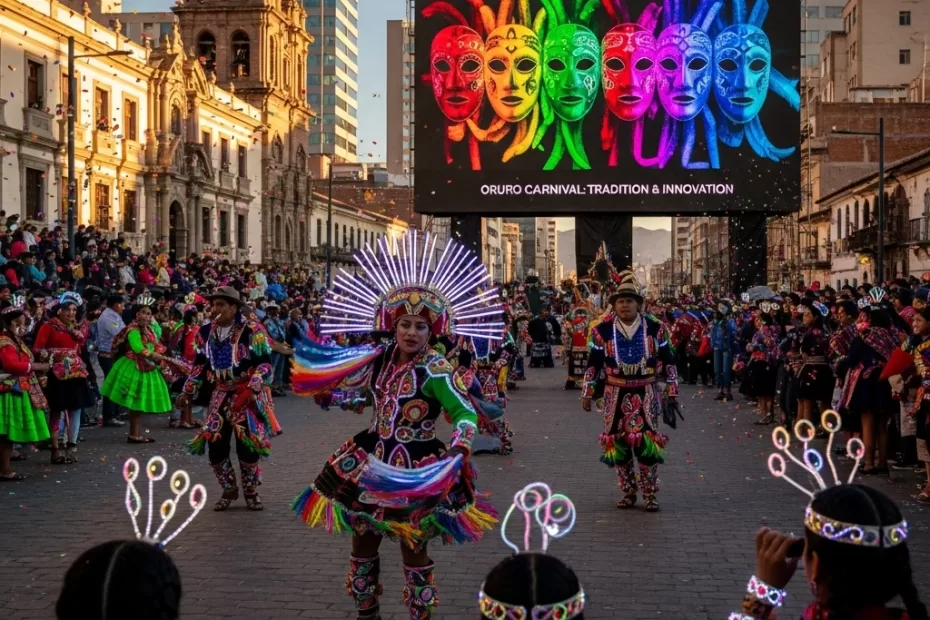
Modernization of Oruro Carnival: A Blend of Tradition and Innovation
The Oruro Carnival, a vibrant tapestry woven from centuries of Andean traditions and Catholic devotion, stands as one of Bolivia’s most spectacular cultural events. Recognized by UNESCO as a Masterpiece of the Oral and Intangible Heritage of Humanity, this annual celebration in the high-altitude city of Oruro is far more than just a festival; it is a living, breathing expression of Bolivian culture and a profound demonstration of cultural identity. In an ever-evolving world, even the most deeply rooted traditions face the winds of change. The modernization of Oruro Carnival is a fascinating journey, illustrating how this ancient festival is embracing innovation, integrating new technologies, and adopting sustainable practices, all while fiercely safeguarding its invaluable cultural heritage. This transformation is not about abandoning the past, but rather enriching it, ensuring that the spirit of Oruro continues to captivate both local communities and international visitors for generations to come. It’s a testament to the dynamic nature of cultural preservation, proving that tradition and innovation can coexist, creating a more robust and engaging experience for all who partake in its magic.
Historical Overview of the Oruro Carnival
To truly appreciate the modernization of Oruro Carnival, one must first delve into its rich and complex history. The roots of this spectacular Oruro Festival stretch back to pre-Columbian times, deeply embedded in the spiritual practices of the indigenous Uru people of the Andean region. These ancient rituals were primarily dedicated to Pachamama, the revered Mother Earth, and various other deities associated with nature and the underworld, including Supay, the god of the Uru mines. When the Spanish conquistadors arrived in the 16th century, they brought with them Catholicism, initiating a period of profound cultural syncretism.
The Spanish attempted to suppress indigenous religious practices, but the Uru people ingeniously integrated their beliefs into the new Christian framework. Their traditional ceremonies, initially banned, found a new guise under the Catholic calendar, particularly around the celebration of Carnival. The figure of Supay, once an indigenous deity, was gradually transformed into the Christian devil, while Pachamama became associated with the Virgin Mary, specifically the Virgen del Socavón (Virgin of the Mines), the patroness of Oruro. This blending of spiritual worlds is the very essence of the Oruro Carnival, making it a unique expression of cultural exchange and resilience.
The carnival officially revolves around the three-day celebration leading up to Ash Wednesday, but weeks of preparatory events, rehearsals, and smaller community celebrations precede the main procession. The central event is the Anata Andina, an indigenous agricultural ritual, and the grand entrada, a magnificent procession featuring tens of thousands of dancers and musicians performing more than 50 traditional dances. Each dance, from the energetic Diablada (Devil Dance) with its elaborate masks and intricate choreography, to the stately Morenada (Dance of the Black Slaves) and the vibrant Caporales, tells a story deeply rooted in Bolivian history, myth, and social commentary.
Over the centuries, the carnival evolved, incorporating elements from various cultural influences while always maintaining its core identity. It became a powerful symbol of resistance, an affirmation of indigenous identity, and a vibrant showcase of Bolivian traditions. Its recognition by UNESCO in 2001 underscored its global importance as a significant cultural heritage site, highlighting its role not only as a tourist attraction but also as a vital link to the past, preserving the collective memory and spiritual essence of the Andean people. The celebration’s enduring appeal lies in its ability to transcend time, inviting participants and spectators alike into a world where ancient spirits and modern faith dance in harmonious, if sometimes challenging, unity. It is this profound historical and cultural significance that forms the bedrock upon which the recent efforts towards the modernization of Oruro Carnival are built, ensuring that any changes respect and enhance its foundational legacy.
The Role of Modernization in Oruro Carnival
The Oruro Carnival, while deeply traditional, is by no means static. Like any living cultural phenomenon, it has continually adapted and evolved, and in recent decades, the pace of change has accelerated significantly due to a conscious drive towards modernization. This process isn’t about diluting its essence but rather about enhancing its reach, improving its execution, and ensuring its longevity in a rapidly changing world. Modernization has touched virtually every aspect of the carnival, from the intricate details of its performances and costumes to the broader strategies for audience engagement and global promotion.
One of the most visible impacts of modernization can be seen in the performances themselves. While the core traditional dances remain sacrosanct, there’s a growing embrace of innovative choreographies that fuse classic steps with contemporary artistic expression. Dance fraternities and professional choreographers are experimenting with new formations, dynamic movements, and narrative interpretations that add fresh layers of meaning to ancient tales. This doesn’t mean abandoning the traditional dances, but rather allowing them to breathe and evolve, appealing to younger generations who might be drawn to a more modern aesthetic while still honoring the historical roots. The energy and precision of the carnival performances are constantly being refined, pushing the boundaries of what is possible within the established framework of Bolivian traditions.
The costumes, a hallmark of the Oruro Carnival’s visual splendor, have also seen significant transformation. While local artisans continue to handcraft the elaborate masks and garments using time-honored techniques, there’s an increasing integration of modern materials and design principles. Lighter, more durable fabrics, brighter pigments, and even LED lighting elements are being incorporated to enhance visual impact, particularly during evening performances. This allows for greater freedom of movement for the dancers and creates a more dazzling spectacle for the audience. The meticulous craftsmanship remains, but the tools and palettes available to the designers have expanded, leading to a vibrant array of artistic innovation that respects tradition while embracing contemporary aesthetics.
Audience engagement has also been revolutionized. Beyond simply watching the parades, visitors now have opportunities for more immersive experiences. From guided tours that offer insights into the symbolism of the dances to workshops where tourists can learn basic steps or even try on parts of the elaborate costumes, the carnival is becoming more interactive. This shift aims to transform spectators into active participants, fostering a deeper connection with the cultural events and the local culture. The modernization efforts are deliberately designed to preserve the heritage while simultaneously making the carnival more accessible and engaging for a global audience, balancing heritage preservation with an eye towards the future.
Innovative Performances and Artistic Expression
The heart of the Oruro Carnival beats with its dances, and modernization has injected new life into these ancient rhythms through innovative performances and artistic expression. While the iconic Diablada, Morenada, and Caporales remain central, their presentation is continually being reinterpreted. Contemporary artists, choreographers, and designers are pushing creative boundaries, introducing fresh perspectives that captivate both seasoned attendees and newcomers.
This artistic innovation often manifests in subtle yet impactful ways. For instance, while the traditional steps of the Diablada are preserved, some fraternities experiment with more complex formations and dramatic storytelling through movement, enhancing the narrative of the eternal struggle between good and evil. New musical arrangements blend traditional Andean instruments like zampoñas and quenas with modern brass bands and percussion, creating a richer, more dynamic soundscape that energizes the entire procession. These aren’t wholesale changes, but rather nuanced additions that keep the carnival vibrant and relevant. Emerging choreographers are particularly keen on exploring themes that resonate with contemporary society, drawing parallels between ancient myths and modern challenges, thus ensuring the carnival performances remain a living commentary on life.
The visual spectacle has also seen a renaissance. Costume designers, often local artisans with generations of experience, are collaborating with artists from different disciplines to integrate new materials and techniques. Imagine the intricate details of a traditional Diablada mask, now potentially enhanced with iridescent paints or lightweight, durable plastics that allow for even more elaborate sculptural forms without burdening the dancer. Floats, once simpler in design, are becoming more elaborate moving stages, incorporating advanced mechanics and lighting to create breathtaking scenes that unfold along the parade route. These innovations are celebrated within the community as they demonstrate the adaptability and enduring creativity of Bolivian culture. The aim is not to overshadow the traditional elements but to amplify their impact, making the carnival an even more visually stunning and emotionally resonant experience. This fusion of old and new ensures that the Oruro Carnival continues to be a powerful platform for artistic expression, constantly evolving while staying true to its profound cultural roots.
Integration of Technology and Social Media
Perhaps one of the most significant aspects of the modernization of Oruro Carnival is the strategic integration of new technologies and the pervasive power of social media. In an increasingly connected world, digital promotion has become indispensable for major cultural events, and the Oruro Carnival is no exception. This embrace of the digital realm has fundamentally transformed how the festival is promoted, experienced, and preserved, greatly expanding its reach beyond the borders of Bolivia.
At the forefront of this technological shift is the extensive use of social media in festivals. Platforms like Facebook, Instagram, Twitter, and TikTok are now crucial tools for promoting the Oruro Carnival to a global audience. Official carnival pages and numerous fan accounts share captivating photos, dynamic videos, and live updates, creating a buzz that draws international tourists and cultural enthusiasts. Before the event, these platforms are used to announce schedules, highlight specific dance groups, and showcase the stunning craftsmanship of the costumes, building anticipation. During the carnival, live streaming capabilities allow millions worldwide to experience the spectacle in real-time, bridging geographical distances and fostering a sense of global participation in the community celebrations. This digital presence is vital for establishing the Oruro Carnival as a premier tourist attraction and a must-see cultural event on the international stage.
Beyond social media, other technologies are being harnessed to enhance the carnival experience. Official websites provide comprehensive information on the carnival’s history, schedule, and logistics, serving as a central hub for planning a visit. Some initiatives explore virtual reality (VR) or augmented reality (AR) experiences, allowing potential visitors to “walk through” the parade route or get a close-up view of the intricate masks from anywhere in the world. This not only serves as a powerful marketing tool but also as an educational resource, offering insights into the rich Bolivian culture and Andean traditions.
Behind the scenes, technology plays a role in logistics and management. Digital ticketing systems simplify access for spectators, reducing queues and improving crowd flow. Data analytics can be used to understand visitor demographics and preferences, allowing organizers to tailor future events more effectively. Even the preservation of cultural heritage benefits from technology; digital archives are being created to document the vast array of dances, music, and costumes, ensuring that these invaluable traditions are recorded for posterity. The use of drones for aerial photography and videography provides breathtaking perspectives of the grand procession, further enhancing the digital promotion efforts. This comprehensive integration of technology and social media ensures that the modernization of Oruro Carnival is not just about keeping up with the times, but about actively shaping its future, making it more accessible, engaging, and enduring for generations to come.
Cultural Significance and Community Engagement
The Oruro Carnival is more than just a grand spectacle; it is the pulsating heart of Oruro’s cultural identity and a profound expression of Bolivian culture. Its ongoing modernization, while embracing new technologies and artistic expressions, is carefully navigated to ensure that the core cultural significance and community engagement remain paramount. The strength of this festival lies in its deep roots within the local culture, and any evolution must serve to reinforce, rather than diminish, this vital connection.
Community involvement is the lifeblood of the carnival. Thousands of people, from young children to elders, dedicate months of their lives to preparing for the event. This includes the members of the fraternidades (dance groups), who rehearse tirelessly, often after long days of work. These groups are not merely performance ensembles; they are tight-knit social units, fostering camaraderie, mutual support, and the intergenerational transmission of carnival traditions. The process of learning the intricate steps of the Diablada or the rhythmic sway of the Morenada is a powerful act of cultural immersion, strengthening the bonds between individuals and their heritage.
Beyond the dancers, the entire city mobilizes. Local artisans dedicate themselves to crafting the elaborate costumes and masks, street vendors prepare traditional foods and drinks, and families open their homes to visitors. This collective effort transforms Oruro into a living stage, where every citizen plays a role in bringing the carnival to life. The economic impact on the local community is substantial, providing livelihoods for countless individuals and small businesses, from musicians and tailors to hoteliers and restaurateurs. This economic benefit, spurred by sustainable tourism, is often a key driver for supporting modernization efforts, as long as it aligns with cultural preservation.
The modernization efforts are approached with a keen awareness of their impact on cultural identity. There is a continuous dialogue within the community about how to introduce innovations without sacrificing authenticity. For instance, while new materials might be used in costumes, the symbolic elements, colors, and overall aesthetic must remain true to tradition. Similarly, while technology might promote the carnival globally, the focus remains on celebrating local culture and ensuring that the narrative told is genuinely Bolivian. This careful balancing act is crucial for heritage preservation, ensuring that the carnival remains an authentic expression of Andean traditions and not merely a commercialized event. The community’s active participation in discussions and decisions regarding modernization is key to its success, ensuring that the changes reflect the aspirations of the people who call Oruro home and who carry its cultural flame. This commitment to community involvement ensures that the modernization of Oruro Carnival is a process driven by, and for, its people, maintaining its profound cultural significance for future generations.
Local Artisans and Sustainable Practices
The intricate beauty of the Oruro Carnival’s costumes, masks, and musical instruments is a testament to the exceptional skill of its local artisans. These craftspeople are the unsung heroes of the festival, preserving traditional crafts and passing down techniques that have been honed over generations. In the context of the modernization of Oruro Carnival, their role is not only vital for cultural preservation but also increasingly central to integrating sustainable practices.
Artisans, often working from small workshops in Oruro, dedicate months to creating the elaborate outfits required for the grand procession. Mask makers meticulously sculpt and paint the fearsome visages of the devils for the Diablada, the elegant expressions for the Morenada, or the vibrant bird motifs for the Caporales. Seamstresses and tailors adorn garments with countless sequins, beads, and embroidery, transforming simple fabrics into dazzling works of art. The quality and authenticity of these creations are what give the carnival its distinctive visual appeal and contribute significantly to its cultural richness. The demand generated by the carnival provides a crucial economic lifeline for these local artisans, supporting families and keeping ancient trades alive.
As modernization progresses, there’s a growing emphasis on sustainable practices within this artisanal sector. This involves several key areas:
-
Eco-friendly Materials: While traditional materials are cherished, there’s an exploration of more environmentally conscious alternatives. This could mean sourcing sustainable feathers, using natural dyes, or incorporating recycled plastics into mask construction where appropriate, without compromising aesthetic or cultural integrity. The goal is to reduce the environmental footprint of carnival preparations.
-
Ethical Sourcing: Efforts are being made to ensure that all materials, from textiles to metals, are ethically sourced, supporting fair trade practices and responsible production. This not only benefits the environment but also ensures that the supply chain respects human rights and local economies.
-
Waste Reduction: Artisans and fraternities are encouraged to adopt practices that minimize waste during the creation process. This might involve reusing materials from previous years, optimizing cutting patterns to reduce fabric scraps, or finding creative ways to repurpose discarded elements.
-
Preservation of Traditional Techniques: While new materials are considered, the emphasis remains on preserving the traditional skills and techniques that define Oruro’s artisanal heritage. Workshops and training programs are crucial for passing these skills to younger generations, ensuring that the knowledge doesn’t fade. This includes the intricate embroidery, the specific carving methods for masks, and the art of instrument making.
The integration of sustainable practices helps to ensure that the Oruro Carnival can continue to thrive without negatively impacting the environment or exploiting resources. By supporting local artisans who embrace these principles, the carnival reinforces its commitment to responsible cultural tourism and contributes to the overall well-being of the community. This focus on sustainability, combined with the unparalleled artistic expression of local artisans, highlights how modernization can indeed go hand-in-hand with deep respect for tradition and the planet. It’s a powerful example of how a major cultural event can evolve to become a model for sustainable festivals worldwide.
Visitor Experience in the Modernized Carnival
For visitors attending the modernized Oruro Carnival, the experience is designed to be more immersive, accessible, and unforgettable than ever before. While the raw energy and traditional fervor remain at its core, thoughtful updates and new attractions aim to enhance every facet of a tourist’s journey, from arrival to departure. This blend of ancient spectacle and contemporary comfort ensures that the Oruro Festival appeals to a diverse global audience, making it one of the most compelling tourist attractions in Bolivia.
Upon arrival, visitors will notice the improved infrastructure and organization aimed at facilitating a smoother experience. Digital information points, multilingual guides, and clearly marked routes help navigate the bustling city during festive events. The integration of technology means that tickets for prime viewing spots along the parade route can often be purchased online in advance, reducing stress and guaranteeing a good vantage point for the main entrada.
The core of the visitor experience is, of course, the grand procession itself. Spectators can expect an even more visually stunning display, with innovative performances and artistic expression pushing the boundaries of traditional dances. The vibrant costumes, enhanced with modern materials and design elements, shimmer under the Bolivian sun, while the thunderous music of the brass bands and the hypnotic rhythms of traditional instruments create an electrifying atmosphere. The addition of multimedia screens in certain viewing areas might offer close-ups of the dancers or provide contextual information about the history and symbolism of each dance, enriching the cultural exchange.
Beyond the main parade, the modernized carnival offers a wider array of activities. Tourists can now participate in workshops where they learn about the history of specific dances, try on parts of the elaborate costumes, or even attempt some basic dance steps. These interactive experiences foster a deeper understanding and appreciation of Bolivian traditions. Guided tours are available that delve into the artisanal workshops, allowing visitors to witness firsthand the intricate process of mask-making and costume creation, connecting them directly with the local artisans and their invaluable craft.
The surrounding cultural events and community celebrations are also more accessible. Pre-carnival activities, such as smaller parades, folk music concerts, and culinary festivals showcasing local cuisine, are now better promoted, allowing visitors to extend their stay and immerse themselves more deeply in the local culture. The focus on sustainable practices means that visitors can feel good knowing that their presence is contributing to the preservation of cultural heritage in an environmentally conscious way, supporting sustainable tourism.
Overall, the modernized Oruro Carnival strives to offer a comprehensive and deeply engaging experience. It’s a chance to witness a living tradition evolve, to feel the pulse of Andean traditions, and to connect with the vibrant spirit of Bolivia. From the awe-inspiring spectacle of the Diablada to the intimate insights into artisanal craftsmanship, the updated carnival promises a journey that is both culturally enriching and remarkably memorable, leaving visitors with a profound appreciation for this extraordinary celebration.
Tips for Attending the Oruro Carnival
Attending the Oruro Carnival is an unforgettable experience, but a little planning goes a long way to ensure a smooth and enjoyable trip. As a premier cultural event and tourist attraction, Oruro during carnival season is bustling, so being prepared is key. Here are some practical travel tips for making the most of your visit to this spectacular festival in Bolivia:
-
Book Accommodations Early: Oruro is a relatively small city, and hotels fill up months in advance, especially for the main carnival weekend. As soon as your travel dates are firm, secure your lodging. Options range from basic hostels to more comfortable hotels, but expect prices to be higher during the festival. Consider staying in nearby cities like Cochabamba or La Paz and taking a bus to Oruro for the main events, though this requires very early starts.
-
Secure Your Seating: The main parade route (the entrada) is lined with grandstands (graderías). Tickets for these seats are highly sought after and can be purchased in advance through official channels or authorized vendors. Buying a seat is highly recommended for comfort and a good view of the carnival performances, especially if you plan to watch for several hours. Be wary of unofficial sellers.
-
Dress in Layers: Oruro is situated at an altitude of approximately 3,700 meters (12,140 feet), which means the weather can be unpredictable. Days can be sunny and warm, but evenings and mornings are often chilly, and sudden rain showers are common. Pack layers, including a warm jacket, hat, gloves, and comfortable walking shoes. Sunscreen and a hat are essential for daytime viewing.
-
Stay Hydrated and Acclimatize: Due to the high altitude, it’s crucial to drink plenty of water and avoid excessive alcohol consumption, especially in the first few days. Take it easy on your arrival to allow your body to acclimatize to the thinner air. Coca tea (mate de coca) or coca leaves are traditional remedies for altitude sickness and are widely available.
-
Sample Local Cuisine: The carnival is a fantastic opportunity to indulge in Bolivian traditions through its culinary delights. Don’t miss trying api (a hot purple corn drink), salteñas (savory baked pastries), anticuchos (beef heart skewers), and various Andean specialties offered by street vendors. Ensure food is cooked fresh and served hot.
-
Respect Local Traditions: The Oruro Carnival is a deeply spiritual and culturally significant event. Observe and participate respectfully. Ask permission before taking close-up photos of individuals, especially dancers in costume. Avoid excessive public displays of intoxication, which can detract from the cultural exchange and festive events.
-
Safety First: Like any large festival, pickpocketing can be an issue. Keep your valuables secure and out of sight. Travel in groups, especially at night. Be aware of your surroundings and trust your instincts.
-
Transportation: During carnival days, traffic in Oruro is heavily restricted. Plan to walk to your viewing spot, often for considerable distances. Buses and taxis operate, but routes may be altered, and prices might be inflated.
-
Embrace the Energy: The Oruro Carnival is an explosion of sound, color, and emotion. Let yourself be swept up in the festive atmosphere, clap along with the music, and marvel at the incredible dedication of the dancers. It’s a truly unique experience that showcases the heart and soul of Bolivian culture.
By following these tips, visitors can fully immerse themselves in the magic of the modernized Oruro Carnival, creating memories that will last a lifetime while experiencing one of the world’s most spectacular cultural events.
Conclusion: The Future of Oruro Carnival
The modernization of Oruro Carnival represents a remarkable balancing act, a delicate dance between preserving deeply cherished Andean traditions and embracing the opportunities presented by contemporary artistic expression and technological advancement. As a UNESCO-recognized Masterpiece of the Oral and Intangible Heritage of Humanity, the Oruro Carnival bears a significant responsibility to its past, present, and future. What emerges from this ongoing transformation is not a diluted version of an ancient festival, but a more vibrant, resilient, and globally accessible celebration of Bolivian culture.
The integration of technology, particularly digital promotion through social media and other platforms, has undeniably broadened the carnival’s global reach, transforming it from a regional spectacle into a worldwide cultural event. This digital footprint not only attracts more tourists, boosting sustainable tourism and the local economy, but also serves as a powerful tool for heritage preservation, archiving the intricate details of carnival performances, traditional dances, and local culture for future generations. Innovative performances and artistic expression keep the festival fresh and engaging, ensuring that younger generations feel a strong connection to their cultural identity while pushing the boundaries of creativity within the established framework of Bolivian traditions.
Yet, at its core, the success of this modernization hinges on robust community involvement. The local artisans, dance fraternities, and the people of Oruro remain the true custodians of this extraordinary festival. Their dedication to crafting elaborate costumes, mastering complex choreographies, and upholding the spiritual essence of the carnival ensures its authenticity. The emphasis on sustainable practices further demonstrates a forward-thinking approach, aiming to protect not just the cultural heritage but also the environment that sustains it.
Looking ahead, the Oruro Carnival will likely continue its dynamic evolution. Challenges will undoubtedly arise, from managing the impacts of increased tourism to navigating the ever-changing landscape of global culture. However, the foundational strength of its traditions, coupled with a proactive and thoughtful approach to modernization, positions the Oruro Carnival for a bright future. It stands as a powerful testament to the enduring human spirit, demonstrating that cultural modernization can indeed fortify heritage preservation, allowing ancient rituals to resonate with new audiences and continue their captivating dance for centuries to come. The future of Oruro Carnival is one of continued celebration, innovation, and an unwavering commitment to its profound cultural significance, ensuring its place as a beacon of festive events and cultural exchange on the world stage.
Plataforma7k anyone? Heard a few people talk about it, so decided to take a look. I’ll keep you posted! You can check more details here! plataforma7k
jili7 https://www.rejili7.com