
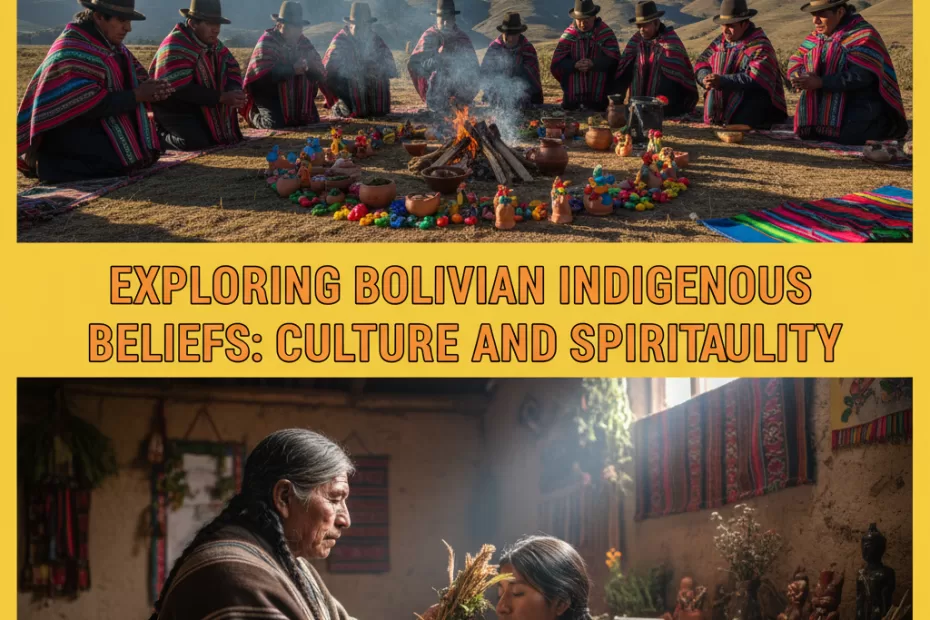
Exploring Bolivian Indigenous Beliefs: Culture and Spirituality
Bolivia is a land steeped in ancient traditions, a vibrant tapestry woven with the threads of diverse indigenous cultures. At the heart of this nation’s identity lie its profound indigenous beliefs, a spiritual framework that has shaped its people, landscapes, and history for millennia. These beliefs are not merely historical relics; they are living, breathing practices that continue to influence daily life, cultural identity, and the very soul of Bolivia. Understanding Bolivian indigenous beliefs offers a window into a worldview where nature, humanity, and the spiritual realm are intricately connected, forming a unique and resilient cultural heritage.
Introduction to Bolivian Indigenous Beliefs
The spiritual landscape of Bolivia is exceptionally rich, dominated by the enduring legacies of its numerous indigenous groups. These ancestral beliefs are far more than just religious doctrines; they are comprehensive life philosophies that dictate interactions with the environment, community, and the cosmos. From the windswept altiplano to the lush Amazon basin, indigenous spirituality forms the bedrock of many Bolivian traditions, influencing everything from agricultural practices to political movements. The deep reverence for the land, the mountains, and natural phenomena is a common thread that runs through the diverse spiritual practices found across the country.
For many indigenous peoples in Bolivia, the world is animated by spiritual forces, and a harmonious relationship with these forces is essential for well-being and prosperity. This worldview fosters a profound sense of responsibility towards the earth and its resources, contrasting sharply with more anthropocentric perspectives. The cultural significance of these beliefs cannot be overstated; they provide a sense of continuity with the past, a guide for the present, and a vision for the future, helping to preserve a distinct Bolivian identity amidst the pressures of globalization.
The Role of Nature in Indigenous Beliefs
Nature is not just a backdrop to life in Bolivian indigenous beliefs; it is a central character, a living entity imbued with sacred power. The majestic Andes, the vast Amazon rainforest, and the sprawling salt flats are not merely geographical features but spiritual beings, ancestors, and providers. This deep connection to the environment underscores the holistic nature of indigenous beliefs, where the physical and spiritual worlds are inseparable.
Spiritual Connections with the Land
At the core of much Bolivian spirituality is the concept of Pachamama, or Mother Earth. Pachamama is revered as a benevolent deity who nurtures, sustains, and provides life. She is the source of all existence, and gratitude and respect for her are paramount. Indigenous peoples maintain a reciprocal relationship with Pachamama, offering prayers, rituals, and sacrifices in exchange for her bounty and protection. The land itself is seen as a sacred space, alive with spirits and imbued with memory. Mountains, particularly the apus (mountain spirits) in the Andean region, are considered powerful deities and protectors of communities. Rivers, lakes, and even specific rocks or trees can hold significant spiritual meaning, often associated with specific mythical events or ancestral spirits.
This spiritual significance of the land translates into a deep sense of environmental stewardship. The idea of “living well” (Suma Qamaña in Aymara, Allin Kawsay in Quechua) emphasizes harmony with nature and community, rather than material accumulation. This ancestral belief system provides a powerful framework for environmental beliefs and sustainable living, a perspective increasingly relevant in today’s world.
Rituals and Ceremonies
Rituals and ceremonies are the tangible expressions of these spiritual connections, acting as vital bridges between the human and spiritual realms. These indigenous practices are often communal events, reinforcing social bonds and reaffirming cultural identity. One of the most widespread indigenous rituals is the ch’alla, a blessing ceremony performed for new possessions, homes, or significant events, involving offerings to Pachamama and other deities. These offerings, known as despachos or mesa blanca (white table), typically include items like coca leaves, sweets, herbs, and sometimes animal sacrifices, all arranged meticulously and burned or buried as a gift to the earth.
Other significant ceremonies include those tied to agricultural cycles, such as planting and harvesting, where specific prayers and offerings are made to ensure fertility and a good yield. Healing rituals, performed by traditional healers known as yatiri or kallawaya, involve diagnosing illnesses, often believed to be spiritual in origin, and prescribing remedies that combine medicinal plants with spiritual interventions. These ancient practices are not just folklore; they are active components of Bolivian traditions and a testament to the enduring power of ancestral beliefs.
Major Indigenous Groups and Their Beliefs
Bolivia is home to over 30 recognized indigenous groups, each with its unique customs, languages, and belief systems. However, the Aymara and Quechua peoples represent the largest and most influential populations, their traditions deeply embedded in the national consciousness.
Aymara Beliefs
The Aymara people, primarily inhabiting the high altiplano around Lake Titicaca, possess a rich cosmology centered on a pantheon of deities and spirits. Beyond Pachamama, other prominent figures include Wiracocha, the creator god, and Ekeko, the god of abundance and prosperity, often represented by a small, jovial figure laden with miniature goods. The Aymara worldview emphasizes duality and reciprocity, where everything exists in balance: male and female, light and dark, mountain and valley. This is reflected in their social structures and ceremonial practices.
Lake Titicaca itself holds immense spiritual significance for the Aymara, considered the birthplace of the sun and the moon, and a sacred portal to the spiritual world. Rituals often involve offerings made at the lake’s shores or on its islands. The Aymara culture also places great importance on the concept of ajayu (soul or spirit), believing that individuals can lose parts of their ajayu due to fright or illness, requiring spiritual retrieval ceremonies. Their ancestral beliefs are a testament to their resilience and deep connection to their challenging environment.
Quechua Traditions
The Quechua people, descendants of the Inca Empire, share many spiritual commonalities with the Aymara but also possess distinct traditions. Their spiritual practices are often linked to the agricultural calendar and the cycles of the sun and moon. Inti, the Sun God, was the primary deity of the Inca and remains an important figure in many Quechua traditions, particularly during festivals like Inti Raymi (Festival of the Sun).
The Quechua also revere the apus (mountain spirits) intensely, viewing them as powerful protectors and sources of vital energy. Offerings to the apus are common, especially before journeys or important undertakings. Their mythology in Bolivia is rich with tales of creation, heroes, and trickster figures, often interwoven with moral lessons and explanations of natural phenomena. The concept of ayllu, a communal land-holding and social unit, reflects their emphasis on community, reciprocity (ayni), and shared responsibility, all underpinned by their spiritual practices. These Quechua traditions highlight a continuity of cultural heritage from pre-Columbian times.
Coca Leaf and Its Cultural Significance
Perhaps no single plant embodies the essence of Bolivian indigenous beliefs more than the coca leaf (Erythroxylum coca). Far from being merely a stimulant, the coca leaf holds profound cultural significance and is deeply intertwined with indigenous spirituality and daily life. For millennia, it has been considered a sacred plant, a gift from Pachamama, and a vital component of spiritual practices.
The chewing of coca leaves, known as acullico or pijcheo, is a widespread practice. It helps indigenous people cope with the harsh conditions of the altiplano, alleviating hunger, thirst, and altitude sickness. More importantly, it serves as a medium for communication with the spiritual world. During rituals, coca leaves are offered to deities, used for divination, and shared communally as a gesture of respect and goodwill. Yatiri (Aymara spiritual guides) and kallawaya (Quechua traditional healers) use coca leaves to read fortunes, diagnose ailments, and connect with ancestral spirits. The exchange of coca leaves is a fundamental aspect of social interaction, signifying trust and cementing agreements.
Despite international pressure to eradicate coca cultivation due to its association with cocaine production, indigenous communities fiercely defend their right to cultivate and use the leaf for its traditional, spiritual, and medicinal purposes. For them, the coca leaf is a symbol of their cultural identity and a sacred bridge to their ancestral beliefs, a powerful example of the enduring strength of indigenous practices.
Modern Challenges to Indigenous Beliefs
While Bolivian indigenous beliefs have shown remarkable resilience, they face numerous challenges in the modern era. Globalization, urbanization, and the pervasive influence of Western culture and evangelical Christianity pose significant threats to the preservation of these ancient traditions. Many younger generations, exposed to new ideas and opportunities, sometimes drift away from traditional practices, leading to concerns about cultural assimilation and the loss of linguistic and spiritual heritage.
Economic pressures often force indigenous peoples to migrate from their ancestral lands to urban centers, where traditional communal structures and spiritual practices are harder to maintain. The commodification of indigenous culture for tourism can also lead to the superficial display of rituals, divorcing them from their true spiritual meaning. Furthermore, the historical discrimination faced by indigenous groups has often led to their beliefs being marginalized or misunderstood by mainstream society.
However, there is also a strong movement for cultural preservation and revitalization. Indigenous leaders and organizations are actively working to protect their languages, customs, and spiritual practices. The Bolivian government, with its first indigenous president, Evo Morales, took steps to recognize and protect indigenous rights and cultural heritage, enshrining Pachamama and indigenous knowledge in the national constitution. Educational initiatives are also playing a crucial role in teaching younger generations about their ancestral beliefs and their importance to Bolivian identity.
Conclusion: The Future of Indigenous Beliefs in Bolivia
The rich tapestry of Bolivian indigenous beliefs is an invaluable part of the nation’s cultural heritage and a testament to the enduring power of human spirituality. These beliefs, deeply rooted in a profound reverence for nature and a holistic worldview, continue to shape the lives of millions and offer profound insights into sustainable living and harmonious community. From the sacred rituals of the Aymara to the ancient Quechua traditions, and the ubiquitous significance of the coca leaf, indigenous practices are not mere relics of the past but dynamic, evolving systems of knowledge and faith.
Despite modern challenges such as globalization and cultural assimilation, there is a growing recognition of the importance of cultural preservation. Efforts to revitalize languages, traditions, and spiritual practices are gaining momentum, ensuring that these ancestral beliefs continue to thrive. The future of indigenous beliefs in Bolivia lies in the continued dedication of its people to uphold their heritage, educate new generations, and advocate for the respect and understanding of their unique spiritual path. By valuing and protecting these diverse expressions of Bolivian spirituality, the nation not only honors its past but also enriches its future, offering a powerful example of how ancient wisdom can inform and inspire a modern world. The spiritual connection to nature and the profound ethical frameworks embedded in these beliefs provide a vital counter-narrative to dominant consumerist cultures, highlighting the enduring relevance of Bolivian indigenous beliefs for humanity as a whole.
Yo, if you are looking to log into phfun11com, This place is direct. No hassles, just the login page. Go get em at phfun11comlogin.