
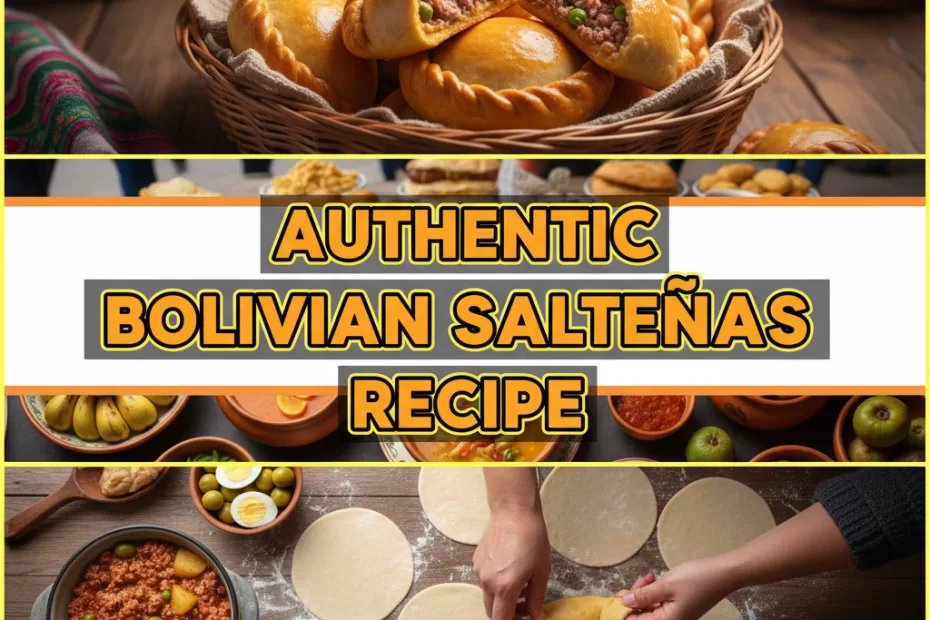
Authentic Bolivian Salteñas Recipe
Imagine biting into a golden, slightly sweet pastry, its delicate crust giving way to a rich, savory, and slightly spicy stew-like filling. That, my friends, is the magic of a salteña. More than just a meal, it’s an experience, a taste of Bolivia that transports you directly to the bustling streets and vibrant markets of this incredible South American nation. For many, the salteña is a beloved breakfast or mid-morning snack, a culinary emblem that speaks volumes about Bolivian cuisine and its rich cultural heritage.
While you might be familiar with empanadas, the traditional salteñas offer a unique twist that sets them apart. They are a true labor of love, known for their distinctive juicy filling and a slightly sweet, often orange-hued dough. The preparation can seem daunting, but with this comprehensive guide, you’ll learn how to make salteñas at home, mastering the art of this delicious Bolivian food. Get ready to embark on a culinary journey and bring the authentic flavors of Bolivia right into your kitchen with our step-by-step salteñas bolivia recipe.
What are Salteñas?
At its heart, a salteña is a baked savory pastry, a type of empanada, but with characteristics that make it uniquely Bolivian. Often referred to as “Bolivian empanadas,” these delightful parcels are renowned for their distinctively sweet dough and a hearty, gelatinous filling known as “jigote.” Unlike many other Latin American recipes for empanadas, which might have a drier filling, the salteña’s jigote is slow-cooked to perfection, creating a rich, flavorful stew that becomes juicy and slightly thickened upon cooling, ensuring a burst of flavor with every bite. The name “salteña” itself is believed to originate from Juana Manuela Gorriti, an Argentine woman born in Salta, Argentina, who fled to Tarija, Bolivia, during the Argentine civil wars in the early 19th century. She was known for making and selling these delicious pastries, and people would say, “Let’s go eat the Salteña’s empanadas,” eventually shortening it to just “salteñas.” This fascinating salteñas history highlights the dish’s deep roots and its evolution within Bolivian food traditions.
What truly differentiates salteñas from other types of empanadas, including peruvian salteñas, is not just the juicy filling but also the dough. The dough is typically a vibrant orange-yellow color, often achieved through the use of annatto (achiote) or sometimes a pinch of saffron, and it has a slightly sweet taste that perfectly complements the savory filling. The crust is sturdy enough to hold the generous, soupy filling but tender enough to be easily bitten into. They are traditionally eaten in the late morning, before lunch, and are a staple of Bolivian street food culture. Learning how to make salteñas involves mastering both the dough and the filling, which are equally important for achieving that authentic taste. The process of cooking salteñas is a ritual in itself, a testament to the country’s rich culinary heritage.
Ingredients for Salteñas
To create truly authentic salteñas, you’ll need a carefully selected array of ingredients for both the dough and the filling. While some ingredients are common pantry staples, others might require a trip to a specialty Latin American grocery store. Don’t worry, we’ll guide you through the essentials for this classic salteñas recipe.
Dough Ingredients
The salteñas dough is a crucial element, providing the perfect balance of sweetness and texture to encase the savory filling. The distinct color often comes from annatto or food coloring, but the flavor is derived from a combination of sweet and savory components.
-
All-Purpose Flour: Approximately 6 cups (about 720g). This forms the base of your dough.
-
Sugar: 1 cup (about 200g). This sweetness is characteristic of traditional salteñas and balances the savory filling.
-
Salt: 1 teaspoon. To enhance flavors.
-
Unsalted Butter or Lard: 1 cup (226g), softened. Lard is traditionally used for a flakier, richer crust, but butter works well too.
-
Eggs: 2 large, lightly beaten. For richness and binding.
-
Water or Chicken Broth: 1 to 1 ½ cups (240-360ml), warm. Use as needed to bring the dough together. Chicken broth can add an extra layer of flavor.
-
Annatto Oil (Achiote Oil) or Red/Orange Food Coloring: 2 tablespoons annatto oil (made by infusing vegetable oil with annatto seeds) or a few drops of food coloring. This gives the dough its characteristic golden-orange hue.
-
Baking Powder: 1 teaspoon (optional, for a slightly softer dough).
Filling Ingredients
The jigote, or filling, is the heart of any salteña. It’s a rich, flavorful, and slightly gelatinous stew that is traditionally made with beef or chicken, along with potatoes, peas, and a medley of spices. This is where the Bolivian flavors truly shine.
-
Meat: 1.5 lbs (about 680g) of beef (flank steak, chuck roast, or stewing beef, finely diced) or chicken (boneless, skinless chicken breast or thighs, finely diced).
-
Onions: 2 large, finely diced.
-
Potatoes: 2 medium, peeled and finely diced into small cubes.
-
Frozen Green Peas: 1 cup.
-
Hard-Boiled Eggs: 4, chopped.
-
Raisins: ½ cup (optional, but traditional for a touch of sweetness).
-
Olives: ½ cup (pitted Kalamata or green olives, chopped).
-
Aji Amarillo Paste: 2-3 tablespoons. This Peruvian yellow chili paste provides a mild heat and vibrant flavor. You can find it in Latin American markets.
-
Ground Cumin: 1 teaspoon.
-
Ground Oregano: 1 teaspoon.
-
Paprika: 1 teaspoon.
-
Garlic: 3-4 cloves, minced.
-
Beef or Chicken Broth: 2-3 cups (480-720ml).
-
Unflavored Gelatin: 2 packets (about 14g total), dissolved in ¼ cup cold water. This is the secret to the jigote’s signature gelatinous texture.
-
Parsley or Cilantro: ¼ cup, fresh, chopped, for garnish and flavor.
-
Salt and Black Pepper: To taste.
-
Vegetable Oil: 2 tablespoons, for sautéing.
-
Sugar: 1 teaspoon (optional, to balance acidity).
Step-by-Step Instructions
Now that we have all our salteñas ingredients ready, let’s dive into the exciting part: making salteñas from scratch. This process is divided into three main stages: preparing the dough, cooking the filling, and finally, assembling and baking these delightful savory pastries.
Making the Dough
The dough is the foundation of your salteñas, and achieving the right texture and flavor is key to an authentic experience.
-
Melt Butter/Lard and Infuse Annatto (if using seeds): If using annatto seeds, heat the butter or lard in a small saucepan over low heat. Add the annatto seeds and cook gently for about 5-7 minutes until the oil turns a deep orange-red. Strain out the seeds and let the infused oil cool slightly. If using annatto oil or food coloring, simply melt the butter/lard and set aside.
-
Combine Dry Ingredients: In a large mixing bowl, whisk together the all-purpose flour, sugar, salt, and baking powder (if using).
-
Add Wet Ingredients: Make a well in the center of the dry ingredients. Pour in the melted annatto-infused butter/lard (or plain melted butter/lard with food coloring), beaten eggs, and about 1 cup of warm water or chicken broth.
-
Mix and Knead: Gradually incorporate the dry ingredients into the wet, mixing until a shaggy dough forms. Turn the dough out onto a lightly floured surface and knead for about 10-15 minutes. The dough should become smooth, elastic, and slightly tacky but not sticky. If it’s too dry, add more warm water/broth a tablespoon at a time. If it’s too sticky, add a little more flour. The dough for your salteñas should have a beautiful golden-orange hue.
-
Rest the Dough: Form the dough into a ball, place it back in the bowl, cover tightly with plastic wrap, and let it rest in the refrigerator for at least 1 hour, or preferably overnight. This resting period is crucial for the dough to relax, making it easier to roll out and contributing to a tender crust. This is a vital step in cooking salteñas properly.
Preparing the Filling
The jigote (filling) is what gives salteñas their unique flavor profile and juicy texture. This is arguably the most important part of the salteñas bolivia recipe, embodying rich Bolivian flavors.
-
Prepare the Meat: If using beef, finely dice it into small, uniform cubes (about ¼ inch). If using chicken, dice it similarly. Season the meat generously with salt and pepper.
-
Sauté Aromatics: Heat the vegetable oil in a large pot or Dutch oven over medium-high heat. Add the finely diced onions and cook until softened and translucent, about 5-7 minutes. Add the minced garlic, aji amarillo paste, ground cumin, ground oregano, and paprika. Cook for another 2-3 minutes, stirring constantly, until fragrant.
-
Brown the Meat: Add the diced meat to the pot and cook, stirring frequently, until it’s browned on all sides.
-
Add Liquids and Simmer: Pour in the beef or chicken broth. Bring the mixture to a simmer, then reduce the heat to low, cover, and let it cook gently for at least 1 hour (for beef) or 30 minutes (for chicken), or until the meat is tender. This slow cooking technique is key to developing deep flavors for your salteñas filling.
-
Incorporate Potatoes and Peas: Add the finely diced potatoes to the pot and continue to simmer until they are tender, about 15-20 minutes. Then, stir in the frozen green peas and cook for another 5 minutes, until heated through.
-
Adjust Seasoning: Taste the jigote and adjust salt, pepper, and sugar (if using) as needed. The filling should be well-seasoned and flavorful.
-
Add Gelatin: Remove the pot from the heat. Stir in the dissolved unflavored gelatin. The gelatin will ensure the filling sets properly when cooled, creating that signature juicy consistency.
-
Cool the Filling: Transfer the jigote to a shallow dish or baking pan, spreading it out evenly. Let it cool completely to room temperature, then cover and refrigerate for at least 4 hours, or preferably overnight, until it’s firm and gelatinous. This step is non-negotiable for traditional salteñas; the filling must be cold and set before assembly to prevent the pastries from bursting during baking.
-
Fold in Final Ingredients: Once the jigote is cold and set, gently fold in the chopped hard-boiled eggs, raisins (if using), chopped olives, and fresh chopped parsley or cilantro. Be careful not to break up the gelatinous structure too much.
Assembling and Baking Salteñas
This is where all your hard work comes together! The assembly requires a bit of patience, but the result is well worth the effort. Achieving a golden crust is the final touch for perfect salteñas.
-
Prepare Work Surface: Lightly flour a clean work surface.
-
Roll Out Dough: Take the chilled dough from the refrigerator. Cut off a portion and roll it out evenly to about 1/8 inch (3mm) thickness. Keep the remaining dough covered and chilled.
-
Cut Dough Circles: Using a round cutter (about 5-6 inches or 12-15 cm in diameter), cut out circles from the rolled-out dough. Gather the scraps, re-knead gently, and chill before re-rolling.
-
Fill the Dough Circles: Take one dough circle and place a generous spoonful (about 2-3 tablespoons) of the cold, set jigote in the center. Ensure there’s enough filling but leave a border around the edge for sealing.
-
Moisten and Seal: Lightly moisten the edge of half of the dough circle with a little water. Fold the dough over the filling to create a half-moon shape. Press the edges firmly together to seal, ensuring no gaps.
-
Create the Repulgue (Crimping): This is the decorative and functional crimping technique that seals the salteña. Starting from one end, fold a small portion of the sealed edge over itself, pressing it down firmly. Continue this crimping motion all along the edge, creating a beautiful, braided pattern. This not only looks appealing but also helps to contain the juicy filling during baking. If the dough is too stiff, let it sit out for a few minutes to soften slightly.
-
Chill Assembled Salteñas: Place the assembled salteñas on a baking sheet lined with parchment paper. Once all salteñas are assembled, cover them loosely with plastic wrap and chill in the refrigerator for at least 30 minutes. This helps the dough maintain its shape and prevents the filling from leaking.
-
Preheat Oven: Preheat your oven to 375°F (190°C).
-
Bake: Arrange the chilled salteñas on the parchment-lined baking sheets, leaving some space between them. Bake for 25-35 minutes, or until the crust is golden brown and slightly puffed. The exact baking time may vary depending on your oven and the size of your salteñas.
-
Serve Hot: Remove from the oven and let them cool for a few minutes before serving. Be careful when taking the first bite, as the filling will be very hot and juicy! This completes the process of cooking salteñas, bringing you a delicious cultural dish.
Variations of Salteñas
While the classic beef or chicken salteña is universally loved, Bolivian cuisine is rich with regional recipes and salteñas variations that offer unique twists on this beloved pastry. Exploring these different types of salteñas filling can add an exciting dimension to your home cooking.
One common variation is the salteña de carne (beef) and salteña de pollo (chicken), which are the most traditional. However, some regions might incorporate different cuts of meat or slightly adjust the spice blend. For instance, in some areas, you might find a touch more ají colorado (red chili paste) for a deeper color and a spicier kick.
Vegetarian Salteñas: For those who prefer plant-based options, vegetarian salteñas are becoming increasingly popular. The meat can be replaced with finely diced mushrooms (cremini or portobello work well), lentils, or a mixture of hearty vegetables like carrots, corn, and zucchini, all cooked in the same flavorful jigote base with the traditional spices. The gelatin can still be used, or a cornstarch slurry can be employed to thicken the filling.
Regional Flavors:
-
Potosí Salteñas: Often known for being slightly sweeter and sometimes incorporating llama meat, reflecting the regional availability.
-
Cochabamba Salteñas: These are often celebrated for their robust flavors and generous fillings, sometimes with a slightly spicier edge.
-
Tarija Salteñas: Tend to be less sweet in the dough and might feature a more pronounced wine flavor in the filling, given Tarija’s wine-producing region.
Sweet Salteñas (Not to be confused with the savory ones): While less common, there are also sweet versions of pastries that might be called “salteñas dulces” in some areas, filled with fruit preserves or sweet cheeses, but these are distinct from the savory morning pastry.
When making salteñas at home, don’t be afraid to experiment with your salteñas filling. While adhering to the core principles of the jigote, you can subtly adjust the balance of spices, add a touch more heat with a different chili, or even incorporate other vegetables that you enjoy. The essence of this cultural dish lies in its rich, juicy filling and tender dough, so as long as you maintain those characteristics, your salteñas will be a hit.
Serving Suggestions
Salteñas are often enjoyed on their own as a fulfilling breakfast or a substantial mid-morning snack. However, pairing them with the right accompaniments can elevate the dining experience and truly showcase the Bolivian flavors.
-
Ají Llajwa: This traditional Bolivian hot sauce is a must-have for those who enjoy a bit of heat. Made with locoto peppers (or rocoto, a fiery red pepper), tomatoes, and cilantro, ají llajwa provides a fresh, spicy counterpoint to the rich salteña. A small dollop on the side allows diners to customize their spice level.
-
Fresh Salsa: A simple fresh salsa made with diced tomatoes, red onion, cilantro, and a squeeze of lime juice can offer a refreshing contrast to the savory pastry.
-
Hot Beverages: Traditionally, salteñas are paired with a hot cup of coffee, tea, or a mate cocido (an herbal tea made from mate leaves). The warmth of the drink complements the hearty nature of the salteña, making it a perfect start to the day.
-
Cold Beverages: For those who prefer cold drinks, a refreshing glass of fresh fruit juice, such as jugo de maracuyá (passion fruit juice) or jugo de tumbo (banana passion fruit juice), can be a delightful accompaniment. Soft drinks are also common.
-
No Utensils: Remember, salteñas are meant to be eaten with your hands! The trick is to hold it upright, bite off the top, and then carefully slurp the delicious juice before devouring the rest of the pastry. It’s an art form that Bolivians master from a young age.
-
Simple Salad: If serving salteñas as part of a larger meal, a light green salad with a vinaigrette dressing can provide a nice balance and freshness.
These serving suggestions enhance the experience of enjoying your homemade traditional salteñas, making it a truly authentic Bolivian culinary moment.
Cultural Significance of Salteñas
Beyond being a delicious pastry, salteñas hold a special place in the heart of Bolivian culture, embodying aspects of Bolivian food traditions and communal life. They are more than just food; they are a symbol of identity, tradition, and celebration.
Salteñas are intrinsically linked to the Bolivian morning ritual. They are almost exclusively consumed before noon, typically between 9 AM and 12 PM. This specific timing is part of the cultural fabric – you won’t commonly find Bolivians eating salteñas for lunch or dinner. Families and friends often gather at salteñerías (specialized salteña shops) or street food stalls to enjoy this morning treat, turning it into a social event. It’s a time for catching up, sharing news, and starting the day with a burst of flavor and camaraderie. The aroma of freshly baked salteñas wafting through the streets is an iconic part of any Bolivian city morning.
The process of making salteñas, especially for special occasions, is often a communal effort. Families might gather to prepare large batches, with each member taking on a specific task, from dicing vegetables for the jigote to crimping the edges of the dough. This shared activity reinforces family bonds and passes down traditional cooking methods from one generation to the next, preserving Bolivia’s rich culinary heritage.
Salteñas are also a staple at various Bolivian celebrations and holidays. While not strictly tied to one particular festival, they are a popular choice for informal gatherings, birthdays, and family reunions. Their individual portion size and hearty nature make them perfect for feeding a crowd. They represent comfort, tradition, and the warmth of home cooking.
The “salteñas history” itself is a testament to the country’s complex past and its connections to neighboring nations. The story of Juana Manuela Gorriti, the “Salteña,” highlights the cross-cultural influences that have shaped Bolivian cuisine. It’s a dish that tells a story, a culinary narrative that continues to evolve while holding firm to its roots. When you’re making salteñas, you’re not just following a recipe; you’re participating in a cherished Bolivian tradition, bringing a piece of that vibrant culture into your own home. It’s a true cultural dish that evokes pride and nostalgia for many Bolivians.
Frequently Asked Questions (FAQs)
Here are some common questions about making and enjoying traditional salteñas:
Q: Can I make the salteñas filling ahead of time?A: Absolutely! In fact, the filling must be made ahead and thoroughly chilled until it’s firm and gelatinous; this is crucial for the texture and to prevent leakage during baking.
Q: How do I store leftover salteñas?A: Baked salteñas can be stored in an airtight container in the refrigerator for up to 2-3 days. Unbaked, assembled salteñas can be frozen on a baking sheet until solid, then transferred to a freezer bag for up to 1 month.
Q: How do I reheat salteñas?A: Reheat baked salteñas in a preheated oven at 300°F (150°C) for about 10-15 minutes, or until warmed through. Microwaving is possible but may make the crust less crisp.
Q: My dough is too tough/sticky, what went wrong?A: If the dough is too tough, it likely needs more kneading or more rest time. If it’s too sticky, gradually add small amounts of flour during kneading until it reaches a smooth, elastic consistency.
Q: Can I use ground meat for the filling?A: While traditional salteñas use finely diced meat, you can use ground meat for a quicker alternative. However, the texture will be different, and it might not hold the gelatinous consistency as well.
Q: What if I can’t find Aji Amarillo paste?A: While Aji Amarillo paste provides unique Bolivian flavors, you can substitute it with a combination of yellow bell pepper purée and a pinch of cayenne pepper or a mild red chili paste for a similar color and gentle heat.
Q: How do I prevent the salteñas from bursting in the oven?A: Ensure your filling is completely cold and set, don’t overfill the dough, and seal the edges very well with a tight repulgue. Chilling the assembled salteñas before baking also helps.
Q: What is the difference between salteñas vs empanadas?A: Salteñas are a specific type of empanada characterized by their slightly sweet, often orange-hued dough, and most notably, their juicy, gelatinous stew-like filling (jigote), designed to be eaten hot without spilling. Other empanadas often have drier fillings and varying dough types.
Q: Can I make a gluten-free version of this salteñas bolivia recipe?A: Adapting the dough for gluten-free can be challenging to achieve the traditional texture, but it’s possible with gluten-free flour blends designed for baking, though results may vary. The filling is naturally gluten-free.
Conclusion
Embarking on the journey of making authentic Bolivian salteñas at home is a rewarding experience that connects you directly to the heart of Bolivian cuisine. From the careful preparation of the distinctive, slightly sweet dough to the slow-cooked, rich jigote filling, every step in this salteñas bolivia recipe is a testament to the country’s vibrant culinary heritage. It’s more than just cooking; it’s about embracing traditional cooking methods and bringing a piece of Bolivian food traditions into your own kitchen.
We’ve walked through how to make salteñas, delving into the essential salteñas ingredients, the meticulous step-by-step instructions for preparing the dough and filling, and the art of assembling and baking these delightful savory pastries to achieve that perfect golden crust. We’ve also explored various salteñas variations, offered practical serving suggestions, and highlighted the profound cultural significance of this beloved cultural dish.
Now it’s your turn! Don’t let the detailed instructions deter you. With a little patience and passion, you too can master the art of making traditional salteñas. Imagine the aroma filling your home, the anticipation of that first bite, and the joy of sharing these homemade Bolivian empanadas with family and friends. This easy salteñas recipe is a gateway to exploring new flavors and expanding your home cooking repertoire. So, gather your ingredients, clear your schedule, and get ready to create a truly memorable meal. We encourage you to try this salteñas recipe and share your experiences – the taste of Bolivia awaits!
Bravobethistorico seems like it knows its stuff. Lots of stats. Worth checking out if you’re looking to do some research before you place a bet – bravobethistorico