
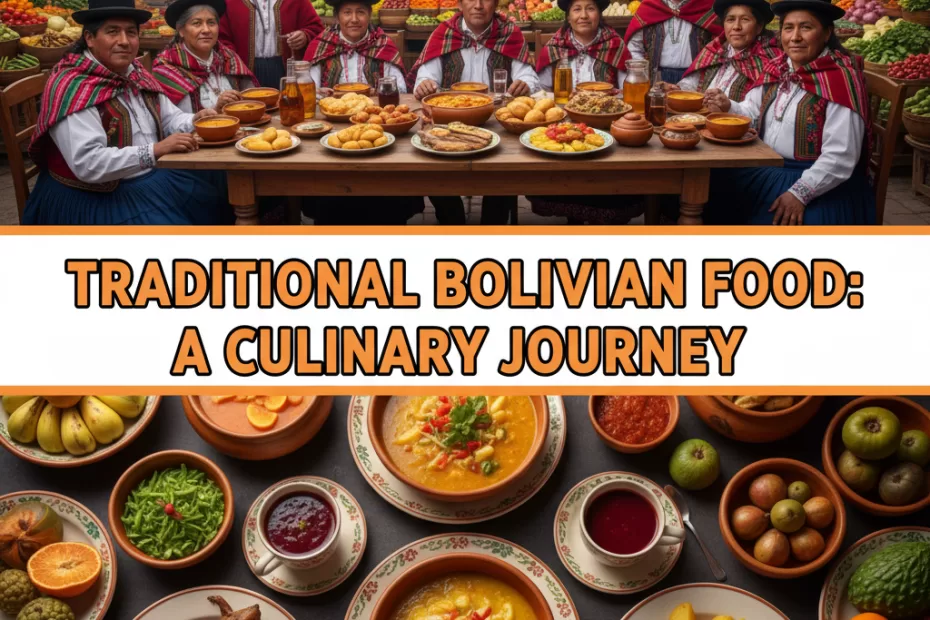
Traditional Bolivian Food: A Culinary Journey
Bolivia, a landlocked gem in the heart of South America, boasts a culinary landscape as diverse and captivating as its geography. From the towering peaks of the Andes to the humid lowlands of the Amazon basin, the country’s rich history and vibrant indigenous cultures have converged to create a truly unique and unforgettable traditional Bolivian food experience. It’s a cuisine that tells stories of ancient civilizations, colonial influences, and a deep connection to the land, offering a symphony of flavors that are both comforting and exhilarating.
For anyone with an interest in culinary travel or exploring world cuisine, delving into Bolivian gastronomy is an adventure for the senses. Unlike some of its more internationally recognized South American neighbors, Bolivia’s culinary traditions remain a wonderfully preserved secret, waiting to be discovered. This guide aims to pull back the curtain on this incredible food culture, exploring everything from iconic dishes to the unique ingredients and dining customs that make Bolivian meals so special.
Overview of Bolivian Cuisine
Bolivian cuisine is a fascinating tapestry woven from indigenous ingredients and cooking methods, Spanish colonial influences, and more recent contributions from neighboring countries. The country’s extreme geographical variations play a huge role in shaping its food culture. In the high-altitude Andean regions (the Altiplano and valleys), staples like potatoes, corn, quinoa, and various root vegetables dominate, often paired with hearty meats like llama, alpaca, or beef. The colder climate necessitated dishes that are warming and substantial.
As you descend into the Yungas and Amazonian lowlands, the flavors shift dramatically. Here, tropical fruits, yuca (cassava), plantains, and freshwater fish become more prominent, alongside exotic spices and herbs. This regional diversity means that what you find on a plate in La Paz might be vastly different from what’s served in Santa Cruz or Tarija.
Despite these differences, a few common threads run through all traditional dishes Bolivia has to offer. The liberal use of ají (Bolivian chili peppers), often in milder forms, provides a characteristic warmth and depth. Hearty stews, fried preparations, and generous portions are also hallmarks. Bolivian food culture is deeply communal; meals are often a time for family and friends to gather, share stories, and celebrate. The history of Bolivian food is rooted in pre-Columbian agricultural practices, which continue to influence modern cooking Bolivian food, making it a truly authentic experience.
Top Traditional Bolivian Dishes You Must Try
To truly understand the essence of traditional Bolivian food, one must dive into its most celebrated dishes. These popular Bolivian foods are more than just meals; they are cultural touchstones, reflecting the country’s history, ingenuity, and passion for flavor.
1. Pique Macho
If there’s one dish that epitomizes Bolivian generosity and zest for life, it’s Pique Macho. This iconic platter is a mountain of deliciousness, designed to be shared (or tackled solo if you’re truly brave, hence the “macho” in its name, implying it’s for the strong). At its core, Pique Macho consists of bite-sized pieces of tender beef and frankfurter sausages, stir-fried with onions, bell peppers, and often a touch of ají.
The beauty of Pique Macho lies in its robust accompaniments. It’s typically served piled high with crispy French fries, hard-boiled eggs, and a generous scattering of sliced locoto (a spicy Bolivian pepper) and tomatoes for freshness. Sometimes, a drizzle of mayonnaise or mustard adds an extra layer of flavor. It’s a dish that’s perfect for a late-night gathering, a celebratory feast, or simply when you’re craving something incredibly satisfying and flavorful. Its origins are often attributed to Cochabamba, a city renowned for its hearty cuisine, and it remains a staple in restaurants and homes across the country, embodying the spirit of communal eating and the rich flavors of Bolivia.
2. Salteñas
No discussion of traditional Bolivian food would be complete without revering the Salteña. These savory, juicy pastries are a quintessential part of Bolivian food culture, often enjoyed as a mid-morning snack. Imagine a perfectly crimped, golden-baked pastry, slightly sweet, encasing a rich, savory filling that’s almost like a stew.
The magic of Salteñas lies in their unique filling, known as jigote. This mixture typically includes finely diced beef or chicken, potatoes, peas, a hard-boiled egg slice, olives, and a distinctive sweet and spicy broth. What sets Salteñas apart is how the jigote is prepared: it’s cooked to a stew-like consistency, then allowed to cool and set, often with the help of gelatin or a natural reduction, before being spooned into the dough. This ensures that when baked, the filling becomes wonderfully hot and liquid, creating that famous “juicy” experience. Eating a Salteña correctly involves biting into one end and carefully tilting it upwards to slurp the broth, preventing drips. There are countless variations of these traditional Bolivian recipes, with each family and bakery boasting their secret touch, making them one of the most beloved Bolivian snacks and a must-try for any visitor.
3. Sopa de Maní
Sopa de Maní, or Bolivian peanut soup, is a beloved comfort food, particularly cherished in the Andean regions where its warmth and heartiness are especially welcome. This creamy, flavorful soup is a testament to the ingenious use of native ingredients in Bolivian cooking methods. Made from ground raw peanuts, which give it a unique nutty depth, the soup typically includes beef or chicken, potatoes, pasta (often elbow macaroni), and a medley of vegetables like carrots and peas.
The preparation involves toasting and grinding the peanuts into a paste, which is then dissolved into a broth, creating a velvety texture. A touch of ají amarillo (yellow chili pepper) often adds a subtle warmth without overwhelming the palate. Sopa de Maní is not just delicious; it’s culturally significant, often served at family gatherings, celebrations, and as a nourishing meal throughout the week. While the basic recipe for this authentic Bolivian food remains consistent, regional variations might include different cuts of meat, types of pasta, or a slightly different spice profile. It’s a prime example of how simple, wholesome ingredients can be transformed into a profoundly satisfying and culturally rich Bolivian dish.
4. Silpancho
Originating from Cochabamba, Silpancho is another magnificent example of the hearty and flavorful Bolivian dishes that grace the country’s tables. The name “Silpancho” is derived from the Quechua word “sillp’anchu,” meaning “thin and pounded,” referring to the preparation of its central meat component. This dish is a vibrant, multi-layered affair that’s as visually appealing as it is delicious.
At its base, Silpancho features a bed of white rice, generously topped with thinly pounded, breaded, and fried beef or sometimes llama meat. This tender, crispy cutlet is then crowned with two fried eggs, their yolks often still runny, adding a rich creaminess to the entire dish. But the layers don’t stop there. A vibrant salad of diced tomatoes, onions, and often locoto (a spicy chili) provides a fresh counterpoint, and a side of boiled or fried potatoes completes this substantial meal. The combination of textures and flavors – the soft rice, crispy meat, creamy egg, and fresh salad – makes Silpancho a truly unforgettable experience. It’s a complete meal in itself, showcasing the abundance and culinary creativity found in Bolivia’s valleys.
Unique Ingredients in Bolivian Cooking
The distinctive character of traditional Bolivian food is largely due to its reliance on a treasury of unique and often ancient ingredients. These staples are not just food; they are interwoven with the country’s history and identity, reflecting thousands of years of agricultural wisdom, particularly from the Andean civilizations.
-
Quinoa: Perhaps the most globally recognized Bolivian food ingredient, quinoa is an ancient grain that has been a dietary cornerstone in the Andes for millennia. Valued for its complete protein profile and versatility, it’s used in soups, stews, salads, and even as a flour for baking. Its nutty flavor and satisfying texture are integral to many traditional Bolivian recipes.
-
Potatoes (Papas): Bolivia is one of the centers of origin for potatoes, boasting an astonishing diversity of varieties, many of which are rarely seen outside the Andes. From small, colorful native potatoes to larger, more common types, they are a fundamental component of almost every Bolivian meal, boiled, fried, mashed, or incorporated into stews. Chuño and tunta, freeze-dried potatoes, are ancient preservation methods still widely used, offering a unique texture and flavor.
-
Ají Peppers: While not unique to Bolivia, the ají peppers used here have distinct characteristics. Ají amarillo (yellow chili) and ají colorado (red chili) are fundamental for flavoring and coloring many dishes, providing a warm, earthy heat rather than an aggressive spice. Locoto, a round, fiery chili, is often used fresh in salsas or as a garnish for those who crave more heat. These Bolivian spices are essential for the authentic taste of Bolivian food.
-
Corn (Maíz): Another ancient crop, corn appears in many forms. Mote, large hominy-style corn kernels, is a common side dish. It’s also used to make chicha, a traditional fermented corn beverage, and humitas, savory or sweet corn tamales.
-
Local Herbs and Spices: Beyond the ají, Bolivian cooking utilizes a range of local herbs. Huacatay (black mint) provides a distinct, aromatic flavor to sauces and stews, especially in Andean food. Cebolla verde (green onion), cilantro, and perejil (parsley) are also widely used, along with cumin and oregano, which reflect Spanish culinary influences.
-
Yuca (Cassava) and Plantains: In the eastern lowlands, these starchy vegetables become prominent. Yuca is often fried or boiled, while plantains are enjoyed ripe and sweet, or green and savory, frequently accompanying fish and meat dishes.
These ingredients, combined with traditional Bolivian cooking methods, create the deeply satisfying and memorable flavors of Bolivia.
Bolivian Food Customs and Traditions
Bolivian dining customs are deeply rooted in hospitality, community, and respect for food as a source of sustenance and connection. Understanding these traditions offers a deeper appreciation of Bolivian food culture.
-
Meal Times: Breakfast is typically light, often consisting of coffee or mate (herbal tea) with bread, sometimes with cheese or salteñas for a more substantial start. Lunch (almuerzo) is the most important meal of the day, usually served between 12:00 PM and 2:00 PM. It’s a substantial affair, often including soup, a main course, and sometimes a small dessert. Dinner (cena) is generally lighter and eaten later in the evening, around 8:00 PM or 9:00 PM.
-
Sharing and Generosity: Sharing food is a cornerstone of Bolivian hospitality. When invited to a Bolivian home, expect generous portions and encouragement to eat heartily. It’s considered polite to accept second helpings, as refusing too quickly might be seen as impolite. Dishes like Pique Macho are inherently communal, designed for people to pick from a central platter.
-
Respect for Food: There’s a profound respect for food, particularly indigenous staples like potatoes and quinoa, which are seen as gifts from Pachamamá (Mother Earth). Waste is generally frowned upon.
-
Street Food Culture: Bolivian street food is a vibrant and essential part of daily life. From salteñas and empanadas to tucumanas (fried savory pastries) and anticuchos (marinated beef heart skewers), street vendors offer a quick, affordable, and delicious way to sample authentic Bolivian food. Eating from street vendors is not just about convenience; it’s a social experience, a chance to interact with locals and observe daily life.
-
Celebratory Feasts: Bolivian food traditions shine brightest during festivals and special occasions. Pachamanca, an ancient Andean cooking method where food is cooked in an earthen oven with hot stones, is a ceremonial feast. Christmas, Easter, and various local patron saint festivals all have their specific traditional Bolivian recipes, often prepared in large quantities to feed entire communities. Api, a warm purple corn drink, is a popular beverage during colder months and at festivals.
-
Table Manners: While generally relaxed, some customs include waiting for the host to begin eating, keeping hands visible above the table, and not resting elbows on the table. Utensils are typically used, though some street foods are meant to be eaten by hand.
These customs highlight that eating in Bolivia is more than just sustenance; it’s a cultural ritual, a way of preserving heritage, and a joyful expression of community.
Where to Experience Traditional Bolivian Food
To truly immerse yourself in the world of traditional Bolivian food, you need to know where to look. From bustling markets to cozy restaurants, Bolivia offers a plethora of opportunities to savor its culinary treasures.
-
La Paz: As the administrative capital, La Paz offers a fantastic cross-section of Bolivian gastronomy. Explore the Mercado Lanza or Mercado Rodríguez for an authentic street food experience, sampling salteñas, empanadas, and tucumanas. For a sit-down meal, many comedores (small, informal restaurants) offer daily almuerzo (lunch) specials, providing incredible value and authentic flavors. Upscale restaurants in areas like Sopocachi also serve traditional Bolivian dishes with a modern twist. Don’t miss the anticuchos from street vendors in the evening.
-
Cochabamba: Widely considered Bolivia’s culinary capital, Cochabamba is a must-visit for food lovers. This city is famous for its generous portions and rich, flavorful dishes. Here, you’ll find the best Pique Macho and Silpancho. The chicherías (establishments serving chicha) are also popular, often serving a range of traditional snacks alongside the fermented corn beverage. The Mercado La Cancha is an overwhelming but rewarding experience for fresh produce and local ingredients.
-
Santa Cruz: In the eastern lowlands, Santa Cruz offers a distinct culinary experience with more tropical influences. Expect dishes featuring yuca, plantains, and freshwater fish. Try majau (rice with dried meat and egg), pacumuto (grilled beef skewers), and locro (chicken and rice soup). The city’s markets are vibrant with exotic fruits and regional Bolivian food.
-
Sucre: The constitutional capital, Sucre, offers a blend of Andean and valley cuisine, with a refined touch. Known for its chorizos chuquisaqueños (local sausages) and ajiaco (a chicken stew), Sucre’s restaurants and cafes provide a charming setting to enjoy traditional Bolivian recipes.
-
Tarija: In the south, Tarija is Bolivia’s wine region, and its food reflects a blend of local and Argentine influences. Expect excellent grilled meats, saice (a spicy meat stew), and a focus on fresh produce. The region’s wines are a perfect accompaniment to its hearty meals.
-
Food Festivals: Keep an eye out for Bolivia food festivals, which are fantastic opportunities to sample a wide array of regional specialties. Many towns have annual celebrations dedicated to specific crops (like the Potato Festival) or dishes, offering a deep dive into local food traditions and a lively atmosphere.
No matter where you go in Bolivia, be adventurous, try new things, and engage with the local Bolivian street vendors and chefs – they are the true custodians of Bolivia’s incredible food guide.
How to Make Popular Bolivian Dishes at Home
Bringing the vibrant flavors of Bolivia into your own kitchen is a rewarding experience. While some traditional Bolivian recipes might seem complex, many are surprisingly accessible. Cooking Bolivian food is a wonderful way to explore world cuisine and connect with a different culture.
For those eager to try making popular Bolivian foods, here are a couple of starting points and tips:
-
Salteñas: This is often considered the “holy grail” of Bolivian home cooking. The key is mastering the jigote (filling) and the dough.
-
The Jigote: Start by sautéing finely diced onions, garlic, and ají colorado (red chili paste). Add diced beef or chicken, potatoes, peas, and a rich broth seasoned with cumin, oregano, and a touch of sugar. The secret to the juicy interior is to ensure the liquid content is high and that the mixture cools completely, allowing it to set before filling the empanadas. Some recipes even suggest adding unflavored gelatin to help it firm up.
-
The Dough: A slightly sweet, sturdy dough is crucial. It typically includes flour, sugar, salt, butter or lard, and sometimes achiote for color. The dough needs to be elastic enough to be rolled thinly and crimped without tearing.
-
You can find numerous detailed traditional Bolivian recipes online by searching for “authentic Salteña recipe.” Many Bolivian food blogs offer step-by-step guides.
-
-
Pique Macho: This is a much simpler dish to recreate at home and perfect for a casual gathering.
-
Ingredients: You’ll need bite-sized pieces of beef (sirloin or flank steak works well), frankfurter sausages, French fries, onions, green bell peppers, hard-boiled eggs, and tomatoes. For a true kick, find locoto peppers if possible, or use jalapeños as a substitute.
-
Preparation: Fry the French fries until golden. Sauté the beef and sausages with sliced onions and bell peppers until cooked through and slightly caramelized. Season generously with salt, pepper, cumin, and a touch of ají amarillo paste if desired. Pile everything onto a large platter, top with hard-boiled egg slices, fresh tomatoes, and locoto slices.
-
This dish is all about assembly and generous portions. It’s easily adaptable to your spice preference and ingredient availability.
-
-
Sopa de Maní: A comforting and unique soup.
-
The Peanuts: The most crucial step is sourcing raw, unsalted peanuts. Toast them lightly, then grind them into a fine powder or paste.
-
The Soup Base: Sauté onions, garlic, and a little ají amarillo paste. Add diced beef or chicken and brown it. Pour in beef broth and the ground peanut mixture, stirring well to prevent lumps. Add diced potatoes and cook until tender. Finally, stir in some elbow macaroni and peas, cooking until the pasta is al dente. Garnish with fresh parsley.
-
Exploring these traditional Bolivian recipes allows you to experiment with Bolivian spices and cooking methods, bringing the vibrant flavors of Bolivia right to your dining table. Many online resources, including YouTube channels and dedicated food blogs, provide excellent guidance for cooking Bolivian food.
Conclusion: The Richness of Bolivian Cuisine
The journey through traditional Bolivian food is an exploration of a vibrant culture, a diverse geography, and a history deeply intertwined with its culinary heritage. From the hearty, warming stews of the Altiplano to the tropical flavors of the lowlands, Bolivian cuisine offers an incredible array of tastes, textures, and aromas that are truly captivating.
We’ve delved into iconic dishes like the communal Pique Macho, the wonderfully juicy Salteñas, the comforting Sopa de Maní, and the robust Silpancho, each telling its own story of regional pride and culinary ingenuity. We’ve also highlighted the unique ingredients—quinoa, diverse potatoes, and distinctive ají peppers—that form the backbone of this authentic Bolivian food experience.
Beyond the plate, Bolivian food culture emphasizes community, generosity, and a profound respect for the earth’s bounty. Whether you’re savoring the bustling energy of a Bolivian street vendor, sharing a grand meal in a family home, or trying your hand at traditional Bolivian recipes in your own kitchen, you’re participating in a rich tradition that celebrates life through food.
Bolivia’s gastronomy is an undiscovered treasure for many, yet it offers a depth of flavor and cultural significance that rivals any world cuisine. So, embrace the opportunity to explore the flavors of Bolivia, discover its unique dishes, and allow your palate to embark on an unforgettable culinary adventure.
pkr98game is a solid choice for a quick gaming session. Nothing too complicated, just pure fun. Give it a shot! pkr98game