
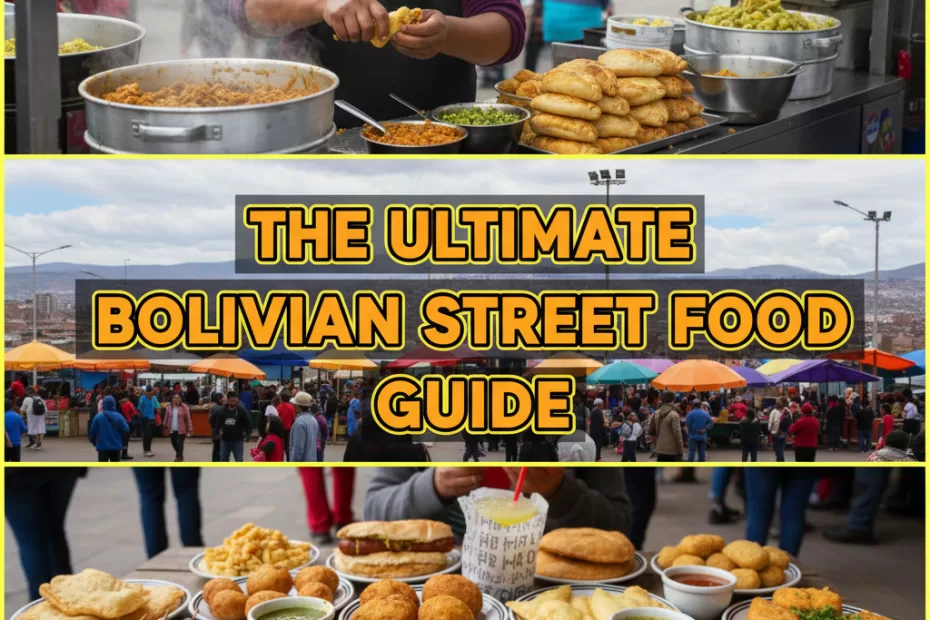
The Ultimate Bolivian Street Food Guide
Bolivia, a landlocked nation nestled in the heart of South America, is a treasure trove of ancient traditions, breathtaking landscapes, and an incredibly diverse culinary scene. While its majestic Andes mountains, vibrant indigenous cultures, and sprawling Amazon basin often steal the spotlight, it’s the bustling streets and lively markets that offer perhaps the most authentic glimpse into the nation’s soul: through its extraordinary street food. For any traveler seeking a true taste of Bolivia, delving into its street food culture is not just a meal; it’s an immersive experience, a journey into the very heart of Bolivian gastronomy.
Introduction to Bolivian Street Food
Street food in Bolivia is more than just quick bites; it’s a fundamental pillar of daily life and a vibrant expression of the country’s rich cultural heritage. From the high-altitude capital of La Paz to the fertile valleys of Cochabamba and the tropical lowlands of Santa Cruz, every city and town boasts its own unique array of flavors, textures, and aromas. This isn’t merely about convenience; it’s a testament to Bolivian traditions, a social ritual where families gather, friends connect, and the day’s events are shared over a plate of freshly prepared local delicacies.
The diversity of Bolivian cuisine is remarkable, heavily influenced by its varied geography and indigenous roots, particularly the Aymara and Quechua peoples, blended with Spanish colonial influences. This fusion has given rise to unique Bolivian dishes that are both hearty and flavorful, often incorporating staples like potatoes, corn, quinoa, and aji (Bolivian chili peppers). Exploring Bolivia through its culinary offerings means encountering authentic Bolivian flavors that tell stories of generations, agricultural prowess, and communal spirit.
For tourists, the world of Bolivian street food offers an unparalleled opportunity for culinary travel. It’s an accessible way to experience Bolivian food culture firsthand, to interact with local Bolivian street food vendors, and to truly understand the rhythm of life here. From early morning breakfast treats to late-night grilled snacks, the streets are alive with delicious Bolivian snacks and traditional Bolivian meals, promising a memorable adventure for your taste buds. This guide aims to help you navigate this delicious landscape, ensuring you discover the best and safest options as you explore Bolivia’s incredible food scene.
Must-Try Bolivian Street Foods
To truly appreciate the richness of Bolivia’s culinary heritage, one must dive into its most popular Bolivian dishes found right on its streets. These aren’t just meals; they are iconic Bolivian food specialties that define the nation’s palate, offering authentic Bolivian flavors that are both comforting and exciting. Whether you’re a seasoned foodie or a curious traveler, these Bolivian dishes to try are essential stops on your Bolivian food guide.
1. Salteñas: Bolivia’s Famous Pastry
If there’s one dish that epitomizes Bolivian street food, it’s the salteña. This beloved baked pastry is not just a snack; it’s a national institution, a culinary masterpiece that demands a specific time of day for consumption: late morning, typically between 10 AM and 12 PM. Eating a salteña any later might earn you a curious look from a local, as it’s primarily a breakfast or mid-morning treat.
What exactly is a salteña? Imagine a golden, somewhat sweet, slightly chewy pastry shell, intricately crimped at the top, holding within it a savory, juicy stew-like filling. The filling, known as jigote, is what truly sets the salteña apart. It’s a delightful concoction typically made with finely diced meat (usually beef or chicken), sometimes a hard-boiled egg slice, a piece of potato, and an olive, all swimming in a gelatinous, subtly spicy, and slightly sweet broth. The magic lies in the broth’s consistency; it’s designed to be liquid when hot, so mastering the art of eating a salteña without spilling its precious juices is a rite of passage for any visitor. The trick is to hold it upright, bite off a small piece from the top, and gently sip the broth before devouring the rest.
The origin of the salteña is a tale often debated, but many believe it emerged from the city of Salta in Argentina, brought to Bolivia by a woman named Juana Manuela Gorriti during the 19th century. Over time, it evolved into the distinctive Bolivian version we know today, becoming an integral part of Bolivian food culture. Every region, and often every family, has its own cherished recipe, making each salteña experience subtly unique. You’ll find variations with different spice levels, some with peas or carrots, and even vegetarian options with cheese or mushrooms, though the classic meat versions remain the most popular.
The allure of the salteña extends beyond its taste; it’s the social ritual surrounding it. Bakeries and street stalls dedicated solely to salteñas are bustling hubs in the mornings, filled with locals grabbing their daily fix. It’s an energizing way to start the day, a perfect introduction to the vibrant Bolivian culinary experiences that await. No Bolivian food guide would be complete without highlighting this iconic pastry, a true symbol of authentic Bolivian flavors and a must-try for anyone exploring Bolivia.
2. Anticuchos: A Grilled Delight
As the sun begins to set over Bolivia’s bustling cities, a different kind of culinary aroma fills the air, signaling the arrival of the evening’s street food stars. Among the most enticing of these is anticuchos, a dish that embodies the heartiness and communal spirit of Bolivian street food culture. These skewers of grilled beef heart, though perhaps initially daunting to some, are an absolute delight and a testament to the nation’s rich culinary heritage.
Anticuchos are typically made from marinated beef heart, thinly sliced and threaded onto skewers, then grilled over hot coals until perfectly tender and slightly charred. The marinade is key, often a simple yet potent blend of aji panca (a mild red chili pepper), garlic, cumin, and vinegar, which infuses the meat with a savory, earthy flavor. The grilling process gives the anticuchos a wonderfully smoky aroma and a texture that is surprisingly tender, far from what one might expect from organ meat.
What makes anticuchos a truly cultural experience is how they are served. Each skewer is usually accompanied by a boiled potato and generously drizzled with salsa de maní, a rich and creamy peanut sauce that adds a delightful nutty counterpoint to the savory meat. Some vendors might also offer a spicy llajwa, a fresh chili and tomato salsa, for those who crave an extra kick. This combination of grilled meat, starchy potato, and flavorful sauce creates a balanced and incredibly satisfying meal.
Anticuchos have deep historical roots, tracing back to pre-Columbian times when indigenous Andean cultures consumed various meats, often grilled. The Spanish introduction of beef and new spices further refined the dish, making it a beloved street food across the Andes, particularly prominent in Bolivia and Peru. They are a quintessential late-night snack, often found near parks, plazas, and busy thoroughfares, prepared by dedicated Bolivian street food vendors who have often mastered their craft over generations. The sizzling sound, the smoky aroma, and the friendly chatter around an anticucho stall are all part of the authentic Bolivian culinary experiences you’ll cherish. Don’t let the “beef heart” part deter you; anticuchos are a delicious and essential part of any Bolivian street food guide.
3. Pique Macho: A Hearty Dish
While many street foods are designed for quick consumption, Pique Macho stands out as a substantial, incredibly hearty dish, perfect for sharing and emblematic of Bolivia’s generous portions and robust flavors. Originating from Cochabamba, often dubbed Bolivia’s culinary capital, Pique Macho is not just a meal; it’s a challenge, a feast, and a celebration of Bolivian gastronomy.
The name “Pique Macho” itself hints at its formidable nature. “Pique” refers to a “pick” or “nibble,” implying a dish meant to be picked at, while “macho” signifies its “manly” or “brave” intensity, suggesting it’s a dish for those with a serious appetite. And indeed, it lives up to its name. A traditional Pique Macho consists of a generous mound of bite-sized pieces of beef and sausage, often frankfurters or chorizo, sautéed with onions, bell peppers, and tomatoes. This savory medley is then piled high over a bed of crispy French fries and typically garnished with hard-boiled eggs, sliced locoto (a spicy Bolivian chili), and sometimes olives or cheese.
The magic of Pique Macho lies in its combination of textures and flavors: the tender, seasoned meats, the crisp fries soaking up the savory juices, the slight tang of the vegetables, and the fiery kick of the locoto. It’s a dish designed for sharing, usually arriving at the table on a massive platter, encouraging communal eating and lively conversation. While it’s commonly found in restaurants, especially in Cochabamba food establishments, it’s also a popular offering at larger street food stalls and food festivals, particularly those specializing in traditional Bolivian meals.
For visitors exploring Cochabamba cuisine, Pique Macho is an absolute must-try. It offers a deep dive into the rich, comforting flavors that characterize this region’s cooking. It’s a dish that warms the soul, satisfies the most intense hunger, and provides an unforgettable taste of Bolivia’s vibrant food culture. Whether you’re recovering from a long day of Bolivia travel or simply looking for a hearty meal to share with friends, Pique Macho is an experience you won’t soon forget, solidifying its place in any comprehensive Bolivian food guide.
Where to Find the Best Street Food in Bolivia
Discovering the best street food in Bolivia is an adventure in itself, leading you through bustling markets, vibrant plazas, and lively neighborhood corners. While delicious finds can be stumbled upon almost anywhere, certain cities and specific locations are renowned for their exceptional street food scenes, offering a concentrated array of authentic Bolivian flavors and culinary experiences. Knowing where to eat in Bolivia can transform your trip into a true foodie pilgrimage.
To truly immerse yourself in Bolivia’s street food culture, keep an eye out for areas with high foot traffic. Bolivian street food vendors often congregate in specific zones, creating an exciting atmosphere filled with the sounds of sizzling pans, the aroma of spices, and the chatter of locals. These are the places where you’ll find the freshest ingredients and the most authentic preparations, reflecting local Bolivian recipes passed down through generations.
Top Cities for Street Food
Each of Bolivia’s major cities offers a distinct flavor profile and unique street food specialties, making them essential stops for any culinary traveler.
-
La Paz: The de facto capital, La Paz, is a sensory overload in the best possible way, and its street food scene is no exception. La Paz street food is incredibly diverse, reflecting its status as a melting pot of Bolivian cultures.
-
El Alto’s 16 de Julio Market: While technically in El Alto, this massive open-air market, held on Thursdays and Sundays, is a mecca for foodies. Beyond the endless array of goods, you’ll find countless food stalls serving everything from apí con buñuelos (purple corn drink with fried pastries) for breakfast to fricasé (a hearty pork stew) and sajta de pollo (spicy chicken dish) for lunch. It’s an overwhelming but incredibly rewarding experience for exploring Bolivia’s food.
-
Mercado Lanza: Located right in the city center, near Plaza San Francisco, this multi-story market houses numerous food stalls on its upper levels. It’s a great place to try traditional Bolivian meals in a slightly more structured environment, offering everything from plato paceño (potatoes, corn, cheese, and fava beans) to various soups and stews.
-
Sopocachi and San Miguel: These more upscale neighborhoods also have their fair share of street vendors, particularly in the evenings, offering salchipapas (sausage and fries), hamburguesas, and choripanes (chorizo sandwich) that cater to a younger crowd. The La Paz food scene is dynamic and always evolving.
-
-
Cochabamba: Widely celebrated as the gastronomic heart of Bolivia, Cochabamba is a paradise for food lovers. Cochabamba food is known for its generous portions and rich, savory flavors.
-
La Cancha Market: One of the largest open-air markets in South America, La Cancha is a sprawling labyrinth where you can find almost anything, including an incredible variety of street food. Look for silpancho (thinly pounded meat, rice, potatoes, and egg), chicharrón (fried pork belly), and, of course, the legendary Pique Macho. The sheer scale of this market makes it a fantastic spot for finding diverse Bolivian food specialties.
-
Avenida Pando: In the evenings, this area comes alive with food carts and grills, offering everything from grilled meats to empanadas and fresh juices. Cochabamba cuisine truly shines here, showcasing its hearty and flavorful essence.
-
-
Santa Cruz de la Sierra: In the eastern lowlands, Santa Cruz offers a distinct culinary experience, characterized by tropical ingredients and a slightly different spice palette.
-
Mercado Los Pozos: This bustling market is a great place to sample local specialties like cuñapé (cheese bread), masaco (plantain or yucca dough with cheese or charque), and empanadas de arroz (rice empanadas). You’ll also find a variety of fresh fruit juices and exotic fruits unique to the region.
-
Parque El Arenal: Around this central park, particularly in the evenings, numerous vendors set up shop, offering classic street food items as well as regional delights. The atmosphere is vibrant, perfect for enjoying a casual meal while soaking in the local ambiance.
-
-
Sucre: Bolivia’s constitutional capital, Sucre, combines colonial charm with a delightful food scene.
-
Mercado Central: A clean and organized market where you can find excellent traditional Bolivian meals, including mondongo (pork stew with corn and potatoes) and various empanadas. The food court upstairs is particularly popular for lunch.
-
Plaza 25 de Mayo: In the evenings, the area around the main plaza often hosts vendors selling salteñas, tucumanas (fried empanadas), and other Bolivian snacks.
-
Street Food Markets to Visit
Beyond specific cities, dedicated street food markets and Bolivian food festivals are often the best places to experience the full spectrum of Bolivian culinary experiences. These locations are teeming with Bolivian street food vendors, offering a fantastic opportunity for food tours in Bolivia.
-
Mercado Lanza (La Paz): As mentioned, this multi-story market is a daily hub for locals seeking affordable and authentic Bolivian cuisine. It’s a great place to try a variety of dishes under one roof, from soups to full meals, and observe the daily life of La Paz.
-
Mercado 16 de Julio (El Alto): While primarily a flea market, its food sections are legendary. It’s a vibrant, chaotic, and utterly authentic place to find a vast array of Bolivian food specialties, making it a must-visit for the adventurous eater.
-
Local Neighborhood Markets: Almost every neighborhood in major cities will have its own smaller market. These are often less overwhelming than the large central markets but still offer fantastic opportunities to find fresh, local Bolivian recipes and interact with vendors. Look for markets in areas like Calacoto in La Paz or specific zones in Cochabamba and Santa Cruz.
-
Bolivian Food Festivals: Throughout the year, various cities host food festivals that celebrate regional and national dishes. For example, Cochabamba is famous for its “Feria del Lechón” (Pork Festival) or “Feria del Pescado” (Fish Festival). These events are incredible opportunities to sample a wide range of dishes, enjoy live music and cultural performances, and truly immerse yourself in Bolivia’s food culture. Keep an eye on local event listings when you plan your Bolivia travel to catch one of these vibrant celebrations.
Exploring Bolivia’s street food scene is a culinary adventure that promises to delight your senses and deepen your understanding of this fascinating country. With so many options, from bustling market stalls to charming neighborhood vendors, you’ll quickly discover why Bolivian street food is considered some of the best in South America.
Tips for Enjoying Street Food Safely
Embarking on a culinary journey through Bolivian street food is an exhilarating experience, but like with any street food exploration in a foreign country, it’s wise to approach it with a few safety precautions in mind. Enjoying authentic Bolivian flavors doesn’t mean compromising on your health. By following some simple guidelines, you can savor every delicious bite with confidence and avoid any unwelcome digestive issues, ensuring your culinary travel remains enjoyable. Street food safety is paramount for a worry-free trip.
Here are practical tips to help you navigate the vibrant world of Bolivian street food safely:
-
Follow the Crowds: This is perhaps the golden rule of street food. Stalls with long lines of locals are usually a good indicator of freshness, popularity, and quality. High turnover means ingredients are constantly being replenished and cooked, reducing the chances of food sitting out for too long. Bolivian street food vendors with a steady stream of customers are often the most reliable.
-
Observe Hygiene Practices: Take a moment to observe the vendor and their stall. Are they handling money and food with separate hands or wearing gloves? Is the cooking area clean and tidy? Do they have a source of running water, or at least a bucket with clean water for washing hands and utensils? While conditions may not always be pristine, a general sense of cleanliness is a good sign.
-
Choose Cooked-to-Order Dishes: Opt for foods that are cooked fresh in front of you, especially grilled items like anticuchos or fried treats like tucumanas. The heat from cooking kills most bacteria. Avoid dishes that look like they’ve been sitting out for an extended period, particularly those not kept hot or cold.
-
Be Wary of Unpeeled Fruits and Vegetables: While fresh produce is tempting, it’s best to stick to fruits you can peel yourself (like bananas or oranges) or vegetables that have been thoroughly cooked. Raw salads or unpeeled fruits washed in questionable water can be a source of contaminants.
-
Avoid Tap Water and Ice: Never drink tap water in Bolivia. Always stick to bottled water, and be cautious with ice, as it’s often made from tap water. If you’re ordering a drink, ask for it sin hielo (without ice) or ensure the ice is made from purified water, often recognizable by its hollow, industrially produced appearance.
-
Trust Your Gut (Literally): If a dish looks or smells off, or if the vendor’s practices make you uncomfortable, simply move on. There are countless other delicious options available. Your intuition is a powerful tool in avoiding potential problems.
-
Start Slowly: If you have a sensitive stomach, introduce new foods gradually. Don’t try everything on your first day. Stick to one or two new dishes at a time to see how your body reacts.
-
Carry Hand Sanitizer: Even if vendors are hygienic, you’ll be touching money, tables, and other surfaces. A small bottle of hand sanitizer is invaluable for cleaning your hands before eating, especially if you’re eating with your hands (which is common for many Bolivian snacks).
-
Consider Food Tours: For those who want an extra layer of confidence, consider joining one of the reputable food tours in Bolivia. These tours are specifically designed to take you to trusted vendors, often providing insights into local Bolivian recipes and ensuring a safe and enjoyable experience while exploring Bolivia’s food scene.
-
Be Mindful of Spice Levels: While not a safety issue, Bolivian cuisine can sometimes be spicier than expected, especially dishes featuring locoto or ají. If you’re sensitive to spice, ask no picante (not spicy) or un poquito picante (a little spicy) when ordering.
By keeping these tips in mind, you can fully embrace the incredible flavors and vibrant atmosphere of Bolivian street food without worry. It’s an essential part of Bolivian gastronomy and a highlight of any Bolivia travel experience.
Cultural Insights: The Role of Food in Bolivian Society
Food in Bolivia transcends mere sustenance; it is a profound expression of culture, history, and community. It sits at the very heart of Bolivian traditions, weaving together social gatherings, religious ceremonies, and daily life with an intricate tapestry of flavors and rituals. Understanding the significance of food offers a deeper appreciation for the country’s rich Bolivian food culture and its people.
Bolivian cuisine is a fascinating blend of indigenous heritage, primarily from the Aymara and Quechua peoples, and Spanish colonial influences. Staples like potatoes (Bolivia boasts thousands of varieties), corn, quinoa, and various root vegetables have been cultivated in the Andes for millennia and remain central to the diet. These ancient ingredients are combined with meats introduced by the Spanish, such as beef, pork, and chicken, alongside spices like cumin, oregano, and the ubiquitous ají (chili pepper), which is foundational to many authentic Bolivian flavors. This rich Bolivian street food history is visible in every bite.
Eating is often a communal activity in Bolivia. Meals, whether at home or at a bustling street stall, are opportunities for families and friends to connect, share stories, and reinforce bonds. Dishes like Pique Macho, designed to be shared from a large platter, perfectly embody this spirit of togetherness. Even simpler Bolivian snacks like salteñas are often enjoyed in groups, transforming a quick bite into a social event. This emphasis on shared eating fosters a strong sense of community and hospitality, which visitors often experience firsthand.
Religious and traditional festivals are inextricably linked with specific foods. During Carnival, for instance, picante de pollo (spicy chicken) and chicharrón (fried pork) are commonly prepared. All Saints’ Day (Día de Todos los Santos) sees families gather to prepare masitas (sweet breads) and tanta wawas (bread dolls), offering them to honor deceased loved ones. These Bolivian food festivals are not just culinary events; they are profound expressions of faith and memory, deeply embedded in the nation’s spiritual fabric.
The act of preparing food also holds cultural weight. Many local Bolivian recipes have been passed down through generations, often without written instructions, relying instead on oral tradition and hands-on learning. Grandmothers and mothers are often the custodians of these culinary secrets, ensuring that traditional Bolivian meals retain their authenticity and cultural significance. This intergenerational transfer of knowledge highlights the deep respect for culinary heritage within Bolivian society.
Furthermore, food plays a vital economic role, particularly for Bolivian street food vendors and market sellers. These individuals are often the backbone of local economies, providing affordable and accessible meals while preserving and promoting Bolivian food specialties. Their stalls are not just places to eat; they are micro-businesses, community gathering spots, and cultural touchstones all rolled into one. The vibrant Bolivian street markets are living testaments to this dynamic relationship between food, commerce, and culture.
In essence, food in Bolivia is a language of love, memory, and identity. It is how people celebrate, mourn, sustain themselves, and connect with their past. Engaging with Bolivian gastronomy means engaging with its soul, offering invaluable Bolivian culinary experiences that go far beyond taste and nourish a deeper understanding of this remarkable country.
Frequently Asked Questions about Bolivian Street Food
For travelers embarking on a culinary adventure through Bolivia, a few common questions often arise. Here are some answers to help you navigate the vibrant world of Bolivian street food with ease and confidence.
Is Bolivian street food generally spicy?While Bolivian cuisine uses chili peppers (ají) extensively, it’s generally not as fiery as Mexican or Thai food. Many dishes have a mild, earthy spice, but llajwa (a fresh chili salsa) is often served on the side, allowing you to control the heat.
Are there vegetarian or vegan options available among street foods?Finding strictly vegan options can be challenging, but vegetarian choices are increasingly available. Look for queso humacha (cheese and corn stew), papas rellenas (stuffed potatoes with cheese), empanadas de queso, or simply plato paceño without meat.
What are some popular drinks to pair with Bolivian street food?Api (a warm, sweet purple corn drink) is a popular breakfast pairing with buñuelos. For other times, mocochinchi (dried peach drink) or fresh fruit juices are common. Always opt for bottled water or purified drinks.
How much does street food typically cost in Bolivia?Bolivian street food is incredibly affordable. Most snacks like salteñas or tucumanas cost between 5-10 BOB, while heartier meals like anticuchos or a small Pique Macho might range from 15-30 BOB, offering excellent value.
Is it safe to drink tap water in Bolivia?No, it is generally not safe to drink tap water in Bolivia. Always stick to bottled water for drinking and brushing your teeth to avoid potential stomach issues.
Are there organized food tours in Bolivia for tourists?Yes, especially in larger cities like La Paz and Cochabamba, you can find organized food tours. These are excellent for safety, cultural insights, and discovering hidden culinary gems with a local expert.
What’s the best time of day to experience Bolivian street food?Street food is available throughout the day. Mornings are for salteñas and apí, lunches offer hearty stews, and evenings bring out grilled meats like anticuchos and choripanes.
What are some unique ingredients often found in Bolivian street food?Beyond corn and potatoes, you’ll encounter quinoa, chuño (freeze-dried potatoes), locoto (a spicy round chili), ulupica (a small, very hot wild berry), and various types of Andean tubers and grains.
Conclusion: Embrace the Flavors of Bolivia
Embarking on a journey through the vibrant world of Bolivian street food is far more than just satisfying your hunger; it’s an immersive cultural experience, a direct pathway into the heart and soul of this incredible Andean nation. From the savory, juicy embrace of a morning salteña to the smoky, comforting skewers of anticuchos under the night sky, and the hearty, communal feast of a Pique Macho, each dish tells a story of ancient traditions, diverse landscapes, and a resilient, joyful people.
This Bolivian food guide has aimed to equip you with the knowledge and confidence to explore Bolivia’s rich culinary heritage. We’ve journeyed through the bustling markets of La Paz, the gastronomic delights of Cochabamba, and the tropical flavors of Santa Cruz, highlighting where to eat in Bolivia for the most authentic and memorable experiences. Crucially, we’ve also provided essential tips for street food safety, ensuring that your culinary travel is as enjoyable as it is delicious.
Bolivian gastronomy is a testament to the country’s unique blend of indigenous roots and colonial influences, creating a tapestry of authentic Bolivian flavors that are both distinctive and deeply satisfying. Engaging with Bolivian street food vendors, sampling popular Bolivian dishes, and participating in the lively street food culture offers unparalleled Bolivian culinary experiences. It allows you to connect with local Bolivian recipes, witness Bolivian traditions firsthand, and truly understand the pulse of daily life.
So, as you plan your Bolivia travel, make sure to leave ample room in your itinerary – and your stomach – for an exploration of its street food. Be adventurous, be open, and be ready to have your taste buds ignited. Embrace the warmth of the people, the vibrancy of the markets, and the unforgettable tastes that await you. Discovering Bolivian food culture is an adventure that promises to be one of the most rewarding aspects of your journey, leaving you with cherished memories and a profound appreciation for the ultimate Bolivian street food experience. Buen provecho!
Yo, check out ph898. Heard some rumblings it’s the real deal. Gonna give it a spin myself and see if it lives up to the hype. Fingers crossed!
megapari https://www.remegapari.org
Вітчизняний онлайн-простір зустрів свіжий тематичний проєкт — [url=https://lscatin.icu/]навігатор по сайтам[/url], метою якого є зібрати численні українські сайти.
Новостворений портал акумулює посилання на сайти, що висвітлюють найрізноманітнішу тематику. У переліку представлені ресурси як загальнонаціонального рівня, так само, як і ті, що фокусуються на висвітленні подій певних областей.
Місія проєкту — стати універсальним провідником для відвідувачів, які шукають якісний вітчизняний контент на будь-яку вподобану тематику: від новинної стрічки та політики до глибоких історичних досліджень, молодіжної тематики, лайфстайлу, активізму та публіцистики.
Каталог розрахований на масового відвідувача та запрошує до партнерства з редакціями, представниками преси та рекламодавцями, які бажають заявити про себе в українському інформаційному полі
Днями навідався на сайт Gelios — перевірити, що за портал із цікавим ім’ям. Адреса проста: [url=https://gelios.ua/]gelios.ua[/url]. І відразу побачив, що це не ще один пересічний сайт, а корисна збірка пояснень на дуже конкретні, часом несподівані, але живі життєві ситуації.
Портал повністю будується навколо ідеї “Чому?” — і це його основна особливість. На сайті представлені матеріали про все, що ми бачимо довкола: від фізіології людини до звичок звірів і навіть технічних дрібниць. Скажімо, відразу натрапив на відповіді, чому болять соски при дотику, чому долари 2006 року не обмінюють в обмінниках, чому виникає печіння у піхві, чому мутніють білки очей, чому болить голова ззаду, чому мігрують тварини та чому гарнітура не з’єднується.
Мене особисто найбільше зацікавив стаття про зміни кольору склери — дуже корисна інформація, про що варто пам’ятати. Крім того, пригадую публікацію про залізо в продуктах: тепер знаю, що яловича печінка — чемпіон. Цікава тема — чому болять соски при дотику: про це рідко пишуть, а проблема доволі поширена.
Формат сайту простий і зручний: усі матеріали дають відповідь на конкретне запитання. Без води, тільки суть, пояснення та шляхи розв’язання. І теми охоплюють буквально все — починаючи від здоров’я до спортивних питань, ґаджетів і природи.
Корисний ресурс, який тепер триматиму в закладках. Тому що щодня з’являються ситуації, на які потрібна швидка й чітка відповідь.
Активно шукала, де замовити [url=https://hometextiles.com.ua/]постільну білизну, махрові рушники, пледи[/url], щоб текстиль був якісним, без кривих швів і за завищеною ціною. Переглянула кілька інтернет-магазинів і натрапила на один тлумачний проєкт. Тут є все — від класичної бязі до елітного турецького текстилю, не забули і про кухню, і про ванну. На сайті hometextiles.com.ua Швидка доставка по Україні, без проблемний повернення і плюс часто ловляться гарні знижки по промокодах.
Придивлявся до чергову постіль текстилю для ліжка і звернув увагу на [url=https://kupiti-postil.com.ua/]kupiti-postil.com.ua[/url]. Придбав комплект із сатину – досі все чудово. Вирішив написати, що там є.
Асортимент:
– Бязева тканина, сатиновий матеріал, перкальна тканина, льон, поплін, ранфорс
– Комплекти на 1 спальне місце, двоспальні комплекти, великі євро та сімейні комплекти
– Натяжні простирадла
– Наволочки 50×70 та 70×70
Що мені сподобалося:
– Пропозиції на будь-який гаманець (від 800 до 4000+ грн)
– Вказують щільність тканини (для бязі 110–145 г/м², для сатину 120–170 г/м²)
– Пишуть про сертифікацію OEKO-TEX – це важливо для алергіків
– Є сімейні набори з двома підковдрами – кожен спить під своєю ковдрою
Ось основні категорії:
– Економ-варіант – бязь або ранфорс (проходять 5–7 років без проблем)
– Преміум – сатин чи перкаль (вистачає до 10 років)
– Для літа – лляна постіль (охолоджує, але мнеться)
– Для пар – сімейні комплекти
Там радять: завжди міряйте власний матрац та ковдру перед покупкою, бо розміри у різних брендів відрізняються на 5–10 см.
Я собі взяв сатин – приємна текстура, не електризується. Спати одне задоволення. Якщо шукаєте якісну постіль – гляньте.
А ви що обираєте? Розкажіть, яка тканина краще
legalize steroids for personal use
References:
http://www.24propertyinspain.com
Усім привіт! Вирішив от показати цікавим сайтом, може комусь стане в нагоді. Останнім часом помітив, що прокидаюсь розбитий, часто прокидаюся, а вранці почуваюся, ніби вагони розвантажував. Думав на стрес, на атмосферний тиск, а кохана сказала: “Давай поміняти білизну на нормальну, а не оте страхіття з ринку”. І отут я заліз в інтернет.
Чесно кажучи, був впевнений, що [url=https://postilnabilyzna.com/]вибір постільної білизни[/url] – це тільки “гарний малюнок чи ні”. Виявилося, то цілий всесвіт. Тут тобі і бязь, ранфорс, і сатин… Я в цих назвах був нуль, поки не потрапив на сайт postilnabilyzna.com.
Друзі, це просто джерело інформації! Реально завис десь годину. Там прямо як в підручнику: чітко розкладені всі матеріали, від дешевої бязі до люксового сатину та льону. Навіть є табличка з порівнянням щільності та того, скільки циклів прання витримує комплект. Це реально допомогло мені в’їхати, чому якийсь набір коштує 800 грн, а другий — 2500.
Кілька відкриттів особисто виніс:
– Виявляється, наші та європейські розміри трохи відрізняються, і перед замовленням треба бігати з сантиметром заміряти ковдру, а не просто вірити ярлику «сімейний».
– Хто б міг подумати, що тепла фланель в спеку — це капець, а сатин дійсно дихає, тому що в нього плетіння ниток особливе.
– На сайті розписано, як доглядати, щоб колір не зліз після кількох прань. Це прям в точку для нас, у кого пральна машинка працює без відпочинку.
Коротше кажучи вирішив придбати на пробу сатиновий комплект від вітчизняного бренду (підтримали своїх). Поки політ нормальний — спимо як немовлята, тканина приємна на дотик, не збивається й не електризується.
Словом, якщо ти, як і я, до останнього часу думали, що підодіяльник — це не те, в що треба заглиблюватись, щиро рекомендую почитати огляд на тому сайті. Реально зберігає нерви на підбір та вберігає від придбання якоїсь фігні. Всім гарного сну!
У стрічці періодично бачу дописи в стилі “де берете новини?” або “як перетравлювати потік інфи”. Я й сам іноді розсіююсь, коли в збереженому безліч сайтів, а добра половина з них — якесь незрозуміле щось. Рандомно потрапив на незвичний сайт – [url=https://newsgidcat.space/]newsgidcat.space[/url].
Одразу скажу: це не пафосний новинний портал, де вам прагнуть нав’язати єдину правильну думку. Це, власне, путівник. Це як бібліотекаря, який без зайвих слів кладе перед вами добірку перевірених джерел, а яку читати — вирішуйте самі.
У чому фішка
По-перше, аскетизм. Жодної реклами на півсторінки, жодних жовтих заголовків “ШОК! ТРАМП ЗНОВУ…”. Тільки сіро-білий фон і список посилань. Відкривається моментально, навіть, якщо мобільний інтернет на нулі.
Друге, це такий собі “фільтр” для самого себе. Заходиш сюди і сто відсотків не потрапиш випадково на якийсь зливний бачок чи підробну “УП” з підробленим посиланням.
По правді, додав сайт в закладки як стартову сторінку для ранкової кави. Корисно, коли треба швидко пробігтись, що видають різні видання, не гаючи час на блукання.
Кому важливо мати під рукою зручний список українських ЗМІ — раджу подивитись. Як на мене, річ в побуті потрібна. Всім тиші та лише якісних новин!
Хочете знайти якісні інформаційні ресурси України? Відвідайте [url=https://hiobzor.space/]hiobzor.space[/url] – на цьому сайті розміщений актуальний каталог перевірених новинних сайтів. Неупередженість, швидкість та різноплановість думок – основні вимоги до включення в каталог. У каталозі ви знайдете як обласні інформаційні портали, так і загальноукраїнські агентства з розслідуваннями, аналітикою та ексклюзивними матеріалами. Обирайте своє джерело новин разом з hiobzor.space!
Нашёл себе неплохой ресурс — аккуратный путеводитель проверенных украинских СМИ и аналитических ресурсов. Имеет название «Медиа-путеводитель». Сайт не выдает себя за средство массовой информации, а всего лишь собирает ссылки на местные и профильные независимые издания.
Сам каталог доступен по ссылке: [url=https://aeguewquweef.space/]aeguewquweef.space[/url].
На главной странице представлено ряд изданий с кратким описанием:
– Идеи для нас — интервью, аналитика, общественная позиция.
– NS-Plus — новости Черниговщины и Украины (экономика и культура).
– Правда Тут — расследования, правозащитная журналистика, фактчекинг.
– Взгляд — новости Буковины, политика, спорт, интервью.
– kokl.ua — события Кировоградской области, локальные новости, журналистские расследования.
– EuroFest — культурный портал (фестивали, евроинтеграция, креативные проекты).
По словам автора, ресурсы актуализируются ежедневно и называет это «каталог информационных сайтов Украины в открытом доступе». Сайт выглядит лаконично, со кнопками-ссылками. Если вам нужны региональные или аналитические медиа без явной политической окраски, этот справочник может сэкономить вам время.
Пригодится тем, кто подбирает независимые новостные ресурсы Украины.
Знайшов на корисний ресурс для тих, хто відстежує за медіапростором України. На сайті [url=https://oglyadoviy.space/]oglyadoviy.space[/url] зібрано лаконічний каталог перевірених новинних джерел під назвою «Медіа-гід».
Ресурс не генерує власного контенту, а виконує роль об’єктивного провідника. Головна сторінка містить короткі описи ряду вітчизняних ресурсів з активними посиланнями на них. Актуально на березень 2026-го в каталозі перелічені:
– Калуш Сіті – новини Калуша та Прикарпаття (Калуш та Івано-Франківщина): події громади, самоврядування, комунальні питання, інтерв’ю.
– НГУ Analytics – незалежне інформаційне агентство з фокусом на політику, економіку та розслідування.
– IZUM – видання про людей і культуру: соціальні ініціативи, культурні події, історії, що надихають.
– Геліос – технологічний погляд: інновації, бізнес-кейси, енергоефективність, екологічні новини.
Творець називає «Медіа Гід» як довідник новинних ресурсів зі простим доступом до українських джерел. У хедері вказано, що кожне джерело верифіковане. За візуальним рішенням – мінімалістично, сучасно, без зайвої води.
Якщо ви шукаєте незалежні новинні сайти України без політичного тиску, цей довідник допоможе оперативно підібрати кілька якісних варіантів. Підходить тим, хто збирає власний набір перевірених ресурсів.
Натрапила стислий каталог для тих, хто любить зручний доступ до надійних українських ЗМІ. За адресою [url=https://zboalpor.space/]zboalpor.space[/url] розміщено каталог під назвою «news-catalog».
Стартова сторінка оформлена мінімалістично, скидається на термінал — без зайвих банерів і води. Каталог містить 5 джерел з лаконічними підписами:
– ngu.com.ua – незалежне агентство
– izum.ua – культура · люди
– gelios.ua – техно та енергія
– visnyk-nanu.org.ua – академічний контент
– pravdatut.ua – розслідування · факти
Всі адреси клікабельні, перехід на сайт — одним кліком. У шапці зазначено, що всі інформаційні ресурси перевірені, актуальні, незалежні та швидкі. Оновлення — 2026 рік, кожен сайт доступний.
Тим, хто шукає оперативний доступ до добірки хороших українських ЗМІ без тривалого перебирання, тут ви знайдете все швидко. Буде корисним усім, хто цінує лаконічний дизайн і прагне мати коротку добірку якісних сайтів.
Натрапив на одну сторінку — [url=https://ytytrtwsolo.space/]ytytrtwsolo.space[/url]. Чесно кажучи, важко одразу зрозуміти чим він займається. Назва трохи хаотична, але сам інтерфейс виглядає мінімалістично. Контенту наразі обмаль, але складається враження, що автор щось задумав. Схоже, що, це блог приватної особи чи експериментальний майданчик. Є ідеї, кому належить ресурс? Чи варто додавати його в закладки? Діліться враженнями, якщо вже там шарилися. Схоже на недороблений сайт, проте з родзинкою. Обговоримо?
Набрела на якусь сторінку — [url=https://ououpoh.space/]ououpoh.space[/url]. Чесно кажучи, важко з першого погляду зрозуміти, на чому він спеціалізується. Ім’я трохи незвичне, однак оформлення мінімалістичне. Контенту поки небагато, нагадує експериментальну річ чи то особистий блог. Хто знає, хто за цим стоїть? Розкажіть своє бачення, якщо заходили
Народ, знайшов на свіжий проєкт — список нових українських інтернет-проєктів. Основу складають медіа, але є й інші тематики: присутні новинні агрегатори («Pravdatut», «Gelios»), портал про науку «Вісник НАНУ», окрім того, є «Izum» і «Ідеї для нас» із корисними матеріалами. Тут і технології, і фінанси, і освіта, і здоров’я, і побутові поради.
Виглядає поки як мінімалістична добірка, але сама ідея слушна. Раджу слідкувати — будуть додаватися нові сайти.
Ось саме посилання: [url=https://sloupok.space/]sloupok.space[/url]
Портал пропонує унікальні матеріали та практичні поради для швидкого пошуку потрібної інформації
Тут ви знайдете як практичні поради, так і цікаві факти з різних сфер життя
Для пошуку конкретної інформації радимо відвідати [url=https://owuiehoiwerg.space/]owuiehoiwerg.space[/url] — сайт пропонує свіжі матеріали та поради
[url=https://oiaoiuku.space/]Тут[/url] ви знайдете перевірені новинні сайти — від локальних новин до економічних оглядів.
Тут представлені останні події з різних регіонів України, експертні аналізи, важливі економічні та політичні події.
Добре підходить для тих, хто цінує якісну інформацію, та не хоче витрачати час на пошук.
Завітайте та отримуйте актуальну інформацію зручно!
Натрапив на цікавий сайт для тих, хто відстежує за українськими ЗМІ. На ресурсі [url=https://pieoiegf.space/]pieoiegf.space[/url] знаходиться компактний каталог надійних джерел новин.
Ресурс не створює власний контент, а виконує роль об’єктивного провідника. Домашня сторінка пропонує лаконічні описи ряду вітчизняних ресурсів з посиланнями-кнопками на них. Станом на березень 2026 року в каталозі такі:
– Калуш Сіті – новини Прикарпаття (Калуш та Івано-Франківщина): ЖКГ, події, інтерв’ю, місцеве самоврядування.
– НГУ Аналітика – незалежне інформагентство з акцентом на політику, економіку й розслідування.
– IZUM – ресурс про життя та культуру: культурна хроніка, соціальні проєкти, натхненні історії.
– Gelios – технологічний погляд: інновації, бізнес-кейси, енергоефективність, екологічні новини.
Творець називає «Медіа_гід» як каталог новинних медіа зі швидким доступом до джерел з України. У шапці вказано, що всі ресурси перевірені. За оформленням – мінімалістично, сучасно, без зайвої води.
Тим, хто шукає незалежні новинні сайти України без політичної ангажованост, цей ресурс дозволить легко знайти декілька надійних варіантів. Підійде тими, хто формує власний набір перевірених ресурсів.
Доброго дня, народ! Переглядав перевірені часом джерела кулінарних рецептів, аби не листати дивні кулінарні блоги? Я зробив просту річ – впорядкував найпопулярніші кулінарні ресурси в одному каталозі. Тут ви знайдете традиційна українська кухня (борщі та пампушки, вареники з різними начинками), і сучасні страви, і навіть спеціалізовані сайти для мультиварки. Кожен ресурс супроводжуються описом, фільтр за типами страв та адаптивний дизайн. Усе працює швидко, без нав’язливої реклами.
Переходьте за посиланням: [url=https://kulinarniygid.space/]kulinarniygid.space[/url] – зберігайте в браузері. Підбірка регулярно поповнюється, тому якщо натрапите на хороший ресурс про їжу – вказуйте в коментарях, допишемо сюди. Натхненних вам кулінарних експериментів!
Незалежний цифровий простір, присвячена актуальному мистецтву, художній творчості, звукам, стилю та нестандартному репортажу. Медіа фокусується на сюжетах, які перебувають поза основною течією: глибокі розмови з учасниками андерграундних сцен, огляди на нестандартні альбоми, розбори візуального мистецтва та есеї про зміну особистісних наративів. Окрема зацікавленість приділяється вітчизняним мистецьким процесам, незалежним музикантам, стріт-стайлу та течіям, що формують нову естетику сучасності. Досліджувати цю сферу ви можете на [url=https://necatli.space/]necatli.space[/url], де тексти з’єднують ґрунтовну аналіз з образною мовою, пропонуючи аудиторії не звичайні новини, а нестандартний погляд сприйняття навколишнього.
Сайт newobzor.space — це український каталог, який об’єднує найкращі новинні сайти країни. Тут ти знайдеш перевірені джерела, де публікуються актуальні новини, експертні матеріали та важливі події з України та світу.
На сайті представлені:
– Перевірені новинні сайти з актуальною інформацією.
– Експертні думки та експертні матеріали з ключових тем.
– Регіональні новини.
Якщо тобі необхідно отримувати інформацію з перевірених ресурсів, каталог [url=https://newobzor.space/]newobzor.space[/url] стане чудовим помічником!
Вітаю! Якщо ви будуєте будинок, робите ремонт або просто шукаєте натхнення для облаштування оселі, то проблема часто одна: доводиться шукати інформацію по крихтах на десятках сайтів. А як чудово, коли всі потрібні сайти зібрані докупи. Саме для цього створено каталог [url=https://mybudcatalog.space/]mybudcatalog.space[/url], на якому представлено добірку якісних сайтів рідною мовою.
Тут ви знайдете:
– Корисні лайфхаки для бюджетного будівництва;
– Будівельні технології на всіх етапах — від основи до даху;
– Архітектурні рішення внутрішніх просторів;
– Покрокові керівництва електрика, сантехніка, інструменти;
– Лайфхаки для садиби, двору та городу;
– Несподівані підходи.
Тож маємо зручну добірку, яка заощадить ваш час. Зберігайте посилання собі, додавайте до вибраного та користуйтеся із задоволенням
Вітаю всіх! Як часто буває: починаєш шукати якісну інформацію з будівництва чи ремонту, а треба переглянути купу ресурсів, перш ніж натрапиш на якісний матеріал. А коли всі якісні сайти зібрані докупи — це справжня економія часу.
Саме для цього створено сайт ioutubild.space — своєрідний будівельний компас. Тут представлено добірку перевірених українських сайтів за такими напрямками:
– будівельні технології та архітектурні рішення;
– дизайн інтер’єрів та ідеї;
– практичні поради для майстрів;
– ремонт і лайфхаки;
– садово-городні роботи та життя на селі.
Користуйтеся як стартовою сторінкою для пошуку натхнення та робочих інструкцій. Ось пряме посилання: [url=https://ioutubild.space/]ioutubild.space[/url] Додавайте в закладки та економте свій час!
Друзі! В епоху фейків та дезінформації просто життєво необхідно користуватися якісними джерелами, а не поринати в океан неперевірених новин і маніпуляцій. Мені трапився ресурс, який розв’язує це завдання — він є каталогом перевірених українських ЗМІ. Тут можна знайти медіа на будь-який смак: від регіональних новин до наукової аналітики: від розслідувань Правди Тут до ідей для розвитку громад. Зберігайте це посилання, щоб отримувати новини лише з надійних медіа на [url=https://newandlostdpuie.space/]newandlostdpuie.space[/url]
Вітаю всіх, хто будує, ремонтує чи майструє вдома! Зазвичай доводиться тримати під рукою не один якісний ресурс, аби отримати потрібну пораду — підказки з основ, дизайнерські рішення, інструкції до пристроїв чи проєктний розрахунок. Але є набагато зручніше рішення.
Сайт [url=https://klingerlist.space/]klingerlist.space[/url] — це готовий путівник, де зібрано перевірені українські ресурси на всі випадки будівельного життя:
– архітектурне планування та фінансові розрахунки;
– реальне будівництво та економія енергії;
– оздоблення приміщень та оригінальні концепції ;
– DIY-ремонт та тестування обладнання;
– особливості будівництва в селі.
Візьміть собі цю збірку на озброєння — і ви завжди матимете під рукою якісні поради з будівництва та ремонту.
Вітаю! Коли набридло читати фейки та поверхневі новини, занотуйте це посилання. [url=https://piewshiop.space/]piewshiop.space[/url] — зручний навігатор найкращими українськими новинними ресурсами: від львівських новин до загальнонаціональних розслідувань та наукової аналітики. Користуйтеся каталогом і завжди майте під рукою правдиві новини
Недавно нашёл сайт [url=https://pewhiweoiuwegouwegf.space/]pewhiweoiuwegouwegf.space[/url] и решил поделиться впечатлением.
Проект сразу вызывает интерес своим необычным названием и вызывает интерес уже на первом этапе знакомства.
По первому впечатлению проект выглядит как площадка с упором на ясную подачу информации и минималистичный дизайн.
Не лишним будет отметить, насколько удобно перемещаться по ресурсу, насколько быстро отрабатывают переходы, и ясно ли, какова его цель.
Что заслуживает внимания в первую очередь:
Суть и цели портала.
Функциональность и удобство навигации.
Дизайн и внешний вид сайта.
Ценность и свежесть материалов.
Общее впечатление от просмотра.
На мой взгляд, подобные ресурсы стоит оценивать не только по дизайну, но и по тому, как сильно решают задачи посетителей.
Случайно зашёл на сайт [url=https://louewqiuegiuewoo.fun/]louewqiuegiuewoo.fun[/url] и решил поделиться мнением.
Портал сразу фокусирует внимание своим неординарным названием и заинтересовывает ещё с первого взгляда.
По первому впечатлению проект выглядит как площадка с упором на лаконичную подачу данных и минимализм.
Важно подчеркнуть, насколько понятна навигация, насколько отзывчивый сайт, и ясно ли, какова его цель.
Что заслуживает внимания в первую очередь:
Суть и цели портала.
Функциональность и удобство навигации.
Визуальную подачу и стилистику.
Релевантность и пользу информации.
Итоговый вывод от пробного использования.
По моему восприятию, такие площадки стоит рассматривать не только по внешности, но и по тому, насколько удобно ими пользоваться.
На сайті [url=https://qpoaswap.space/]qpoaswap.space[/url] ви знайдете актуальну інформацію, матеріали та інтуїтивний інтерфейс. Тут зібрано все, що може зацікавити активним користувачам: від статей до рекомендацій. Заходьте та перевірте в його ефективності особисто!
Друзі! Якщо ви зводите власну домівку, затіяли ремонт чи просто мрієте про затишок, то проблема часто одна: інформація розпорошена по безлічі ресурсів. А як чудово, коли всі потрібні сайти зібрані докупи. Саме для цього створено каталог [url=https://budlistsitesinua.space/]budlistsitesinua.space[/url], на якому представлено добірку якісних сайтів рідною мовою.
Тут ви знайдете:
– Дієві рекомендації для бюджетного будівництва;
– Будівельні технології на всіх етапах — від основи до даху;
– Архітектурні рішення внутрішніх просторів;
– Поради домашнім умільцям електрика, сантехніка, інструменти;
– Ідеї для присадибної ділянки;
– Несподівані підходи.
Коротше кажучи, це готовий навігатор у всесвіті будівельних та ремонтних порад. Зберігайте посилання собі, додавайте до вибраного та користуйтеся із задоволенням
oizaqxagowegf.space — це український збірка, який збирає та систематизує найкращі новинні портали країни. Тут ти знайдеш перевірені джерела, де публікуються актуальні новини, аналітика та важливі події з України та світу.
На сайті представлені:
– Перевірені новинні сайти з актуальною інформацією.
– Аналітика та експертні матеріали з ключових тем.
– Новини від місцевих видань.
Якщо тобі важливо отримувати інформацію з надійних джерел, каталог [url=https://oizaqxagowegf.space/]oizaqxagowegf.space[/url] стане відмінним вибором!
Сайт pwpepwetf.space — це український каталог, який представляє найкращі новинні портали країни. Тут ти знайдеш надійні інформаційні ресурси, де публікуються актуальні новини, експертні матеріали та ключові події з України та світу.
На сайті представлені:
– Перевірені новинні сайти з новинами у реальному часі.
– Експертні думки та аналітичні статті з ключових тем.
– Регіональні новини.
Якщо тобі необхідно отримувати інформацію з надійних джерел, каталог [url=https://pwpepwetf.space/]pwpepwetf.space[/url] стане відмінним вибором!