
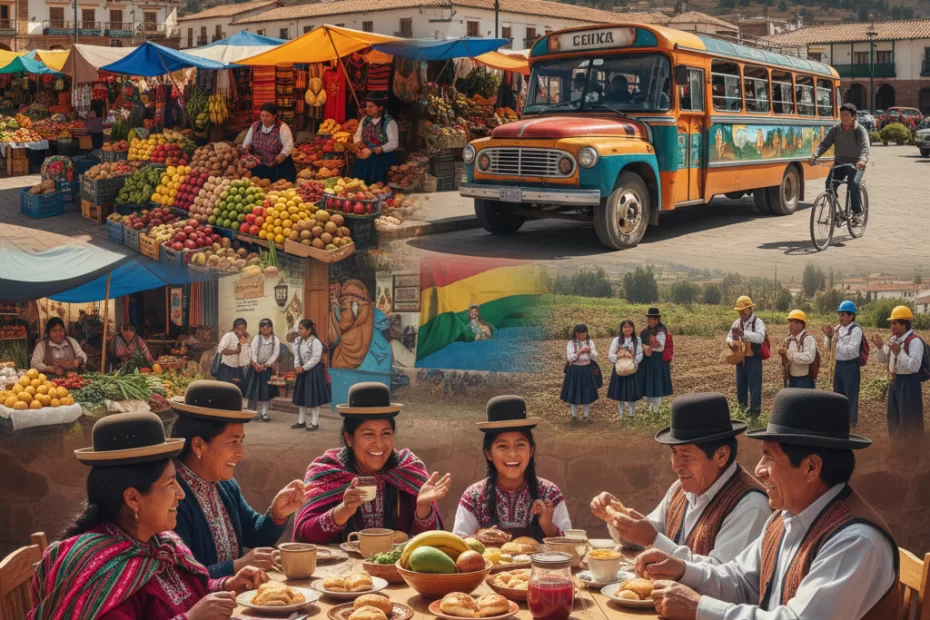
Daily Life in Bolivia: A Comprehensive Guide
Bolivia, a landlocked nation nestled in the heart of South America, offers a tapestry of vibrant cultures, breathtaking landscapes, and a distinctive way of life. For anyone considering a visit, an extended stay, or even expat life in Bolivia, understanding the rhythms of daily existence here is key to a fulfilling experience. From the bustling markets of La Paz to the serene pace of rural villages, daily life in Bolivia presents a fascinating blend of ancient traditions and modern influences. This guide aims to peel back the layers of Bolivian lifestyle, offering a glimpse into what everyday life is truly like for locals, helping you navigate and appreciate the unique charm of this Andean nation.
Understanding Bolivia’s Culture and Lifestyle
Bolivian culture is deeply rooted in its indigenous heritage, with the Quechua and Aymara peoples forming a significant part of the population. This rich cultural mosaic profoundly influences daily life, shaping everything from social interactions to religious festivals. Traditions are not just historical footnotes; they are living, breathing elements of the present, often observed with great pride and community spirit. For instance, the concept of Pachamama (Mother Earth) is central, guiding agricultural practices and ceremonial rites, particularly in rural areas where connections to the land are paramount.
In urban centers like La Paz, Santa Cruz, or Cochabamba, daily life in Bolivia often mirrors that of other developing cities, with a faster pace, a mix of modern amenities, and a growing middle class. Here, you’ll find people balancing traditional family values with professional aspirations. However, even in the cities, you’ll encounter vivid expressions of Bolivian customs and traditions. Women in traditional pollera skirts are a common sight, selling goods in markets or commuting alongside those in contemporary attire. Family life is a cornerstone of Bolivian society; multi-generational households are common, and communal support networks are strong. Social life often revolves around family gatherings, local community events, and religious celebrations.
Contrast this with rural Bolivia, where the pace slows considerably. Life is often dictated by agricultural cycles, and communities are tightly knit. Indigenous languages like Aymara and Quechua are widely spoken, and traditional dress is more prevalent. Daily routines might involve tending to crops, livestock, or participating in communal work projects known as ayni. The emphasis is on collective well-being and maintaining a harmonious relationship with nature. Understanding these distinct yet interconnected facets of Bolivian culture is essential for anyone seeking to truly grasp the essence of living in Bolivia.
Transportation in Bolivia: Navigating the Cities
Navigating the cities of Bolivia can be an adventure in itself. Bolivian transportation options are diverse, ranging from extensive public bus networks to private taxis and even cable cars in some high-altitude cities. While traffic can be chaotic, especially during peak hours, the system is generally efficient in getting people where they need to go. For daily life in La Paz, for instance, the sheer incline of the city means that transportation is more than just a convenience; it’s a necessity.
Public Transportation: Buses and Mini-Buses
The backbone of urban public transit in Bolivia is undoubtedly the micros (large buses) and mini-buses. These vehicles crisscross cities on established routes, often with a cobrador (fare collector) hanging out the door, shouting destinations. They are incredibly affordable, making them the primary mode of transport for most locals. To use them effectively, it’s helpful to know your destination or a major landmark nearby. You simply flag them down from the side of the road, and they’ll stop if they have space.
Fares are typically paid in cash upon boarding. While routes can seem daunting initially, locals are usually very helpful if you need directions. In cities like La Paz, the Teleférico (cable car system) has revolutionized daily commutes, offering stunning views and a remarkably efficient, safe, and often faster alternative to road transport, especially for traversing the city’s steep hills and connecting different neighborhoods. Understanding these systems is a vital part of Bolivia travel, allowing you to experience the city like a local.
Taxis and Rideshares
Taxis are plentiful in Bolivian cities and are generally affordable, though prices can vary based on distance, time of day, and negotiation skills. It’s common practice to negotiate the fare before getting into the taxi, as meters are rarely used. For added safety, look for official taxis, which are usually marked with specific colors, company names, or registration numbers. In some cities, particularly La Paz and Santa Cruz, radio taxis (called by phone) are a safer option as their vehicles are registered.
While rideshare apps are slowly gaining traction in larger cities, their presence isn’t as ubiquitous or regulated as in many Western countries. When using a taxi, especially at night, it’s a good safety practice to note the vehicle’s license plate number or even send it to a friend. Though most taxi drivers are honest, being aware and cautious is always advisable for your Bolivia safety. Always carry small denominations of local currency (Bolivianos) for fares, as drivers may not always have change for larger bills.
Shopping in Bolivia: Markets and Local Goods
Shopping in Bolivia is a vibrant experience that perfectly encapsulates the country’s rich cultural tapestry. It’s an essential part of daily life, whether you’re stocking up on groceries, searching for unique artisan crafts, or simply enjoying the lively atmosphere. The shopping experiences range from bustling traditional markets to increasingly modern supermarkets.
Local Markets: A Shopper’s Paradise
Local markets are the beating heart of Bolivian commerce and culture. They are where most Bolivians do their daily shopping, and for good reason. From the massive Mercado de las Brujas (Witches’ Market) in La Paz, famous for its traditional remedies and spiritual items, to the sprawling produce markets found in every town, these places offer an incredible array of goods. You’ll find fresh fruits and vegetables, meats, cheeses, grains, and an astounding variety of potatoes, often directly from local farms.
Beyond food, these Bolivia local markets are treasure troves of textiles, clothing, handicrafts, and household items. Bargaining is often expected, especially for non-food items, and it’s a fun way to interact with local vendors. It’s not just about commerce; it’s a social hub where people meet, gossip, and share news. The vibrant colors, the cacophony of sounds, and the enticing aromas make visiting a market an immersive sensory experience and a fundamental aspect of daily life in Bolivia. You’ll find unique souvenirs and witness Bolivian daily expenses firsthand as locals buy their staples.
Supermarkets and Modern Shopping Centers
While traditional markets dominate, supermarkets are becoming increasingly common, especially in larger urban centers. Here, you can find a wider selection of imported goods, packaged foods, and familiar brands. Supermarkets offer a more convenient and often air-conditioned shopping environment, catering to those who prefer a one-stop-shop experience. Prices in supermarkets tend to be higher than in local markets, particularly for fresh produce, but they offer the convenience of fixed prices and often better hygiene standards for certain products.
Modern shopping centers, complete with international brands, food courts, and cinemas, are also emerging in cities like Santa Cruz and La Paz. These centers cater to a growing urban middle class and offer a different kind of shopping experience, reflecting the evolving Bolivian lifestyle. However, for an authentic taste of daily life, particularly for fresh produce and unique local crafts, the traditional markets remain unparalleled and are a must-visit for anyone interested in Bolivia shopping.
Safety Tips for Living in Bolivia
Safety is a common concern for both travelers and those considering living in Bolivia. While Bolivia is generally a welcoming country, it’s wise to be aware of potential issues and take precautions, just as you would in any unfamiliar environment. Understanding Bolivia safety tips is crucial for a smooth experience.
Understanding Common Security Issues
The most common security issues in Bolivia are petty crimes, such as pickpocketing and bag snatching, particularly in crowded areas like markets, bus terminals, and tourist sites. These incidents are more prevalent in larger cities. Express kidnappings, where individuals are forced to withdraw money from ATMs, can also occur, though they are less frequent. There have also been reports of “fake taxi” scams where drivers collude with criminals.
Political protests and demonstrations are also a part of the social landscape. While usually peaceful, they can sometimes escalate and lead to road blockages or confrontations, which can disrupt travel and daily routines. Being aware of local news and avoiding large gatherings during times of political tension is advisable. Understanding these Bolivia safety concerns can help you prepare.
Safety Best Practices
To minimize risks, always be vigilant of your surroundings, especially in crowded places. Keep valuables out of sight and secure your bag tightly. Avoid walking alone at night, particularly in poorly lit or unfamiliar areas. When using taxis, opt for radio taxis or those from reputable stands, and avoid unmarked cabs. It’s also a good idea to travel in groups when possible.
Regarding money, only carry what you need for the day and keep larger sums and important documents securely stored. Be discreet when using ATMs. If you encounter a protest, it’s best to calmly leave the area. Learning some basic Spanish can also be a safety advantage, as it allows you to communicate more effectively and understand warnings. Always trust your instincts; if a situation feels unsafe, remove yourself from it. These practical tips are invaluable for anyone experiencing expat life in Bolivia or simply traveling through.
Cultural Integration: Embracing Bolivian Life
Embracing Bolivian life means more than just visiting; it means diving into the culture, understanding its nuances, and making an effort to connect with the local community. Cultural integration is a rewarding journey that enriches your experience and fosters deeper understanding.
Learning the Language: Spanish and Indigenous Languages
While Spanish is the official language and widely spoken, particularly in urban areas, Bolivia is also home to over 30 indigenous languages, with Quechua and Aymara being the most prevalent. Learning Spanish is perhaps the single most important step you can take towards effective cultural integration and enhancing your daily life in Bolivia. Even a basic grasp of phrases will open doors, improve interactions, and demonstrate respect for the local culture. Many locals appreciate the effort, and it can lead to more authentic experiences and stronger connections.
If you plan to spend time in rural areas, especially in the highlands, learning a few phrases in Quechua or Aymara can be incredibly beneficial. It shows a deeper commitment to understanding Bolivian people and their heritage. Language tips often include practicing with locals, watching Bolivian TV, and taking formal classes. Don’t be afraid to make mistakes; most Bolivians are patient and encouraging.
Social Etiquette and Customs
Bolivian society is generally polite and respectful, and understanding key social etiquette and Bolivia customs can go a long way. Greetings are important: a handshake is standard for men, while women often exchange a light kiss on the cheek (or air kiss) with both men and women. Using formal address (usted) is common, especially when first meeting someone or addressing elders, though tú is used among friends and family.
Family is central, so inquiring about family members is a common conversation starter. Punctuality is often more relaxed than in some Western cultures, particularly for social gatherings – it’s known as “Bolivian time.” However, for business or formal appointments, striving for punctuality is still recommended. When invited to someone’s home, it’s customary to bring a small gift, such as flowers, chocolates, or a bottle of wine. Always accept food or drink offered to you, even if you only take a small portion, as refusing can be seen as impolite. These Bolivia customs and traditions are woven into the fabric of daily life and understanding them will greatly enhance your social life and overall experience.
Food and Cuisine: A Taste of Bolivia
Bolivian cuisine is hearty, flavorful, and deeply comforting, reflecting the country’s diverse geography and indigenous roots. Food is a central part of daily life in Bolivia, often prepared with love and shared generously. Exploring Bolivian cuisine is an adventure in itself, offering a delicious insight into the local culture.
Traditional Bolivian Dishes to Try
When it comes to traditional Bolivian dishes, you’re in for a treat. One of the most iconic is Salteñas, a savory baked pastry filled with meat, vegetables, a slightly sweet and spicy sauce, and sometimes a hard-boiled egg or olive. They are a popular breakfast or mid-morning snack. For a more substantial meal, try Pique Macho, a generous platter of diced beef, sausages, fries, onions, locoto (a spicy pepper), and hard-boiled eggs, usually meant for sharing.
Another staple is Silpancho, originating from Cochabamba, consisting of a thin, breaded cut of beef or llama, served over rice and potatoes, topped with a fried egg. In the colder highlands, Api con Buñuelos (a warm, purple corn drink served with fried dough pastries) is a beloved breakfast. Sopa de Maní (peanut soup) is a unique and delicious creamy soup often found on lunch menus. You can find these authentic dishes in local restaurants (comedores or pensiónes), food stalls in markets, and sometimes even from street vendors. Don’t shy away from trying the street food, but always choose vendors with a high turnover and good hygiene.
Dining Etiquette in Bolivia
Dining etiquette in Bolivia is relatively relaxed, but there are a few customs to be aware of. Meals are often a communal affair, especially lunch, which is typically the largest meal of the day. It’s common to eat with a fork and knife, even for dishes that might seem casual. When eating with a group, it’s polite to wait for everyone to be served before starting to eat.
Sharing food is also common, particularly with Pique Macho or other large platters. When offered food, it’s polite to accept, even if you only take a small portion. Tipping is appreciated but not always expected in smaller, family-run establishments; in more formal restaurants, a 10% tip is customary. If you’re invited to a Bolivian home, remember to bring a small gift and compliment the host on the food. Enjoying a meal is a key part of Bolivia social life and a wonderful way to connect with the local culture.
Healthcare and Medical Facilities in Bolivia
Understanding the healthcare system is a practical concern for anyone living in Bolivia or planning an extended stay. While major cities offer a range of medical services, the quality and accessibility can vary significantly between urban and rural areas.
Accessing Healthcare Services
Bolivia has a public healthcare system, but services can be basic, and facilities in rural areas are often limited. For expats and many locals, private clinics and hospitals in larger cities like La Paz, Santa Cruz, and Cochabamba are the preferred choice, offering higher standards of care, better equipment, and often English-speaking staff. These private facilities typically require payment upfront, so having comprehensive travel insurance or international health insurance is highly recommended.
Pharmacies (farmacias) are abundant in cities and towns, and many medications that require a prescription in other countries can be purchased over the counter here. However, always verify the expiration dates and ensure you are getting genuine products. For serious medical emergencies, evacuation to a neighboring country with more advanced medical infrastructure might be necessary, underscoring the importance of good insurance coverage. For routine check-ups or minor ailments, local clinics are an accessible option, but for anything more serious, particularly for expat in Bolivia, private hospitals are generally the safer bet for Bolivia health services.
Frequently Asked Questions about Daily Life in Bolivia
For those contemplating a move or extended visit, common questions often revolve around the practicalities of daily life.
What is the cost of living in Bolivia?
The cost of living in Bolivia is generally lower than in many Western countries, making it an attractive option for budget-conscious travelers and expats. Rent, local food, and transportation are relatively inexpensive, especially outside of the most upscale neighborhoods in major cities. Your Bolivia daily expenses will largely depend on your lifestyle choices, but it’s possible to live comfortably on a modest budget, particularly if you embrace local markets and public transport.
Is it easy to find work in Bolivia?
Finding formal employment in Bolivia as an expat can be challenging due to visa restrictions and a competitive local job market. Opportunities often exist in international NGOs, teaching English, or in sectors requiring specialized skills not readily available locally. Many expats choose to work remotely, start their own businesses, or volunteer, rather than seeking traditional employment within the Bolivian economy.
Conclusion: Embracing Life in Bolivia
Daily life in Bolivia is an intricate dance between ancient traditions and modern aspirations, a constant interplay of breathtaking landscapes and vibrant human spirit. Whether you’re navigating the dizzying heights of La Paz, haggling for goods in a bustling market, or sharing a meal with a local family, every experience offers a deeper insight into this remarkable country. While there are challenges, from understanding the nuances of Bolivia customs to navigating transportation, the rewards of immersing yourself in Bolivian culture are immense. Embracing the unique rhythm of the Bolivian lifestyle, with its rich tapestry of sounds, sights, and flavors, promises an unforgettable adventure and a profound connection to a truly authentic South American experience.
PlayCityCasinoRTP is alright. It’s got a decent selection of games, and the RTP seems fair enough. I won a few bucks on one of the slots. Nothing crazy, but it was a fun time. Worth a look if you’re bored at playcitycasinortp.
galaxybet https://www.playgalaxybet.net