
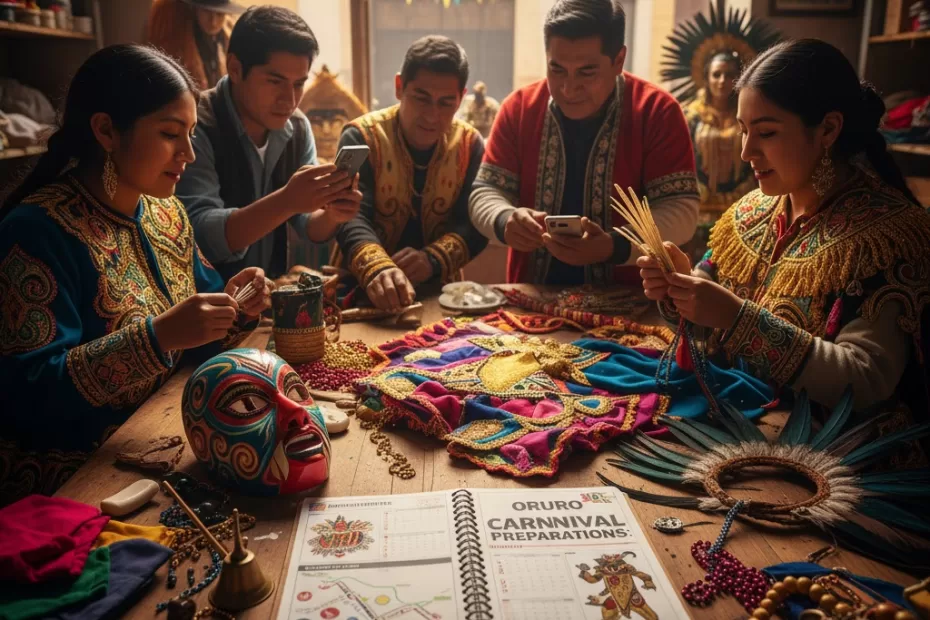
Essential Guide to Oruro Carnival Preparations
The Oruro Carnival, nestled high in the Andean mountains of Bolivia, isn’t just a festival; it’s a living, breathing tapestry woven from centuries of history, faith, and indigenous tradition. Recognized by UNESCO as a Masterpiece of the Oral and Intangible Heritage of Humanity, this pre-Lenten celebration is a spectacle unlike any other, drawing millions of eyes and thousands of participants each year. But what many don’t see is the immense dedication and meticulous planning that goes into bringing this vibrant event to life. The “Oruro Carnival preparations” are not a last-minute scramble but a year-round commitment, a testament to the profound cultural significance of Oruro and its people. From the intricate stitching of a dancer’s costume to the precise coordination of a marching band, every detail is a labor of love, designed to honor ancient deities, Catholic saints, and the spirit of community.
Introduction to Oruro Carnival
At its heart, the Oruro Carnival is a profound expression of devotion to the Virgen del Socavón (Virgin of the Mines), the patron saint of miners, intertwined seamlessly with ancient Andean beliefs honoring Pachamama (Mother Earth) and the Tío Supay (Uncle Devil), a protector of the underworld and mines. This unique syncretism creates a spiritual and artistic explosion that captivates all who witness it.
The carnival unfolds over several days leading up to Ash Wednesday, culminating in a grand procession known as the Entrada. This isn’t just a parade; it’s a pilgrimage, a dramatic retelling of the battle between good and evil, expressed through over 50 distinct dance groups Oruro, each performing their traditional choreographies. The air vibrates with the sound of festive music, the streets shimmer with elaborate carnival costumes, and the energy of the crowd is palpable.
The history of Oruro Carnival stretches back centuries, evolving from indigenous harvest festivals and rituals dedicated to the Pachamama, the Tío, and Wari (an ancient Andean deity). With the arrival of the Spanish and the introduction of Catholicism, these traditions merged with Christian festivities, particularly those celebrating the Virgin Mary. The city of Oruro, a historic mining hub, became the perfect crucible for this cultural fusion. The carnival’s narrative, particularly the iconic Diablada (Devil Dance), vividly portrays this blend, with the Archangel Michael ultimately vanquishing the seven deadly sins represented by the devils. This rich narrative and the sheer scale of the event make it one of the most significant Bolivian cultural events. It’s more than just a festival; it’s a vibrant affirmation of identity, a deep connection to the land, and a powerful demonstration of collective faith and artistry.
Key Preparations for the Oruro Carnival
To truly grasp the magnitude of the Oruro Carnival, one must understand that its spectacular display is the result of months, sometimes even a full year, of relentless dedication. The moment one carnival ends, the seeds for the next are already being sown. This intensive period of festival preparations involves thousands of people – dancers, musicians, artisans, and community organizers – all working in concert to ensure every aspect of the grand event is flawless. The commitment is extraordinary, reflecting the deep personal and collective pride in upholding these cherished Bolivian traditions. From the initial conceptualization of new costume designs to the rigorous dance practices and the meticulous tuning of instruments, the carnival preparation steps are a complex symphony of creative and logistical efforts.
Costume Design and Creation
The Oruro costumes are arguably the most visually striking element of the carnival, transforming participants into mythical beings, historical figures, and vibrant representations of Andean cosmology. The process of designing and making these elaborate ensembles is an art form in itself, often passed down through generations of specialized artisans and tailors.
Conceptualization and Design: Each of the numerous dance groups (known as fraternidades or conjuntos) develops its own unique costume designs annually, or at least makes significant modifications. Inspiration is drawn from a myriad of sources: ancient myths, pre-Columbian iconography, colonial history, indigenous legends, and even contemporary social commentary. For instance, the Diablada costumes are renowned for their fearsome masks and intricate demonic figures, while the Morenada costumes, with their wide skirts and heavy masks, often symbolize the African slaves brought to the mines during the colonial era. The Caporales costumes, on the other hand, are characterized by their elaborate boots, hats, and whips, reflecting the overseers of the mines.
Materials and Craftsmanship: The materials used are as rich and varied as the designs themselves. Luxurious fabrics like velvet, satin, and silk form the base, but it’s the embellishments that truly elevate them. Thousands upon thousands of sequins, beads, metallic threads, mirrors, and precious stones are hand-sewn onto each garment. Feathers, often from ostriches or peacocks, adorn towering headpieces and capes, adding drama and movement. The weight of these costumes can be considerable, especially for dances like the Morenada, where dancers carry heavy metallic matracas (rattles) and wear layers of ornate fabric.
The masks, known as caretas, are central to many costumes and are masterpieces of craftsmanship. Made from plaster, fiberglass, or papier-mâché, they are meticulously sculpted, painted, and adorned with glass eyes, horns, fangs, and sometimes even lights. Each mask is a character in itself, embodying the spirit of the dance. For example, the Diablada masks are designed to be both terrifying and awe-inspiring, featuring serpents, toads, and other creatures symbolizing the underworld. The Morenada masks often depict exaggerated African features, a nod to their historical roots.
The Artisans: Behind every breathtaking costume is a network of highly skilled artisans. Embroiderers dedicate countless hours to intricate patterns, mask makers sculpt and paint with precision, and tailors meticulously cut and assemble the various components. Many of these skills are family traditions, passed down from parents to children, ensuring the continuity of this unique heritage. The creation of a single complex costume can take weeks or even months, requiring immense patience and artistic vision. These Oruro costumes are not merely clothing; they are wearable art, embodying the spirit and history of the carnival.
Choreography and Dance Practices
Dance is the very soul of the Oruro Carnival, a dynamic narrative told through movement, rhythm, and expression. With over 50 distinct fraternities participating, each specializing in a particular dance, the preparation of choreography and rigorous practice sessions are paramount. These cultural dances are not just performances; they are acts of devotion and a powerful connection to ancestral roots.
The Importance of Dance: Every step, every twirl, every gesture in the Oruro Carnival has meaning. Dances like the Diablada, Morenada, Caporales, Tobas, Tinkus, Suri Sicuris, and Kallawaya each tell a unique story, often imbued with historical, mythological, or social significance. The Diablada, for instance, enacts the struggle between good and evil, with the devils eventually submitting to the Archangel Michael. The Morenada satirizes the hardships of African slaves in the mines, while the Tinku re-enacts ancient ritualistic combat from the Potosí region. These dances are a living archive of Bolivian traditions.
Preparation Schedule: The intensive training for the main Entrada typically begins months in advance, often as early as Easter, just a few weeks after the previous carnival has concluded. This long lead time is essential given the complexity of the choreographies and the sheer number of dancers involved in each group, sometimes numbering in the hundreds.
Rigorous Rehearsals: Practices are held frequently, often several times a week, and become almost nightly as the carnival dates approach. These rehearsals take place in local halls, gymnasiums, or even open public spaces throughout Oruro. Dancers spend countless hours perfecting their steps, ensuring synchronization, and building the incredible stamina required for the grand procession. The Entrada route is over four kilometers long, winding through the high-altitude streets of Oruro (at 3,700 meters or 12,100 feet), and dancers perform continuously for 20 hours or more. This demands peak physical fitness and mental endurance.
Leadership and Community: Each dance group has dedicated choreographers and leaders who guide the practices, ensuring fidelity to traditional steps while sometimes incorporating subtle new interpretations. These practices are not just about perfecting a performance; they are vital community-building events. Dancers form strong bonds, share meals, and reinforce their collective identity, fostering a deep sense of belonging and shared purpose. The discipline, camaraderie, and passion evident in these preparations are a true reflection of the spirit of the Oruro Carnival. The commitment to mastering these complex cultural dances is a testament to the participants’ devotion to their heritage and their faith.
Music and Band Preparations
If dance is the soul of the Oruro Carnival, then music is its pulsating heart. The air during the carnival is thick with the powerful, resonating sounds of hundreds of brass bands, each accompanying a specific dance group. This festive music is not merely background noise; it is an integral part of the performance, dictating the rhythm, mood, and energy of the dancers. The preparation of these bands is an arduous, year-long commitment, demanding immense skill, coordination, and endurance.
The Sound of Oruro: The distinctive sound of Oruro Carnival music is dominated by brass instruments. Each fraternidad has its own dedicated banda de músicos, often comprising 50 to 100 or even more members. The instrumentation typically includes trumpets, trombones, tubas, saxophones (alto, tenor, baritone), clarinets, and a robust percussion section featuring bass drums, snare drums, and cymbals. The collective sound is overwhelming and exhilarating, designed to carry across the vast crowds and energize both dancers and spectators.
Repertoire and Arrangements: Musicians spend months perfecting their repertoire, which includes traditional carnival tunes, specific melodies tailored to each dance style (e.g., the distinct rhythms of the Diablada or Morenada), and often original compositions or arrangements created specifically for their group. These pieces are complex, requiring precise timing, dynamic control, and the ability to maintain a powerful sound for extended periods. The Oruro music is instantly recognizable and infectious.
Intensive Rehearsals: Like the dancers, the musicians begin their intensive rehearsals months in advance. These practices are crucial for achieving the tight synchronization and powerful projection necessary for the carnival. They focus not only on musical precision but also on the stamina required to march and play for hours on end, often at high altitude. Imagine playing a tuba or a bass drum for 20 hours straight, all while navigating crowded streets! This demands incredible physical and respiratory fitness, especially in Oruro’s thin air.
Instrument Selection and Maintenance: Given the demanding nature of the performance, the selection and maintenance of instruments are also critical. Instruments must be durable and capable of producing a consistent, high-quality sound throughout the long procession. Many bands invest heavily in their instruments, and meticulous care is taken to ensure they are in perfect working order. The dedication of these musicians to their craft and to the carnival is profound. They are not just performers; they are storytellers, using their instruments to weave the sonic tapestry that defines the Oruro Carnival experience. Their tireless preparation ensures that the festive music forms the vibrant backbone of this extraordinary celebration.
Cultural Traditions and Rituals
Beyond the dazzling costumes, intricate choreography, and pulsating music, the Oruro Carnival is deeply steeped in cultural traditions and rituals that connect participants to their spiritual heritage. These practices are not mere folklore; they are living expressions of faith, reverence, and gratitude, underpinning the entire carnival experience. The syncretic nature of Bolivian traditions is particularly evident here, where Catholic devotion to the Virgen del Socavón seamlessly blends with ancient indigenous Andean beliefs in Pachamama (Mother Earth) and the Tío Supay (Uncle Devil), the benevolent lord of the mines.
Pre-Carnival Rituals: The Convites and Veladas: The official carnival period is preceded by a series of important rituals that build anticipation and spiritual readiness. The convites (“invitations”) are preliminary parades and practice sessions held months before the main event. These are like mini-carnivals, where dance groups perform parts of their choreographies in their full (or nearly full) costumes, giving a taste of the spectacle to come. They serve as public rehearsals, spiritual offerings, and opportunities for the community to witness the progress of the groups.
Perhaps even more significant are the veladas (vigils). Held by each dance group in the weeks leading up to the carnival, these are solemn, private ceremonies of spiritual devotion. Dancers and musicians gather, often at night, in their practice halls or at the foot of the Santuario del Socavón (Sanctuary of the Mineshaft), where the image of the Virgin resides. Here, they make offerings to both the Virgen del Socavón and Pachamama, seeking protection, blessings, and a successful performance. These offerings typically include candles, prayers, coca leaves, alcohol (often chicha or pure alcohol), and sometimes small effigies. It’s a moment of deep reflection and communal spiritual bonding, reinforcing the sacred aspect of their participation.
The Ch’alla Ceremony: Another pervasive ritual is the ch’alla, a blessing ceremony that extends beyond the carnival to everyday Bolivian life. During carnival preparations and throughout the event, participants perform ch’allas for their costumes, instruments, vehicles, homes, and businesses. This involves sprinkling alcohol (often beer or singani), confetti, and sometimes small candies or flowers, accompanied by prayers and expressions of gratitude to Pachamama for abundance and protection. It’s a way of sanctifying objects and spaces, inviting good fortune and warding off misfortune.
Symbolism and Narrative: The entire carnival, particularly the Diablada, is a profound symbolic narrative. It recounts the legendary encounter between the Tío Supay (the traditional owner of the mines, often associated with the devil) and the Virgen del Socavón. The Diablada dance portrays a battle between the Archangel Michael and the seven deadly sins, personified by various devils. The culmination sees the devils, after their vigorous dance, entering the sanctuary to pay homage to the Virgin, symbolizing the triumph of good over evil and the integration of indigenous beliefs with Catholic doctrine. This battle, played out through elaborate Oruro Carnival traditions, is a powerful visual and spiritual experience.
Community Feasts and Offerings: Throughout the preparation period and during the carnival itself, communal feasts are common. Sharing traditional Bolivian foods like api (a hot purple corn drink), salteñas, and various stews strengthens social bonds and reinforces the sense of collective purpose. Offerings are also made to the earth and the deities, recognizing their role in providing sustenance and protection. These rituals are not just historical relics; they are vibrant, ongoing practices that infuse the Oruro Carnival with its unique spiritual depth and cultural richness, making it a profound journey of faith and tradition for all involved.
Travel and Accommodation Tips
Experiencing the Oruro Carnival firsthand is an unforgettable journey into the heart of Bolivian culture, but it requires careful planning. Given its immense popularity and status as a UNESCO heritage site, Oruro becomes a bustling hub during carnival week, making early arrangements absolutely essential for travelers.
When to Go: Oruro Carnival Dates: The carnival dates are tied to the Catholic liturgical calendar, occurring the weekend before Ash Wednesday. This means the dates vary each year, usually falling in late February or early March. It’s crucial to check the specific dates well in advance, as this will dictate all your booking logistics.
Getting There: Traveling to Oruro:
-
Flights: The most common entry point for international travelers is El Alto International Airport (LPB) in La Paz, Bolivia’s administrative capital. From there, you’ll need ground transportation to Oruro.
-
Bus: The most popular and practical way to get from La Paz to Oruro is by bus. The journey typically takes about 3 to 4 hours, depending on traffic and road conditions. There are numerous bus companies operating this route, offering varying levels of comfort. During carnival week, bus tickets, especially for the main days, sell out rapidly and prices can inflate significantly. Book your bus tickets several months in advance.
-
Train: While there are train services in Bolivia, they are less commonly used by tourists for this specific route. The bus remains the most convenient option.
Accommodation: Best Places to Stay in Oruro:
-
Book Early, Extremely Early: This cannot be stressed enough. Hotels in Oruro, particularly those in the city center or near the main procession route, are fully booked 6 to 12 months in advance. Prices skyrocket during carnival week.
-
Types of Accommodation: Oruro offers a range of options, from basic hostels to more comfortable hotels. Don’t expect luxury accommodations; focus on cleanliness, safety, and proximity to the carnival route.
-
Alternatives: If you can’t find anything suitable in Oruro, consider staying in La Paz and commuting by bus on the main carnival days. However, this means very early starts and late returns, and you’ll miss some of the immersive atmosphere of staying directly in Oruro. Cochabamba is another option, though further away.
-
Private Rentals: Websites like Airbnb may offer private room or apartment rentals, but these also get booked quickly and can be expensive. Always verify the legitimacy of the listing.
Logistics During Carnival:
-
Altitude Acclimatization: Oruro is at a high altitude (approximately 3,700 meters / 12,100 feet). If you’re coming from sea level, plan to spend a few days in La Paz (also high, but slightly lower than Oruro) to acclimatize before heading to Oruro. Drink plenty of water, avoid alcohol and heavy meals initially, and take it easy.
-
Grandstand Seats: To get a good view of the main procession without battling massive crowds, purchasing a seat in one of the grandstands (graderías) is highly recommended. These tickets are sold by official vendors in the weeks leading up to the carnival. Be wary of scalpers.
-
Street Closures & Navigation: Many streets in Oruro are closed for the carnival, so plan your movements around the city carefully. Walking is often the best way to get around, but distances can be long.
-
Safety: Like any large festival, pickpocketing can be an issue in crowded areas. Be vigilant, keep valuables secure, and avoid flashing expensive items. It’s also common for revelers to engage in water fights with balloons and spray foam, so be prepared to get wet!
-
Food and Drink: There will be countless street vendors selling traditional Bolivian foods and drinks. While tempting, be cautious about hygiene. Stick to freshly cooked items or established eateries. Stay hydrated, especially in the sun and at altitude.
-
Communication: A local SIM card can be helpful for navigation and communication.
-
Cash: While some places accept cards, cash is king, especially for street vendors and smaller purchases.
Preparing for festivals like Oruro Carnival involves more than just booking; it’s about understanding the unique challenges and embracing the vibrant chaos. With these travel tips, you’ll be better equipped to immerse yourself in the incredible Oruro events and experience the magic of this extraordinary celebration.
Photography and Documentation
The Oruro Carnival is a photographer’s dream, a kaleidoscope of color, movement, and emotion waiting to be captured. Its visual richness, from the intricate Oruro costumes to the expressive faces of the dancers and the sheer energy of the crowd, offers endless opportunities for stunning imagery. However, documenting this dynamic event effectively requires planning, respect, and a strategic approach. Oruro Carnival photography is about more than just snapping pictures; it’s about telling a story and conveying the profound cultural significance of the festival.
Essential Gear:
-
Camera Body: A DSLR or mirrorless camera with good low-light performance is ideal. The carnival runs from dawn till dusk and into the night, so a camera that handles high ISOs well will be invaluable.
-
Lenses: A versatile zoom lens (e.g., 24-70mm or 24-105mm) is excellent for general street scenes and capturing groups. A telephoto lens (e.g., 70-200mm) will allow you to isolate details, capture expressions, and shoot from a distance, especially from grandstands. A wide-angle lens (e.g., 16-35mm) can be great for capturing the scale of the procession and the vibrant street decorations.
-
Batteries and Memory Cards: Bring multiple spare batteries; long days of shooting and cold temperatures can drain them quickly. Pack several high-capacity memory cards.
-
Protection: Water fights are a huge part of the carnival (especially on the Sunday), so a rain cover for your camera is a must. Dust protection is also advisable. A sturdy camera strap for security is essential in crowded areas.
-
Avoid Tripods/Monopods: The crowds are too dense for tripods or monopods. Rely on your hands and good stabilization.
Best Spots and Timing:
-
Grandstands (Graderías): These elevated seats offer a clear, unobstructed view of the procession. While you might be further from the action, they provide excellent opportunities for wide shots and telephoto close-ups without the hassle of navigating crowds.
-
Street Level: For more intimate shots and to truly feel the energy, positioning yourself at street level is ideal. However, this requires arriving extremely early (hours before the procession starts) to secure a spot along the barriers. Be prepared for aggressive crowds and potential obstructions.
-
Pre-Carnival Events (Convites): These smaller, less crowded parades offer fantastic opportunities for photography. Dancers are often more relaxed, and you can get closer to capture details of their Oruro costumes and expressions without the intense pressure of the main Entrada.
-
Lighting: The golden hour (early morning and late afternoon) provides beautiful, soft light that enhances colors and textures. Night photography can be challenging but rewarding, capturing the illuminated costumes and the magical atmosphere.
Subjects and Composition:
-
Oruro Costumes: Focus on the intricate details – the embroidery, sequins, feathers, and masks. Capture full-body shots to show the overall design, and close-ups to highlight the craftsmanship.
-
Dancers: Capture the energy and emotion of the cultural dances. Look for peak action moments, expressive faces, and synchronized movements. The carnival experiences are deeply personal for participants.
-
Musicians: The intensity and dedication of the brass bands are compelling subjects. Capture their concentration, the gleaming instruments, and the sheer power of their performance.
-
Crowds and Street Scenes: Don’t forget the spectators! Their reactions, the festive atmosphere, the street vendors, and the temporary decorations all contribute to the story.
-
Storytelling: Think about the narrative you want to convey. Is it the battle between good and evil? The devotion to the Virgin? The sheer joy of celebration? Plan your shots to tell that story.
Ethical Considerations and Best Practices:
-
Respect: Always be respectful of participants. While the carnival is a public event, asking permission before taking close-up portraits, especially of children or those in moments of deep devotion, is a good practice.
-
Don’t Obstruct: Never step into the path of the dancers or musicians. They are on a sacred pilgrimage, and disrupting their flow is highly disrespectful.
-
Be Aware: Stay alert to your surroundings. In dense crowds, it’s easy to get separated or have your gear bumped.
-
Embrace the Chaos: The carnival is a sensory overload. Don’t try to control every shot. Let some of the spontaneity and raw energy guide your lens.
By following these tips, you can effectively document the vibrancy and spiritual depth of the Oruro Carnival, creating a compelling visual record of this extraordinary Bolivian festival. Your Oruro Carnival photography will not only be a personal souvenir but also a contribution to sharing the wonder of Oruro culture with the world.
Conclusion and Final Thoughts
The Oruro Carnival is far more than just a party; it is a profound journey into the heart of Bolivian culture, a vibrant expression of faith, history, and collective identity. The “Oruro Carnival preparations” are a testament to the enduring spirit and unwavering dedication of thousands of individuals who pour their hearts and souls into bringing this UNESCO-recognized masterpiece to life year after year. From the painstaking creation of each elaborate costume, shimmering with sequins and steeped in symbolism, to the months of rigorous choreography that transform individual steps into a unified narrative, and the tireless rehearsals of brass bands that fill the Andean air with festive music – every element is a labor of love.
This grand spectacle, with its unique blend of indigenous Andean beliefs and Catholic devotion, serves as a powerful reminder of the rich tapestry of Bolivian traditions. It’s a living archive of cultural dances, an explosion of artistic craftsmanship, and a deep spiritual pilgrimage all rolled into one. The pre-carnival rituals, from the solemn veladas to the communal ch’allas, underscore the spiritual foundation upon which this entire event is built, reminding participants and spectators alike of its profound cultural significance.
For those with a passion for travel, cultural festivals, and authentic experiences, the Oruro Carnival offers an unparalleled adventure. It’s an opportunity to witness history in motion, to feel the pulse of a nation, and to be swept away by an energy that is both ancient and eternally new. While the journey requires careful planning, especially regarding Oruro Carnival dates, travel to Oruro, and securing accommodation, the rewards are immeasurable. Whether you’re a seasoned photographer aiming to capture its visual splendor or simply a curious traveler eager to immerse yourself in its vibrant atmosphere, the carnival experiences will leave an indelible mark.
In essence, the Oruro Carnival is a powerful affirmation of human creativity, resilience, and faith. It is a celebration that transcends mere entertainment, evolving into a transformative experience that connects participants and observers to a heritage that spans centuries. We encourage everyone to consider embarking on this extraordinary journey, to witness firsthand the culmination of months of Oruro Carnival preparations, and to become a part of this truly magnificent Bolivian festival.
Yo, just checked out dduu1. Site’s alright, pretty standard stuff. Nothing too crazy, but gets the job done, ya know? Perfect for a chill afternoon session.
The meticulous planning required for Oruro’s cultural syncretism is a masterclass in complex project management. It speaks to how deeply ingrained systems-whether ritualistic or technological-are to human community. It reminds me of the robust systems needed for modern engagement, like accessing premium gaming experiences via a platform such as legendlink ph download. Truly inspiring cultural engineering!
The dedication required for Oruro’s syncretic spectacle is a masterclass in complex, multi-stakeholder logistics. It highlights how profound cultural value requires flawless, year-round operational planning-a complexity mirrored in modern digital systems. It’s fascinating how meticulous coordination, whether for a festival or managing an account like through a phpgames login, is paramount to success.