
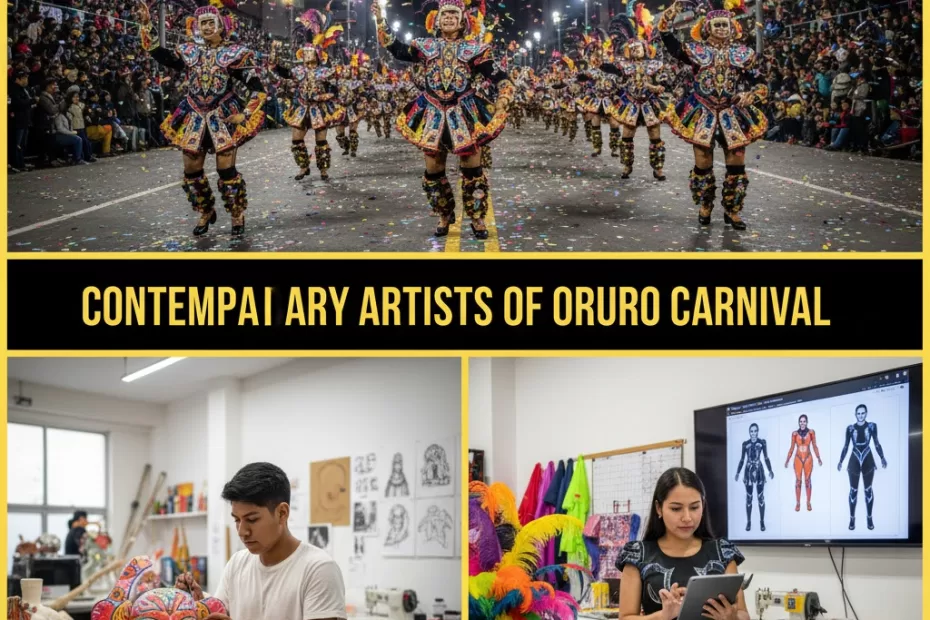
Contemporary Artists of Oruro Carnival
The Oruro Carnival, a vibrant tapestry woven from centuries of tradition, faith, and artistic expression, stands as one of Bolivia’s most spectacular cultural events. Recognized by UNESCO as a Masterpiece of the Oral and Intangible Heritage of Humanity, it’s far more than just a parade; it’s a profound manifestation of Bolivian culture, a living museum where ancient indigenous beliefs intertwine with colonial Catholic influences. While its historical roots are deeply cherished, the carnival is also a dynamic canvas for contemporary artists of Oruro Carnival, who are continually redefining its visual and performative identity. These local creatives bring fresh perspectives, innovative techniques, and modern narratives to an event steeped in rich history, ensuring its relevance and vitality for new generations. Through their artistic contributions, they not only preserve but also evolve the spirit of this extraordinary celebration, making it a powerful platform for artistic expression and cultural dialogue.
Introduction to Oruro Carnival
At the heart of the Bolivian Andes lies Oruro city, home to an annual spectacle that captivates the world: the Oruro Carnival. This grand festival, held annually before Ash Wednesday, is a dazzling display of faith, folklore, and artistic mastery. Its significance transcends mere entertainment, serving as a powerful testament to the resilience and richness of Bolivian culture. The carnival’s origins are deeply rooted in pre-Columbian traditions, particularly the Uru people’s devotion to Pachamama (Mother Earth) and the revered deity Supay (devil or lord of the underworld in indigenous mythology). When the Spanish conquistadors arrived, they introduced Catholicism, leading to a syncretic blend where indigenous deities were often merged with Catholic saints. This fusion is vividly embodied in the carnival’s central narrative: the triumph of good over evil, represented by the Archangel Michael’s victory over Lucifer and the Seven Deadly Sins.
The history of Oruro Carnival is a fascinating journey through centuries of cultural evolution. Initially, indigenous rituals involved dances and offerings to Pachamama and Tío Supay, often performed in secret to evade colonial suppression. Over time, these practices slowly integrated with Christian festivities, particularly those honoring the Virgin of Socavón, the patron saint of miners. The miners, a crucial part of Oruro’s identity, saw the Virgin as their protector, and their devotion became a cornerstone of the carnival celebrations. By the 18th century, the carnival began to take on a more organized structure, incorporating dramatic performances and dances that depicted the allegorical struggle between good and evil.
Today, the Oruro Carnival is a monumental event, drawing hundreds of thousands of spectators and participants from around the globe. It spans several days, culminating in a grand procession that lasts for more than 20 hours, featuring tens of thousands of dancers and musicians. The sheer scale and complexity of the costumes, masks, and musical arrangements are breathtaking. Each dance group, known as a “fraternidad,” represents a specific traditional dance, such as the iconic Diablada (Dance of the Devils), Morenada, Caporales, Tobas, and Kullawada, each with its own elaborate attire, choreography, and musical accompaniment. These dances are not just performances; they are living prayers, expressions of gratitude, and pleas for blessings, all imbued with deep cultural significance and historical resonance.
The carnival’s recognition by UNESCO in 2001 underscored its global importance as a repository of intangible cultural heritage. This designation highlights its role in preserving ancient traditions, promoting cultural diversity, and fostering a sense of community and identity among Bolivians. It’s a celebration of life, a vibrant affirmation of faith, and a spectacular showcase of the collective artistic heritage of a nation. The Oruro Carnival is not merely an annual event; it is a vital artery of Bolivian folklore, continuously pulsating with the energy of its people, its history, and its evolving artistic expressions.
The Role of Contemporary Artists
While the Oruro Carnival is deeply rooted in tradition, its enduring vibrancy owes much to the innovative spirit of contemporary artists of Oruro Carnival. These local artists Oruro are not content with merely replicating ancestral forms; they actively engage in a dialogue between the past and the present, pushing boundaries and introducing new artistic contributions that redefine the visual identity of the event. Their role is crucial in ensuring the carnival remains relevant and captivating in the 21st century, attracting a broader audience while honoring its core essence.
Contemporary artists contribute in myriad ways, from the intricate design and fabrication of masks and costumes to the creation of elaborate floats and the choreography of new dance interpretations. They infuse traditional iconography with modern aesthetics, experimenting with materials, techniques, and themes. For instance, while the iconic Diablada masks traditionally feature grotesque, horned faces, contemporary mask makers might incorporate elements of surrealism, abstract art, or even pop culture, creating pieces that are both recognizable and strikingly novel. This blend of traditional vs contemporary art is what keeps the carnival fresh and exciting.
Their work extends beyond mere ornamentation. Many contemporary artists use the carnival as a platform for social commentary, addressing issues pertinent to Bolivian society, such as environmental concerns, indigenous rights, or urban development. Through their artistic expressions, they transform the festive atmosphere into a space for reflection and dialogue, without detracting from its celebratory nature. This artistic innovation is a testament to the dynamic nature of Bolivian culture.
The mediums employed by Oruro Carnival artists are as diverse as their imaginations. Traditional artisans work with papier-mâché, plaster, and intricate textile work, but contemporary artists might integrate modern materials like fiberglass, resin, LED lighting, or even digital projections into their creations. The evolution of costume design, for example, sees traditional fabrics adorned with contemporary embellishments, reflecting global fashion trends while maintaining cultural authenticity. Similarly, the music that accompanies the dances, while rooted in traditional rhythms, often incorporates contemporary instrumentation and arrangements, showcasing the evolution of Bolivian music.
The impact of these contemporary artists is profound. They ensure the carnival is not a static historical reenactment but a living, breathing cultural phenomenon that continually adapts and evolves. They foster artistic collaborations within the community, encouraging younger generations to engage with their heritage through a modern lens. Their work helps to elevate the carnival beyond a regional festival, positioning it as a significant event in the broader landscape of Bolivia contemporary art and cultural festivals. By embracing new ideas and methodologies, these artists contribute significantly to the cultural significance of the Oruro Carnival, making it a powerful expression of identity and creativity on a global stage.
Notable Contemporary Artists
While specific names of contemporary artists participating in the Oruro Carnival are often localized and not widely publicized internationally, their collective impact is undeniable. These Oruro Carnival artists are often unsung heroes, working behind the scenes or within community groups to bring their visions to life. Their contributions are diverse, encompassing various artistic disciplines, and collectively redefine the aesthetics of the carnival.
One prominent category includes master mask makers (careteros). These artisans are the backbone of the Diablada and Morenada, crafting the elaborate and often fantastical masks that are central to these dances. Contemporary mask makers, building on generations of skill, experiment with new materials like lighter resins or more vibrant, durable paints, allowing for greater detail and expressive power. Artists like Jorge “El Duende” Condori (a hypothetical but representative example) might be known for pushing the boundaries of traditional Diablada masks, incorporating elements of fantasy and modern sculpture while preserving the iconic features. His masks might feature more dynamic expressions, intricate detailing, and innovative use of color gradients that catch the light differently during the parade, enhancing the performance art aspect.
Another vital group comprises costume designers and embroiderers. The costumes of the Oruro Carnival are incredibly intricate, often weighing several kilograms and adorned with sequins, beads, and metallic threads. Contemporary designers, such as Elena Quispe (another representative example), might specialize in blending traditional Andean textile patterns with contemporary fashion sensibilities. They might introduce new color palettes, innovative fabric choices that allow for greater movement, or even incorporate subtle narratives into the embroidery itself, telling stories of modern Oruro city life or environmental concerns. Their work transforms functional attire into wearable art, contributing significantly to the visual spectacle of the carnival celebrations.
Float designers and sculptors play a crucial role in creating the large, often allegorical, mobile stages that accompany certain dance groups. These artists face the challenge of creating grand, temporary installations that are both structurally sound and visually stunning. A contemporary artist like Ricardo Mamani (illustrative example) might be celebrated for his ability to translate complex mythical narratives or current social issues into monumental sculptures that move through the streets. He might utilize recycled materials, incorporate kinetic elements, or employ advanced lighting techniques to make his floats truly stand out, turning them into pieces of public, ephemeral art.
Furthermore, there are performance artists and choreographers who contribute to the contemporary dance aspects of the carnival. While traditional choreographies are sacrosanct, new interpretations and fusions emerge, particularly in groups that perform less historically rigid dances or in independent artistic presentations during the carnival period. These artists might explore new ways to tell ancient stories through movement, incorporating elements of contemporary dance or theatrical performance to deepen the narrative impact of the cultural diversity on display.
Finally, a growing number of visual artists, including painters and muralists, contribute to the carnival’s atmosphere through street art and temporary installations around Oruro city. They might paint murals depicting carnival themes, or create interactive art pieces that engage spectators directly, extending the artistic experience beyond the parade route. These artists often work in community art Oruro projects, involving local residents in the creation process, further embedding art into the fabric of the carnival experience.
Collectively, these Oruro Carnival artists, through their diverse skills and contemporary vision, ensure that the festival remains a living, breathing entity. They are the custodians of its artistic heritage and the architects of its future, constantly pushing the boundaries of artistic innovation within the framework of local traditions.
Artistic Styles and Techniques
The artistic styles and techniques employed by contemporary artists at the Oruro Carnival are a fascinating blend of inherited craftsmanship and modern ingenuity. This convergence allows for a rich tapestry of artistic expressions that both honor the past and boldly step into the future. The sheer variety reflects the cultural diversity inherent in Bolivian culture and the carnival itself.
One of the most visually striking aspects is the evolution of mask-making. Traditionally, masks were crafted from plaster, papier-mâché, or even leather, often painted with vibrant, primary colors. Contemporary mask makers continue to use these foundational techniques but also incorporate new approaches. They might employ advanced sculpting methods, utilize lightweight and durable materials like fiberglass or resin, and experiment with intricate detailing through airbrushing, metallic finishes, and even embedded LED lights for dramatic effect. This allows for more realistic textures, deeper color gradients, and complex forms that push the boundaries of the traditional grotesque or animalistic figures, creating pieces that are truly Bolivia contemporary art. The styles can range from hyper-realistic renditions of mythical creatures to more abstract or cubist interpretations of traditional characters, showcasing a wide spectrum of art styles Oruro.
Costume design has also seen significant innovation. While traditional costumes are heavily embroidered with symbolic motifs, contemporary designers are exploring new textiles, synthetic materials that offer greater flexibility and shine, and innovative embellishment techniques. They might incorporate elements of contemporary fashion design, blending traditional Andean patterns with modern silhouettes. Laser-cut fabrics, digital printing, and the use of unconventional accessories can be seen. The embroidery, a cornerstone of Bolivian folklore, remains central but might feature more nuanced color palettes or experimental thread work, creating a dazzling interplay of light and texture. The goal is often to create costumes that are not only visually stunning but also enhance the performance art aspect, allowing dancers greater freedom of movement while maintaining the grandeur.
Sculptural elements, particularly those found on floats and larger props, also demonstrate a fusion of styles. Artists might combine traditional woodworking or metalworking with modern fabrication techniques. The scale of these pieces often demands engineering expertise alongside artistic vision. Contemporary sculptors might lean towards monumental realism, abstract expressionism, or even kinetic art, where parts of the float move, adding another layer of visual dynamism to the carnival celebrations. The use of recycled materials is also gaining traction, reflecting a growing environmental consciousness among local artists Oruro.
Performance art and choreography are areas where contemporary artists truly shine in introducing new artistic expressions. While the core steps of dances like the Diablada or Morenada are preserved, choreographers might introduce subtle variations, more complex formations, or elements of contemporary dance to enhance the narrative and emotional impact. This could involve incorporating elements of street theatre, mime, or even modern dance techniques, allowing for a more nuanced storytelling through movement. The goal is to keep the dances engaging and fresh, appealing to both traditionalists and those seeking new experiences within the festivals in Bolivia.
Beyond the main parade, visual arts also play a role. Contemporary painters and muralists often adorn the streets of Oruro city with carnival-themed art installations leading up to and during the event. Their styles can range from vibrant street art and graffiti to more refined public sculptures or temporary gallery exhibitions. These artists often use bold colors, dynamic compositions, and symbolic imagery to capture the festive atmosphere and the essence of the carnival, contributing to the community art Oruro landscape.
The integration of digital art and technology is another emerging trend. While still nascent, some contemporary artists are exploring projections onto buildings, interactive light installations, or even augmented reality experiences that can be viewed through smartphones, adding a futuristic layer to the ancient traditions. This willingness to embrace new technologies while honoring artistic heritage speaks volumes about the innovative spirit of the contemporary artists of Oruro Carnival. This blend ensures the carnival remains a vibrant, evolving showcase of cultural identity.
Cultural Impact of the Carnival
The Oruro Carnival, augmented by the contributions of its contemporary artists, exerts a profound cultural impact on Bolivian society and resonates far beyond its borders. It serves as a powerful mirror reflecting the nation’s rich cultural diversity, a crucible where indigenous and colonial histories coalesce, and a dynamic stage for the ongoing evolution of Bolivian culture.
At its core, the carnival reinforces cultural identity. For Bolivians, particularly those from the Andean region, participating in or witnessing the carnival is a deeply personal and collective experience. It’s a reaffirmation of their heritage, a connection to their ancestors, and a celebration of life that transcends daily struggles. The intricate costumes, the powerful rhythms, and the allegorical narratives are not just entertainment; they are living symbols of who they are. Contemporary artists, by reinterpreting these symbols through a modern lens, help to make this identity relevant and accessible to younger generations, preventing it from becoming a static relic of the past. They ensure that Bolivian folklore remains a living, breathing entity.
The carnival also plays a significant role in social cohesion and community building. The preparation for the carnival is a year-round endeavor, involving countless hours of collective effort from dance groups, musicians, artisans, and community organizers. This intense period of artistic collaborations fosters strong bonds within the Oruro city community and among Bolivians living abroad who return for the event. Contemporary artists often lead or participate in community art Oruro projects, teaching traditional skills while introducing new techniques, thereby strengthening intergenerational ties and preserving artistic heritage. This collective endeavor instills a sense of pride and shared purpose, transforming individual artistic contributions into a unified cultural statement.
Economically, the Oruro Carnival is a major driver for the region. It generates substantial revenue through tourism, hospitality, and the sale of artistic goods. The demand for elaborate costumes, masks, and musical instruments supports thousands of local artisans and small businesses. Contemporary artists, by innovating and diversifying the aesthetic offerings, help to broaden the market for these goods, attracting new patrons and ensuring the economic viability of traditional crafts. This economic impact further solidifies the cultural significance of the carnival, allowing it to sustain itself and its artistic community.
Globally, the Oruro Carnival enhances Bolivia’s image as a nation rich in cultural heritage and artistic innovation. Its UNESCO recognition has elevated its status, drawing international attention and making it a prominent feature among cultural festivals worldwide. The unique blend of traditional vs contemporary art presented by Oruro Carnival artists showcases Bolivia’s capacity for creative adaptation and its dynamic cultural landscape. It challenges preconceived notions about traditional societies, demonstrating that heritage can be both preserved and progressively evolved. This global exposure fosters cross-cultural understanding and appreciation for the unique artistic expressions found in Bolivia.
Furthermore, the carnival acts as a platform for artistic innovation and dialogue. It encourages artists to experiment, to push boundaries, and to engage in critical reflection about their culture and society. The festive atmosphere provides a unique context for performance art, allowing for grand, ephemeral displays that might not be possible in conventional art spaces. This constant artistic innovation ensures that the carnival remains a vibrant and evolving cultural phenomenon, rather than a mere historical reenactment. It invites both participants and spectators to engage with complex narratives, celebrate diversity, and experience the power of collective artistic expression, making it one of the most compelling festivals in Bolivia. The contemporary artists of Oruro Carnival are, in essence, the custodians of its future, ensuring its continued relevance and profound impact on the cultural identity of Bolivia.
How to Experience the Carnival
Experiencing the Oruro Carnival is an unforgettable journey into the heart of Bolivian culture and a dazzling display of artistic heritage. To truly immerse yourself in this grand celebration, planning is key. The main events typically unfold over several days leading up to Ash Wednesday, with the pinnacle being the “Peregrinación al Socavón” (Pilgrimage to the Socavón) on the Saturday before Lent, followed by the “Día del Diablo y del Moreno” (Day of the Devil and the Moreno) on Sunday.
Dates and Timing: While the exact dates vary each year according to the liturgical calendar, the carnival always takes place in February or early March. It’s advisable to check the official Oruro Carnival events calendar well in advance, usually available online from Bolivian tourism sites or the Oruro municipal government. Arriving a few days before the main procession allows you to soak in the festive atmosphere, witness smaller parades, and experience the pre-carnival rituals.
Accommodation: Oruro city is not a large metropolis, and accommodation can be scarce and expensive during carnival season. Book hotels or guesthouses months in advance. Alternatively, many visitors choose to stay in nearby cities like Cochabamba or La Paz and travel to Oruro by bus or private transport for the main days, though this requires very early departures to beat traffic and secure a good viewing spot.
Viewing the Parade: The main procession is a marathon, lasting upwards of 20 hours. To secure a good vantage point, you’ll need to rent a seat in the grandstands (graderías) that line the parade route. These tickets go on sale weeks, sometimes months, beforehand and sell out quickly. Prices vary depending on the location and proximity to key performance areas. Be prepared for long hours in the sun, so bring hats, sunscreen, water, and snacks. Many locals bring their own food and drinks, turning it into a day-long picnic.
What to Expect:
-
Sensory Overload: Prepare for a vibrant assault on all your senses – loud music from brass bands, the rhythmic stomping of thousands of dancers, the dazzling colors of the costumes, and the distinct aroma of street food.
-
Crowds: The carnival attracts huge crowds. Be mindful of your belongings and stay aware of your surroundings.
-
Cultural Immersion: This is a deeply spiritual and cultural event. While it’s a celebration, it’s also a pilgrimage. Observe local traditions and show respect for the performers and their devotion.
-
Weather: Oruro is high in the Andes, so the weather can be unpredictable, ranging from scorching sun to sudden rain showers. Dress in layers.
-
Food and Drink: Sample local delicacies from street vendors, but choose reputable ones. Stay hydrated, especially given Oruro’s altitude.
Getting Around: During carnival days, much of Oruro city center is closed to vehicular traffic. Be prepared to walk extensively. Taxis are available but can be difficult to hail and more expensive.
Safety Tips:
-
Keep valuables secure and out of sight.
-
Be cautious of pickpockets in crowded areas.
-
Drink alcohol responsibly, if at all.
-
If you’re not used to high altitudes, take it easy the first day, drink plenty of water, and avoid overexertion.
Experiencing the Oruro Carnival is more than just watching a parade; it’s participating in a living cultural phenomenon. It’s an opportunity to witness firsthand the incredible artistic contributions of Oruro Carnival artists, feel the pulse of Bolivian traditions, and be part of a truly unique celebration of life.
Art Exhibitions and Installations
While the grand procession itself is the primary showcase for the contemporary artists of Oruro Carnival, their artistic expressions extend beyond the parade route. During the carnival period, and sometimes in the weeks leading up to it, Oruro city becomes a living gallery, hosting various art exhibitions and installations that highlight the depth and breadth of local artists Oruro. These events provide a more intimate setting to appreciate the intricate details and conceptual underpinnings of the art, often offering insights into the creative process.
Museums and Cultural Centers: The Museo Nacional Antropológico Eduardo López Rivas and other smaller cultural centers in Oruro often host special exhibitions during the carnival season. These might feature historical masks and costumes alongside contemporary interpretations, allowing visitors to trace the evolution of art styles Oruro. You might find displays showcasing the work of individual Oruro Carnival artists, complete with their biographies, sketches, and finished pieces, providing context to their artistic contributions. These exhibitions often delve into the symbolism and craftsmanship, offering a deeper understanding of the cultural significance of each element.
Temporary Galleries and Pop-Up Spaces: Local artists, collectives, and art schools frequently organize temporary galleries or pop-up exhibitions in various venues around Oruro city. These spaces might feature paintings, sculptures, photography, and mixed-media installations inspired by carnival themes, Bolivian folklore, and the broader Bolivian culture. These are excellent opportunities to see Bolivia contemporary art that draws directly from the carnival’s energy but exists outside the moving spectacle. Some installations might be interactive, inviting viewers to engage with the art, reflecting the community art Oruro spirit.
Street Art and Murals: Keep an eye out for vibrant street art and murals that often appear on walls and public spaces in Oruro during the carnival period. These large-scale artistic expressions often depict scenes from the Diablada, Morenada, or other traditional dances, sometimes with a contemporary twist. They contribute to the festive atmosphere and transform the urban landscape into an open-air gallery, showcasing the artistic expressions of the community. These murals are often a testament to artistic collaborations, bringing together multiple artists or even community members in their creation.
Workshops and Demonstrations: Some artists and cultural organizations offer workshops or live demonstrations of mask-making, costume embroidery, or traditional instrument crafting. These provide a unique opportunity to see the intricate techniques up close, interact with the artisans, and even try your hand at some of the crafts. Such events are invaluable for understanding the dedication and skill involved in creating the carnival’s visual splendor.
Performance Art Beyond the Parade: While the main parade is a massive performance art piece in itself, some contemporary artists might stage smaller, more conceptual performance art pieces in alternative venues or public squares. These could be experimental interpretations of traditional narratives or entirely new works that use the carnival’s energy as inspiration, further blurring the lines between traditional and contemporary art.
To find information on these art exhibitions and installations, consult local tourism offices, official carnival websites, or inquire at cultural centers upon your arrival in Oruro. Engaging with these artistic showcases provides a richer, more nuanced appreciation of the Oruro Carnival, revealing the intricate layers of creativity and cultural identity that define this extraordinary festival. It allows visitors to connect more deeply with the local artists Oruro and their profound impact on the celebration of life that is the Oruro Carnival.
Conclusion
The Oruro Carnival stands as a magnificent testament to Bolivia’s rich artistic heritage and enduring cultural identity. While deeply rooted in ancient traditions and Bolivian folklore, its dynamic spirit and continued global relevance are undeniably propelled by the innovative contributions of contemporary artists of Oruro Carnival. These local creatives are not merely preserving the past; they are actively shaping the future of this UNESCO-recognized masterpiece, ensuring its vibrancy and appeal for generations to come.
Through their imaginative reinterpretations of traditional masks, their intricate and evolving costume designs, and their bold artistic expressions in floats and performance art, these Oruro Carnival artists bridge the gap between the ancestral and the modern. They seamlessly blend traditional vs contemporary art, introducing new art styles Oruro and techniques that infuse fresh energy into the carnival celebrations. Their work transforms the event into a living canvas, where every mask, every costume, and every dance step tells a story that resonates with both historical depth and contemporary relevance.
The cultural significance of their contributions cannot be overstated. By engaging in artistic innovation and fostering community art Oruro, these artists strengthen the fabric of Bolivian society, reinforce cultural identity, and promote a deeper understanding of the nation’s diverse heritage. They turn the festive atmosphere into a powerful platform for dialogue, reflection, and a joyous celebration of life, attracting global attention to Bolivia contemporary art and its unique place among cultural festivals.
As the Oruro Carnival continues to dazzle and inspire, it is the vision and dedication of these contemporary artists that ensure its enduring legacy. They are the guardians of its artistic heritage, the architects of its evolution, and the vibrant pulse that keeps the heart of this extraordinary Bolivian tradition beating strongly, year after year. To experience the Oruro Carnival is to witness not just a historical reenactment, but a living, breathing, and continuously evolving masterpiece of human creativity and cultural spirit.
W88trangchu, anyone used this before? Any good? I’m always looking for something new, but I don’t want to just trust any site on the internet so be careful here. If you want to test out your luck here: w88trangchu
The evolution of Oruro’s art speaks to a universal principle: tradition requires contemporary engagement to thrive. This cultural dynamism mirrors how modern digital platforms must blend deep user loyalty with innovative digital experiences to remain relevant, much like the nunstar online casino adapts. A beautiful study in cultural resilience!
Hmm, this platform seems straightforward, which is good for a newbie like me. The focus on classic feel vs. modern tech makes sense. I’ll check out ph444 win login slot download next to compare mechanics.