
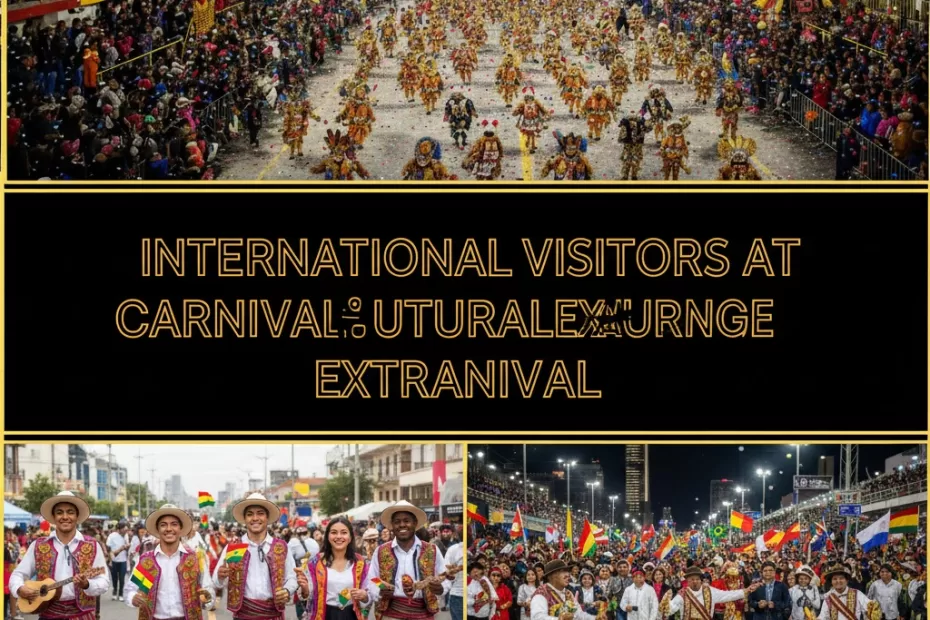
International Visitors at Oruro Carnival: A Cultural Journey
The air crackles with an energy unlike anywhere else on Earth. The vibrant streets of Oruro, Bolivia, burst into life each year, transforming into a kaleidoscope of color, sound, and ancient traditions. This is the Oruro Carnival, a spectacle so profound and culturally significant that UNESCO declared it a Masterpiece of the Oral and Intangible Heritage of Humanity. For countless international visitors, it’s not just a party; it’s an immersive journey into the heart of Bolivian culture, a celebration that transcends language barriers and connects people through rhythm and reverence.
Thousands of travelers from every corner of the globe converge on this Andean city, drawn by the allure of one of South America’s most authentic and dazzling cultural festivals. They come seeking not just entertainment, but a deeper understanding of indigenous beliefs, colonial influences, and the enduring spirit of a nation. From the intricate costumes to the powerful rhythms of the traditional dances, the Oruro Carnival offers an unparalleled cultural experience, cementing its place as a must-see event on the international tourism circuit.
Overview of the Oruro Carnival
The Oruro Carnival is far more than a simple street parade; it is a profound expression of faith, history, and community that culminates in a grand procession dedicated to the Virgen del Socavón (Virgin of the Mines). Nestled high in the Bolivian Andes, Oruro, Bolivia, becomes the epicenter of this extraordinary cultural festival, drawing not only locals but also a significant number of international visitors eager to witness its splendor.
At its core, the carnival is a syncretic blend of indigenous Andean religious beliefs and Catholic traditions, a testament to centuries of cultural evolution. Pre-Columbian rituals honoring Pachamama (Mother Earth) and the Uru god Supay (devil or lord of the underworld) gradually merged with the veneration of the Virgin Mary and Christian saints following the Spanish conquest. This fusion gives the Oruro Carnival its unique spiritual depth and dramatic flair, making it an exceptional example of cultural events in Bolivia.
The main event, known as the “Gran Peregrinación” or “Grand Pilgrimage,” sees tens of thousands of dancers and musicians perform elaborate choreographies along a four-kilometer route, culminating at the Sanctuary of the Virgen del Socavón. This isn’t just a performance; it’s a devotional act, a spiritual offering made with immense dedication and passion. The sheer scale and intricate detail of the costumes, the relentless energy of the dancers, and the infectious rhythms of the music create an atmosphere that is both intensely spiritual and wildly festive.
Recognized by UNESCO in 2001, the carnival’s status as a world heritage event underscores its global importance. This recognition has significantly boosted its profile, attracting more international visitors and placing Oruro firmly on the map for those seeking authentic cultural experiences. The carnival events span several days, including various smaller parades, block parties, and cultural presentations, all leading up to the main Saturday procession. For anyone interested in Bolivian traditions and the vibrant tapestry of human culture, the Oruro Carnival offers an unforgettable spectacle.
Historical Background and Cultural Significance
To truly appreciate the Oruro Carnival, one must delve into its rich historical background and understand its profound cultural significance. The roots of this spectacular event stretch back centuries, long before the Spanish arrived, to the indigenous Uru people and their deep spiritual connection to the Andean landscape. For the Uru, the mountains, lakes, and mines were living entities, home to powerful deities and spirits. Their rituals often involved offerings and dances to appease these forces, particularly Supay, the lord of the underworld, who was associated with the mineral-rich mines of Oruro.
With the arrival of the Spanish conquistadors in the 16th century and the subsequent evangelization efforts, these indigenous traditions did not disappear but rather transformed. Catholic missionaries sought to replace native deities with Christian saints, leading to a unique syncretism. Supay, the indigenous deity, was gradually identified with the Christian devil, while Pachamama became associated with the Virgin Mary, particularly the Virgen del Socavón, the patron saint of miners. The ancient Uru ritual dances, once performed for indigenous gods, began to be performed in honor of the Virgin, creating a fascinating blend of beliefs that is still evident today.
The most iconic dance of the carnival, the Diablada (Dance of the Devils), perfectly illustrates this historical fusion. Dancers, adorned in magnificent, terrifying devil masks and elaborate costumes, represent the struggle between good and evil. While seemingly a portrayal of Christian demons, the dance also carries echoes of indigenous beliefs, with the devils often seen as guardians of the underworld and the riches within the mines. The Diablada is a powerful narrative, recounting the legendary battle between the Archangel Michael and Lucifer, culminating in the devils’ submission to the Virgin.
Beyond the Diablada, numerous other traditional dances populate the carnival, each with its own history and significance. The Morenada, with its heavy, rhythmic steps and elaborate costumes, symbolizes the suffering of African slaves brought to the mines, while the Tobas dance evokes the Amazonian indigenous communities. The Kullawada, Caporales, Llamerada, and Waca Waca are just a few more examples, each contributing to the rich tapestry of Bolivian cultural heritage displayed during the Oruro Carnival events.
The carnival serves as a vital cultural touchstone for Bolivia. It is a living museum of its history, a vibrant celebration of its diverse indigenous and colonial influences, and a powerful reaffirmation of community identity. The elaborate costumes, often passed down through generations or meticulously crafted anew each year, are works of art, imbued with symbolism and history. The music, driven by brass bands and traditional instruments, creates an hypnotic soundscape that is uniquely Andean.
For Bolivians, especially those from Oruro, the carnival is a deeply personal and spiritual experience. Dancers often pledge years of participation as a form of devotion or to ask for blessings. This commitment highlights the carnival’s role not just as a spectacle, but as a profound act of faith and cultural preservation. Its UNESCO recognition further solidifies its status as a global treasure, ensuring that these ancient traditions continue to captivate and educate new generations, including a growing number of international visitors eager to witness this unique expression of Bolivian culture. The carnival’s enduring appeal lies in its ability to connect the past with the present, offering a window into the soul of a nation.
Demographics of International Visitors
The Oruro Carnival has steadily grown in international renown, transforming from a local and regional celebration into a global attraction. This surge in interest brings a fascinating mix of international visitors to Oruro, Bolivia, each year, contributing significantly to international tourism Bolivia. Understanding the demographics of these travelers provides insights into the carnival’s appeal and its impact.
While precise, real-time demographic data can be challenging to collect for such a dynamic event, observations and tourism reports indicate several trends regarding the types of international visitors who attend.
Geographic Origin:Visitors hail from all continents, but a significant portion originates from neighboring South American countries, particularly Argentina, Chile, Peru, and Brazil. These regional travelers are often drawn by geographical proximity, cultural ties, and word-of-mouth recommendations. Beyond South America, a substantial number of tourists arrive from Europe, with Spain, France, Germany, and the UK being prominent. North Americans, particularly from the United States and Canada, also form a significant segment, often combining the carnival with broader travel experiences Bolivia. Increasingly, visitors from Asia (especially Japan and South Korea) and Australia are making the long journey, reflecting the carnival’s growing global recognition, partly thanks to its UNESCO status.
Age Groups:The Oruro Carnival appeals across a broad spectrum of age groups, from young backpackers to retired cultural enthusiasts.
-
Young Adults (18-35): This group, often budget-conscious travelers, is attracted by the festival’s vibrant atmosphere, party aspect, and the opportunity for unique cultural immersion. They are typically independent travelers, seeking adventure and authentic experiences. Many combine the carnival with exploring other parts of Bolivia, like the Uyuni Salt Flats or Lake Titicaca.
-
Middle-Aged Adults (35-55): This demographic often comprises families or couples seeking a rich cultural experience. They may prioritize comfort and organized tours, valuing the educational and historical aspects of the carnival. They are often keen photographers and enjoy engaging with local traditions.
-
Seniors (55+): A growing number of older travelers, often with a deep interest in world cultures and history, attend the carnival. They typically prefer more comfortable accommodations and guided tours, appreciating the spectacle and the profound cultural significance of the event. Their motivation is often a desire to witness a truly unique world heritage event.
Motivations for Visiting:The motivations of international visitors are diverse:
-
Cultural Immersion: Many come specifically to experience Bolivian cultural heritage firsthand, to witness ancient traditions, and to understand the syncretic blend of indigenous and Catholic beliefs.
-
Adventure and Novelty: For others, it’s the thrill of attending a lesser-known but globally significant festival, venturing off the beaten path compared to more commercialized carnivals.
-
Photography and Documentation: The visual spectacle of the costumes, dances, and general festive atmosphere makes it a prime destination for photographers and videographers.
-
Spiritual Connection: Some visitors are drawn by the spiritual aspect of the pilgrimage, seeking a deeper understanding of faith and devotion.
-
Social Connection: The vibrant, inclusive atmosphere encourages interaction with locals and fellow travelers, fostering a sense of global community.
Travel Style:International visitors display various travel styles. Many opt for independent travel, arranging their own logistics, while a substantial number choose organized tours. Tour operators often provide packages that include accommodation, transportation, and prime viewing spots for the main parade, catering to those who prefer a more structured and hassle-free experience. The increasing number of international visitors has spurred growth in local tourism infrastructure, including hostels, hotels, and guesthouses, though booking in advance remains crucial.
The influx of international visitors at Oruro Carnival not only boosts the local economy but also helps to promote Bolivian culture on a global stage. Their presence underscores the carnival’s universal appeal as a powerful, beautiful, and deeply meaningful cultural festival.
Key Attractions and Events During the Carnival
The Oruro Carnival is a multi-day extravaganza, a series of Oruro Carnival events that build in intensity and excitement, culminating in the grand procession. For international visitors, understanding the schedule and key attractions is essential to fully immerse themselves in this incredible cultural experience. While the main Saturday parade is the undisputed highlight, the days leading up to and immediately following it offer a wealth of unique sights and sounds that contribute to the festive atmosphere.
The “Anata Andina” (Indigenous Carnival):Usually held on the Thursday before the main Saturday parade, the Anata Andina is a vibrant and deeply rooted indigenous festival. This event predates the main carnival’s Catholic influences and focuses on giving thanks to Pachamama for agricultural abundance. Here, indigenous communities from surrounding rural areas showcase their traditional dances, music, and costumes, often featuring instruments like the siku (panpipes) and charango. It’s a more rustic, earthy celebration, offering international visitors a glimpse into the pure indigenous Bolivian traditions that form the bedrock of the larger carnival. Watching the Anata is a powerful cultural experience, highlighting the diverse ethnic tapestry of Bolivia.
The “Convite” (Rehearsal Parade):Held the Sunday before the main carnival, the Convite is essentially a dress rehearsal for the grand procession. While not as long or intense as the main event, it’s a fantastic opportunity to see the various dance groups (fraternidades) in action, practicing their choreographies and showcasing their costumes. It’s often less crowded than the main parade, allowing for closer views and a more relaxed experience. Many international visitors choose to attend the Convite to get a taste of what’s to come and to practice their photography skills.
The “Gran Peregrinación” (Main Pilgrimage/Parade):This is the heart and soul of the Oruro Carnival and the primary magnet for international visitors. On the Saturday of carnival, tens of thousands of dancers and musicians embark on a four-kilometer route through the city, dancing for up to 20 hours straight. Each dance group performs its specific choreography, culminating in a devotional act at the Sanctuary of the Virgen del Socavón. The sheer scale is breathtaking:
-
The Dances: The Diablada (Dance of the Devils) is the most iconic, with its elaborate devil masks and dramatic portrayal of good versus evil. The Morenada, with its heavy, rhythmic steps, symbolizes the suffering of African slaves in the mines. Other prominent dances include the Caporales (energetic, Afro-Bolivian inspired), Tobas (Amazonian indigenous), Kullawada (weavers’ dance), Llamerada (llama herders’ dance), and numerous others, each with unique costumes, music, and stories. The diversity of Oruro festival attractions is truly astounding.
-
The Costumes: Prepare to be dazzled. The costumes are incredibly intricate, often hand-stitched and adorned with sequins, beads, and precious metals. The devil masks, in particular, are works of art, weighing several kilograms and featuring grotesque faces, horns, and serpents.
-
The Music: Live brass bands accompany each dance group, playing traditional Andean melodies with incredible energy and endurance. The sound is deafening, infectious, and utterly exhilarating, creating an unmatched festive atmosphere.
Sunday of Carnival:The Sunday following the main parade often features a more relaxed procession, sometimes called the “Corso del Domingo,” where groups perform again, often with less pressure and more revelry. It’s another chance to enjoy the dances and soak in the atmosphere. The city also hosts various block parties, street vendors, and musical performances.
Monday of Carnival (Day of the Devil and the China Supay):This day is dedicated to the traditional “farewell” to the devil. Many groups perform a final dance, often culminating in symbolic acts or small theatrical presentations related to the defeat of the devil by the Archangel Michael. It’s a poignant end to the formal carnival events, still vibrant but with a sense of conclusion.
Other Attractions:Beyond the parades, Oruro offers other attractions for international visitors:
-
Miner’s Museum (Museo del Socavón): Located near the sanctuary, this museum provides insight into Oruro’s mining history and the spiritual significance of the Virgin of the Mines.
-
Archaeological Museum (Museo Antropológico Eduardo López Rivas): Showcases pre-Columbian artifacts and indigenous cultures of the region.
-
Local Markets: Explore the bustling markets for local crafts, textiles, and traditional foods, offering a taste of daily Bolivian life.
Attending the Oruro Carnival is a sensory overload in the best possible way. The sights, sounds, and energy are unlike any other festival, making it an unforgettable highlight of any travel experiences Bolivia. Each of the Oruro Carnival events contributes to a holistic understanding of this profound cultural festival.
Experiences of International Visitors
The Oruro Carnival is a transformative experience for many international visitors, often exceeding expectations and leaving an indelible mark. Travelers from diverse backgrounds and with varying expectations arrive in Oruro, Bolivia, and depart with a shared sense of wonder and connection to Bolivian cultural heritage. While individual stories vary, common themes emerge in the Oruro Carnival testimonials and shared travel experiences Bolivia.
Many visitors speak of the initial sensory overload upon arrival. The altitude, the crowds, the constant thrum of brass bands, and the explosion of color can be overwhelming, yet exhilarating. “I’ve been to carnivals in Rio and Venice, but Oruro is something else entirely,” recounts Sarah, a traveler from Australia. “It’s less about commercial spectacle and more about raw devotion and tradition. The energy of the dancers is palpable, almost spiritual.” This sentiment is echoed by others who note the profound difference between Oruro and more commercialized festivals.
A significant aspect of the experience is the sheer physical and emotional endurance of the dancers. Watching them perform for hours on end, in heavy costumes, at high altitude, is often cited as awe-inspiring. “You see the sweat, the effort, the absolute dedication in their eyes,” says Kenji, a Japanese photographer. “It’s not just a show; it’s a pilgrimage. That level of commitment is truly moving.” This observation highlights the deep cultural significance embedded in the carnival.
For many international visitors, the opportunity to witness the Diablada up close is a highlight. The intricate, often terrifying devil masks, the dramatic capes, and the powerful choreography captivate audiences. “I remember a group of Diablos dancing right past our stand, their masks so detailed and fierce,” shares Maria from Spain. “It felt like stepping into an ancient myth, a real battle between good and evil unfolding before your eyes. It was a moment of pure magic.” The festive atmosphere, while joyous, is intertwined with this deep spiritual narrative.
The interaction with locals also plays a crucial role in shaping the travel experiences Bolivia. Despite the crowds, many visitors find Oruro residents to be welcoming and eager to share their culture. “We were invited to share chicha (a traditional corn beer) by a local family watching the parade,” recalls David, an American backpacker. “They were so proud of their carnival and happy to explain the meanings behind the dances. It really made us feel less like tourists and more like guests.” These impromptu connections often turn into cherished memories, offering a genuine glimpse into Bolivian traditions.
Beyond the main parade, the smaller Oruro Carnival events and the overall buzz of the city contribute to the unforgettable experience. Exploring local markets, trying traditional foods like anticuchos (skewered beef hearts) or salteñas (savory pastries), and simply wandering the decorated streets add layers to the cultural immersion. “The whole city comes alive,” says Lena from Germany. “Every corner has music, dancing, and people celebrating. It’s a party, but with so much history and meaning behind it.”
Some international visitors also reflect on the challenges – the altitude sickness, the crowded conditions, and the basic infrastructure compared to more developed tourist destinations. However, these challenges are often framed as part of the authentic adventure. “It’s not a luxury trip, but that’s precisely why it’s so rewarding,” notes Chloe from the UK. “You’re truly experiencing Bolivia, raw and real. It’s an adventure for the senses and the soul.”
Ultimately, the Oruro Carnival experiences are often described as profound, immersive, and deeply moving. It’s a chance to witness a living cultural heritage, to feel the pulse of a nation’s traditions, and to connect with a celebration that is both ancient and vibrantly alive. These testimonials underscore why increasing numbers of international visitors are making the journey to Oruro, seeking not just a spectacle, but a genuine cultural journey.
Travel Tips for International Visitors
Visiting the Oruro Carnival is an incredible adventure, but like any major cultural event in a high-altitude city, it requires careful planning to ensure a smooth and enjoyable experience. These travel tips Oruro Carnival are designed to help international visitors navigate the logistics and cultural nuances, allowing them to fully embrace the festive atmosphere.
1. Book Everything in Advance:This is perhaps the most critical piece of advice. Oruro is not a large city, and accommodation options are limited, especially during carnival. Hotels, hostels, and even guesthouses book up months in advance. Similarly, transportation (buses from La Paz or Cochabamba) becomes scarce and more expensive closer to the dates. If you plan to watch the main parade from a rented seat (gradería), these also sell out quickly. Secure your spot well ahead of time, ideally 3-6 months out.
2. Acclimatize to the Altitude:Oruro sits at an elevation of approximately 3,700 meters (12,140 feet) above sea level. Altitude sickness (soroche) is a real concern.
-
Arrive Early: Plan to arrive in Bolivia at least 2-3 days before heading to Oruro, preferably in a slightly lower altitude city like La Paz (3,640m) or Cochabamba (2,570m) to allow your body to adjust.
-
Stay Hydrated: Drink plenty of water (avoid alcohol and excessive caffeine initially).
-
Take it Easy: Avoid strenuous activity on your first day or two.
-
Coca Leaves: Chewing coca leaves or drinking coca tea is a traditional and effective remedy for altitude sickness. You’ll find it readily available.
-
Consult a Doctor: If you have pre-existing health conditions, consult your doctor before traveling to high altitudes.
3. Accommodation and Viewing:
-
Hotels/Hostels: While basic, some hotels offer carnival packages that include viewing seats. Research options thoroughly.
-
Graderías (Grandstands): These rented seats along the parade route are essential for a comfortable viewing experience. They range in price and comfort. Be wary of unofficial sellers; buy from reputable sources or through your accommodation/tour operator.
-
Street Viewing: It’s possible to watch from the street, but expect massive crowds, and you’ll need to arrive very early to secure a spot. Be prepared for long hours standing.
4. Transportation:
-
Buses: The most common way to reach Oruro is by bus from La Paz (3-4 hours) or Cochabamba (4-5 hours). Book round-trip tickets in advance.
-
Within Oruro: The city center is walkable, but taxis are available. Agree on the fare before getting in, as meters are rare. During carnival, many streets are blocked, so walking is often the best option.
5. Safety and Security:
-
Pickpockets: Crowded environments are a magnet for pickpockets. Keep valuables secure in a money belt or hidden pouch. Avoid flashing expensive cameras or jewelry.
-
Alcohol: While celebratory, excessive drinking can make you a target. Be mindful of your consumption.
-
“Water Fights”: On the Sunday and Monday, locals often engage in playful water fights using water balloons and spray cans. It’s generally good-natured, but if you want to stay dry, dress accordingly or avoid areas where this is common.
-
Emergency Contacts: Have local emergency numbers handy.
6. What to Pack:
-
Layers: Temperatures can vary wildly from hot sun during the day to cold nights.
-
Sun Protection: Sunscreen, hat, and sunglasses are crucial due to the high altitude and intense UV rays.
-
Comfortable Shoes: You’ll be doing a lot of walking and standing.
-
Rain Gear: Expect possible afternoon showers, even during carnival season.
-
Small Backpack: For water, snacks, and essentials.
-
Camera: Bring extra batteries and memory cards. Protect it from water if you’re out on water fight days.
7. Money:
-
Bolivian Bolivianos (BOB): Have small denominations for street vendors and taxis.
-
ATMs: Available in Oruro, but can run out of cash during peak carnival days. Withdraw enough in advance.
-
Credit Cards: Accepted in larger hotels and restaurants, but cash is king for most transactions.
8. Food and Drink:
-
Street Food: Delicious and affordable, but choose vendors with long lines and good hygiene.
-
Bottled Water: Stick to bottled or purified water.
-
Traditional Drinks: Try chicha (corn beer) or mocochinchi (dried peach drink), but be mindful of alcohol content in chicha.
These travel tips Oruro Carnival are part of a broader Bolivia travel guide for a reason; careful preparation enhances the experience significantly. By being prepared for the altitude, booking in advance, and staying aware of your surroundings, international visitors can fully immerse themselves in the magic of this unique cultural festival.
Cultural Etiquette at Oruro Carnival
Attending the Oruro Carnival is an incredible privilege, offering a deep dive into Bolivian cultural heritage. To ensure a respectful and rewarding experience for both international visitors and the local community, it’s important to be aware of and adhere to certain cultural norms and etiquette. Understanding these aspects of cultural etiquette Bolivia will help you navigate the festival respectfully and enhance your overall travel experiences Bolivia.
1. Respect the Sacred Aspect:While the carnival is undeniably a festive atmosphere, it is fundamentally a religious pilgrimage and an act of devotion to the Virgen del Socavón. Many dancers make a three-year vow to participate as a spiritual offering.
-
Observe, Don’t Obstruct: When watching the parade, especially near the Sanctuary, remember that dancers are engaged in a spiritual journey. Give them space and avoid obstructing their path or their view of the Virgin.
-
Silence at Sacred Moments: There are moments of quiet reverence, particularly as groups approach the Sanctuary. Be mindful of these and reduce your noise level.
-
Photography: While photography is generally encouraged, always be respectful. Ask for permission before taking close-up shots of individuals, especially children or older people. Avoid using flash directly in dancers’ faces, particularly during their devotional moments.
2. Dress Code (Generally Relaxed, But Mindful):There isn’t a strict dress code for spectators, but it’s wise to dress comfortably and modestly.
-
Practicality Over Flashiness: You’ll be walking and standing a lot. Comfortable shoes are essential. Layers are key due to fluctuating temperatures.
-
Respectful Attire: While it’s a party, it’s also a cultural event in Bolivia with deep religious roots. Avoid overly revealing clothing, especially if you plan to visit churches or more conservative areas.
-
Water Fights: Be aware that on Sunday and Monday, playful water fights with balloons and spray cans are common. If you don’t want to get soaked, dress in clothes you don’t mind getting wet, or seek refuge in a cafe.
3. Engaging with Locals:Bolivians are generally welcoming, and many are happy to share insights into their culture.
-
Learn Basic Phrases: Even a few words of Spanish (hello, thank you, please) can go a long way in showing respect and fostering positive interactions.
-
Be Polite and Patient: Crowds can be intense. Maintain a polite demeanor and be patient in queues or when navigating crowded streets.
-
Asking Questions: If you have questions about the dances or traditions, approach locals respectfully. Many will be delighted to explain.
4. Food and Drink Etiquette:
-
Sharing: It’s common for Bolivians to share food and drink, especially chicha. If offered, it’s polite to accept a small amount, even if you don’t finish it.
-
Hygiene: While street food is delicious, be mindful of hygiene. Choose vendors who appear clean and have a high turnover of customers.
-
Alcohol: Alcohol flows freely during carnival. While it’s part of the celebration, drink responsibly. Over-intoxication can make you vulnerable and disrespects the cultural significance of the event.
5. Support Local Artisans and Businesses:The carnival provides a significant economic boost to Oruro.
-
Purchase Locally: Consider buying souvenirs, crafts, and food from local vendors and artisans. This directly supports the community and helps preserve traditional crafts.
-
Fair Prices: While bargaining is common in markets, be fair and respectful. Remember that a small amount for you can be significant for a local vendor.
6. Environmental Responsibility:
-
Waste Disposal: The carnival generates a lot of waste. Use designated bins and avoid littering. Help keep Oruro clean.
-
Respect the Environment: Avoid damaging historical sites or natural areas.
By observing these guidelines, international visitors can ensure their Oruro Carnival experiences are not only thrilling but also culturally sensitive and mutually enriching. It’s about being an appreciative observer and participant in a truly extraordinary expression of Bolivian traditions and heritage. Embracing cultural etiquette Bolivia is key to a meaningful visit.
Future of the Oruro Carnival and International Tourism
The Oruro Carnival stands at a fascinating crossroads, poised between its ancient traditions and the ever-increasing demands of international tourism. Its designation as a UNESCO heritage event has undeniably elevated its global profile, attracting a growing number of international visitors and cementing its place as a premier cultural festival. However, this increased attention also brings challenges and opportunities that will shape the future of both the carnival and international tourism Bolivia.
Opportunities for Growth:
-
Increased International Visitors: The UNESCO status acts as a powerful magnet, drawing travelers seeking unique cultural experiences. This trend is likely to continue, bringing more diverse demographics to Oruro.
-
Economic Development: The influx of tourists provides a significant economic boost to Oruro and the surrounding region. It stimulates local businesses, from hotels and restaurants to craft vendors and tour operators, creating jobs and fostering local entrepreneurship. This is crucial for the sustainable development of the city.
-
Infrastructure Improvement: To accommodate the growing numbers of international visitors, there’s an ongoing impetus to improve infrastructure. This includes better roads, expanded accommodation options, enhanced public services, and more organized viewing facilities for the Oruro Carnival events.
-
Cultural Preservation and Promotion: Increased global interest often translates into greater efforts to preserve the carnival’s intricate traditions, costumes, music, and dances. International exposure also helps to promote Bolivian cultural heritage on a global stage, fostering understanding and appreciation.
-
Digital Outreach: The future will likely see more sophisticated digital marketing and virtual experiences, allowing people worldwide to engage with the carnival, potentially inspiring future visits.
Challenges and Sustainable Development:
-
Preserving Authenticity: The biggest challenge is balancing commercialization with the preservation of the carnival’s profound cultural and spiritual authenticity. As international tourism grows, there’s a risk that the event could become overly commodified, diluting its original meaning and purpose. Maintaining the deep devotional aspect for the Virgen del Socavón and the indigenous roots is paramount.
-
Overcrowding and Environmental Impact: More international visitors mean more crowds, which can strain local resources, increase waste, and potentially impact the delicate urban environment of Oruro. Sustainable tourism practices are essential to mitigate these effects.
-
Infrastructure Strain: While improvements are ongoing, Oruro’s infrastructure can still be overwhelmed during peak carnival days. Ensuring adequate clean water, sanitation, public safety, and medical services for both locals and tourists is a continuous challenge.
-
Economic Leakage: Ensuring that the economic benefits of international tourism genuinely benefit local communities, rather than primarily going to external corporations, is important. Supporting local businesses and fair trade practices helps achieve this.
-
Cultural Sensitivity: Educating international visitors on cultural etiquette Bolivia and the sacred nature of the carnival is vital to prevent disrespectful behavior and foster mutual understanding. Pre-arrival information and on-site guidance can play a key role.
-
Climate Change: As with many outdoor cultural events, the carnival could be impacted by changing weather patterns, requiring adaptation strategies.
Strategies for the Future:
-
Community Involvement: Empowering local communities in decision-making processes regarding carnival development and tourism management is crucial for sustainable growth.
-
Regulated Tourism: Implementing regulations for tour operators, ticket sales, and vendor practices can help manage crowds, ensure fair pricing, and maintain order.
-
Educational Initiatives: Developing programs that educate both locals and international visitors about the carnival’s history, significance, and traditions can deepen appreciation and foster responsible tourism.
-
Diversification of Tourism: Promoting other attractions in Oruro and the surrounding region can encourage longer stays and spread tourist impact beyond just the carnival days.
-
Technological Integration: Using technology for crowd management, virtual tours, and enhanced communication can improve the experience for all.
The future of the Oruro Carnival and its appeal to international tourists is bright, but it hinges on a delicate balance. By prioritizing sustainable development, respecting its deep cultural significance, and fostering a collaborative approach between local authorities, communities, and tourism stakeholders, the Oruro Carnival can continue to thrive as a vibrant testament to Bolivian cultural heritage for generations to come, offering unparalleled cultural experiences to a global audience.
Conclusion: Embracing the Oruro Carnival Experience
The Oruro Carnival is more than just a festival; it is a profound journey into the heart of Bolivian culture, a vibrant tapestry woven from ancient indigenous beliefs and colonial influences. For the thousands of international visitors who make the pilgrimage to this high-altitude city each year, it offers an unparalleled cultural experience that resonates long after the last dancer has passed. From the electrifying Diablada to the rhythmic Morenada, the Oruro Carnival events are a living, breathing testament to Bolivian traditions and the enduring power of human spirit and devotion.
International visitors arrive seeking spectacle and leave with a deeper understanding of history, faith, and community. They witness firsthand the dedication of the dancers, the intricate artistry of the costumes, and the infectious, festive atmosphere that permeates every corner of Oruro, Bolivia. These travel experiences Bolivia are often described as transformative, challenging perceptions and fostering a profound appreciation for the nation’s rich cultural heritage.
While navigating the carnival requires some preparation – from acclimatizing to the altitude to understanding cultural etiquette Bolivia – the rewards far outweigh any challenges. The opportunity to witness a UNESCO heritage event of such scale and spiritual depth is a rare privilege. It’s a chance to connect with a celebration that is both ancient and fiercely alive, a vibrant fusion of the sacred and the celebratory.
As the Oruro Carnival continues to grow in international renown, its future hinges on a delicate balance between welcoming more international visitors and preserving its authentic cultural significance. By embracing responsible tourism practices, respecting local customs, and engaging with the community, travelers can contribute to the sustainable future of this extraordinary cultural festival.
Ultimately, embracing the Oruro Carnival experience means opening oneself to a sensory explosion, a spiritual awakening, and an unforgettable immersion into the soul of Bolivia. It’s not just a trip; it’s a cultural journey that leaves an indelible mark, reminding us of the incredible diversity and enduring beauty of human traditions around the world.
JLJL99App, heard some buzz about this one. Apparently, the app has some cool features and exclusive games. Gonna give it a download and see what all the hype is about. Could be the next go-to app for my gaming sessions. You should try it too!: jljl99app
jlboss https://www.jlbossw.net
Interesting analysis! Speed is key in online gaming, and platforms like jili qq download apk seem to prioritize that with instant deposits & streamlined access. Focusing on efficiency could be a real differentiator!
Just stumbled here! The learner-centered vibe sounds cool, especially for beginners. Trying out the slot games mentioned, but checking out KKK PH club first seems smart. Need to figure out the best starting point!