
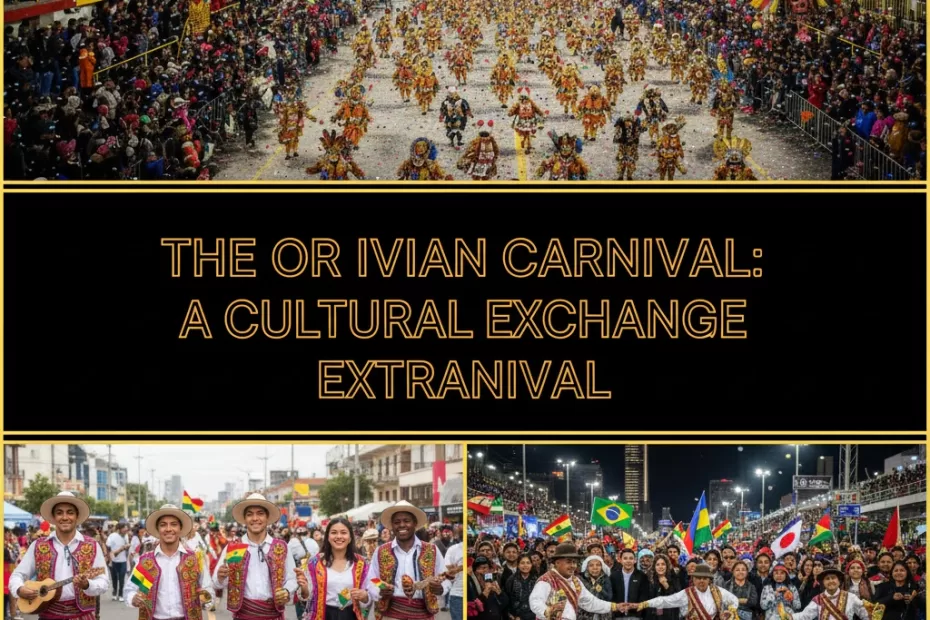
The Oruro Carnival: A Cultural Exchange Extravaganza
Deep in the heart of Bolivia, nestled high in the Andes, lies a city that, once a year, transforms into a vibrant kaleidoscope of sound, color, and movement. This is Oruro, and its famed Carnival is far more than just a party; it’s a profound demonstration of cultural resilience, spiritual devotion, and, increasingly, a magnificent stage for the Oruro Carnival cultural exchange. Recognized by UNESCO as a Masterpiece of the Oral and Intangible Heritage of Humanity, this epic celebration draws hundreds of thousands from across Bolivia and around the globe, all eager to witness its unparalleled spectacle and participate in a living tradition that bridges ancient indigenous beliefs with colonial Catholic influences.
What makes the Oruro Carnival truly unique in the pantheon of global festivals is its extraordinary capacity for international cultural exchange. Beyond the breathtaking traditional Bolivian dances, the intricate Oruro Carnival costumes, and the pulsating Oruro Carnival music, lies a dynamic interaction between local customs of Oruro and global participants. Foreign dance groups, researchers, artists, and tourists alike are not merely spectators; they are often active contributors, learning and interpreting the rich tapestry of Bolivian culture, fostering an international dialogue that enriches everyone involved. This article delves into the heart of this cultural phenomenon, exploring how Oruro Carnival serves as a vital platform for cultural diplomacy and understanding, showcasing the depth of its traditions while embracing a future shaped by global collaboration.
What is the Oruro Carnival?
The Oruro Carnival is Bolivia’s most significant cultural event, a pre-Lenten festival that culminates in a grand procession known as the “Entrada” (Entry). This isn’t just a parade; it’s a spiritual pilgrimage, a dramatic retelling of history, and an exuberant expression of faith and identity. Its roots stretch back centuries, intertwining indigenous Andean traditions with the Catholic rituals introduced by Spanish colonizers.
Historically, the Oruro region was a sacred site for the Uru people, who honored deities like Pachamama (Mother Earth) and Supay (Lord of the Underworld, often associated with the devil). With the arrival of the Spanish and the imposition of Christianity, these indigenous beliefs didn’t vanish but rather syncretized with Catholic practices. The figure of Supay, for instance, became intertwined with the Christian devil, and the veneration of Pachamama found its counterpart in the devotion to the Virgin Mary, specifically the Virgen del Socavón (Virgin of the Mineshaft), the patron saint of miners. The Carnival, therefore, became a powerful allegorical drama, where the “Diablada,” or Dance of the Devils, became the central narrative, depicting the eternal struggle between good and evil, culminating in the triumph of the Virgin.
The Oruro Carnival history is a testament to cultural resilience. Despite attempts to suppress indigenous practices, the Uru people ingeniously wove their ancient beliefs into the new religious framework, ensuring their traditions endured. Today, the Carnival is a week-long celebration, with the main procession spanning nearly 20 hours, featuring tens of thousands of dancers and musicians. It’s a key event among festivals in Bolivia and a prime example of UNESCO Oruro’s commitment to preserving intangible cultural heritage. This annual spectacle is a profound reflection of Bolivian culture, offering a window into the soul of a nation that celebrates its complex past with unparalleled passion. The Oruro events associated with the Carnival are not just entertainment; they are living manifestations of ancestral memory and communal identity, drawing visitors into a world where myth and reality dance hand in hand.
Cultural Significance of the Carnival
At its core, the Oruro Carnival is a profound declaration of cultural heritage and a cornerstone of Bolivian identity. It’s more than just a colourful spectacle; it’s a deeply spiritual and communal event that reinforces the bonds between people, their land, and their history. The Carnival serves as a vibrant repository of traditional Bolivian dances, music, and artistry, ensuring that these vital elements of local customs of Oruro are passed down through generations.
The narrative woven into the fabric of the Carnival is one of syncretism – the blending of different religious and cultural beliefs. The iconic Diablada dance, for example, is not merely a performance; it’s a ritualistic drama that portrays the ancient Uru belief in Supay, the protector of the mountains and minerals, now often depicted as the Christian devil. This figure, along with other mythical creatures and characters from Andean cosmology, pays homage to the Virgen del Socavón. This fusion highlights how indigenous traditions found a way to persist and flourish under colonial rule, adapting and integrating rather than disappearing. This intricate layering of beliefs gives the Carnival its unique spiritual depth and makes it a compelling example of cultural identity in action.
The Oruro Carnival significance extends to its role in preserving a wealth of artistic and musical expressions. The elaborate Oruro Carnival costumes, often weighing many pounds, are handcrafted by skilled artisans who dedicate months to their creation. These costumes are not just garments; they are intricate works of art, rich in symbolism and storytelling. Similarly, the Oruro Carnival music, performed by massive brass bands and traditional Andean instruments, carries the emotional weight of centuries, its rhythms echoing the heartbeat of the land and its people. This collective effort, involving thousands of dancers, musicians, artisans, and community organizers, fosters a powerful sense of Oruro community involvement, reinforcing social cohesion and pride.
For Bolivians, especially those from the Andean region, the Carnival is a source of immense pride and a powerful affirmation of their heritage. It’s a moment when the country’s diverse cultural tapestry is put on full display, celebrating both its indigenous roots and its mestizo identity. The Carnival acts as a cultural anchor, connecting contemporary Bolivians to their ancestors and to the enduring spirit of their land. It’s a living museum, a dynamic theatre, and a sacred space all rolled into one, making it an indispensable part of Bolivia cultural festivals and a truly unique cultural event on the global stage. Its designation as a UNESCO heritage site underscores its universal value, recognizing its role not just for Bolivia, but for humanity’s broader understanding of cultural resilience and artistic expression.
International Participation and Cultural Exchange
While deeply rooted in local traditions, the Oruro Carnival has evolved into a remarkable platform for international cultural exchange, drawing participants and admirers from every corner of the globe. This global interest transforms the festival from a purely local celebration into a dynamic hub of cultural diplomacy, where Bolivian culture is shared, learned, and reinterpreted by international audiences. It’s in this vibrant interaction that the Oruro Carnival cultural exchange truly shines, offering a unique experience for everyone involved.
The involvement of international participants takes many forms. Researchers and academics often travel to Oruro to study the complex syncretism, the socio-economic impact, and the intricate symbolism embedded within the carnival traditions. Documentarians and photographers capture its raw energy, sharing Bolivia’s rich heritage with a global audience. However, perhaps the most profound form of exchange comes from foreign dance groups and individual dancers who dedicate themselves to learning and performing the traditional Bolivian dances.
Imagine a dance troupe from Japan, after years of rigorous practice, performing the intricate steps and powerful movements of the Diablada alongside seasoned Bolivian dancers. Or a group from Europe meticulously recreating the elaborate Oruro Carnival costumes for their interpretation of the Morenada. These aren’t just isolated incidents; they represent a growing trend where international enthusiasts immerse themselves in Bolivian culture, learning directly from local maestros and incorporating these traditions into their own artistic expressions. This direct collaboration fosters a deep level of understanding that transcends language barriers. Workshops are often organized in the lead-up to the Carnival, where foreign participants can learn the specific choreography, the historical context, and the spiritual significance of each dance directly from Bolivian practitioners. This hands-on experience is invaluable, allowing for an authentic transfer of knowledge and a genuine appreciation for the artistry involved.
The impact on foreign participants is transformative. They gain more than just dance steps; they acquire a profound understanding of Bolivian history, its indigenous traditions, and the spiritual underpinnings of the Carnival. They learn about the struggles and triumphs of the Bolivian people, about the reverence for Pachamama, and the intricate blend of Catholic faith with Andean cosmology. This immersion often leads to a lifelong connection with Bolivia, turning visitors into cultural ambassadors who share their experiences back in their home countries, sparking further interest in Bolivia tourism and cultural events.
For the local Oruro community, this international interest is equally enriching. It provides a renewed sense of pride in their cultural heritage and offers new perspectives on their own traditions. Seeing their dances performed with passion and dedication by people from different backgrounds can be incredibly validating. It also fosters a sense of global community, demonstrating that their unique cultural expressions resonate far beyond the borders of Bolivia. This dynamic interplay showcases the power of international cultural exchange, turning the Oruro Carnival into a truly global celebration of shared humanity and artistic expression.
Furthermore, these collaborations contribute to the economic vitality of Oruro. International visitors contribute to the local economy through tourism, supporting local artisans, musicians, and service providers. This economic benefit, in turn, helps sustain the Carnival and its associated traditions. The Oruro Carnival cultural exchange thus becomes a virtuous cycle, where cultural appreciation leads to economic support, which in turn helps preserve and promote the very traditions that attracted the initial interest. It solidifies Oruro’s position as one of the premier festivals of the world, a must-see among Latin American festivals, and a beacon of cultural diplomacy.
Key Elements of the Carnival
To truly grasp the essence of the Oruro Carnival, one must delve into its core elements: the captivating traditional dances, the awe-inspiring costumes, and the infectious music. These components intertwine to create a sensory experience unlike any other, defining the Oruro Carnival experiences for both participants and spectators. The sheer scale and vibrancy of the Oruro festivities are testament to the deep passion and commitment of the Oruro community.
The main procession, known as the “Entrada,” is the heart of the Carnival. It’s a non-stop spectacle lasting for more than 20 hours, featuring over 50 dance groups and thousands of musicians. The air vibrates with the sound of brass bands, the rhythmic pounding of drums, and the joyful shouts of the crowd. Each group, known as a “comparsa,” performs a specific traditional dance, meticulously choreographed and rehearsed for months. As they move along the pilgrimage route, culminating at the Sanctuary of the Virgen del Socavón, they embody centuries of history, myth, and devotion.
The atmosphere is electric, charged with spiritual fervor and unbridled joy. The streets are lined with spectators, cheering on their favorite groups, while vendors sell traditional food and drinks, adding to the festive ambiance. The smells of incense, street food, and the unique Andean herbs mingle in the air, creating an immersive experience that engages all senses. It’s a powerful display of community, faith, and artistic expression, making it clear why the Oruro Carnival is considered one of the most significant cultural events in Latin America.
Traditional Dances and Their Meanings
The traditional Bolivian dances performed at the Oruro Carnival are not mere performances; they are living narratives, each telling a story rooted in history, mythology, and social commentary. These dances are central to the Oruro Carnival significance and are a primary vehicle for cultural expression.
-
The Diablada (Dance of the Devils): This is arguably the most iconic dance of the Oruro Carnival. It depicts the eternal struggle between good and evil, with the Archangel Michael leading a battle against a legion of devils, often accompanied by figures representing the seven deadly sins. The dance is deeply syncretic, merging indigenous beliefs about Supay (the Uru lord of the underworld, associated with mines) with Christian concepts of the devil and angels. The intricate choreography, powerful stomping, and dramatic masks make it a truly unforgettable spectacle. It’s a pilgrimage dance, performed as an act of devotion to the Virgen del Socavón.
-
Morenada (Dance of the Black Slaves): This solemn and majestic dance is a poignant tribute to the African slaves brought to Bolivia during the colonial era to work in the silver mines. The dancers wear heavy, elaborate costumes, often resembling Spanish galleons or depicting characters like the “King Morenos” or “Achachis” (old men). The distinctive slow, heavy steps are said to mimic the arduous walk of the chained slaves, burdened by their heavy loads and the altitude. The Oruro Carnival music accompanying the Morenada is characterized by deep, resonant brass instruments, evoking a sense of both suffering and enduring spirit.
-
Caporales: One of the most popular and energetic dances, especially among younger generations, the Caporales originated more recently, in the late 1960s. It represents the “Caporal” or overseer of the African slaves, often depicted as a figure of authority. The dance features high-energy jumps, acrobatic spins, and elaborate footwork. Caporales costumes are vibrant and flashy, often adorned with sequins, bells, and decorative boots, making it a visually stunning performance. It’s a dance that celebrates strength, agility, and a youthful exuberance.
-
Llamerada (Dance of the Llama Herders): This dance pays homage to the llama herders, who played a crucial role in Andean economy and culture. Dancers carry small llamas or staffs adorned with llama wool, mimicking the movements of herders guiding their flocks. It’s a graceful and rhythmic dance, celebrating the vital relationship between the Andean people and their animals.
-
Kallawaya: Representing the traditional healers and herbalists of the Andes, the Kallawaya dance is performed by men carrying small bags of medicinal herbs. These healers were revered for their knowledge of traditional medicine and their spiritual connection to the land. The dance is a celebration of health, wisdom, and the ancient healing practices of the region.
-
Tobas: An energetic dance that draws inspiration from the indigenous groups of the Bolivian lowlands and Amazon basin. Dancers wear elaborate feather headdresses and body paint, performing dynamic jumps and warrior-like movements, often accompanied by rhythmic chants. It reflects the rich cultural diversity of Bolivia beyond its Andean highlands.
-
Tinku: Meaning “encounter” or “meeting” in Quechua, Tinku is a traditional ritualistic combat dance from the Potosí region. While the actual ritual combat is not performed in the Carnival, the dance itself is a stylized representation, characterized by powerful, aggressive movements and intricate footwork, often with dancers wearing helmets or head coverings adorned with feathers.
-
Suri Sicuri: This dance features performers playing sicuris (panpipes) while wearing large, circular feather headdresses that resemble the sun. It’s a beautiful and mesmerizing dance, celebrating the sun and the importance of music in Andean culture.
These traditional Bolivian dances, each with its own rhythm, costume, and narrative, collectively tell the story of Bolivia, its people, and its profound connection to its land and spiritual beliefs. They are the beating heart of the Oruro Carnival.
Symbolism in Costumes and Masks
The Oruro Carnival costumes and masks are not mere adornments; they are intricate works of art, rich with symbolism, history, and spiritual meaning. Each stitch, bead, and feather tells a part of the story, making them central to the Carnival’s expressive power and cultural heritage. The artistry involved in their creation is a testament to the skill and dedication of local artisans, often passed down through generations.
-
Diablada Masks: These are perhaps the most iconic and terrifying of all Oruro Carnival masks. Crafted from plaster, papier-mâché, and often metal, they depict grotesque devil faces with bulging eyes, fangs, horns, and often serpents, toads, and lizards emerging from the head. These elements are symbolic. The serpents and toads represent Andean deities and mythological creatures, while the overall devilish appearance signifies Supay, the Lord of the Underworld, who guarded the mines. The elaborate details and vibrant colors serve to both frighten and fascinate, embodying the struggle between good and evil. The full Diablada costume includes a cape adorned with biblical or mythological scenes, embroidered with metallic threads and sequins, and tall, feathered boots.
-
Morenada Costumes: These are among the heaviest and most elaborate costumes, reflecting the arduous journey of African slaves. The “Moreno” dancer’s costume can weigh up to 50 pounds, with large, often spherical masks depicting African features, sometimes exaggerated. The most distinctive feature is the “matraca,” a large wooden rattle that produces a unique sound, mimicking the chains of the slaves. The costume often includes a wide skirt-like garment adorned with colonial-era imagery or scenes from the mines, and a large, plumed hat. The heavy boots and slow, deliberate steps symbolize the suffering and resilience of the enslaved.
-
Caporales Costumes: In stark contrast to the Diablada and Morenada, Caporales costumes are characterized by their vibrant colors, flashy embellishments, and dynamic flair. Dancers wear elaborate blouses or shirts, often with puffed sleeves, and trousers adorned with sequins, bells, and intricate embroidery. The boots are often tall and decorated with bells, adding to the rhythmic sound of the dance. Women wear short skirts, embroidered blouses, and often a small, decorative hat. The Caporales costumes reflect a more modern aesthetic, while still maintaining traditional elements of Bolivian culture.
-
Other Dances: The Llamerada costumes feature woven garments and staffs adorned with llama wool, reflecting their connection to animal husbandry. Tobas costumes are adorned with vibrant feathers, animal skins, and body paint, symbolizing their Amazonian origins. The Suri Sicuri dancers wear magnificent, large circular feather headdresses that symbolize the sun and the cosmos, while playing their panpipes.
The creation of these costumes is a significant part of the Oruro local culture and economy. Artisans spend months, even an entire year, meticulously crafting each piece, often using traditional techniques passed down through families. The quality and detail of the Oruro Carnival costumes are a source of immense pride, showcasing the incredible talent and dedication of the Oruro community. These costumes are not just worn; they are embodied, transforming the dancers into living symbols of Bolivia’s rich cultural tapestry and its enduring traditions.
Challenges and Future of the Carnival
Despite its global recognition as a UNESCO heritage site and its immense cultural significance, the Oruro Carnival faces a unique set of challenges as it navigates the complexities of the modern world. Balancing tradition with commercialization, ensuring authenticity, and addressing environmental concerns are critical for its sustainable future. These challenges, however, also present opportunities for growth and innovation, particularly in reinforcing the Oruro Carnival cultural exchange.
One of the primary challenges is commercialization. As the Carnival gains international popularity and attracts more tourists, there’s an increasing pressure to monetize every aspect of the event. While tourism brings economic benefits crucial for the Oruro community, it also risks diluting the spiritual and cultural essence of the Carnival. The traditional pilgrimage, a deeply personal and communal act of devotion, can sometimes be overshadowed by the demands of mass entertainment and souvenir sales. Ensuring that the Oruro Carnival significance remains rooted in its spiritual and historical context, rather than becoming solely a tourist attraction, is a delicate balancing act.
Authenticity and cultural preservation are closely related concerns. With growing global interest, there’s a potential for traditional Bolivian dances and Oruro Carnival costumes to be simplified or altered for broader appeal, or for external influences to overshadow indigenous traditions. The challenge lies in preserving the intricate details and profound meanings of each dance and costume while still allowing for natural evolution. This requires strong community involvement and educational initiatives to ensure that younger generations understand and value their cultural heritage. Workshops and schools dedicated to teaching traditional dances and costume-making are vital for safeguarding these practices.
Environmental impact is another pressing issue. An event of this scale generates significant waste, and managing it sustainably is crucial. From plastic bottles to discarded costume materials, the ecological footprint of the Carnival needs careful consideration. Implementing robust waste management systems, promoting eco-friendly practices among participants and visitors, and raising awareness about environmental responsibility are essential steps for the future.
Furthermore, funding and infrastructure remain ongoing challenges. Organizing an event of this magnitude requires substantial financial resources and robust urban infrastructure, including adequate accommodation, transportation, and public services. Securing consistent funding, both from government sources and international partnerships, is vital for maintaining the quality and safety of the Carnival.
Looking towards the future, the Oruro Carnival has immense potential to strengthen its role as a beacon of cultural diplomacy and international cultural exchange. Leveraging its UNESCO status, the Carnival can seek further international collaborations for preservation projects, academic research, and cultural exchange programs. For instance, partnerships with international universities or cultural institutions could facilitate deeper study of the Carnival’s history and symbolism, while providing resources for archival and conservation efforts.
The future of the Carnival also lies in embracing innovation while respecting tradition. This could include developing digital platforms to share the Oruro Carnival experiences with a wider global audience, offering virtual tours, or creating online educational resources about Bolivian culture. Such initiatives could not only boost Bolivia tourism but also foster a deeper understanding and appreciation for the Carnival beyond its physical boundaries.
By actively promoting the Oruro Carnival cultural exchange, encouraging responsible tourism, and empowering the Oruro community to lead preservation efforts, the Carnival can continue to thrive as a vibrant, authentic, and globally significant cultural event. The challenges are real, but with thoughtful planning and collective effort, the Oruro Carnival can continue its spectacular journey, inspiring awe and fostering cultural understanding for generations to come.
Planning Your Visit to the Oruro Carnival
Attending the Oruro Carnival is an unforgettable Oruro Carnival experience, a deep dive into Bolivian culture that will stay with you for a lifetime. However, planning a trip to this high-altitude city during its busiest time requires careful preparation. This Oruro Carnival travel guide provides practical tips to ensure your visit to one of the most magnificent festivals of the world is as smooth and enjoyable as possible.
When to Go: The Oruro Carnival is a pre-Lenten festival, meaning its dates vary each year but typically fall in February or early March. The main procession, the “Entrada,” usually takes place on the Saturday before Ash Wednesday. Festivities begin a week or two prior with smaller parades and events, but the main weekend is the absolute highlight. Check specific dates well in advance.
Accommodation: This is perhaps the most critical planning step. Oruro is not a large city, and accommodation options are limited, especially compared to the influx of hundreds of thousands of visitors. Book your hotel or hostel months in advance, ideally as soon as the Carnival dates are announced. Prices will be significantly higher during this period, and rooms will sell out quickly. Consider staying in nearby cities like Cochabamba or La Paz and taking early morning transport to Oruro, though this adds travel time and complexity.
Getting There:
-
From La Paz: Oruro is approximately a 3-4 hour bus ride from La Paz. Buses are frequent, but during Carnival, they will be crowded and may experience delays. Book your tickets in advance.
-
From Cochabamba: The journey from Cochabamba is also around 3-4 hours by bus.
-
By Air: Oruro has a small airport, but flights are limited and often connect through La Paz or Santa Cruz. Most visitors opt for bus travel.
-
Within Oruro: During the Carnival, many streets are closed to traffic. Be prepared to walk extensively. Taxis are available but will be in high demand and might charge inflated prices.
Tickets for the Main Procession: To get a good view of the “Entrada,” you’ll need to purchase grandstand seats (graderías). These seats line the entire 4-kilometer route and offer the best vantage point.
-
How to buy: Tickets are usually sold a few days before the main event, often from municipal offices or designated points in Oruro. Be prepared for long queues and potential scalpers. It’s advisable to try and purchase them through your hotel or a reputable tour operator if possible, though this may come at a premium.
-
Cost: Prices vary depending on the location and proximity to the main stages or the Sanctuary. Expect to pay anywhere from $50 to $200 USD for a good seat for the main day.
Altitude Sickness: Oruro sits at an elevation of approximately 3,700 meters (12,140 feet) above sea level. This is significantly high, and altitude sickness (soroche) is a real possibility.
-
Prevention: Arrive a day or two early to acclimatize. Drink plenty of water (avoid alcohol and excessive caffeine initially), eat light meals, and avoid strenuous activity on your first day. Coca tea or coca leaves (a traditional remedy) can help alleviate symptoms.
-
Symptoms: Headaches, nausea, dizziness, shortness of breath. If symptoms are severe, seek medical attention.
What to Bring:
-
Layers of clothing: Days can be warm, but evenings and early mornings are chilly.
-
Comfortable walking shoes: You’ll be doing a lot of walking and standing.
-
Sun protection: Hat, sunglasses, and high-SPF sunscreen. The sun at altitude is intense.
-
Rain gear: Afternoon showers are common during this time of year.
-
Small backpack: For water, snacks, and essentials.
-
Camera: To capture the incredible sights, but keep it secure.
-
Cash: ATMs are available but may run out of money or have long lines. Many vendors only accept cash.
Safety and Security:
-
Crowds: The Carnival attracts massive crowds. Be mindful of your belongings and surroundings.
-
Pickpockets: They are common in crowded areas. Keep valuables secure and out of sight.
-
Alcohol: While part of the festivities, excessive drinking can make you vulnerable. Drink responsibly.
-
Water fights: A common tradition during Carnival, especially on the days leading up to the main procession. Be prepared to get wet! Protect your electronics.
Respect Local Customs: Remember that the Oruro Carnival is a deeply spiritual event for the local community. Be respectful of religious sites, traditions, and local customs of Oruro. Ask permission before taking close-up photos of participants, especially children. Engage with the local culture with an open mind and heart.
By following these Oruro travel tips, you can ensure a safer, more enjoyable, and profoundly enriching Oruro Carnival experience, making your journey to this unique Bolivian cultural festival truly memorable.
Conclusion: Embracing Cultural Diversity
The Oruro Carnival stands as a magnificent testament to the enduring power of cultural heritage and the vibrant spirit of human expression. Far more than just a spectacular celebration, it is a living, breathing tapestry woven from ancient indigenous beliefs, colonial history, and contemporary artistry. At its heart, the Oruro Carnival cultural exchange offers an unparalleled opportunity for global understanding, transforming Oruro, Bolivia, into a dynamic crossroads where cultures meet, learn, and celebrate together.
From the thunderous drums of the Diablada to the intricate symbolism of the Oruro Carnival costumes, every element of this UNESCO recognized event speaks volumes about Bolivian identity and resilience. The dedication of local artisans, musicians, and dancers, coupled with the increasing involvement of international participants, highlights the Carnival’s role as a vital platform for cultural diplomacy. Foreign dance groups, in particular, serve as invaluable bridges, fostering a deeper appreciation for traditional Bolivian dances and forging connections that transcend geographical and linguistic boundaries. This international cultural exchange enriches not only the participants but also the global audience, demonstrating how shared cultural experiences can foster empathy and mutual respect.
While facing challenges such as commercialization and the need for sustainable practices, the Oruro Carnival continues to evolve, embracing its future with a commitment to preserving its authenticity while welcoming global engagement. It remains a powerful reminder of the importance of protecting and celebrating cultural diversity, showcasing how traditions can adapt and thrive in an ever-changing world.
For those seeking an immersive Oruro Carnival experience, a journey to this extraordinary festival offers more than just a spectacle; it offers a profound connection to a rich cultural legacy. It’s an invitation to witness the triumph of spirit, the beauty of tradition, and the universal language of music and dance. The Oruro Carnival is not merely an event to observe; it’s an experience to live, a vibrant declaration that in celebrating our differences, we discover our shared humanity.
Further Resources and Reading
To delve deeper into the fascinating world of the Oruro Carnival and its profound cultural significance, here are some recommended resources:
-
UNESCO Official Website: Explore the official UNESCO page for the “Carnival of Oruro” to learn more about its designation as a Masterpiece of the Oral and Intangible Heritage of Humanity, including detailed descriptions and cultural importance.
-
Search for: “UNESCO Carnival of Oruro”
-
-
Bolivian Ministry of Cultures and Tourism: This official governmental portal often provides up-to-date information on the Carnival, cultural events, and general Bolivia tourism guidance.
-
Search for: “Bolivia Ministry of Cultures and Tourism Oruro Carnival”
-
-
Academic and Anthropological Studies: Numerous academic papers and anthropological studies have been conducted on the Oruro Carnival, exploring its syncretic origins, socio-economic impact, and cultural evolution. University libraries or academic databases (like JSTOR, Google Scholar) can be excellent sources.
-
Search for: “Oruro Carnival anthropology” or “Bolivian cultural syncretism”
-
-
Documentaries and Videos: Online platforms like YouTube and Vimeo host a wealth of documentaries and videos showcasing the grandeur and intricacies of the Carnival, offering a visual journey into its heart.
-
Search for: “Oruro Carnival documentary” or “Diablada Oruro”
-
-
Travel Blogs and Guides: Many reputable travel blogs and guidebooks offer practical Oruro travel tips, firsthand Oruro Carnival experiences, and advice for planning your visit.
-
Search for: “Oruro Carnival travel guide Bolivia”
-
-
Local Cultural Organizations in Oruro: While sometimes harder to access from abroad, local cultural institutions or the municipal government of Oruro often publish detailed information about the Carnival’s history, specific dance groups, and community involvement.
-
Search for: “Oruro cultural institutions” or “Oruro Carnival history”
-
These resources will provide a comprehensive understanding of the Oruro Carnival, its rich history, its vital role in Bolivian culture, and its increasing importance as a global platform for cultural exchange.
Great article! It’s interesting how platforms now focus on engagement – not just games. I saw SZ777 Login emphasizes a streamlined process, which makes sense for keeping players hooked & happy! Definitely a shift in thinking.
Downloaded the 316betapp and it’s surprisingly good! Runs smoothly on my phone and makes betting on the go super convenient. Check it out yourself: 316betapp
This article beautifully captures how Oruro Carnival exemplifies cultural exchange at its finest. As someone in the entertainment industry, I’m inspired by how they’ve created immersive experiences that engage participants globally. Similar to how 77ph casino brings diverse entertainment to audiences worldwide, Oruro transforms spectators into active cultural contributors through shared traditions and genuine community engagement.
The Oruro Carnival beautifully illustrates how profound cultural exchange thrives on participation. It’s a masterclass in shared global experience. This concept of accessible, engaging immersion-whether through ancient dance or modern digital entertainment-is universally powerful. It reminds us that the desire for high-quality, interactive fun, like what you find when exploring a diverse selection of legendlink ph slot, transcends geography.
The Oruro Carnival beautifully illustrates cultural resilience. The exchange of traditions, whether through dance or modern digital platforms, speaks to humanity’s constant need for connection. It reminds us that global experiences, like accessing high-RTP games or enjoying a digital spectacle, are now just a tap away via a dedicated platform like the jili333 app download apk. A true global tapestry!
Honestly, the variety mentioned sounds great, but for the math geeks, the underlying RNG mechanics are what matter most! Check out cv66 গেমস for a deeper dive into the odds. 😉