
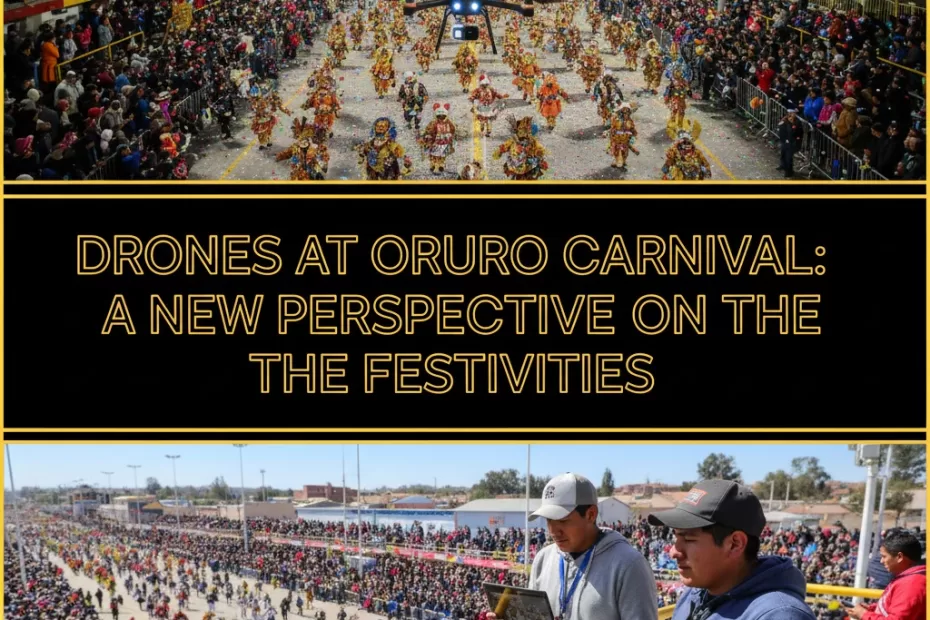
Drones at Oruro Carnival: A New Perspective on the Festivities
The Oruro Carnival, a UNESCO Masterpiece of the Oral and Intangible Heritage of Humanity, is an explosion of color, sound, and fervent devotion. For centuries, this Bolivian tradition has drawn millions to witness its spectacular parades, intricate costumes, and mesmerizing dances. It’s a festival steeped in history and cultural significance, a vibrant tapestry woven from indigenous Andean beliefs and Catholic traditions. Imagine the sheer scale of the Entrada, the grand procession that stretches for miles, featuring thousands of dancers and musicians. Now, imagine experiencing this breathtaking spectacle from an entirely new vantage point – soaring above the crowds, capturing the intricate patterns of the dancers and the sweeping grandeur of the event. This is where the world of “drones at Oruro Carnival” comes into play, offering a revolutionary way to document, experience, and share one of the world’s most impressive cultural festivals.
Introduction to Oruro Carnival
Nestled high in the Bolivian Andes, the city of Oruro transforms each year into a vibrant stage for its world-renowned Carnival. Far more than just a party, the Oruro Carnival is a profound expression of Bolivian traditions, a syncretic blend of pre-Columbian religious rites and Catholic rituals. Its origins trace back to indigenous Andean ceremonies honoring Pachamama (Mother Earth) and Tio Supay (devil god of the underworld), later fused with Christian celebrations introduced by Spanish colonizers. The centerpiece of the carnival is the “Diablada,” or Dance of the Devils, a dramatic representation of the struggle between good and evil, a dance that has become an iconic symbol of the festival.
The carnival events span several days, culminating in the grand “Entrada” or procession, where over 28,000 dancers and 10,000 musicians participate, parading for more than 20 hours along a four-kilometer route. Each group performs a specific traditional dance, from the energetic Morenada with its heavy, ornate costumes, to the graceful Caporales and the powerful Llamerada. The intricate craftsmanship of the costumes, often adorned with precious metals and vibrant embroidery, is a testament to the dedication and artistry of the participants. Beyond the visual spectacle, the carnival holds deep spiritual meaning, with many participants fulfilling vows to the Virgen del Socavón, the patron saint of miners, for blessings and protection. This rich tapestry of dance, music, devotion, and community spirit makes the Oruro Carnival an unparalleled experience, a true jewel of cultural heritage that draws visitors from across the globe. Documenting such a monumental and dynamic event presents unique challenges and opportunities, and this is precisely where modern photography technology, particularly drone technology, is making a significant impact. The sheer scale and dynamism of the parade, with its moving formations and vibrant colors, make it an ideal subject for innovative festivals that embrace new ways to capture their essence.
The Role of Drones in Modern Festivals
The advent of drone technology has revolutionized how we perceive and interact with large-scale public events, and cultural festivals like the Oruro Carnival are no exception. Drones in festivals have moved beyond mere novelty to become essential tools for event coverage, offering perspectives that were once only accessible through expensive helicopter rentals or complex rigging. Their agility and ability to reach difficult-to-access areas make them invaluable for capturing the full scope of an event, from the vast crowds filling the streets to the intricate details of a performance on a grand stage.
In the realm of photography and videography, drones have opened up an entirely new dimension. Gone are the days when photographers were limited to ground-level shots or static platforms. Now, a drone can effortlessly ascend, descend, and traverse the festival grounds, providing dynamic, sweeping shots that convey the true scale and atmosphere of the celebration. This is particularly true for events with extensive parades and large gatherings, where a single aerial shot can encapsulate the energy and movement of thousands of participants. The use of drones in Bolivia, especially for such prominent cultural events, signifies a broader acceptance and integration of tech at events, bridging the gap between traditional celebrations and cutting-edge photography technology. This fusion enhances not only the visual documentation but also the storytelling capabilities, allowing audiences to immerse themselves in the festival’s narrative from a bird’s-eye view. The ability to capture such diverse aerial views is transforming how cultural documentation is approached, providing a comprehensive visual record for future generations.
Captivating Aerial Views
One of the most compelling reasons for deploying drones at Oruro Carnival is their unparalleled ability to deliver captivating aerial views. Imagine a drone gracefully ascending above the main thoroughfare, revealing the serpentine flow of the Entrada as it winds through the city streets. From this elevated perspective, the individual dance groups, with their distinct costumes and synchronized movements, merge into a breathtaking mosaic of color and motion. The vibrant reds of the Diablada, the deep blues of the Morenada, and the shimmering gold of the Caporales all come together in a visual symphony that is impossible to fully appreciate from ground level.
Drone footage can capture the sheer magnitude of the crowds lining the streets, their faces upturned, cheering on the performers. It can highlight the intricate patterns formed by the dancers as they execute their complex choreographies, revealing symmetries and formations that are often lost amidst the ground-level hustle. Beyond the parade itself, drones can provide stunning shots of Oruro city, nestled against the Andean backdrop, with the carnival unfolding within its historical architecture. This panoramic context adds another layer of appreciation for the event, showcasing not just the festivities but also their unique geographical and cultural setting. Such aerial videography provides a holistic view, transforming individual moments into a grand narrative. These unique perspectives offer not just a visual feast but also a deeper understanding of the festival’s scope and the dedication of its participants, making the Oruro Carnival truly come alive from above. The resulting photography and videography elevate the visual experience, making it more immersive and memorable for both those present and those viewing from afar.
Safety and Regulations
While the allure of stunning aerial photography is undeniable, the deployment of drones at public events like the Oruro Carnival is not without its challenges, particularly concerning safety and regulations. The sheer volume of people attending the carnival, combined with the often-unpredictable nature of large crowds, necessitates stringent drone safety protocols. A malfunctioning drone, a loss of signal, or an inexperienced pilot could pose significant risks to participants and spectators below. Therefore, responsible operation is paramount.
Bolivia, like many countries, has been developing its drone regulations to address the growing popularity of this technology. These regulations typically cover aspects such as flight altitude limits, restricted no-fly zones (especially around airports or sensitive government buildings), and requirements for pilot certification and drone registration. For events of Oruro Carnival’s scale, additional permits and coordination with local authorities, including police and civil aviation agencies, are often required. Operators flying drones in Bolivia for commercial purposes or at public events usually need to demonstrate proof of insurance, adherence to flight plans, and often have a designated safety officer on site. Clear communication channels with event organizers are crucial to ensure that drone operations do not interfere with the parade flow or other carnival events. Furthermore, public perception and privacy concerns must be considered. While many are fascinated by drone footage, some may feel uncomfortable being filmed from above. Therefore, transparent communication about drone usage and designated flight paths can help mitigate these concerns. Ensuring compliance with these measures is vital for a safe and successful integration of drone technology into the festival experience, protecting both the public and the cultural significance of the event. These considerations are fundamental to the future of drones at any large-scale gathering.
Benefits of Using Drones at the Oruro Carnival
The advantages of incorporating drones into the Oruro Carnival’s documentation and broadcast efforts are multifaceted, extending far beyond simply capturing pretty pictures. Drones offer unique perspectives that enhance understanding, improve safety, and broaden accessibility, ultimately enriching the overall experience of this significant cultural festival. Their ability to hover and maneuver in three-dimensional space provides unparalleled flexibility for event coverage, allowing for dynamic storytelling that was previously unattainable. This innovative approach to documenting public events ensures that the full vibrancy and scale of the carnival are preserved and shared effectively.
One of the primary benefits is the ability to capture the sheer scale and intricate details of the parade in a way that ground-level photography simply cannot. From above, the elaborate formations of the dance groups, the vastness of the crowd, and the overall flow of the procession become evident, offering a holistic view that deepens appreciation for the event’s grandeur. This comprehensive visual record is invaluable for cultural documentation, providing a rich archive for future generations. Moreover, drones can contribute to festival safety by offering aerial surveillance, helping organizers monitor crowd movements, identify potential bottlenecks, or respond quickly to emergencies. This added layer of oversight can significantly improve the management of such a massive gathering. The integration of drone technology at the Oruro Carnival represents a forward-thinking approach to celebrating and preserving cultural heritage, demonstrating how modern tech at events can serve traditional purposes with remarkable efficacy. The combination of traditional Oruro traditions and cutting-edge drone technology creates an exciting synergy.
Enhancing Cultural Preservation
The Oruro Carnival is a living museum of Bolivian traditions, a dynamic expression of cultural heritage passed down through generations. Preserving this rich tapestry of rituals, dances, and music is paramount, and drones offer a powerful new tool in this endeavor. Traditional methods of documentation, while valuable, often struggle to capture the full scope and intricate details of an event of this magnitude. Drones, with their ability to capture expansive aerial views and detailed close-ups from unique angles, provide a comprehensive visual record that significantly enhances cultural preservation efforts.
Imagine future generations being able to witness the carnival not just from the perspective of a spectator on the street, but from above, seeing the entire Entrada unfold like a vibrant, moving artwork. Drone footage can document the precise formations of the Diablada, the intricate footwork of the Caporales, and the elaborate designs of the costumes in unprecedented detail. This aerial videography can capture the interaction between different dance groups, the energy of the musicians, and the reactions of the crowds, providing a holistic view of the cultural significance of each moment. Beyond mere aesthetics, this type of cultural documentation can be invaluable for researchers, anthropologists, and cultural historians studying Bolivian culture and the evolution of the carnival. It provides a visual archive that complements written records and oral histories, ensuring that the nuances and grandeur of Oruro traditions are preserved for posterity. By embracing drones and culture, the carnival organizers are leveraging modern photography technology to safeguard and celebrate their invaluable heritage, making the Oruro Carnival an innovative festival in its approach to preservation. This fusion of tech and tradition ensures that the vibrant spirit of Carnival Bolivia endures.
Real-time Broadcasting
One of the most exciting capabilities that drones bring to the Oruro Carnival is the potential for real-time broadcasting. In an increasingly connected world, the desire to share live experiences with a global audience is stronger than ever. Drones equipped with high-definition cameras and live streaming capabilities can transform the carnival into a truly global event, allowing millions worldwide to participate virtually in the festivities. Imagine viewers in different continents tuning in to watch the Entrada unfold in real-time, experiencing the vibrant colors, the rhythmic music, and the palpable energy of the crowds as if they were right there in Oruro.
This live streaming events capability would significantly broaden the reach of the Oruro Carnival, showcasing Bolivian traditions and cultural heritage to an unprecedented audience. It would not only promote tourism and cultural exchange but also foster a deeper appreciation for the festival’s unique artistic and spiritual significance. Beyond a simple broadcast, drones could provide dynamic, cinematic live feeds, cutting between sweeping panoramic shots of the parade and intimate, eye-level views of individual dance groups. This would offer a much richer and more engaging viewing experience than traditional fixed-camera setups. For media organizations, drones provide an efficient and cost-effective way to cover such a massive event, offering diverse angles without the need for extensive ground crews or expensive aerial platforms. This form of event coverage can also be invaluable for promoting the carnival in the years leading up to it, building anticipation and drawing more visitors. The future of drones at Oruro Carnival undoubtedly includes a significant role in making this extraordinary festival accessible to everyone, everywhere, cementing its status as one of the world’s most innovative festivals through the power of aerial photography and videography. The ability to share drone footage instantaneously is a game-changer for cultural festivals.
Challenges and Considerations
While the benefits of incorporating drones at Oruro Carnival are substantial, it’s crucial to acknowledge and address the challenges and considerations that come with their deployment. Integrating new technology into a centuries-old tradition requires careful planning, sensitivity, and a clear understanding of potential pitfalls. The unique environment of the Oruro Carnival, with its high altitude, dense crowds, and specific cultural protocols, presents its own set of complexities that need to be navigated by any operator using drones in Bolivia.
One significant challenge is the sheer density of the crowd. Flying drones over thousands of people inherently carries risks, regardless of how experienced the pilot is. A sudden gust of wind, a technical malfunction, or even a bird strike could lead to an accident, potentially causing injury or damage. This necessitates extremely robust drone safety measures, including redundant systems, pre-flight checks, and clear emergency protocols. Another consideration is the high altitude of Oruro (approximately 3,700 meters or 12,100 feet above sea level). Drones operate differently at high altitudes due to thinner air, which can affect lift, battery life, and motor efficiency. Pilots need specialized experience and drones may require specific propeller configurations or battery management strategies to perform optimally and safely in these conditions. Furthermore, the sonic presence of drones, even relatively quiet ones, can be perceived as disruptive. The Oruro Carnival is filled with the sounds of traditional music, chanting, and cheering. The buzzing of a drone, especially during solemn moments or intricate dance performances, could detract from the immersive experience for both participants and spectators. Public perception also plays a role; while many are fascinated by the technology, some may find drones intrusive or a symbol of over-commercialization, potentially impacting the spiritual and cultural authenticity of the event. Addressing these challenges requires not only technological solutions but also careful communication, community engagement, and a respectful approach to the cultural significance of the festival. Balancing innovation with tradition is key to the successful integration of drones and culture at this iconic event.
Future of Drones at Oruro Carnival
Looking ahead, the future of drones at Oruro Carnival appears bright, with continued integration and evolution poised to further enhance the festival experience. As drone technology advances and regulations become more refined, their role will likely expand beyond mere documentation to become an integral part of the carnival’s operational and artistic fabric. The current applications of aerial photography and aerial videography are just the tip of the iceberg, hinting at a future where drones play an even more sophisticated and seamless role in celebrating Bolivian traditions.
Imagine a future where drones are not just capturing footage but also participating in the spectacle. Perhaps miniature, quiet drones could carry small, illuminated elements, adding another layer of visual magic to night parades, or even project ephemeral light displays onto buildings, complementing the traditional decorations. The potential for interactive experiences is also vast. Drones could be used to facilitate crowd engagement, perhaps dropping small, culturally relevant tokens (with safety considerations paramount) or even providing personalized, on-demand information through augmented reality overlays viewed via smartphone apps. Furthermore, the data collected by drones—from crowd density maps to detailed recordings of dance patterns—could be invaluable for festival organizers, aiding in logistics, security planning, and even the historical analysis of the carnival’s evolution. As drone technology becomes more autonomous and AI-driven, the potential for intelligent event coverage, where drones can anticipate and capture key moments without constant human intervention, could revolutionize how festivals are documented and shared. The seamless integration of tech at events like the Oruro Carnival is not just about capturing moments, but about creating new ones, pushing the boundaries of what a cultural festival can offer to its participants and the world. This continuous innovation will solidify Oruro Carnival’s reputation as one of the most innovative festivals.
Technological Innovations
The evolution of drone technology is relentless, and future innovations promise to address many of the current challenges while opening up exciting new possibilities for their use at festivals like the Oruro Carnival. These advancements will make drones safer, quieter, more intelligent, and even more capable of capturing stunning aerial views and providing comprehensive event coverage.
One of the most anticipated advancements is in battery technology. Longer-lasting, more energy-dense batteries will significantly extend flight times, allowing drones to capture more footage without the need for frequent battery swaps, a crucial factor for multi-hour parades. Coupled with rapid charging capabilities, this will greatly improve operational efficiency. Another key area of development is enhanced autonomy and AI integration. Future drones will likely be equipped with more sophisticated obstacle avoidance systems, capable of navigating complex environments and dense crowds with greater precision and safety. AI-powered cameras could automatically identify key moments, focus on specific performers, or track the flow of the parade, reducing the need for constant manual control and ensuring that no important detail is missed. This level of intelligence will make drone safety even more robust.
Noise reduction technology is also a significant focus. Quieter propellers and motor designs are continually being developed, aiming to minimize the acoustic footprint of drones, making them less intrusive to the festival atmosphere and the cultural significance of the event. Furthermore, improved sensor technology, including better low-light performance and advanced stabilization, will allow for higher quality photography and videography in diverse lighting conditions, from the bright midday sun to the atmospheric glow of evening processions. The integration of 5G connectivity will enable more reliable and faster real-time broadcasting, ensuring seamless live streaming events even from crowded locations. Finally, smaller, lighter, and more agile drone designs, perhaps even micro-drones, could offer unprecedented flexibility for capturing unique angles and navigating tight spaces, further enhancing the visual experience and contributing to innovative festivals. These technological innovations are set to cement the role of drones in festivals, transforming how we engage with and preserve cultural heritage.
Conclusion
The Oruro Carnival stands as a magnificent testament to Bolivian traditions, a vibrant explosion of cultural heritage and spiritual devotion. For centuries, its grandeur has captivated audiences, but the advent of “drones at Oruro Carnival” has ushered in a new era of documentation and appreciation. These flying marvels offer a perspective previously unimaginable, transforming how we view, understand, and share this extraordinary public event. From the sweeping aerial views that capture the serpentine flow of the Entrada to the intricate details of costumes and dance formations, drones provide a visual narrative that is both comprehensive and deeply engaging.
The benefits are clear: enhanced cultural preservation through unparalleled aerial photography and videography, allowing future generations to witness the full scope of this living tradition. The potential for real-time broadcasting also means that the Oruro Carnival can transcend geographical boundaries, bringing the vibrant energy of Carnival Bolivia to a global audience through live streaming events. While challenges like drone safety, regulations, and public perception require careful consideration and responsible operation, the trajectory of drone technology points towards a future where these issues are increasingly mitigated by innovation.
As drone technology continues to evolve, offering quieter flights, longer battery life, and more intelligent autonomous capabilities, its integration into the Oruro Carnival will only deepen. Drones are not just tools for capturing images; they are becoming instruments for cultural documentation, for amplifying the festival’s message, and for creating new, immersive experiences. The fusion of ancient Oruro traditions with cutting-edge drone technology showcases a forward-thinking approach to celebrating and preserving cultural significance. Ultimately, drones offer a powerful lens through which to appreciate the immense beauty, complexity, and spiritual depth of the Oruro Carnival, ensuring its legacy continues to inspire and captivate the world for generations to come. This innovative approach ensures that the festival remains at the forefront of cultural events, embracing technology to tell its timeless story.
ano88bet… Decent platform all in all. Fairly standard experience. One thing really stood out on the site. Give it a shot at ano88bet.
That’s a great point about immersive experiences – really elevates the gameplay! Seeing platforms like uujl app casino prioritize legit security & easy logins (like with GCash!) builds trust, crucial for enjoying those live dealer games. 👍
[145]Luckyking Philippines: Top Slot Online Platform. Get Easy Luckyking Login, Register Today, and App Download via our Official Alternative Link. Experience the best at Luckyking Philippines! Access easy luckyking login, luckyking register, and luckyking app download via our official alternative link. Play top luckyking slot online games and win big today! visit: luckyking
The integration of drone technology truly highlights the tension between preserving raw cultural authenticity and the modern need for mediated, shareable experiences. It’s a fascinating case study in digital preservation. The quest for immersive, high-stakes engagement, whether viewing a carnival or enjoying a digital experience like a legendlink ph app casino, speaks to our universal desire for novel perspectives.
The drone angle is fascinating; it speaks to how technology fundamentally alters the concept of ‘perspective’-whether documenting a UNESCO site or designing an immersive digital experience. This principle of enhanced engagement is key, whether observing the Entrada or engaging with a platform like a 789taya game.