
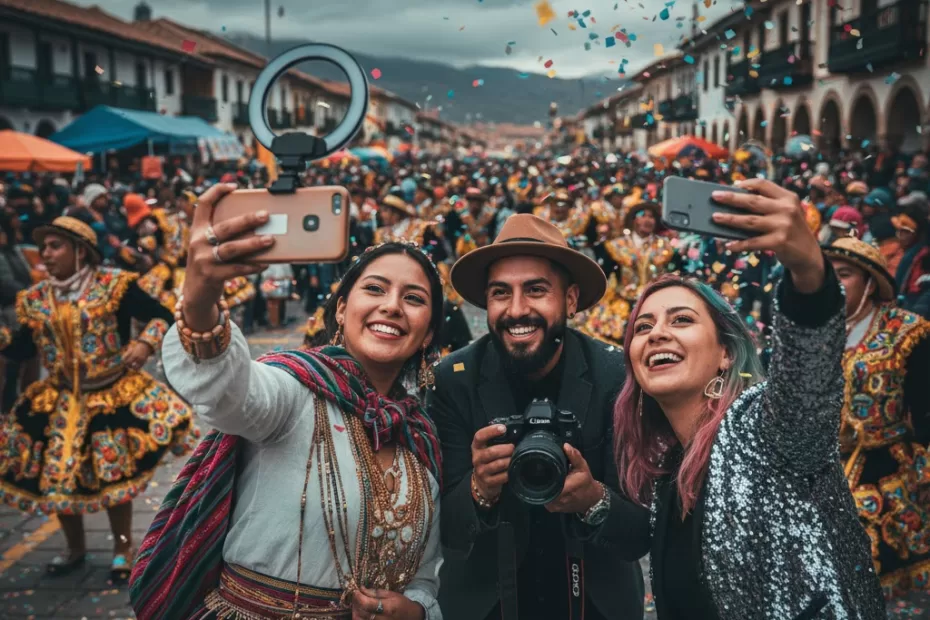
Social Media Influencers at Oruro Carnival
The Oruro Carnival is not just any festival; it’s a breathtaking tapestry of tradition, devotion, and vibrant artistry, recognized by UNESCO as a Masterpiece of the Oral and Intangible Heritage of Humanity. For centuries, this Bolivian spectacle has drawn pilgrims and revelers to its ancient streets, but in the digital age, a new breed of evangelists has emerged: social media influencers. These digital storytellers are bringing the magic of Oruro Carnival to screens worldwide, shaping perceptions, inspiring travel, and ensuring its rich cultural legacy resonates with a global, connected audience.
Introduction to Oruro Carnival
Nestled high in the Andes, the city of Oruro, Bolivia, becomes the pulsating heart of one of the world’s most magnificent cultural festivals each year. The Oruro Carnival is far more than a mere celebration; it is a profound expression of faith, history, and the unique blend of indigenous Andean beliefs with Catholic traditions that defines Bolivian culture. Its origins trace back to pre-Columbian Andean rituals, where indigenous peoples paid homage to Pachamama (Mother Earth) and the Uru god Tiw. With the arrival of the Spanish conquistadors, these practices subtly merged with Catholic festivities, particularly those honoring the Virgin of Socavón, the patron saint of miners.
The carnival itself is a spectacular, multi-day event culminating in a grand procession known as the Entrada, or “entrance.” This awe-inspiring parade stretches for miles, featuring tens of thousands of dancers and musicians, all adorned in incredibly elaborate and symbolic carnival costumes. The sheer scale and intricate detail of the performances are unparalleled, showcasing a living history that dates back centuries. The narrative woven throughout the carnival events tells the story of good versus evil, often featuring the Archangel Michael battling the seven deadly sins personified by various demonic figures. This dramatic interplay, set against the backdrop of traditional music and fervent devotion, creates an unforgettable festival experience.
The Oruro history is deeply intertwined with mining, and this heritage is visibly present in many aspects of the carnival, from the devotion to the Virgin of Socavón, who is revered by miners, to the symbolism embedded in many of the traditional dances. The carnival celebrations are a testament to the resilience and enduring spirit of the Bolivian people, a vibrant display of their identity and artistic expression. For anyone looking to immerse themselves in authentic cultural festivals, Oruro offers an experience that transcends mere entertainment, providing a deep dive into the soul of a nation. It’s a key highlight among festivals in Bolivia, drawing visitors from across the globe keen to witness its unique blend of spirituality, artistry, and communal joy. This potent mix of ancient ritual and modern revelry makes it a compelling subject for those who seek to capture its essence and share it with the world.
Role of Social Media Influencers
In an increasingly digital world, the way we discover and engage with cultural phenomena has profoundly shifted. Social media influencers have emerged as powerful conduits, transforming how events like the Oruro Carnival are perceived and promoted globally. These content creators, with their unique perspectives and vast online reach, act as digital ambassadors, offering intimate glimpses into the heart of Bolivian culture that traditional media often misses. Through platforms like Instagram, TikTok, and YouTube, they don’t just report on the carnival; they immerse their audience in its pulsating energy, vibrant colors, and profound spiritual significance.
Their approach often involves a blend of “digital storytelling” and authentic engagement. Rather than simply showcasing the spectacle, influencers often delve into the preparations, the meaning behind the “Oruro traditions,” and the personal experiences of participants. This “influencer lifestyle” of travel and cultural immersion resonates deeply with their followers, who are often seeking authentic travel experiences and a deeper understanding of global cultures. They use “Instagram stories” for raw, in-the-moment updates, “TikTok trends” to highlight energetic dance moves or costume details, and longer-form videos on YouTube for comprehensive travel guides and cultural deep-dives. This “live coverage of events” provides an immediacy that is unparalleled, making viewers feel as though they are right there amidst the swirling dancers and booming music.
The impact of “social media marketing” through influencers is multifaceted. Firstly, it democratizes access to information about the carnival. No longer confined to travel brochures or niche documentaries, Oruro Carnival is now discoverable through a simple scroll. Secondly, it fosters a sense of community and “social media engagement” around the event. Followers can ask questions, share their excitement, and even plan their own trips based on influencer recommendations. This direct interaction builds anticipation and a personal connection to the festival. Thirdly, and perhaps most importantly, influencers play a crucial role in “cultural representation.” They have the power to challenge stereotypes, highlight the beauty and complexity of “Bolivian culture,” and ensure that the traditions are presented with respect and accuracy. By focusing on the human stories behind the “carnival costumes” and “dance traditions,” they cultivate a deeper appreciation for the rich heritage of Oruro. Their ability to translate complex cultural nuances into digestible, engaging content makes them indispensable in shaping online perceptions and attracting a new generation of global travelers to this extraordinary event.
Popular Influencers Covering Oruro Carnival
The allure of the Oruro Carnival, with its mesmerizing “carnival celebrations” and profound “Oruro traditions,” naturally attracts a diverse array of content creators. These “travel influencers” and cultural enthusiasts bring their unique styles and perspectives to showcase the festival, each contributing to its growing digital footprint. While specific names might change from year to year, archetypes of popular influencers consistently emerge, each with a distinct approach to capturing and sharing the carnival’s essence.
One common type is the immersive travel vlogger. These influencers, often with a large following on YouTube and Instagram, dedicate themselves to deep cultural immersion. They don’t just attend the carnival; they live it. Their content might start weeks before the main event, documenting their journey to Bolivia, exploring the local cuisine in Oruro, and even attempting to learn some of the basic dance steps. Their videos offer a first-person perspective, often featuring interviews with local dancers, artisans, and community members, providing insights into the “community impact” of the carnival and the dedication required for the “carnival outfits.” They excel at creating engaging narratives, using dynamic editing and heartfelt commentary to convey the emotional and spiritual weight of the festival. Their “Instagram stories” are a constant stream of behind-the-scenes moments, showing the sweat, joy, and camaraderie that define the experience.
Another prominent group includes photography and visual storytelling experts. These influencers prioritize the visual splendor of the carnival, focusing on stunning “carnival photography” that captures the intricate details of the “carnival costumes,” the expressive faces of the dancers, and the grand scale of the parades. Their platforms, particularly Instagram, become galleries of breathtaking images that highlight the artistry and vibrant colors of the festival. They often share “photography tips for capturing the carnival” directly with their audience, detailing camera settings, best vantage points, and ethical considerations for shooting in a crowded cultural event. Their “digital storytelling” through images often includes short, poetic captions that explain the symbolism behind the dances or costumes, fostering a deeper appreciation for the “cultural representation” on display. They might also create Reels and TikToks that combine their stunning stills with traditional music, creating short, impactful visual narratives.
Then there are the cultural educators and explorers. These influencers are less about the “influencer lifestyle” of luxury travel and more about authentic cultural exchange and learning. They might have a background in anthropology, history, or linguistics, and their content delves into the “Oruro history,” the syncretic nature of the religion, and the specific meanings of each “traditional music” and dance. They use their platforms to break down complex cultural nuances, making them accessible to a global audience. Their “TikTok trends” might involve explaining the origin of a specific dance step or the symbolism of a particular mask, using engaging formats to educate. They often emphasize respectful engagement with local traditions and promote responsible tourism, becoming valuable “Bolivia travel guide” resources for those seeking a meaningful experience beyond superficial tourism. Their focus on the profound aspects of the “festival experience” ensures that viewers understand the depth of what they are witnessing.
These diverse approaches collectively amplify the reach and understanding of the Oruro Carnival. By showcasing different facets—from the personal journey to the visual artistry to the historical context—these “social media influencers at Oruro Carnival” ensure that this extraordinary event receives the global attention and respect it truly deserves, inspiring countless individuals to dream of experiencing it firsthand.
Impact of Influencers on Carnival Attendance
The rise of “social media influencers at Oruro Carnival” has undeniably reshaped the landscape of how this traditional festival is discovered and experienced by a global audience. Their collective efforts in “social media marketing” have had a tangible “influencer impact” on both awareness and attendance, transforming Oruro from a lesser-known gem into a must-visit destination for many international travelers.
One of the most significant impacts is the dramatic increase in global awareness. Before the age of influencers, knowledge of the Oruro Carnival was largely confined to Latin America and niche cultural travel circles. Now, through captivating “Instagram stories,” viral “TikTok trends,” and comprehensive YouTube vlogs, the carnival’s vibrant imagery and profound spiritual significance are reaching millions of potential visitors across continents. Influencers act as powerful visual storytellers, translating the energy of the “carnival events” and the beauty of “carnival costumes” into universally appealing content. This pervasive digital presence means that prospective travelers, particularly those in the target demographic of 18-35, are exposed to the carnival not through traditional advertising, but through trusted voices they follow online. This organic, peer-to-peer recommendation style of marketing often feels more authentic and compelling than conventional tourism campaigns.
This heightened awareness directly correlates with an increase in international attendance. When influencers share their “festival experience” with genuine enthusiasm, showing “photo opportunities” and detailing practical “travel photography” advice, they effectively create a comprehensive “Bolivia travel guide” that inspires action. Many followers, captivated by the spectacle and the perceived accessibility portrayed by influencers, are motivated to add Oruro to their travel itineraries. The “influencer lifestyle” often involves showcasing the ease of travel, accommodation options, and how to navigate the carnival, alleviating concerns that might deter first-time visitors to Bolivia. This impact is particularly noticeable among younger demographics who rely heavily on social media for travel inspiration and planning.
Furthermore, influencers contribute to a deeper appreciation and understanding of “Bolivian culture.” By delving into the “Oruro traditions,” the symbolism of the “dance traditions,” and the historical context of the “Oruro history,” they provide more than just travel porn; they offer cultural education. This encourages a more respectful and engaged form of tourism, where visitors arrive not just as spectators but as individuals keen to understand and honor the local heritage. This “cultural exchange” fosters a positive “community impact,” as local businesses, artisans, and performers benefit from the increased tourism, and the global spotlight helps preserve and promote indigenous traditions.
However, it’s also important to acknowledge potential challenges. The surge in popularity can put pressure on local infrastructure and potentially lead to commercialization if not managed thoughtfully. Responsible influencers often address these concerns, advocating for sustainable tourism practices and respectful engagement with the local community. Ultimately, the presence of “social media influencers at Oruro Carnival” has transformed it into a globally recognized cultural phenomenon, driving both attendance and a renewed appreciation for its invaluable heritage. Their “social media engagement” has proven to be a powerful force in connecting ancient traditions with modern audiences.
Cultural Significance of the Carnival
Beyond the dazzling spectacle and the digital fanfare, the Oruro Carnival stands as a living testament to the profound “cultural significance” of Bolivian heritage. It’s a vibrant mosaic where ancient indigenous beliefs, colonial Catholic influences, and contemporary expressions coalesce into an unparalleled “festival experience.” The carnival is deeply rooted in “Oruro traditions,” serving as a powerful annual reaffirmation of communal identity, spiritual devotion, and artistic prowess. Every dance, every costume, every musical note is imbued with layers of meaning, telling stories that span centuries of “Oruro history” and “Bolivian culture.”
At its heart, the carnival is a spiritual pilgrimage dedicated to the Virgin of Socavón, the patron saint of miners. This devotion is a poignant reflection of the region’s mining past and present, where prayers for protection and prosperity are intertwined with the joyous and often penitent performances. The syncretism is evident in how indigenous deities like Pachamama (Mother Earth) and Supay (the Uru god of the underworld, often conflated with the devil) are acknowledged alongside Catholic saints, creating a unique spiritual landscape. The grand Entrada, the main procession, is not merely a parade but a ritualistic journey, an act of faith performed by thousands of dancers and musicians who train year-round. This commitment underscores the deep personal and collective meaning of their participation.
The “traditional music” that accompanies the dances is equally significant, with each rhythm carrying its own narrative and cultural weight. From the powerful brass bands that drive the Diablada to the melancholic flutes of the Suri Sicuri, the music creates an immersive soundscape that transports both participants and spectators. The “carnival events” are a dynamic platform for “cultural representation,” allowing the diverse indigenous groups of Bolivia to showcase their unique artistic expressions while uniting under the banner of the larger Oruro Carnival tradition. It’s a powerful demonstration of cultural resilience, where ancient customs are not just preserved but continually reinterpreted and celebrated with renewed vigor. The carnival thus serves as a vital artery for the transmission of cultural knowledge across generations, ensuring that the rich tapestry of “Oruro traditions” continues to thrive.
The Role of Traditional Dances
The heart and soul of the Oruro Carnival beat to the rhythm of its traditional dances. Each dance is a meticulously choreographed narrative, a living piece of “Oruro history” and “Bolivian culture,” imbued with symbolic meaning and performed with fervent devotion. These “dance traditions” are not merely entertainment; they are a form of storytelling, spiritual expression, and communal identity.
The most iconic of all is La Diablada, or the Dance of the Devils. This powerful and dramatic performance represents the eternal struggle between good and evil, with the Archangel Michael leading an army of devils (Supay) in a symbolic battle against the seven deadly sins. The devils’ elaborate masks, often featuring bulging eyes, horns, and fangs, are both terrifying and mesmerizing. The dance itself is energetic and complex, with dancers leaping and swirling to the intense beat of brass bands. It’s a spectacular example of “cultural representation” and a direct nod to the pre-Columbian Uru deity Supay, later syncretized with the Christian devil, and the miners’ plea for protection from the dangers of the underworld.
Equally prominent is the Morenada, or the Dance of the Black Slaves. This dance is a poignant tribute to the African slaves brought to Bolivia during the colonial era, particularly those who worked in the silver mines. The dancers wear heavy, ornate costumes, often with large, round masks representing the faces of African slaves, and carry matraca (rattles) which mimic the sound of chains. The slow, heavy steps symbolize the arduous labor and suffering endured by the slaves, while the overall performance is a celebration of their resilience and cultural contribution. It’s a powerful reminder of a complex history within “Bolivian culture.”
The Caporales is a more modern, yet equally popular, dance that emerged in the late 20th century. It depicts the overseers of the African slaves, known as caporales, who were often mestizo. The dance is characterized by energetic, high-stepping movements, sharp turns, and elaborate, often flamboyant, costumes adorned with bells and sequins. It’s a dynamic and athletic performance, full of youthful vigor, and has become a favorite for its infectious rhythm and showmanship, embodying a contemporary evolution of “dance traditions” within the carnival.
Another captivating dance is the Suri Sicuri, which originates from the Aymara indigenous people. Dancers wear large, circular headdresses made of ostrich feathers, mimicking the suri (rhea), a native bird. The dance is accompanied by the melancholic sounds of sicuris (panpipes), creating a haunting and beautiful atmosphere. It’s a dance of community and connection to nature, often performed in a circle, symbolizing unity and the cyclical nature of life.
Other significant dances include the Tobas, representing Amazonian indigenous groups with their agile, leaping movements; the Llamerada, depicting llama herders and their connection to Andean livestock; and the Kullawada, a dance of the weavers, characterized by elegant movements and traditional weaving tools. Each of these “carnival celebrations” contributes to the rich tapestry of the Oruro Carnival, offering a unique glimpse into the diverse “Oruro traditions” and the enduring spirit of “Bolivian culture.” The sheer dedication and passion of the dancers, who practice for months, if not years, highlight the deep respect and love they hold for these ancestral forms of expression.
Costumes and Their Symbolism
The “carnival costumes” of Oruro are not just garments; they are wearable art, intricate narratives woven from fabric, metal, feathers, and jewels, each telling a story of faith, history, and “Bolivian culture.” The sheer scale of their artistry and the depth of their symbolism make them one of the most visually stunning aspects of the “festival experience.” These “carnival outfits” are often painstakingly crafted over months, sometimes even years, by skilled artisans and the dancers themselves, representing a significant investment of time, effort, and resources.
In the Diablada, the devil costumes are the undisputed stars. The masks, often weighing several pounds, are masterpieces of papier-mâché, clay, and plaster, adorned with glass eyes, real animal horns, and sometimes even snakes and other creatures symbolizing the underworld. The colors are vivid—reds, blacks, and golds—and the details are astonishing, from the intricate scales covering the suit to the elaborate capes depicting scenes of the Archangel Michael battling Lucifer. Each devil represents a specific sin, and their masks and movements convey this character. The Archangel Michael, in contrast, wears a resplendent, often white or blue, military-style uniform, symbolizing purity and divine power, completing the dramatic visual contrast of good versus evil.
The Morenada costumes are equally striking, though for different reasons. Dancers wear enormous, bulbous masks, typically dark-skinned with exaggerated features, often with a protruding tongue, symbolizing the thirst and exhaustion of the African slaves. The suits themselves are heavily embroidered with intricate patterns, often depicting indigenous Andean symbols or scenes from the mines. Perhaps the most iconic element is the matraca, a large wooden rattle shaped like an animal or a figure, which dancers shake to mimic the sound of chains. The weight of these “carnival outfits” is considerable, adding to the performance’s portrayal of arduous labor and resilience. The women’s costumes are equally opulent, featuring layers of skirts (polleras), embroidered blouses, and elegant hats.
For the Caporales, the costumes are designed for dynamism and flair. Male dancers wear brightly colored, often sequined, military-style jackets, wide-legged trousers adorned with bells (cascabeles), and high-heeled boots. A distinctive wide-brimmed hat, often decorated with feathers, completes the look. The bells on their boots are essential, creating a rhythmic accompaniment to their energetic steps. Female Caporales wear short, vibrant skirts, embroidered blouses, and ornate boots, emphasizing their agility and grace. These costumes are about showcasing strength, pride, and youthful exuberance, reflecting a more contemporary take on “carnival outfits” while still honoring traditional forms.
Other dances feature similarly detailed and symbolic attire. The Suri Sicuri dancers are instantly recognizable by their enormous circular headdresses made of rhea feathers, which can be several feet in diameter, symbolizing the sacred bird and their connection to nature. The Llamerada costumes incorporate elements of traditional herder attire, often featuring woven ponchos and hats adorned with miniature llamas. The Tobas dancers wear feathered headdresses, body paint, and skirts made of natural fibers, reflecting their Amazonian origins and connection to the jungle.
The creation of these “carnival costumes” is a significant aspect of “Oruro traditions,” often involving entire families and communities. The process is a testament to the enduring craftsmanship and artistic heritage of Bolivia. Beyond their visual appeal, these outfits are powerful tools for “cultural representation,” embodying the historical narratives, spiritual beliefs, and vibrant identity of the people of Oruro. They are not just clothes, but living monuments to a rich and complex past, brought to life with every step of the carnival.
Photography Tips for Capturing the Carnival
Capturing the essence of the Oruro Carnival through photography is an exhilarating challenge, much like what “social media influencers at Oruro Carnival” strive for. It’s a dynamic, crowded, and visually overwhelming event, but with the right approach, you can create stunning “carnival photography” that truly reflects the “festival experience.” Drawing inspiration from the best “travel photography” and “digital storytelling” techniques, here are some practical tips to help you seize those incredible “photo opportunities.”
1. Embrace the Chaos, but Plan Ahead:The carnival is an overwhelming sensory experience. While spontaneity is key, having a general plan for where you want to be and what dances you want to prioritize can be helpful. Arrive early to secure a good spot, especially for the Entrada. Influencers often scout locations beforehand to find unique angles or less crowded areas.
2. Focus on Faces and Emotions:Beyond the elaborate “carnival costumes,” the real story lies in the expressions of the dancers. Capture their devotion, joy, exhaustion, and intensity. Get close enough to see the sweat, the smiles, and the focused gaze. These human elements are what make “carnival photography” truly resonate. Use a telephoto lens to isolate subjects in crowded scenes or a wider lens for environmental portraits.
3. Highlight the Details and Symbolism:The “carnival outfits” are incredibly rich in detail and symbolism. Don’t just shoot full-body shots. Zoom in on the intricate embroidery, the craftsmanship of a devil mask, the feathers of a Suri Sicuri headdress, or the bells on a Caporales costume. These close-ups tell a deeper story about “Oruro traditions” and the artistry involved in “cultural representation.”
4. Play with Light:Oruro’s high altitude means intense sunlight. Use it to your advantage. Early morning or late afternoon light (the ‘golden hour’) can add warmth and depth to your photos, enhancing the vibrant colors of the “carnival celebrations.” Be mindful of harsh midday shadows; sometimes, finding shaded areas or using fill flash can help. Don’t forget the night parades, which offer dramatic opportunities with artificial lights and fire.
5. Capture Movement and Energy:The carnival is all about dance and movement. Experiment with slower shutter speeds to create a sense of motion blur, conveying the dynamism of the “dance traditions.” Alternatively, use fast shutter speeds to freeze action and capture crisp details of dancers mid-leap. A burst mode on your camera can be invaluable for capturing those fleeting moments.
6. Respect and Engage:Always ask for permission before taking close-up photos of individuals, especially if they are not actively performing. A smile and a gesture often go a long way. Show respect for the sacred nature of many performances. Engaging with locals, even briefly, can lead to more authentic and compelling shots. Influencers often share their interactions, fostering a sense of “cultural exchange.”
7. Gear Considerations:
-
Lenses: A versatile zoom lens (e.g., 24-70mm or 24-105mm) is excellent for general shots. A telephoto lens (e.g., 70-200mm or 100-400mm) is crucial for capturing distant dancers and details without getting too close. A wide-angle lens (e.g., 16-35mm) can be great for capturing the scale of the crowds and the overall atmosphere.
-
Batteries & Memory Cards: Bring plenty! You’ll be shooting a lot.
-
Protection: Dust, sun, and crowds are factors. Consider a camera strap that secures your camera, and a rain cover or plastic bag for unexpected weather or dust.
-
Backpack: A comfortable, secure backpack for your gear is essential.
8. Look Beyond the Parade:While the Entrada is central, don’t forget the surrounding “carnival events.” The pre-carnival rituals, the blessings at the church, the street parties, and the moments of rest for the dancers all offer unique “photo opportunities.” These candid shots often provide a deeper insight into the “influencer lifestyle” of immersion and the true spirit of the “festival experience.” Also, explore the local markets and try some “local cuisine” – these can provide interesting cultural context.
9. Storytelling through Sequences:Think like a “digital storytelling” influencer. Instead of just individual shots, try to capture a sequence of images that tell a mini-story—a dancer preparing, performing, and then resting. Or show the transformation from street clothes to “carnival outfits.” This adds narrative depth to your “carnival photography.”
By following these “photography tips for capturing the carnival,” you’ll not only come away with stunning images but also a deeper appreciation for the magnificent “Oruro Carnival” and the rich “Bolivian culture” it represents. Your photos, like those of “social media influencers at Oruro Carnival,” can help share this incredible legacy with the world.
Conclusion
The Oruro Carnival, with its ancient roots and profound spiritual significance, has found an unexpected, yet powerful, ally in the digital realm: “social media influencers.” These modern-day storytellers have fundamentally reshaped the global perception and accessibility of this UNESCO-recognized masterpiece. Through their captivating “digital storytelling” and authentic “live coverage of events” on platforms like Instagram and TikTok, “social media influencers at Oruro Carnival” are not just documenting a festival; they are actively preserving and promoting “Bolivian culture” for a new generation.
Their “influencer impact” extends far beyond mere viewership. By showcasing the intricate “carnival costumes,” the vibrant “dance traditions,” and the deep-seated “Oruro traditions,” they inspire thousands to experience this “cultural festival” firsthand. They act as a vital “Bolivia travel guide,” offering “photography tips for capturing the carnival” and a glimpse into the authentic “festival experience” that resonates with an audience hungry for genuine cultural immersion. This targeted “social media marketing” has significantly boosted “social media engagement” around the carnival, fostering a global community of admirers and potential visitors.
Ultimately, the synergy between the age-old “carnival celebrations” and contemporary digital platforms is a testament to the enduring power of culture to adapt and thrive. Influencers have become crucial conduits for “cultural representation,” ensuring that the rich “Oruro history” and the spirit of its people reach a worldwide audience, encouraging “cultural exchange” and a deeper understanding of this magnificent event. As the carnival continues to evolve, the role of these digital ambassadors will only grow, cementing Oruro’s place not just in Bolivian hearts, but on the global stage, inviting everyone to witness its unparalleled magic.
Alright, so xoso79, huh? I gotta say, I was pleasantly surprised. Good selection of games, and I actually managed to win a little something! Worth a shot if you’re looking for something new. Give it a try! xoso79
steroid type supplements
References:
yatirimciyiz.net
best stack for muscle gain
References:
pad.stuve.de
References:
Top mobile casinos
References:
https://graph.org/Top-Australian-Online-Casino-Sites-2026-04-20
References:
All jackpots casino
References:
https://graph.org/Best-Casino-Online-Sites-Play-Top-Games-and-Win-Real-Money-04-20
References:
Paderborn
References:
https://casino-bremen.online-spielhallen.de/
References:
Gelsenkirchen
References:
https://beste-online-casino-bonus-ohne-einzahlung.online-spielhallen.de/
References:
Online casino south africa
References:
https://graph.org/Casino-Perth-Australia-Restaurants-04-27
RTP analysis is fascinating – seeing how different slots perform is key! It’s great to see platforms like ninogaming ph slot download offering localized payment options like GCash, making access easier for Filipino players. Convenience is huge! 👍