
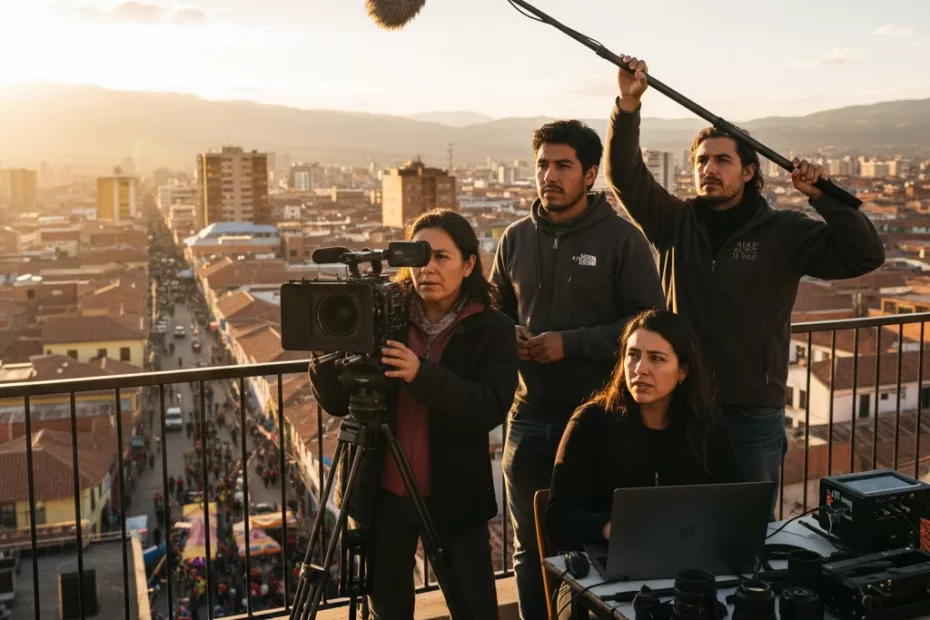
Top Documentary Filmmakers in Oruro
Oruro, Bolivia, a city steeped in ancient traditions and vibrant cultural expressions, offers a uniquely fertile ground for documentary storytelling. Beyond its iconic Carnival, recognized by UNESCO as a Masterpiece of the Oral and Intangible Heritage of Humanity, lies a tapestry of human experiences, untold stories, and profound social narratives waiting to be captured on film. This rich environment has naturally drawn and cultivated a dedicated community of documentary filmmakers in Oruro, individuals who are not just observers but passionate chroniclers of their homeland’s soul.
These Oruro filmmakers are delving deep into the layers of history, spirituality, and daily life that define this high-altitude city. They’re revealing the intricate dance between indigenous heritage and modern life, the struggles and triumphs of local communities, and, crucially, the hidden stories behind the grand spectacle of the Carnival. For anyone looking to understand Bolivia through an authentic lens, or seeking to collaborate with talented individuals who truly grasp the nuances of this region, exploring the work of these local filmmakers Oruro is an essential journey. Their commitment to authentic storytelling and their intimate knowledge of the local culture make them invaluable assets to the broader Bolivian documentary film landscape.
Why Oruro is a Hub for Documentary Filmmaking
Oruro’s distinctive character makes it an irresistible muse for documentary filmmaking. The city is much more than just a location; it’s a living, breathing subject, offering an endless wellspring of narratives. Its high-altitude geography, nestled in the Andean altiplano, provides a dramatic, almost otherworldly backdrop that instantly sets a unique tone for any film project. This stark beauty, however, is just the surface.
At its core, Oruro is a crucible of culture, history, and social dynamics. The most prominent cultural phenomenon, the Carnival of Oruro, is a world unto itself. While often seen as a grand, colorful parade, its deeper layers are what truly captivate Oruro filmmakers. Beneath the dazzling costumes and infectious music are centuries of syncretism, where Catholic rituals blend seamlessly with ancient Andean cosmologies. The masked dancers, particularly the Diablada, embody complex narratives of good versus evil, colonial oppression, and indigenous resilience. Documenting these aspects requires not just technical skill but also a profound cultural sensitivity and an intimate understanding of the local worldview. Many creative documentaries from Oruro seek to unravel these intricate connections, offering perspectives that outsiders might miss.
Beyond the Carnival, Oruro’s mining history provides a stark, compelling narrative. The city’s very existence is tied to the silver and tin mines that once fueled its economy, shaping its social fabric and leaving an indelible mark on its people. Stories of miners’ lives, their spiritual beliefs, their struggles for workers’ rights, and the environmental impact of extraction are powerful subjects for Oruro cultural documentaries. These narratives often touch upon themes of sacrifice, community, and the enduring human spirit against challenging odds. The legacy of mining continues to influence the present, providing a fertile ground for exploring contemporary social issues.
Furthermore, Oruro is a city where indigenous traditions remain remarkably strong and visible. The Quechua and Aymara cultures are not relics of the past but living forces that permeate daily life, language, and spiritual practices. This deep connection to ancestral ways offers Bolivia documentary film a chance to explore themes of identity, cultural preservation, and the ongoing dialogue between tradition and modernity. Filmmakers here have a unique opportunity to document rituals, ceremonies, and oral histories that are rapidly evolving in other parts of the world. This focus on local perspectives enriches the broader Bolivian cinema history.
The city’s relative isolation, compared to larger metropolises like La Paz or Santa Cruz, has also fostered a tight-knit and supportive Oruro film community. This close-knit environment allows for collaborative projects, shared resources, and a collective drive to tell authentic local stories. Emerging filmmakers Oruro often find mentorship and support within this community, allowing them to hone their craft and tackle ambitious projects. The passion for storytelling is palpable, driven by a desire to showcase Oruro’s unique voice to the world. This vibrant scene contributes significantly to the overall Bolivian documentary scene, adding diverse and culturally rich narratives.
Ultimately, Oruro is a hub because it provides a confluence of rich cultural material, dramatic landscapes, and a dedicated artistic community. It’s a place where every street corner, every tradition, and every face holds a potential story, making it an ideal location for those committed to revealing the depth and complexity of human experience through the documentary form. The film industry Oruro, while still growing, benefits immensely from this intrinsic storytelling potential.
Featured Documentary Filmmakers from Oruro
The vibrant cultural landscape of Oruro has inspired a cadre of dedicated documentary filmmakers in Oruro who are committed to capturing its essence. While the formal infrastructure of the film industry Oruro is still developing, the passion and talent of these individuals are undeniable. They often work with limited resources, driven by an unwavering commitment to tell the stories that matter most to their community and to Bolivia. Here, we spotlight some prominent voices and representative examples of the kind of work being done by the best filmmakers in Oruro.
One such figure is Julia Condori, a filmmaker whose work consistently explores the intersection of indigenous spirituality and modern life in the altiplano. Her filmography often focuses on the role of women in preserving ancestral knowledge and the challenges they face in a rapidly changing world. Condori’s acclaimed documentary, Pachamama’s Daughters, intimately follows a group of Aymara weavers in a remote Oruro community, revealing how their intricate craft is not just a livelihood but a sacred connection to the land and their ancestors. Her style is characterized by patient observation, stunning cinematography that captures the vastness of the Andean landscape, and a deep respect for her subjects, making her a standout among Oruro filmmakers. Her films have been featured in various film festivals Bolivia, bringing Oruro cultural documentaries to a wider audience.
Then there’s Marco Antonio Rojas, known for his incisive socio-political documentaries that often shed light on the struggles of the working class and the legacies of Oruro’s mining past. Rojas’s Echoes from the Mine is a powerful exploration of the lives of former tin miners and their families, examining the long-term health impacts and the community’s fight for recognition and justice. His approach is often investigative, combining archival footage with compelling interviews to build a narrative that is both historically grounded and deeply human. Rojas often collaborates with local historians and community leaders, ensuring his Oruro film projects are both accurate and impactful. His work contributes significantly to understanding Bolivian cinema history through a local lens.
Elena Quispe represents a newer generation of Oruro documentary talent, focusing on the dynamic cultural expressions of the Carnival itself, but always seeking the stories beyond the spectacle. Her film, The Unseen Masks, delves into the arduous process of crafting the elaborate costumes and masks, interviewing the artisans who dedicate months to their creation, often in obscurity. Quispe highlights the spiritual significance embedded in each stitch and painted detail, revealing the profound devotion and ancestral knowledge passed down through generations. She masterfully uses close-ups and ambient sound to immerse viewers in the workshops, bringing out the hidden narratives of dedication and belief that define the Carnival. Her films are a testament to the fact that Oruro documentaries can reveal profound insights even into familiar subjects.
Another notable presence is Ricardo Mamani, whose work often blends documentary with experimental forms, pushing the boundaries of traditional documentary storytelling. Mamani’s Altiplano Dreams is a poetic visual essay that explores the dreams and aspirations of Oruro’s youth against the backdrop of its ancient traditions. He uses evocative imagery, minimal dialogue, and a powerful score to create a meditative experience that asks viewers to reflect on identity and belonging in a globalized world. His unique vision makes him a fascinating figure among Bolivian filmmakers, constantly innovating within the local scene. His contributions are vital to the film industry Oruro, inspiring new forms of expression.
These documentary filmmakers in Oruro are more than just technicians; they are storytellers, cultural custodians, and often, activists, using their craft to preserve, question, and celebrate the rich tapestry of Oruro life. Their dedication ensures that the unique stories of this region are not lost but brought to light for local and international audiences, enriching the overall Bolivian documentary scene.
Spotlight on Local Talents
Beyond the established names, Oruro’s creative spirit continues to foster a new wave of emerging filmmakers Oruro who are bringing fresh perspectives and innovative approaches to the documentary form. These local talents are often deeply embedded in their communities, allowing them to access intimate stories and nuanced cultural details that might otherwise remain hidden. Their work is characterized by a raw authenticity and a strong desire to give voice to underrepresented narratives, particularly those connected to the Carnival of Oruro and its surrounding cultural phenomena.
One such promising talent is Sofia Choque, whose short documentary, The Rhythm of the Diablada, gained recognition at a regional film festival. Instead of focusing on the grand parade, Choque meticulously documents the rigorous training and spiritual preparation of a single Diablada dance troupe for an entire year leading up to the Carnival. She captures the physical endurance, the communal bonding, and the deep spiritual commitment involved, revealing the sacrifices and personal transformations experienced by the dancers. Her film provides a poignant, behind-the-scenes look at a cherished tradition, showcasing a new depth to Oruro documentaries. Choque’s ability to build trust with her subjects allows for incredibly intimate and revealing moments, marking her as a director to watch in the Oruro film community.
Another rising star is Pablo Castro, who is exploring the contemporary challenges faced by Oruro’s youth through his experimental documentaries. His latest project, Urban Altiplano, is a series of short vignettes that blend interviews with stylized visual poetry, examining how young people navigate identity, tradition, and global influences in the city. Castro often uses non-linear narratives and striking cinematography to convey the complex emotional landscapes of his subjects. His work pushes the boundaries of what Oruro film projects can be, engaging with modern themes while still acknowledging the city’s unique cultural heritage. He’s a key voice among the emerging filmmakers Oruro, bringing a fresh, contemporary edge to the Bolivian documentary scene.
Mariela Vargas is another local talent making waves with her focus on environmental and social justice issues within the Oruro region. Her documentary short, Lagoon of Salt, investigates the impact of climate change and industrial pollution on the Uru-Chipaya communities living near the Coipasa Salt Flat, southwest of Oruro. Vargas employs powerful imagery of the stark landscape and heartfelt testimonies from community elders to highlight the urgent need for environmental protection and cultural preservation. Her commitment to advocacy through film positions her as an important voice in Bolivia documentary film, utilizing her craft to shed light on critical local issues. Her work not only informs but also inspires action, showcasing the profound impact of Oruro cultural documentaries.
These emerging filmmakers Oruro are vital to the growth and diversification of the Oruro film industry. They are not only developing their own unique voices but are also contributing to a richer understanding of Oruro’s multifaceted identity. Their dedication to telling authentic, often challenging, stories ensures that the Oruro artistic community remains dynamic and relevant, continually adding new perspectives to the broader Bolivian cinema history. Their innovative approaches and deep connections to the local culture make them highly sought-after for various Oruro film projects, proving that the talent pool in Oruro is both deep and diverse.
How to Hire a Documentary Filmmaker in Oruro
Hiring the right documentary filmmaker in Oruro can be a transformative step for your project, especially if you’re looking to capture the unique essence of this Bolivian city. Whether you’re an international production company, a non-profit organization, or an individual with a compelling story to tell, partnering with local talent offers invaluable advantages. Their intimate knowledge of the culture, language, and logistical landscape can make all the difference in achieving an authentic and impactful film. Here’s a guide to navigating the hiring process for Oruro filmmakers.
1. Define Your Project’s Scope and Vision:Before you even start looking, clearly articulate what your documentary is about. What’s the core story? Who is your target audience? What is the desired tone and style? Is it an investigative piece, a cultural exploration, a historical account, or a personal narrative? Having a well-defined concept will help you identify filmmakers whose expertise aligns with your vision. Consider if your project specifically targets the hidden stories of the Carnival or other unique aspects of Oruro. This clarity will also help you budget for documentary production Oruro.
2. Research Local Talent and Portfolios:Start by exploring the work of Oruro filmmakers. Look for individuals or production teams whose previous projects resonate with your aesthetic and thematic interests. Websites, local film community platforms, and film festival archives (like those associated with the Oruro Film Festival, if available, or national Bolivian festivals) are excellent resources. Pay attention to their storytelling approach, cinematography, editing style, and their ability to handle sensitive subjects with respect. Look for evidence of Oruro cultural documentaries or films that demonstrate a deep understanding of local nuances. You want to hire a filmmaker Bolivia who truly understands the local context.
3. Initial Contact and Communication:Once you’ve identified a few potential candidates, reach out with a concise introduction to your project. Be clear about your preliminary ideas, budget range, and timeline. Effective communication is paramount. Assess their responsiveness, professionalism, and willingness to engage in a collaborative dialogue. A good documentary filmmaker in Oruro should be enthusiastic about your story and eager to contribute their creative insights. This initial phase helps gauge their interest and whether they are the best filmmakers in Oruro for your specific needs.
4. Review Proposals and Budgets:Ask for detailed proposals that outline their creative approach, methodology, team structure, and a comprehensive budget breakdown. A proposal should reflect their understanding of your project and offer a clear roadmap for production. Budgets can vary significantly based on experience, equipment, crew size, and the complexity of the shoot (e.g., travel to remote locations, specialized gear, post-production services). Be prepared to negotiate, but also be realistic about the costs involved in quality documentary production Oruro. Remember that local talent Oruro might offer more competitive rates than international crews while providing invaluable local expertise.
5. Assess Experience and Local Knowledge:Beyond technical skills, consider their experience working in Oruro or similar cultural contexts. Do they have established relationships with local communities, cultural institutions, or authorities? This local network can be crucial for gaining access, securing permits, and building trust with subjects, especially when documenting sensitive topics or the hidden stories of the Carnival. A filmmaker with deep roots in the Oruro film community will be better equipped to navigate logistical challenges and cultural sensitivities. Their understanding of Oruro film culture is a significant asset.
6. Check References and Past Work:Always ask for references from previous clients or collaborators. Speak to them about the filmmaker’s reliability, professionalism, ability to meet deadlines, and collaborative spirit. Watch their previous documentaries critically, paying attention to narrative flow, visual quality, and overall impact. This due diligence is essential when you decide to hire documentary filmmaker Oruro.
7. Legal Agreements and Contracts:Once you’ve chosen your filmmaker, ensure a clear, legally binding contract is in place. This document should detail project scope, deliverables, payment schedules, intellectual property rights, confidentiality clauses, and any contingencies. A solid contract protects both parties and ensures a smooth production process for your Oruro film projects.
8. Collaboration and Trust:Successful documentary filmmaking is a collaborative endeavor. Foster an environment of trust and open communication with your chosen filmmaker. While they bring their creative vision and technical expertise, your insights into the project’s core objectives are equally vital. By working closely with documentary filmmakers in Oruro, you can ensure your story is told authentically, powerfully, and with the deep respect it deserves. Their experience in documentary storytelling within the local context will be invaluable.
By following these steps, you can effectively hire documentary filmmaker Oruro who not only possesses the technical skills but also the cultural understanding necessary to bring your vision to life, particularly when exploring the nuanced and often hidden narratives of this extraordinary Bolivian city.
Success Stories: Documentaries Made in Oruro
The rich cultural tapestry and compelling social narratives of Oruro have served as the backdrop for numerous impactful documentaries, many of which have garnered national and international recognition. These success stories not only highlight the talent of documentary filmmakers in Oruro but also underscore the profound storytelling potential embedded within the city’s traditions, history, and people. These films often move beyond mere observation, sparking dialogue, preserving heritage, and sometimes even catalyzing social change. They demonstrate the vibrant Bolivian documentary scene and the growing influence of Oruro documentaries on a global scale.
One notable success is El Ultimo Chiru Chiru (The Last Chiru Chiru), a powerful Oruro cultural documentary directed by a collective of local filmmakers deeply rooted in the Oruro film community. This film delves into the vanishing tradition of the “Chiru Chiru,” a legendary masked character of the Carnival of Oruro, often depicted as a benevolent thief. The documentary follows an elderly artisan, one of the last remaining makers of the intricate Chiru Chiru masks, as he struggles to pass on his craft to a younger generation amidst the pressures of commercialization and globalization. The film beautifully captures the artisan’s dedication, the spiritual significance of the mask, and the broader concerns about cultural preservation. It premiered at a prominent film festival Bolivia, earning critical acclaim for its poignant narrative and stunning visuals, and later toured international festivals, bringing the hidden stories of the Carnival to a global audience. Its success underscored the importance of local voices in documenting their own heritage, strengthening the film industry Oruro.
Another impactful film is Pukara: Fortress of the Andes, an investigative documentary that explores the historical significance of the ancient pre-Columbian fortresses surrounding Oruro, particularly their role in indigenous resistance against colonial forces. Directed by documentary filmmakers in Oruro with a background in anthropology, the film combines archaeological findings, expert interviews, and evocative reenactments to bring this forgotten history to life. Pukara not only educated audiences about a crucial aspect of Bolivian cinema history but also sparked renewed interest in the preservation of these archaeological sites. It was a significant Oruro film project that demonstrated how local talent could tackle large-scale historical narratives with depth and authenticity. The film’s broadcast on national television and inclusion in educational programs highlighted its enduring impact and relevance.
Then there’s Mineros de Esperanza (Miners of Hope), a gripping Bolivia documentary film that followed a small cooperative of miners in a remote Oruro region as they navigated the perilous conditions of their work, their fight for fair wages, and their unwavering belief in a better future. The film, directed by Oruro filmmakers known for their social justice work, offered an unflinching look at the human cost of resource extraction but also celebrated the resilience and solidarity of the mining communities. It gained significant attention at several international human rights film festivals, drawing awareness to the ongoing struggles faced by these workers. The film’s raw honesty and compelling characters resonated deeply with audiences, proving that Oruro documentaries can have a powerful social and political impact, influencing public discourse and policy.
More recently, Danza del Diablo y Devoción (Dance of the Devil and Devotion) emerged as a fresh perspective on the Carnival, focusing on the deep spiritual devotion that underlies the exuberant celebrations. Directed by an emerging filmmaker Oruro, this documentary meticulously captures the personal testimonies of dancers, musicians, and devotees who participate in the Diablada, revealing their profound faith in the Virgin of Socavon. The film uses intimate interviews and stunning footage of rituals and processions to illustrate how the Carnival is not merely a spectacle but a sacred act of worship and cultural affirmation. It was a finalist for several Oruro documentary awards and was praised for its ability to humanize and spiritualize a globally recognized event, offering a nuanced understanding of Oruro film culture.
These success stories are testaments to the dedication and vision of the best filmmakers in Oruro. They illustrate that despite often facing limited resources, the passion for documentary storytelling and the intrinsic richness of Oruro’s narratives can lead to films that are not only artistically accomplished but also culturally significant and widely impactful. These Oruro film projects continue to enrich the Bolivian cinema history and bring the unique spirit of Oruro to audiences around the globe.
Oruro Film Festival: A Gateway for Filmmakers
While Oruro may not yet host a globally renowned film festival on the scale of Cannes or Sundance, the burgeoning Oruro Film Festival (or similar local cinematic events) serves as an absolutely vital platform for documentary filmmakers in Oruro. These local festivals are far more than just showcases; they are incubators for talent, catalysts for collaboration, and crucial gateways for emerging filmmakers Oruro to gain recognition and build their careers within the Bolivian documentary scene.
The significance of such a festival cannot be overstated for the Oruro film community. Firstly, it provides a dedicated space for local filmmakers to screen their work, often for the first time, to a receptive audience. This direct engagement with the community allows them to receive immediate feedback, gauge audience reactions, and connect with viewers who share their cultural context. For Oruro documentaries that delve into highly specific local traditions or social issues, this local resonance is invaluable. It’s an opportunity for filmmakers to see their hard work appreciated right at home, fostering a sense of pride and belonging within the Oruro artistic community.
Secondly, the Oruro Film Festival acts as a crucial networking hub. It brings together Oruro filmmakers, producers, writers, actors, and other industry professionals, creating opportunities for collaboration on future Oruro film projects. These interactions can lead to mentorships, co-productions, and the sharing of resources and knowledge, which are essential for developing the film industry Oruro. For aspiring documentary filmmakers in Oruro, meeting established figures and learning from their experiences can be incredibly motivating and provide practical guidance on navigating the challenges of documentary production Oruro.
Moreover, these festivals often include workshops, masterclasses, and panel discussions led by experienced Bolivian filmmakers or international guests. These educational components are vital for skill development, offering insights into various aspects of documentary storytelling, from scriptwriting and cinematography to editing and distribution. Such resources are particularly important in a region where formal film education might be less accessible, making the festival a de facto learning institution for local filmmakers Oruro. It helps them refine their craft and stay updated on global trends in creative documentaries.
The Oruro Film Festival also plays a critical role in fostering Oruro film culture. By showcasing a diverse range of films, from cultural documentaries exploring the hidden stories of the Carnival to social commentaries and experimental pieces, the festival broadens public appreciation for cinema as an art form and a tool for social reflection. It encourages critical thinking and provides a mirror through which the community can examine its own identity and challenges. This cultural enrichment is a long-term investment in the Oruro cinema landscape.
Finally, the festival offers a platform for recognition through Oruro documentary awards. While not always carrying large cash prizes, these awards provide invaluable validation for filmmakers, boosting their morale and enhancing their professional profiles. An award from a local festival can be a stepping stone to wider recognition, potentially opening doors to larger national or international film festivals Bolivia. It’s a mark of quality that can attract funding, collaborators, and distribution opportunities for the best filmmakers in Oruro.
In essence, the Oruro Film Festival is more than just an event; it’s a cornerstone of the burgeoning Oruro film industry. It nurtures talent, builds community, educates, and celebrates the unique narratives that documentary filmmakers in Oruro are so passionately committed to telling. It is a vibrant testament to the city’s creative spirit and its growing contribution to Bolivian cinema history.
Resources for Aspiring Filmmakers in Oruro
For aspiring documentary filmmakers in Oruro, the journey from concept to screen can be both exhilarating and challenging. While passion and vision are essential, access to the right resources—education, equipment, and community support—is equally crucial for honing one’s craft and bringing stories to life. Fortunately, the Oruro film community is growing, offering various avenues for learning and networking, contributing to a more robust film industry Oruro.
1. Local Workshops and Training Programs:Several cultural centers and independent organizations in Oruro periodically offer workshops focused on different aspects of documentary filmmaking. These might range from intensive courses on scriptwriting and visual storytelling to practical sessions on camera operation, sound recording, and editing software. Look for announcements from institutions like the Casa de la Cultura “Javier Echenique” or university extension programs. These programs often provide hands-on experience and direct mentorship, which are invaluable for emerging filmmakers Oruro. They are often more accessible and tailored to local contexts than larger, more expensive film schools. These initiatives are key documentary film resources that directly support the growth of local filmmakers Oruro.
2. University Programs and Audiovisual Departments:While a dedicated film school might be nascent, universities in Oruro, such as the Universidad Técnica de Oruro (UTO), often have communication or audiovisual departments that offer courses relevant to filmmaking. These academic settings can provide a strong theoretical foundation in media studies, film history (including Bolivian cinema history), and practical skills in video production. Students can gain access to basic equipment, studio spaces, and faculty guidance, making them vital for fostering Oruro film projects. These programs contribute to a more educated and skilled workforce for documentary production Oruro.
3. Film Collectives and Associations:Joining local film collectives or associations is perhaps one of the most beneficial steps for aspiring documentary filmmakers in Oruro. These groups, often informal but highly active, provide a platform for sharing ideas, collaborating on projects, and accessing shared equipment. They are excellent places to network with experienced Oruro filmmakers, learn about upcoming Oruro film events, and find opportunities to assist on shoots. The collaborative spirit within these collectives fosters a sense of community and mutual support, which is critical for navigating the often solitary process of documentary storytelling. These groups are the backbone of the Oruro artistic community.
4. Online Learning Platforms and International Resources:Beyond local offerings, aspiring filmmakers can tap into a wealth of online documentary film resources. Platforms like Coursera, Udemy, MasterClass, and even YouTube offer countless tutorials and courses on every aspect of filmmaking. Many international film organizations also provide free guides, webinars, and case studies. While these resources don’t replace local mentorship, they can supplement learning and expose documentary filmmakers in Oruro to global best practices and diverse approaches to creative documentaries. This access helps bridge geographical gaps and keeps local talent informed about the wider Bolivian documentary scene.
5. Oruro Film Festival and Screening Events:As discussed, the Oruro Film Festival (or similar local Oruro film events) is not just for established professionals but also a prime resource for aspiring filmmakers. Attending screenings, Q&A sessions, and industry panels provides invaluable insights into the craft and business of filmmaking. It’s an opportunity to see the work of the best filmmakers in Oruro, understand what resonates with audiences, and get inspired. Volunteering at these festivals can also offer behind-the-scenes experience and networking opportunities. These events are crucial for understanding Oruro film culture and recognizing the potential for Oruro documentary awards.
6. Equipment Rental and Access:Access to professional-grade equipment can be a significant hurdle. Aspiring filmmakers should explore local options for equipment rental, which might be available through universities, production houses, or even fellow filmmakers in collectives. Starting with basic gear and gradually upgrading as skills and budgets allow is a common path. The focus should always be on the story first; compelling documentary storytelling can often transcend limitations in equipment.
By actively engaging with these resources, aspiring documentary filmmakers in Oruro can build a strong foundation, develop their unique voices, and contribute to the growing legacy of Oruro documentaries that continue to reveal the hidden stories and vibrant spirit of this extraordinary city. The support from these resources helps nurture the talent that will shape the future of Oruro cinema.
Xwinvip, eh? Always looking for a good VIP program. Theirs ain’t bad, especially if you’re a high roller. But even casual players might find something there. Worth investigating! xwinvip
The depth of Oruro’s narrative potential highlights how cultural immersion is key to authentic storytelling. This principle applies universally-whether documenting ancient traditions or navigating complex digital ecosystems. For those seeking deep engagement and unique experiences, understanding the mechanics of platforms like tbjili download offers a fascinating parallel in risk and reward structure.
That’s a fascinating point about how easily we fall into reward cycles! It reminded me of exploring new online games – even setting up an account (like with quick deposits at LegendLink) feels designed to pull you in. Check out legendlink slot download if you’re curious about that design in action! It’s interesting how much psychology goes into even simple entertainment.
The UI/UX focus on mobile flow is key; cognitive load reduction is paramount. It’s less about features and more about frictionless navigation, like what fairplay app legit suggests. Great design supports sustained engagement.