
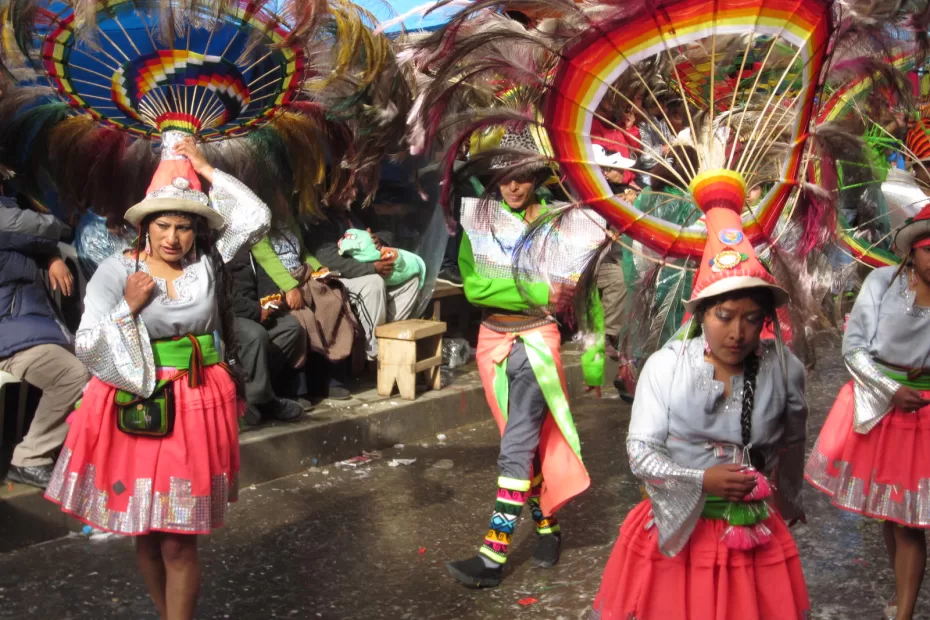
Artistic Costumes of Oruro Carnival
The air in Oruro, Bolivia, crackles with an energy unlike anywhere else as the annual Oruro Carnival approaches. This isn’t just a party; it’s a profound cultural expression, a dazzling spectacle of faith, history, and unparalleled artistic craftsmanship. At the very heart of this UNESCO-recognized Masterpiece of the Oral and Intangible Heritage of Humanity are its magnificent artistic costumes. These aren’t mere outfits; they are intricate works of art, each stitch, bead, and feather telling a story, embodying a spirit, and preserving a rich heritage that spans centuries. To truly understand the Oruro Carnival is to delve into the vibrant world of its costumes – their origins, their symbolism, and the meticulous dedication of the artisans who bring them to life.
Introduction to Oruro Carnival
The Oruro Carnival is one of the most significant cultural festivals in Bolivia, celebrated annually in the Andean city of Oruro. Its roots stretch back long before the Spanish conquest, intertwining ancient indigenous rituals, particularly those honoring Pachamama (Mother Earth) and the Uru people’s veneration of the Tio Supay (Lord of the Underworld), with the Catholic traditions introduced by colonizers. This unique syncretism is what gives the carnival its distinctive character and profound spiritual depth.
Historically, the carnival began as a celebration of agricultural cycles and fertility, evolving over centuries to incorporate Christian elements like the Virgin of Socavón, the patron saint of miners. Today, it stands as a powerful testament to Bolivia’s enduring cultural identity, a vibrant fusion where indigenous cosmology and Catholic dogma dance in harmonious, if sometimes complex, union. The carnival is not simply a parade; it’s a pilgrimage, a dramatic performance of collective memory and faith that culminates in a grand procession known as the entrada. This event sees tens of thousands of dancers and musicians, adorned in spectacular Oruro Carnival costumes, moving through the city streets to the sanctuary of the Virgin of Socavón, offering their devotion and gratitude. The sheer scale and visual splendor of this tradition are what draw visitors from across the globe, eager to witness the living art of Bolivian carnival traditions. The Oruro Carnival events are a highlight of the year, showcasing an artistic heritage that is both ancient and ever-evolving.
The Importance of Costumes in the Carnival
In the Oruro Carnival, costumes are far more than decorative attire; they are the very soul of the celebration. They serve as a powerful visual language, communicating narratives, embodying spirits, and defining the identity of each dance group, or conjunto. Without these elaborate artistic costumes, the carnival would lose its essence, its ability to transport spectators into a world where myth and reality converge. Each costume, from the most terrifying devil to the most graceful china supay, is a character in itself, playing a vital role in the grand theatrical performance that unfolds on the streets of Oruro.
These carnival attire pieces are central to the cultural symbolism of the event. They tell stories of ancient legends, historical events, social commentary, and spiritual beliefs. The choice of colors, materials, and designs is never arbitrary; every element carries meaning, often reflecting the dualistic nature of the carnival’s syncretic origins – good versus evil, indigenous versus colonial, sacred versus profane. The costumes are also instrumental in maintaining the integrity of Bolivian carnival traditions, ensuring that the visual narratives of generations past are preserved and reinterpreted by each new generation of dancers. They are a profound form of artistic expression in carnival, allowing participants to fully immerse themselves in their roles and connect with the spiritual energy of the moment. The creation and wearing of these festive costumes foster a strong sense of community and belonging, reinforcing Oruro culture and its unique place in the world of traditional celebrations.
Types of Artistic Costumes
The Oruro Carnival boasts an astonishing array of artistic costumes, each representing a distinct dance, character, and narrative. These elaborate ensembles are a kaleidoscope of colors, textures, and forms, showcasing the incredible diversity of Bolivian folklore costumes. From the fearsome to the elegant, each type of carnival attire is a masterpiece of design and craftsmanship, contributing to the overall grandeur of the carnival performance.
Traditional Costumes
The traditional costumes are the bedrock of the Oruro Carnival, deeply rooted in history, myth, and cultural identity. They embody the essence of Oruro folklore and the enduring spirit of Bolivia traditions.
-
Diablada (Dance of the Devils): Arguably the most iconic of Oruro Carnival costumes, the Diablada ensemble is a breathtaking display of artistry. The central figure is the Diablo (Devil), whose costume is a riot of vibrant colors, intricate embroidery, and dazzling adornments. The most striking feature is the enormous, elaborate mask, often depicting grotesque faces with bulging eyes, sharp teeth, and horns, frequently adorned with serpents, toads, and other symbols of the underworld. These masks, often made from papier-mâché or fiberglass, are meticulously painted and embellished with mirrors, sequins, and sometimes even real animal horns. The devil’s suit itself is typically made of velvet or satin, heavily embroidered with metallic threads, sequins, and beads, often depicting scenes of the struggle between good and evil, or mythical creatures. The Diablada also includes figures like the China Supay (female devil), whose costumes are equally stunning but often more stylized and seductive, and the Arcángel San Miguel (Archangel Michael), who leads the dance, clad in a more celestial, often white or silver, costume representing purity and divine power. The origins of these devil costumes are complex, blending indigenous beliefs in the Tio Supay with the Christian concept of the devil, creating a powerful representation of the syncretic nature of the carnival.
-
Morenada: This dance, and its accompanying carnival attire, is a poignant portrayal of the African slave trade in Bolivia’s mining history. The Moreno (dark-skinned man) costume is one of the heaviest and most opulent, symbolizing the burden and chains of slavery. The dancer wears a massive, intricately decorated mask, often with exaggerated features and a prominent tongue, representing the fatigue and thirst of the enslaved. The costume includes a voluminous skirt-like garment, often adorned with sequins, beads, and metallic threads, depicting grape clusters (a reference to the wine industry where some slaves worked) or other symbols of wealth and oppression. A distinctive element is the matraca, a large rattle carried by the dancers, whose sound mimics the dragging of chains. These traditional Bolivian costumes are a powerful historical narrative.
-
Kallawaya: Representing the traditional healers and shamans of the Andean region, the Kallawaya costumes are characterized by their elegance and historical accuracy. They typically feature hand-woven ponchos, colorful skirts or trousers, and distinctive hats, often adorned with feathers and intricate patterns. These costumes reflect the deep connection to nature and ancient healing practices.
-
Tobas: The Tobas dance pays homage to the indigenous groups from the Bolivian Amazon. Their costumes are characterized by their vibrant colors and light materials, often adorned with feathers, beads, and animal skins (or imitations). The headdresses are particularly striking, featuring elaborate feather arrangements. The dance movements are energetic and agile, mimicking the movements of jungle animals.
-
Caporales: A relatively newer dance, the Caporales has quickly become one of the most popular. Its costumes are flashy and highly decorated, reflecting a more modern, urban aesthetic while still drawing on traditional elements. Male dancers wear ornate shirts, tight trousers, and high boots adorned with bells (cascabeles), along with a wide-brimmed hat. Female dancers wear short, elaborate skirts, blouses, and high boots, often with intricate embroidery and sequins. The Caporales costumes are known for their exuberance and dynamic visual appeal.
-
Llamerada: This dance honors the llama herders of the Andes. The costumes reflect the practical attire of herders but are elevated with festive embellishments. Dancers wear traditional ponchos, woven skirts or trousers, and distinctive round hats, often adorned with miniature llamas or other symbols of Andean life.
-
Sicuris: Representing the musicians who play the sicu (panpipes), the Sicuris costumes are often simpler but still rich in cultural significance. They typically feature hand-woven textiles, ponchos, and distinctive hats, emphasizing the communal and musical aspects of the tradition.
These examples of heritage costumes are a testament to the diverse Oruro culture and the profound stories embedded within each thread and ornament.
Modern Interpretations
While tradition is paramount, the Oruro Carnival is also a living, evolving entity. Modern artists and designers are constantly finding new ways to interpret and innovate within the established framework of traditional Bolivian costumes. This doesn’t mean abandoning the past but rather building upon it, ensuring the artistic traditions remain vibrant and relevant for contemporary audiences.
Modern interpretations often involve experimenting with new materials, incorporating contemporary design elements, and pushing the boundaries of traditional aesthetics while respecting the core cultural symbolism. For example, a Diablada mask might incorporate LED lights or more abstract sculptural forms, or the embroidery on a Morenada costume might feature updated motifs or a bolder color palette. Designers might use lighter, more durable synthetic fabrics that allow for greater movement and comfort for the dancers, especially given the physically demanding nature of the carnival performance.
These modern takes can also reflect current social or environmental themes, subtly woven into the narrative of the costume design. The goal is often to enhance visibility, increase comfort, or simply add a fresh artistic perspective, ensuring that Oruro Carnival art continues to captivate and inspire. This continuous evolution is crucial for the longevity of the festival, allowing it to remain a dynamic expression of Oruro culture that resonates with both local participants and a global audience. It’s a delicate balance of honoring the past while embracing the future, ensuring that the legacy of these festive costumes continues to thrive.
Craftsmanship Behind the Costumes
The creation of the artistic costumes for the Oruro Carnival is a testament to extraordinary dedication, skill, and patience. It is a labor of love, often taking months, sometimes even a full year, for artisans to complete a single ensemble. This level of artistic craftsmanship is what elevates these outfits from mere clothing to genuine works of art, imbued with spiritual significance and historical memory. The process involves a collaborative effort among various skilled individuals, from designers and embroiderers to mask-makers and feather-workers, all contributing to the intricate detail and visual splendor of the carnival attire. The mastery of these costume making techniques is passed down through generations, making it a vital part of the region’s cultural heritage.
Materials Used
The choice of materials is crucial for both the aesthetic appeal and the durability of the Oruro Carnival costumes. Artisans carefully select a wide array of components, each contributing to the overall grandeur and symbolic weight of the final piece.
-
Fabrics: Luxurious fabrics form the base of most costumes. Velvet, satin, brocade, and silk are commonly used for their rich texture, vibrant colors, and ability to hold intricate embroidery. These fabrics provide a opulent canvas for further embellishment.
-
Sequins and Beads: Thousands upon thousands of sequins and beads, in every conceivable color and size, are hand-sewn onto the fabric. They catch the light, creating a dazzling, shimmering effect as the dancers move, adding a sense of magic and movement to the carnival performance.
-
Mirrors: Small, often faceted, mirrors are strategically placed on costumes, particularly on Diablada and Morenada outfits. These not only add sparkle but also carry symbolic weight, believed to ward off evil spirits or reflect the sacred light.
-
Metallic Threads: Gold and silver threads are extensively used for embroidery, creating intricate patterns, religious symbols, and mythological figures that stand out against the rich fabric. This adds a regal and sacred dimension to the costumes.
-
Feathers: A variety of feathers, often from exotic birds (ethically sourced or synthetic), are used to create spectacular headdresses and adornments. They add height, movement, and a sense of lightness, contrasting with the heavy embroidery, and often symbolize spiritual connection or flight.
-
Animal Hides and Furs (or Faux): Historically, and sometimes still, animal hides and furs were incorporated, particularly in costumes representing indigenous groups or powerful animal spirits. Modern practices often utilize high-quality faux alternatives to ensure ethical sourcing and sustainability.
-
Metals: Brass, copper, and other metals are used for decorative elements, bells (cascabeles), buckles, and sometimes even parts of masks or armor-like pieces, adding a robust and resonant quality.
-
Plaster, Papier-mâché, and Fiberglass: These materials are fundamental for creating the elaborate, often oversized, masks that are a hallmark of many traditional Bolivian costumes. They allow for intricate sculptural details and a lightweight yet durable structure.
-
Wire and Framework: For large elements like wings, headdresses, or structural components of certain costumes, wire frames provide the necessary support and shape, allowing for dramatic, three-dimensional forms.
-
Precious and Semi-precious Stones (or Imitations): While real gems are rare, high-quality imitations are frequently used to add sparkle and a sense of luxury, particularly in the embellishment of masks and headpieces.
The meticulous selection and combination of these materials are what give the Oruro Carnival art its unique texture, depth, and visual impact.
Artistic Techniques
The creation of these artistic costumes involves a diverse range of specialized techniques, each demanding years of practice and an acute artistic eye. Artisans are often specialists in one or more of these crafts, contributing their expertise to the collective masterpiece.
-
Embroidery: This is perhaps the most prominent technique. Hand-embroidery is a painstaking process, with artisans spending countless hours stitching intricate designs onto fabric. This can range from delicate floral patterns to complex narrative scenes depicting mythical creatures or religious figures. The use of metallic threads, sequins, and beads in embroidery creates a stunning, three-dimensional effect that shimmers under the carnival lights. Each stitch is a testament to the artisan’s dedication and skill, making every costume a unique piece of Oruro Carnival art.
-
Mask Making: The masks are arguably the most iconic elements of many Oruro Carnival costumes. This is a highly specialized art form involving sculpting, molding, and painting. Artisans first sculpt the desired form, often from clay, then create molds from which the masks are cast using materials like papier-mâché, plaster, or fiberglass. Once the base is formed, the masks are meticulously painted with vibrant colors, and then adorned with a dizzying array of embellishments: mirrors, sequins, glass eyes, real or faux animal horns, teeth, and hair. The expressive power of these masks is unparalleled, conveying emotions and characters with incredible force.
-
Appliqué: This technique involves cutting out shapes from one fabric and sewing them onto another, often with contrasting colors or textures. It’s used to create bold patterns, symbols, or even entire scenes on the costumes, adding layers of visual interest and depth.
-
Featherwork: For elaborate headdresses and wings, artisans meticulously arrange and attach feathers, often dyeing them to achieve specific vibrant hues. This requires a keen eye for form, balance, and color to create dramatic, flowing, and often towering structures that move gracefully with the dancer.
-
Metalwork: While less common for the main costume body, metalwork is essential for crafting elements like bells, buckles, and sometimes even intricate parts of masks or jewelry. Artisans might hammer, cut, and solder metals to create durable and decorative components.
-
Jewelry Making: Many costumes are complemented by custom-made jewelry, from large, ornate necklaces and earrings to smaller decorative pins. These pieces often incorporate traditional Andean motifs and are made using a variety of materials, including beads, metals, and sometimes semi-precious stones.
-
Painting: Beyond masks, painting is used to add details, patterns, or shading to various parts of the costume, especially on leather or stiffer fabric elements, enhancing the overall artistic design.
The combination of these diverse techniques, passed down through generations of artisans, culminates in the creation of the breathtaking and culturally rich festive costumes that define the Oruro Carnival. This artisanship is a cornerstone of Bolivia traditions and its artistic heritage.
Cultural Significance of the Costumes
The artistic costumes of the Oruro Carnival are much more than visually stunning garments; they are powerful vessels of cultural symbolism, deeply embedded with the history, beliefs, and identity of the Bolivian people. Each thread, every bead, and all the chosen colors contribute to a rich tapestry of meaning, making these costumes central to understanding Oruro culture and its traditional celebrations.
One of the most profound aspects of their cultural significance lies in their syncretic nature. The carnival itself is a fusion of indigenous Andean cosmology and Catholic doctrine, and the costumes perfectly embody this blend. For instance, the terrifying Diablada costumes, while ostensibly representing Christian devils, also pay homage to the Tio Supay, the Lord of the Underworld in Andean mining traditions, who must be appeased for safety and prosperity. The Virgin of Socavón, to whom the carnival is dedicated, is often seen as a manifestation of Pachamama, Mother Earth. The costumes visually bridge these two worlds, allowing participants to honor both their ancestral spirits and their Christian faith simultaneously. This duality makes the carnival performance a deeply spiritual journey.
The costumes are also masterful tools for storytelling and historical narrative. The Morenada costumes, with their heavy masks and elaborate attire, vividly recount the suffering of African slaves brought to the mines, serving as a poignant reminder of Bolivia’s colonial past and the enduring legacy of injustice. Other dances, like the Kallawaya, celebrate the ancient knowledge of traditional healers, while the Tobas bring the vibrant spirit of the Amazonian lowlands to the Andean highlands. These heritage costumes act as living archives, preserving historical memory and cultural narratives that might otherwise be forgotten.
Furthermore, the costumes play a crucial role in identity and community. For the dancers, wearing these artistic costumes is a transformative experience. It allows them to embody a character, connecting them to their ancestors, their community, and the spiritual essence of the carnival. The act of creating and wearing these traditional Bolivian costumes fosters a strong sense of belonging and collective identity, reinforcing the bonds within conjuntos and across the wider Oruro community. Each conjunto has its distinct style and interpretation, yet all contribute to the grand spectacle of Oruro Carnival events.
Beyond history and identity, the costumes carry spiritual and protective symbolism. Many elements, such as mirrors, specific colors, or animal motifs, are believed to offer protection from evil, ensure fertility, or bring good fortune. The elaborate and often fearsome masks are not just for show; they can represent a spiritual transformation, allowing the dancer to transcend their everyday self and become a conduit for the sacred. The vibrant colors and dazzling embellishments are thought to attract positive energy and celebrate the abundance of life.
In essence, the artistic costumes of Oruro Carnival are a living, breathing testament to the resilience, creativity, and spiritual depth of the Bolivian people. They are a profound expression of cultural symbolism, transforming the wearers into participants in a timeless ritual that celebrates life, faith, and the enduring power of tradition. They are the heart of Oruro folklore, making the carnival a truly unique cultural event.
Conclusion
The Oruro Carnival stands as a vibrant beacon of cultural expression, and at its magnificent core are the artistic costumes that captivate and inspire. From the fearsome grandeur of the Diablada to the poignant narratives of the Morenada, each ensemble is a testament to extraordinary craftsmanship, deep historical roots, and profound spiritual meaning. These aren’t merely garments; they are intricate works of art, meticulously brought to life by dedicated artisans who pour their skill, passion, and cultural understanding into every stitch, bead, and feather.
We’ve explored how these Oruro Carnival costumes serve as a visual language, telling stories of ancient myths, colonial history, and the syncretic blend of indigenous and Catholic beliefs that define Bolivian carnival traditions. We’ve delved into the diverse types of festive costumes, from traditional masterpieces steeped in Oruro folklore to modern interpretations that keep the artistic traditions alive and evolving. Most importantly, we’ve highlighted the incredible artisanship involved, from the careful selection of luxurious fabrics, shimmering sequins, and vibrant feathers to the masterful techniques of embroidery, mask making, and metalwork. This commitment to artistic craftsmanship ensures that the Oruro Carnival art remains unparalleled in its beauty and complexity.
Ultimately, the cultural significance of these costumes transcends their visual appeal. They are powerful symbols of identity, community, and faith, connecting participants to their heritage and to the spiritual essence of the celebration. To witness the Oruro Carnival is to experience a living artistic heritage, a dynamic interplay of sound, movement, and color where every costume is a chapter in Bolivia’s rich cultural narrative. We encourage everyone with an interest in carnivals, cultural festivals, and art history to experience the magic of the Oruro Carnival events firsthand. It is an unforgettable journey into the heart of Bolivian traditions, a celebration that truly exemplifies the power of artistic expression in carnival.
Alright guys, just checked out taib29bet – pretty smooth! Easy to navigate, good selection of games. Worth a look, definitely. You can check it out here: taib29bet