
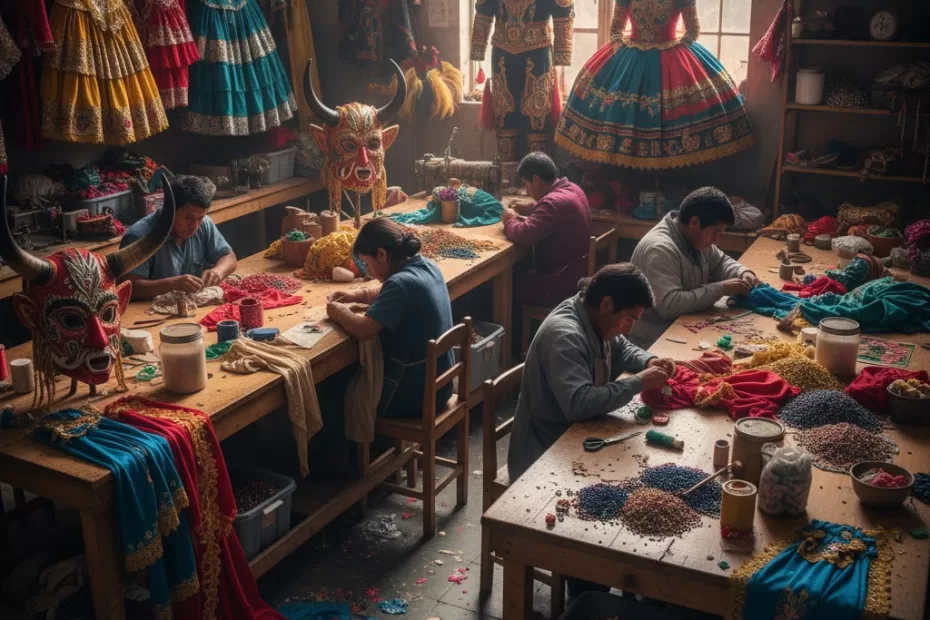
Costume Workshops in Oruro
Oruro, Bolivia, is a city steeped in a vibrant tapestry of tradition, where ancient Andean beliefs intertwine with colonial influences, culminating in one of the world’s most spectacular cultural expressions: the Carnival of Oruro. Recognized by UNESCO as a Masterpiece of the Oral and Intangible Heritage of Humanity, this festival is a dazzling display of music, dance, and, most notably, elaborate costumes. These aren’t just outfits; they are wearable art, embodying centuries of stories, myths, and devotion. For those captivated by this rich cultural heritage and eager to dive deeper than just being a spectator, participating in costume workshops in Oruro offers an unparalleled opportunity.
Imagine not just witnessing the magic of the Oruro festival costumes, but becoming a part of its creation. These small, local workshops are the beating heart of Oruro’s artistic community, where skilled artisans, many of whom have inherited their craft through generations, generously share their knowledge and techniques. From the intricate embroidery of a Morenada costume to the vibrant feathers of a Diablada, these workshops provide a hands-on journey into the soul of Oruro’s celebrations. They are places where craftsmanship thrives, where every stitch and every feather placement tells a story, and where visitors and locals alike can engage in the profound cultural expression that defines this extraordinary city. Whether you’re a seasoned artist or a curious beginner, these creative workshops offer a unique pathway to connect with Oruro culture and its enduring traditions.
Why Attend Costume Workshops in Oruro?
Attending costume workshops in Oruro is far more than just learning a new skill; it’s an immersive cultural experience that offers a multitude of benefits, both personal and communal. The cultural significance of Oruro’s carnival cannot be overstated, and these workshops serve as a direct conduit to understanding its depth and meaning.
Firstly, participation in these workshops provides an intimate connection to Oruro cultural heritage. The costumes themselves are living historical documents, each element, color, and texture imbued with symbolism and narrative. Learning to craft these intricate pieces means delving into Oruro costume history, understanding the origins of the characters, the stories they tell, and the specific Oruro traditions they represent. For example, the Diablada costume, with its fearsome mask and elaborate adornments, isn’t just a devil; it’s a representation of the struggle between good and evil, deeply rooted in Andean cosmology and Catholic beliefs. Through costume design classes Oruro, you learn not just the “how” but also the “why,” gaining a profound appreciation for the artistry and devotion that goes into each piece.
Secondly, these cultural workshops Oruro offer invaluable skill development. Under the guidance of local artisans Oruro, often master craftspeople with decades of experience, you’ll learn traditional clothing Oruro techniques that have been passed down through families. This might include intricate embroidery, feather work, metal tooling for masks, or textile arts specific to the region. These aren’t mass-produced items; they are handmade carnival outfits, requiring patience, precision, and an eye for detail. The satisfaction of contributing to such a rich tradition with your own hands is immense. These are truly artistic workshops, fostering creativity and a sense of accomplishment.
Beyond the cultural and skill-based benefits, there’s a powerful social aspect to attending costume workshops in Oruro. These spaces are often vibrant hubs of activity, bringing together people from different backgrounds who share a common interest in art and culture Oruro. You’ll have the chance to interact with local artisans, hear their stories, and forge connections within the artistic community Oruro. It’s an opportunity to truly engage with local events Oruro, moving beyond the role of a tourist to become an active participant in the city’s living traditions. Many of these crafting workshops are family-friendly workshops, making them an excellent activity for all ages to enjoy together, fostering intergenerational learning and shared creative expression Oruro.
Finally, the act of creating a costume, especially one destined for the grandeur of Oruro celebrations, is an incredibly rewarding experience. It’s a chance to express your own creativity while honoring a deeply cherished cultural form. Whether you contribute to a larger group project or craft your own unique look, the pride of seeing your work come to life during one of the most spectacular Oruro costume events is unparalleled. These workshop experiences are not just about the final product; they are about the journey, the learning, the connection, and the indelible memories you create along the way, solidifying Oruro’s place in your heart as a center for vibrant local crafts Oruro.
Top Costume Workshops to Consider
Oruro is dotted with numerous small, often family-run, workshops where the magic of carnival costumes comes to life. While specific workshop names might vary or be less formally advertised, many operate through word-of-mouth or are accessible through local cultural centers and tourism offices. However, to give you an idea of the types of experiences available, let’s explore three distinct categories of costume workshops in Oruro, each offering a unique pathway into the world of Oruro festival costumes. These examples highlight the diversity of opportunities for those interested in costume making and the rich Oruro arts scene.
Workshop 1: Traditional Oruro Costumes
This type of workshop is the quintessential Oruro experience for anyone wanting to delve deep into the historical and cultural roots of the carnival. Often run by master artisans who have inherited their skills through generations, these workshops focus on the meticulous creation of classic Oruro costumes, such as those for the Diablada, Morenada, Caporales, or Tobas.
Participants in a Traditional Oruro Costumes workshop will learn the intricate details of what makes each costume authentic. This isn’t just about assembling pieces; it’s about understanding the symbolism behind every color, fabric, and embellishment. You might spend time learning about the traditional clothing Oruro, focusing on the specific textiles used, such as rich velvets, satins, and brocades, often sourced locally. A significant portion of the learning will involve elaborate embroidery techniques. For a Morenada costume, for instance, this could mean hand-stitching sequins, beads, and metallic threads onto heavy fabrics to create the distinctive patterns that represent the African slaves brought to the mines. For a Diablada, the focus might shift to the crafting and painting of the iconic demonic masks, often made from papier-mâché or fiberglass, adorned with horns, teeth, and grotesque expressions. You’ll learn how to mold, sculpt, paint, and add details like glass eyes or horsehair.
The workshop will likely cover the historical context of each costume, delving into Oruro costume history and the specific Oruro traditions that dictate their design. You’ll understand why certain characters wear what they do, and the significance of their movements and roles in the carnival parades. This holistic approach ensures that participants not only acquire costume making techniques but also a profound respect for the cultural narrative embedded within each outfit. Expect to spend several days or even weeks on a project, depending on its complexity, as true craftsmanship takes time. These are authentic artistic workshops that celebrate the enduring spirit of Oruro’s past.
Workshop 2: Modern Interpretations of Costumes
While tradition is paramount in Oruro, there’s also a vibrant current of innovation and creative expression Oruro, particularly among younger generations of designers and artisans. Workshops focusing on Modern Interpretations of Costumes explore how contemporary aesthetics, materials, and techniques can be blended with traditional Oruro designs to create fresh, yet respectful, takes on carnival attire.
These workshops are ideal for those with a keen interest in design and a desire to experiment while still honoring the essence of Oruro traditions. Participants might be introduced to new materials like synthetic fabrics, LED lighting, or unconventional embellishments, and learn how to integrate them harmoniously into a traditional silhouette. For example, a workshop might explore how to create a lighter, more flexible Diablada mask using modern resins, or how to incorporate abstract patterns into a Caporales outfit while maintaining its characteristic energy. Costume design classes Oruro in this vein often encourage participants to develop their own unique look, pushing the boundaries of what’s expected while still recognizing the cultural backbone.
You’ll likely learn advanced sewing techniques, possibly even some theatrical design principles, and how to adapt patterns for a modern fit. The emphasis here is on creative problem-solving and finding innovative ways to interpret classic themes. This could involve exploring color theory in a new light, experimenting with different textures, or designing accessories that complement traditional garments with a contemporary twist. These creative workshops foster an environment where traditional craftsmanship meets cutting-edge design, resulting in festive costumes that are both recognizable and refreshingly new. It’s a fantastic opportunity to see how the Oruro arts scene is evolving, ensuring its relevance for future generations while preserving its core identity.
Workshop 3: DIY Costume Creation
For those who are eager to get hands-on and create their own costumes from scratch, perhaps for a personal event or simply as a memento of their time in Oruro, a DIY Costume Creation workshop is the perfect fit. These crafting workshops are typically more focused on individual projects and often cater to beginners or those looking for a less intensive, more personalized experience.
The core of a DIY Costume Creation workshop is empowering participants to design and construct a costume of their choice, with guidance from local artisans Oruro. This could be a simplified version of a carnival costume, a mask, or even an accessory that captures the spirit of Oruro celebrations. You’ll learn fundamental costume making techniques, starting with basic pattern drafting, fabric selection, and cutting. Emphasis will be placed on practical skills like hand sewing, machine sewing (if available), and basic embellishment methods using beads, sequins, and fabric paints.
These workshops are excellent for fostering a sense of accomplishment, as you’ll likely complete a wearable item within a shorter timeframe compared to the more intricate traditional workshops. Instructors will provide step-by-step guidance, helping you bring your vision to life. You might begin by sketching your design, selecting materials from a provided array, and then moving into the construction phase. The focus is often on accessibility and ensuring that even those with no prior experience can create something beautiful and meaningful. It’s a wonderful way to engage with local crafts Oruro and take home a truly unique souvenir. Whether you’re making a small piece of traditional clothing Oruro or a more generalized festive costume, these workshops cater to a wide range of interests and skill levels, making costume making accessible to everyone. The goal is to equip you with the skills and confidence to continue your DIY costumes journey long after the workshop ends.
What to Expect from a Costume Workshop
Embarking on a costume workshop in Oruro is an exciting venture, offering a unique blend of cultural immersion and hands-on artistic creation. While each workshop will have its own specific rhythm and focus, there are several common elements you can generally expect, ensuring a rewarding and enriching experience.
Firstly, expect a warm and welcoming atmosphere. Oruro’s artistic community is known for its hospitality and passion for sharing its cultural heritage. You’ll likely be greeted by enthusiastic instructors, often local artisans Oruro with deep roots in the city’s costume making traditions. These experts are not just skilled craftspeople but also storytellers, eager to share the history and significance behind the techniques and designs you’ll be learning. Their expert guidance is invaluable, providing personalized feedback and demonstrations that cater to various learning styles.
The common structure of these workshops typically begins with an introduction to the specific costume or technique you’ll be focusing on. This often includes a brief historical overview, a discussion of the cultural significance, and an explanation of the materials and tools involved. For instance, in a workshop focusing on Diablada masks, you might start with a presentation on the origins of the devil character in Oruro traditions, followed by an introduction to papier-mâché or fiberglass molding.
Materials provided will vary depending on the workshop’s focus and cost, but generally, you can expect the necessary raw materials to be included. This could range from various fabrics like velvet, satin, and brocade for clothing, to specialized elements like sequins, beads, feathers, and metallic threads for embellishments. For mask-making, materials like clay for sculpting, plaster for molds, papier-mâché, paint, and glues are common. Tools such as sewing machines (for more advanced workshops), hand-sewing needles, scissors, cutting mats, brushes, and specialized crafting tools will also be available for use. It’s always a good idea to confirm what materials are included when you sign up for costume design classes Oruro, as some workshops might allow or encourage participants to bring their own unique embellishments.
Throughout the workshop, you’ll engage in hands-on activities, guided step-by-step through the process of costume making. This might involve pattern cutting, sewing, embroidery, painting, sculpting, or assembling different components. The pace is usually designed to accommodate different skill levels, with instructors providing individual attention and assistance as needed. You won’t be left to struggle; the environment is collaborative and supportive. These artistic workshops are designed to be enjoyable learning experiences, not high-pressure exams.
Finally, expect to emerge from the workshop with not just a tangible piece of art—whether it’s a finished costume, a mask, or a significant component—but also with a deeper understanding of Oruro culture and the incredible craftsmanship that defines its carnival. The workshop experiences are incredibly rewarding, offering a unique window into the heart of Oruro’s creative spirit and its enduring commitment to cultural expression. You’ll leave with new skills, a sense of accomplishment, and a lasting memory of your participation in Oruro’s vibrant local crafts Oruro.
Tips for Choosing the Right Workshop
With an array of costume workshops in Oruro available, selecting the one that best fits your interests, skill level, and schedule can enhance your experience significantly. Here are some practical tips to help you make an informed choice and ensure you find the most suitable crafting workshops for your needs.
First and foremost, consider your interests. Are you fascinated by the historical accuracy of traditional clothing Oruro, eager to learn ancient techniques like intricate embroidery or mask sculpting for Oruro festival costumes? If so, look for workshops specifically dedicated to Traditional Oruro Costumes, which delve into Oruro costume history and specific Oruro traditions. Alternatively, if you’re more inclined towards innovation and artistic experimentation, seeking out workshops that focus on Modern Interpretations of Costumes might be more appealing, allowing for creative expression Oruro and the blending of old and new. For those who simply want a fun, hands-on experience creating a personal memento, DIY Costume Creation workshops are often the best fit.
Next, honestly assess your skill level. Many costume design classes Oruro cater to beginners, offering fundamental costume making techniques and comprehensive guidance. However, some advanced workshops might assume a basic understanding of sewing, design, or specific crafting methods. Don’t be afraid to inquire about prerequisites. If you’re a complete novice, look for family-friendly workshops or those explicitly stating “no experience necessary.” This ensures you won’t feel overwhelmed and can enjoy the learning process.
Time commitment is another crucial factor. Workshops can range from a single afternoon session focused on a small accessory or mask to multi-day or even multi-week programs for creating an entire elaborate costume. Consider how much time you have available during your visit to Oruro. If your schedule is tight, opt for shorter, more focused creative workshops. If you have ample time and a desire for a deep dive, a longer program will offer a more comprehensive artistic workshop experience.
Think about the learning environment you prefer. Do you thrive in a small, intimate group setting where you receive personalized attention from local artisans Oruro? Or do you enjoy larger, more social classes where you can interact with a diverse group of fellow enthusiasts? Some workshops might even offer one-on-one instruction. Enquire about class sizes when making your decision.
Naturally, cost will play a role. Prices for Oruro arts workshops can vary significantly based on the duration, complexity of the project, and the materials included. Be sure to understand what is covered in the fee – are all materials provided, or will you need to purchase some yourself? Are tools supplied, or should you bring your own? Compare options to find a workshop that fits your budget without compromising on quality or the experience you desire.
Finally, do some research and read reviews if possible. While many small, local crafts Oruro workshops might not have extensive online presences, you can often find recommendations through local tourism offices, cultural centers, or by asking around in the artistic community Oruro. Look for workshops known for their knowledgeable instructors, high-quality materials, and positive participant experiences. This due diligence will help ensure you choose a workshop that not only meets your expectations but also contributes positively to your appreciation of Oruro’s rich art and culture Oruro. By considering these tips, you’ll be well-equipped to select the perfect workshop to craft your unique look and immerse yourself in Oruro’s vibrant traditions.
FAQs About Costume Workshops in Oruro
Here are some common questions prospective attendees might have about costume workshops in Oruro:
-
Are there age restrictions for costume design classes Oruro?Many workshops are designed to be family-friendly workshops, welcoming participants of all ages, though younger children may require adult supervision. It’s best to confirm specific age requirements with the individual workshop provider.
-
What is the typical cost of these Oruro arts workshops?Costs vary widely depending on the duration, complexity of the project, and materials included, ranging from a small fee for a short session to a higher investment for multi-day, elaborate costume making programs. Always inquire about the full cost and what it covers before enrolling.
-
Do I need prior experience in costume making?No, many costume workshops in Oruro, especially DIY Costume Creation and introductory sessions, are specifically designed for beginners with no prior experience. More advanced traditional clothing Oruro workshops may recommend some basic crafting skills.
-
Are materials usually included?In most cases, essential materials and tools are provided as part of the workshop fee, especially for crafting workshops. However, it’s always advisable to confirm this detail when you register, as some specialized materials might be an additional cost.
-
Can I take my finished costume home?Absolutely! The goal of these creative workshops is for you to create a unique piece of art. Any costume, mask, or accessory you complete during the workshop is yours to keep, serving as a wonderful souvenir of Oruro cultural heritage.
-
How long do these crafting workshops typically last?The duration can vary from a single half-day session for a small project or mask to several days or even weeks for complex Oruro festival costumes. Check the schedule and time commitment for each specific workshop that interests you.
-
Are workshops available year-round, or only before Carnival?While demand for Oruro costume events-related workshops peaks before Carnival, many local artisans Oruro and cultural centers offer costume making classes throughout the year. This allows visitors to engage with Oruro traditions at any time.
-
Can I commission a custom costume if I don’t want to make one myself?Yes, many of the same local workshops and artisans who teach costume design classes Oruro also accept commissions for custom-made traditional clothing Oruro or festive costumes. This is a great way to acquire an authentic piece if time or skill is a constraint.
Join the Costume Community in Oruro
Engaging with costume workshops in Oruro is more than just a fleeting tourist activity; it’s an invitation to become a part of a living, breathing cultural legacy. The experience extends far beyond the confines of the workshop space, opening doors to the vibrant artistic community Oruro and the profound sense of belonging that comes with shared creative expression.
By participating in these crafting workshops, you’re not only learning valuable costume making techniques and delving into Oruro costume history, but you’re also directly supporting local artisans Oruro and contributing to the preservation of Oruro cultural heritage. These small, often family-run enterprises are the custodians of centuries-old knowledge, and your involvement helps ensure these precious Oruro traditions continue to thrive for future generations. It’s a tangible way to engage with art and culture Oruro, fostering a deeper appreciation for the city’s unique identity.
The connections you forge in these workshops can be incredibly enriching. You’ll meet fellow enthusiasts, both local and international, who share your passion for cultural expression and the Oruro arts. These interactions often lead to new friendships and a deeper understanding of the diverse perspectives within the artistic community. Imagine sharing stories, tips, and laughter as you work side-by-side, each stitch and brushstroke bringing you closer to the heart of Oruro celebrations.
Furthermore, participating in costume workshops in Oruro can be your gateway to experiencing Oruro costume events and local events Oruro from a unique perspective. Having crafted a part of a traditional clothing Oruro or even a full festive costume, you’ll view the grand parades and dances with an entirely new level of appreciation. You’ll recognize the intricate details, understand the immense effort involved, and perhaps even spot some of your fellow workshop participants proudly showcasing their creations. This firsthand experience transforms you from a passive observer into an active participant in Oruro’s rich tapestry of life.
Whether you’re crafting a fierce Diablada mask, embroidering a vibrant Morenada jacket, or simply learning the basics of DIY costumes, the journey is one of discovery and connection. It’s an opportunity to immerse yourself in the spirit of Oruro, to feel the pulse of its traditions, and to contribute your own creative energy to its ongoing story. So, take the leap, join a workshop, and become an integral part of Oruro’s magnificent costume community. Your unique look, crafted with your own hands, awaits its moment in the spotlight, forever linking you to the magic of this extraordinary city.
Alright, so I gave superphgame a spin. Pretty solid. The games are fun, and the site’s easy to navigate. Just keep things responsible, alright?
bw77 https://www.wbw77.com
For all my XSMB needs, I usually hit up Dự đoán xsmn 360. They give some pretty solid predictions, got a few small wins thanks to them. Definitely worth a look if you’re chasing those numbers. dự đoán xsmn 360
Y1gametrick is the place to go for those sneaky little game tricks. Helped me out a bunch of times when I was stuck. If you want something for your game, check this site! y1gametrick
Looking for the latest Yolo247 APK, huh? Download from here. Easy install and all. Haven’t had any problems with it so far. Good luck and have fun! yolo247 download apk latest version