
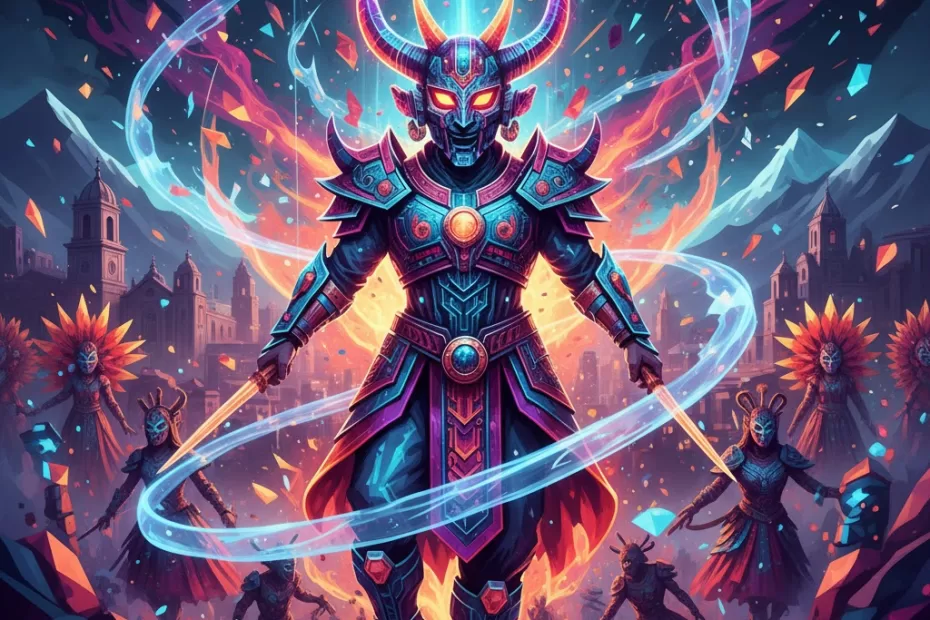
Digital Art Inspired by Oruro Carnival
The Oruro Carnival, a majestic spectacle nestled in the heart of Bolivia, is far more than just a festival; it’s a living tapestry of history, faith, and vibrant artistic expression. Recognized by UNESCO as a Masterpiece of the Oral and Intangible Heritage of Humanity, this annual celebration draws millions, showcasing an explosion of color, sound, and movement. While its roots are deeply embedded in tradition, its spirit is finding new life in the digital realm, inspiring a wave of contemporary artists who are reinterpreting its magic through screens and pixels. This exciting intersection of ancient culture and modern technology gives rise to a truly unique form of creative expression: digital art inspired by Oruro Carnival.
Understanding the Oruro Carnival: A Cultural Overview
To truly appreciate the digital art it inspires, one must first grasp the profound essence of the Oruro Carnival itself. Held annually in the city of Oruro, Bolivia, this pre-Lenten festival is a mesmerizing fusion of indigenous Andean traditions and Catholic religious rituals. Its origins can be traced back over 2000 years, with ancient Andean ceremonies venerating Pachamama (Mother Earth) and the Tío Supay (Uncle Devil) of the mines. When Spanish conquistadors arrived, they introduced Catholicism, leading to a syncretic blend where native deities were often masked as Christian saints.
The carnival’s central narrative revolves around the mythical battle between good and evil, specifically the Archangel Michael and the seven deadly sins personified by various devil figures, known as Diabladas. This epic struggle culminates in a dramatic procession, the Anata Andina, where thousands of dancers and musicians perform elaborate choreographies along a four-kilometer route. Each dance group, with its distinctive music and elaborate carnival costumes, tells a story. From the fierce Diablada with its horned masks and intricate embroidery to the elegant Morenada depicting African slaves, and the energetic Caporales with their powerful stomping, every performance is steeped in rich symbolism and cultural significance.
What makes the Oruro Carnival truly unique is its deep connection to the mining city of Oruro. The miners, who traditionally worked in dangerous conditions, sought protection and blessings from both the Virgin of Socavón (the patron saint of miners) and the Tío Supay, who was believed to control the riches beneath the earth. This duality is central to the festival, weaving together spiritual devotion, communal celebration, and a deep respect for the land and its ancient beliefs. The sheer scale, the intricate details of the costumes, the pulsating rhythms of the music, and the palpable energy of the participants create an unforgettable sensory experience that serves as an endless wellspring of artistic inspiration. It’s a living museum of Bolivian traditions, constantly evolving yet firmly rooted in its heritage, making it a compelling subject for visual arts across all mediums, including the burgeoning field of digital creativity.
The Influence of Oruro Carnival on Digital Art
The vibrant spectacle of the Oruro Carnival, with its rich tapestry of sounds, colors, and stories, offers an unparalleled source of inspiration for digital artists. In an age where traditional art forms are increasingly being reinterpreted through modern lenses, the carnival provides a fertile ground for creative expression that bridges the ancient and the contemporary. Digital artists are drawn to its dynamic energy, the intricate details of its costumes, the powerful symbolism embedded in its dances, and the profound cultural representation it offers.
This isn’t merely about replicating existing imagery; it’s about a deeper engagement with the themes, emotions, and traditions that define the Oruro Festival. Artists use digital tools to explore new perspectives, to exaggerate certain features, or to infuse the traditional elements with a fantastical, futuristic, or even abstract quality. The boundless possibilities of digital media allow for a unique artistic interpretation, where the essence of Bolivian art and its festive spirit can be captured and reimagined in ways that resonate with a global, digitally-native audience. The influence extends beyond mere aesthetics, delving into the narratives of good versus evil, the celebration of heritage, and the resilience of a culture. Digital art, in this context, becomes a powerful medium for visual storytelling, preserving and promoting the cultural significance of the Oruro Carnival for new generations and across international borders. It highlights how ancient traditions can inspire cutting-edge art movements, fostering a dynamic dialogue between past and present.
Key Elements in Carnival-Inspired Art
When digital artists delve into the world of the Oruro Carnival, certain key visual elements consistently emerge as central to their work. These aren’t just decorative motifs; they are potent symbols, each carrying layers of meaning and history, which artists skillfully weave into their digital creations.
Perhaps the most iconic element is the Diablada mask. These elaborate, often grotesque, masks feature bulging eyes, sharp fangs, snakes, and toads, symbolizing the devil figures from the mines and the seven deadly sins. Digital artists often exaggerate these features, playing with light and shadow to enhance their menacing or mischievous qualities. The intricate details of the horns, scales, and painted expressions provide endless opportunities for digital illustration, allowing for a level of precision and fantastical embellishment that might be challenging in physical mask-making.
Beyond the masks, the carnival costumes themselves are a treasure trove of inspiration. The vibrant colors, rich textures, and complex embroidery of the Diablada, Morenada, Caporales, and other dance groups are meticulously recreated or reimagined. Digital artists can experiment with different fabric simulations, metallic sheens, and gem-like embellishments that push the boundaries of realism, creating ethereal or hyper-realistic renderings of these magnificent garments. The flow and movement of the dancers, often depicted in mid-action, add a dynamic quality to the artwork, capturing the energy of the performance.
Mythological creatures and folklore figures also play a significant role. Beyond the devils, there are condors, pumas, and other Andean animals that appear in the dances and legends. Artists often integrate these elements, sometimes anthropomorphizing them or placing them in fantastical, digitally constructed landscapes that echo the Bolivian altiplano. The presence of the Virgin of Socavón is another recurring motif, often depicted with a halo of light or in a more stylized, almost angelic form, symbolizing protection and faith amidst the chaos and revelry.
The music and dance movements of the carnival, while auditory and kinetic, are often translated visually through dynamic lines, blurred effects, and compositional choices that convey rhythm and motion. The sense of communal celebration, the sheer joy, and the spiritual intensity are all elements that artists strive to capture, using color symbolism and composition to evoke these powerful emotions. These elements, when combined through various art techniques, allow digital artists to create a compelling visual narrative that honors the carnival’s traditions while pushing the boundaries of contemporary art.
Notable Digital Artists Drawing Inspiration from Oruro
While the digital art community is vast and ever-evolving, several artists—or styles representative of current artists—have emerged, captivating audiences with their unique interpretations of the Oruro Carnival. These artist profiles showcase the diverse ways in which cultural festivals can fuel modern artistic culture, bridging traditional Bolivian art with global digital trends.
One such artist, Elena “Elara” Morales (a composite representation of artists in this space), is known for her stunning digital paintings that bring the elaborate Diablada masks to life. Elara’s work often features hyper-detailed renderings of the devils, where every scale, horn, and jewel is meticulously painted with vibrant colors that practically glow on screen. She uses dramatic lighting to emphasize the masks’ fierce expressions, often placing them against dark, atmospheric backgrounds that hint at the mystical origins of the Tío Supay. Her pieces are not just portraits; they are character studies, imbuing the traditional figures with a sense of individual personality and power, often incorporating elements of fantasy art to give them a modern, epic feel. Her art inspirations come directly from observing the intricate craftsmanship of the physical masks, then reimagining them with a digital flourish.
Another artist, Javier “Javi” Quispe, takes a different approach, focusing on the dynamic energy and movement of the carnival’s dancers. Javi’s style leans towards digital illustration with a strong graphic novel aesthetic. He often depicts groups of Caporales or Morenada dancers in mid-stride, their costumes flowing and their bodies radiating rhythm. His use of bold lines, saturated color palettes, and motion blurs effectively conveys the intensity and joy of the performances. Javi frequently incorporates traditional Andean patterns into the backgrounds or as subtle overlays on the costumes, creating a visual dialogue between the ancient textiles and his contemporary digital canvas. His work is a celebration of the human element of the carnival, capturing the collective spirit and the physical artistry of the participants.
Then there are artists like Sofia “Sofi” Vargas, who explore the more abstract and symbolic aspects of the Oruro Carnival. Sofi’s pieces often blend photographic elements of actual carnival scenes with digital painting and manipulation. She might take a photo of a Diablada dancer and digitally overlay ancient geometric patterns, cosmic nebulae, or spiritual symbols, creating a dreamlike, almost psychedelic interpretation of the festival. Her work delves into the spiritual and mythological underpinnings of the carnival, using color symbolism and layered textures to evoke a sense of the sacred and the fantastical. Sofi’s creations often prompt viewers to look beyond the surface spectacle and consider the deeper cultural significance and spiritual dimensions of the event.
These artists, whether real or representative, exemplify how digital creativity offers a powerful platform for cultural representation. They are not merely documenting the Oruro Carnival; they are actively reinterpreting and expanding its narrative, ensuring that the vibrant colors and profound stories of this Bolivian tradition continue to inspire and captivate audiences globally through the ever-evolving world of digital art. Their contributions enrich the broader art community and help to define new art movements that celebrate heritage in innovative ways.
Techniques Used in Creating Digital Art Inspired by Carnival
The shift from traditional canvases to digital screens has opened up a world of possibilities for artists seeking to capture the essence of the Oruro Carnival. Digital art techniques offer unparalleled flexibility and precision, allowing artists to experiment with color, texture, and form in ways that would be difficult or impossible with conventional mediums. The choice of technique often dictates the final aesthetic, from hyper-realism to stylized abstraction, all while maintaining the core artistic inspiration drawn from the Bolivian festival.
One of the most prevalent techniques is digital painting. Using software like Adobe Photoshop, Procreate, or Clip Studio Paint, artists employ digital brushes that mimic everything from oil paints and watercolors to pastels and charcoals. This allows for incredibly detailed work, perfect for rendering the intricate embroidery of carnival costumes, the expressive features of the Diablada masks, or the nuanced textures of ancient textiles. Digital painting provides a vast color palette and the ability to layer and blend colors seamlessly, achieving the vibrant colors and luminous effects seen in many carnival-inspired pieces. Artists can build up forms, create dramatic lighting, and add fine details that make the digital artwork feel tactile and alive.
Vector illustration is another popular approach, particularly for artists who prefer clean lines, bold shapes, and scalable graphics. Programs like Adobe Illustrator are used to create artwork composed of mathematical paths rather than pixels. This technique is ideal for stylized representations of carnival figures, creating iconic posters, graphic designs, or character art that retains clarity at any size. Vector art often emphasizes strong silhouettes and graphic patterns, which are perfect for translating the geometric motifs found in some traditional Bolivian art and carnival elements. It allows for a modern, crisp aesthetic that can still convey the energy and cultural representation of the festival.
For those looking to add another dimension, 3D modeling and sculpting offer an immersive way to bring carnival elements to life. Artists use software like Blender, ZBrush, or Autodesk Maya to sculpt virtual masks, create detailed character models of dancers, or even build entire digital scenes inspired by the Oruro streets. This technique allows for exploration of form and volume in a way that 2D art cannot, providing opportunities for virtual reality experiences, animated sequences, or highly realistic renderings that showcase the three-dimensional complexity of carnival costumes and props. The ability to manipulate lighting and camera angles in a 3D environment further enhances the artistic interpretation.
Photo manipulation and mixed media techniques are also widely employed. Artists might start with photographs of actual carnival participants, masks, or landscapes, and then digitally paint over them, add textures, overlay patterns, or integrate other digital elements. This hybrid approach allows for a blend of realism and artistic interpretation, creating surreal or dreamlike compositions. It’s particularly effective for conveying the magical realism often associated with cultural festivals and ancient folklore, merging the tangible reality of the carnival with fantastical digital creativity.
Finally, digital animation takes these static techniques and imbues them with movement, bringing the dances and stories of the Oruro Carnival to life in dynamic sequences. From simple GIFs to complex short films, animation allows artists to explore the narrative aspects of the festival, showcasing the flow of costumes, the rhythm of the dances, and the emotional arc of the performances. These varied art techniques provide a rich toolkit for artists, enabling them to capture the multifaceted spirit of the Oruro Carnival in a truly innovative and engaging manner.
Color Palettes and Their Significance
Color is the lifeblood of the Oruro Carnival, a language spoken universally that conveys emotion, identity, and profound cultural significance. Digital artists drawing inspiration from this Bolivian tradition understand that their color palettes are not merely aesthetic choices but powerful narrative tools. The vibrant colors seen in the carnival are meticulously chosen and hold deep symbolic meanings, which artists then translate and amplify in their digital creations.
At the heart of many carnival-inspired digital artworks is an explosion of primary and secondary colors, often used in their most saturated forms. Red is omnipresent, symbolizing passion, power, and crucially, the devil (Tío Supay). Digital artists use various shades of red, from deep crimson to fiery scarlet, to depict the Diablada masks and costumes, evoking both menace and an irresistible energy. Often contrasted with red is gold or yellow, representing wealth, divinity, and the sun, a vital symbol in Andean cosmology. It frequently adorns the elaborate embroidery of costumes, highlighting intricate details and adding a touch of sacred opulence.
Blue holds a dual meaning. It can represent the sky and the heavens, connecting to the Virgin of Socavón, often appearing in her garments or as a serene backdrop. Yet, in other contexts, deep blues can also evoke the mysterious and often dark depths of the mines. Digital artists skillfully navigate these interpretations, using different shades to convey specific moods. Green, symbolizing fertility, nature, and new beginnings, is often found in elements related to Pachamama or in the more terrestrial aspects of the carnival, such as the Anata Andina where agricultural abundance is celebrated.
White, representing purity, peace, and spirituality, often provides a contrasting element, drawing the eye to specific details or offering a visual respite amidst the chromatic intensity. Black, on the other hand, is used for dramatic effect, to create depth, shadow, and to emphasize the menacing aspects of the devil figures, or to ground the vibrant figures against a stark background, making them pop.
Beyond individual colors, the juxtaposition of complementary colors is a hallmark of Oruro Carnival aesthetics. The pairing of reds and greens, blues and oranges, or purples and yellows creates a dynamic tension and visual excitement that digital artists eagerly adopt. This deliberate use of contrast enhances the festive art, making the digital images feel alive and energetic, mirroring the sensory overload of the actual festival.
Artists also play with color symbolism by manipulating saturation and luminosity. They might desaturate backgrounds to make the central figures’ costumes burst forth with intensity, or use luminous digital effects to make gold threads shimmer and jewels sparkle, enhancing the magical quality of the carnival. The goal is not just to replicate the colors but to evoke the emotions and stories tied to them, making the digital artwork a powerful conduit for cultural representation and visual storytelling. Through thoughtful application of these color palettes, digital artists ensure that the spirit of Oruro Carnival, with its rich tapestry of meanings, continues to resonate vibrantly.
Incorporating Traditional Elements into Digital Art
The magic of digital art inspired by Oruro Carnival lies in its ability to respectfully incorporate traditional elements while simultaneously pushing creative boundaries. This integration is a delicate dance between honoring heritage and embracing innovation, allowing Bolivian traditions to flourish in new, exciting visual forms. Artists adeptly weave in these time-honored components, ensuring their digital creations resonate with authenticity and cultural depth.
One primary method involves the direct, yet reimagined, inclusion of iconic characters and their attributes. The Diablada devil, the Morenada king, the Caporales dancer – these figures are instantly recognizable. Digital artists often take these traditional archetypes and infuse them with modern aesthetics. For instance, a Diablada mask might be rendered with a futuristic metallic sheen, or a Caporales costume might feature intricate digital patterns that are inspired by traditional textiles but executed with a contemporary graphic design sensibility. The key is to retain the essence – the horns, the bells, the plumes – while allowing for artistic interpretation in textures, materials, and overall styling.
Traditional patterns and motifs are another rich source of inspiration. Andean textiles, with their geometric designs and symbolic animal figures, are often digitally recreated or adapted. These patterns might be used as background elements, integrated into the fabric of digital costumes, or even serve as abstract compositional guides. By referencing these ancient designs, artists create a visual link to the deep history of Bolivian art and craftsmanship, grounding their digital creativity in a tangible cultural heritage. This can involve researching specific regional patterns and then applying them with digital tools, perhaps generating new color combinations or scale variations.
The narratives and folklore surrounding the Oruro Carnival are also crucial traditional elements. Digital artists often use visual storytelling to depict scenes from the carnival’s history, its myths, or the symbolic battles between good and evil. This could manifest as a digital painting illustrating the legend of the Tío Supay, or a series of animated shorts explaining the origins of a particular dance. By visually interpreting these stories, artists not only celebrate the carnival but also educate a global audience about its profound cultural significance. They might use sequential art techniques, similar to comic books or graphic novels, to convey these narratives in an engaging format.
Furthermore, artists integrate the spiritual and religious syncretism that defines the carnival. Depictions of the Virgin of Socavón alongside indigenous deities or masked devils are common. This delicate balance of faith and folklore is a powerful traditional element that highlights the unique cultural tapestry of Bolivia. Digital artists can use light, color, and composition to emphasize this spiritual duality, perhaps through symbolic representations or by creating ethereal, almost sacred, digital environments where these figures coexist.
Finally, the music and dance movements, though intangible, are translated through dynamic poses, implied motion, and the visual rhythm of the artwork. Artists study the specific steps and gestures of dances like the Morenada or Caporales and translate them into expressive digital forms, capturing the energy and passion of the performance. This careful integration of traditional elements ensures that digital art inspired by Oruro Carnival remains deeply connected to its roots, offering a powerful testament to the enduring influence of carnival traditions on artistic culture and contemporary visual arts.
The Role of Social Media in Promoting Carnival Art
In the digital age, social media platforms have become indispensable tools for artists, particularly those creating digital art inspired by cultural festivals like the Oruro Carnival. These platforms transcend geographical boundaries, allowing artists to showcase their work to a global audience, foster a vibrant art community, and contribute to the broader artistic culture. The immediacy and visual nature of platforms like Instagram, Pinterest, ArtStation, and DeviantArt make them ideal for promoting the vibrant colors and intricate details of carnival-inspired digital art.
Instagram, with its strong emphasis on visual content, stands out as a primary platform. Artists use high-quality images and short videos (Reels) to display their digital paintings, illustrations, and 3D renders. Strategic use of hashtags such as #OruroCarnivalArt, #DigitalArtBolivia, #CarnivalInspired, #CulturalArt, and #BolivianArt helps categorize their work, making it discoverable by enthusiasts, collectors, and other artists interested in specific art movements or cultural representation. Instagram Stories provide a dynamic way for artists to share their creative process, behind-the-scenes glimpses, and interact directly with their followers, building a personal connection and fostering a sense of community. This direct engagement allows for immediate feedback and helps artists understand what resonates with their audience.
Pinterest serves as a powerful visual discovery engine, where users create and share curated boards of images. Digital artists can pin their carnival-inspired artwork to relevant boards, reaching individuals who are actively searching for artistic inspiration, cultural festivals, or specific visual themes. The platform’s emphasis on discoverability through visually appealing content makes it an excellent tool for increasing the visibility of digital art and driving traffic back to artists’ portfolios or websites. It’s particularly effective for broad keyword searches related to festive art or unique art styles.
Specialized art platforms like ArtStation and DeviantArt cater specifically to digital artists, offering a professional space to showcase portfolios, connect with peers, and even find job opportunities. These platforms often feature robust community features, allowing artists to receive critiques, participate in challenges, and learn from others. For artists focusing on the Oruro Carnival, these sites provide a dedicated space to present their creative techniques and unique artistic interpretations to a discerning audience that appreciates the technical skill and cultural depth involved in their work. The feedback loop on these platforms can be invaluable for artistic growth and refinement.
Beyond direct promotion, social media plays a crucial role in cultural exchange and preservation. By sharing digital art inspired by Oruro Carnival, artists introduce this unique Bolivian tradition to people who might never experience it firsthand. This global exposure helps to preserve the cultural significance of the carnival, ensuring its stories and visual splendor continue to inspire and educate. It sparks conversations about cultural festivals, bolsters the art community, and highlights the dynamism of digital creativity in celebrating world heritage.
Social media also enables collaboration and networking among artists. Digital artists from different parts of the world can connect, share ideas, and even collaborate on projects inspired by the carnival, leading to innovative cross-cultural artistic endeavors. This interconnectedness fuels new art trends and ensures that the influence of Oruro Carnival continues to grow and evolve within the digital art landscape, making it a vibrant subject for contemporary visual arts.
Conclusion: Celebrating Culture through Digital Art
The journey through digital art inspired by Oruro Carnival reveals a powerful fusion of ancient traditions and modern artistic innovation. What begins as a vibrant, centuries-old cultural festival in the heart of Bolivia transforms into a boundless source of creative expression in the digital realm. We’ve seen how the profound cultural significance of the Oruro Carnival, with its rich history, intricate symbolism, and breathtaking carnival costumes, provides an endless wellspring of inspiration for digital artists worldwide.
From the menacing yet magnificent Diablada masks to the rhythmic energy of the dancers and the deep spiritual narratives, every element of the Oruro Carnival finds new life and interpretation through digital media. Artists employ a diverse array of art techniques, from meticulous digital painting and crisp vector illustration to immersive 3D modeling and dynamic animation, to capture the essence of this Bolivian tradition. Their thoughtful use of vibrant colors, each imbued with symbolic meaning, and their careful integration of traditional elements ensure that the artwork not only dazzles visually but also resonates with cultural authenticity.
The rise of digital creativity has not only offered artists new tools but also new platforms for sharing their vision. Social media, in particular, has become a vital conduit, enabling artists to connect with a global art community, promote their unique artistic interpretations, and foster a deeper appreciation for cultural festivals like Oruro. It facilitates a dynamic exchange, allowing the stories and visual splendor of Bolivian art to transcend geographical boundaries and inspire a diverse audience interested in art movements that blend heritage with contemporary aesthetics.
Ultimately, digital art inspired by Oruro Carnival serves a dual purpose: it acts as a powerful form of cultural representation, preserving and celebrating a cherished heritage, while simultaneously pushing the boundaries of modern visual arts. It demonstrates how technology can be a respectful and innovative partner in cultural preservation, ensuring that the spirit of the Oruro Carnival continues to captivate, educate, and inspire generations to come, proving that tradition and innovation can dance together in a spectacular display of creativity.
ev88apk…Another APK download! I’m always hunting for that hidden gem. Hope it doesn’t drain my battery! Let’s peek at ev88apk and see what we can find.
jiliph https://www.itjiliph.org