
Environmental Challenges of Oruro Carnival
The Oruro Carnival, a vibrant explosion of color, music, and dance, stands as one of Bolivia’s most spectacular cultural events. Recognized by UNESCO as a Masterpiece of the Oral and Intangible Heritage of Humanity, it draws hundreds of thousands of revelers each year, transforming the high-altitude city of Oruro into a pulsating hub of festivity. While its cultural significance and spiritual depth are undeniable, celebrating this grand tradition comes with an increasing environmental cost. As the world grapples with climate change and sustainability, the Oruro Carnival, like many large-scale cultural events, faces pressing environmental challenges that demand thoughtful solutions and proactive measures.
Introduction to Oruro Carnival
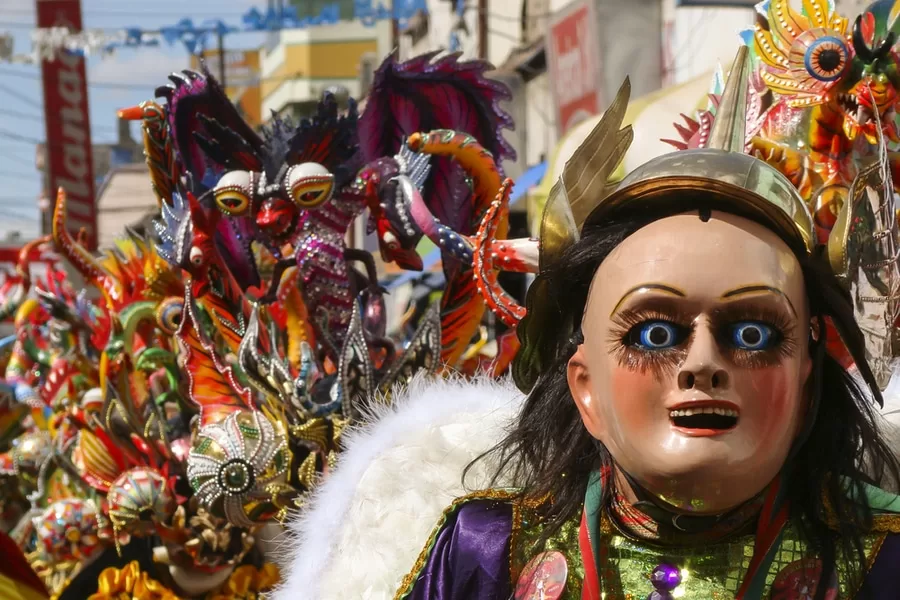
The Oruro Carnival is far more than just a party; it’s a profound manifestation of Andean cosmology, Catholic tradition, and ancestral beliefs, all woven into a breathtaking tapestry of folklore. Its history stretches back centuries, evolving from indigenous rituals honoring Pachamama (Mother Earth) and the Uru people’s veneration of Supay (devil or lord of the underworld) into a syncretic festival. The central narrative revolves around the Archangel Michael’s triumph over evil, represented by the elaborate Diablada dance, where dancers in intricate devil costumes perform a ritualistic battle.
This annual spectacle, held before Ash Wednesday, is a cornerstone of Bolivia culture and a point of immense pride for the nation. For an entire week, Oruro traditions come alive through parades, music, and elaborate costumes, culminating in the grand procession where thousands of dancers and musicians perform tirelessly along a several-kilometer route. The carnival celebrations are deeply intertwined with the identity of the city and its people, serving as a powerful expression of their rich cultural heritage. Beyond its spiritual and cultural importance, the carnival is also a significant economic driver, attracting tourism and providing livelihoods for countless artisans, musicians, and vendors. However, this massive influx of people and activity inevitably places considerable strain on the local environment, raising critical questions about the festival’s long-term sustainability.
Overview of Environmental Challenges
The sheer scale of the Oruro Carnival, with its immense crowds and extensive infrastructure, brings with it a host of environmental issues. The celebratory fervor, while culturally enriching, often overshadows the ecological footprint left behind. The primary concerns revolve around waste management, various forms of pollution, and the impact on local wildlife and ecosystems. These environmental challenges are not unique to Oruro but are common to many large-scale cultural events globally, prompting a growing movement towards more sustainable festivals. Addressing these issues is crucial for preserving not only the natural beauty of Oruro but also for ensuring the continued vitality and authenticity of the carnival itself for future generations. The balance between celebrating cultural heritage and fostering community sustainability is a delicate one, requiring careful planning and collective responsibility.
Waste Management Issues
One of the most visible and immediate environmental impacts of the Oruro Carnival is the staggering volume of waste generated. During the peak days of the carnival celebrations, the streets of Oruro become inundated with a diverse array of refuse. This includes discarded food containers made of plastic and styrofoam, countless plastic bottles from beverages, an abundance of confetti and streamers, packaging from snacks, and even remnants of costumes and decorative materials. The temporary nature of many food stalls and vendor setups often means that sustainable packaging alternatives are overlooked in favor of convenience and cost-effectiveness, exacerbating the problem.
Current waste disposal practices in Oruro, while present, are often overwhelmed by the sheer scale of the waste produced during the carnival. Bins quickly overflow, and without sufficient collection infrastructure, much of the waste ends up scattered on the streets, eventually making its way into drainage systems or accumulating in public spaces. This not only creates an unsightly environment but also poses significant health hazards and contributes to environmental degradation. The challenge is compounded by a lack of consistent public awareness campaigns regarding proper waste disposal and recycling, meaning many attendees are not fully conscious of their individual impact.
Potential improvements are manifold. Implementing a robust and clearly marked system of waste separation at the source, with dedicated bins for recyclables and organic waste, would be a critical first step. Increasing the frequency of waste collection during the carnival, especially in high-traffic areas, is also essential. Furthermore, encouraging vendors to use biodegradable or reusable packaging and offering incentives for attendees to bring their own reusable bottles and bags could significantly reduce the volume of single-use plastics. Educational initiatives targeting both locals and tourists, emphasizing responsible waste disposal and the importance of keeping Oruro clean, would foster a greater sense of collective ownership and responsibility for the city’s environment. Effective waste management solutions are paramount to mitigating this pervasive problem.
Pollution Concerns
Beyond the visible issue of waste, the Oruro Carnival contributes significantly to various forms of pollution, impacting the air, water, and soundscape of the city. These pollution effects, though often less tangible than overflowing bins, have far-reaching consequences for both human health and the natural environment.
Noise Pollution: The carnival is an auditory feast, but the constant barrage of loud music from countless bands, amplified sound systems, fireworks, and the sheer clamor of hundreds of thousands of revelers creates extreme levels of noise pollution. This incessant din can be stressful for residents, particularly the elderly and young children, disrupting sleep patterns and contributing to hearing fatigue. For local wildlife, especially birds and small mammals, the noise can be disorienting and terrifying, driving them away from their natural habitats and interfering with their communication and breeding cycles. The sustained high decibel levels during the carnival pose a significant challenge to urban tranquility and ecological balance.
Air Pollution: Air quality also suffers during the carnival. The thousands of vehicles, including parade floats, buses, and private cars transporting attendees, contribute to increased exhaust emissions. Dust, stirred up by massive crowds walking and dancing on unpaved or poorly maintained streets, further degrades air quality. The extensive use of fireworks, an integral part of many carnival celebrations, releases particulate matter and harmful gases into the atmosphere. In a city situated at a high altitude like Oruro, where air can already be thinner, these pollutants can be particularly impactful, potentially exacerbating respiratory issues for vulnerable populations.
Water Pollution: While less immediately obvious, water pollution is another significant concern. Rain or simply the massive amount of water used for cleaning after the parades can wash accumulated waste, including plastics, food scraps, and chemical residues from fireworks and cleaning agents, into the city’s drainage systems. These systems often lead to local waterways, potentially contaminating rivers and lakes that are vital sources of water for communities and ecosystems downstream. The improper disposal of human waste from temporary facilities can also contribute to water contamination, posing risks to public health and aquatic life. Addressing these diverse forms of carnival pollution requires a multi-faceted approach, encompassing stricter regulations, technological solutions, and public education.
Impact on Local Wildlife
The vibrant energy of the Oruro Carnival, while exhilarating for humans, can be profoundly disruptive and even detrimental to the local wildlife and surrounding ecosystems. Oruro, nestled in the Andean highlands, is home to a unique array of flora and fauna, many of which are sensitive to human disturbance. The carnival’s massive footprint, encompassing a large urban area and its immediate surroundings, inevitably encroaches upon these natural habitats.
One of the most significant impacts is habitat disruption. The influx of people, vehicles, and temporary structures can directly displace animals from their usual foraging grounds and nesting sites. Birds, in particular, are highly sensitive to noise and human presence. The constant loud music, fireworks, and general commotion can cause them to abandon nests, leading to failed breeding attempts or the abandonment of young. Small mammals, such as rodents and some native marsupials, may also be forced to flee urban areas or become disoriented, increasing their vulnerability to predators or accidents.
The proliferation of waste, especially plastic and non-biodegradable materials, poses a direct threat to wildlife. Animals may mistake plastic bags or food wrappers for food, leading to ingestion that can cause internal injuries, blockages, or starvation. Entanglement in discarded fishing lines, plastic rings, or other debris is another danger, causing injury, restricting movement, or even leading to death. The confetti and streamers, while festive, are often made of non-biodegradable plastics and can persist in the environment for years, potentially ingested by animals or polluting soil and water.
Water pollution, as discussed, also impacts aquatic life in nearby rivers and wetlands. Runoff containing chemicals and pollutants can degrade water quality, harming fish, amphibians, and the invertebrates that form the base of the aquatic food web. This can have cascading effects throughout the ecosystem, impacting species further up the food chain, including birds that rely on these water bodies for food.
Protecting local wildlife during such a large event requires specific measures. This could include establishing no-go zones around sensitive habitats, particularly during breeding seasons, and implementing stricter controls on noise levels and fireworks in areas adjacent to natural spaces. Educational campaigns could also highlight the importance of not littering and the specific dangers that carnival waste poses to animals, fostering a greater sense of responsibility among attendees. Wildlife conservation efforts must become an integral part of the carnival’s planning process to ensure that the celebration of human culture does not come at the irreparable expense of the natural world.
Sustainable Practices in Oruro Carnival
Despite the significant environmental challenges, there is a growing recognition within Oruro and among carnival organizers of the need for more sustainable festivals. Efforts, while still evolving, are being made to integrate environmentally friendly practices into the carnival’s fabric, demonstrating a commitment to community sustainability and preserving the region’s natural resources. These initiatives often involve collaboration between municipal authorities, local organizations, and community members, striving to balance the rich cultural heritage with ecological responsibility. The goal is to transform the Oruro Carnival into a model of sustainable tourism, where the joy of celebration is harmonized with respect for the environment.
Recycling Initiatives
One of the key areas where sustainable practices are being implemented, albeit gradually, is through recycling initiatives. Recognizing the immense volume of waste generated, some efforts have been made to introduce recycling programs during the carnival. These typically involve the placement of separate bins for plastics, paper, and organic waste in designated areas, particularly along the main parade route and in popular gathering spots. Volunteers, often from local schools or environmental groups, might be deployed to encourage revelers to use these bins correctly and to help sort collected waste.
The effectiveness of these recycling programs varies. Challenges include the sheer scale of the event, the lack of widespread public awareness, and sometimes insufficient infrastructure for collection and processing. Many attendees, caught up in the festive atmosphere, may not prioritize waste separation, or simply lack convenient access to the appropriate bins. Furthermore, the capacity of local recycling facilities to handle the massive influx of materials during the carnival period can be limited.
To enhance these initiatives, several steps could be taken. Expanding the number of clearly marked and easily accessible recycling stations, coupled with multilingual signage and visual cues, would improve participation. Partnering with beverage companies and food vendors to promote the use of recyclable packaging, and perhaps even implementing a deposit-refund system for plastic bottles, could significantly boost collection rates. Public service announcements and social media campaigns before and during the carnival could educate attendees on the importance of recycling and how to participate effectively. By fostering a culture of responsibility, Oruro can move closer to achieving its environmental solutions for waste.
Community Involvement
Community involvement is a cornerstone of any successful sustainability effort, and the Oruro Carnival is no exception. Local communities, recognizing the long-term implications of environmental degradation on their city and cultural events, are increasingly engaged in promoting sustainable practices. This engagement takes various forms, demonstrating a collective commitment to community sustainability.
One important aspect is through educational campaigns. Local schools, universities, and non-governmental organizations often run programs before and during the carnival to raise awareness about environmental issues. These initiatives target both residents and visitors, emphasizing the importance of responsible waste disposal, reducing consumption of single-use items, and respecting the local environment. Workshops and public forums might be organized to discuss the environmental impact of festivals and brainstorm solutions.
Volunteer efforts are also crucial. Community members, particularly youth groups and environmental activists, participate in clean-up drives before, during, and after the carnival. These volunteers not only help collect waste but also act as ambassadors for sustainable practices, encouraging others to be mindful of their actions. Some groups focus specifically on collecting recyclable materials or campaigning for stricter environmental regulations.
Furthermore, local artisans and cultural groups are exploring ways to make their contributions to the carnival more sustainable. This includes using eco-friendly materials for costumes and decorations, promoting traditional crafts that have a lower environmental footprint, and educating participants about the origin and impact of their materials. By fostering a sense of shared responsibility and empowering local stakeholders, Oruro can build a more resilient and environmentally conscious carnival celebration. This grassroots approach is vital for ensuring that environmental solutions are culturally appropriate and effectively implemented.
Future Directions for Oruro Carnival
As the Oruro Carnival continues to evolve, so too must its approach to environmental stewardship. The path forward involves not just addressing current issues but proactively planning for a future where cultural celebration and ecological preservation coexist harmoniously. This vision for sustainable tourism requires a multi-pronged strategy that embraces innovation, strengthens community sustainability, and integrates environmental activism into the very fabric of the festival. The goal is to ensure that the rich cultural significance of the carnival remains vibrant for centuries to come, without compromising the health of the planet or the well-being of the local community. Future directions will likely focus on comprehensive impact assessment and the implementation of robust environmental solutions.
Potential Policy Changes
To truly mitigate the environmental issues associated with the Oruro Carnival, robust policy changes will be essential. While community involvement and individual actions are vital, systemic shifts often require governmental backing and clear regulatory frameworks. These policy changes could provide the necessary structure and incentives to drive widespread adoption of sustainable practices.
One critical area for policy intervention is waste management. The municipal government could enact stricter regulations on waste separation at source, making it mandatory for vendors and businesses operating during the carnival to provide separate bins for recyclables and organic waste. Fines for improper waste disposal could be implemented and enforced more rigorously. Furthermore, policies could incentivize or even mandate the use of biodegradable or reusable packaging materials for food and beverages sold during the carnival, potentially phasing out single-use plastics entirely over time. A deposit-refund system for plastic bottles, where a small fee is added to the price of beverages and refunded upon return of the empty bottle, has proven effective in many parts of the world and could be explored.
Regarding pollution concerns, policies could address noise and air quality. Regulations could be introduced to control noise levels from sound systems and fireworks, particularly in residential areas or near sensitive ecological zones, perhaps by setting decibel limits or designating specific times for loud activities. Promoting the use of electric or low-emission vehicles for parade floats and transport could help reduce air pollution. Policies that encourage green energy sources for temporary carnival infrastructure, such as solar-powered lighting, could also be considered.
To protect local wildlife, zoning regulations could be established to create buffer zones around sensitive habitats, restricting carnival activities in these areas. Policies could also ban the use of certain materials like plastic confetti, which are particularly harmful to animals, in favor of biodegradable alternatives.
Finally, policies could focus on sustainable tourism by providing incentives for tour operators and hotels that implement eco-friendly practices. This could include tax breaks or preferential permits for businesses that demonstrate a commitment to environmental sustainability. Educational mandates for all carnival participants, perhaps through official communication channels, could ensure everyone is aware of their environmental responsibilities. These potential policy changes, developed through collaborative dialogue with local communities, environmental experts, and carnival organizers, could provide a powerful framework for a more sustainable Oruro Carnival.
Conclusion
The Oruro Carnival stands as a magnificent testament to Bolivia’s rich cultural heritage and spiritual depth, a celebration that captivates hearts and minds with its vibrant energy and profound traditions. However, beneath the dazzling spectacle lies a growing concern: the significant environmental challenges posed by such a large-scale event. From the overwhelming mountains of waste that accumulate daily to the pervasive pollution affecting air, water, and soundscapes, and the undeniable impact on local wildlife, these environmental issues demand urgent and sustained attention.
Addressing these challenges is not merely an ecological imperative; it is crucial for ensuring the long-term vitality and authenticity of the carnival itself. A truly sustainable festival is one that honors its cultural significance while simultaneously safeguarding the natural environment for future generations. While nascent sustainable practices and community involvement offer a glimmer of hope, the path forward requires a more comprehensive and proactive approach. This involves strengthening recycling programs, fostering greater community sustainability through widespread education, and, critically, implementing robust policy changes that mandate eco-friendly practices across all facets of the carnival.
By embracing innovative environmental solutions and fostering a collective sense of responsibility, the Oruro Carnival can evolve into a global model for sustainable cultural events. It’s a journey that calls for collaboration among government bodies, local communities, carnival organizers, and every single participant. The future of this extraordinary celebration depends on our ability to reconcile the joy of tradition with the urgent demands of environmental stewardship, ensuring that the spirit of Oruro continues to dance vibrantly for centuries to come, in harmony with Pachamama.
Heard some buzz about 32win30, thought I’d give it a whirl. Not bad, not bad at all. The interface is slick and mobile-friendly, which is a huge plus for me. Bonus-wise, it’s alright. Worth a shot, ya know? Here’s the link: 32win30