
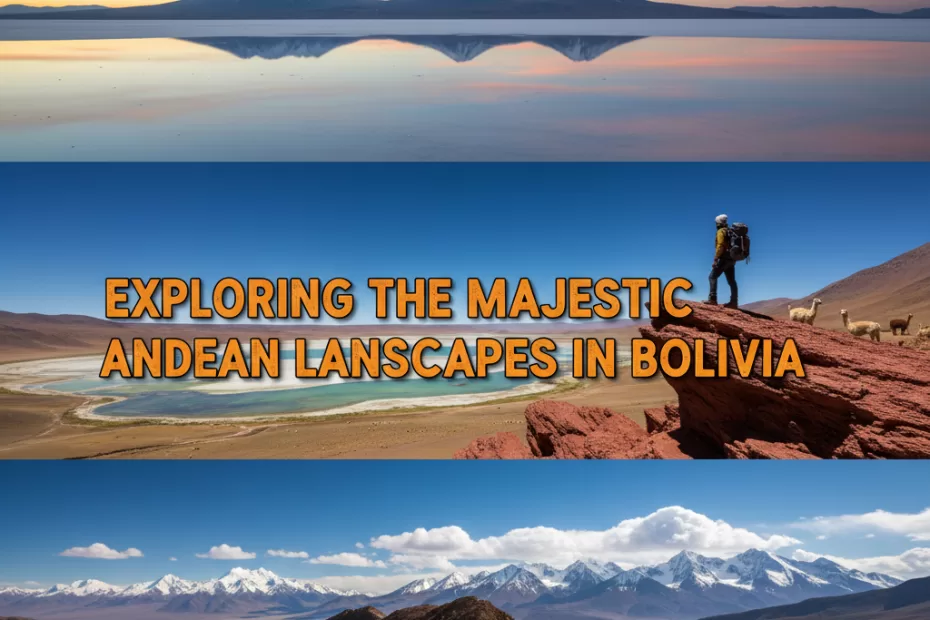
Exploring the Majestic Andean Landscapes in Bolivia
Bolivia, a landlocked gem in the heart of South America, is a country of staggering contrasts and unparalleled natural beauty. While often overshadowed by its more famous neighbors, Bolivia holds a secret trove of some of the most dramatic and awe-inspiring Andean landscapes on the planet. From the shimmering white expanse of the world’s largest salt flat to the sapphire depths of the highest navigable lake, and the jagged, snow-capped peaks that pierce the sky, the Bolivian Andes offer an adventure for every kind of traveler. This journey through Bolivia’s breathtaking scenery is not just about postcard-perfect views; it’s an immersion into ancient cultures, unique biodiversity, and a sense of raw, untamed wilderness that defines the spirit of the Andes.
Prepare to be enchanted as we navigate through an extraordinary terrain where every turn reveals a new wonder. The sheer scale and diversity of the Bolivian scenery are enough to captivate any visitor, urging them to explore deeper into its wild heart. Whether you’re a seasoned adventurer seeking high-altitude thrills, a photography enthusiast chasing the perfect shot, or a cultural explorer eager to connect with indigenous communities, the Andean landscapes in Bolivia promise an unforgettable experience. This guide aims to illuminate the paths to these natural wonders and offer insights into how best to visit Bolivia, ensuring your exploration of these majestic Andean mountains is as enriching as it is exhilarating. Get ready to discover the magic that makes Bolivia a truly unique destination for adventure travel and cultural immersion.
Introduction to Bolivia’s Andean Landscapes
Bolivia’s Andean landscapes are a world unto themselves, a geological masterpiece sculpted over millennia by tectonic forces and glacial erosion. This vast region, stretching across the western part of the country, is characterized by its extreme altitudes, diverse ecosystems, and rich cultural heritage. Geographically, it’s dominated by two main mountain ranges: the Cordillera Occidental (Western Range) and the Cordillera Oriental (Eastern Range), separated by the high-altitude Altiplano plateau. This unique configuration creates a mosaic of environments, from arid deserts and salt flats to lush cloud forests and glacial lakes, all beneath the watchful gaze of towering Andean peaks.
The cultural significance of these mountains is deeply woven into the fabric of Bolivian society. For centuries, the Andes have been home to indigenous cultures, most notably the Aymara and Quechua peoples, whose traditions, languages, and spiritual beliefs are intrinsically linked to the land. The mountains are not merely geographical features but sacred entities, revered as apus or protective spirits. This profound connection between people and nature offers a unique perspective for those exploring Bolivia’s landscapes. Traveling through these regions means encountering vibrant markets, ancient ruins, and communities where ancestral customs are still very much alive, providing a rich tapestry of cultural heritage that complements the natural splendor.
The sheer scale of the Andean mountains here is humbling. Bolivia boasts some of the highest peaks in the Americas outside of the Himalayas, with several exceeding 6,000 meters (about 19,700 feet). These formidable giants contribute to the dramatic Bolivian scenery, offering unparalleled opportunities for mountaineering and high-altitude trekking. But it’s not just the peaks that impress; the valleys, plateaus, and unique geological formations like the famous Salar de Uyuni create natural wonders Bolivia is renowned for. The incredible Andean biodiversity, from vicuñas gracefully traversing the plains to colorful flamingos dotting high-altitude lagoons, adds another layer of fascination. Exploring Bolivia means discovering a land where nature’s grandeur and human history intertwine seamlessly, making it an essential destination for anyone passionate about outdoor adventures and authentic cultural experiences. The diverse ecosystems, coupled with the warmth of its people, make exploring Bolivia an unforgettable journey into the heart of South America’s natural and cultural marvels.
Top Destinations in the Andean Region
The Andean region of Bolivia is a treasure trove of iconic destinations, each offering a distinct and unforgettable experience. From the surreal expanse of the salt flats to the mystical waters of Lake Titicaca and the challenging heights of the Cordillera Real, these sites exemplify the majestic Andean landscapes in Bolivia. They are the cornerstones of any Bolivia itinerary focused on natural beauty and adventure.
Salar de Uyuni: The World’s Largest Salt Flat
Imagine standing on an endless white canvas, where the horizon blurs into the sky and reflections create an illusion of walking on clouds. This is Salar de Uyuni, the world’s largest salt flat, covering over 10,000 square kilometers (about 4,000 square miles) in southwestern Bolivia. Formed from prehistoric lakes, this incredible natural wonder is a spectacle of blinding white salt crusts, scattered “islands” of cacti, and vibrant, mineral-rich lagoons. It is undoubtedly one of the most iconic natural wonders Bolivia has to offer and a highlight for anyone seeking unique Bolivia landscapes.
The unique characteristics of Salar de Uyuni are what make it so mesmerizing. During the dry season (May to November), the salt flat is a vast, polygonal landscape of cracked salt, perfect for perspective photography that plays with scale and distance. You can capture incredible photos of people appearing to hold up the sky or battling giant dinosaurs – the possibilities are endless for creative Bolivia photography. The sheer emptiness provides a profound sense of isolation and wonder.
However, it’s during the wet season (December to April) that the Salar truly transforms into a magical mirror. A thin layer of water covers the salt, creating a perfect reflection of the sky, making it almost impossible to distinguish where the earth ends and the heavens begin. This phenomenon offers some of the most breathtaking scenic views imaginable, making it the best time to visit for those seeking this ethereal experience.
Activities available at Salar de Uyuni typically involve multi-day tours (usually 3 days/2 nights) that depart from the town of Uyuni. These tours traverse the salt flat, stopping at various points of interest:
-
Incahuasi Island (Isla Incahuasi): A rocky “island” covered in giant cacti, offering panoramic views of the salt flat.
-
Ojos de Sal (Salt Eyes): Natural springs where water bubbles up through the salt, revealing the underground water system.
-
Train Cemetery: An eerie collection of abandoned 19th-century steam locomotives and wagons, a popular spot for photography.
-
Salt Hotels: Unique accommodations built entirely from salt blocks, offering a memorable stay right on the flat’s edge.
Beyond the main salt flat, tours often extend to the surrounding Eduardo Avaroa Andean Fauna National Reserve. Here, you’ll encounter a series of vibrant lagoons, each with a distinct color due to mineral content and algae. Laguna Colorada, a striking red lake, is home to thousands of flamingos, while Laguna Verde shimmers with an emerald hue against the backdrop of Licancabur volcano. These high-altitude desert landscapes are also prime spots for Bolivia wildlife viewing, including vicuñas, viscachas, and various bird species. The sheer scale of the salt flats and the surrounding desert wilderness make it an unparalleled destination for adventure travel Bolivia.
Lake Titicaca: A Cultural Gem
Nestled high in the Andes, straddling the border between Bolivia and Peru, lies Lake Titicaca, the highest navigable lake in the world. At an elevation of approximately 3,812 meters (12,507 feet) above sea level, its deep blue waters are surrounded by terraced hillsides and snow-capped Andean peaks, creating a setting of profound natural beauty and immense cultural significance. This is a place where ancient myths and vibrant indigenous cultures thrive, making it a pivotal site for understanding Bolivia’s cultural heritage.
Lake Titicaca is revered by the Aymara and Quechua peoples as the birthplace of the sun and the cradle of the Inca civilization. According to legend, the first Inca emperor, Manco Cápac, emerged from its waters. This spiritual connection is palpable, and visiting the lake offers a deep dive into the heart of indigenous cultures Bolivia.
The main Bolivian gateway to Lake Titicaca is Copacabana, a charming town known for its basilica housing the Virgin of Copacabana, a revered patron saint. From here, visitors can embark on boat trips to the lake’s islands, which are central to its cultural allure:
-
Isla del Sol (Island of the Sun): The most famous island, believed to be the birthplace of the Inca sun god. It’s dotted with ancient ruins, including the Sacred Rock, an Inca ceremonial site, and the Pilko Kaina temple. Hiking across the island offers stunning scenic views of the lake and the distant Cordillera Real. You can stay overnight in small villages, experiencing a glimpse of traditional Aymara life.
-
Isla de la Luna (Island of the Moon): A smaller, less visited island, home to the Iñak Uyu temple, dedicated to Inca moon goddesses. It offers a more tranquil experience and further insights into Inca cosmology.
Cultural significance extends to the local communities living around and on the lake. They maintain a traditional way of life, relying on fishing, agriculture, and weaving. Travelers can engage in community-based tourism initiatives, learning about traditional farming techniques, tasting local cuisine, and witnessing ancient rituals. Traditional festivals, such as the Fiesta de la Candelaria in February, are vibrant celebrations featuring colorful dances, music, and religious processions, providing a lively display of Andean culture.
Exploring Lake Titicaca is not just about appreciating its natural splendor; it’s about connecting with a living history and understanding the resilience and richness of the indigenous communities who have called these shores home for centuries. It’s a truly enriching experience that complements the visual grandeur of the surrounding Andean landscapes in Bolivia.
Cordillera Real: A Hiker’s Paradise
Dominating the skyline east of La Paz, the Cordillera Real is a spectacular mountain range that forms part of the larger Cordillera Oriental. This impressive chain of glaciated peaks, many soaring above 6,000 meters, is a true hiker’s paradise and a magnet for mountaineers seeking challenging ascents amidst some of the most dramatic Andean peaks. It’s a quintessential destination for adventure travel Bolivia, offering unparalleled opportunities for Bolivia hiking and exploring vast, pristine Bolivia landscapes.
The Cordillera Real stretches for approximately 125 kilometers (78 miles) and boasts some of Bolivia’s highest and most iconic mountains, including Illimani (6,438m), Huayna Potosí (6,088m), and Mururata (5,871m). These majestic giants, with their permanent snowcaps and glaciers, create a breathtaking backdrop for any outdoor adventure. The range is characterized by its rugged terrain, deep valleys, high-altitude lakes, and diverse ecosystems, making it a prime location for ecotourism Bolivia.
For hikers, the Cordillera Real offers a variety of trails, from challenging multi-day treks to more accessible day hikes.
-
Huayna Potosí: Often considered one of the most accessible 6,000-meter peaks in the world, it attracts both experienced climbers and ambitious beginners who undertake guided expeditions. The climb typically takes 2-3 days, offering an incredible sense of achievement and unparalleled scenic views from the summit.
-
Condoriri Massif: A stunning area known for its distinctive condor-shaped peaks (hence the name). It offers excellent trekking routes, circumnavigating glacial lakes like Laguna Chiar Kota and providing access to several peaks. The trails here are less technical than Huayna Potosí but still demand good physical condition and acclimatization.
-
Takesi Trail (El Camino del Inca): An ancient Inca path that descends from the high Andes near La Paz into the subtropical Yungas region. This 2-3 day trek offers a dramatic change in scenery, from alpine tundra to lush cloud forest, showcasing the incredible Andean biodiversity. It’s a journey through history, traversing well-preserved cobblestone paths.
-
Choro Trail: Another historic Inca trail, similar to Takesi, that descends from the high Altiplano into the Yungas. It’s a longer trek (3-4 days) and offers a fantastic opportunity to experience the dramatic ecological transition and discover hidden waterfalls and diverse flora and fauna.
The scenic views throughout the Cordillera Real are simply spectacular. Imagine waking up to the sight of glaciers reflecting the morning sun, hiking past turquoise alpine lakes, and traversing valleys dotted with traditional Andean villages. The opportunities for Bolivia photography are endless, capturing the raw beauty of these Andean landscapes.
Beyond the stunning vistas, the Cordillera Real is also home to a diverse array of wildlife. While large mammals can be elusive, keen observers might spot vicuñas, viscachas (a type of rodent resembling a rabbit), and various bird species, including the Andean condor soaring high above the peaks. The unique Andean flora, adapted to high altitudes, adds vibrant splashes of color to the rocky terrain. Sustainable travel Bolivia initiatives are crucial here to preserve the pristine environment and support the local communities who serve as guides and porters, making your outdoor adventures responsible and impactful.
Wildlife and Biodiversity in the Andes
The Andean landscapes in Bolivia are not just a feast for the eyes; they are also a vibrant tapestry of life, home to an astonishing array of wildlife and biodiversity. Despite the harsh conditions of high altitudes, the Bolivian Andes support diverse ecosystems, from the arid Altiplano to the cloud forests of the Yungas, each harboring unique species adapted to their specific environments. This region is a hotspot for Andean biodiversity, making it a compelling destination for nature lovers and a crucial area for conservation efforts.
One of the most iconic inhabitants of the Bolivian Andes is the llama, a domesticated camelid often seen grazing on the Altiplano. Closely related are the alpaca, prized for its fine wool, and their wild cousins, the vicuña and the guanaco. Vicuñas, known for their exceptionally soft and expensive fleece, roam freely in protected areas like the Eduardo Avaroa Andean Fauna National Reserve, often seen elegantly traversing the high plains. Observing these graceful creatures in their natural habitat is a highlight of Bolivia wildlife tours.
Birdlife in the Andes is particularly rich and varied. The majestic Andean condor, with its impressive wingspan, soars effortlessly above the peaks, a symbol of the Andean spirit. High-altitude lagoons, especially within the Salar de Uyuni region, become vibrant spectacles during certain seasons, hosting thousands of flamingos – including the rare James’s flamingo and Andean flamingo – feeding in the mineral-rich waters. Other notable bird species include various hummingbirds, falcons, and numerous waterfowl adapted to the chilly mountain lakes.
Mammals like the viscacha, a charming rodent resembling a long-tailed rabbit, are often spotted basking on rocks. The elusive puma (mountain lion) also roams these mountains, though sightings are rare. Smaller predators and various rodent species contribute to the delicate balance of the Andean ecosystem. In the slightly lower elevations, approaching the Yungas cloud forests, the diversity increases dramatically, with possibilities of spotting spectacled bears, different monkey species, and a myriad of colorful birds and insects.
The unique Andean flora is equally fascinating, showcasing incredible adaptations to extreme conditions. Cacti, such as the giant Echinopsis atacamensis on Incahuasi Island, thrive in the arid salt flats. High-altitude grasses like ichu provide sustenance for camelids. Medicinal plants, used for centuries by indigenous communities, are also abundant. The Puya raimondii, a giant bromeliad that can grow up to 15 meters tall and blooms only once after decades, is another remarkable example of Andean plant life, though rarer to spot.
Conservation efforts are vital to protect this fragile biodiversity. Many areas, like the Eduardo Avaroa Andean Fauna National Reserve and Sajama National Park, are designated protected zones aimed at preserving habitats and species. Ecotourism Bolivia plays a significant role in these efforts, providing economic incentives for local communities to participate in conservation and promoting sustainable travel Bolivia practices among visitors. By choosing responsible tour operators and respecting local guidelines, travelers can contribute to the long-term protection of these incredible Andean landscapes and their inhabitants, ensuring that future generations can also experience the wonder of Bolivia wildlife.
Cultural Experiences in the Andean Region
Beyond the breathtaking scenery, the Andean landscapes in Bolivia are alive with a vibrant cultural tapestry, woven from centuries of indigenous traditions, colonial influences, and a resilient spirit. Exploring Bolivia’s Andean region offers profound opportunities for cultural immersion, allowing travelers to connect with the heart and soul of the country. From bustling markets to ancient rituals and colorful festivals, the Andean culture here is as captivating as the mountains themselves.
One of the most enriching experiences is simply engaging with local communities. In towns like Copacabana or villages around Lake Titicaca, you can witness daily life unfold, where traditional farming practices persist, and ancient languages like Aymara and Quechua are spoken. Visiting local markets, such as the famous Mercado de las Brujas (Witches’ Market) in La Paz, offers a fascinating glimpse into Andean belief systems, where traditional healers sell herbs, charms, and offerings for Pachamama (Mother Earth). These markets are also excellent places to find unique handicrafts, from alpaca wool textiles to intricate silver jewelry, perfect souvenirs that support local artisans and reflect the rich cultural heritage.
Traditional festivals are a cornerstone of Andean life and an absolute must-see for anyone interested in Bolivia’s cultural dynamism. These celebrations, often a blend of Catholic rites and indigenous beliefs, are explosions of color, music, and dance.
-
Carnaval de Oruro: While not strictly in the high Andes, Oruro is a mining city on the Altiplano, and its carnival is a UNESCO Masterpiece of the Oral and Intangible Heritage of Humanity. It’s a spectacular display of devotion to the Virgen del Socavón (Virgin of the Mines) and the Tío Supay (devil of the mines), featuring thousands of dancers in elaborate costumes, traditional music, and vibrant parades.
-
Fiesta del Gran Poder: Held annually in La Paz, this festival is a magnificent urban expression of Andean culture. It features massive parades of folk dance groups, each adorned in incredibly detailed and expensive costumes, dancing through the city streets to honor the Señor Jesús del Gran Poder. It’s a testament to the blend of religious devotion, artistic expression, and social pride.
-
Inti Raymi (Winter Solstice): Celebrated in June, particularly in Tiwanaku, this ancient Inca festival honors the sun god Inti. It involves ceremonies and rituals performed by Aymara priests, seeking good harvests and prosperity for the coming year.
-
All Saints’ Day (Día de Todos los Santos): In early November, families throughout the Andes celebrate their deceased loved ones with elaborate altars, food offerings, and prayers, reflecting a unique spiritual connection with ancestors.
Participating in these events, even as an observer, provides an unparalleled insight into the spiritual and social fabric of the Andean people. The music, often featuring traditional instruments like sikus (panpipes) and charangos (small stringed instruments), evokes the soul of the mountains. The dances, with their intricate footwork and symbolic gestures, tell stories of ancient myths, agricultural cycles, and historical events. These experiences truly highlight the depth of Andean culture and its enduring influence on modern Bolivia.
Indigenous Cultures and Their Heritage
The indigenous cultures of the Andes are the bedrock of Bolivia’s identity, and their heritage profoundly shapes the nation. Predominantly, the Aymara and Quechua peoples, along with numerous smaller groups, have maintained their ancestral traditions, languages, and worldviews despite centuries of colonial rule and modernization. Their deep connection to Pachamama, Mother Earth, and the apus, mountain spirits, forms the core of their spiritual practices and daily lives.
The Aymara, concentrated around Lake Titicaca and the Altiplano, have a rich history dating back to pre-Inca civilizations like Tiwanaku. Their language, Aymara, is one of Bolivia’s official languages and is spoken by millions. Aymara culture is characterized by its strong community ties, traditional agricultural practices (like cultivating quinoa and potatoes), and distinctive textiles. Their vibrant pollera skirts, bowler hats, and intricate woven garments are iconic symbols of Andean identity. The concept of ayni, reciprocal labor and solidarity, is central to their social structure, emphasizing community over individualism.
The Quechua people, descendants of the Inca Empire, are found throughout the central and southern Andes of Bolivia. Their language, Quechua, was the lingua franca of the Inca Empire and remains widely spoken. Quechua culture shares many similarities with Aymara, including a reverence for nature, traditional farming methods, and a rich oral tradition. Their festivals often incorporate ancient Inca rituals, demonstrating the enduring legacy of their imperial past.
Both cultures have contributed immensely to Bolivia’s cultural heritage. Their knowledge of medicinal plants, agricultural techniques adapted to high altitudes, and intricate weaving patterns are invaluable. The chakana, or Andean cross, is a powerful symbol representing the cosmos, the four directions, and the balance of life, frequently seen in their art and architecture.
In modern Bolivia, the influence of indigenous cultures is increasingly recognized and celebrated. Indigenous rights movements have gained significant ground, leading to greater political representation and the protection of ancestral lands and languages. Travelers have the opportunity to engage with these communities through responsible tourism initiatives. Staying in community-run lodges, participating in workshops on weaving or farming, or sharing a meal with a local family provides an authentic and respectful way to experience their traditions firsthand. This direct interaction fosters a deeper understanding and appreciation for their enduring resilience and the profound wisdom embedded in their way of life, making Indigenous cultures Bolivia a truly enriching part of any Bolivia travel experience. These encounters are not just about witnessing traditions but about understanding a worldview that offers valuable lessons in sustainability and harmony with nature.
Practical Travel Tips
Embarking on an adventure to the Andean landscapes in Bolivia requires some careful planning to ensure a safe, comfortable, and truly unforgettable trip. From navigating high altitudes to choosing the right time to visit, these practical travel tips will help you make the most of your Bolivian journey.
1. Acclimatization to Altitude:Bolivia is one of the highest countries in the world, and many of its key attractions, including La Paz (3,640m), Lake Titicaca (3,812m), and Salar de Uyuni (3,656m), are at significant elevations. Altitude sickness (soroche) is a real concern.
-
Take it easy: Upon arrival, especially in La Paz, avoid strenuous activities for the first 24-48 hours.
-
Stay hydrated: Drink plenty of water (avoid alcohol and excessive caffeine).
-
Eat light meals: Opt for easily digestible foods.
-
Coca leaves: Chewing coca leaves or drinking coca tea is a traditional and effective remedy for altitude sickness. You’ll find it widely available.
-
Medication: Consult your doctor about prescription altitude sickness medication (e.g., Diamox) before your trip.
2. Best Time to Visit:The dry season, from May to October, is generally considered the best time for Bolivia travel.
-
Advantages: Clear skies, less rain, and pleasant daytime temperatures make it ideal for hiking, trekking in the Cordillera Real, and exploring the salt flats. Nights can be very cold, especially at high altitudes.
-
Salar de Uyuni: For the famous mirror effect, visit during the wet season (December to April) when a thin layer of water covers the salt. However, rain can sometimes disrupt tours, and roads might be impassable. If the mirror effect is your priority, aim for January to March, but be prepared for potential disruptions.
-
Festivals: If you’re keen on cultural experiences, align your visit with major festivals like Carnaval de Oruro (February/March) or Fiesta del Gran Poder (May/June), but book accommodations well in advance.
3. Transportation:
-
Buses: The most common and economical way to travel between cities. Services range from basic to “cama” (sleeper) buses. For longer journeys, choose reputable companies and consider overnight buses for comfort.
-
Flights: For covering long distances quickly (e.g., La Paz to Santa Cruz), domestic flights are available and recommended to save time and avoid arduous bus rides.
-
Taxis/Remises: Within cities, use official taxis or remises (private, pre-booked cars). Always agree on the fare before starting your journey or ensure the meter is used.
-
Tours: For destinations like Salar de Uyuni, Lake Titicaca, and the Cordillera Real, organized tours are highly recommended. Choose reputable operators, especially for Salar de Uyuni, as safety standards can vary. Research reviews and ensure they have well-maintained vehicles, experienced drivers, and proper safety equipment.
4. Safety Tips:Bolivia is generally safe for tourists, but like any travel destination, common-sense precautions are essential.
-
Petty theft: Be aware of pickpockets, especially in crowded markets, bus terminals, and tourist areas. Keep valuables secure and out of sight.
-
Night travel: Avoid walking alone at night, especially in dimly lit areas. Use registered taxis.
-
Protests/Blockades: Road blockades and demonstrations can occur, sometimes disrupting travel plans. Stay informed by checking local news and asking your accommodation for updates.
-
Copy of documents: Keep a photocopy of your passport and visa separate from your originals.
-
Travel Insurance: Comprehensive travel insurance is highly recommended to cover medical emergencies, trip cancellations, and lost luggage.
-
Sun Protection: At high altitudes, the sun’s UV rays are intense. Use high-SPF sunscreen, wear a wide-brimmed hat, and sunglasses.
5. Money and Budgeting:
-
Currency: The Boliviano (BOB). US dollars are sometimes accepted in tourist areas but carrying local currency is best.
-
ATMs: Available in major cities, but less common in smaller towns. Inform your bank of your travel plans.
-
Cash: Carry enough small denominations for rural areas and markets, as change can be difficult to find.
-
Budget: Bolivia is generally an affordable destination, especially compared to its South American neighbors. However, tours (like Salar de Uyuni) can be a significant expense. Budget for food, accommodation, transportation, activities, and a buffer for unexpected costs.
6. Health and Hygiene:
-
Food and Water: Drink bottled or purified water. Be cautious with street food and ensure food is cooked thoroughly.
-
Vaccinations: Consult your doctor about recommended vaccinations (e.g., Yellow Fever) before your trip.
-
First-aid kit: Carry a basic kit with essentials like pain relievers, band-aids, antiseptic wipes, and any personal medications.
7. Responsible and Sustainable Travel Bolivia:
-
Respect local culture: Learn a few basic Spanish or indigenous phrases. Ask permission before taking photos of people. Dress modestly in religious sites.
-
Support local businesses: Purchase goods and services from local vendors and tour operators.
-
Minimize environmental impact: Pack out what you pack in, respect wildlife, and stay on marked trails, especially during Bolivia hiking expeditions. Ecotourism Bolivia principles help preserve these precious Andean landscapes.
By keeping these travel tips Bolivia in mind, you’ll be well-prepared for an incredible journey through the stunning Andean landscapes in Bolivia, ensuring your visit is both enjoyable and respectful of the local environment and culture.
Conclusion: Embrace the Andean Adventure
The journey through the Andean landscapes in Bolivia is more than just a trip; it’s an immersion into a world of unparalleled natural beauty, profound cultural depth, and exhilarating adventure. From the otherworldly expanse of Salar de Uyuni, where the sky meets the earth in a dazzling reflection, to the mystical waters of Lake Titicaca, steeped in ancient Inca legends, and the formidable heights of the Cordillera Real, challenging the most seasoned mountaineers, Bolivia truly offers a mosaic of experiences unlike anywhere else.
We’ve traversed the vivid red and green lagoons teeming with flamingos, marvelled at the resilience of unique Bolivia wildlife, and walked in the footsteps of ancient civilizations. We’ve seen how the majestic Andean peaks not only shape the physical environment but also the spiritual and cultural identity of its people. The vibrant traditions of indigenous cultures Bolivia, their enduring heritage, and the warmth of their hospitality add an invaluable human dimension to the dramatic Bolivian scenery.
Whether you’re drawn by the allure of Bolivia photography, the thrill of outdoor adventures like Bolivia hiking, or the desire to connect with a rich cultural heritage, the Andean region provides endless opportunities. Every vista, every encounter, and every challenge overcome contributes to a deeper understanding of this incredible country. Sustainable travel Bolivia practices are crucial here, ensuring that these natural wonders and cultural treasures are preserved for future generations, allowing for responsible ecotourism Bolivia to thrive.
So, pack your bags, prepare for high altitudes, and open your heart to discovery. The Andean landscapes in Bolivia await, promising an adventure that will not only fill your camera roll with stunning images but also leave an indelible mark on your soul. Embrace the journey, explore the wonders, and let the magic of the Andes transform your perspective. This is more than just a visit; it’s an invitation to experience the raw, untamed, and truly magnificent heart of South America. Your ultimate Bolivian adventure is ready to unfold.
Downloaded the CK999gameapk and it’s smooth sailing! The games run great on my phone. Highly recommend downloading it if you’re on the go. Worth it ck999gameapk
okbet88 https://www.adokbet88.org