
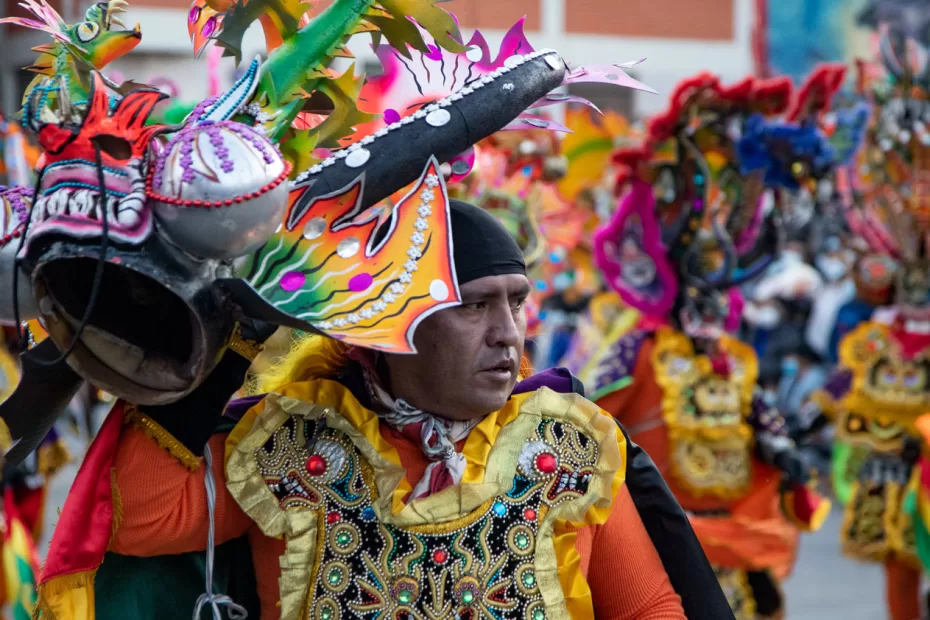
Family Guide to Oruro Carnival: Experience the Magic
Imagine a vibrant tapestry woven with ancient traditions, dazzling costumes, rhythmic music, and fervent devotion, all unfolding in a high-altitude city nestled in the heart of the Andes. This is the Oruro Carnival, a spectacle unlike any other, recognized by UNESCO as a Masterpiece of the Oral and Intangible Heritage of Humanity. For families seeking an immersive cultural adventure, this Bolivian festival offers an unparalleled journey into the soul of a nation. But like any grand expedition, it requires preparation, especially when traveling with children. This comprehensive family guide Oruro Carnival is designed to equip you with all the insights and tips you’ll need to navigate this magnificent celebration, ensuring a memorable and safe experience for every member of your family.
Overview of Oruro Carnival
The Oruro Carnival is not merely a party; it’s a profound cultural and religious event that transforms the city of Oruro, Bolivia, into a whirlwind of sound, color, and spiritual expression. Held annually in the days leading up to Ash Wednesday, it typically falls in February or early March, culminating in the Grand Parade (Entrada) on the Saturday before Lent. This main event is the heart of the carnival, featuring tens of thousands of dancers and musicians parading for nearly 20 hours straight, embodying a rich blend of indigenous beliefs and Catholic traditions.
At its core, the carnival is a tribute to the Virgen del Socavón (Virgin of the Mineshaft), the patron saint of miners, and an ancient Uru deity known as Pachamama (Mother Earth). This syncretic festival is a testament to Bolivia’s rich cultural heritage, showcasing a fascinating fusion of pre-Columbian rituals and Spanish colonial influences. The sheer scale and spiritual depth of the Oruro Carnival events make it a must-see for anyone interested in cultural festivals and authentic travel experiences. For families, it’s an incredible educational opportunity to witness living history and vibrant traditions firsthand, offering a unique window into Bolivian culture and its diverse expressions. The energy is palpable, the costumes are breathtaking, and the stories told through dance are captivating. It’s a journey into the heart of a community’s faith and artistic spirit, a true celebration of life and heritage.
History and Cultural Significance
To truly appreciate the Oruro Carnival, one must understand its deep roots and profound cultural significance. The festival’s origins stretch back centuries, long before the Spanish conquest. The indigenous Uru people, one of the oldest ethnic groups in the Andes, revered deities associated with the mountains, lakes, and mining. Their animistic beliefs included a particular reverence for Supay, the god of the Uru underworld, often depicted as a devil figure, and Pachamama, the benevolent Mother Earth.
When the Spanish arrived, they introduced Catholicism, and a process of religious syncretism began. The indigenous deities were often merged with Catholic saints. Supay, for instance, became associated with the devil figures in Christian morality plays, while Pachamama found her counterpart in the Virgen del Socavón. Legend has it that the Virgin appeared to a thief in a mine shaft in Oruro in the late 18th century, cementing her role as the protector of miners. The carnival thus evolved as an annual pilgrimage and offering to the Virgin, a plea for protection and good fortune in the dangerous world of mining.
The dances performed during the carnival are not mere entertainment; they are living narratives, telling stories of conquest, resistance, and the eternal struggle between good and evil. The most iconic dance, the Diablada (Dance of the Devils), dramatically portrays this struggle, with elaborately costumed devils battling archangels, ultimately bowing before the Virgen del Socavón. Other dances, like the Morenada, Caporales, and Kullawada, each have their own historical significance, often reflecting the experiences of African slaves brought to the mines, or the traditional weaving and trading practices of indigenous communities.
The Oruro Carnival is more than just a local event; it is a powerful symbol of Bolivian identity and cultural heritage. Its inscription on UNESCO’s list underscores its global importance as a living tradition that preserves ancient rituals and artistic expressions. For families, understanding this rich history enriches the experience immeasurably, turning a colorful spectacle into a profound educational journey. It’s an opportunity to connect with a living history that continues to shape the identity of a nation, fostering an appreciation for diversity and the enduring power of human spirit and belief. The cultural significance of Oruro Carnival resonates deeply, making it a unique destination for family-friendly travel Bolivia.
Family-Friendly Events at Oruro Carnival
While the Oruro Carnival is known for its intense energy and long parades, there are numerous family-friendly events and activities that cater to visitors of all ages, ensuring everyone can partake in the magic. The key is to plan strategically and know what to expect.
The absolute highlight, and the most challenging to experience with small children, is the Grand Parade (Entrada) itself. This spectacular procession takes place on the Saturday before Ash Wednesday and can last for over 20 hours. Thousands of dancers and musicians, organized into hundreds of fraternities, perform elaborate choreographies in stunning, often heavy, costumes. While the full length might be too much for little ones, families can choose to experience portions of it. Consider finding a spot along the early part of the route, perhaps near the starting point, where the energy is still high but the crowds might be slightly less dense than in the city center. Many locals rent out balconies or provide bleacher seating along the route, which can offer a more comfortable and elevated view for families, protecting children from the crush of the crowd. These can be expensive but are often worth it for the comfort and safety.
Beyond the main parade, there are several other captivating Oruro Carnival events suitable for families:
-
Children’s Parade (Mini Entrada): Typically held a week or two before the main carnival, this charming event features children dressed in miniature versions of the elaborate carnival costumes, performing simplified versions of the traditional dances. It’s an adorable and less overwhelming introduction to the carnival spirit, perfect for younger kids. Check local schedules upon arrival for exact dates.
-
Velada (Vigil): On Friday night, preceding the Grand Parade, many dance groups perform vigils in various parts of the city. These are more intimate performances, often held in smaller venues or plazas, and can be a wonderful way to see the costumes and dances up close without the immense crowds of the main event. It’s a chance to see the dedication and passion of the dancers before their big day.
-
Anata Andina: This festival, usually held on the Thursday before the main carnival, is a vibrant celebration of indigenous agricultural traditions and music. It features rural communities from across the Oruro region, dressed in their traditional attire, performing dances and music unique to their areas. It’s a fascinating display of Bolivia’s diverse cultural tapestry and offers a different perspective from the more urbanized dances of the main parade. The atmosphere is generally more relaxed and focuses on community and tradition.
-
Folkloric Groups Rehearsals: In the weeks leading up to the carnival, many dance fraternities hold open rehearsals in various plazas and streets. These informal sessions offer a fantastic, free opportunity to witness the dedication and skill of the dancers. It’s a chance to see the intricate steps and hear the live music without the pressure of the main parade crowds. Ask your accommodation or local guides about rehearsal schedules.
-
Artisan Markets: Throughout the carnival period, numerous markets spring up, selling traditional crafts, carnival masks, miniature costumes, and souvenirs. Exploring these markets can be a fun family activity, allowing children to pick out a small memento or even a miniature devil mask to remember their Oruro Carnival experiences.
-
Museums and Cultural Centers: Oruro city has several museums that can offer a quiet respite from the carnival’s intensity while still providing cultural enrichment. The Museo Nacional Antropológico Eduardo López Rivas offers insights into regional archaeology and ethnography. The Museo del Socavón, located near the mine shaft, delves into the history of mining and the Virgen del Socavón, providing context to the religious aspects of the carnival.
When planning your family activities Oruro, remember that the streets will be incredibly crowded, especially during the main carnival days. It’s wise to choose one or two key events to focus on each day, rather than trying to see everything. Pace yourselves, take breaks, and always have a designated meeting point in case family members get separated. Consider using a baby carrier or backpack for toddlers instead of a stroller, as navigating crowds with wheels can be challenging. Embrace the spontaneity but also have a loose plan to make the most of this incredible festival, ensuring a rich family travel experience in Bolivia.
What to Wear and Bring
Attending the Oruro Carnival with your family requires strategic packing and dressing, prioritizing comfort, protection, and practicality. The weather in Oruro can be unpredictable, and the days are long, so being prepared is key to enjoying the festivities.
Clothing:
-
Layers, Layers, Layers: Oruro is at a high altitude (around 3,700 meters or 12,140 feet), which means cool mornings and evenings, but surprisingly strong sun and warmth during the day. Pack layers that can be easily added or removed. Think t-shirts, long-sleeved shirts, sweaters or fleeces, and a warm jacket for the evenings.
-
Comfortable Walking Shoes: You’ll be doing a lot of standing and walking, often on uneven cobblestone streets. Sturdy, broken-in walking shoes or sneakers are non-negotiable for everyone, especially children. Avoid new shoes or sandals that offer little support.
-
Rain Gear: February and March are still within Bolivia’s rainy season. A lightweight, waterproof jacket or a compact poncho for each family member is essential. Don’t let a sudden downpour dampen your spirits!
-
Sun Protection: Even on cloudy days, the high altitude means the sun’s UV rays are incredibly strong. Pack wide-brimmed hats or caps for everyone, and sunglasses. Long-sleeved shirts can also offer extra protection.
-
Modest Attire: While the carnival is vibrant, it’s also a religious festival. Opt for modest clothing, especially when visiting churches or more traditional areas.
-
Costumes (Optional but Fun!): While you won’t be joining the main parade, many children and even adults enjoy wearing simple carnival-themed accessories or small costumes. A small devil mask, a colorful scarf, or a traditional Bolivian hat can add to the festive spirit and make for great photos. This can be a fun activity to prepare for and answers the question of what to wear Oruro Carnival in a creative way for kids.
Essential Items to Bring in a Daypack:
-
Water Bottles: Staying hydrated is crucial at high altitude. Carry reusable water bottles for everyone and refill them frequently.
-
Snacks: While there’s plenty of food available, having familiar snacks for children can be a lifesaver during long waits or when specific cravings strike. Granola bars, fruit snacks, and crackers are good options.
-
Sunscreen: Apply generously and reapply throughout the day, even on overcast days. SPF 30+ is recommended.
-
Hand Sanitizer: Public restrooms can be scarce or lack soap and water. Hand sanitizer is invaluable.
-
Small First-Aid Kit: Include band-aids, antiseptic wipes, pain relievers (for headaches or altitude sickness), any necessary personal medications, and possibly rehydration salts.
-
Wet Wipes/Tissues: Always handy for spills, sticky hands, or impromptu bathroom stops.
-
Small Backpack/Crossbody Bag: For adults, a secure bag to carry essentials, keeping valuables close to your body. For kids, a small, lightweight backpack can hold their own water bottle and snacks.
-
Camera/Phone: To capture the incredible sights, but be mindful of your surroundings and keep electronics secure.
-
Portable Charger: To keep your devices powered throughout the long days.
-
Small Blanket or Mat: For sitting on if you find a spot on the ground to watch a parade or performance.
-
Cash: Many vendors, especially street food stalls and smaller shops, will only accept cash. Have small denominations readily available.
-
Altitude Sickness Medication (Consult Doctor): If you’re particularly sensitive or concerned, speak with your doctor about preventative measures or medication for altitude sickness before your trip. Coca leaves, chewed or as tea, are a traditional local remedy.
By carefully considering what to wear and bring, your family will be well-prepared to fully immerse yourselves in the vibrant energy of the Oruro Carnival, ensuring comfort and readiness for any situation. This practical approach to Oruro Carnival travel tips will enhance your family-friendly travel Bolivia experience significantly.
Safety Tips for Families
Attending a large-scale cultural festival like the Oruro Carnival with children requires a heightened awareness of safety. Crowds, noise, and the general excitement can be overwhelming, so having a plan is essential for peace of mind. Here are crucial safety tips for families to ensure a secure and enjoyable experience:
Before You Go:
-
Talk to Your Children: Prepare your kids for what to expect: large crowds, loud music, and many people in costumes. Discuss safety rules, like holding hands and staying together.
-
Establish a Meeting Point: Choose a clear, easily identifiable landmark away from the main parade route as a designated meeting spot in case anyone gets separated. Practice finding it.
-
Identification for Children: Have your children carry identification with your contact information (name, phone number, hotel name). A simple wristband or a card in their pocket will suffice. Consider writing your phone number on their arm with a permanent marker.
-
Learn Basic Spanish Phrases: “Ayuda” (help), “Estoy perdido” (I’m lost), “Mi hijo está perdido” (My child is lost) can be incredibly useful.
-
Immunizations and Health Checks: Consult your doctor about recommended vaccinations for Bolivia and discuss any pre-existing health conditions for family members, especially regarding high altitude.
During the Carnival:
-
Stay Together: This is paramount. Designate an adult to hold each child’s hand, or use a child leash/harness for very young children in extremely crowded areas. The “buddy system” works well for older kids.
-
Crowd Management: Avoid the densest parts of the crowd if possible. Seek out elevated viewing spots or areas slightly off the main thoroughfare. If you find yourselves in a crush, move slowly and deliberately, keeping children close to your body.
-
Be Aware of Your Surroundings: Pickpocketing can occur in large crowds. Keep valuables secured in a front pocket or a money belt under your clothing. Avoid flashy jewelry or openly displaying expensive electronics.
-
Hydration and Sun Protection: Reiterate these points. Dehydration and sunburn can quickly lead to exhaustion and illness, especially at altitude. Drink plenty of water and reapply sunscreen often. Seek shade whenever possible.
-
Altitude Sickness: Oruro’s high altitude can affect anyone. Symptoms include headache, nausea, dizziness, and fatigue. Take it easy the first day or two, avoid strenuous activity, drink plenty of water, and avoid alcohol. If symptoms are severe, seek medical attention. Local remedies like coca tea or chewing coca leaves can help alleviate mild symptoms.
-
Food and Drink Safety: Be cautious with street food. Opt for stalls that look clean, have a high turnover, and cook food fresh in front of you. Stick to bottled water. Encourage children to wash their hands or use hand sanitizer before eating.
-
Respect Boundaries: While the carnival is interactive, teach children to respect the performers and their space. Don’t touch costumes or interfere with dances.
-
Beware of “Ch’alla” (Water Balloons/Foam): A common tradition during carnival is ch’alla, where people playfully spray each other with water, foam, or even flour. While mostly good-natured, it can be intense and overwhelming for children. If you want to avoid it, stay away from areas where it’s prevalent, or wear a poncho and explain to your children that it’s just part of the fun. Some families embrace it, others prefer to observe from a distance.
-
Emergency Contacts: Know the local emergency numbers (e.g., police, ambulance). Your hotel can provide these.
-
Rest and Breaks: The carnival days are long and physically demanding. Schedule regular breaks for your family to rest, eat, and rehydrate away from the crowds. This is especially important for traveling with kids to Oruro.
By implementing these Oruro Carnival safety tips, families can minimize risks and fully immerse themselves in the joy and wonder of this extraordinary Bolivian festival. Prioritizing health and security allows everyone to relax and appreciate the unique cultural experiences.
How to Get to Oruro
Traveling to Oruro during carnival season requires careful planning, as the city becomes a major tourism hub, and transportation options fill up quickly. Understanding the best ways to get there will save your family stress and ensure a smoother journey.
From La Paz:La Paz is the most common gateway city for international travelers arriving in Bolivia.
-
Bus: This is the most popular and generally most convenient option for families. Buses depart frequently from La Paz’s main bus terminal (Terminal de Buses de La Paz) throughout the day and night. The journey takes approximately 3 to 4 hours, depending on traffic and road conditions. During carnival, it’s absolutely crucial to book your bus tickets well in advance – think weeks or even months – as they sell out rapidly. Look for reputable bus companies that offer comfortable “semi-cama” (reclining seats) or “cama” (fully reclining seats) options, which are better for families, especially for early morning or late-night departures.
-
Private Transfer/Taxi: For families who prioritize comfort and directness, hiring a private taxi or pre-arranging a private transfer is an excellent option. This allows for flexibility with departure times, direct door-to-door service, and the ability to stop for breaks as needed, which can be invaluable when traveling with children. While more expensive than the bus, the convenience can be worth the cost, especially if you’re a group of four or more.
-
Train: While Oruro is a major railway hub, passenger train services from La Paz are not currently operational in a way that serves carnival visitors directly. The main train routes generally go south from Oruro. Therefore, trains are not a viable option for getting from La Paz to Oruro for the carnival.
From Cochabamba:Cochabamba is another major Bolivian city, located to the east of Oruro.
-
Bus: Similar to La Paz, buses are the primary mode of transport from Cochabamba to Oruro. The journey is slightly shorter, around 2.5 to 3 hours. Again, advance booking is essential during the carnival period.
-
Private Transfer/Taxi: A private transfer from Cochabamba is also an option, offering similar benefits of comfort and flexibility for families.
General Oruro Carnival Travel Tips for Transportation:
-
Book in Advance: This cannot be stressed enough. As soon as your travel dates are firm, book your bus tickets or private transfers. Waiting until the last minute will likely result in disappointment or significantly higher prices.
-
Arrive Early at Terminals: Bus terminals can be chaotic, especially during peak travel times. Arrive at least an hour before your scheduled departure to allow time for checking in, finding your gate, and dealing with any unexpected delays.
-
Be Prepared for Delays: Road conditions, weather, and general traffic can cause delays. Build some buffer time into your travel plans.
-
Luggage: Keep your luggage secure. On buses, your main luggage will be stored underneath, and you’ll typically receive a ticket for it. Keep a small daypack with essentials (water, snacks, medications, valuables) with you on the bus.
-
Consider Early Arrival: Arriving in Oruro a day or two before the main carnival events begin can help your family acclimatize to the altitude and the city’s atmosphere before the biggest crowds descend. This also provides a buffer in case of travel delays.
Navigating the logistics of getting to Oruro is a crucial part of your Oruro travel guide. With careful planning and early bookings, your family can ensure a smooth and stress-free journey to this incredible festival, ready to immerse yourselves in the vibrant traditions of Bolivia.
Accommodation Options for Families
Finding suitable accommodation in Oruro during the carnival is arguably the most challenging aspect of planning your family trip. The city’s infrastructure isn’t designed for the massive influx of tourists it receives during this short period, and demand far outstrips supply. Therefore, securing family accommodations Oruro well in advance is absolutely paramount – as in, six months to a year ahead of your travel dates.
Here are the main accommodation options and what to consider for families:
-
Hotels: Oruro has a range of hotels, from budget-friendly to a few mid-range options. True luxury hotels are rare.
-
Pros: Hotels often offer amenities like private bathrooms, breakfast, and sometimes Wi-Fi. Many have reception staff who can assist with local information or taxis. Some might have family rooms or connecting rooms.
-
Cons: During carnival, hotel prices skyrocket, and rooms are booked solid. Even basic rooms can command premium rates. Noise levels can be high, especially if your hotel is near the parade route or a central plaza where revelry continues late into the night.
-
Tips for Families: Look for hotels slightly off the main parade route if you prioritize quiet for sleeping children. Check reviews for cleanliness and family-friendliness. Inquire about triple or quad rooms, or if they can provide extra beds. Confirm booking details meticulously, including check-in/check-out times and cancellation policies.
-
-
Guesthouses (Hostales/Alojamientos): These are typically smaller, more intimate establishments, often family-run.
-
Pros: Can sometimes offer a more authentic local experience. Prices might be slightly less astronomical than hotels, though still inflated. Some may have shared kitchen facilities, which can be useful for families to prepare simple meals or snacks.
-
Cons: Amenities can be basic. Shared bathrooms are common in lower-priced hostales. Noise can still be an issue. Availability is just as tight as hotels.
-
Tips for Families: If opting for a guesthouse, ensure you book a room with a private bathroom. Verify if they offer hot water consistently, as this can sometimes be an issue in more budget-friendly places. Read recent reviews regarding noise levels and security.
-
-
Apartment Rentals (Airbnb, local agents): Renting an apartment or a whole house can be an excellent option for families, providing more space, privacy, and often kitchen facilities.
-
Pros: More space for children to play and relax. Kitchens allow for preparing meals, which can save money and cater to picky eaters or dietary restrictions. A more “home-like” environment can be comforting for kids.
-
Cons: Availability is extremely limited during carnival, and prices will be very high. You might need to go through local agents if international platforms like Airbnb have limited listings. Location might be further from the main events, requiring more walking or taxi rides.
-
Tips for Families: Start looking for apartment rentals even earlier than hotels. Clearly communicate your family’s needs (number of beds, crib if needed, kitchen amenities) with the host or agent. Verify the exact location and proximity to public transport or the carnival route. Ask about security measures.
-
Important Considerations for Family Accommodation in Oruro:
-
Location: Decide whether you want to be in the thick of the action (convenient for parades, but noisy) or slightly removed (quieter, but requires more travel to events). Consider proximity to restaurants, pharmacies, and small shops.
-
Booking Early is Non-Negotiable: This is the single most important piece of advice. If you don’t book far in advance, you risk not finding anything suitable or paying exorbitant last-minute prices for substandard accommodation.
-
Verify Amenities: Confirm things like hot water, Wi-Fi (if essential), heating (nights can be cold), and any specific family needs.
-
Security: Ensure the accommodation feels secure, especially if you’re staying in a guesthouse or apartment. Ask about locks, night staff, or secure entry systems.
-
Payment: Be prepared for some establishments to ask for full upfront payment or a significant deposit due to the high demand. Use reputable booking platforms or agents to protect your payment.
-
Alternative Cities: Some families choose to stay in Cochabamba or La Paz and travel to Oruro for the day of the main parade. While this avoids Oruro’s accommodation crunch, it means long travel days and missing out on the full, multi-day carnival experience. It also means dealing with the intense carnival travel demand on the roads. For a truly immersive experience, staying in Oruro is recommended if possible.
By carefully considering these points and acting quickly, your family can find suitable and comfortable family accommodations Oruro, providing a much-needed sanctuary amidst the carnival’s exhilarating chaos. This is a critical element of your overall Oruro travel guide and family-friendly travel Bolivia planning.
Local Cuisine to Try
Exploring the local cuisine is an integral part of experiencing any culture, and the Oruro Carnival is no exception. While the streets buzz with festivities, the aroma of traditional Bolivian food fills the air, offering delicious and hearty options for families. Just remember to approach street food with a little caution and use common sense, especially when traveling with children.
Here are some traditional foods and drinks that families should try while at the Oruro Carnival:
-
Salteñas: Often described as a Bolivian empanada, salteñas are baked pastries filled with a savory mixture of meat (beef or chicken), potatoes, peas, olives, and a slightly sweet, gelatinous sauce. They are typically eaten in the morning and are a fantastic, portable breakfast or snack. Look for reputable vendors or bakeries. They are a beloved national dish and a must-try for any visitor.
-
Anticuchos: Skewers of marinated beef heart, grilled over coals, and served with a boiled potato and a spicy peanut sauce. While the idea of beef heart might sound unusual to some, it’s incredibly tender and flavorful. For families, you might find chicken or beef versions too, which can be a gentler introduction. It’s a popular Oruro Carnival food.
-
Pique Macho: This is a hearty, generous platter, perfect for sharing. It features bite-sized pieces of beef, sausage, fries, onions, locoto (a spicy pepper, often served on the side), and sometimes hard-boiled eggs, all piled high and often topped with cheese. It’s a substantial and flavorful meal, great for refueling after a day of carnival viewing.
-
Sopa de Maní (Peanut Soup): A surprisingly delicious and comforting thick soup made from ground peanuts, beef or chicken, and diced vegetables like potatoes and peas, often served with a garnish of fried potato sticks. It’s a unique and flavorful dish that offers warmth and sustenance, especially on cooler evenings.
-
Fricasé: A traditional Bolivian stew, particularly popular as a hangover cure, but delicious at any time. It’s made with pork, chuño (freeze-dried potatoes), ají (chili pepper), and yellow corn. It’s rich, spicy, and incredibly flavorful, often served with a side of rice.
-
Tucumanas: Similar to salteñas but usually fried and with a slightly different filling, often including more vegetables and sometimes a hard-boiled egg. They make a great savory snack.
-
Api con Buñuelos/Pastel: Api is a traditional hot purple corn drink, often spiced with cinnamon and cloves, and sweetened. It’s thick, comforting, and perfect for a chilly morning or evening. It’s typically served with buñuelos (fried dough fritters, often with cheese) or pasteles (fried pastries dusted with powdered sugar). This makes for a delightful breakfast or afternoon treat.
-
Chicha: A traditional fermented corn beverage. While widely available, it’s alcoholic and often prepared in local, unregulated settings, so it might be best for adults to exercise caution, and it is generally not recommended for children. Stick to bottled beverages for kids.
-
Refreshments: Beyond bottled water, look for fresh fruit juices (jugos) made from local fruits like papaya, mango, or passion fruit. Always ask if they are made with bottled water or if you have any concerns.
Tips for Families Regarding Food:
-
Hygiene First: When trying street food, observe the cleanliness of the stall, the freshness of ingredients, and whether the food is cooked to order. Opt for places with high turnover.
-
Start Mild: Introduce new flavors gradually, especially for children. Many Bolivian dishes can be quite spicy (picante), so always ask for sin picante (without chili) or for the chili to be served on the side.
-
Bottled Water: Always drink bottled water or purified water to avoid stomach issues. Avoid ice unless you’re sure it’s made from purified water.
-
Wash Hands: Encourage frequent hand washing or use hand sanitizer before and after eating, especially with street food.
-
Listen to Your Kids: If a child is hesitant or doesn’t like a new dish, don’t force it. Have some familiar snacks on hand as a backup.
-
Market Exploration: Visiting a local market is an adventure in itself. You can find fresh fruits, vegetables, and pre-packaged snacks. It’s a great way to experience local life and pick up some treats.
Trying the local cuisine is a fantastic part of the Oruro Carnival experiences, offering a taste of Bolivia’s rich culinary traditions. With a little care and an adventurous spirit, your family can savor the delicious flavors of Oruro.
Conclusion: Enjoying Oruro Carnival as a Family
The Oruro Carnival is an extraordinary spectacle, a vibrant fusion of ancient spirituality and colonial history, all expressed through breathtaking dance, music, and elaborate costumes. For families, embarking on this journey to Bolivia’s cultural heartland offers an unparalleled opportunity for immersion, education, and unforgettable memories. It’s a chance to witness living traditions, understand the deep cultural significance of a UNESCO-recognized event, and connect with the warmth and spirit of the Bolivian people.
While the sheer scale and intensity of the carnival can seem daunting, especially with children, careful planning and adherence to practical advice can transform potential challenges into enriching experiences. By focusing on family-friendly events, understanding what to wear and bring for comfort and protection, prioritizing safety tips for families, and navigating travel and accommodation with foresight, you can ensure a smooth and enjoyable adventure. Savoring the local cuisine, from
Heard about jilicrown22 from a buddy. It’s not the flashiest site, but it’s reliable. Good for low-stakes fun, might want to look elsewhere if you want to gamble big.