
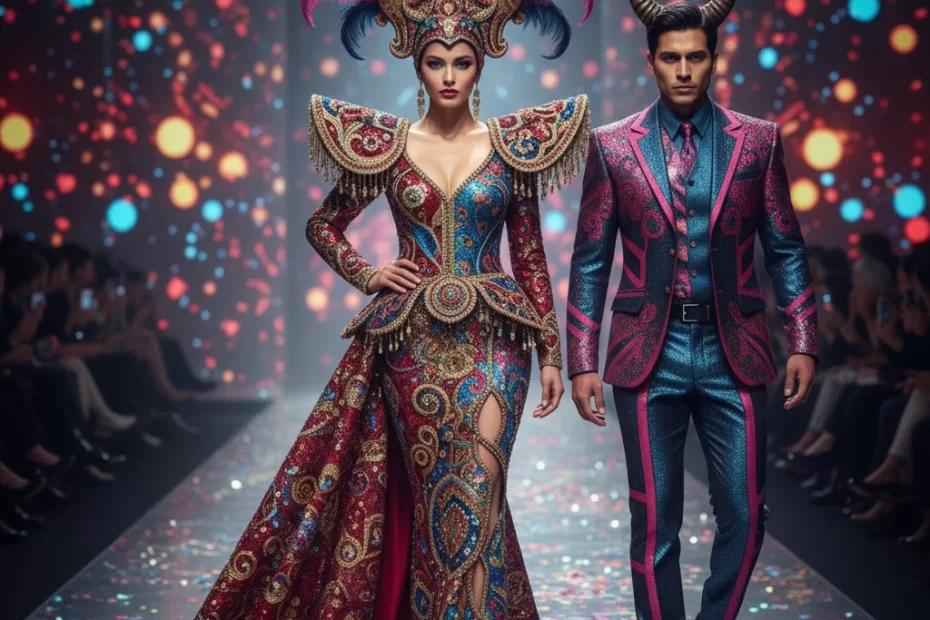
Fashion Inspired by Oruro Carnival
The air in Oruro, Bolivia, crackles with an energy unlike anywhere else when its world-renowned Carnival erupts. This isn’t just a festival; it’s a living, breathing tapestry of history, faith, and breathtaking artistry. More than just a spectacle, the Oruro Carnival is a profound expression of Bolivian identity, a vibrant cultural heritage that spills over into every aspect of life, especially fashion. For those with a keen eye for style and a heart for cultural exploration, the fashion inspired by Oruro Carnival offers an unparalleled source of creativity, blending ancient traditions with contemporary flair. It’s a journey into a world where color, symbolism, and storytelling intertwine to create truly unique and unforgettable looks.
Introduction to Oruro Carnival and Its Fashion
The Oruro Carnival, recognized by UNESCO as a Masterpiece of the Oral and Intangible Heritage of Humanity, is far more than a mere celebration; it’s a deeply spiritual and cultural event rooted in ancient indigenous traditions intertwined with Catholic beliefs. Held annually in the high-altitude city of Oruro, this festival culminates in a grand procession, the “Entrada,” where thousands of dancers and musicians perform elaborate choreographies, paying homage to the Virgen del Socavón (Virgin of the Mines).
Its history stretches back centuries, evolving from pre-Columbian Andean rituals dedicated to Pachamama (Mother Earth) and Supay (the god of the Uru people), later syncretized with Christian festivities. The carnival’s significance in Bolivian culture cannot be overstated; it’s a powerful affirmation of identity, a communal act of faith, and a spectacular display of artistic expression. Every dance, every musical note, and crucially, every costume tells a story, weaving together myth, history, and devotion.
From a fashion perspective, the Oruro Carnival is a kaleidoscope of inspiration. The sheer scale and detail of the Oruro Carnival costumes are awe-inspiring, showcasing a level of craftsmanship and artistic vision that few events can match. These aren’t just clothes; they are intricate works of art, laden with symbolism and historical weight. The visual impact of these traditional Bolivian outfits has naturally spilled beyond the carnival grounds, influencing Bolivian fashion and sparking carnival trends globally. Designers, both local and international, are increasingly looking to this rich wellspring of cultural heritage for fresh ideas, translating the vibrant energy and intricate details of the Oruro festival into contemporary fashion. This fusion creates a unique bridge between ancient practices and modern aesthetics, offering a fresh perspective on ethnic fashion and festive outfits.
Key Elements of Oruro Carnival Fashion
The fashion of the Oruro Carnival is characterized by an explosion of color, intricate detailing, and a profound narrative embedded in every thread and embellishment. It’s a style that demands attention, reflecting the exuberance and spiritual depth of the carnival celebration itself. The essential elements that define this unique carnival style are rooted in centuries of tradition, yet they possess a timeless appeal that continues to inspire.
First and foremost are the colors. Oruro Carnival colors are not merely bright; they are intense, often clashing in a way that creates stunning visual harmony. Deep reds symbolize passion and the earth, brilliant blues represent the sky and water, vibrant yellows evoke the sun and prosperity, while lush greens speak of fertility and nature. These hues are often juxtaposed with shimmering metallics – gold and silver – reflecting the region’s mining heritage and a sense of opulence. The combination is bold, fearless, and utterly captivating, a true testament to the joy and fervor of the Oruro cultural festival.
Materials play a crucial role in creating the distinctive textures and silhouettes of Oruro attire. Traditional Bolivian textiles, often hand-woven and richly embroidered, form the base of many costumes. Velvet, satin, and lamé provide luxurious backdrops for the dazzling embellishments. Sequins, beads, mirrors, and metallic threads are applied with meticulous precision, catching the light and creating a dazzling effect as dancers move. Feathers, particularly from native birds, add dramatic flair and movement, while intricate masks, often crafted from papier-mâché or plaster, serve as powerful focal points, transforming the wearer into mythical beings or satirical characters.
The styles themselves are incredibly diverse, reflecting the multitude of dance groups, or “fraternidades,” each with its unique costume and history. From the robust, militaristic stride of the Morenada to the graceful elegance of the Caporales or the fearsome energy of the Diablada, each dance form dictates a specific silhouette and aesthetic. These styles are often characterized by voluminous skirts, elaborate capes, fitted jackets, and ornate headpieces. The sheer variety and complexity of these garments contribute to the overall grandeur of the Oruro festival, making it a truly unparalleled fashion spectacle. The way these elements come together creates not just an outfit, but a complete character, embodying the spirit of the carnival and its rich storytelling tradition.
Traditional Costumes and Their Meanings
The heart of Oruro Carnival fashion lies in its traditional costumes, each a masterpiece of design and symbolism, deeply embedded in Bolivian traditions and history. These aren’t just clothes; they are narratives woven into fabric, telling stories of indigenous beliefs, colonial influence, and the struggle for identity. Understanding these Oruro folk costumes is key to appreciating the depth of fashion inspiration they offer.
Perhaps the most iconic is the Diablada (Dance of the Devils). Its Oruro Carnival costumes are striking, featuring fearsome horned masks adorned with snakes, toads, and other symbols of the underworld, often crafted with incredible detail from papier-mâché or plaster. The dancers wear elaborate, sequined suits depicting dragons, demons, and other mythical creatures, along with capes embroidered with religious images and Andean symbols. The Diablada represents the battle between good and evil, with the Archangel Michael leading the forces of good against Lucifer and his devils. The vibrant reds, golds, and blacks of these outfits are not just decorative; they symbolize fire, wealth, and the darkness overcome by light. The complex masks and intricate embroidery speak volumes about the Oruro Carnival history and the syncretic nature of its beliefs.
Another profoundly significant dance is the Morenada, believed to originate from the African slaves brought to the mines of Bolivia. The Morenada costumes are characterized by their enormous, heavy masks depicting African features, often with exaggerated lips and wide eyes, symbolizing the suffering and resilience of the enslaved. The dancers wear voluminous, multi-layered skirts (pollera-like for women, wider pants for men) and heavily embroidered jackets, often adorned with silver bells that mimic the chains worn by slaves. The distinctive “matracas” (rattles) carried by the dancers replicate the sound of chains, adding to the historical narrative. The opulence of the attire, despite its somber origins, reflects a reclaiming of dignity and a celebration of endurance. The intricate patterns on these traditional Bolivian outfits often depict scenes from mining or daily life, connecting the wearers to their cultural heritage.
The Caporales dance, relatively newer but immensely popular, draws inspiration from the overseers of indigenous and African laborers during colonial times. The male Caporales dancers wear high-heeled boots with large bells (cascabeles), tight-fitting, richly embroidered pants, and equally ornate shirts or vests. Female dancers wear short, embroidered skirts, blouses, and often heeled boots. The vibrant colors and energetic movements embody a sense of pride and strength. The bold, structured silhouettes and dynamic embellishments offer a different kind of fashion inspiration, one that merges historical figures with contemporary dynamism.
Other notable dances include the Tobas, representing Amazonian indigenous groups with feathered headpieces and animal skins; the Kullawada, a dance of weavers, showcasing intricate traditional Bolivian textiles and elaborate monteras (hats); and the Waka Waka, a satirical depiction of bullfighting, with dancers wearing cow-head masks and elaborate skirts. Each of these Oruro folk costumes carries a unique cultural significance of fashion, acting as a visual encyclopedia of Bolivian traditions, beliefs, and artistic expression. They are not merely garments but powerful symbols of identity, community, and the enduring spirit of the Bolivian people.
Modern Fashion Influences from Oruro Carnival
The electrifying energy and unparalleled visual richness of the Oruro Carnival have not gone unnoticed by the fashion world. In an era where cultural authenticity and storytelling are highly valued, the carnival offers a deep well of modern fashion influences, particularly for designers seeking to infuse their collections with vibrant ethnic fashion. Bolivian designers, in particular, are at the forefront of translating these ancient aesthetics into contemporary styles, creating a unique bridge between tradition and trend.
One of the most immediate influences is the bold use of color. The Oruro Carnival colors, with their fearless combinations of fuchsia, turquoise, emerald green, and gold, are appearing on runways and in ready-to-wear collections. Designers are adopting these vivid palettes, moving away from muted tones to embrace a joyful, expressive form of colorful fashion. This can be seen in color-blocked garments, vibrant prints, and accessories that pop with carnival energy. The symbolic weight of these colors, though perhaps not explicitly stated, resonates with consumers looking for clothing that communicates passion and vitality.
Intricate embellishments and embroidery are another significant area of influence. The meticulous handwork seen on Oruro Carnival costumes, from sequined patterns to elaborate beadwork and metallic thread embroidery, is being reinterpreted for modern garments. This might manifest as subtle embroidery on a jacket lapel, an entire evening gown covered in shimmering sequins, or statement accessories adorned with traditional motifs. These details add a luxurious, artisanal touch that elevates simple designs, bringing a piece of Bolivia culture to a global audience. The focus on quality craftsmanship and unique detailing aligns perfectly with current trends favoring artisanal and handcrafted items.
The silhouettes and structural elements of traditional Oruro attire are also finding their way into contemporary fashion. The voluminous sleeves of a Caporales blouse might inspire a modern puff-sleeve top, while the layered skirts of a Morenada costume could inform a tiered maxi skirt. The dramatic capes of the Diablada are being reimagined as flowing outerwear or statement wraps. Even the structured forms of the masks can inspire avant-garde headpieces or architectural elements in garment design. This transformation shows how carnival fashion trends are not just about superficial imitation but a deeper absorption and reinterpretation of form and function.
Furthermore, the spirit of festive outfits and carnival celebration outfits is permeating everyday wear. There’s a growing desire for clothing that evokes joy, movement, and a sense of occasion, even for casual settings. This translates into fluid fabrics, playful fringe, and garments that encourage self-expression, echoing the uninhibited spirit of the Oruro cultural festival. Fashion accessories, inspired by the carnival’s ornate jewelry and headpieces, are also seeing a resurgence, allowing individuals to incorporate a touch of Oruro style without committing to a full costume.
Ultimately, the influence of Oruro Carnival on modern fashion is about more than just aesthetics; it’s about embracing a story, a heritage, and a vibrant identity. It’s about designers drawing from the deep well of Bolivian traditions to create pieces that are not only beautiful but also culturally rich, offering a fresh and exciting direction for contemporary style. This movement underscores the idea that fashion and identity are intrinsically linked, with clothing serving as a powerful medium for cultural expression and pride.
How to Incorporate Oruro Carnival Fashion into Your Wardrobe
Bringing the dazzling spirit of the Oruro Carnival into your everyday wardrobe might seem daunting, given the elaborate nature of the traditional costumes. However, the key lies in thoughtful integration, selecting elements that capture the essence of carnival style without overwhelming your personal aesthetic. It’s about finding that balance between vibrant expression and wearable fashion, allowing you to celebrate this rich cultural heritage in your own unique way.
One of the simplest ways to start is by embracing color. As discussed, Oruro Carnival colors are bold and unapologetic. Introduce these hues into your outfits through statement pieces. A richly colored blouse in an electric blue or a deep fuchsia can instantly elevate a neutral ensemble. Consider a pair of trousers in a vibrant emerald green or a mustard yellow. You don’t need to wear all colors at once; even a single, strong color can evoke the carnival’s energy. Color blocking, where you combine two or three distinct bright colors, is another effective technique inspired by the striking visual contrasts seen in Oruro attire.
Embellishments and textures are another gateway to carnival-inspired fashion. Look for garments featuring embroidery, sequins, beads, or metallic threads. A jacket with subtle, traditional-inspired embroidery on the lapels or cuffs can add a touch of ethnic fashion. A sequined top or skirt, perhaps in gold or silver, can bring a festive sparkle reminiscent of the dancers’ costumes. If full sequins feel too much, consider items with beaded details or appliqué work that hint at the intricate craftsmanship of Oruro folk costumes. Layering textures, such as combining a smooth silk with a textured knit or a velvet piece, can also add depth and interest, echoing the multi-faceted nature of carnival outfits.
Silhouettes and shapes can also be subtly influenced. While you might not wear a voluminous pollera daily, you can opt for full, flowing skirts or dresses that offer a similar sense of movement and grandeur. Bell sleeves or dramatic puff sleeves on blouses can echo the ornate sleeves of many traditional costumes. Capes or ponchos, especially those with vibrant patterns or rich textures, directly reference traditional Bolivian outfits and provide a stylish nod to the region’s textile heritage. Even structured pieces, like a well-tailored jacket with bold shoulders, can draw inspiration from the strong forms seen in some carnival attire.
For those who prefer a more understated approach, focus on prints and patterns. Many traditional Bolivian textiles feature geometric patterns, animal motifs, or stylized representations of cultural symbols. Look for scarves, blouses, or even skirts with these types of prints. They offer a sophisticated way to incorporate the cultural significance of fashion from the Oruro festival without needing to replicate specific costume elements. The key is to select pieces that feel authentic to the inspiration but also harmoniously blend with your existing wardrobe, creating cohesive and engaging festive fashion ideas.
Accessorizing with Carnival-Inspired Pieces
Accessories are arguably the easiest and most impactful way to infuse your wardrobe with the vibrant spirit of Oruro Carnival fashion. They allow for playful experimentation and can instantly transform a simple outfit into something with a touch of carnival flair. The rich array of carnival accessories, from intricate jewelry to distinctive headwear, offers endless possibilities for personal expression.
Jewelry is a fantastic starting point. Look for pieces that incorporate bright, multi-colored beads, reminiscent of the elaborate necklaces and bracelets worn by carnival dancers. Silver jewelry, often adorned with semi-precious stones or traditional Andean symbols, is deeply rooted in Bolivian culture and can add an elegant, yet culturally significant touch. Consider chunky statement necklaces, large hoop earrings, or stacked bracelets that evoke the festive opulence of the Oruro festival. Pieces featuring stylized animals, like llamas or condors, or geometric patterns found in traditional Bolivian textiles, can also serve as beautiful nods to the region’s heritage.
Hats and headwear are central to Oruro Carnival attire, and their modern interpretations can make a bold statement. While a full Diablada mask might be impractical for daily wear, you can draw inspiration from the materials and embellishments. Look for hats adorned with feathers, sequins, or intricate embroidery. Traditional Bolivian hats, like the elegant “monteras” (often worn by women in some regions, though not typically Oruro Carnival specific, they represent Bolivian headwear), or even wide-brimmed felt hats with a vibrant band, can offer a sophisticated nod. Headbands or hair clips adorned with colorful beads, small feathers, or metallic accents can also provide a subtle yet effective carnival style touch.
Scarves and shawls are another versatile accessory. Choose scarves in bold Oruro Carnival colors, perhaps with a touch of metallic thread or fringe. A large, intricately patterned shawl, reminiscent of traditional Bolivian textiles, can be draped over shoulders for an instant cultural impact. These can add a pop of color and texture, making them perfect for incorporating festive fashion ideas into your look.
Finally, consider belts and bags. A wide belt with elaborate buckles or colorful embroidery can cinch a dress or tunic, adding structure and a focal point. Handbags or clutches adorned with beading, weaving, or vibrant prints can complete a carnival-inspired ensemble, reflecting the intricate details seen in Oruro Carnival costumes. Even footwear can play a role; brightly colored shoes or boots, perhaps with some subtle metallic detailing, can tie the entire look together, adding that final touch of Oruro attire. By thoughtfully selecting and combining these carnival accessories, you can effortlessly weave the magic and cultural significance of the Oruro Carnival into your personal style.
Choosing the Right Fabrics and Colors
To truly capture the essence of Oruro Carnival fashion, selecting the appropriate fabrics and colors is paramount. These choices directly influence the feel, movement, and visual impact of your carnival-inspired outfits. It’s about understanding the spirit of the carnival celebration and translating it into wearable textiles and palettes.
When it comes to fabrics, think about vibrancy, drape, and the ability to hold embellishment.
-
Velvet and Satin: These luxurious fabrics are frequently used in traditional Oruro Carnival costumes for their rich sheen and depth of color. Incorporating velvet jackets, dresses, or even accessories like a velvet clutch can add an immediate sense of opulence and festivity. Satin blouses or skirts offer a similar lustrous quality and drape beautifully.
-
Embroidered Textiles: Seek out fabrics that feature intricate embroidery, whether it’s machine-made or, ideally, handcrafted. This directly references the meticulous detail found on traditional Bolivian outfits. Look for pieces with floral motifs, geometric patterns, or abstract designs that echo the artistry of Oruro folk costumes.
-
Sequined and Metallic Materials: For true carnival sparkle, sequined fabrics, lamé, or metallic-threaded materials are essential. A sequined top, a skirt with metallic accents, or even a jacket with shimmering details can instantly evoke the dazzling spectacle of the Oruro festival. These materials catch the light and create movement, mirroring the dynamism of the dancers.
-
Natural Fibers with Rich Textures: While synthetic fabrics often provide the necessary sheen for costumes, natural fibers like cotton, linen, or alpaca wool can be chosen for everyday wear, especially if they have a rich texture or weave. Look for cottons with a slight sheen or weaves that create interesting patterns. Alpaca wool, a staple of Bolivian textiles, can be incorporated through sweaters, ponchos, or scarves, adding warmth and an authentic touch of Bolivia culture.
For colors, embrace the full spectrum of the Oruro Carnival palette – bold, contrasting, and utterly joyful.
-
Primary Hues: Deep reds (like crimson or scarlet), brilliant blues (cobalt, turquoise), and sunny yellows (gold, mustard) form the foundation. These colors are often used in large blocks or as dominant tones in patterns.
-
Secondary and Accent Colors: Complement these primaries with vibrant greens (emerald, lime), rich purples (amethyst, violet), and bright oranges. These can be introduced through smaller details, accessories, or as part of a multi-colored pattern.
-
Metallics: Gold and silver are crucial. They represent prosperity, light, and the region’s mining heritage. Use them as accents through sequins, metallic threads, jewelry, or even entire garments for a truly show-stopping look.
-
Color Symbolism in Fashion: Remember that these colors often carry symbolic weight. Red for passion or the earth, blue for the sky, gold for wealth. While you don’t need to strictly adhere to these meanings, an awareness of them adds another layer of appreciation for your fashion inspiration.
When combining colors, don’t be afraid of bold contrasts. The Oruro Carnival thrives on the visual impact of clashing yet harmonious colors. Try pairing a rich red with a vibrant turquoise, or a deep purple with a bright yellow. For a more subtle approach, choose one dominant vibrant color and pair it with a neutral (like black, white, or deep navy) that still allows the main color to pop. The goal is to capture the energetic and expressive spirit of the Oruro cultural festival, creating festive outfits that are both visually exciting and deeply resonant with the carnival’s vibrant style.
Cultural Significance of Oruro Carnival Fashion
The fashion of the Oruro Carnival transcends mere aesthetics; it is a profound embodiment of cultural significance, deeply interwoven with Bolivian identity, history, and spirituality. In the context of the Oruro cultural festival, every stitch, every sequin, and every color choice tells a story, making the costumes powerful vehicles for cultural expression and preservation. It’s an arena where fashion and identity are inextricably linked, showcasing the enduring spirit of a nation.
At its core, Oruro Carnival fashion serves as a living archive of Bolivian traditions and history. Each traditional Bolivian costume, from the terrifying masks of the Diablada to the majestic capes of the Morenada, narrates chapters of the country’s past. They speak of indigenous beliefs predating the Spanish conquest, the brutal realities of colonialism, the syncretism of Catholic and Andean spiritual practices, and the resilience of a people. When dancers don these Oruro folk costumes, they are not simply performing; they are reliving and re-enacting history, ensuring that these narratives are passed down through generations. This act of wearing becomes a powerful form of cultural heritage protection, keeping ancient stories alive in a dynamic, vibrant format.
The costumes also play a pivotal role in expressing community and collective identity. Each dance group, or “fraternidad,” has its distinct attire, fostering a strong sense of belonging among its members. The meticulous preparation of these Oruro Carnival costumes, often involving months of communal effort, strengthens social bonds and reinforces shared purpose. When thousands of dancers move in unison, adorned in their distinct Oruro attire, they present a unified, yet diverse, representation of Bolivian culture. This collective display of carnival fashion trends reinforces a shared identity, celebrating the unique contributions of various regions and ethnic groups within Bolivia.
Furthermore, the fashion of the Oruro Carnival is steeped in symbolism and spiritual meaning. The colors, materials, and specific motifs are not chosen arbitrarily. The fearsome masks of the Diablada, for instance, are not just theatrical props; they represent the devils and spirits of the Uru cosmology, ultimately subdued by faith. The heavy Morenada costumes symbolize the chains of slavery and the arduous journey of the enslaved, transformed into a powerful statement of endurance. Even the choice of feathers, beads, or specific embroidery patterns carries spiritual connotations, connecting the wearer to the natural world, ancestral spirits, or divine protection. This color symbolism in fashion is a crucial aspect of understanding the depth of the carnival’s visual language.
For the individual, wearing these carnival celebration outfits is a transformative experience. It allows participants to shed their everyday identity and embody a character, a spirit, or a historical figure. This act of transformation is deeply empowering, offering a unique opportunity for self-expression and cultural affirmation. It’s a moment to connect with one’s roots, to express pride in one’s heritage, and to participate in a grand, collective ritual that transcends the mundane. The elaborate fashion accessories, from ornate masks to intricate jewelry, further enhance this transformation, making the wearer a part of the spectacle.
In essence, Oruro Carnival fashion is a testament to the idea that clothing is never just fabric; it is a profound cultural artifact. It educates, it inspires, and it connects. It ensures that the vibrant spirit, rich history, and deep faith of the Oruro festival continue to thrive, influencing not only fashion but also the very fabric of Bolivian society and its global recognition.
Conclusion
The Oruro Carnival is far more than just a spectacular celebration; it is a profound cultural phenomenon that offers an inexhaustible wellspring of fashion inspiration. From the thunderous beats of the Morenada to the fiery energy of the Diablada, every aspect of this UNESCO-recognized masterpiece is steeped in history, spirituality, and breathtaking artistry. The fashion inspired by Oruro Carnival is a testament to Bolivia’s rich cultural heritage, showcasing a vibrant interplay of color, intricate embellishment, and powerful storytelling that transcends mere attire.
We’ve explored how the bold Oruro Carnival colors, luxurious materials, and diverse styles of traditional Bolivian outfits form the bedrock of this unique aesthetic. We’ve delved into the deep cultural meanings behind iconic Oruro folk costumes, understanding how each piece of Oruro attire narrates a chapter of Bolivian traditions and history. Furthermore, we’ve seen how these ancient forms are being reinterpreted by Bolivian designers and global fashion enthusiasts, creating exciting carnival fashion trends that blend ethnic fashion with contemporary sensibilities, proving that modern fashion influences can draw immense strength from cultural authenticity.
Whether through embracing a single vibrant hue, incorporating richly embroidered details, or selecting carnival accessories that echo the festival’s grandeur, there are countless ways to integrate this festive style into your wardrobe. It’s about more than just wearing clothes; it’s about connecting with a story, celebrating a cultural legacy, and expressing a part of yourself that resonates with the joy and power of the Oruro cultural festival.
The cultural significance of fashion in the Oruro Carnival underscores its role not just as an aesthetic statement, but as a vital tool for preserving identity, sharing narratives, and fostering community. It reminds us that fashion and identity are deeply intertwined, and that clothing can be a powerful medium for expressing cultural pride and heritage.
As you consider your next fashion choices, we encourage you to explore the vibrant style and profound depth of the Oruro Carnival. Let its unparalleled energy ignite your imagination, encouraging you to embrace bold colors, rich textures, and meaningful designs. Discover how the spirit of this magnificent Bolivian celebration can inspire your own unique expression, adding a touch of this extraordinary cultural heritage to your personal style journey.
King88onlinecasino is a cool find! They have a decent selection of games and the whole vibe is pretty chill. Had a good time browsing around and even won a little something. Give it a spin, you might like it! king88onlinecasino