
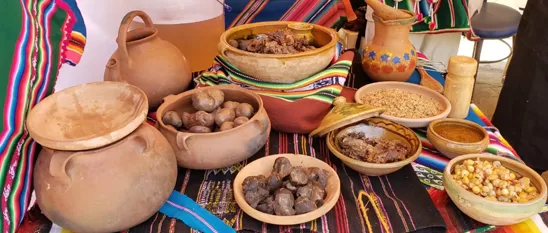
Food at Oruro Carnival: A Culinary Journey
The Oruro Carnival, a UNESCO Masterpiece of the Oral and Intangible Heritage of Humanity, is more than just a vibrant spectacle of dance, music, and elaborate costumes. It’s a profound cultural festival, deeply rooted in centuries of tradition, where the sacred and the profane intertwine in a dazzling display of faith and festivity. While the mesmerizing parades and folkloric dances, particularly the iconic Diablada, often steal the spotlight, there’s an equally captivating element that forms the very backbone of the celebration: the food. The culinary delights available at the Oruro Carnival offer a unique window into Bolivia’s rich cultural heritage, providing a sensory experience that is as unforgettable as the carnival itself.
Introduction to Oruro Carnival and Its Culinary Delights
Nestled high in the Bolivian Andes, Oruro transforms into an epicenter of joy and devotion each year during its celebrated carnival. This isn’t just a party; it’s a spiritual pilgrimage honoring the Virgen del Socavón, the patron saint of miners. Millions of spectators and thousands of dancers and musicians converge, creating an atmosphere charged with energy, color, and sound. Amidst this vibrant chaos, the role of food is paramount. It’s not merely sustenance; it’s an integral part of the carnival traditions, a way to connect with the local culture, and a source of comfort and energy for those participating in or observing the marathon festivities.
The Oruro Carnival food scene is a bustling tapestry of aromas and flavors, reflecting the diverse and hearty nature of Bolivian cuisine. From steaming pots bubbling with traditional dishes to sizzling grills offering tempting carnival street food, the gastronomic landscape is as varied as the costumes on display. Exploring the food at Oruro Carnival means embarking on a culinary journey that tantalizes the taste buds and provides deep insights into Oruro culinary traditions. It’s an adventure into the heart of Bolivia food culture, where every bite tells a story of local delicacies and festive dishes, making the overall experience truly immersive.
Traditional Dishes to Try at Oruro Carnival
When you delve into the gastronomy of the Oruro Carnival, you quickly discover that many of the most beloved dishes are those that have been passed down through generations, embodying the very spirit of Bolivian cuisine. These are the hearty, flavorful meals designed to sustain revelers through long days and nights of dancing and celebration. Oruro food vendors proudly present these traditional recipes, inviting visitors to savor the authentic flavors of Bolivia. These are not just meals; they are culinary experiences, deeply woven into the fabric of the cultural festival.
Salteñas: The Must-Try Snack
No discussion of Bolivian cuisine, especially during the Oruro Carnival, would be complete without mentioning Salteñas. Often described as the quintessential Bolivian snack, these savory baked pastries are a must-try for anyone exploring the food at Oruro Carnival. While they might resemble empanadas, Salteñas boast a unique characteristic: their incredibly juicy, slightly sweet filling, encased in a beautifully braided, golden-brown crust.
The magic of a Salteña lies in its rich and complex filling, which typically includes finely diced beef or chicken, potatoes, peas, a piece of hard-boiled egg, and an olive. What truly sets it apart is the gelatinous broth that melts into a savory liquid as it bakes, creating that signature juicy interior. This delightful characteristic requires a specific eating technique: hold it upright, take a small bite from the top, and carefully slurp the delicious broth before diving into the rest of the filling. Salteñas are a favorite among festival-goers, serving as a perfect breakfast or mid-morning pick-me-up, providing sustained energy for the carnival celebrations. They are a staple of the Oruro culinary guide and an essential part of the carnival snacks that fuel the vibrant atmosphere.
Pique Macho: A Hearty Meal
After hours of dancing, cheering, and soaking in the spectacle, you’ll undoubtedly work up a substantial appetite. This is where Pique Macho steps in, a dish renowned for its generous portions and robust flavors, making it one of the most popular traditional dishes during the Oruro Carnival. It’s a meal designed for sharing, a true feast for friends and family gathered amidst the festive chaos.
Pique Macho is essentially a towering mound of bite-sized pieces of beef and sausage, layered over a bed of crispy French fries. But the indulgence doesn’t stop there. It’s generously garnished with slices of onion, tomatoes, locoto (a spicy Bolivian pepper that adds a fiery kick), and often hard-boiled eggs and olives. The dish is usually doused in a savory sauce, often a mix of soy sauce, mustard, and other spices, adding another layer of flavor. Its name, “Pique Macho,” roughly translates to “manly snack,” hinting at its substantial nature and the challenge of finishing a plate. This hearty meal is not only satisfying but also embodies the communal spirit of the carnival, perfect for refueling and socializing after long hours of watching the parades and participating in the food festivals. It’s an iconic part of the food and drink at Oruro, offering a truly authentic Oruro culinary experience.
Street Food Experience at Oruro Carnival
The streets of Oruro during carnival are a kaleidoscope of sights, sounds, and, most notably, smells. The air is thick with the aroma of grilling meats, frying dough, and simmering stews, all emanating from the countless Oruro food vendors that line every thoroughfare. The street food scene is an essential part of the Oruro Carnival experience, offering quick, delicious, and affordable bites that allow you to stay immersed in the action without missing a beat. This is where you truly experience the pulse of the local Bolivian food culture, encountering the vibrant energy of the carnival street food.
Anticuchos: A Street Food Staple
Among the most iconic and beloved carnival snacks found on the streets of Oruro are Anticuchos. These grilled skewers are a testament to the ingenuity and deliciousness of simple ingredients prepared with passion. While the idea of grilled meat on a stick might seem universal, Anticuchos in Bolivia have a distinct character that makes them a must-try.
Traditionally, Anticuchos are made from marinated beef heart, though you might occasionally find variations with other cuts of meat. The beef heart is cut into small, tender pieces, marinated overnight in a flavorful mixture typically featuring aji panca (a mild red chili pepper), vinegar, garlic, and various spices. These tender morsels are then threaded onto skewers and grilled over hot charcoal, imparting a smoky, slightly charred flavor that is utterly irresistible. Anticuchos are almost always served with a small, boiled potato at the end of the skewer and a generous dollop of a spicy peanut sauce or a fiery aji sauce, adding a creamy, nutty, or piquant counterpoint to the rich meat. These skewers are incredibly popular among both locals and tourists, offering an authentic taste of Oruro street food and a deep dive into the food culture of the region.
Choclo con Queso: A Tasty Treat
For those seeking a lighter, yet equally satisfying, street food option, Choclo con Queso is a delightful choice. This simple yet incredibly popular treat showcases the beauty of fresh, high-quality ingredients and is a testament to the local delicacies found in Bolivia. It provides a refreshing break from the richer, spicier offerings and is a staple at Oruro Carnival.
“Choclo” refers to the large-kernelled, often less sweet, white corn that is a dietary staple throughout the Andes. During the carnival, vendors prepare freshly boiled or roasted corn on the cob, steaming hot and wonderfully aromatic. This tender corn is then generously slathered with a slice of fresh, often salty, local cheese (queso fresco). The combination of the sweet, earthy corn and the creamy, slightly tangy cheese is a match made in heaven. It’s a comforting and wholesome snack that is widely available from Oruro food vendors, making it an easy and delicious way to experience traditional recipes and the fresh produce that defines Bolivia food culture. It’s a perfect example of a simple food experience that leaves a lasting impression.
Beverages to Complement Your Meal
No culinary journey through the Oruro Carnival would be complete without exploring the array of beverages that complement the festive dishes and help fuel the marathon celebrations. From traditional warm drinks that offer comfort in the Andean chill to Bolivia’s national spirit, the food and drink at Oruro are as diverse and inviting as the food itself. These drinks are deeply embedded in the carnival traditions and provide a taste of Oruro culture.
Api: A Popular Warm Drink
When the Andean air turns crisp, especially during the early mornings or late evenings of the carnival, there’s nothing quite as comforting and invigorating as a cup of Api. This thick, sweet, and wonderfully aromatic warm drink is a cherished part of Bolivian cuisine and a popular choice among carnival-goers. It’s an integral part of the Oruro culinary traditions, offering both warmth and nutrition.
Api is traditionally made from purple corn, which gives it its distinctive deep reddish-purple hue. The corn is cooked with water, cinnamon sticks, cloves, and often orange peel, then sweetened with sugar or panela (unrefined whole cane sugar). The mixture is simmered until it thickens to a consistency similar to a thin porridge or a very thick hot chocolate. There are two main varieties: api morado (purple api) and api blanco (white api), made from yellow corn, though the purple version is more common during the carnival. Api is frequently served alongside buñuelos (fried dough fritters, often drizzled with honey) or pastelitos (fried cheese pastries), creating a classic Bolivian breakfast or a delightful afternoon snack. It’s a truly unique Oruro culinary guide experience, offering a taste of traditional recipes that warm you from the inside out.
Singani: Bolivia’s National Spirit
For those looking to experience the spirited side of carnival celebrations, Singani is an absolute must-try. This clear grape brandy is Bolivia’s national spirit and holds a special place in the hearts of Bolivians, particularly during festive occasions like the Oruro Carnival. Its history dates back to the 16th century, making it a significant part of Bolivia’s cultural heritage.
Singani is produced primarily in the high-altitude valleys of Bolivia, particularly in the regions of Tarija and Chuquisaca, from the white Muscat of Alexandria grape. It’s known for its aromatic profile, often described as floral and fruity, with a smooth finish. During the Oruro Carnival, Singani is enjoyed in various ways. Many locals savor it neat, on the rocks, or as the base for popular cocktails. The most famous of these is the “Chuflay,” a refreshing mix of Singani, ginger ale or 7-Up, and a squeeze of lime. It’s a light, bubbly, and invigorating drink, perfect for cutting through the richness of the festive food and for toasting to the joyous atmosphere of the carnival. Experiencing Singani is not just about tasting a drink; it’s about participating in a deeply ingrained aspect of Oruro culture and the broader Bolivia food culture.
Tips for Enjoying Food at Oruro Carnival
Navigating the bustling culinary landscape of the Oruro Carnival can be an exhilarating experience, but a few practical tips can help ensure your food journey is both delicious and safe. Embracing the local delicacies and the vibrant carnival street food is part of the adventure, and with a little preparation, you can make the most of every bite.
First and foremost, prioritize hygiene. While the aromas of Oruro Carnival food are irresistible, it’s wise to observe the cleanliness of the Oruro food vendors. Look for stalls that appear well-maintained, have a steady stream of customers (indicating freshness), and where food is cooked to order or kept hot. Trust your instincts; if something doesn’t look right, move on.
Stay hydrated, especially given Oruro’s high altitude. The dry air and physical exertion of walking and dancing can quickly lead to dehydration. Carry bottled water with you at all times, and don’t hesitate to purchase more from the numerous vendors. Remember that while alcoholic beverages like Singani are part of the food and drink at Oruro, they can contribute to dehydration, so balance them with plenty of water.
Be adventurous and try everything! The Oruro Carnival offers a unique opportunity to delve deep into Bolivian cuisine. Don’t shy away from trying traditional dishes you’ve never heard of, from the hearty Pique Macho to the unique Anticuchos. This is your chance to expand your palate and truly immerse yourself in the local Bolivian food scene. Ask questions, engage with the vendors, and let them guide you through the Oruro culinary guide.
Pace yourself. With so many tempting carnival snacks and festive dishes available, it’s easy to overindulge. Remember that the carnival is a marathon, not a sprint, and so is your culinary journey. Try small portions of various items to get a broader taste of what’s on offer without getting too full too quickly.
Carry small denominations of cash. Many street food vendors and smaller eateries operate on a cash-only basis, and having small bills and coins will make transactions smoother and quicker. This is a common practice at food festivals and cultural festival events in Bolivia.
Be mindful of spice levels. Bolivian cuisine can range from mild to quite spicy, especially when locoto peppers or aji sauces are involved. If you’re sensitive to heat, it’s always a good idea to ask about the spice level before you order. Most vendors are happy to explain or offer milder alternatives.
Finally, embrace the entire food experience. Eating at the Oruro Carnival is more than just fueling your body; it’s a social and cultural event. Engage with the Oruro food vendors, watch how the traditional recipes are prepared, and enjoy the lively atmosphere. These culinary experiences are as much a part of the cultural heritage as the dances and music, creating lasting memories of your food tourism adventure.
Conclusion: Embrace the Flavors of Oruro Carnival
The Oruro Carnival is an unparalleled spectacle, a testament to Bolivia’s vibrant cultural heritage and enduring traditions. While the dazzling parades and fervent devotion rightfully capture global attention, the food at Oruro Carnival stands as an equally compelling and integral part of this extraordinary event. It offers a profound and delicious pathway into the heart of Bolivian cuisine, transforming a simple meal into a memorable culinary experience.
From the juicy, comforting embrace of a Salteña to the hearty, shareable feast of Pique Macho, and the smoky allure of Anticuchos, the traditional dishes and carnival street food tell a story of resilience, flavor, and community. The soothing warmth of Api and the celebratory kick of Singani further enrich this gastronomic tapestry, ensuring that every sense is engaged in the festivities. Exploring the Oruro Carnival food scene isn’t just about satisfying hunger; it’s about connecting with the local delicacies, understanding Oruro culinary traditions, and participating in the authentic food culture that defines this incredible cultural festival.
So, as you plan your visit to this magnificent celebration, make sure to set aside ample time to embark on your own culinary journey. Wander through the bustling streets, engage with the Oruro food vendors, and allow the aromas and flavors to guide you. Each bite and every sip offers a deeper appreciation for the rich gastronomy and festive food that make the Oruro Carnival truly unforgettable. Embrace the flavors, create lasting memories, and share your experiences of this incredible fusion of food and festivity.
Superace2… is this the sequel better than the original? Gonna find out! Wish me luck, lads! Someone tell me their experiences on this platform! Test your luck: superace2
[3533]YO68: Top Online Slot & Casino Philippines – Secure YO68 Login, Easy Register & Download APK. Official Link Alternatif for 24/7 Gaming Access. Experience YO68, the Philippines’ top online slot & casino. Secure YO68 login, easy YO68 register & YO68 download APK. Use our official YO68 link alternatif for 24/7 access. Play the best YO68 slot games and win big today! visit: yo68