
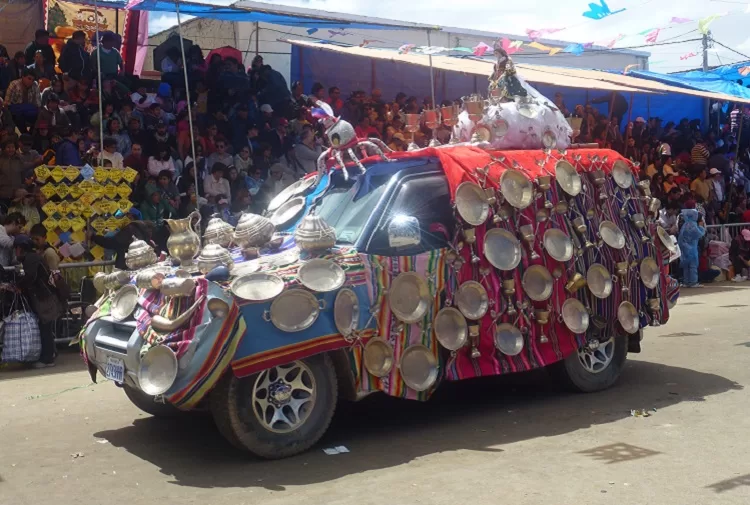
Jobs Created by Oruro Carnival
The Oruro Carnival, a vibrant explosion of culture, music, and dance nestled high in the Bolivian Andes, is far more than just a spectacular annual celebration. While its dazzling parades and ancient rituals capture the imagination of thousands, its profound economic footprint, particularly in terms of job creation, often goes unnoticed. This UNESCO-recognized masterpiece of oral and intangible heritage is a powerful engine for employment, weaving a complex tapestry of career opportunities that sustain individuals, families, and the entire local economy of Oruro. From the intricate artistry of costume design to the bustling hospitality sector, the carnival breathes life into countless professions, demonstrating the immense economic impact of cultural events on a grand scale.
Overview of Oruro Carnival
The Oruro Carnival stands as one of South America’s most significant cultural events, deeply rooted in both pre-Hispanic Andean traditions and colonial-era Catholicism. Held annually in the city of Oruro, Bolivia, this grand festival is a week-long spectacle culminating in a breathtaking pilgrimage and parade to the Sanctuary of the Virgen del Socavón (Virgin of the Mineshaft). Its origins trace back to ancient indigenous rituals, particularly the Ito festival, which honored Pachamama (Mother Earth) and other Andean deities. With the arrival of the Spanish, these traditions syncretized with Catholic beliefs, transforming into the vibrant, multifaceted celebration we see today.
Recognized by UNESCO in 2001 as a Masterpiece of the Oral and Intangible Heritage of Humanity, the Oruro Carnival is a testament to Bolivian culture and identity. It features an astonishing array of folk dances, each with its own rich history and elaborate costumes, performed by thousands of dancers and musicians. The iconic “Diablada” or Dance of the Devils, with its elaborate masks and intricate choreography, is perhaps the most famous, representing the eternal struggle between good and evil. Beyond its spiritual and artistic value, the Oruro festival is a vital expression of community engagement, drawing participants and spectators from across the globe and deeply embedding itself into the fabric of daily life in Oruro. Its significance extends beyond mere entertainment, serving as a powerful cultural anchor and a significant driver for the regional economy.
Economic Impact of Oruro Carnival
The Oruro Carnival is a colossal economic force, generating a ripple effect that permeates every sector of the local economy. Annually, this cultural extravaganza injects millions of dollars into the city, transforming it into a bustling hub of commerce and activity. The sheer volume of visitors—both domestic and international—creates an unprecedented demand for goods and services, directly translating into substantial job creation in Bolivia. This influx of capital and human traffic provides a critical boost, particularly for small and medium-sized enterprises, which often see their annual revenues significantly impacted by the carnival period.
The economic impact of Oruro Carnival isn’t just about direct spending; it’s about the entire ecosystem that springs up around the event. It supports a robust supply chain, from raw materials for costumes to food supplies for vendors, and infrastructure development to accommodate the crowds. This extensive network ensures that the benefits are distributed widely, fostering economic development and strengthening the Oruro Carnival economy. The carnival essentially acts as a temporary economic accelerator, stimulating growth and providing a vital source of income for thousands of people, many of whom rely on these opportunities to sustain their livelihoods throughout the year.
Types of Jobs Created
The Oruro Carnival is a veritable employment factory, creating a diverse array of jobs that range from highly specialized artisanal roles to essential logistical positions. These Oruro Carnival jobs can be broadly categorized into direct and indirect, as well as seasonal and permanent positions, all contributing to the overall economic vitality.
Direct Employment: These are roles directly involved in the planning, execution, and performance of the carnival.
-
Artisans and Craftsmen: This is perhaps one of the most unique and significant categories. Thousands of artisans are employed year-round, but especially in the months leading up to the carnival, to create the elaborate costumes, masks, and floats. This includes:
-
Mask Makers: Crafting the iconic, often terrifying, devil masks (caretas) requires specialized skills in papier-mâché, plaster, and painting.
-
Costume Designers and Seamstresses: From the intricate embroidery of the Diablada costumes to the vibrant skirts of the Morenada, skilled hands are needed to design, cut, and sew thousands of outfits.
-
Jewelers and Accessory Makers: Creating the metallic decorations, adornments, and distinctive hats for various dance groups.
-
Float Builders and Decorators: Constructing the large, often motorized, artistic floats that are a highlight of the parade.
-
-
Performers: The heart of the carnival lies in its performers.
-
Dancers: Thousands of individuals from hundreds of folk dance groups (conjuntos folklóricos) dedicate countless hours to practice and performance. While many are volunteers, the sheer scale of the event often involves professional choreographers and instructors.
-
Musicians: Brass bands (bandas de música) are integral to the carnival, providing the powerful soundtrack. Professional musicians are hired, practicing for months to perfect their intricate scores.
-
-
Event Management and Logistics:
-
Organizers and Coordinators: A dedicated team works year-round to plan, permit, and manage the massive logistical undertaking.
-
Security Personnel: Ensuring the safety of participants and spectators requires a large temporary force of police, private security, and emergency medical staff.
-
Clean-up Crews: After each day’s festivities, extensive teams are deployed to manage waste and clean the parade routes.
-
Sound and Lighting Technicians: Setting up and managing the complex audio and visual systems along the parade route.
-
Vendors: Thousands of street vendors selling food, drinks, souvenirs, and carnival merchandise find temporary jobs Oruro Carnival provides, often for the duration of the event.
-
Indirect Employment: These jobs arise from the increased demand generated by the carnival’s visitors and participants.
-
Hospitality Sector:
-
Hotel and Hostel Staff: Front desk, housekeeping, restaurant staff, porters.
-
Restaurant and Bar Employees: Chefs, cooks, waiters, bartenders, kitchen assistants.
-
Caterers: Providing food and drink for private events and dance groups.
-
-
Transportation Services:
-
Taxi and Bus Drivers: Increased demand for local and intercity transport.
-
Tour Operators and Guides: Guiding visitors through the carnival and surrounding attractions.
-
-
Retail and Commerce:
-
Shop Assistants: Stores selling clothing, groceries, and other necessities see a surge in sales and often hire additional staff.
-
Souvenir Shop Workers: Selling Oruro Carnival-themed merchandise.
-
-
Media and Communications:
-
Journalists and Photographers: Covering the event for local and international outlets.
-
Translators: Assisting international visitors and media.
-
The blend of these roles creates a dynamic environment for career opportunities Oruro Carnival offers. While many are seasonal employment positions, providing crucial income during a specific period, a significant portion of the artisanal and organizational roles represent permanent jobs Oruro Carnival supports, with work continuing throughout the year in preparation for the next event. This continuous cycle of preparation and celebration forms the backbone of the employment opportunities Oruro Carnival provides.
Impact on Local Businesses
The Oruro Carnival acts as an unparalleled catalyst for local businesses, transforming the city’s commercial landscape during its peak season. The influx of hundreds of thousands of domestic and international visitors creates a massive surge in demand across virtually all sectors, providing a vital boost to the Oruro festival economic benefits.
Hospitality and Food Services: This sector experiences the most immediate and dramatic impact. Hotels, hostels, and guesthouses are booked solid months in advance, often at premium rates, leading to increased revenue and the need to hire additional staff for cleaning, front desk operations, and food service. Restaurants, cafes, and street food vendors see their sales skyrocket, with many extending their operating hours and expanding their menus to cater to the diverse tastes of visitors. The demand for local Bolivian cuisine, in particular, creates a vibrant market for traditional dishes and snacks.
Retail and Artisan Markets: Local businesses Oruro Carnival stimulates include shops selling everyday necessities, which see a significant uptick in sales. More specifically, craft markets and artisan workshops thrive. Stores specializing in traditional Bolivian clothing, musical instruments, and local handicrafts experience a boom. Artisans who create carnival-specific items like miniature masks, traditional dolls, and embroidered textiles find a ready market for their wares, often selling out their entire stock. This directly supports the livelihoods of numerous families involved in traditional crafts.
Transportation Services: Taxis, local buses, and intercity bus companies operate at maximum capacity, often requiring additional vehicles and drivers to manage the demand. Tour operators specializing in cultural tours and carnival packages also see a substantial increase in bookings, further supporting local guides and transport providers.
Support Services: Even businesses that aren’t directly customer-facing benefit. Printers are busy with posters and promotional materials, security companies are hired for private events, and construction companies may be engaged for temporary infrastructure or seating arrangements along the parade route. Beauty salons and barbershops also experience increased client numbers as participants and spectators prepare for the festivities.
The carnival fosters a strong sense of community impact Oruro Carnival creates, as local entrepreneurs, from small family-run eateries to larger hotels, all contribute to and benefit from the collective effort. This period of heightened economic activity allows many businesses to generate a significant portion of their annual income, enabling reinvestment, expansion, and the ability to weather leaner periods.
Long-term Benefits of Job Creation
While the immediate economic boom of the Oruro Carnival is undeniable, its impact extends far beyond the duration of the festivities. The employment opportunities and economic activity it generates contribute to several long-term benefits, fostering sustained economic development and community resilience. These benefits are crucial for the overall health and future growth of Oruro, demonstrating how cultural festivals can be powerful engines for enduring positive change.
One significant long-term benefit is the retention and enhancement of traditional skills. The continuous demand for elaborate costumes, masks, and musical instruments ensures that ancient artisanal techniques are not lost but are instead passed down through generations. This creates a sustainable cycle of cultural preservation and economic viability for craftspeople. Furthermore, the carnival encourages investment in infrastructure, such as improved roads, public spaces, and hospitality facilities, which serve the community year-round, not just during the festival. This infrastructure development supports ongoing tourism and local commerce, contributing to a more robust local economy.
The Oruro Carnival also strengthens the city’s reputation as a cultural destination, attracting tourists outside of the carnival season. This consistent interest supports year-round jobs in hotels, restaurants, and tour operations, diversifying the local economy beyond the peak carnival period. By fostering a sense of pride and collective identity, the carnival promotes community engagement and cooperation, which can lead to further local initiatives and projects that contribute to long-term economic growth and social cohesion.
Skill Development and Training Opportunities
One of the most profound long-term benefits derived from the jobs created by Oruro Carnival is the extensive skill development and training opportunities it provides for local workers. The carnival isn’t just a performance; it’s a living university of traditional arts, crafts, and event management.
Artisanal Skills: The demand for intricate costumes and masks necessitates a high level of craftsmanship. Local artisans, often working in family workshops, hone skills in:
-
Textile Arts: Embroidery, weaving, tailoring, and fabric dyeing for the thousands of elaborate costumes. This includes learning specific stitching techniques and understanding traditional designs.
-
Mask Making: Expertise in sculpting, molding, painting, and decorating papier-mâché, plaster, or fiberglass masks, often passed down through apprenticeships.
-
Jewelry and Metalwork: Crafting the metallic adornments and decorative elements for costumes and floats.
-
Float Construction: Skills in carpentry, welding, electrical work, and artistic decoration are vital for building the large, often moving, carnival floats.
These Oruro cultural job opportunities not only preserve traditional knowledge but also allow individuals to develop marketable skills that can be applied to other areas of design, fashion, or artistic production beyond the carnival season.
Performance and Musical Skills: Thousands of dancers dedicate themselves to mastering complex choreographies and understanding the cultural significance of each step. This requires discipline, physical training, and a deep connection to Bolivian culture. Similarly, musicians train rigorously for months to perform the demanding brass band pieces. This skill development in music and dance can lead to professional careers, teaching opportunities, or involvement in other cultural performances throughout the year. The job training Oruro Carnival offers in these areas is often informal but incredibly effective, rooted in community practices and mentorship.
Event Management and Hospitality Skills: The sheer scale of the Oruro Carnival demands sophisticated logistical planning and execution. Locals gain experience in:
-
Logistics and Coordination: Managing crowds, parade routes, security, and vendor operations.
-
Hospitality Services: Customer service, food preparation, hotel management, and tour guiding.
-
Marketing and Promotion: Promoting the carnival to national and international audiences.
These are highly transferable skills that can benefit individuals in various industries, enhancing their employability and contributing to a more skilled local workforce. The carnival serves as a practical training ground, allowing residents to gain invaluable experience and build their professional capabilities, fostering long-term economic growth and individual empowerment.
Community Involvement and Volunteer Opportunities
The Oruro Carnival is a profound expression of community engagement, extending far beyond mere spectacle. It thrives on the active participation of its residents, many of whom contribute through extensive volunteer work Oruro Carnival relies upon. These volunteer roles are not just supportive; they are integral to the carnival’s success and reinforce the strong social fabric of the city.
Dance Groups (Conjuntos Folklóricos): At the heart of the carnival are the hundreds of dance groups, each comprising dozens, sometimes hundreds, of members. While some lead dancers or musicians might be professionals, the vast majority of participants are volunteers. They dedicate months, often an entire year, to rehearsing their intricate choreographies, contributing financially to their costumes, and participating in fundraising activities. This deep commitment fosters discipline, teamwork, and a profound connection to their cultural heritage. It’s a prime example of community engagement, where individuals collectively uphold and perform their traditions.
Organizational and Support Roles: Beyond the performers, a vast network of volunteers supports the logistical demands of the carnival. These include:
-
Parade Marshals: Guiding dance groups, managing spectator flow, and ensuring the smooth progression of the parade.
-
Information Booths: Providing assistance and information to visitors, often staffed by local students or community members eager to share their culture.
-
Clean-up Crews: Assisting municipal services in managing waste and maintaining the cleanliness of the parade route and public spaces.
-
Cultural Ambassadors: Many locals informally act as ambassadors, sharing stories, explaining traditions, and welcoming visitors, enriching the experience for tourists.
-
Support for Dance Groups: Family members and friends often volunteer to help with costume repairs, provide food and drink during rehearsals and the parade, and offer moral support to the dancers.
These volunteer roles are critical for the carnival’s operation, but they also offer significant personal benefits. They strengthen social bonds, instill a sense of ownership and pride in the local culture, and provide opportunities for individuals to contribute meaningfully to their community. For younger generations, participating in volunteer work Oruro Carnival offers is a powerful way to connect with their roots, learn about their traditions, and develop leadership and organizational skills. This collective effort underscores the carnival’s role not just as an event, but as a catalyst for ongoing community development and cultural preservation through active participation and shared responsibility.
Challenges Faced
While the Oruro Carnival is an undeniable economic boon and cultural treasure, it is not without its challenges, particularly concerning job creation and economic sustainability. These issues often stem from the seasonal nature of the event and the complexities of managing such a massive cultural undertaking, impacting the overall Oruro Carnival economy. Addressing these challenges is crucial for ensuring the long-term viability and equitable distribution of benefits from this magnificent festival.
One primary concern revolves around resource allocation and funding. Organizing an event of this magnitude requires substantial financial investment in infrastructure, security, promotion, and sanitation. Securing adequate and consistent funding from both public and private sources can be a perennial struggle, impacting the ability to adequately compensate workers, invest in training programs, or expand facilities. Furthermore, the informal nature of many carnival-related jobs means that workers often lack formal contracts, benefits, or social security, making their livelihoods precarious despite the temporary surge in demand. This informal sector, while providing essential employment opportunities, also presents regulatory and oversight challenges for local authorities.
Another significant challenge lies in balancing commercialization with cultural preservation. As the carnival gains international recognition and attracts more tourists, there’s an increasing pressure to monetize every aspect of the event. While this boosts the economic impact of Oruro Carnival, it also risks diluting the authentic cultural experience and potentially exploiting local traditions for purely financial gain. Ensuring that job creation efforts align with the core values of the carnival and benefit the local community without compromising its cultural integrity is a delicate balancing act that requires thoughtful planning and management.
Seasonal Employment Issues
The vast majority of jobs created by Oruro Carnival are seasonal, presenting a unique set of challenges for the local workforce. While these temporary jobs Oruro Carnival provides offer crucial income during the carnival period, they often lead to precarious living conditions for workers for the remainder of the year.
Inconsistent Income and Job Security: For many, particularly street vendors, hospitality staff, and even some artisans, income is concentrated in a few intense weeks. After the carnival concludes, these individuals face a significant drop in demand, often leading to unemployment or underemployment for several months. This lack of consistent income makes financial planning difficult and can contribute to economic instability for families. The absence of long-term contracts also means a lack of job security, as workers must seek new opportunities each year or rely on the carnival’s return.
Lack of Benefits and Formal Protection: A substantial portion of seasonal workers operate in the informal economy. This means they often do not receive benefits such as health insurance, paid leave, or retirement contributions. They are also less protected by labor laws, making them vulnerable to exploitation, long working hours, and inadequate pay in some instances. This situation highlights a disparity where the carnival generates significant wealth, but many of its direct contributors lack basic worker protections.
Skill Underutilization: While the carnival fosters skill development, some seasonal jobs, particularly in basic service roles, may not fully utilize or further develop specialized skills year-round. Artisans, for instance, might have work throughout the year, but the peak demand and specialized nature of carnival crafts mean their full output and income potential are primarily tied to the event. This leads to a challenge of finding suitable, year-round employment that matches their capabilities and provides stable remuneration.
Addressing these seasonal employment issues requires strategic interventions, such as promoting year-round tourism initiatives in Oruro, providing training for transferable skills, and exploring mechanisms to formalize temporary employment contracts to offer better protection and benefits to the workforce.
Sustainability of Jobs Created
Ensuring the sustainability of jobs created by the Oruro Carnival, particularly beyond the immediate festival period, is a critical challenge for the long-term economic health of the region. While the carnival provides a significant annual boost, the goal is to transform temporary gains into enduring opportunities and foster economic growth that benefits the community year-round.
Diversification of the Local Economy: Relying too heavily on a single event, no matter how grand, carries inherent risks. To sustain jobs, Oruro needs to diversify its local economy. This means promoting other forms of tourism, such as eco-tourism in the surrounding Andean landscapes, cultural heritage tours focusing on Oruro’s mining history, or culinary tourism. By attracting visitors throughout the year, demand for hospitality, transport, and artisan goods can become more consistent, supporting permanent jobs Oruro Carnival helps to establish indirectly.
Investment in Cultural Infrastructure and Education: Sustaining the artistic and artisanal jobs requires continuous investment. Establishing permanent cultural centers, artisan workshops, and vocational training programs can ensure that skills like mask-making, costume design, and traditional music are taught and practiced consistently. This not only preserves cultural heritage but also creates year-round employment for instructors and master artisans, fostering skill development beyond the carnival’s immediate needs. Job training Oruro Carnival inspires can lead to more formalized educational pathways.
Promoting Local Products and Brands: The carnival provides an excellent platform for local businesses to showcase their products. Strategies to help these businesses transition from temporary carnival vendors to established brands with year-round sales, perhaps through online platforms or partnerships with national retailers, can create more stable employment. This includes supporting local food producers, craftspeople, and artists in reaching broader markets.
Strategic Tourism Planning: Developing a comprehensive, long-term tourism strategy that leverages the Oruro Carnival as a flagship event, but integrates it into a wider array of attractions and experiences, is essential. This includes improving tourism infrastructure, enhancing visitor services, and marketing Oruro as a year-round cultural destination. Such planning can help convert seasonal employment into more stable roles and create new employment opportunities related to cultural events job creation outside of the carnival’s peak.
The sustainability in festivals depends on a holistic approach that views the carnival not just as an annual celebration, but as a cornerstone for ongoing economic development and job creation in Bolivia. By focusing on diversification, skill retention, and strategic planning, the Oruro Carnival can continue to be a source of vibrant culture and sustained prosperity for its community.
Conclusion
The Oruro Carnival stands as a magnificent testament to Bolivian culture and a formidable engine of economic activity. Far more than just a spectacular annual celebration, it is a crucial source of jobs created by Oruro Carnival, offering a vast array of employment opportunities that span the artisanal, logistical, hospitality, and service sectors. From the intricate work of mask makers and costume designers to the bustling activity of street vendors and hotel staff, the carnival generates a significant economic impact of Oruro Carnival, injecting vitality into the local economy and supporting countless livelihoods.
This cultural phenomenon fuels both temporary jobs Oruro Carnival provides during its peak and, importantly, nurtures permanent jobs Oruro Carnival helps to sustain through year-round preparation and skill development. It acts as a powerful catalyst for local businesses Oruro Carnival supports, driving demand and fostering growth across various industries. Beyond the immediate economic gains, the carnival delivers long-term benefits through skill development and training opportunities, preserving traditional crafts and empowering local workers with transferable expertise. Furthermore, it exemplifies profound community engagement, with thousands of volunteers contributing to its success and reinforcing the social fabric of Oruro.
However, the carnival’s economic prowess is not without its challenges. Issues surrounding seasonal employment, the need for greater job security, and the sustainability of jobs created beyond the event itself require ongoing attention and strategic planning. By diversifying the local economy, investing in cultural infrastructure, and implementing robust tourism strategies, Oruro can ensure that the immense job creation in Bolivia fostered by this UNESCO-recognized heritage continues to thrive, providing sustained economic development and preserving the vibrant cultural legacy for generations to come. The Oruro Carnival is a powerful reminder of how deeply intertwined culture, community, and economic prosperity truly are.
Just hopped onto st666run! Gotta say, the mobile experience is on point. No lag, no glitches, just smooth gameplay. If you’re looking for a place to play on the go, this might be it. Give it a shot: st666run