
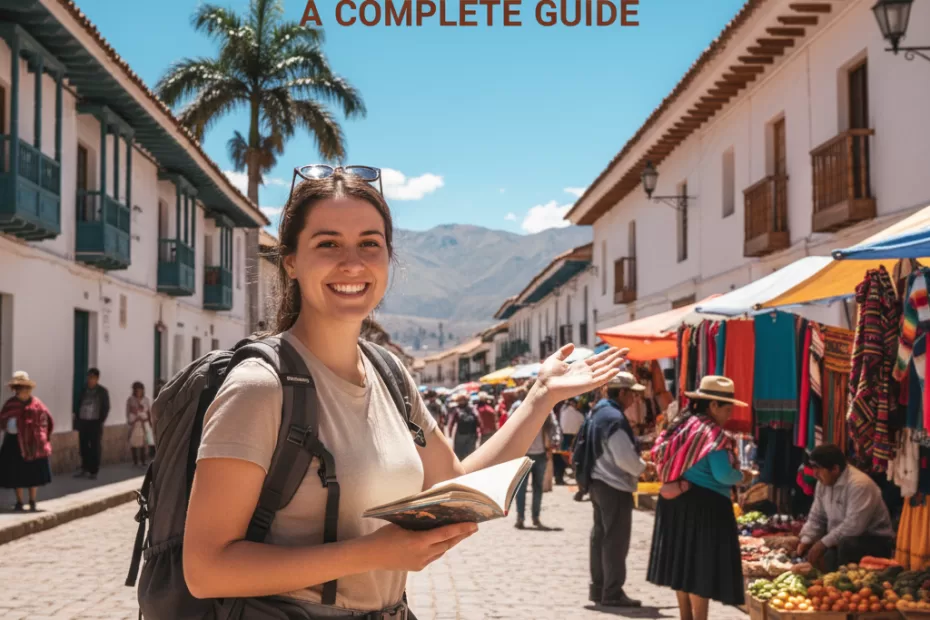
Living in Bolivia as a Foreigner: A Complete Guide
Bolivia, often called the “Heart of South America,” is a land of breathtaking contrasts, from the towering peaks of the Andes to the sprawling Amazon rainforest and the vast, shimmering salt flats of Uyuni. For many, the idea of living in Bolivia as a foreigner sparks images of ancient cultures, vibrant festivals, and unparalleled natural beauty. While it offers an incredibly rich and rewarding experience, it’s also a country that demands adaptability, an open mind, and a willingness to embrace a different pace of life. This guide aims to prepare you for the realities and joys of Bolivia expat life, offering insights into what to expect when you make the leap to living abroad in Bolivia.
Whether you’re drawn by the low cost of living, the unique cultural tapestry, or the spirit of adventure, understanding the nuances of life here is key to a smooth transition. From navigating daily life in bustling cities like La Paz and Santa Cruz to immersing yourself in local traditions, this complete guide will walk you through the essential aspects of settling into your new home in Bolivia.
Understanding Bolivia: A Quick Overview
Bolivia is a landlocked country in the heart of South America, renowned for its diverse geography and rich indigenous heritage. Its landscape is a dramatic mosaic, encompassing the high-altitude Altiplano where the capital, La Paz, perches; the majestic Andes mountains that carve through its western flank; the lush, tropical lowlands stretching towards the Amazon basin; and the fertile valleys that host cities like Cochabamba. This geographical variety contributes to an equally diverse climate, ranging from freezing temperatures in the high Andes to humid heat in the lowlands. Understanding this topographical spread is crucial, as it impacts everything from local customs and cuisine to the very air you breathe, especially for those encountering the altitude for the first time.
Culturally, Bolivia is a treasure trove. It boasts the highest percentage of indigenous population in South America, with over 36 recognized indigenous groups, each contributing to a vibrant tapestry of languages, traditions, and worldviews. This strong indigenous identity is a defining characteristic, permeating art, music, festivals, and daily life. The country’s history is deeply intertwined with pre-Columbian civilizations, Spanish colonialism, and a series of revolutions, all of which have shaped its unique national identity. For foreigners in Bolivia, this means an opportunity to immerse themselves in a culture that is both ancient and dynamic, offering a truly unique expat experience Bolivia. From the intricate textiles of the Aymara to the spiritual ceremonies of the Quechua, Bolivia offers a profound connection to its roots, setting it apart from many other South American living destinations. Embracing this deep cultural significance is a cornerstone of a fulfilling Bolivia lifestyle.
Cultural Insights and Local Customs
Bolivia’s cultural landscape is incredibly rich and diverse, making it one of the most fascinating places for South America living. Adapting to local customs and social norms is perhaps the most significant step in achieving Bolivia integration. You’ll find that life here operates on a different rhythm, often less rigid and more fluid than what you might be accustomed to. Punctuality, for example, is generally more relaxed, a concept sometimes referred to as “hora boliviana” (Bolivian time). While it’s always good to be on time for formal appointments, don’t be surprised if social gatherings start later than planned.
Respect for elders and family is paramount. Extended families often live close by and play a central role in an individual’s life. Greetings are warm and personal; a handshake is standard for men, while women often greet with a light kiss on the cheek, even among new acquaintances. Politeness, humility, and a generally reserved demeanor are valued. Direct confrontation is often avoided; instead, communication tends to be more indirect and nuanced. This can be a source of Bolivia culture shock for some, but with patience and observation, you’ll quickly learn to read between the lines.
Festivals are an integral part of Bolivian life, celebrated with immense passion and color. From the world-renowned Carnaval de Oruro, a UNESCO World Heritage event, to countless local patron saint festivals and indigenous celebrations like Alasitas (the festival of miniatures), these events offer a fantastic opportunity to witness Bolivia local traditions firsthand and connect with the community. These Bolivia festivals are not just parties; they are deeply spiritual and cultural expressions that bind communities together. Participating, even as an observer, can significantly enhance your expat experience Bolivia.
Understanding the concept of Pachamama (Mother Earth) is also key, especially in the Andean regions. It reflects a deep spiritual connection to nature and is honored through various rituals and offerings. This respect for the land and its resources permeates many aspects of the Bolivia lifestyle. Being mindful of these Bolivia customs, showing respect, and being open to learning will go a long way in fostering positive interactions and helping you feel at home.
Language Considerations
Spanish is the official language of Bolivia and the primary language spoken across the country. For anyone considering living in Bolivia as a foreigner, learning at least basic Spanish is not just helpful, it’s essential. While you might find some English speakers in tourist-heavy areas or among younger generations in major cities, daily life, administrative tasks, and deeper cultural immersion will require Spanish proficiency.
Beyond Spanish, Bolivia recognizes 36 indigenous languages as official, with Quechua and Aymara being the most widely spoken, particularly in the Andean highlands. In these regions, you might find that older generations or people in rural areas primarily speak these indigenous languages. Even if you don’t plan to learn Quechua or Aymara, acknowledging their presence and importance demonstrates respect for the local culture.
Here are some Bolivia language tips for communication:
-
Start with the basics: Even a few key phrases like “Hola” (Hello), “Gracias” (Thank you), “Por favor” (Please), “Cuánto cuesta?” (How much does it cost?), and “No entiendo” (I don’t understand) will make a huge difference.
-
Immersion is key: The best way to learn is by practicing daily. Don’t be afraid to make mistakes; Bolivians generally appreciate the effort.
-
Language exchange partners: Look for local language exchange groups or individuals who want to learn English in exchange for helping you with Spanish. This is a great way to meet locals and improve your skills.
-
Apps and classes: Utilize language learning apps like Duolingo or Babbel, or consider enrolling in a local Spanish language school, especially in cities like Sucre, which is known for its excellent language programs.
-
Be patient: Learning a new language takes time. Don’t get discouraged by initial difficulties. Every small step forward aids your Bolivia integration.
Food and Cuisine
Bolivian cuisine is hearty, flavorful, and deeply rooted in its agricultural traditions. It’s a significant part of the Bolivia lifestyle and offers a delightful journey for your taste buds. Expect generous portions and dishes that often feature potatoes, corn, rice, and various meats like beef, chicken, or llama. For many foreigners in Bolivia, the local food becomes a cherished part of their expat experience Bolivia.
Popular Dishes to Try:
-
Salteñas: Often described as a savory, juicy baked empanada, traditionally eaten in the morning. They are filled with meat, vegetables, a hard-boiled egg, and a slightly sweet, savory broth. A must-try!
-
Pique Macho: A mountain of diced beef, sausages, fries, onions, locoto (spicy pepper), and often a hard-boiled egg, served on a platter big enough for sharing.
-
Sopa de Maní: A creamy and comforting peanut soup, often served with fries and a piece of meat. It sounds unusual but is surprisingly delicious.
-
Anticuchos: Skewers of marinated beef heart, grilled and served with a boiled potato and a spicy peanut sauce. A popular street food.
-
Silpancho: A thin, breaded cutlet of beef or llama, served over rice and potatoes, topped with a fried egg and a vibrant salsa llajwa (spicy tomato salsa).
-
Fricasé: A spicy pork stew, often eaten as a hangover cure, served with corn and potato.
Dining customs in Bolivia are generally informal and centered around family and community. Meals are often shared, especially in homes. When invited to someone’s home, it’s customary to bring a small gift, such as flowers, chocolates, or a bottle of wine. Table manners are generally relaxed, but it’s polite to wait until everyone is served before starting to eat.
Street food is a huge part of the culinary scene and a fantastic way to experience authentic Bolivia food. From salteñas and empanadas to rellenos (stuffed potatoes) and grilled meats, you’ll find vendors everywhere. While delicious, exercise caution with street food, especially when you first arrive, to allow your stomach to adjust. Look for vendors with high turnover and good hygiene practices. Restaurants range from budget-friendly comedores (small eateries serving daily set menus) to more upscale establishments in major cities. The almuerzo (lunch) is often the main meal of the day, and many restaurants offer a menú del día (daily menu) which is a very affordable and filling option.
Cost of Living in Bolivia
One of the most attractive aspects of living in Bolivia as a foreigner, particularly for those coming from Western countries, is the significantly lower cost of living. Your money can stretch much further here, allowing for a comfortable Bolivia lifestyle even on a modest budget. However, “low cost” is relative and depends heavily on your lifestyle choices, where you choose to live, and whether you opt for local goods and services or imported ones. Generally, cities like La Paz and Santa Cruz will be more expensive than smaller towns or rural areas.
For a single person, a comfortable budget could range from $500 to $1,500 USD per month, depending on personal spending habits. This includes rent, utilities, food, transportation, and some entertainment. Couples might expect to spend between $800 and $2,000 USD. These figures are broad estimates, and careful budgeting and embracing local options can lead to even greater savings. Understanding these financial aspects is crucial for foreigners in Bolivia planning their relocation.
Housing Options
Bolivia housing options vary widely in terms of availability, style, and cost, depending on the city and neighborhood. In major urban centers like La Paz, Santa Cruz, and Cochabamba, you’ll find a range of choices from modern apartments to traditional houses.
-
Apartments: These are the most common choice for expats, especially in city centers. You can find studios, one-bedroom, and multi-bedroom apartments. Modern buildings often come with amenities like 24/7 security, elevators, and sometimes even a gym or communal area.
-
La Paz: A one-bedroom apartment in a decent neighborhood (e.g., Sopocachi, San Miguel) might cost between $300 and $600 USD per month. Larger or more luxurious apartments could go up to $800-$1,200+.
-
Santa Cruz: Generally slightly more affordable than La Paz, with one-bedroom apartments ranging from $250 to $500 USD, and larger ones from $600-$1,000+.
-
Cochabamba: Known for its pleasant climate and more relaxed pace, rental prices here are often lower, with one-bedroom apartments around $200-$400 USD.
-
-
Houses: Houses are available, particularly in residential neighborhoods outside the immediate city center. They often come with small gardens or courtyards. Renting a house can be more expensive than an apartment, ranging from $400 to $1,500 USD or more, depending on size, location, and amenities.
-
Shared Accommodation: For those on a tighter budget or looking to meet people, sharing an apartment or house is a viable option. This can significantly reduce housing costs.
Finding Accommodation:
-
Online Platforms: Websites like Facebook Marketplace, local real estate groups on Facebook, and Bolivian real estate portals (e.g., UltraCasas, InfoCasas) are good starting points.
-
Real Estate Agents: While they charge a commission (often one month’s rent), agents can help navigate the market and find properties that meet your specific needs.
-
Word of Mouth: Networking within the expat community Bolivia or asking locals can yield good results, as many rentals are not advertised online.
-
Rental Contracts: Expect to sign a contract, typically for one year, and pay a security deposit (usually one to two months’ rent). Ensure you understand the terms, preferably with the help of a Spanish speaker or legal advisor. Utilities (electricity, water, gas, internet) are usually extra.
Transportation Tips
Navigating Bolivia transportation can be an adventure in itself, especially in bustling cities. While it might seem chaotic at first, the system is generally efficient and incredibly affordable. Traveling in Bolivia, whether within a city or between regions, offers a glimpse into daily life.
Within Cities:
-
Micros and Trufis/Colectivos: These are the backbone of urban public transport. Micros are colorful, often old, buses that follow fixed routes. Trufis (in La Paz) and Colectivos (in other cities) are shared taxis or vans that also follow set routes, picking up and dropping off passengers along the way. Fares are incredibly cheap, usually less than $0.50 USD per ride. To catch one, simply flag it down from the side of the road.
-
Teleférico (La Paz): La Paz boasts the world’s highest and largest urban cable car system, Mi Teleférico. It’s not just a tourist attraction but an integral part of the city’s public transport, offering stunning views and efficiently connecting different zones, especially those on steep hills. It’s clean, safe, and modern, and a single ride costs around $0.50 USD.
-
Taxis: Readily available in all cities. While convenient, it’s crucial to use registered taxis (often with specific colors or company logos) or apps like Uber/Didi (where available) for safety. Always agree on the fare before getting into the taxi, as meters are rare. Fares are generally low, with a typical city ride costing between $1.50 and $4 USD.
-
Walking: Many city centers are walkable, and it’s a great way to explore. However, be prepared for varying terrain, especially in hilly cities like La Paz.
Inter-city Travel:
-
Buses: The most common and economical way to travel between cities. Bolivia has an extensive bus network, ranging from basic flota (bus) services to more comfortable bus-cama (sleeper bus) options for longer overnight journeys. Bus terminals (terminal de buses) are usually chaotic but well-organized. Always buy tickets from reputable companies and be aware that long-distance bus travel can be slow due to road conditions.
-
Domestic Flights: For faster travel between major cities (e.g., La Paz, Santa Cruz, Cochabamba, Sucre, Tarija), domestic flights are available. Airlines like BoA (Boliviana de Aviación) and Amaszonas offer reliable services, though they are significantly more expensive than buses. Booking in advance can secure better fares.
-
Ferries (Lake Titicaca): If you’re traveling to or from destinations on Lake Titicaca, local ferries are an option, offering scenic journeys.
When using any form of public transport or taxis, especially at night, always be aware of your surroundings and keep your valuables secure. Bolivia travel tips often emphasize common sense precautions to ensure a safe journey.
Legal Requirements for Expatriates
Navigating the legal landscape for living in Bolivia as a foreigner can be complex and requires patience. The visa process and obtaining necessary legal documents are critical steps for anyone planning to stay long-term. Bolivia’s immigration laws have evolved, and it’s always best to consult the latest information from the Bolivian Ministry of Foreign Affairs or a local immigration lawyer.
Initially, most foreigners enter Bolivia on a tourist visa (or visa-exempt status, depending on nationality). This typically allows for a stay of 30 days, extendable up to 90 days within a calendar year. However, a tourist visa does not permit you to work or reside permanently. For long-term living abroad in Bolivia, you will need to apply for a residency visa.
Types of Residency Visas (Visa de Objeto Determinado):Bolivia offers various categories for temporary and permanent residency. The most common types for expats include:
-
Student Visa: For those enrolled in educational institutions.
-
Work Visa: For foreigners employed by a Bolivian company. This often requires a contract from a local employer.
-
Rentista Visa (Income Visa): For individuals who can demonstrate a consistent, sufficient income from outside Bolivia (e.g., pensions, investments). This is a popular option for retirees or those with passive income.
-
Family Reunification Visa: For those with family members who are Bolivian citizens or permanent residents.
-
Temporary Residency (Residencia Temporal): Typically granted for one or two years, extendable. After a certain period (often two years of temporary residency), you may be eligible to apply for permanent residency.
-
Permanent Residency (Residencia Permanente): Grants the right to live and work indefinitely in Bolivia.
General Requirements for a Bolivia Visa Guide (may vary by visa type):
-
Valid Passport: With at least six months validity remaining.
-
Visa Application Form: Duly filled out.
-
Passport-sized Photos: Specific requirements for size and background.
-
Criminal Record Certificate: From your home country and any country you’ve resided in for the past five years, often requiring an apostille and translation.
-
Financial Solvency Proof: Bank statements, proof of income, or a notarized letter of financial support.
-
Medical Certificate: Confirming good health.
-
Birth Certificate: Apostilled and translated.
-
Marriage Certificate (if applicable): Apostilled and translated.
-
Specific Documents: Depending on the visa type (e.g., university enrollment letter for students, work contract for employees).
-
Background Check: Conducted by the Bolivian police (Interpol).
The Application Process:
-
Initial Application: Often starts at a Bolivian consulate or embassy in your home country. Some types of visas can be initiated while in Bolivia, but it’s often smoother to begin beforehand.
-
Entry into Bolivia: With the appropriate visa (or if visa-exempt, with the intent to apply for residency).
-
Registration with Immigration (Dirección General de Migración – DIGEMIG): This is the main body for processing residency applications within Bolivia.
-
Document Submission: Prepare for a significant amount of paperwork. All foreign documents must typically be apostilled in your home country and then translated into Spanish by a sworn translator in Bolivia.
-
Interviews and Fees: You may be required for interviews and will need to pay various government fees.
-
Patience is Key: The process can be lengthy and bureaucratic. It’s not uncommon for it to take several months, or even up to a year, to obtain full residency.
Given the complexity, many expats choose to hire a local lawyer or visa facilitator specializing in immigration. While an added cost, their expertise can streamline the process, ensure all documents are correctly prepared, and help navigate potential pitfalls, making your transition to living abroad in Bolivia much smoother. Always ensure you are compliant with immigration laws to avoid any issues.
Safety and Health Considerations
Safety in Bolivia is a common concern for foreigners, as it is in many countries. While Bolivia is generally considered safe, especially outside of major urban centers, it’s important to be aware of potential risks and take common-sense precautions. Petty crime, such as pickpocketing and bag snatching, is the most prevalent issue, particularly in crowded markets, bus terminals, and tourist areas of cities like La Paz and Santa Cruz.
Safety Tips:
-
Be Vigilant: Always be aware of your surroundings, especially in crowded places.
-
Secure Valuables: Keep your passport, large sums of cash, and expensive electronics out of sight and securely stored. Use a money belt or secure inner pockets.
-
Avoid Walking Alone at Night: Especially in dimly lit or unfamiliar areas. Use registered taxis or ride-sharing apps.
-
“Fake Taxi” Scams: Be cautious of unmarked taxis or those that seem too eager. It’s best to call a radio taxi or use an app.
-
Don’t Flash Wealth: Avoid displaying expensive jewelry, cameras, or large amounts of cash.
-
Protests and Blockades: Social protests are common in Bolivia and can sometimes lead to road blockades or disruptions. Stay informed about local news and avoid areas where demonstrations are taking place.
-
Altitude Sickness: For those arriving in high-altitude cities like La Paz, El Alto, or Potosí, altitude sickness (soroche) is a real concern. Take it easy for the first few days, stay hydrated, avoid alcohol, and consult a doctor if symptoms are severe. Coca leaves (chewed or as tea) are a traditional remedy.
-
Bolivia Travel Tips for Safety: Always inform someone of your travel plans, especially if venturing into remote areas. Carry a copy of your passport and visa, leaving the originals in a secure location.
Healthcare in Bolivia:Bolivia healthcare facilities vary significantly. In major cities, you’ll find modern private hospitals and clinics that offer a good standard of care, often comparable to what you might find in some Western countries, though perhaps with fewer specialists or advanced equipment. Public hospitals, on the other hand, are often underfunded, overcrowded, and may lack resources, making them less ideal for expats.
-
Private vs. Public: For any significant medical need, foreigners typically opt for private hospitals or clinics. These facilities usually have English-speaking staff and offer quicker access to doctors and services.
-
Health Insurance: It is highly recommended to have comprehensive international health insurance that covers medical emergencies, hospitalization, and potential medical evacuation. While local healthcare costs are lower than in many Western countries, serious medical issues can still be expensive, and emergency evacuation can be prohibitively so.
-
Pharmacies: Pharmacies (farmacias) are widely available and often staffed by pharmacists who can offer basic medical advice and dispense many medications without a prescription.
-
Vaccinations: Consult your doctor before traveling to Bolivia regarding recommended vaccinations. These often include Hepatitis A and B, Typhoid, Yellow Fever (especially if traveling to lowland or Amazonian areas), and Tetanus-Diphtheria.
-
Water Safety: Tap water is generally not safe to drink. Stick to bottled or filtered water.
-
Food Safety: Be mindful of where and what you eat, especially from street vendors, to avoid stomach upsets. Wash fruits and vegetables thoroughly.
Being prepared and exercising caution will help you enjoy your Bolivia adventures without unnecessary worries about your safety and health.
Building a Community: Connecting with Others
One of the most enriching aspects of living in Bolivia as a foreigner is the opportunity to build a new community and foster connections. While the initial period can be challenging due to cultural differences Bolivia and language barriers, there are numerous avenues for meeting both fellow expatriates and friendly locals. A strong social network is vital for a fulfilling expat experience Bolivia.
Connecting with Other Expatriates:
-
Online Groups: Facebook groups are a fantastic resource. Search for “Expats in La Paz,” “Foreigners in Santa Cruz,” or “Bolivia Expat Life” groups. These platforms are excellent for asking questions, sharing advice, finding events, and organizing meetups.
-
Expat Meetups: Many cities have informal expat gatherings, often organized through online groups or word of mouth. These range from coffee mornings to evening happy hours and provide a welcoming environment to share experiences and make new friends.
-
International Organizations & Embassies: If you’re working for an international NGO, embassy, or multinational company, your workplace can be a ready-made community. Embassies also sometimes host events for their nationals.
-
Sports Clubs & Gyms: Joining a gym, a yoga studio, or a sports club (e.g., football, tennis) is a great way to meet people who share your interests, both expat and local.
-
Volunteer Opportunities: Engaging in volunteer work with local charities or international organizations is a rewarding way to give back, meet like-minded people, and gain a deeper understanding of Bolivian society. This is a common way to find Bolivia expatriate support through shared goals.
Meeting Locals and Bolivia Social Life:
-
Language Exchange: This is one of the best ways to meet locals. Many universities or cultural centers offer language exchange programs, or you can find partners through online platforms. It’s a win-win: you practice Spanish, and they practice English.
-
Cultural Classes: Enroll in classes for traditional Bolivian cooking, dance (like Caporal or Morenada), or music. This not only introduces you to Bolivia local traditions but also provides a natural setting to interact with Bolivians.
-
University & Student Life: If you’re a student, your university will be a hub for social activities. Even if not, attending public lectures or cultural events at universities can be a good way to engage.
-
Work Colleagues: If you’re working, your colleagues will be your first local connections. Be open to social invitations, even if they seem different from what you’re used to.
-
Neighborhood Engagement: Get to know your neighbors. A simple “Buenos días” and a friendly smile can go a long way. Participate in local neighborhood events or festivals.
-
Cafes and Restaurants: Becoming a regular at a local cafe or restaurant can lead to friendly interactions with staff and other regulars.
The key to building a strong foreign community in Bolivia and integrating with locals is proactivity. Don’t wait for invitations; actively seek out opportunities to connect. Be open, patient, and respectful of cultural nuances. Embrace the vibrant Bolivia social life, and you’ll find that Bolivians are generally warm, hospitable, and eager to share their culture. These connections will not only enrich your personal life but also provide invaluable Bolivia expatriate support as you navigate your new home.
Final Thoughts and Resources
Living in Bolivia as a foreigner is an experience unlike any other. It’s a journey that promises vibrant cultural immersion, stunning landscapes, and a chance to truly step outside your comfort zone. While it comes with its unique set of challenges—from navigating bureaucracy and language barriers to adapting to cultural differences Bolivia—the rewards are immeasurable. The warmth of its people, the richness of its ancient traditions, and the sheer beauty of its diverse environments contribute to a unique Bolivia lifestyle that captivates many.
Embrace the adventure, be patient with yourself and the process, and approach every new experience with an open mind. You’ll likely encounter moments of Bolivia culture shock, but these are often part of the growth that comes with living abroad in Bolivia. Remember that every challenge overcome is a step towards deeper Bolivia integration and a more profound understanding of this incredible nation.
For those planning their move or already on the ground, here are some final tips and useful resources:
-
Patience and Flexibility: Things often move at a slower pace in Bolivia. Learning to be patient and flexible will save you a lot of stress.
-
Learn Spanish: We can’t stress this enough. Even basic Spanish will dramatically enhance your experience and ability to connect. Utilize Bolivia language tips for quick progress.
-
Be Respectful: Show respect for local customs, traditions, and the environment. This will open many doors.
-
Stay Informed: Keep up-to-date with local news, especially regarding public transport, safety, and any social unrest.
-
Network: Actively seek out the expat community Bolivia and make an effort to meet locals. These connections are invaluable for support and social life.
-
Bolivia Travel Tips: Before venturing out, especially to remote areas, research local conditions, transport, and safety.
-
Health Preparedness: Ensure you have adequate health insurance and are aware of health precautions, particularly regarding altitude and food safety.
Useful Resources:
-
Bolivian Ministry of Foreign Affairs (Ministerio de Relaciones Exteriores): For official information on visa requirements and immigration policies. Their website (rree.gob.bo) is a primary source, though often in Spanish.
-
Dirección General de Migración (DIGEMIG): The national immigration authority (migracion.gob.bo).
-
Your Country’s Embassy in Bolivia: They can provide assistance and resources for their citizens living in Bolivia.
-
Online Expat Forums and Facebook Groups: Search for “Expats in Bolivia,” “Foreigners in La Paz,” etc., for community support and practical advice.
-
Local Language Schools: For Spanish classes and cultural immersion.
-
Travel Guides: Resources like Lonely Planet or Rough Guides can offer excellent Bolivia travel tips and insights into different regions.
Ultimately, living in Bolivia as a foreigner is an opportunity for profound personal growth and an unforgettable journey into the heart of South America. From the bustling markets to the serene landscapes, and from the ancient rituals to the vibrant festivals, Bolivia offers a truly unique and enriching expat experience. Embrace the adventure, and you’ll find a home away from home in this captivating land.
Okay, s666appvegas. Nice app, and easy to navigate. It’s great. I would recommend it for sure. Here is the access s666appvegas.