
Modern Influences in Oruro Carnival Music
The Oruro Carnival, a UNESCO Intangible Cultural Heritage of Humanity, is far more than just a vibrant street parade; it’s a living, breathing tapestry of Bolivian culture, deeply rooted in ancient traditions and Indigenous beliefs. At its heart lies the captivating music, a powerful force that drives the elaborate dances, tells timeless stories, and unites communities. While the Carnival’s essence remains steadfast, the soundscape that defines it is constantly evolving, embracing a fascinating blend of old and new. The modern influences in Oruro Carnival music are transforming this spectacular event, weaving contemporary genres, instruments, and technological advancements into its traditional fabric, creating a truly unique cultural fusion that resonates with a global audience.
Overview of Oruro Carnival Music
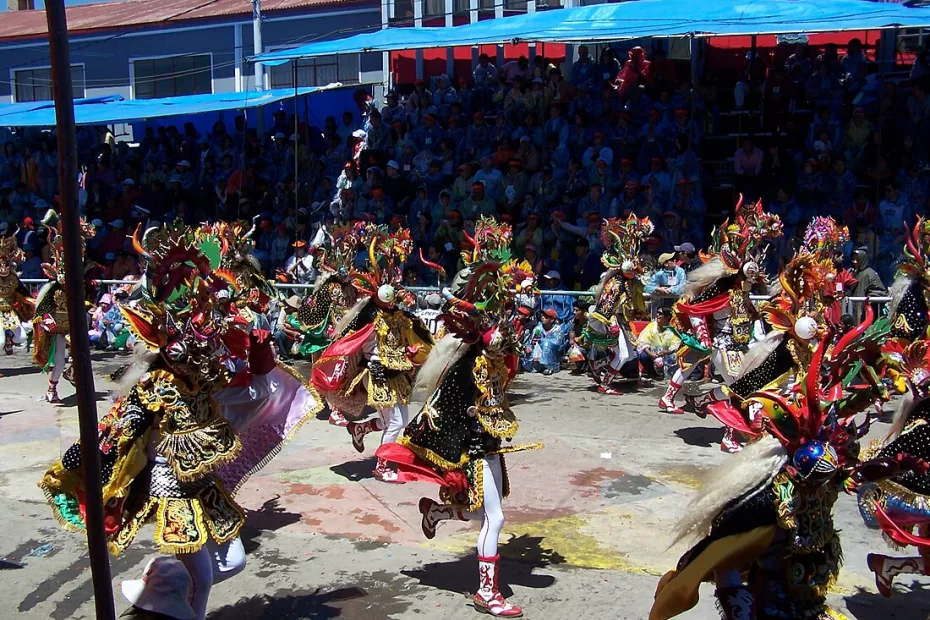
Oruro Carnival music is the pulsating heartbeat of one of South America’s most magnificent cultural events. Originating from pre-Columbian Andean rituals and later intertwining with Catholic traditions introduced by Spanish colonizers, this music embodies a profound spiritual and historical significance. It’s the soundtrack to the elaborate entradas, the grand processions where thousands of dancers, adorned in intricate costumes, perform dances like the Diablada, Morenada, and Caporales. Each step, each turn, each gesture is meticulously synchronized with the rhythm, making the music inseparable from the visual spectacle.
The music of the Oruro Carnival is not merely background noise; it’s a narrative vehicle, conveying myths, legends, and social commentary. It’s a testament to the resilience and richness of Bolivian culture, a celebration of identity expressed through vibrant melodies and powerful percussion. From the moment the first notes of a banda fill the crisp Oruro air, the city transforms into a grand stage, showcasing the enduring power of traditional music to captivate and inspire. This annual festival is a cornerstone of Oruro’s cultural heritage, drawing visitors and participants from across the globe eager to experience its unparalleled energy and deep-seated meaning.
Historical Background
The roots of Oruro Carnival music stretch back centuries, long before the Spanish conquest. Indigenous Uru people, who inhabited the region, practiced rituals honoring Pachamama (Mother Earth) and various deities, often accompanied by music and dance. These ancient ceremonies were later syncretized with Catholic festivities, particularly those associated with the Virgin of Socavón, the patron saint of Oruro. The arrival of the Spanish also brought new instruments and musical concepts, subtly influencing the existing musical landscape. Over time, this blend evolved, incorporating elements from European military bands and local musical expressions, slowly shaping what we recognize today as Oruro Carnival music.
Initially, the music was performed by smaller ensembles, often using purely traditional instruments. As the Carnival grew in prominence and complexity, so did its musical accompaniment. By the late 19th and early 20th centuries, brass bands, known as bandas de músicos, began to dominate, adding a grandeur and volume previously unheard. This marked a significant period of music evolution, laying the groundwork for the large, powerful ensembles characteristic of today’s Oruro festival. The historical trajectory of this music is a fascinating journey of adaptation, resilience, and creative integration, mirroring the broader history of Bolivia itself.
Traditional Elements
At its core, Oruro Carnival music is defined by a distinctive array of traditional instruments and musical styles. The charango, a small Andean stringed instrument, often made from an armadillo shell, provides a unique melodic texture. The quena and zampoña (panpipes) contribute haunting, ethereal wind melodies that are instantly recognizable as Andean music. Percussion is paramount, with the booming bombo (bass drum) and the sharp crack of the caja (snare drum) driving the relentless rhythms. These instruments, often handcrafted, carry the weight of generations of musical heritage.
Beyond the instruments, specific musical styles are intrinsically linked to the various dances. The Diablada, with its dramatic portrayal of good versus evil, features powerful, often minor-key melodies that evoke a sense of struggle and triumph. The Morenada, a dance of the African slaves in colonial times, is characterized by its slow, heavy, and often melancholic rhythm, reflecting the arduous journey of the morenos. The Caporales, a more recent creation, is known for its energetic, synchronized movements and upbeat, catchy tunes. Each style, steeped in folklore, tells a part of the rich Oruro cultural heritage, making the traditional music a living archive of history and emotion.
Cultural Significance
Oruro Carnival music holds an unparalleled cultural significance for Bolivians, extending far beyond mere entertainment. It is a powerful symbol of national identity and a vital expression of collective memory. The music acts as a conduit, connecting contemporary generations with their ancestors, their history, and their spiritual beliefs. During the Carnival celebrations, the music fosters a profound sense of community impact, bringing people together regardless of social standing, united by the shared experience of dance and song.
The intricate melodies and rhythms are passed down through generations, ensuring the continuity of carnival traditions. For many, participating in the bandas or dance groups is a lifelong commitment, a way to honor their heritage and contribute to the vibrant cultural events. The music also serves as a form of artistic expression, allowing musicians and composers to interpret and reinterpret traditional themes, ensuring the music remains dynamic and relevant. It’s a testament to how music and culture are inextricably linked, with the sounds of Oruro reflecting the very soul of a nation.
Modern Influences on Oruro Carnival Music
While tradition remains the bedrock of Oruro Carnival music, it is by no means static. The 21st century has ushered in a wave of modern influences, transforming the soundscapes of the Carnival and pushing its boundaries in exciting new directions. These contemporary factors are not replacing the old but rather merging with them, creating a fascinating dialogue between the past and the present. The result is a richer, more diverse auditory experience that speaks to a broader audience while retaining its distinctive Bolivian essence. This musical adaptation is a natural progression, reflecting global influences and changing artistic preferences within the local community.
The drive to innovate stems from various sources, including younger generations of musicians eager to experiment, the increasing accessibility of new technologies, and the desire to make Oruro Carnival music appealing beyond its traditional confines. This dynamic interplay between preservation and innovation is what keeps the music alive and relevant, ensuring its continued prominence in Bolivia festivals and on the world stage. It’s a continuous process of evolution, where artists and ensembles are constantly exploring how to honor their roots while embracing the sounds of today.
Fusion with Other Genres
One of the most striking modern influences in Oruro Carnival music is its increasing fusion with other popular music genres. Musicians are now skillfully weaving elements of rock, pop, electronic music, cumbia, and even salsa into the traditional structures. This blending isn’t about diluting the original sound but rather enriching it, adding new layers of rhythm, harmony, and instrumentation. For instance, a traditional Morenada rhythm might be underpinned by a modern bassline or infused with synthesizer sounds, giving it a contemporary edge without losing its core identity.
The high-energy Caporales has proven particularly adaptable, often incorporating electric guitars, drum kits, and even DJ elements in live performances. This cross-pollination leads to a vibrant cultural fusion, appealing to younger audiences who might also listen to international chart-toppers. Bands are experimenting with incorporating brass sections, often found in banda music, into more contemporary arrangements, creating a powerful, driving sound that is both familiar and fresh. This trend of integrating modern music influences ensures that Oruro Carnival music remains dynamic and relevant, constantly evolving to reflect current music trends while still celebrating its rich heritage. It’s a testament to the flexibility and enduring appeal of this unique musical form.
Impact of Technology
Technology has played a transformative role in shaping the modern soundscapes of Oruro Carnival music, influencing everything from production to distribution and live performances. Digital audio workstations and advanced recording equipment allow for higher fidelity recordings, enabling musicians to capture the intricate nuances of their performances with unprecedented clarity. This has made it easier for Oruro Carnival music to reach global audiences, moving beyond local radio waves to international streaming platforms and digital stores.
Social media and video platforms like YouTube and TikTok have become crucial for promoting artists and sharing live performances, allowing emerging talents to gain recognition rapidly. Musicians can now collaborate remotely, experiment with new sounds, and share their creations with instant feedback from fans. In live settings, sound reinforcement systems have become more sophisticated, ensuring that the powerful brass sections and intricate percussion are heard clearly, even amidst the roaring crowds. Electronic instruments, such as synthesizers and drum machines, are also being incorporated, adding new textures and rhythmic possibilities that were once unimaginable. This technological integration is propelling the music into the future, making it more accessible, polished, and dynamic than ever before, marking a significant chapter in its music history.
Key Artists and Contributions
The evolution of Oruro Carnival music wouldn’t be possible without the visionary artists and groups who dare to innovate while respecting tradition. Historically, renowned bandas like “Pagador” and “Esplendor de Oruro” set the standard for the grand, powerful sound that defines the Carnival. These groups, with their massive brass and percussion sections, perfected the art of delivering the traditional rhythms with immense energy and precision. Their contributions laid the groundwork for the modern sound, demonstrating the potential for large-scale musical performance within the Carnival context.
In more recent decades, artists and groups have emerged who actively bridge the gap between traditional and contemporary. Groups like “Los Kjarkas,” while not exclusively Carnival musicians, have heavily influenced the broader Andean music scene and their interpretations of folk music often feature elements that resonate with Carnival goers. Their use of traditional instruments alongside more modern arrangements has inspired many. Similarly, various bandas and dance groups continually push the envelope, experimenting with arrangements and instrumentation to create fresh interpretations of classic tunes, ensuring the carnival music evolution continues. These artists are crucial in demonstrating how modern influences can enhance rather than detract from the authentic spirit of the festival.
Emerging Talents
The Oruro Carnival music scene is constantly being refreshed by a wave of emerging talents who are making their mark with innovative approaches. These new artists, often younger and more digitally native, are at the forefront of the cultural fusion, bringing fresh perspectives and sounds to the traditional stage. They are typically more comfortable experimenting with electronic elements, incorporating global influences, and using social media as a primary tool for artistic expression and reaching their audience.
Many emerging groups are smaller, more agile ensembles that blend traditional wind and percussion instruments with electric guitars, bass, and synthesizers, creating a sound that appeals to a diverse demographic. They often remix classic Carnival tunes, giving them a contemporary twist, or compose entirely new pieces that draw inspiration from both local folklore and international music trends. These artists are vital for the continued music evolution of the Carnival, ensuring that it remains vibrant and relevant to new generations. Their willingness to experiment and challenge conventions, while deeply respecting the Oruro cultural heritage, points towards an exciting future for this unique musical tradition. They are the driving force behind the modern soundscapes, ensuring that the spirit of innovation thrives alongside the preservation of history.
The Future of Oruro Carnival Music
Speculating on the future directions of Oruro Carnival music reveals a dynamic and promising landscape. Based on current trends, it’s clear that the interplay between tradition and innovation will continue to deepen, leading to even more sophisticated forms of cultural fusion. We can anticipate an increased integration of digital technologies, not just in production and distribution, but perhaps even in live performances, with augmented reality elements or interactive visual components enhancing the musical experience. The music analysis of current trends suggests a continued blending with global genres, potentially drawing from a wider array of international sounds, further cementing Oruro Carnival music’s place on the world stage.
The emphasis on artistic expression will likely grow, with more musicians exploring complex arrangements and pushing the technical boundaries of their instruments. There might be a rise in concept albums or thematic musical suites inspired by the Carnival’s rich mythology, offering deeper narratives beyond the traditional dance rhythms. Furthermore, as the Oruro festival continues to gain international recognition, there could be more cross-cultural collaborations, bringing Bolivian musicians together with artists from different parts of the world. This ongoing musical adaptation ensures the community impact remains strong, as the music continues to reflect and shape the evolving identity of Oruro and Bolivia, reinforcing its status as a vital part of global cultural events and carnival celebrations for generations to come.
Conclusion
The journey through the modern influences in Oruro Carnival music reveals a captivating story of resilience, adaptation, and creative ingenuity. From its ancient Indigenous roots and colonial transformations to its present-day embrace of global sounds and cutting-edge technology, the music of the Oruro Carnival stands as a powerful testament to the enduring spirit of Bolivian culture. It’s a vibrant ecosystem where traditional music, deeply ingrained in folklore and history, thrives alongside contemporary expressions, proving that innovation doesn’t diminish heritage but rather enriches it.
The ongoing evolution, driven by a blend of passionate artists, technological advancements, and a natural desire for cultural fusion, ensures that this unique musical tradition remains dynamic and relevant. The sounds of Oruro continue to captivate, connect, and inspire, bridging generations and transcending geographical boundaries. As the drums beat and the brass instruments sing out across the Andean altiplano, Oruro Carnival music reaffirms its place not just as the heartbeat of a festival, but as a living, breathing symbol of a nation’s vibrant identity and its boundless capacity for artistic expression.
Is bet169net a legit place? I am looking for great odds for tonight’s game. I hope to get lucky! Maybe I’ll try my luck out here: bet169net