
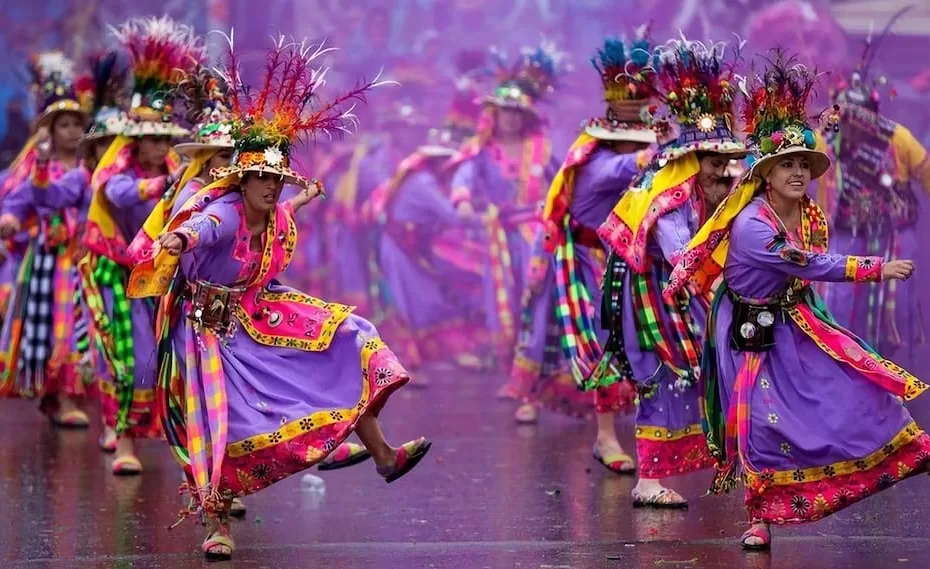
Oruro Carnival Choreography: A Vibrant Cultural Experience
The air in Oruro, Bolivia, crackles with an energy unlike anywhere else in the world as February approaches. This is the prelude to the Oruro Carnival, an event that transcends a mere celebration to become a profound expression of Andean heritage and religious syncretism. At its heart lies the intricate and captivating Oruro Carnival choreography, a spectacular display of traditional Andean dance styles that tells stories centuries old. Far more than just movement, these dance performances are the soul of the carnival, embodying the cultural richness and historical tapestry of Bolivia. For anyone with an interest in cultural festivals, dance, or South American traditions, understanding the meticulous preparation behind this grand spectacle offers a deeper appreciation for one of the planet’s most significant cultural events.
Introduction to Oruro Carnival
The Oruro Carnival stands as one of the most magnificent and revered cultural festivals in Bolivia, drawing hundreds of thousands of spectators and participants annually. Recognized by UNESCO as a Masterpiece of the Oral and Intangible Heritage of Humanity, its significance extends far beyond mere entertainment. It is a vibrant manifestation of Bolivian culture, a bridge between indigenous traditions, colonial influences, and Catholic beliefs. The carnival is essentially a pilgrimage, culminating in a grand procession dedicated to the Virgen del Socavón (Virgin of the Mineshaft). Over three days and nights, more than 50 distinct groups, comprising tens of thousands of dancers and musicians, parade through the streets of Oruro city, showcasing an unparalleled array of Bolivian folk dances. This festive celebration is a testament to the enduring spirit of the Bolivian people, a collective act of faith, devotion, and artistic expression that defines the very essence of Oruro’s cultural identity. The meticulous dance choreography, the elaborate traditional costumes, and the pulsating carnival music all contribute to an atmosphere of spiritual reverence and joyous revelry.
Historical Background of the Carnival
The origins of the Oruro Carnival are deeply rooted in pre-Columbian Andean traditions, particularly the indigenous Uru people’s worship of Pachamama (Mother Earth) and Supay (the god of the Uru underworld). With the arrival of the Spanish conquistadors in the 16th century and the subsequent evangelization efforts, these ancient rituals began to intertwine with Catholic observances. The mining boom in Oruro, a city built upon a rich legacy of silver extraction, further cemented this syncretism. Miners, facing dangerous conditions, sought protection from both indigenous deities and Catholic saints. The legend of the Virgen del Socavón, said to have appeared in a mine, became a central figure, transforming the ancient Uru festival of Ito into the modern-day carnival.
Over the centuries, the carnival evolved, absorbing elements from various historical events in Bolivia and regional cultures. The dances, originally performed as part of indigenous ceremonies, gradually incorporated Christian narratives and characters. For instance, the struggle between good and evil, a universal theme, found its way into the famous Diablada dance, symbolizing the triumph of the Archangel Michael over the seven deadly sins. The incorporation of African slave traditions also added new rhythms and movements, particularly evident in dances like the Morenada. This continuous evolution has resulted in a unique blend of spiritual devotion, cultural expressions, and artistic creativity, making the Oruro Carnival a living testament to Bolivia’s complex and diverse history. Each year, the festival continues to honor its past while embracing new generations of performers, ensuring the preservation of these rich folk traditions.
Choreography and Dance Styles
The heart and soul of the Oruro Carnival lie in its diverse and dynamic Oruro Carnival choreography. Each dance style tells a unique story, representing different aspects of Bolivian history, mythology, and social commentary. The preparation for these parades is an arduous, year-long process. Dance groups, known as conjuntos, begin rehearsals months in advance, often immediately after the previous carnival concludes. These rehearsals involve not only perfecting complex steps but also instilling a deep understanding of the dance’s historical and cultural significance in each performer. The maestros de danza (dance masters) are custodians of tradition, ensuring the authenticity and precision of every movement. From the energetic Caporal to the majestic Morenada and the iconic Diablada, each performance is a vibrant tapestry woven with traditional Andean music, elaborate costumes, and synchronized movements that captivate the senses and transport spectators into a world of myth and magic. The collective effort involved in mastering these dance performances is immense, reflecting the deep commitment of participants to their cultural heritage.
The Caporal Dance
The Caporal dance is one of the most popular and visually striking Oruro Carnival dances, instantly recognizable by its energetic leaps, intricate footwork, and vibrant costumes. Its origins are relatively recent compared to other carnival dances, emerging in the late 1960s from the Saya, a traditional Afro-Bolivian dance. The Caporal specifically pays homage to the “Caporales” or overseers of African slaves in colonial Bolivia, who were often of mixed heritage and held a position of authority, albeit a harsh one. The dance portrays a stylized version of these figures, characterized by their commanding presence and whip-like accessories, though the modern interpretation often celebrates a more generalized sense of strength, pride, and indigenous traditions.
In the carnival, Caporal groups are among the largest, with dancers performing highly synchronized and often acrobatic movements. The male dancers wear ornate, high-heeled boots, wide-brimmed hats adorned with feathers, and elaborately embroidered jackets and trousers. Female dancers sport short, colorful skirts, high boots, and elegant blouses, often carrying small, decorative sombreros. The importance of Caporal in the carnival cannot be overstated; it’s a powerful expression of identity and resilience, a dynamic fusion of historical memory and contemporary flair. Its infectious rhythm, driven by traditional Andean music and modern instrumentation, makes it a perennial crowd favorite and a cornerstone of the Oruro Carnival choreography. Mastering the complex footwork and powerful gestures requires months of dedicated practice, reflecting the dancers’ commitment to this vital Bolivian folk dance.
The Morenada Dance
The Morenada dance, meaning “dance of the black people,” is another profoundly significant and visually stunning Bolivian folk dance featured prominently in the Oruro Carnival. Its origins are debated but largely trace back to the colonial era, symbolizing the suffering and arduous journey of African slaves brought to Bolivia to work in the silver mines, particularly in Potosí. The heavy, slow, and deliberate steps of the Morenada are said to mimic the shuffling gait of chained slaves, often burdened with heavy loads, while the distinctive matracas (rattles) carried by dancers are thought to represent the chains themselves or the sounds of cracking whips.
The costumes for the Morenada are among the most elaborate and expensive in the carnival. Male dancers wear enormous, intricately decorated masks with exaggerated features, often representing a person of African descent with bulging eyes and thick lips, sometimes adorned with grapes or fish, symbolizing the lake region where many enslaved people were forced to work. Their attire includes heavy, voluminous skirts, ornate jackets, and a large, wide-brimmed hat, often decorated with feathers and jewels. The weight of these traditional costumes, sometimes exceeding 30 pounds, adds to the dance’s slow, deliberate pace, further emphasizing the historical narrative of hardship. Female dancers wear equally opulent, layered skirts (polleras), embroidered blouses, shawls (mantas), and small bowler hats (bombines). The Morenada is not just a dance; it’s a moving historical tableau, a powerful act of remembrance and cultural expression that highlights the enduring legacy of slavery and the resilience of the human spirit. Its place in the Oruro Carnival choreography is central to understanding the historical events in Bolivia and the diverse roots of its cultural richness.
Diablada Dance and Its Symbolism
Perhaps the most iconic and visually spectacular of all Oruro Carnival dances is the Diablada, or “Dance of the Devils.” This powerful performance is the very essence of the carnival, embodying the eternal struggle between good and evil, a core theme deeply woven into the festival’s fabric. The Diablada’s roots are ancient, drawing from indigenous Andean beliefs about Supay, the lord of the underworld, combined with Christian narratives of the Archangel Michael’s triumph over Lucifer and the seven deadly sins. The dance is a dramatic representation of these forces, with devils, angels, and other characters interacting in a vibrant, theatrical display.
The costumes of the Diablada are breathtaking works of art, meticulously crafted over months. The devil masks, in particular, are masterpieces, featuring bulging eyes, sharp horns, fangs, and often grotesque, colorful faces adorned with snakes, toads, and other symbols of the underworld. Each detail on the mask and costume carries specific symbolism, representing different aspects of evil or the natural world. The main devil, Lucifer, often wears the most elaborate mask and cape, while other devils (known as diablos menores) display variations. The Archangel Michael, in stark contrast, wears a gleaming, angelic costume, often with a sword and shield, symbolizing divine protection and righteousness. The China Supay (female devil) adds a touch of allure and temptation to the infernal retinue.
The choreography of the Diablada is characterized by its powerful, almost militaristic marches, dramatic leaps, and the rhythmic clashing of tridents carried by some devils. The dance culminates in a symbolic battle where the Archangel Michael ultimately defeats the devils, who then submit and accompany the Virgin of the Socavón, signifying their repentance and the triumph of good. This powerful narrative, combined with the vibrant traditional Andean music and the sheer visual spectacle, makes the Diablada the undisputed highlight of the Oruro Carnival choreography, a profound cultural expression that resonates deeply with both performers and observers, connecting them to Andean heritage and the spiritual heart of Bolivia.
Costumes and Decorations
The elaborate costumes and decorations are an integral part of the Oruro Carnival choreography, transforming mere dancers into living works of art and powerful symbols. Far from being simple adornments, each costume is a narrative in itself, reflecting centuries of history, mythology, and cultural richness. The creation of these outfits is a labor of love, often taking months, if not an entire year, to complete, involving skilled artisans, embroiderers, and mask-makers.
For dances like the Diablada, the devil masks are intricate sculptures made from plaster, papier-mâché, or fiberglass, adorned with glass eyes, real animal teeth, and an array of vibrant paints, sequins, and mirrors. The heavy, embroidered capes, often depicting religious or mythological scenes, can weigh several kilograms. Similarly, the Morenada costumes, with their voluminous skirts and ornate matracas, are a testament to meticulous craftsmanship. The Caporal outfits sparkle with sequins and vibrant embroidery, reflecting the dynamic energy of the dance.
Beyond the major dance groups, countless other traditional costumes are showcased, each unique to its dance style. The Tobas dancers, for instance, wear feathered headdresses and body paint, evoking Amazonian indigenous traditions. The Kullawada dancers don elegant, often silver-embroidered outfits and large, square hats, symbolizing the textile workers and their tools. The Waca Waca performers wear bull costumes, a satirical nod to Spanish bullfighting.
The artistry involved extends beyond the individual costumes to the overall presentation of each conjunto. Banners, elaborate floats, and decorative elements accompanying the dancers all contribute to the visual feast. These decorations are not merely aesthetic; they enhance the storytelling aspect of the Oruro Carnival dances, making the cultural festivals in Bolivia a truly immersive and unforgettable experience. The sheer dedication to detail in these traditional costumes and festive celebrations underscores the profound respect for heritage preservation and the commitment to presenting a spectacular and authentic representation of Bolivia’s diverse cultural landscape.
Cultural Impact and Significance
The Oruro Carnival’s cultural impact on Bolivia is immeasurable, serving as a powerful symbol of national identity and a vibrant showcase of its rich heritage. It is a unifying force, bringing together diverse communities from across the country in a shared celebration of faith, tradition, and artistic expression. The carnival’s global recognition as a UNESCO heritage site in 2001 underscored its universal value, acknowledging its unique blend of indigenous traditions, Catholic rituals, and artistic innovation. This designation has significantly boosted Bolivia tourism and highlighted Oruro cultural significance on the world stage.
Beyond its celebratory aspect, the carnival plays a crucial role in heritage preservation. It acts as a living museum, ensuring that ancient Andean dance styles, traditional Andean music, and intricate costume-making techniques are passed down through generations. Children begin learning the Oruro Carnival choreography at a young age, often participating in smaller parades, thereby guaranteeing the continuity of these folk traditions. The conjuntos are not just dance groups; they are communities that foster a sense of belonging, discipline, and cultural pride among their members.
The carnival also serves as a platform for cultural expressions and social commentary. Through satire and symbolism embedded in the dances, participants can subtly address contemporary issues while honoring historical narratives. It promotes cultural exchange, drawing visitors from around the globe who come to witness this extraordinary spectacle, fostering a deeper understanding and appreciation of Bolivia traditions and Andean heritage. The economic impact is also substantial, providing income for artisans, musicians, and local businesses, further reinforcing the carnival’s importance to the Oruro city and the broader region. Ultimately, the Oruro Carnival is more than just a festival; it is a dynamic cultural institution that continually reaffirms Bolivia’s unique place in the tapestry of world cultures.
Tips for Experiencing the Carnival
Experiencing the Oruro Carnival is an unforgettable journey into the heart of Bolivian culture, but it requires some planning to make the most of this spectacular event. Here are some practical tips for visitors looking to immerse themselves in this vibrant cultural festival:
-
Timing is Key: The Oruro Carnival usually takes place in February or early March, leading up to Ash Wednesday. The main parade, the Entrada, is typically on the Saturday before Ash Wednesday. Hotel bookings and transportation fill up months in advance, so plan at least 6-12 months ahead.
-
Book Accommodations Early: Oruro is a relatively small city, and accommodations are limited. Hotels and hostels are booked solid well in advance, and prices skyrocket during carnival week. Consider staying in nearby cities like Cochabamba or La Paz and taking early morning buses, though this means a very long day.
-
Secure Your Spot: To get a good view of the Oruro Carnival choreography, you’ll need a seat in the grandstands (graderías) that line the parade route. These can be purchased from vendors in the days leading up to the carnival, but the best spots sell out quickly. Alternatively, many locals rent out balconies along the route for a fee, offering a more comfortable and elevated view. Be prepared to pay a premium for these vantage points.
-
Dress for the Weather: Oruro can be hot during the day with intense sun, but temperatures drop significantly at night. Bring layers, including sun protection (hat, sunglasses, sunscreen) and warm clothing for the evenings.
-
Stay Hydrated and Energized: The parade route is long, and days are often spent sitting or standing. Carry plenty of water, snacks, and be sure to try local foods from street vendors.
-
Embrace the Festive Atmosphere: The carnival is a lively, joyous occasion. Be prepared for crowds, loud traditional Andean music, and the occasional water balloon or foam spray fight, especially if you’re among the general public. It’s all part of the festive celebrations!
-
Respect Local Customs: Remember that the carnival is also a deeply spiritual and religious event for many participants. Be respectful of the traditions, dancers, and the sacred elements of the celebration. Ask permission before taking close-up photos of people.
-
Safety First: Like any large public event, be mindful of your belongings. Keep valuables secure and be aware of your surroundings. Travel with companions if possible.
-
Explore Beyond the Parade: While the main procession is the highlight, Oruro city has other attractions, including the Virgen del Socavón Sanctuary and the mining museum. Take time to explore the history and cultural richness of the area.
By following these tips, visitors can ensure a more comfortable and enriching experience of one of the most spectacular festivals in South America, truly appreciating the dance performances and the profound cultural expressions of the Bolivian people.
Conclusion
The Oruro Carnival is far more than just a festive celebration; it is a profound cultural expression, a living legacy of Bolivia’s rich and complex history. From its ancient indigenous roots to its modern-day recognition as a UNESCO heritage site, the carnival embodies a vibrant fusion of faith, tradition, and artistic prowess. At its very core, the Oruro Carnival choreography stands as the pulsating heart of this spectacle, with each dance, from the energetic Caporal to the majestic Morenada and the iconic Diablada, telling a unique story of struggle, resilience, and spiritual devotion.
The meticulous preparation of the Oruro Carnival dances, the breathtaking artistry of the traditional costumes, and the infectious rhythms of the carnival music all contribute to an experience that transcends mere entertainment. It is a powerful reminder of the importance of heritage preservation, a testament to the enduring spirit of the Bolivian people, and a beacon of cultural richness for the world to witness. As dancers continue their year-long rehearsals, perfecting every step and gesture, they are not just preparing for a parade; they are safeguarding centuries of Andean heritage, ensuring that the magic and meaning of the Oruro Carnival will continue to captivate and inspire future generations. To experience this magnificent event is to connect with the very soul of Bolivia, to witness a living tradition that continues to thrive, evolve, and celebrate the extraordinary tapestry of human culture.
Hey! I’ve been playing on hay29vin for a bit now. The interface is pretty smooth, and I haven’t had any major issues. Definitely worth checking out if you’re looking for a new spot. Check them out here: hay29vin