
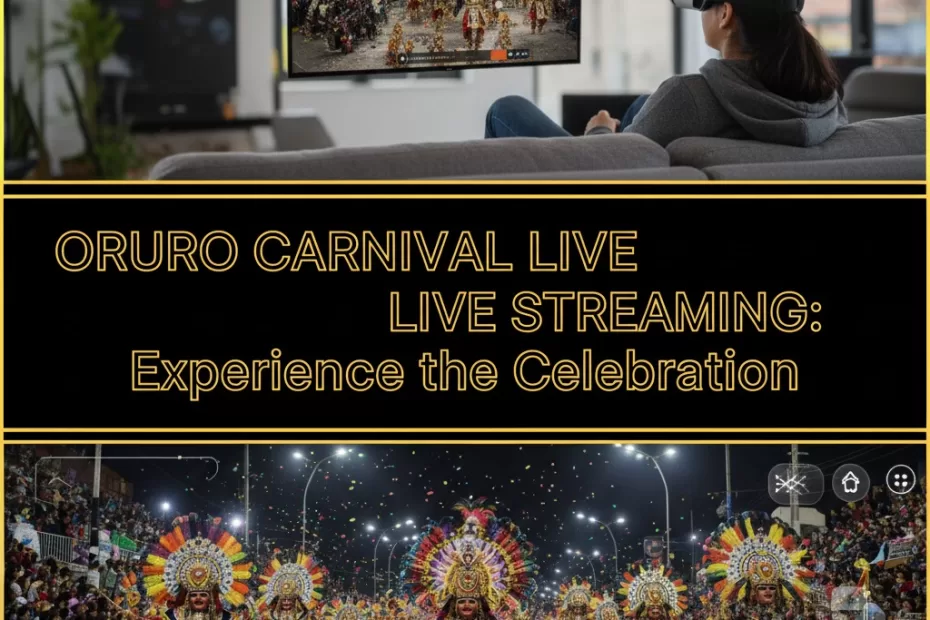
Oruro Carnival Live Streaming: Experience the Celebration!
Imagine a spectacle of vibrant colors, pulsating rhythms, and ancient traditions coming alive in a dazzling display that captivates the senses. This is the Oruro Carnival, a world-renowned festival in Bolivia, celebrated annually with an unparalleled fervor. For those who cannot physically make the journey to the high Andean city of Oruro, technology has opened an incredible door: Oruro Carnival live streaming. This modern marvel allows a global audience to immerse themselves in the heart of Bolivian culture, experiencing the festive celebrations and profound cultural heritage from anywhere on the planet.
The ability to watch Oruro Carnival online has transformed how people engage with cultural events. No longer limited by geography or travel budgets, enthusiasts of traditional dances, live events Bolivia, and unique carnival events can now witness the magic unfold in real time. From the intricate costumes to the powerful music and the deep spiritual significance, a live streaming experience brings the entire Oruro community directly to your screen, fostering a connection that transcends distance.
What is the Oruro Carnival?
The Oruro Carnival, officially recognized by UNESCO as a Masterpiece of the Oral and Intangible Heritage of Humanity, is far more than just a street party; it’s a profound expression of Bolivian culture and a testament to centuries of syncretic traditions. Rooted in indigenous Andean beliefs and overlaid with Catholic rituals, the carnival is a vibrant tapestry woven from myth, devotion, and artistic expression.
Its origins trace back to pre-Columbian times, where indigenous Andean peoples celebrated Pachamama (Mother Earth) and the god Supay (devil or lord of the underworld) with rituals and offerings. With the arrival of the Spanish conquistadors and the subsequent evangelization, these ancestral practices began to intertwine with Catholic feast days, particularly those leading up to Lent. The miners of Oruro, who toiled in the rich silver mines, played a crucial role in this cultural fusion, blending their devotion to the Virgin of Socavón (Patroness of the Miners) with their ancestral beliefs concerning the Uru people’s sacred sites and deities. The legend of the “Virgin of Socavón” appearing to a repentant thief, often depicted as a devil figure, became central to the carnival’s narrative, solidifying the blend of Christian and indigenous spirituality.
Over the centuries, the carnival evolved, incorporating dramatic representations of the struggle between good and evil, particularly through the iconic Diablada dance, which symbolizes the battle between the Archangel Michael and the seven deadly sins, often personified by devils. This rich narrative, combined with an explosion of other traditional dances, music, and elaborate costumes, solidified the Oruro Carnival’s place as one of the most significant cultural festivals in South America.
The carnival serves as a vital conduit for preserving and transmitting Bolivian culture and identity. Each dance, each musical note, and each costume tells a story, reflecting the historical, social, and spiritual landscape of the Andean region. It’s a period when the entire city of Oruro transforms into a living stage, attracting participants from all walks of life—dancers, musicians, artisans, and devotees—all united in a collective celebration of faith, heritage, and community spirit. The intensity of the preparations, which begin months in advance, underscores the deep importance this festival holds for the Bolivian people, particularly the Oruro community. It’s not just a performance; it’s a pilgrimage, a promise, and a powerful reaffirmation of cultural roots.
When and Where to Watch the Live Stream
The Oruro Carnival is intrinsically linked to the Catholic liturgical calendar, typically taking place in the days leading up to Ash Wednesday, marking the beginning of Lent. While the exact dates vary each year, the main events usually unfold over a long weekend in February or early March. For those eager to catch the Oruro Carnival 2023 or future iterations, knowing the general timeframe is key. The central spectacle, the “Peregrinación al Socavón” (Pilgrimage to the Socavón), also known as the “Entrada Folklórica,” traditionally occurs on the Saturday before Ash Wednesday. However, the festivities extend over several days, with pre-carnival events, parades, and rituals building up to this grand climax and continuing into the following days.
To watch Oruro Carnival online, viewers will need to keep an eye on official announcements from Bolivian cultural ministries, national tourism boards, and major news outlets as the carnival dates approach. These entities often provide the most accurate schedules and direct links to live streaming Oruro events. Given the global interest in this cultural heritage, many organizations are now dedicated to ensuring a high-quality carnival live stream is accessible to the global audience.
While specific links can change yearly, general strategies for finding the live stream remain consistent. Look for dedicated channels or websites that specialize in live events Bolivia. Social media platforms, particularly YouTube and Facebook, have become popular avenues for broadcasting live festivals, often hosted by local news stations, cultural organizations, or even individual content creators on the ground. Searching for terms like “Oruro Carnival live streaming,” “watch Oruro Carnival online,” or “live streaming Oruro” closer to the dates will yield the most current results.
It’s also worth noting that while the main parade is the highlight, many platforms will offer Oruro festivities coverage throughout the entire carnival period, allowing viewers to catch various Oruro events, from smaller dance performances to cultural ceremonies that add depth to the overall experience. Planning to watch live festivals requires checking time zone differences to ensure you don’t miss the peak moments of the celebration.
Streaming Platforms
The landscape of online viewing has expanded dramatically, offering numerous ways to experience the Oruro Carnival from the comfort of your home. To ensure you catch every vibrant detail of the Oruro Carnival live streaming, it’s helpful to know where to look.
One of the primary sources for a reliable carnival live stream is often Bolivian national television channels. Many of these broadcasters, like Bolivia TV or Unitel, will offer free live streams of major national events on their official websites or YouTube channels. These streams often come with local commentary, providing valuable context to the performances and cultural significance. Searching for “Bolivia TV live” or “Unitel en vivo” around the carnival dates can lead you directly to their online broadcasts.
Official government and cultural institution websites are another excellent resource. The Bolivian Ministry of Culture, for example, or the municipal government of Oruro, might host dedicated pages with live stream links or information on where to find them. These sources are usually the most authoritative and reliable for official Oruro Carnival schedule details and high-quality feeds.
Major social media platforms have become indispensable for live events.
-
YouTube: Many local news channels, cultural groups, and even individual vloggers in Oruro will set up live streams on YouTube. The platform’s ease of access and robust streaming capabilities make it a popular choice. A quick search for “Oruro Carnival live streaming” or “Oruro Bolivia carnival live” during the event days will likely show several options. Look for channels with high subscriber counts or those officially associated with Bolivian media for the best quality and reliability.
-
Facebook Live: Similar to YouTube, Facebook is frequently used by local media, community pages, and even dance fraternities to share their Oruro festivities. Joining relevant Bolivian culture groups or following pages dedicated to the Oruro Carnival can provide direct notifications when a live stream begins.
-
TikTok and Instagram Live: While perhaps not offering the same broadcast quality as traditional media, these platforms can provide unique, on-the-ground perspectives from participants and attendees, offering a more raw and immediate experience of the carnival dance performances and street atmosphere.
Beyond these, dedicated cultural festival websites or international news agencies that cover world events might also offer a watch Oruro Carnival online option. Some travel and tourism sites specializing in Bolivia might also aggregate links or even host their own streams.
When choosing a platform, consider the quality of the stream, whether it offers commentary (and in what language), and its stability. A good internet connection on your end is crucial for an uninterrupted live streaming experience. Be prepared to explore a few options to find the best feed that suits your preferences, ensuring you don’t miss any of the Oruro Carnival highlights.
Highlights of the Carnival
The Oruro Carnival is a continuous stream of captivating moments, but certain events stand out as the true Oruro Carnival highlights, drawing the deepest reverence and the most spectacular displays. These are the moments you absolutely won’t want to miss when tuning into the Oruro Carnival live streaming.
The official start to the main carnival weekend is often marked by the Anata Andina. This vibrant procession, preceding the main Entrada Folklórica, showcases indigenous communities from various regions of Bolivia, who travel to Oruro to offer their traditional music and dances as a thanksgiving to Pachamama (Mother Earth) and other Andean deities. It’s a less theatrical, more authentic display of ancestral practices, offering a glimpse into the deep roots of Bolivian traditions. The Anata is a powerful reminder of the carnival’s connection to the land and its original inhabitants, an essential part of the cultural significance.
The absolute pinnacle of the Oruro Carnival is the Gran Peregrinación al Socavón, also known as the Entrada Folklórica. This is the main parade, a monumental pilgrimage that sees tens of thousands of dancers and musicians, organized into hundreds of fraternities, dance for nearly 20 hours along a four-kilometer route. Each group, adorned in incredibly elaborate and meticulously crafted costumes, performs specific traditional dances, moving towards the Sanctuary of the Virgin of Socavón. This pilgrimage is not merely a performance but an act of profound devotion and spiritual sacrifice, a promise made to the Virgin for blessings received or requested. The energy is palpable, a mix of spiritual fervor, physical endurance, and sheer joy. This is where the magic of the carnival live stream truly comes alive, showcasing the sheer scale and dedication of the Oruro community.
Following the main pilgrimage, the festivities continue with the Día del Diablo y del Moreno (Day of the Devil and the Moreno), where the Diablada and Morenada dancers take center stage in more informal, yet equally energetic, displays across the city. The celebrations extend into “Lunes de Carnaval” (Carnival Monday) and “Martes de Ch’alla” (Tuesday of Offerings), where families and businesses perform rituals of gratitude and blessing, decorating their homes and properties with colorful streamers and offerings to Pachamama and the Ekeko (god of abundance). These Oruro festivities offer a more intimate look at how the carnival permeates daily life and belief systems.
The Diablada (Dance of the Devils) is arguably the most iconic and visually striking performance. Dancers, clad in magnificent devil masks with bulging eyes, sharp horns, and often grotesque features, accompanied by intricate sequined capes and boots, move with powerful, theatrical steps. They represent the seven deadly sins and the struggle against good, led by Lucifer and the Archangel Michael. The Diablada’s complex choreography and dramatic narrative are a central part of the cultural significance of the carnival, embodying the syncretic blend of indigenous and Christian beliefs.
Another essential dance is the Morenada, a stately and melancholic dance that commemorates the suffering of African slaves brought to the mines of Bolivia. Dancers wear elaborate costumes that can weigh up to 30 kilos, featuring heavy masks that symbolize the faces of African slaves and broad, bell-shaped skirts. The slow, rhythmic steps evoke the arduous journey and the clanking of chains, while the music, often played by brass bands, carries a profound sense of nostalgia and resilience. The Morenada is a powerful narrative of historical memory within the carnival events.
The Caporales is a more modern, yet equally popular, dance inspired by the overseers of African slaves (the caporales). It’s characterized by energetic, acrobatic movements, high jumps, and vibrant costumes for both men and women, featuring short skirts, high boots, and feathered hats. This dance is known for its youthful exuberance and electrifying rhythm, making it a favorite among spectators.
Other notable folk dances include the Kullawada, a dance of the weavers, with elaborate spinning movements and traditional attire; the Tobas, representing indigenous Amazonian warriors with feathered headdresses and energetic leaps; and the Waka Waka, a humorous dance parodying bullfighting. Each of these Carnival dance performances adds a unique flavor to the overall spectacle, contributing to the rich tapestry of Bolivian culture.
Experiencing these Oruro Carnival highlights through a carnival live stream allows viewers to appreciate the incredible artistry, the physical endurance of the dancers, and the deep emotional connection they have to their traditions. It’s an unparalleled opportunity for online viewing to delve into the heart of Bolivia’s cultural heritage.
Cultural Significance
The Oruro Carnival is much more than a yearly spectacle; it is a profound expression of identity, spirituality, and resistance for the Bolivian people, particularly the Oruro community. Its cultural significance resonates deeply, weaving together ancestral beliefs with colonial influences to create a unique and powerful cultural heritage.
At its core, the carnival is a spiritual pilgrimage. The entire Entrada Folklórica is a devotional act dedicated to the Virgin of Socavón, the patron saint of miners. Dancers, many of whom have made a promesa (promise) to the Virgin, perform for three consecutive years as an act of penance, gratitude, or petition. This spiritual journey culminates in the dancers entering the Sanctuary of the Socavón, where they remove their masks and offer prayers. This blend of Catholic devotion with indigenous reverence for Pachamama (Mother Earth) and Supay (the Uru god of the underworld, often syncretized with the devil) creates a unique spiritual landscape. The carnival embodies this syncretism, where seemingly disparate elements coexist harmoniously, reflecting the complex history of Bolivia.
Furthermore, the Oruro Carnival serves as a powerful vehicle for the preservation and transmission of Bolivian culture. Through its myriad traditional dances, music, and storytelling, it keeps alive indigenous languages, myths, and social structures. Each fraternidad (dance group) acts as a custodian of specific traditions, ensuring that the intricate steps, rhythms, and meanings of dances like the Diablada, Morenada, and Caporales are passed down through generations. The elaborate costumes, often crafted over months, are works of art in themselves, embodying symbolic meanings and showcasing the incredible skill of local artisans. These elements collectively reinforce a sense of national pride and cultural identity, making the Oruro Carnival a cornerstone of Bolivia’s cultural events.
The carnival also acts as a social glue, strengthening community bonds within Oruro and beyond. The year-long preparations, rehearsals, and fundraising efforts foster a strong sense of camaraderie and collective purpose among participants. It’s a time when social hierarchies are momentarily dissolved, and everyone, from children to elders, plays a vital role in the grand tapestry of the festival. This communal effort underscores the importance of the Oruro community in sustaining this grand tradition.
Economically, the carnival provides a significant boost to Oruro, attracting national and international tourism. It supports local businesses, artisans, musicians, and costume makers, highlighting the economic impact of cultural festivals. The global audience now tuning in via Oruro Carnival live streaming further amplifies this reach, bringing international attention and potential future tourism to the region.
Ultimately, the Oruro Carnival is a living testament to resilience and cultural continuity. It is a vibrant assertion of Bolivian identity in the face of historical challenges, a celebration where the sacred and the profane, the ancient and the modern, dance together in a spectacular display of human spirit. To experience this via online viewing is to witness not just a performance, but a deep cultural narrative unfolding in real time, offering invaluable insight into Bolivia traditions and the enduring power of festive celebrations.
How to Prepare for the Carnival Viewing Experience
Watching the Oruro Carnival live streaming is more than just turning on a screen; it’s an opportunity to create your own mini-festival experience right at home. To truly immerse yourself in the vibrant Oruro festivities, a little preparation can go a long way in enhancing your online viewing.
First and foremost, ensure you have a stable internet connection. A high-quality stream of Carnival dance performances and the grand parade demands bandwidth, so check your connection speed beforehand. If possible, connect your device directly to your router via an Ethernet cable for the most reliable experience. Consider streaming on a larger screen, like a smart TV or a projector, to fully appreciate the intricate details of the costumes and the scale of the Oruro Carnival highlights. Good sound is also essential; external speakers or quality headphones will bring the powerful music and rhythms of the Bolivian Carnival right into your living room.
Next, set the mood. Think about creating an atmosphere that reflects the excitement of the Oruro community. Clear your viewing space, maybe add some colorful decorations if you’re feeling ambitious. Perhaps even dim the lights to make the screen pop. The goal is to minimize distractions and fully focus on the spectacle unfolding before you.
No festival is complete without food and drink, and the Oruro Carnival is no exception. While you might not have access to authentic street food from Oruro Bolivia, you can certainly whip up some delicious snacks inspired by Bolivian culture. Consider making salteñas (savory baked pastries with a juicy filling), empanadas, or llajwa (a spicy salsa) to serve with chips. For drinks, a refreshing mocochinchi (dried peach drink) or a non-alcoholic chicha morada (purple corn drink, common in the Andes) can add an authentic touch. Even just having your favorite snacks and beverages on hand will make the long hours of the carnival live stream more enjoyable.
Research a little beforehand. While the live stream will be captivating, understanding the context of the Oruro Carnival traditions, the stories behind the dances, and the cultural significance of the costumes will deepen your appreciation. Knowing the difference between a Diablada and a Morenada or understanding the spiritual journey to the Virgin of Socavón will transform your viewing from passive observation to an active engagement with the cultural heritage. Look up the Oruro Carnival schedule to know when specific dances or events are expected to be featured in the live streaming Oruro coverage.
Finally, invite friends or family to join you. Sharing the experience of watching live festivals can amplify the joy and excitement. You can discuss what you’re seeing, share reactions, and even try to identify different traditional dances together. Even if you’re watching alone, remember that you’re part of a global audience, all connected by the shared experience of the carnival live stream. This collective online viewing truly brings the Oruro Carnival community closer, even across continents.
By taking these steps, you’ll transform your Oruro Carnival live streaming session into a truly memorable and immersive festive celebration, allowing you to feel the pulse of Bolivia traditions from wherever you are.
Engage with the Community
The beauty of Oruro Carnival live streaming isn’t just about passive observation; it’s about becoming part of a global audience that shares a passion for cultural festivals and Bolivian culture. Engaging with the community, both online and offline, can significantly enrich your live streaming experience and connect you more deeply with the spirit of the Oruro festivities.
Even though you might be watching from thousands of miles away, the internet provides incredible tools to interact with others who are equally captivated by the spectacle. Think of it as joining a virtual Oruro community, where everyone is sharing in the excitement of the Carnival dance performances and the overall cultural significance. This interactive viewing transforms a solitary activity into a collective celebration.
One simple yet powerful way to engage is by sharing your experience. Take screenshots or short videos of your favorite moments from the carnival live stream and post them on your social media. Describe what you find most captivating, whether it’s the intricate details of a Diablada mask, the powerful rhythm of a Morenada, or the sheer joy on a dancer’s face. Your personal reflections can spark conversations and connect you with others who are watching or who have experienced the Oruro Carnival in the past.
Consider joining online discussion groups or forums dedicated to Bolivian culture or international festivals. Many platforms, from Facebook groups to Reddit communities, host vibrant discussions during major events. These spaces are fantastic for asking questions, learning more about Oruro Carnival traditions, and sharing your enthusiasm with fellow enthusiasts. You might even find insights into the Oruro Carnival schedule or tips on where to find the best quality live streaming Oruro.
If you’re watching with friends or family, make it a truly interactive viewing party. Discuss the history of the dances, guess the meaning behind certain costumes, or even try to mimic some of the easier dance steps (safely, of course!). This shared experience can create lasting memories and foster a deeper appreciation for the festive celebrations.
Social Media Interaction
Social media platforms are arguably the most dynamic avenues for real-time engagement during the Oruro Carnival live streaming. They offer immediate connections with participants, fellow viewers, and cultural commentators.
To effectively engage, make use of relevant hashtags. These are crucial for making your posts discoverable and for finding content from others. Here are some popular and suggested hashtags to use:
-
#OruroCarnival
-
#BolivianCarnival
-
#CarnivalLiveStream
-
#OruroBolivia
-
#BoliviaTraditions
-
#CulturalFestivals
-
#LiveEventsBolivia
-
#OruroFestivities
-
#CarnivalDancePerformances
-
#OruroHighlights
-
#WatchOruroOnline
These hashtags will help you tap into the broader conversation surrounding the Oruro Carnival 2023 (and future years) and the general excitement for live streaming festivals.
Platforms to focus on for interaction include:
-
Twitter: Ideal for real-time reactions and quick comments. Follow official Bolivian news outlets, cultural organizations, and tourism boards. Search the hashtags to see what others are saying and join the conversation.
-
Instagram: Perfect for sharing visually stunning photos and short videos of the elaborate costumes, vibrant colors, and dynamic performances. Use the hashtags to discover breathtaking imagery from both official sources and attendees on the ground.
-
Facebook: Look for official Oruro Carnival pages or groups dedicated to Bolivian culture. Many live streams are hosted directly on Facebook, and the comment sections often become vibrant hubs of discussion.
-
YouTube: If you’re watching a live stream on YouTube, don’t hesitate to use the live chat feature. This is a direct way to interact with other viewers and sometimes even the stream hosts, asking questions or sharing your excitement about the cultural significance unfolding before you.
Remember to be respectful and positive in your interactions. The Oruro Carnival is a sacred and deeply meaningful event for the Oruro community, and engaging with an open mind and appreciative spirit will enhance your experience and contribute positively to the global celebration of this cultural heritage. By actively participating, you’re not just watching; you’re becoming an integral part of the worldwide Oruro Carnival community, celebrating Bolivia’s rich traditions and the joy of online viewing.
Conclusion
The Oruro Carnival stands as a magnificent testament to the enduring power of cultural heritage, a vibrant fusion of indigenous beliefs and colonial influences that creates an unparalleled spectacle. Its intricate traditional dances, the profound spiritual journey to the Virgin of Socavón, and the sheer dedication of the Oruro community make it one of the most significant cultural festivals in the world. For too long, experiencing this grand festive celebration required a physical journey to the heart of Bolivia.
However, thanks to the marvels of modern technology, the Oruro Carnival live streaming has completely transformed this accessibility. It has broken down geographical barriers, allowing a global audience to immerse themselves in the rich tapestry of Bolivian culture, witness the breathtaking Carnival dance performances, and feel the pulsating rhythm of the Oruro festivities in real time. The ability to watch Oruro Carnival online means that anyone, anywhere, can now be a part of this extraordinary event, from the exhilarating Entrada Folklórica to the intimate moments of spiritual devotion.
Whether you’re a seasoned enthusiast of live events Bolivia or new to the wonders of cultural festivals, the carnival live stream offers an invaluable opportunity for online viewing. It’s a chance to not only witness Oruro Carnival highlights but to truly connect with the cultural significance and deep Bolivia traditions that define this incredible celebration. By preparing your viewing space, perhaps indulging in some Bolivian-inspired snacks, and actively engaging with the online community through social media, you can transform a simple stream into a deeply enriching and interactive viewing experience.
So, as the dates for this spectacular event approach, we wholeheartedly encourage you to join the global audience. Tune in, participate, and allow yourself to be swept away by the unparalleled magic of the Oruro Carnival. It’s more than just a broadcast; it’s an invitation to experience history, devotion, and joy unfold before your very eyes, connecting you to the heart of Oruro Bolivia and its vibrant cultural heritage. Don’t miss the chance to be part of this truly unforgettable journey.
Hey, checked out 289winlogin – pretty straightforward, got me logged in quick! No BS, just what I needed. Solid! Check it out here: 289winlogin
This UNESCO-recognized carnival exemplifies how digital streaming transforms cultural accessibility, much like modern entertainment platforms bring experiences to global audiences. The vivid costumes and traditional dances create immersive engagement that technology now makes universally accessible. Just as 77ph app download apk connects users to premium entertainment, live streaming bridges geographical divides for cultural appreciation.
Seriously? I expected more depth on these odds models. But this structure actually clarifies things; maybe 9777 vet বৈধ has some underlying logic! 🤔 Smart read overall.