
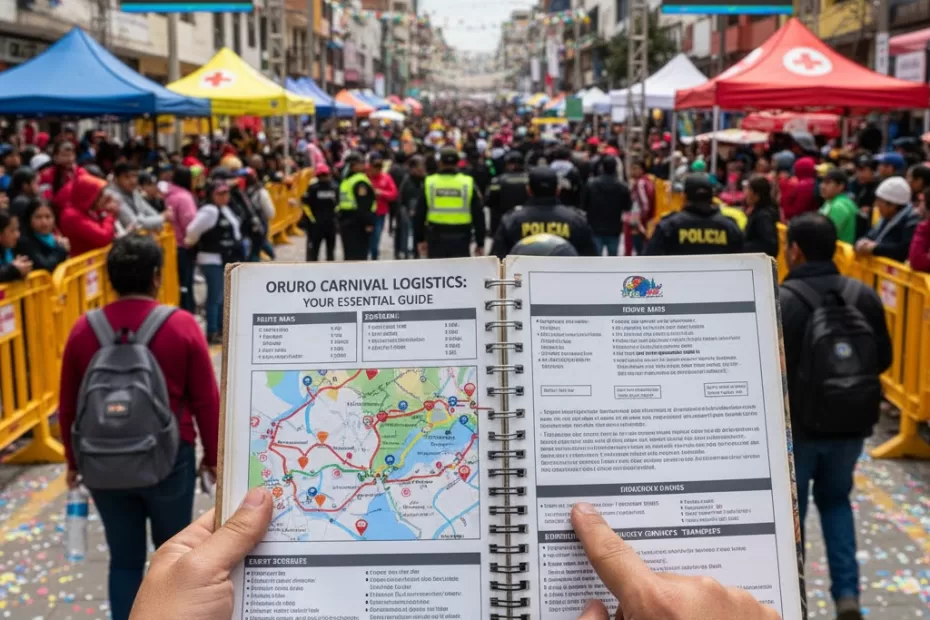
Oruro Carnival Logistics: Your Essential Guide
The Oruro Carnival is not just a festival; it’s a vibrant explosion of culture, history, and spiritual devotion, recognized by UNESCO as a Masterpiece of the Oral and Intangible Heritage of Humanity. For anyone dreaming of experiencing this spectacular event in Bolivia, understanding the intricate Oruro Carnival logistics is paramount. From securing your spot along the parade route to navigating the country’s transport systems, every detail requires careful planning. This guide aims to demystify the complexities of attending one of South America’s most magnificent annual parades, ensuring your journey to and through the Oruro Carnival is as smooth and memorable as the festival itself. We’ll delve into everything from Oruro transportation options and accommodation advice to essential travel tips Oruro Carnival, providing a comprehensive festival travel guide for this unique cultural event in Bolivia.
Overview of the Oruro Carnival
At its heart, the Oruro Carnival is a profound expression of devotion to the Virgen del Socavón (Virgin of the Mines), blending indigenous Andean traditions with Catholic rituals. This deeply rooted Oruro cultural festival dates back centuries, evolving from ancient Uru rituals and colonial-era religious practices. Its significance lies not only in its dazzling display but also in its narrative of good versus evil, represented by the iconic Diablada (Dance of the Devils). The carnival typically takes place over ten days leading up to Ash Wednesday, with the main Peregrinación (pilgrimage) parade happening on the Saturday before.
This grand procession sees over 28,000 dancers and 10,000 musicians from 50 different fraternities parading for more than 20 hours along a 4-kilometer route, performing a variety of traditional dances like the Morenada, Caporales, Llamerada, and, of course, the Diablada. Each dance tells a story, often reflecting historical events, social commentary, or religious allegories, making the Oruro Carnival history a living tapestry. The sheer scale and energy of the event are breathtaking, drawing hundreds of thousands of spectators each year. For travelers, it’s an unparalleled opportunity to immerse themselves in Bolivian culture, witness incredible artistry, and participate in a celebration that transcends mere entertainment. Planning your Oruro Carnival travel means preparing for an experience that is both spiritually moving and wildly exhilarating, truly a highlight among Bolivian festivals.
Key Transportation Options to Oruro Carnival
Reaching Oruro, a city nestled in the high plains of Bolivia, requires foresight, especially during the peak Oruro Carnival period. The city’s relatively central location makes it accessible from major Bolivian hubs, but the influx of visitors means Oruro transportation options become heavily booked. Understanding your choices and planning your Oruro travel logistics well in advance is crucial for a stress-free journey. Whether you prefer the economy of bus travel, the flexibility of private transport, or the speed of flying, each option comes with its own considerations for Oruro festival logistics.
Traveling by Bus: The Most Popular Choice
For most attendees, traveling by bus is the most popular and practical choice for Oruro Carnival travel. Bolivia boasts an extensive and generally reliable bus network, connecting Oruro to all major cities. The journey offers a chance to see the diverse Bolivian landscape, from the bustling streets of La Paz to the fertile valleys near Cochabamba.
-
From La Paz: This is one of the most common routes. Buses depart frequently from La Paz’s main bus terminal, and the journey to Oruro typically takes about 3 to 4 hours, depending on traffic and road conditions. Several companies operate this route, including reputable ones like El Dorado, Bolívar, and Trans Copacabana. During Carnival, express services might be available, but expect higher fares and full bookings. Booking your Oruro bus routes tickets at least a month in advance is highly recommended.
-
From Cochabamba: The bus ride from Cochabamba to Oruro is another popular option, usually taking around 4 to 5 hours. Buses leave from Cochabamba’s main terminal. Companies like Trans Copacabana and Expreso del Sur offer services on this route. The scenery can be quite varied, transitioning from the valley’s lushness to the high-altitude altiplano.
-
From Santa Cruz: Traveling from Santa Cruz de la Sierra is a longer journey, often an overnight trip, taking approximately 12 to 14 hours. Buses typically depart in the evening and arrive in Oruro the following morning. While longer, it’s a viable option for those starting their Bolivian adventure in the eastern lowlands. Companies like El Dorado and Trans Copacabana also serve this route.
-
From Sucre and Potosí: For those coming from the historical cities of Sucre or Potosí, bus travel is also straightforward. The journey from Sucre can take 7-8 hours, while from Potosí it’s around 4-5 hours. These routes offer beautiful views of the Andean highlands.
When booking Oruro bus routes, always opt for “cama” (sleeper) or “semi-cama” (semi-sleeper) seats for longer journeys, as they offer more comfort. Be aware that during the Oruro Carnival, bus terminals can be chaotic, and prices will surge. Arriving early for your departure and having your tickets printed or readily accessible on your phone is always a good idea. This is a critical aspect of Bolivia carnival transport.
Private Transport Options
While buses are economical, private transport offers greater flexibility, which can be a significant advantage when dealing with Oruro festival logistics. This category primarily includes car rentals and shared taxis (locally known as trufis or radiotaxis).
-
Renting a Car: Renting a car provides the ultimate freedom to travel at your own pace, stop wherever you like, and explore beyond Oruro. However, it comes with several caveats. Road conditions in Bolivia can vary greatly, from well-paved highways to rough, unpaved sections, especially off major routes. Driving in Bolivian cities, particularly during a festival, can be challenging due to heavy traffic, aggressive driving styles, and limited parking. Car rental agencies are available in major cities like La Paz and Santa Cruz, but booking well in advance is essential, and expect premium prices during Carnival. Ensure your rental includes comprehensive insurance and that you have an international driving permit. This option is generally more expensive than bus travel but can be ideal for groups sharing costs or those prioritizing autonomy in their Oruro travel guide experience.
-
Shared Taxis (Trufis/Radiotaxis): For a more flexible, albeit slightly more expensive, alternative to buses, shared taxis are a common mode of inter-city transport in Bolivia. These typically operate on fixed routes between cities, picking up passengers until the vehicle is full. From La Paz or Cochabamba, you can find shared taxis heading to Oruro. They often depart from specific points near bus terminals or designated areas in the city. While faster than buses on some routes, they may not offer the same level of comfort, and luggage space can be limited. Always agree on the fare before departing and ensure the vehicle appears roadworthy. For Oruro transportation services, shared taxis can be a good last-minute option if bus tickets are sold out, but they are still subject to high demand and increased prices during the Carnival.
Flying to Oruro: Fast but Limited
Flying directly to Oruro is the fastest way to reach the city, but it’s also the most limited in terms of options. Oruro has a small airport, Aeropuerto Juan Mendoza (ORU), which primarily handles domestic flights.
-
Flight Availability: Historically, direct flights to Oruro have been sporadic or limited to specific days of the week, often connecting with La Paz (El Alto International Airport – LPB) or Cochabamba (Jorge Wilstermann International Airport – CBB). Check with Bolivian airlines like BoA (Boliviana de Aviación) for current schedules. During the Oruro Carnival, flight frequency might increase, but seats will be extremely scarce and expensive.
-
Booking Tips: If you plan to fly, book your Oruro flight information months in advance. Consider flying into La Paz or Cochabamba and then taking a bus or private transfer to Oruro, as these larger airports offer more frequent connections and potentially better prices. The convenience of flying often comes with a premium, especially for a high-demand event like the Oruro Carnival 2026. Keep in mind that Oruro’s airport is a short taxi ride from the city center, but taxis will also be in high demand during the festival. For those prioritizing speed and willing to pay for it, this is an option, but it requires diligent planning for Oruro logistics.
Accommodation Tips for Carnival Attendees
Securing suitable accommodation Oruro Carnival is arguably the most challenging aspect of Oruro Carnival logistics. The city’s infrastructure, while growing, is not designed to comfortably host the massive influx of tourists and national visitors that descend upon it for the festival. This means that lodging options become scarce and significantly more expensive. Early planning and flexibility are your best allies.
-
Types of Accommodation: Oruro offers a range of lodging, from basic hostels and guesthouses (alojamientos) to mid-range hotels. There are no luxury international chain hotels in Oruro.
-
Hotels: Hotels in Oruro vary in quality. Look for establishments that offer private bathrooms, hot water, and secure storage for valuables. Some may include breakfast. During Carnival, many hotels will require a minimum stay of 3-4 nights and demand full payment upfront.
-
Hostels and Guesthouses: These are more budget-friendly and can be a good option for solo travelers or groups. They often provide dorm-style rooms or private rooms with shared facilities. Be sure to check reviews regarding cleanliness, security, and hot water availability.
-
Private Rentals/Apartments: Increasingly, locals rent out rooms or entire apartments during the Carnival. This can be a great way to experience local life and often offers more space and amenities than a standard hotel room. Websites like Airbnb or local travel agencies might list these options. However, verify the legitimacy of the listing and location carefully.
-
Temporary Accommodation: Some schools or community centers may convert into temporary dormitories during the Carnival, offering very basic, budget-friendly sleeping arrangements. These are usually advertised locally closer to the event.
-
-
Booking Tips:
-
Book Extremely Early: This cannot be stressed enough. For the Oruro Carnival experience, accommodation Oruro Carnival should be booked 6-12 months in advance, especially if you have specific requirements or are traveling with a group. For Oruro Carnival 2026, start looking now.
-
Be Prepared for Higher Prices: Expect accommodation prices to be 3-5 times higher than usual during the Carnival period. Budget accordingly.
-
Consider Neighboring Towns: If Oruro itself is fully booked or too expensive, consider staying in a nearby town like Caracollo or even La Paz and traveling by bus or shared taxi to Oruro for the main parade day. This requires careful coordination of Bolivia carnival transport, as transport will also be stretched thin. However, it can be a viable strategy for Oruro lodging options.
-
Verify Inclusions: Confirm what is included in the price (breakfast, Wi-Fi, private bathroom, hot water).
-
Location Matters: Try to find accommodation within walking distance of the main parade route or with easy access to public transport (though public transport will be heavily impacted during the festival). This helps minimize travel time and stress on the main day.
-
Read Reviews: Always check recent reviews, focusing on comments about cleanliness, safety, and customer service during peak festival times.
-
Navigating Oruro accommodation advice is a key part of successful Oruro logistics. With diligent planning, you can find a comfortable base for your unforgettable Oruro Carnival experience.
Essential Travel Tips for a Smooth Experience
Attending the Oruro Carnival is an adventure, but like any major festival, it comes with its own set of challenges. Being prepared with practical Carnival travel tips can significantly enhance your Oruro Carnival experience, making it more enjoyable and less stressful. From booking strategies to safety precautions, these insights will help you navigate the bustling environment of this incredible Bolivian festival.
Book Everything in Advance!
This is perhaps the most crucial piece of advice for anyone planning their Oruro Carnival travel. The popularity of this Oruro cultural festival means that resources become incredibly scarce and expensive as the date approaches. Procrastination is not your friend here.
-
Accommodation: As mentioned, accommodation Oruro Carnival should be booked 6-12 months out. Hotels often sell out completely, and prices skyrocket. For the Oruro Carnival 2026, start looking for Oruro lodging options now.
-
Transportation: Whether you plan to take a bus, fly, or use private transport, book your tickets well in advance. For Oruro transportation options, bus tickets, especially for premium services, can sell out weeks or even months before the main parade. If flying, secure your Oruro flight information early. This applies to both your journey to Oruro and your departure afterward. Remember, you’re not the only one trying to get in and out of the city. Bolivia carnival transport is a major bottleneck.
-
Parade Seating: To truly enjoy the main parade, you’ll need a seat in the grandstands (graderías) along the route. These seats are typically sold by individuals or agencies, and prices vary depending on the location and view. While some may be available on the day, booking through a reputable local tour operator or your accommodation provider months in advance is highly recommended to guarantee a good spot. Expect to pay anywhere from $50-$200 USD or more for a prime seat for the main day.
-
Tours/Packages: Many travel agencies offer all-inclusive Oruro Carnival packages that cover transport, accommodation, and parade seating. While often more expensive, these can simplify Oruro festival logistics significantly, especially for first-time visitors or those less comfortable with independent travel in Bolivia. These packages also sell out quickly.
-
Flexibility: While booking in advance is key, also be prepared for potential changes or delays. Bolivian transport can sometimes be unpredictable, so build a little buffer into your Carnival itinerary Oruro.
By taking care of these essential bookings early, you alleviate much of the stress associated with Oruro logistics and can focus on soaking in the unique atmosphere of the festival.
Safety Tips While Traveling
While the Oruro Carnival is a joyous event, large crowds and the celebratory atmosphere can sometimes attract petty crime. Practicing common-sense safety measures is vital for a smooth and secure Oruro Carnival experience.
-
Protect Your Valuables:
-
Money and Documents: Keep cash, credit cards, and important documents (passport, ID) in a secure, concealed money belt or an inside pocket. Avoid carrying large amounts of cash.
-
Electronics: Be discreet with smartphones, cameras, and other electronics. Don’t leave them unattended. Take photos and videos, but always be aware of your surroundings. Consider leaving expensive jewelry or watches at home.
-
Bags: Use a cross-body bag or backpack that is difficult to snatch. Keep it in front of you in crowded areas. Be especially vigilant in bus terminals, markets, and around the parade route.
-
-
Awareness and Crowds:
-
Stay Alert: Be aware of your surroundings, especially in dense crowds. Pickpocketing is a common issue in such environments.
-
Group Travel: If traveling with friends, agree on a meeting point in case you get separated. It’s easy to lose sight of people in the throngs of the carnival.
-
Parade Route: The parade route gets incredibly crowded. Arrive at your grandstand seat well in advance to avoid struggling through the masses. Be patient and expect delays.
-
-
Hydration and Health:
-
Altitude Sickness: Oruro is at a high altitude (approximately 3,700 meters or 12,140 feet). Take it easy for the first day or two, drink plenty of water, and avoid excessive alcohol. Coca leaves (chewing or tea) can help alleviate symptoms.
-
Sun Protection: The sun at high altitude is intense. Wear a hat, sunglasses, and high-SPF sunscreen, even on cloudy days.
-
Hydration: Drink plenty of bottled water. Avoid tap water.
-
Food Safety: Be cautious when eating street food. Opt for stalls that look clean and have a high turnover of customers.
-
-
Alcohol and Celebrations:
-
Moderation: Alcohol flows freely during the Carnival. Drink responsibly and avoid overconsumption, as it can impair judgment and make you a target.
-
“Water” Fights: Be prepared for carnavaleros (carnival participants and spectators) to spray water, foam, and sometimes throw water balloons. It’s part of the fun, but protect your electronics and dress in clothes you don’t mind getting wet.
-
-
Local Laws and Customs:
-
Respect: Show respect for local customs and traditions, especially during religious ceremonies.
-
Photography: Always ask for permission before taking close-up photos of individuals, especially dancers or indigenous people.
-
Emergency Numbers: Know the local emergency numbers (e.g., police, ambulance) and the location of your embassy or consulate.
-
By following these Bolivia travel tips and exercising caution, you can fully immerse yourself in the Oruro Carnival experience without unnecessary worries. Your Oruro travel guide should always emphasize safety as a top priority.
Frequently Asked Questions (FAQ)
Here are some common questions travelers have about the Oruro Carnival logistics and experience:
-
When is the Oruro Carnival held?The Oruro Carnival typically takes place over ten days leading up to Ash Wednesday, with the main pilgrimage parade always occurring on the Saturday before Ash Wednesday. The exact dates vary each year based on the liturgical calendar.
-
Do I need a grandstand seat to see the parade?While you can technically watch from the street, securing a grandstand seat (gradería) offers the best view, comfort, and safety, allowing you to fully appreciate the spectacle without being jostled by crowds. Booking these seats well in advance is highly recommended.
-
What should I wear for the Carnival?Dress in layers as Oruro’s weather can vary from cool mornings to warm afternoons. Comfortable shoes are a must for walking. Be prepared to get wet from water fights and protect electronics with waterproof bags.
-
Is Oruro safe for tourists?Oruro is generally safe, but like any large festival, petty crime like pickpocketing can occur in crowded areas. Exercise caution, protect your valuables, and be aware of your surroundings to ensure a safe Oruro Carnival experience.
-
What is the altitude in Oruro, and how can I prepare for it?Oruro is at approximately 3,700 meters (12,140 feet) above sea level. Acclimatize by arriving a day or two early, staying hydrated, avoiding strenuous activity initially, and limiting alcohol intake.
-
Can I buy food and drinks along the parade route?Yes, there are numerous vendors selling food, drinks, and snacks along the parade route. Be mindful of hygiene when choosing street food, and opt for bottled water.
-
Is it possible to participate in the dancing?While the main fraternities require long-term commitment and practice, some smaller groups or impromptu celebrations might allow for informal participation. However, the main parade is a highly organized, disciplined performance.
-
What currency is used in Oruro?The official currency of Bolivia is the Bolivian Boliviano (BOB). It’s advisable to carry small denominations of cash, as not all vendors accept cards, especially during the festival.
-
Are there ATMs available in Oruro?Yes, ATMs are available in Oruro, particularly in the city center. However, they might run out of cash during peak Carnival times, so it’s wise to have some Bolivian Bolivianos on hand before arriving.
-
What else is there to see in Oruro besides the Carnival?Beyond the Carnival, Oruro offers attractions like the Museo Nacional Antropológico Eduardo López Rivas, the Santuario de la Virgen del Socavón, and the central Plaza 10 de Febrero. The surrounding altiplano also offers unique landscapes.
Conclusion: Preparing for an Unforgettable Experience
The Oruro Carnival is more than just a party; it’s a profound cultural journey, a spectacle of faith, art, and tradition that few events in the world can match. Navigating the Oruro Carnival logistics is undeniably complex, but with the right preparation, it transforms from a daunting task into an exciting part of the adventure. By meticulously planning your Oruro transportation options, securing your accommodation Oruro Carnival well in advance, and internalizing these essential travel tips Oruro Carnival, you’re not just attending a festival; you’re orchestrating your own unforgettable Oruro Carnival experience.
From the moment you consider your Oruro travel guide and start looking at Oruro flight information or Oruro bus routes, remember that early booking is your most powerful tool. Embrace the challenge of Oruro festival logistics, from finding the perfect Oruro lodging options to understanding the nuances of Bolivia carnival transport. The vibrant energy, the intricate costumes, the powerful music, and the deep spiritual significance of this Oruro cultural festival will reward every effort. As you prepare for the Oruro Carnival 2026, or any future iteration of this magnificent event, let this guide serve as your trusted companion. Get ready to be swept away by the magic of one of the greatest Bolivian festivals – an experience that promises to leave an indelible mark on your soul. Start your planning today, and immerse yourself in the heart of Bolivia’s most celebrated tradition.
93jlnet is quite an online find these days. Spend some time discovering what it offers. Here’s your access: 93jlnet.
[9712]639jl53 Login & Register: Top Online Slot Casino in the Philippines. Download the 639jl53 Casino App for the ultimate gaming experience. Experience 639jl53, the top online slot casino in the Philippines. Easy 639jl53 login & register. Get the 639jl53 casino app download for premium 639jl53 slot games today! visit: 639jl53