
Oruro Carnival Safety Tips 2026: The Ultimate Survival Guide
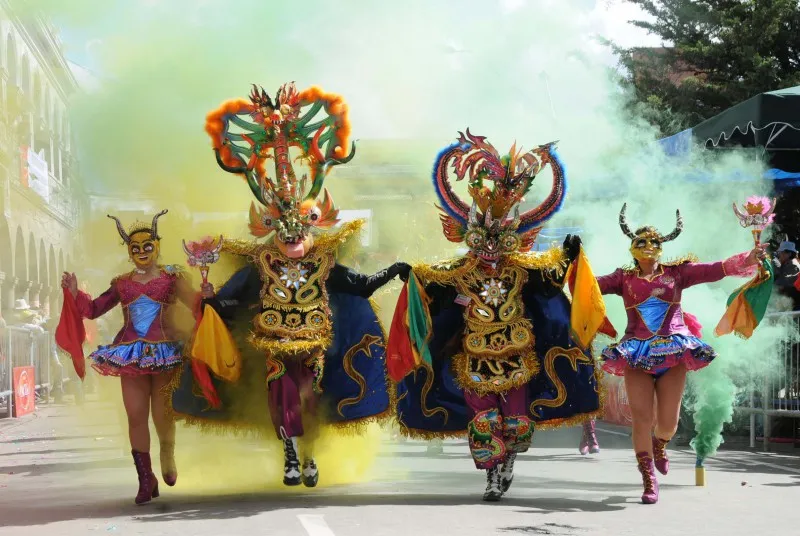
The Carnaval de Oruro is a breathtaking spectacle of faith, folklore, and festivity. It’s a powerful, chaotic, and deeply moving experience that draws hundreds of thousands of visitors to the high plains of Bolivia. But in a celebration of this magnitude, the energy and crowds can be as overwhelming as they are exhilarating. To truly enjoy this once-in-a-lifetime event, preparation is everything. This is not just a guide on what to see; this is your ultimate survival guide with the most crucial safety tips for Oruro Carnival to ensure your trip is memorable for all the right reasons.
Before You Go: Essential Pre-Trip Preparations
Your safety plan for Oruro begins long before you set foot in Bolivia. Getting these key items sorted will provide a solid foundation for a worry-free trip.
Travel Insurance is Non-Negotiable
Let’s be clear: if you can’t afford travel insurance, you can’t afford to travel. At a massive public festival, the risks of petty theft, lost luggage, travel delays, or medical issues are higher. Ensure your policy covers medical emergencies, including treatment for altitude-related problems, and theft of valuables like cameras and phones. It’s a small investment for invaluable peace of mind.
Book Secure Accommodation in Advance
Oruro’s hotels and hostels sell out months, sometimes a year, in advance. Scrambling for a place to stay upon arrival is not only stressful but also risky, potentially leading you to unsafe neighborhoods or scam listings. Book your accommodation early and choose places with good recent reviews, lockers for your valuables, and a 24-hour reception if possible.
Vaccinations and a Basic Medical Kit
Check with your doctor or a travel clinic about recommended vaccinations for Bolivia. While Oruro itself doesn’t pose a high risk for tropical diseases, you may be traveling through other regions. Pack a small medical kit with essentials:
- Pain relievers (ibuprofen, paracetamol).
- Medication for diarrhea and indigestion.
- Antiseptic wipes and bandages.
- Blister plasters (you’ll be on your feet a lot!).
- Any personal prescription medications.
- Altitude sickness medication (see next section).
Health First: Conquering Altitude and Staying Well
Your physical well-being is the most important factor for enjoying the carnival. The environmental conditions in Oruro can be challenging, but they are manageable with foresight.
The #1 Challenge: Dealing with Altitude Sickness
Oruro sits at a dizzying 3,700 meters (12,150 feet). Altitude sickness Oruro is a real and common issue for visitors. Symptoms can range from headaches and dizziness to severe nausea, and it can ruin your entire trip. Don’t underestimate it.
- Acclimatize Slowly: If possible, spend a couple of days in a high-altitude city like La Paz (3,640m) or Sucre (2,800m) before heading to Oruro. Do not fly directly from sea level and immediately start intense activities.
- Take it Easy: On your first day in Oruro, walk slowly, rest often, and don’t exert yourself.
- Hydrate, Hydrate, Hydrate: Drink much more water than you usually would. Avoid alcohol and caffeine on your first 24-48 hours, as they cause dehydration.
- Embrace Coca: Locals have been using coca leaves for centuries to combat altitude effects. Drinking coca tea (mate de coca) or chewing the leaves can provide significant relief. It is legal and widely available.
- Medication: Talk to your doctor about prescription medication like Acetazolamide (Diamox), which can help you acclimatize faster.
Food and Water Safety: How to Avoid Stomach Problems
Getting sick from contaminated food or water is a quick way to end your carnival fun. While street food is a tempting part of the experience, you need to be smart about it.
- Drink Bottled Water: Never drink tap water. Use sealed, bottled water for everything, including brushing your teeth.
- Choose Street Food Wisely: Opt for stalls that are busy with locals (a sign of freshness and quality). Look for food that is cooked fresh and served hot in front of you. Avoid anything that looks like it has been sitting out for a while.
- Peel It, Boil It, Cook It, or Forget It: This is the golden rule. Be wary of uncooked salads, unpeeled fruit, and drinks with ice cubes made from tap water.
- Wash Your Hands: Carry hand sanitizer and use it frequently, especially before eating.
Sun Protection and Hydration: The Altiplano Essentials
At high altitudes, the sun’s UV rays are incredibly strong, even when it’s cloudy. The air is also very dry.
- Sunscreen: Apply a high-SPF (30+) sunscreen generously and reapply throughout the day. Don’t forget your neck, ears, and hands.
- Cover Up: Wear a wide-brimmed hat and sunglasses.
- Lip Balm: Use a lip balm with SPF to prevent your lips from getting chapped and sunburnt.
Navigating the Crowds: Your Guide to Personal Security
Massive crowds are a pickpocket’s paradise. Being vigilant and taking simple precautions is your best defense.
The Golden Rule: How to Avoid Pickpockets
Oruro Carnival pickpocketing is the most common crime tourists face. These thieves are professionals who work in groups and thrive in distractions.
- No Valuables in Pockets: Never keep your phone, wallet, or passport in your back pocket. Front pockets are better, but still not ideal.
- Use a Money Belt: Wear a money belt or neck wallet under your clothes for your cash, cards, and passport copy.
- Secure Your Bag: If you carry a bag, make it a cross-body bag or a backpack worn on your front. Never hang it on the back of a chair.
- Be Extra Cautious in Choke Points: Be most alert when entering or exiting the parade route, in crowded markets, or when distracted by a dance group.
Valuables and Technology: What to Carry and What to Leave Behind
The less you carry, the less you can lose.
- Carry Only What You Need: Take just enough cash for the day, one credit card, and a copy of your passport. Leave the rest locked up in your hotel.
- Your Phone is a Target: Be mindful when taking photos with your phone. A common tactic is for someone to snatch it right out of your hand. Keep a firm grip and put it away immediately after use.
- Big Cameras: If you’re a photographer, keep your camera strap around your neck or wrist at all times. When not shooting, keep the camera in a secure bag in front of you.
Understanding the Party: The Famous Water Fights and Celebrations
The carnival is a party, and that comes with its own set of rules and risks.
What to Expect from the “Guerra de Agua” (Water War)
The days leading up to the main parade are known for city-wide water fights. This involves everything from water balloons and water pistols to people dumping buckets of water from balconies. It’s mostly in good fun, but it pays to be prepared for the Oruro water fights.
- You WILL Get Wet: Assume you will be a target. Don’t get angry; it’s part of the culture. A smile is the best response.
- Dress Accordingly: Don’t wear clothes you care about. A lightweight waterproof jacket can be a lifesaver.
How to Protect Your Camera, Phone, and Passport
Water and electronics do not mix. This is the biggest risk during the water fights.
- Dry Bags are Essential: A simple, inexpensive dry bag is the best investment you can make. Keep your phone, camera, passport, and any extra cash inside it.
- Ziploc Bags: At a minimum, double-bag your valuables in sturdy Ziploc bags.
- Look Up: Always be aware of balconies above you, as this is a favorite spot for surprise attacks.
Responsible Celebration: Alcohol and Partying
Alcohol flows freely during Carnival. While you should celebrate, it’s important to stay in control.
- Know Your Limits: The effects of alcohol are stronger and faster at high altitudes. Pace yourself.
- Watch Your Drink: Never leave your drink unattended.
- Stay with Your Group: It’s easy to get separated in the crowds. Have a designated meeting point in case someone gets lost.
Specific Advice for Travelers
Safety Tips for Solo and Female Travelers
Bolivia is generally welcoming, but solo and female travelers should take extra precautions, especially during a chaotic festival.
- Trust Your Instincts: If a situation or a person feels wrong, leave immediately.
- Avoid Walking Alone at Night: Stick to well-lit, busy streets. Take a registered radio taxi for even short distances after dark.
- Be Vague About Your Plans: Don’t share details about your accommodation or travel plans with strangers.
- Be Aware of “Macho” Culture: You may receive unwanted attention. A firm “no,” confident body language, and ignoring comments are often the best ways to handle it.
FAQ: Quick Answers to Your Oruro Safety Questions
Q: Is Oruro Carnival safe for tourists?
A: Yes, it is generally safe for tourists who are well-prepared. The biggest risks are petty crime (pickpocketing) and health issues (altitude sickness), both of which can be managed with the tips in this guide.
Q: What should I wear at Oruro Carnival?
A: Dress in layers. The sun is strong during the day, but it gets very cold as soon as the sun sets. A t-shirt, fleece, and a waterproof/windproof jacket are ideal. Wear comfortable, closed-toe shoes.
Q: What is the biggest danger at the carnival?
A: Statistically, the biggest danger is pickpocketing due to the dense crowds. Medically, the most significant risk is improperly managed altitude sickness.
Conclusion: Embrace the Celebration with Confidence
The Carnaval de Oruro is an assault on the senses in the best possible way. It’s loud, colorful, and utterly chaotic. By treating your safety and health as a priority, you free yourself from worry and can immerse yourself fully in the magic of the parades, the music, and the incredible energy of the Bolivian people. Be prepared, stay aware, and get ready for an unforgettable adventure.
The 8855betapp is fantastic for mobile betting! It’s designed well, runs smoothly. It’s my pick for betting on the go! 8855betapp