
Oruro Carnival Schedule 2025: Your Complete Guide
Prepare to immerse yourself in one of the most magnificent cultural spectacles on Earth! The Oruro Carnival in Bolivia is not just a party; it’s a vibrant tapestry woven from centuries of indigenous traditions and Catholic beliefs, a breathtaking display of devotion, art, and pure joy. If you’re planning to witness this UNESCO-recognized masterpiece, understanding the Oruro Carnival schedule 2025 is your first step to an unforgettable adventure. This guide will walk you through the key dates, highlight the main events, offer essential travel tips, and delve into the profound cultural significance of this extraordinary Bolivian festival.
Overview of Oruro Carnival
The Oruro Carnival, celebrated annually in the high-altitude city of Oruro, Bolivia, stands as a testament to the rich and complex tapestry of Bolivian culture. Far more than just a street party, it is an elaborate ritual, a pilgrimage, and a vibrant celebration of identity that has earned it a place on UNESCO’s Representative List of the Intangible Cultural Heritage of Humanity. What makes it truly unique is its syncretic blend of indigenous Andean beliefs, particularly the worship of Pachamama (Mother Earth) and the Tío Supay (Uncle of the Mines), with Catholic traditions, primarily the veneration of the Virgen del Socavón (Virgin of the Mines).
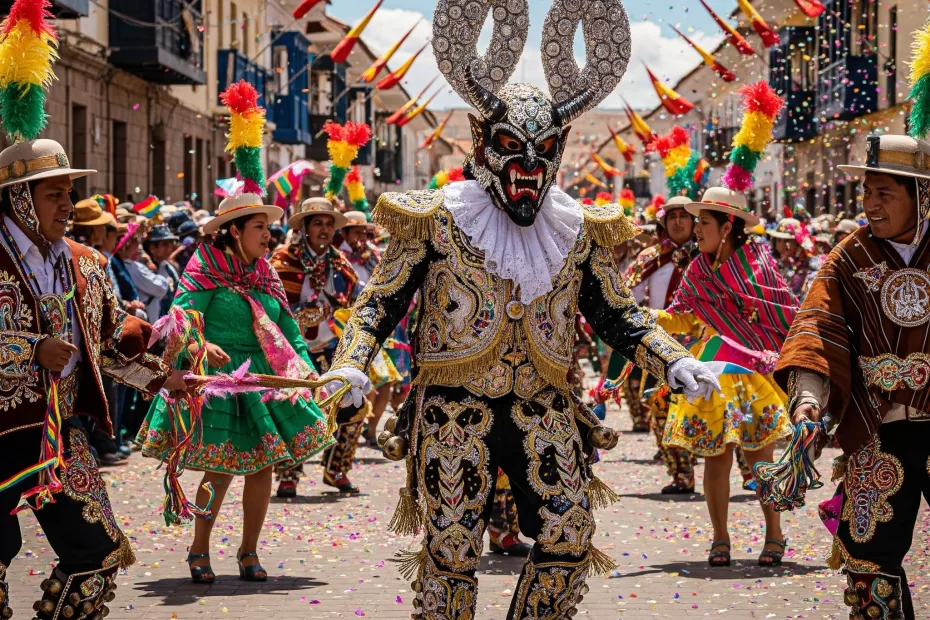
For days, the city transforms into a pulsating hub of activity, drawing visitors from across the globe eager to experience its unparalleled energy. The carnival parades are the heart of the celebration, featuring tens of thousands of dancers and musicians, each group meticulously rehearsed and adorned in spectacular, often symbolic, festive attire. The sheer scale and devotion involved in the Oruro dance performances are mesmerizing, showcasing a diverse array of traditional music and choreographies like the captivating diablada (devil dance), the elegant morenada, the energetic caporales, and the fierce tinku. This Oruro festival is a profound expression of collective creativity and spiritual reverence, offering a deep dive into the historical significance and living traditions of Oruro Bolivia. It’s truly a bucket-list destination for anyone interested in cultural tourism and Latin American festivals.
Key Dates for Oruro Carnival 2025
The Oruro Carnival is a movable feast, its dates determined by the Catholic liturgical calendar, specifically the timing of Ash Wednesday. For 2025, the main festivities will culminate in early March, promising a spectacular start to the month. Mark your calendars, as the core Oruro Carnival dates 2025 are set to deliver an intense and unforgettable experience.
While preparations and smaller events often begin weeks in advance, building anticipation with local rehearsals and pre-carnival celebrations, the main public spectacles that draw the largest crowds are concentrated over a few crucial days. The absolute highlight, the Grand Peregrinación (Great Pilgrimage), always takes place on the Saturday before Ash Wednesday.
Here are the pivotal Oruro events March 2025 to plan your visit around:
-
Saturday, March 1, 2025: The Grand Peregrinación, or the Main Parade. This is the absolute peak of the carnival, the day everyone comes to see.
-
Sunday, March 2, 2025: Día del Diablo y del Moreno (Day of the Devil and the Moreno). The celebration continues with more dances, informal processions, and often a more relaxed atmosphere than the intense Saturday.
-
Monday, March 3, 2025: Lunes de Corso (Monday of Corso). This day is characterized by spontaneous celebrations, often involving water and foam fights, especially popular among younger attendees.
-
Tuesday, March 4, 2025: Martes de Ch’alla (Tuesday of Blessing). A deeply rooted Andean tradition where families and businesses make offerings to Pachamama, blessing their homes, cars, and possessions.
To truly soak in the atmosphere and secure good viewing spots, many visitors choose to arrive a few days before the main parade, allowing them to witness the build-up and the vibrant energy that permeates the city.
Carnival Events and Highlights
The Oruro Carnival is a multi-day extravaganza, each moment brimming with cultural richness and vibrant energy. While the main parade is undoubtedly the crown jewel, a host of other events contribute to the immersive experience, showcasing the diverse facets of Bolivian traditions.
Main Parade (March 1, 2025)
The Grand Peregrinación, taking place on Saturday, March 1, 2025, is the undisputed centerpiece of the Oruro Carnival schedule 2025. It is not merely a parade but a profound act of devotion, a pilgrimage spanning several kilometers from the city’s outskirts to the Sanctuary of the Virgen del Socavón. This single event encapsulates the spiritual, artistic, and historical significance of the entire festival.
From early morning until late into the night, approximately 28,000 dancers and 10,000 musicians, organized into nearly 50 distinct brotherhoods or conjuntos, move in a continuous, mesmerizing flow. Each group, representing a specific dance style, performs elaborate choreographies that have been perfected through months of rehearsal. The air vibrates with the rhythmic sounds of traditional music – brass bands, panpipes, and drums – accompanying the dancers.
What attendees can expect to see is a kaleidoscope of color and movement. The festive attire is nothing short of spectacular, with each costume a work of art, often handmade and laden with intricate details, sequins, and embroidery. The diablada dancers, in their elaborate devil masks and capes, lead the charge, symbolizing the struggle between good and evil. They are followed by the elegant morenada with their heavy, richly adorned costumes and distinctive shuffling step, representing the African slaves brought to the mines. Other prominent dances include the energetic caporales, the combative tinku, the graceful llamada, and many more, each telling a story, often rooted in historical events, indigenous myths, or religious narratives.
The emotional climax of the parade occurs as each group reaches the Sanctuary of the Virgen del Socavón, where they pay homage to the Virgin and remove their masks in a gesture of humility and gratitude. This solemn moment of devotion, after hours of intense performance, underscores the spiritual core of the Oruro festival. Spectators line the entire route, from grandstand seats to standing areas, captivated by the relentless energy and the deep cultural significance on display. It’s a truly overwhelming sensory experience and a deeply moving spiritual journey for participants.
Other Events (March 2-4, 2025)
While the main parade commands the spotlight, the days immediately following it are equally integral to the full Oruro Carnival experience, offering a different, often more interactive, flavor of celebration. These Oruro events March 2025 continue the festive atmosphere and provide further insight into Bolivian traditions.
-
Sunday, March 2, 2025: Día del Diablo y del MorenoFollowing the intensity of the Grand Peregrinación, Sunday sees a continuation of the revelry, though often in a slightly more relaxed fashion. This day is sometimes referred to as the “Día del Diablo y del Moreno” (Day of the Devil and the Moreno), acknowledging the prominence of these two iconic dance forms. Many dance groups perform again, often in more informal processions or at specific points in the city. There’s also the entrada de la Candelaria, a smaller procession that mirrors the main parade but with a more local, community-focused feel. It’s a great day to wander the streets, enjoy the music, and witness impromptu Oruro dance performances without the immense crowds of Saturday. Food stalls and street vendors remain abundant, offering a taste of Oruro food and drink amidst the ongoing merriment.
-
Monday, March 3, 2025: Lunes de CorsoMonday, known as Lunes de Corso (Monday of Corso), shifts the focus from solemn pilgrimage to boisterous celebration. This day is particularly popular with younger generations and those seeking a more playful, interactive experience. The streets become an arena for massive water and foam fights. Participants arm themselves with water balloons, squirt guns, and cans of foam, engaging in good-natured battles. While incredibly fun and a beloved tradition, visitors should be prepared to get completely soaked and foamed. It’s advisable to wear old clothes, protect electronics, and embrace the chaos. This is a day for letting loose and enjoying the lighter side of the carnival, a stark contrast to the spiritual intensity of Saturday.
-
Tuesday, March 4, 2025: Martes de Ch’allaThe carnival officially concludes with Martes de Ch’alla (Tuesday of Blessing). This day marks a return to deeply rooted Andean spiritual practices. Ch’alla is an ancient ritual of gratitude and blessing, where individuals and families make offerings to Pachamama (Mother Earth) and the Tío Supay (Lord of the Underworld/Mines) for prosperity and good fortune. People adorn their homes, businesses, and even vehicles with streamers, flowers, and confetti, offering food, drink (especially chicha and alcohol), and often burning incense or coca leaves. It’s a very personal and intimate tradition, offering a glimpse into the spiritual heart of Bolivian culture. While not a public spectacle in the same way as the parades, it’s a profound cultural event that allows visitors to see how ancient beliefs continue to thrive in modern Bolivia. Many families travel to the countryside or mountains to perform their ch’alla rituals in nature.
Beyond these main events, the entire week leading up to Ash Wednesday is filled with smaller cultural events, street parties, local music performances, and culinary delights. Exploring the markets, trying traditional Oruro food and drink, and simply soaking in the festive ambiance are all part of the comprehensive Oruro Carnival itinerary.
Cultural Significance of the Carnival
The Oruro Carnival is far more than a mere spectacle; it is a profound expression of identity, history, and faith for the people of Bolivia. Its cultural significance of Oruro Carnival is deeply embedded in the syncretic blend of pre-Columbian Andean cosmology and Catholic religious practices, a characteristic fusion found throughout Latin American festivals. At its core, the carnival represents a living embodiment of Bolivian traditions, meticulously preserved and passionately performed.
One of the most critical aspects of its significance is its recognition by UNESCO as a Masterpiece of the Oral and Intangible Heritage of Humanity in 2001. This designation underscores the carnival’s global importance as a unique cultural phenomenon, acknowledging its rich artistic expression, historical depth, and the intricate ways it transmits cultural memory from generation to generation. The UNESCO heritage status highlights the carnival’s role in safeguarding indigenous knowledge, music, dance, and craft.
The carnival’s narrative is a complex interplay between the forces of good and evil, represented by the Archangel Michael and the diablada dancers, respectively. However, beneath this Catholic veneer lies the enduring presence of Andean deities. The Virgin of Socavón, the patroness of the carnival, is revered, but her worship is inextricably linked to Pachamama, the Mother Earth, and the Tío Supay, the benevolent yet feared lord of the mines. For the miners of Oruro Bolivia, the carnival is an annual act of devotion and appeasement to these ancient spirits, seeking protection and abundant yields from the earth. The dances, with their elaborate costumes and specific choreographies, are not just performances; they are sacred rituals, prayers in motion.
Each dance form tells a story, reflecting aspects of Bolivian history and social life. The morenada, for example, commemorates the suffering of African slaves brought to work in the silver mines, their heavy costumes symbolizing the chains and their slow, shuffling steps mimicking the arduous journey. The tinku, a ritualistic combat dance, draws from ancient Andean fighting traditions, symbolizing strength and community. Through these Oruro dance performances, historical significance is kept alive, providing a vibrant link to the past and reinforcing a collective cultural identity.
The carnival also serves as a powerful unifying force for the diverse communities within Oruro and Bolivia. The conjuntos or dance brotherhoods, often organized by profession, neighborhood, or shared heritage, foster a strong sense of belonging and community. Months of preparation, fundraising, and rehearsal forge deep bonds among participants, making the carnival a communal effort that strengthens social fabric.
Furthermore, the carnival is a major driver of cultural tourism, drawing thousands of visitors who wish to experience this unique Oruro festival firsthand. This influx not only provides economic benefits but also allows the world to witness the richness and resilience of Bolivian culture, fostering cross-cultural understanding and appreciation for these vibrant Bolivian traditions. In essence, the Oruro Carnival is a living museum, a dynamic ritual, and a spectacular celebration that continues to define and enrich the spirit of Bolivia.
Tips for Attending Oruro Carnival
Attending the Oruro Carnival is an exhilarating experience, but it requires careful planning to ensure a safe and enjoyable trip. From what to wear to how to navigate the city, these Bolivia carnival travel tips will help you make the most of your visit to this incredible Oruro festival.
What to Wear
Packing appropriately for the Oruro Carnival is crucial, as the weather in the high-altitude city can be unpredictable, and comfort is key for long days of standing and walking.
-
Comfortable Footwear: This is non-negotiable. You’ll be doing a lot of walking, standing, and potentially dancing. Sturdy, comfortable shoes (sneakers or hiking shoes) are essential. Leave your fancy sandals or heels at home.
-
Layers, Layers, Layers: Oruro’s climate is characterized by significant temperature swings. Mornings can be chilly, midday sun intense, and evenings cold. Pack layers that you can easily add or remove: a t-shirt, a long-sleeved shirt, a fleece or sweater, and a warm jacket.
-
Sun Protection: At an altitude of over 3,700 meters (12,100 feet), the sun’s rays are incredibly strong. A wide-brimmed hat, sunglasses, and high-SPF sunscreen are absolute musts to protect yourself from sunburn and glare.
-
Rain Gear: While March generally marks the end of the rainy season, sudden downpours are not uncommon. A lightweight, waterproof jacket or a compact umbrella can be a lifesaver.
-
Casual and Modest Attire: For most of the carnival, casual, comfortable clothing is perfectly acceptable. While some might embrace festive attire, the general carnival dress code for spectators is relaxed. If you plan to visit any churches or religious sites, it’s respectful to have clothing that covers your shoulders and knees.
-
“Sacrificial” Clothes for Monday: If you plan to participate in Lunes de Corso‘s water and foam fights, wear clothes you don’t mind getting completely soaked, stained, or even ruined. Bring a change of clothes if you want to be dry afterward!
Accommodation Options
Finding Oruro accommodations during the carnival period can be challenging and expensive due to high demand. Booking well in advance – ideally six months to a year out – is highly recommended.
-
Hotels: Oruro has a range of hotels, from basic to mid-range. Expect prices to skyrocket during the carnival. Look for hotels that offer secure storage for valuables and possibly a good breakfast. Many hotels will be fully booked by late summer/early fall of the preceding year.
-
Hostels: For budget-conscious travelers, hostels offer a more affordable option, often with a lively atmosphere. Shared dorms and private rooms are usually available. Again, book early.
-
Guesthouses/Apartments: Websites like Airbnb or local agencies might offer rooms in private homes or apartments. This can be a good option for families or groups, potentially offering more space and a local experience. Verify the location and reviews carefully.
-
Consider Nearby Cities: If Oruro is completely booked or prices are prohibitive, consider staying in a nearby city like Cochabamba or even La Paz and traveling to Oruro for the main events. However, be aware that bus tickets will also sell out, and travel times can be several hours each way, making for very long days.
-
Location: Try to find accommodation within walking distance of the parade route or with easy access to public transport (though public transport will be heavily impacted during the carnival). Being close to the main action minimizes travel hassle.
-
Security: Always choose accommodations with good security, especially for your belongings. Inquire about safes or secure luggage storage.
Remember that while prices will be inflated, the experience of being in Oruro during the carnival is truly priceless. Prioritize booking your stay as soon as your Oruro Carnival schedule 2025 travel dates are firm.
Getting to Oruro
Reaching Oruro, especially during the peak carnival season, requires some strategic planning. The city is well-connected within Bolivia, but high demand for transport around the Oruro Carnival dates 2025 means you need to book ahead.
From La Paz (El Alto International Airport – LPB):La Paz is often the entry point for international travelers. Oruro is approximately 3-4 hours south of La Paz by road.
-
Bus: This is the most common and economical way to travel from La Paz to Oruro. Buses depart frequently from the main bus terminal in La Paz (Terminal de Buses La Paz). You can choose between “normal” buses, semicama (reclining seats), or cama (fully reclining seats). During carnival, express services might be available, but expect increased prices and potential delays due to traffic. It’s crucial to buy your tickets several days or even weeks in advance if you’re traveling right before the main parade.
-
Shared Taxi/Minivan (Trufi): For a slightly faster and more direct option, shared taxis or minivans (known as trufis or combis) also run between La Paz and Oruro. They depart once full from specific points in La Paz, often near the bus terminal.
-
Private Transfer: For maximum comfort and flexibility, you can arrange a private taxi or transfer service. This will be the most expensive option but offers door-to-door service and the ability to set your own schedule.
From Cochabamba:Cochabamba is located east of Oruro, and the journey takes approximately 4-5 hours by road.
-
Bus: Similar to La Paz, buses are the primary mode of transport. Services depart regularly from Cochabamba’s main bus terminal. Again, book your tickets well in advance for the carnival period.
From Santa Cruz:Santa Cruz is further afield, located in eastern Bolivia. The journey to Oruro from Santa Cruz is significantly longer, around 12-14 hours by bus.
-
Bus: Overnight buses are available from Santa Cruz to Oruro. Opt for a cama bus for a more comfortable journey.
-
Flight + Bus: A quicker option is to fly from Santa Cruz (Viru Viru International Airport – VVI) to La Paz (El Alto International Airport – LPB) and then take a bus or trufi to Oruro. This significantly cuts down on travel time.
General Travel to Oruro 2025 Tips:
-
Book in Advance: This cannot be stressed enough. All forms of public transport, especially buses, will be heavily booked and more expensive around the Oruro Carnival dates 2025.
-
Arrive Early at Terminals: Bus terminals can be chaotic, especially during peak travel times. Arrive at least an hour before your scheduled departure.
-
Road Conditions: Roads between major cities are generally paved, but conditions can vary. Be prepared for potential delays due to traffic or weather.
-
Altitude Sickness: Oruro is at a high altitude. If you’re coming from a lower elevation, allow yourself a day or two to acclimatize in La Paz or Oruro before engaging in strenuous activity. Stay hydrated and avoid excessive alcohol.
-
Safety: Always choose reputable bus companies. Keep an eye on your belongings, especially in crowded terminals and on buses. For Bolivia carnival travel tips, it’s wise to carry essential documents and some cash in a secure, hidden pouch.
By planning your travel to Oruro 2025 carefully, you’ll ensure a smoother and more enjoyable start to your carnival adventure.
Frequently Asked Questions (FAQs)
Planning a trip to such a grand event often brings up many questions. Here are some frequently asked questions to help you navigate the Oruro Carnival schedule 2025 and make your visit as smooth as possible.
How do I get tickets for the main parade?Grandstand seats along the main parade route are highly coveted. They are often sold by local residents or tour operators, sometimes months in advance. It’s best to book through a reputable tour agency or inquire with your accommodation in Oruro if they can assist. Standing room along certain sections of the route is also available, but you’ll need to arrive very early to secure a good spot.
Is Oruro Carnival family-friendly?Yes, the Oruro Carnival can be family-friendly, especially during the main parade, which is a cultural spectacle. However, it can be extremely crowded, loud, and during Lunes de Corso, there are intense water and foam fights. If bringing children, keep them close, consider ear protection, and be aware of the more boisterous elements, especially on Monday.
What about Oruro food and drink during the carnival?The carnival is a feast for the senses, including your taste buds! You’ll find numerous street vendors offering traditional Bolivian cuisine like salteñas (savory baked empanadas), anticuchos (beef heart skewers), empanadas de queso, and various soups and stews. Local drinks include chicha (fermented corn beer) and api (a warm, sweet purple corn drink). Always choose vendors with high turnover and visible hygiene practices to avoid stomach issues.
Are there carnival safety tips I should follow?Absolutely. In crowded environments, petty crime can occur. Keep your valuables secure and out of sight (e.g., in a money belt). Be aware of your surroundings, especially in dense crowds or at night. Stay hydrated, avoid excessive alcohol, and be cautious during the water and foam fights, as things can get boisterous. It’s also wise to have a meeting point if you get separated from your group.
What’s the best time to arrive in Oruro for the carnival?To fully experience the build-up and secure good viewing spots for the main parade, it’s best to arrive at least 2-3 days before Saturday, March 1, 2025. This allows you to acclimatize to the altitude, explore the city, and soak in the pre-carnival atmosphere. It also gives you a buffer for any travel delays.
Can I participate in the Oruro dance performances?Generally, no. The main dance groups are highly organized brotherhoods that practice for months. However, on more informal days like Sunday or Monday, you can certainly dance along with the music from the sidelines or participate in the general street revelry.
What does a typical Oruro Carnival itinerary look like for a first-timer?A good Oruro Carnival itinerary for a first-timer would involve arriving by Thursday or Friday. Spend Friday exploring Oruro tourism sites like the Sanctuary of the Virgen del Socavón and the mining museum. On Saturday, secure your spot early for the main parade. Sunday, enjoy the continuing dances and a slightly more relaxed atmosphere. Monday, if you’re up for it, join the water and foam fights. Tuesday, observe the Martes de Ch’alla rituals. Depart on Wednesday.
Is there a specific carnival dress code for participants, and how does it differ from spectators?Yes, for participants, the carnival dress code is incredibly specific and elaborate, varying significantly by dance group. Each conjunto has its unique, often symbolic, costumes that are meticulously crafted and can cost thousands of dollars. Spectators, on the other hand, do not have a formal dress code; comfortable, layered clothing suitable for the weather and long hours of standing is recommended.
Any specific Oruro tourism advice regarding local customs?Be respectful of local traditions and the spiritual nature of the carnival. When photographing, especially people, always ask for permission. Learn a few basic Spanish phrases; it goes a long way. Embrace the local culture, try the food, and be open to new experiences. Remember, this is a deeply significant cultural and religious event for the people of Oruro Bolivia.
Conclusion
The Oruro Carnival is an unparalleled journey into the heart of Bolivian culture, a magnificent spectacle that transcends mere entertainment to become a profound expression of faith, history, and community. From the intricate Oruro Carnival schedule 2025 to the vibrant Oruro parade schedule, every detail contributes to an experience unlike any other Latin American festival. Witnessing the thousands of dancers in their spectacular festive attire, hearing the traditional music reverberate through the streets, and feeling the spiritual energy of the pilgrimage to the Virgen del Socavón is something that stays with you long after the final notes fade.
This UNESCO heritage event offers a unique blend of indigenous Andean beliefs and Catholic traditions, presenting a living testament to the resilience and richness of Bolivian traditions. Whether you’re drawn by the historical significance, the mesmerizing Oruro dance performances, or simply the sheer joy of the Oruro festival, planning your visit around the Oruro Carnival dates 2025 promises an adventure filled with color, sound, and deep cultural insight.
With the practical Bolivia carnival travel tips, advice on Oruro accommodations, and guidance on navigating the events, you are now well-equipped to embark on this extraordinary cultural tourism journey. Prepare to be swept away by the magic of Oruro Bolivia – an experience that will undoubtedly enrich your understanding of the world and leave you with memories to cherish for a lifetime. Don’t just observe; immerse yourself in the spirit of the Oruro Carnival!
Roobet’s Blackjack is pretty straightforward. If you’re into crypto gambling, it’s a decent option. Just remember to play responsibly! Check it out here: roobetblackjack