
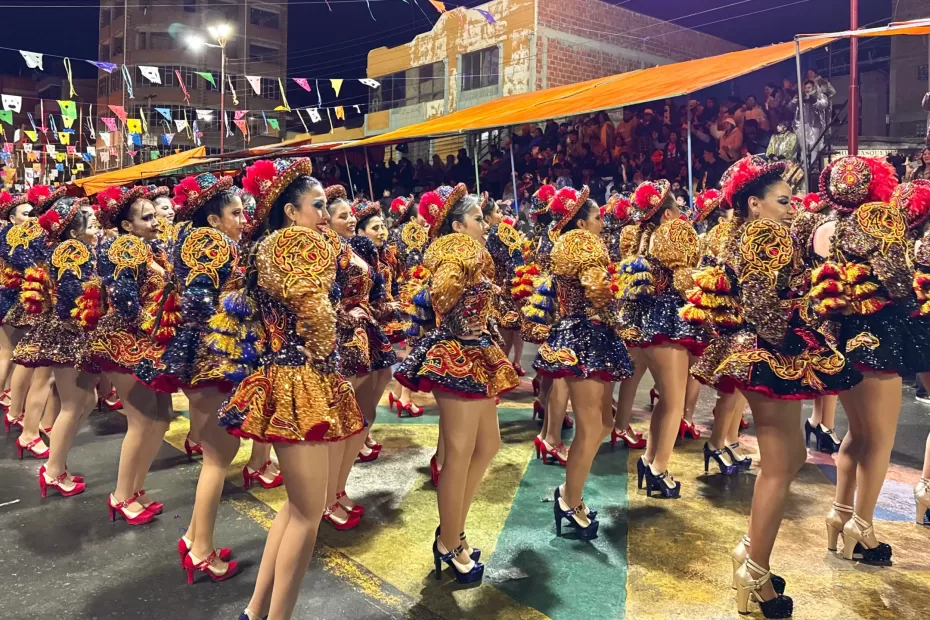
Small Businesses at the Oruro Carnival: Unlocking Opportunities
The Oruro Carnival, a masterpiece of oral and intangible heritage of humanity, is far more than just a vibrant explosion of color, music, and dance; it’s a powerful economic engine, especially for the local community. For small businesses in Oruro, this annual celebration isn’t just a spectacle; it’s a golden opportunity for growth, exposure, and significant revenue generation. Every year, thousands of national and international tourists flock to this Bolivian cultural event, creating a bustling marketplace ripe for entrepreneurial opportunities. From street vendors to established shops, the carnival festivities offer a unique platform for small businesses Oruro Carnival to thrive, showcasing everything from traditional crafts to modern services. Understanding how to tap into this cultural significance and the resulting economic impact is key for any local business looking to maximize its potential during this extraordinary time.
Introduction to Oruro Carnival and Its Economic Impact
The Oruro Carnival stands as one of South America’s most magnificent and culturally rich festivals. Rooted in pre-Columbian traditions and infused with Catholic symbolism, it’s a dazzling display of faith, folklore, and artistic expression. The iconic Diablada dance, with its elaborate costumes and intricate choreography, epitomizes the carnival’s spiritual depth and visual splendor. Beyond its spiritual and artistic value, the Oruro festival is a critical period for the local economy. The sheer volume of visitors creates an unprecedented demand for goods and services, transforming the city into a vibrant hub of commercial activity.
For small businesses, this influx of cultural tourism translates directly into tangible benefits. Hotels, restaurants, transportation services, and souvenir shops experience a surge in demand that can make or break their annual profits. Local markets buzz with activity, and even businesses not directly related to tourism find ways to capitalize on the festive atmosphere. The economic impact is profound, injecting vital capital into the community and supporting countless livelihoods. It’s a prime example of how cultural events can serve as powerful catalysts for local economic growth and small business growth. Participating in the carnival isn’t just about making sales; it’s about embedding your business within the fabric of a globally recognized event, building brand recognition, and fostering community engagement. The entrepreneurial opportunities are vast, extending far beyond the main parade route to every corner of the city touched by the carnival’s magic.
How Small Businesses Can Participate in the Carnival
Getting involved in the Oruro Carnival can take many forms, each offering distinct advantages for small businesses. The key is to identify the best fit for your business model, resources, and objectives. Active participation allows businesses to directly engage with the massive carnival audience, turning transient visitors into potential long-term customers.
One of the most direct ways is through setting up a physical presence. This could mean renting a space along the parade route, securing a stall in a designated market area, or even transforming your existing storefront into a carnival-themed attraction. These local business opportunities provide direct access to thousands of potential customers. Another effective strategy is sponsorship. Small businesses can sponsor a specific dance group, a carnival event, or even a smaller community activity associated with the festivities. This not only provides valuable brand visibility but also demonstrates a commitment to community support, resonating positively with locals and tourists alike.
Collaborations are also incredibly powerful. Partnering with other small businesses, local artisans, or even community organizations can amplify your reach and offer unique products or services. For instance, a local restaurant might team up with a traditional music group to offer dinner and a show, or a clothing boutique could collaborate with a local designer to create carnival-inspired apparel. These partnerships foster a sense of business collaboration and shared success. The goal is to integrate your business into the carnival experience seamlessly, making it an indispensable part of the cultural festivities for attendees.
Setting Up a Booth: Tips and Best Practices
For many small businesses Oruro Carnival, setting up a booth is the most straightforward and effective way to connect directly with carnival-goers. A well-executed booth can be a magnet for customers, while a poorly planned one might get lost in the crowd. Here are some practical tips and best practices to ensure your carnival booth setup is a success.
Location, Location, Location: This cannot be stressed enough. Aim for high-traffic areas, ideally along the main parade route or in popular gathering spots. Proximity to other attractions, food stalls, or restrooms can also increase visibility. Researching designated vendor zones and applying early for prime spots is crucial.
Eye-Catching Decoration: Your booth needs to stand out. Embrace the carnival’s vibrant aesthetic with bright colors, traditional motifs, and festive lighting. Use banners, signage, and displays that clearly communicate your brand and offerings. Consider incorporating elements that reflect Bolivian culture or the specific dances of the Oruro festival to attract curious visitors.
Product Selection and Presentation: Choose products that are appealing to a diverse audience and suitable for a festival environment. Think about convenience – easy-to-carry souvenirs, grab-and-go snacks, or quick services. If you’re selling crafts, ensure they are beautifully displayed and clearly priced. For food vendors, hygiene and attractive presentation are paramount. Offer a focused menu rather than an overwhelming one to ensure efficiency during peak times.
Engaging Staff: Your team is your front line. Staff should be friendly, enthusiastic, and knowledgeable about your products and the carnival itself. Encourage them to interact with passersby, offering samples, answering questions, and sharing information about your business. A warm smile and a welcoming attitude can make all the difference.
Efficiency and Preparedness: Carnival days are long and busy. Be prepared for large crowds and long hours. Have enough inventory, change, and packaging materials. Consider mobile payment options to speed up transactions. A well-organized booth ensures smooth operations, even during the busiest moments, enhancing the customer experience.
Security: With large crowds, security is a concern. Ensure your cash is secure, and keep an eye on your merchandise. If possible, have multiple staff members to help manage the booth and deter theft.
By focusing on these practical aspects, small businesses can create a memorable and profitable presence at the Oruro Carnival, turning their booth into a bustling point of sale and brand awareness.
Collaborating with Local Artisans and Vendors
One of the most exciting and differentiating strategies for small businesses at the Oruro Carnival is to forge partnerships with local artisans and other vendors. This approach not only allows businesses to offer unique products and experiences but also champions community support and the rich tapestry of Bolivian culture. Such business collaboration can elevate a small shop from a generic vendor to a purveyor of authentic, culturally significant goods and services, which is a powerful draw for cultural tourism.
Imagine a small café partnering with a local artisan who specializes in traditional Oruro masks or textiles. The café could display and sell these artisan crafts, perhaps even offering a special “artisan’s coffee” blend. This creates a win-win scenario: the artisan gains a new sales channel and exposure, while the café offers its customers a unique cultural souvenir, differentiating itself from competitors. Similarly, a clothing store could collaborate with local designers to produce limited-edition carnival-themed apparel, using traditional fabrics or embroidery techniques. This not only taps into the desire for authentic items but also supports local talent and preserves cultural heritage.
Artisan partnerships extend beyond physical products. A tour operator could team up with traditional musicians or dance groups to offer exclusive “behind-the-scenes” experiences or workshops, giving tourists a deeper dive into the Oruro festival. Restaurants might source ingredients from local farmers, highlighting the freshness and regionality of their cuisine, thereby appealing to visitors seeking an authentic taste of Bolivia.
These collaborations offer several distinct advantages:
-
Unique Offerings: Stand out from the crowd by providing products or services that can’t be found elsewhere, catering to the demand for local and authentic items.
-
Enhanced Brand Image: Aligning with local artisans and traditions enhances your business’s reputation, showing a commitment to community engagement and cultural preservation.
-
Expanded Customer Base: Benefit from cross-promotion as both partners bring their existing customer bases to the collaboration.
-
Economic Impact: Directly contribute to the livelihoods of local artisans and small-scale producers, reinforcing the positive economic impact of the carnival.
By embracing these artisan partnerships, small businesses at the Oruro Carnival can create a more vibrant, authentic, and economically beneficial experience for everyone involved, proving that collaboration can be a powerful engine for small business success.
Marketing Strategies for the Oruro Carnival
Effective marketing is crucial for any small business looking to capture the attention of carnival-goers. With thousands of visitors and numerous competitors, standing out requires creative and well-executed strategies. Carnival marketing strategies should begin well before the festivities kick off and continue throughout the event, leveraging both digital and traditional channels to maximize reach and engagement.
One foundational strategy is to understand your target audience. While carnival attracts a broad demographic, tailoring your message to specific segments – whether it’s families, young adults, or international tourists – can yield better results. Consider what makes your small business unique and how that aligns with the carnival spirit. Are you offering traditional Bolivian crafts? Authentic local cuisine? Or perhaps a service that makes the carnival experience more convenient? Highlight these unique selling propositions.
Pre-carnival buzz generation is key. Start promoting your involvement weeks or even months in advance. Use posters, flyers, and local radio spots to announce your plans. Partner with local tourism boards or event organizers to get your business listed in official carnival guides and online resources. During the carnival, physical signage, word-of-mouth promotions, and direct engagement at your booth are essential. Remember that visibility is paramount when people are navigating crowded streets and bustling markets. Ultimately, successful marketing for small businesses during the Oruro Carnival is about creating excitement, building anticipation, and making it easy for customers to find and engage with your offerings.
Utilizing Social Media to Promote Your Business
In today’s digital age, social media is an indispensable tool for carnival marketing strategies, especially for small businesses Oruro Carnival aiming to reach a broad and diverse audience. Leveraging platforms like Instagram, Facebook, TikTok, and even WhatsApp can significantly amplify your presence before, during, and after the Oruro festival.
Pre-Carnival Hype: Start early! Weeks before the carnival, begin posting engaging content that builds anticipation. Share behind-the-scenes glimpses of your preparations, sneak peeks of new products, or even interviews with your team. Use relevant hashtags like #OruroCarnival, #BolivianCulture, #SmallBusinessBolivia, and #OruroFestival to reach a wider audience. Run countdowns and ask interactive questions to spark community engagement. For example, a restaurant could post photos of special carnival dishes in the making, or a craft store could show artisans at work on unique pieces.
During the Festivities: This is your prime time. Post live updates, photos, and short videos of the carnival atmosphere, your booth, and happy customers. Encourage user-generated content by creating a unique hashtag for your business and inviting customers to share their experiences using it. Run polls or quick contests on your stories to keep engagement high. For instance, a souvenir shop could ask followers to vote for their favorite new item, offering a discount to participants. Utilize geo-tagging to ensure your posts are seen by people physically present at the event. Instagram Reels and TikTok videos are excellent for capturing the dynamic energy of the carnival and showcasing your products in action.
Post-Carnival Follow-Up: Don’t let the momentum die. Thank your customers, share a recap of your carnival experience, and announce any post-carnival promotions. Encourage reviews and testimonials. This helps in building a loyal customer base and ensures that the positive impact of the carnival extends beyond the event itself.
Targeted Advertising: Consider running small, targeted ad campaigns on Facebook or Instagram. You can target users based on their location, interests (e.g., cultural events, travel, small business growth), and even those who have engaged with carnival-related content. This can be a cost-effective way to reach potential customers who might not otherwise discover your business.
By consistently and creatively utilizing social media, small businesses can effectively promote their offerings, engage with potential customers, and make a lasting impression during the bustling Oruro Carnival.
Creating Carnival-Themed Promotions and Discounts
To truly stand out amidst the carnival’s vibrant chaos, small businesses need to offer more than just their standard products or services. Creating carnival-themed promotions and discounts is an excellent way to entice customers, generate excitement, and differentiate your offerings. These creative promotional ideas can transform a simple transaction into a memorable carnival experience.
Themed Bundles and Packages: Combine popular items into special “Carnival Survival Kits” or “Oruro Experience Bundles.” A pharmacy might offer a bundle of sunscreen, hats, and pain relievers. A café could offer a “Parade Pack” with coffee, a traditional pastry, and a small souvenir. These bundles provide value and convenience, appealing to festival-goers who want to enjoy the carnival without hassle.
Limited-Edition Carnival Merchandise: Collaborate with local artisans (as discussed previously) or create your own unique carnival-themed products. Think limited-edition t-shirts, mugs, keychains, or even food items with designs inspired by the Diablada or other traditional dances. The exclusivity drives demand and provides a unique keepsake for tourists, boosting small business success.
“Carnival Discount” or Flash Sales: Offer special carnival discounts that are only valid during the festival period. These could be percentage-off deals, “buy one, get one free” offers, or a discount on a specific product category. Announce these carnival promotions via social media and prominent signage at your booth to create a sense of urgency. Flash sales, announced just hours before they start, can also generate immediate interest and drive traffic.
Interactive Contests and Giveaways: Engage customers with fun, carnival-themed contests. For example, a costume shop could run a “Best Carnival Outfit” photo contest, with the winner receiving a gift voucher. A restaurant could host a “Guess the Traditional Ingredient” game. Giveaways of small, branded items (like stickers or temporary tattoos with a carnival motif) can also serve as effective marketing tools and create positive associations with your business.
Loyalty Programs for Festival-Goers: Encourage repeat business by offering a “Carnival Passport” or loyalty card that visitors can get stamped with each purchase. After a certain number of stamps, they receive a discount or a free item. This is particularly effective for businesses like food stalls or souvenir shops where customers might make multiple purchases over the carnival period.
Partnership Promotions: Work with other small businesses to offer cross-promotional deals. For instance, a hotel could provide guests with a discount voucher for a local restaurant, and vice versa. This expands your reach and provides added value to customers, fostering a sense of business collaboration within the community.
By implementing these creative and strategically designed carnival promotions, small businesses can not only attract more customers but also enhance their brand’s appeal and create lasting memories for everyone celebrating the Oruro Carnival.
Success Stories: Small Businesses Thriving at Oruro Carnival
The Oruro Carnival has been a launchpad for numerous small businesses, transforming their annual revenue and establishing their reputation within the community and beyond. These success stories serve as powerful testaments to the entrepreneurial opportunities available and inspire others to participate.
Consider “Artesanías del Tío,” a small workshop specializing in miniature Diablada masks and traditional textiles. For years, they struggled to reach a broader market beyond local buyers. However, during the carnival, they set up an eye-catching booth near the main parade route. They strategically partnered with a local tour guide who brought groups directly to their stall, highlighting the authenticity of their crafts. They also leveraged social media, posting videos of their artisans meticulously crafting the masks. Their unique, high-quality products, combined with effective carnival marketing strategies, led to a surge in sales, not just during the festival but also in the months that followed, as tourists remembered their unique purchases. This success allowed them to hire more local artisans and expand their workshop, demonstrating significant small business growth.
Another inspiring example is “Sabor Andino,” a family-run food stall that traditionally sold local snacks at the central market. Recognizing the demand for authentic Bolivian cuisine during the carnival, they invested in a larger, more professional setup along a busy side street. They focused on a limited menu of high-demand items like salteñas and anticuchos, ensuring speed and quality. They also introduced a “Carnival Combo” deal, bundling food with a refreshing drink, which proved immensely popular. Their commitment to fresh ingredients and friendly service, combined with strategic carnival promotions, resulted in queues stretching down the street. The increased visibility and positive word-of-mouth during the carnival boosted their reputation so much that they were able to open a small permanent restaurant in Oruro, becoming a beloved local eatery.
Then there’s “Carnival Threads,” a small boutique that saw the opportunity to blend modern fashion with traditional Bolivian elements. Instead of just selling typical carnival costumes, they collaborated with a local designer to create stylish, wearable pieces inspired by the carnival’s colors and patterns. They used models to showcase their designs on social media, creating a buzz weeks before the event. During the carnival, they offered “festival participation strategies” workshops, teaching tourists how to style their unique pieces for the parades. This innovative approach attracted a younger, fashion-conscious demographic, leading to booming sales and establishing “Carnival Threads” as a go-to spot for contemporary Bolivian fashion.
These diverse success stories – from traditional crafts to food and fashion – underscore the immense potential for small businesses Oruro Carnival. They highlight that with careful planning, creative marketing, community engagement, and a deep understanding of the Oruro festival’s unique appeal, local businesses can not only survive but truly thrive during this extraordinary celebration.
Challenges Small Businesses May Face During the Carnival
While the Oruro Carnival presents unparalleled opportunities, it’s also important for small businesses to be aware of and prepared for the potential challenges that can arise. Navigating these obstacles effectively is crucial for maximizing success and ensuring a smooth operation during the bustling festivities.
One of the most significant challenges is intense competition. With so many businesses vying for the attention and wallets of carnival-goers, standing out can be difficult. This necessitates strong carnival marketing strategies and unique offerings, as discussed earlier. Another common issue is logistical complexity. Transporting goods, managing inventory, and ensuring timely deliveries can be tricky with crowded streets, road closures, and increased demand. Planning well in advance and having contingency plans are essential.
Staffing can also be a hurdle. The demand for temporary workers often spikes, and finding reliable, trained staff who can handle the fast pace and long hours can be challenging. Training employees on customer service, product knowledge, and efficient handling of transactions is vital. Furthermore, managing cash flow can be complex; while sales soar, initial investments for inventory, booth setup, and permits can be substantial, requiring careful financial planning.
Security is another concern in large crowds. Businesses must protect their merchandise and cash, and staff safety should always be a priority. Implementing robust security measures, such as secure cash handling procedures and vigilant staff, is paramount. Finally, the sheer volume of people can lead to increased wear and tear on equipment and facilities, requiring quick responses to maintenance issues. Recognizing these potential small business challenges allows entrepreneurs to proactively develop strategies to overcome them, ensuring a more successful and less stressful carnival experience.
Navigating Local Regulations and Permits
One of the most critical, yet often overlooked, aspects for small businesses participating in the Oruro Carnival is navigating the local regulations and securing the necessary permits. Failure to comply can lead to fines, forced closure, and a significant disruption to your carnival plans, turning a potential success into a costly setback. Understanding and adhering to these requirements is fundamental for any local business opportunities.
The first step is to identify which municipal authorities are responsible for carnival vendor permits. Typically, this falls under the local municipality’s economic development or cultural affairs department. It’s advisable to start this process several months in advance of the carnival, as application deadlines can be early, and processing times can vary.
Key Permits and Regulations to Consider:
-
Vendor’s License/Permit: This is usually a mandatory requirement for any business operating a temporary stall or booth during the carnival. It certifies your right to sell goods or services in a designated area.
-
Location Permit: If you plan to set up a booth, you’ll need permission for your specific location. Prime spots, especially along the main parade route, are highly sought after and may require early application or even a lottery system. Be clear about your booth’s dimensions and any specific requirements.
-
Health and Safety Certificates: Especially for food vendors, strict health and safety regulations apply. This includes permits for food handling, proper sanitation, waste disposal, and adherence to food preparation standards. Expect inspections from health authorities.
-
Fire Safety Permits: Depending on your setup (e.g., if you use cooking equipment, generators, or have specific electrical installations), you might need a fire safety inspection and permit.
-
Noise Permits: While the carnival is inherently noisy, there might be regulations regarding amplified music or specific hours of operation for certain types of entertainment.
-
Waste Management: Understand the local waste disposal guidelines and ensure your business has a plan for managing its refuse responsibly.
-
Tax Registration: Ensure your business is properly registered with the local tax authorities and that you understand your obligations for sales tax during the carnival period.
Tips for Smooth Navigation:
-
Start Early: As mentioned, procrastination is your enemy here. Begin inquiries and applications well in advance.
-
Be Thorough: Read all instructions carefully and provide all requested documentation. Incomplete applications are often rejected or significantly delayed.
-
Seek Clarification: If anything is unclear, don’t hesitate to contact the municipal offices directly. It’s better to ask than to make assumptions.
-
Keep Copies: Always keep copies of all your applications, permits, and correspondence.
-
Budget for Fees: Permit fees are an operational cost and should be factored into your overall carnival budget.
-
Network: Talk to other small business owners who have participated in previous carnivals. Their experience can provide invaluable insights into the local processes.
By meticulously navigating these local regulations and permits, small businesses Oruro Carnival can avoid unnecessary stress and focus their energy on what truly matters: engaging with customers and making the most of the incredible economic impact generated by the Oruro festival. This proactive approach is a cornerstone of effective festival participation strategies.
Conclusion: Maximizing Your Small Business Potential at Oruro Carnival
The Oruro Carnival is a truly unparalleled celebration, a vibrant tapestry of Bolivian culture that captivates the world. For small businesses, it represents more than just a cultural spectacle; it is a dynamic marketplace brimming with entrepreneurial opportunities and significant potential for small business growth. From the bustling streets filled with tourists eager for authentic experiences to the local community celebrating its heritage, the carnival offers a unique platform for businesses to connect, thrive, and leave a lasting impression.
We’ve explored how small businesses Oruro Carnival can actively participate, whether through strategically setting up a well-decorated booth, fostering differentiating partnerships with local artisans, or implementing innovative carnival marketing strategies. The success stories shared underscore that with careful planning, creativity, and a deep understanding of the event’s economic impact, small businesses can achieve remarkable results. While challenges like competition and navigating local regulations are part of the landscape, proactive preparation and a clear strategy can mitigate these hurdles, turning potential obstacles into manageable tasks.
Ultimately, the Oruro Carnival is a testament to the power of cultural events to stimulate local economies and foster community support. For any small business looking to expand its reach, build brand recognition, and capitalize on a truly unique cultural tourism phenomenon, active and strategic participation in the Oruro festival is an investment well worth making. By embracing the spirit of the carnival, engaging with customers, and offering products and services that resonate with the festive atmosphere, small businesses can truly maximize their potential and ensure their success long after the last Diablada dancer has passed. Don’t just watch the carnival; become an integral, thriving part of it.
Just stumbled upon 23vins. Anyone else tried it? Looks promising, especially their live betting options. Might deposit a small amount to test the waters… Here’s the Link: 23vins
The slot selection here is top notch. I hit a decent jackpot yesterday and the withdrawal was processed almost instantly. Love jili12345slot!