
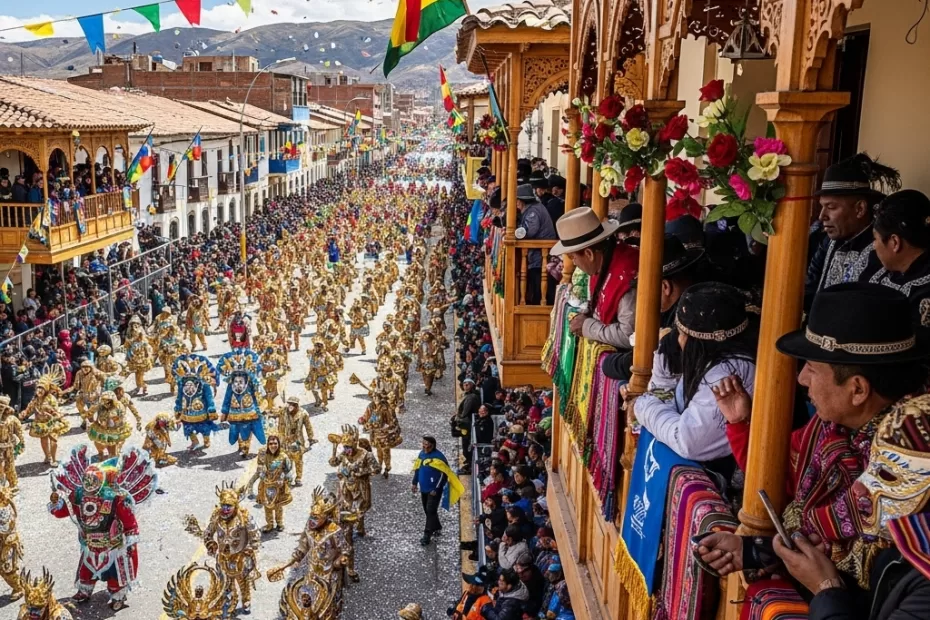
The Best Seats Oruro Carnival Parade: Experience the Magic
Imagine a spectacle of color, sound, and fervent devotion unfolding before your eyes, a vibrant tapestry woven from centuries of tradition and folklore. This is the Oruro Carnival, Bolivia’s most celebrated cultural event and a UNESCO Masterpiece of the Oral and Intangible Heritage of Humanity. For anyone dreaming of witnessing this extraordinary festival, securing the best seats for Oruro Carnival parade is not just about comfort; it’s about optimizing your experience, ensuring an unobstructed view of the mesmerizing dances, elaborate costumes, and deep-rooted rituals that define this unique Bolivian tradition. This guide will walk you through everything you need to know to book good places to watch, ensuring your visit is as unforgettable as the carnival itself.
Overview of Oruro Carnival
The Oruro Carnival is far more than just a party; it’s a profound expression of Bolivian culture, a syncretic festival that blends indigenous Andean beliefs with Catholic traditions. Held annually in the city of Oruro, high in the Bolivian Andes, this pre-Lenten celebration culminates in a grand procession, the “Peregrinación al Socavón,” where thousands of dancers and musicians pay homage to the Virgen del Socavón (Virgin of the Mineshaft).
What makes the Oruro Festival a must-see event for travelers and cultural enthusiasts alike is its sheer scale and intensity. For days, the city transforms into a pulsating hub of activity, with music echoing through the streets, vibrant costumes adorning every corner, and an infectious sense of joy and reverence in the air. It’s an unparalleled opportunity to immerse yourself in the rich tapestry of cultural festivals Bolivia has to offer, experiencing firsthand the energy and passion that define this unique Bolivia Carnival. From the intricate choreography of the traditional dances to the elaborate symbolism embedded in each costume, every element tells a story of faith, history, and the enduring spirit of the Bolivian people. Understanding this context is crucial for appreciating the parade and why finding the prime Oruro parade locations is so important.
Historical Significance of Oruro Carnival
The roots of the Oruro Carnival delve deep into Bolivian history, intertwining pre-Columbian Andean rituals with the Catholic traditions introduced during the Spanish colonial era. Originally, the indigenous Uru people of the region celebrated the Ito festival, a vibrant homage to Pachamama (Mother Earth) and the Apus (mountain spirits), often involving animal sacrifices and ceremonial dances. With the arrival of the Spanish, these traditions were suppressed or, more often, cleverly disguised and integrated into Catholic festivities.
This syncretism is the very essence of Oruro Carnival history. The figure of the Virgen del Socavón, for instance, is seen by many as a Christianized representation of Pachamama, allowing indigenous reverence to continue under a new guise. The iconic Diablada dance, perhaps the most famous of the carnival performances, vividly illustrates this fusion. Its elaborate costumes, featuring horned masks and serpent motifs, initially represented Andean deities and evil spirits. Over time, these figures were reinterpreted within a Christian framework, symbolizing the struggle between good and evil, with the Archangel Michael ultimately triumphing over the devils.
The cultural importance of this festival cannot be overstated. It’s a living museum of tradition and folklore, a powerful testament to the resilience of indigenous beliefs and the dynamic evolution of Bolivian traditions. Through generations, families have passed down the intricate dances, music, and costume-making skills, ensuring the continuity of these local traditions. The Oruro Carnival serves as a vital cultural anchor, reinforcing community identity and celebrating the diverse heritage that makes Bolivia so unique. It’s an event where history isn’t just remembered; it’s danced, sung, and lived out on the streets, making it a profound cultural experience for all who attend.
When is the Oruro Carnival?
The Oruro Carnival is a movable feast, much like Mardi Gras or other pre-Lenten carnivals, meaning its dates shift each year depending on the liturgical calendar. It always takes place the weekend before Ash Wednesday, typically in late February or early March. While the grand parade, known as the “Peregrinación al Socavón” or “Entrada,” is the undisputed highlight, the festivities span several days, creating a full week of vibrant Oruro Carnival events and festival preparations.
The main weekend typically unfolds as follows:
-
Friday before Carnival: Often begins with smaller gatherings, local bands playing, and a general festive atmosphere building up. This is a good time to explore the city before the major crowds descend.
-
Saturday (The Grand Entrada): This is the main event, the “Peregrinación al Socavón.” Thousands of dancers and musicians, organized into various fraternities (conjuntos folklóricos), embark on a solemn but spectacular procession. Starting early in the morning, often around 7:00 AM, the parade can last for 15-20 hours, continuing well into the night and sometimes even the next morning. Each group performs their traditional dances, making their way along the designated route to the Sanctuary of the Virgen del Socavón, where they offer their devotion.
-
Sunday (Entrada de Corso or Día del Diablo y del Moreno): Often a slightly more relaxed but still vibrant continuation of the parade, sometimes featuring repetitions of the previous day’s performances or additional local groups. It’s a chance to catch details you might have missed.
-
Monday (Día del Agua y del Diablo): This day is famous for the “water fights” – a playful, often chaotic tradition where revelers douse each other with water balloons and spray foam. While fun for some, it’s wise to be prepared if you venture out, as you’re likely to get wet! This day also features continued celebrations and smaller performances.
-
Tuesday (Ch’alla): A more intimate and traditional day where families and businesses perform the Ch’alla, a ritual offering to Pachamama and other spirits, asking for blessings and prosperity. This often involves decorating homes and businesses with streamers and offering symbolic items.
For accurate dates, it’s crucial to check the official Oruro Carnival schedule well in advance, usually available on Bolivian tourism websites or through tour operators by late summer/early autumn of the preceding year. Planning your travel around these dates is essential for experiencing the carnival at its peak.
Best Locations to Watch the Parade
Choosing your vantage point is paramount to maximizing your Oruro Carnival experience. With thousands of performers and tens of thousands of spectators lining the streets, securing a good spot along the Oruro parade locations can make all the difference. The parade route itself is several kilometers long, winding through the city center, offering various types of viewing experiences. Your decision will likely come down to a balance of budget, comfort, and the kind of immersion you’re seeking.
The main route generally follows Avenida 6 de Agosto, Calle Bolívar, and ends at the Sanctuary of the Virgen del Socavón. Throughout this journey, you’ll find different viewing options, each with its own advantages and disadvantages for the best views Oruro Carnival has to offer. Whether you prefer an elevated, comfortable perspective or a more dynamic, street-level immersion, there’s a spot for you.
Grandstand Seating: A Closer Look
For many, grandstand seating (known as graderías) offers the ultimate way to watch the Oruro Carnival parade. These temporary structures are erected along significant portions of the parade route, particularly along Avenida 6 de Agosto and Calle Bolívar, providing elevated views that allow you to see over the heads of the crowds.
Benefits of Grandstand Seating:
-
Unobstructed Views: This is the primary advantage. Being elevated ensures you have a clear sightline of the dancers, musicians, and their intricate costumes as they pass by. You won’t have to crane your neck or contend with people standing in front of you.
-
Comfort: Grandstands often come with individual seats, offering a more comfortable experience, especially given the parade’s marathon length. Some even have backs, which is a luxury after hours of watching.
-
Amenities: Depending on the section, some grandstands might offer access to private toilets, food vendors, or even shade structures, though these are not guaranteed for all sections.
-
Security: These sections are typically more controlled, with designated entry points, which can provide a greater sense of security amidst the massive crowds.
-
Strategic Placement: Certain grandstands are strategically placed at key performance points, such as where dance groups often pause to perform more elaborate routines. These are highly sought after.
Ticket Information and Tips:
Securing Oruro Carnival tickets for grandstand seating requires planning and often a bit of persistence. These are typically sold in advance, and demand is incredibly high.
-
When to Buy: Sales usually begin several months before the carnival, often as early as October or November of the preceding year. The best seats sell out quickest, so early bird options are crucial.
-
Where to Buy:
-
Official Vendors: The municipal government of Oruro or authorized local committees are the primary sellers. Information can sometimes be found on their official websites, though these might be in Spanish and less accessible for international travelers.
-
Tour Operators: Many reputable tour companies specializing in Bolivia travel offer Oruro Carnival packages that include grandstand tickets. This is often the most convenient and reliable option for international visitors, as they handle the logistics. They might offer different tiers of Carnival seating arrangements, from basic to premium.
-
Locally in Oruro: A limited number of tickets might be sold in Oruro itself in the weeks leading up to the carnival, but these are usually snapped up quickly by locals or those already in the city. Buying on the day of the parade is extremely risky and often involves inflated prices from unofficial re-sellers.
-
-
Pricing: Grandstand ticket prices vary significantly based on location, proximity to the main performance areas, and whether they are for Saturday (the main Entrada) or Sunday. Expect to pay anywhere from $50 to $200 USD or more for a good grandstand seat for Saturday.
-
Specific Sections: Research specific sections of the parade route. For example, sections along Avenida 6 de Agosto are often highly prized for their vibrant atmosphere and proximity to the start of the route, while sections closer to the Sanctuary offer a view of the dancers’ final, most devout performances.
-
What to Bring: Even with a grandstand seat, prepare for a long day. Bring snacks, water (though vendors will be present), sunscreen, a hat, and possibly a cushion for extra comfort.
Investing in grandstand seating is often the best way to ensure an enjoyable and comfortable experience, allowing you to fully appreciate the spectacle without the stress of battling crowds.
Street Viewpoints: Free vs Paid
While grandstand seating offers comfort and elevated views, experiencing the Oruro Carnival from a street viewpoint provides a different kind of immersion, often closer to the raw energy and festive atmosphere of the parade. These viewpoints can be broadly divided into free and paid options, each with its own set of pros and cons.
Free Street Viewpoints:
-
Pros:
-
Authentic Immersion: Being at street level puts you right in the thick of it. You’re closer to the dancers, the music, and the infectious energy of the crowd. It feels more spontaneous and authentic, truly embodying the festive atmosphere.
-
Cost-Effective: It’s free! This is a significant advantage for budget travelers.
-
Flexibility: You can move around (to an extent) if you find a better spot or want to explore different sections of the route.
-
-
Cons:
-
Crowds: This is the biggest drawback. The streets are absolutely packed, making it incredibly difficult to get a clear view, especially if you’re not particularly tall. You’ll be constantly jostling for space.
-
Limited Visibility: Unless you arrive extremely early or find a natural elevation (like a small wall or curb), your view will often be obstructed by other spectators.
-
Comfort: You’ll be standing for hours, potentially in direct sun or rain, with no guaranteed access to restrooms or refreshments.
-
Safety: While generally safe, dense crowds can increase the risk of petty theft.
-
How to Secure a Good Free Spot:
-
Arrive Early, Extremely Early: We’re talking 4:00 AM or even earlier on Saturday morning for the main Entrada. People stake out their spots hours before the parade officially begins.
-
Look for Natural Elevations: Any slight rise, a sturdy planter, or the edge of a building might offer a slightly better vantage point.
-
Be Patient and Assertive: Once you find a spot, hold it. Be prepared for crowds to ebb and flow around you.
Paid Street Viewpoints (Private Balconies and Chairs):
These options offer a middle ground between the grandstands and the free street experience, providing a designated spot at street level or from a private balcony overlooking the route.
-
Private Balconies: Many homes and businesses along the parade route rent out space on their balconies or even entire rooms with balcony access.
-
Pros: Excellent, unobstructed views (especially from higher floors), private space, comfort, often access to private restrooms and sometimes food/drinks. You get the street-level energy from a comfortable distance.
-
Cons: Very expensive, often comparable to or even exceeding grandstand prices. Can be hard to find and book in advance without local connections or a specialized tour operator.
-
-
Rented Chairs (Sillas): Along certain parts of the route, particularly where there are no grandstands, locals will rent out plastic chairs on the sidewalk or even set up makeshift rows.
-
Pros: Guaranteed a seated spot at street level, relatively inexpensive compared to grandstands or balconies (typically $10-30 USD per day, but prices vary wildly). You’re right there with the action.
-
Cons: Still at street level, so views can be obstructed by people standing in front of you (even with chairs, people often stand). Comfort is basic. Can be hard to distinguish official rentals from opportunistic individuals.
-
How to Secure Paid Street Viewpoints:
-
Balconies: Best booked through a reputable local tour operator or a local contact well in advance. These are often part of premium Oruro experiences.
-
Chairs: On the days leading up to and during the carnival, look for people setting up chairs and offering them for rent. It’s often a cash-only transaction. Negotiate respectfully. Arriving early to choose your chair is still advisable.
Ultimately, your choice depends on your preference for comfort versus immersion, and how much you’re willing to spend. For serious parade tips and the best views, grandstands or private balconies are often recommended, but the energy of the free street viewpoints is an experience in itself, offering a truly festive atmosphere.
Tips for Getting Tickets to Oruro Carnival
Securing your Oruro Carnival tickets, especially for prime viewing spots, is arguably the most critical step in planning your visit. Given the event’s popularity and the finite number of good seats, proactive planning is essential. Don’t underestimate the demand for this world-renowned cultural festival.
Here’s practical advice on how to purchase tickets and navigate the booking process:
-
Book Well in Advance: This cannot be stressed enough. For grandstand seats or private balcony access, start looking for tickets at least 4-6 months before the carnival dates. Sales often open in October or November of the preceding year. Waiting until the last minute is a recipe for disappointment, leaving you with either no tickets or vastly inflated prices from unofficial vendors.
-
Utilize Reputable Tour Operators: For international visitors, booking through a specialized tour operator is often the most reliable and convenient option. These companies often have pre-arranged blocks of Oruro Carnival tickets, particularly for grandstand seating, and can package them with accommodations, transportation, and guides. This streamlines your travel to Oruro and ensures you have legitimate tickets. Look for operators with good reviews and a track record of organizing trips to Bolivian cultural events. They can also offer valuable Carnival travel tips.
-
Check Official Channels (with caution): The municipal government of Oruro is technically responsible for ticket sales. However, their websites and information might not be readily available in English or updated consistently. If you have a local contact or are proficient in Spanish, you might be able to find information on official sales points or online portals. Be wary of unofficial websites claiming to sell tickets.
-
Consider Package Deals: Many travel agencies offer comprehensive Oruro Carnival packages that include flights or bus transfers to Oruro, hotel stays, and guaranteed Carnival seating arrangements. While these might seem more expensive upfront, they often save you significant hassle and stress, especially regarding logistics and securing good places to watch.
-
Be Wary of Scalpers: On the days leading up to and during the parade, you will undoubtedly encounter individuals selling tickets on the street. While some might be legitimate, many are scalpers selling counterfeit tickets or drastically overpriced ones. The risk of being scammed is high. It’s best to avoid these unless you are with a local who can verify authenticity and price.
-
Understand Ticket Tiers: Grandstand tickets vary in price based on their location along the parade route and their proximity to key performance areas. Sections closer to the beginning of the route (e.g., Avenida 6 de Agosto) or near the main stage where groups perform for judges are typically more expensive. Decide what kind of view and atmosphere you prefer before purchasing.
-
Payment Methods: Be prepared for cash transactions if buying locally. Tour operators will typically accept credit cards.
-
Early Bird Options: Keep an eye out for early bird discounts or special promotions offered by tour operators or, less commonly, by official channels. These can provide a slight cost saving if you commit early.
Remember, securing your tickets is just one part of the festival preparations. Once you have your Oruro Carnival tickets, you can focus on other aspects of your trip, like accommodations and what to bring, ensuring a smooth and enjoyable Carnival experience.
What to Expect During the Parade
Attending the Oruro Carnival parade is an assault on the senses in the most magnificent way possible. It’s an immersive experience that goes beyond simply watching; you’re enveloped by a vibrant, pulsating atmosphere that is both deeply spiritual and exuberantly festive.
The Atmosphere:From the moment the parade begins in the early morning, the air crackles with an almost tangible energy. The streets are packed with spectators, a sea of faces eager to witness the spectacle. The atmosphere is one of collective joy, reverence, and anticipation. Music is omnipresent, with the powerful brass bands accompanying each dance group creating a wall of sound that vibrates through your chest. Cheers erupt as favorite groups pass, and the rhythmic stomping and swirling of dancers create a hypnotic flow. It’s an all-day affair, stretching into the night, maintaining its intensity for well over 15 hours. You’ll feel the devotion, the pride, and the sheer exhilaration of the participants.
Types of Performances:The parade is a continuous stream of distinct dance fraternities, each showcasing a specific traditional dance, often unique to Bolivian traditions. There are over 50 different groups, each with hundreds of dancers and musicians. Key performances you can expect to see include:
-
Diablada (Dance of the Devils): This is the most iconic dance, representing the struggle between good and evil. Dancers wear elaborate, often terrifying, horned masks and intricate costumes adorned with serpents, toads, and other symbols. Their movements are powerful and dramatic, often featuring a battle between the Archangel Michael and Lucifer.
-
Morenada: A slower, more stately dance with powerful, rhythmic stomping, symbolizing the suffering of African slaves brought to the mines. Dancers wear heavy, ornate costumes with wide skirts, often featuring large, silver masks and distinctive hats.
-
Caporales: A more modern and energetic dance, known for its athletic leaps and spins. Dancers wear colorful, sequined costumes with large bells on their boots, and the male dancers often wield whips. It’s a crowd favorite for its dynamism.
-
Tobas: Representing indigenous groups from the Bolivian lowlands, this dance features feathered headdresses and energetic, almost warrior-like movements, often accompanied by flutes and drums.
-
Thinkus: A dance reflecting the ritual fighting traditions of some Andean communities, characterized by strong, almost confrontational movements and colorful, traditional attire.
-
Kullawada: A dance associated with the textile weavers, known for its elegant, swaying movements and elaborate, often cylindrical hats.
Each group performs for judges at specific points along the route, showcasing their intricate choreography and dazzling costumes. The sheer variety and continuous flow of these Oruro Carnival performances are mesmerizing.
Cultural Elements:Beyond the spectacle, the parade is steeped in profound cultural elements. It is, at its heart, a pilgrimage, a fervent act of devotion to the Virgen del Socavón. Dancers, many of whom have practiced for a year, offer their performance as a sacrifice and a prayer. The costumes themselves are rich in symbolism, reflecting Andean cosmology, colonial history, and religious narratives. The music, played by hundreds of brass instruments, percussion, and wind instruments, is integral to the storytelling and the energy of the event.
You’ll also witness interactions between performers and the crowd, moments of shared joy and reverence. The air is thick with the scent of incense, the sound of firecrackers, and the laughter of children. It’s an overwhelming, beautiful display of faith, artistry, and community, solidifying the Oruro Carnival highlights as a truly unique cultural event. This deep dive into Bolivian culture and traditions offers a profound Carnival experience that stays with you long after the music fades.
Safety Tips for Attending Oruro Carnival
While the Oruro Carnival is an exhilarating celebration, its immense popularity means massive crowds, and like any large-scale event, it requires visitors to be mindful of their safety. Taking sensible precautions will ensure your Oruro experiences are positive and memorable.
Here are essential safety tips for attending Oruro Carnival:
-
Guard Your Valuables: Pickpocketing is a common issue in crowded environments. Keep your money, passport, phone, and other valuables in a secure, concealed money belt or a cross-body bag worn on your front. Avoid flashing expensive jewelry or electronics. Only carry what you absolutely need for the day.
-
Stay Hydrated and Sun-Protected: Oruro is at a high altitude (over 3,700 meters / 12,000 feet), and the sun can be intense. Drink plenty of water throughout the day to combat dehydration and altitude sickness. Wear a wide-brimmed hat, sunglasses, and apply high-SPF sunscreen regularly, even on cloudy days.
-
Be Mindful of Water Fights: Especially on “Día del Agua” (Monday), but also sporadically throughout the weekend, locals engage in playful (and sometimes not-so-playful) water fights using balloons and spray foam. If you don’t want to get wet, avoid walking through crowded areas on these days, or carry a poncho and waterproof bags for your electronics. Some people find this fun, but others prefer to avoid it.
-
Watch Your Step: The streets can be uneven, and with so many people, it’s easy to trip. Pay attention to your footing, especially when moving through crowds.
-
Stay Aware of Your Surroundings: Avoid distractions like constantly looking at your phone. Be aware of who is around you and any unusual activity. Trust your instincts.
-
Travel in Groups: If possible, attend the carnival with friends or a group. There’s safety in numbers, especially when navigating dense crowds or at night.
-
Limit Alcohol Consumption: While alcohol flows freely during the carnival, excessive drinking can impair your judgment and make you a target. Drink responsibly and always keep an eye on your drink.
-
Know Your Route and Meeting Points: Before heading into the thick of the parade, familiarize yourself with the parade route and identify clear meeting points in case you get separated from your group. Mobile phone service can be spotty due to network congestion.
-
Keep Emergency Numbers Handy: Have local emergency numbers (police, ambulance) and your embassy’s contact details saved on your phone.
-
Altitude Sickness: Oruro’s high altitude can affect visitors. Acclimatize by arriving a day or two early, taking it easy, avoiding heavy meals and alcohol initially, and drinking coca tea. Consult a doctor about altitude sickness medication before your trip.
-
Use Reputable Transportation: When traveling to and from Oruro, especially if coming from La Paz, use reputable bus companies or pre-arranged transport. Be cautious of unofficial taxis, especially at night.
-
Secure Accommodations: Ensure your Oruro accommodations are booked in a safe area and that your belongings are secure when you leave your room.
By following these safety at Oruro Carnival guidelines and general travel safety practices, you can focus on enjoying the vibrant festivities and make the most of your Oruro travel tips.
Local Cuisine to Try During the Carnival
No cultural festival experience is complete without delving into the local cuisine, and the Oruro Carnival offers a delicious array of traditional Bolivian foods and drinks. Fueling up with these hearty and flavorful dishes is an essential part of immersing yourself in the local foods Oruro has to offer.
Here are some must-try items during your visit:
-
Salteñas: These are Bolivia’s beloved savory baked empanadas, often enjoyed as a breakfast or mid-morning snack. They’re filled with a juicy mixture of meat (beef or chicken), potatoes, peas, olives, and sometimes a hard-boiled egg, all encased in a slightly sweet, golden pastry. The trick is to eat them without spilling the delicious broth inside!
-
Anticuchos: A popular street food, anticuchos consist of marinated beef heart skewers grilled over charcoal. They are incredibly
Jili123… Simple and straightforward, I guess! All I need is a simple and straightforward win! Sana ol! Check it out yourselves: jili123
[6371]Pin77 Philippines: Official Login, Register & App Download. Experience Top Pin77 Slot Games and Secure Link Alternatif. Join Pin77 Philippines for the official pin77 login and pin77 register. Play premium pin77 slot games, get the pin77 download app, and access secure pin77 link alternatif today. visit: pin77