
The Global Recognition of Oruro Carnival
Deep in the heart of Bolivia, nestled high in the Andes, lies the city of Oruro. For a few unforgettable days each year, this otherwise quiet mining town transforms into a kaleidoscope of sound, color, and movement, hosting one of the most spectacular and culturally rich carnival celebrations on the planet: the Oruro Carnival. This isn’t just a local party; it’s a phenomenon that has garnered immense global recognition, drawing visitors and performers from every corner of the world. Its unique blend of indigenous traditions, colonial influences, and vibrant artistic expressions makes it a truly unparalleled experience, cementing its place as a jewel among festivals around the world. The sheer scale of its parades, the intricacy of its costumes, and the profound spiritual meaning behind its festivities contribute to its burgeoning international fame, making the Oruro festival a bucket-list item for cultural enthusiasts and travelers alike.
Overview of Oruro Carnival
The Oruro Carnival is far more than just a pre-Lenten celebration; it is a profound expression of Bolivian culture and a testament to centuries of syncretism. Rooted in ancient indigenous Andean rituals, particularly the reverence for Pachamama (Mother Earth) and Supay (the devil figure), the carnival evolved under Spanish colonial rule to incorporate Catholic traditions. This fusion created a unique festival where Andean deities and Catholic saints coexist in a vibrant tapestry of faith and folklore.
The Oruro Carnival history stretches back several centuries, with its origins intertwined with mining communities who sought to appease the spirits of the Uru Uru region. Over time, these local customs grew into a grand annual event. Today, the carnival serves as a magnificent display of traditional Bolivian dances, music, and artistry, unfolding over several days leading up to Ash Wednesday. It is considered one of the most important cultural events in Bolivia, attracting hundreds of thousands of spectators annually. The Oruro Carnival significance lies not only in its entertainment value but also in its role as a living museum of Bolivian heritage, preserving ancient stories and beliefs through performance. Each year, the Oruro Carnival dates are eagerly anticipated, marking a period of intense preparation and joyous celebration that captivates both locals and international visitors.
Cultural Significance of the Carnival
At its core, the Oruro Carnival is a powerful narrative, told through dance, music, and elaborate costumes, reflecting the deeply spiritual worldview of the Andean people. It’s a vibrant expression of Bolivian culture, embodying the nation’s rich tapestry of indigenous and colonial influences. The carnival acts as a crucial link to the past, ensuring that ancient myths, legends, and customs are passed down through generations. It’s a period where the sacred and the profane intertwine, where devotion and revelry dance hand-in-hand. This celebration is a living testament to the resilience and creativity of the Bolivian people, showcasing their unique interpretation of carnival traditions.
The principal event, the “Peregrinación al Socavón” (Pilgrimage to the Socavón), is a 20-hour procession featuring thousands of dancers and musicians who make their way to the Sanctuary of the Virgin of Socavón, the patron saint of miners. This pilgrimage is a deeply spiritual act, where participants offer their performances as an act of devotion and penance. The Virgin Mary is seen as a protector, having replaced the indigenous deity Pachamama in many aspects, yet the reverence for both remains palpable. This profound spiritual dimension sets the Oruro Carnival apart from many other carnival celebrations around the world, giving it a depth that resonates with attendees on a much deeper level than mere entertainment. It’s a vital component of Bolivian heritage, a true community celebration that strengthens social bonds and cultural identity.
UNESCO Recognition
The profound cultural importance and unique blend of traditions found in the Oruro Carnival did not go unnoticed by the international community. In 2001, UNESCO declared the Oruro Carnival a “Masterpiece of the Oral and Intangible Heritage of Humanity.” This prestigious UNESCO cultural heritage designation was a pivotal moment, catapulting the Oruro festival onto the global stage and underscoring its immense value to humanity’s cultural diversity.
The implications of this UNESCO designation are far-reaching. Firstly, it provides international validation and protection for the carnival’s traditions, ensuring that its unique artistic expressions and local customs are preserved for future generations. It also means increased visibility and prestige, drawing greater attention from academics, cultural preservationists, and, significantly, tourists interested in authentic traditional festivals. This recognition has helped to consolidate the global recognition Oruro Carnival has achieved, transforming it from a regional spectacle into a globally celebrated event. For the people of Oruro and Bolivia, it’s a source of immense national pride, affirming the richness and distinctiveness of their cultural heritage. The UNESCO status also brings with it opportunities for funding and support for conservation efforts, helping to maintain the integrity of the carnival’s elaborate costumes, traditional music, and complex choreographies. It underscores the carnival’s role as one of the most significant UNESCO sites dedicated to intangible heritage, a living tradition that continues to evolve while honoring its roots.
Main Attractions of Oruro Carnival
The Oruro Carnival is a sensory explosion, a vibrant spectacle that unfolds over several days. The main attractions revolve around its grand parades, which are arguably the most impressive aspect of the entire celebration. Thousands of dancers, musicians, and performers, organized into hundreds of distinct groups, parade through the streets of Oruro, showcasing an incredible array of traditional Bolivian dances and music. The focal point is the main Saturday parade, the “Entrada,” a continuous stream of color and sound that can last for over 20 hours. Spectators line the streets, often camping out days in advance to secure the best spots, eager to witness the dazzling display of carnival costumes and intricate choreographies.
Beyond the main procession, the days leading up to and following the Entrada are filled with a myriad of Oruro Carnival events. These include smaller parades, folk music concerts, street parties, and traditional ceremonies. The atmosphere is electric, with the air thick with anticipation, the smell of traditional foods, and the pervasive sounds of celebration. Each dance group tells a story, often satirical or historical, through their performance, making the Oruro Carnival parades not just entertainment but a form of living theater. The energy is infectious, drawing everyone into the joyous spirit of this extraordinary Oruro festival.
Traditional Dances and Music
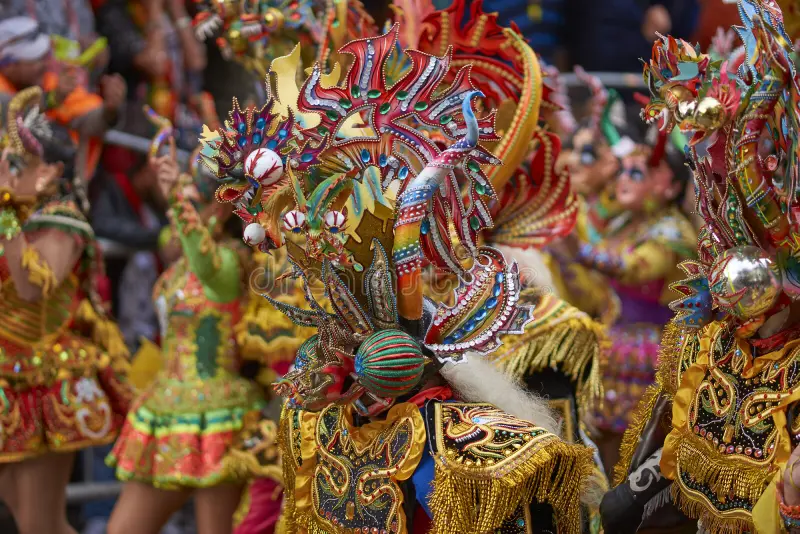
The heart and soul of the Oruro Carnival lie in its diverse array of traditional dances and music. Each dance group, or “conjunto,” specializes in a particular style, preserving ancient forms while adding contemporary flair. The most iconic of these is the Diablada (Dance of the Devils). This powerful and dramatic dance symbolizes the eternal struggle between good and evil, with elaborately costumed devils, angels, and archangels performing intricate steps. The devil masks, with their grotesque features, fangs, and horns, are masterpieces of folk art, reflecting centuries of artistic expressions.
Another prominent dance is the Morenada, a slow and stately dance that portrays the suffering of African slaves brought to the mines during the colonial era. The dancers wear heavy, ornate costumes adorned with beads, sequins, and bells, and their distinctive masks often feature exaggerated features, representing the African heritage. The rhythmic sound of their heavy boots and the rattling of their “matracas” (ratchets) create a hypnotic beat.
Other significant dances include the Caporales, a more modern and energetic dance with roots in the Yungas region, characterized by its powerful jumps and elaborate outfits; the Kullawada, a courtship dance performed by weavers; the Tobas, depicting Amazonian warriors; and the Llamerada, a dance of llama herders. Each dance tells a specific story or represents a particular community or historical event, accompanied by unique Oruro Carnival music, ranging from brass bands to Andean panpipes and drums. The sheer variety and authenticity of these performances make the Oruro Carnival a truly unique spectacle of traditional festivals.
Art and Craftsmanship
The visual splendor of the Oruro Carnival is largely due to the extraordinary art and craftsmanship displayed in its carnival costumes, masks, and floats. This is where the artistic expressions of Oruro truly shine, showcasing generations of skill and dedication. The creation of these elaborate outfits is a year-round endeavor for many artisans, passed down through families, embodying a rich part of Bolivian traditions.
The costumes are not merely garments; they are wearable works of art. Each one is meticulously handcrafted, often weighing several kilograms, and adorned with an astonishing array of sequins, beads, embroidery, mirrors, and precious metals. The designs are rich in symbolism, with colors and motifs carrying specific meanings related to the dance, its history, and the spiritual beliefs it represents. For instance, the Diablada costumes feature intricate designs of serpents, dragons, and other mythical creatures, all painstakingly applied by hand. The devil masks, in particular, are iconic, often made from papier-mâché or plaster, then painted with vibrant colors and adorned with glass eyes, real animal horns, and sometimes even jewels. These masks are not just props; they are considered sacred objects, imbued with spiritual significance.
The floats, or “carros alegóricos,” are equally impressive. These mobile stages are built to accompany specific dance groups, often depicting scenes from Andean mythology, historical events, or satirical commentaries on contemporary society. They are adorned with sculptures, elaborate decorations, and sometimes even moving parts, adding another layer of theatricality to the Oruro Carnival parades. The level of detail and artistic dedication evident in every aspect of the carnival’s visual elements underscores the profound respect and love the Oruro community has for its cultural heritage. This unique craftsmanship contributes significantly to the global recognition Oruro Carnival enjoys, making it a powerful draw for those who appreciate traditional artistry.
Tourism and Economic Impact
The global recognition of Oruro Carnival has had a transformative effect on the city and the wider region, particularly in terms of tourism and its economic impact. What was once primarily a local celebration has now become a major international draw, putting Oruro firmly on the map for cultural tourists and adventure seekers. Each year, hundreds of thousands of visitors, both domestic and international, flock to Oruro to experience the carnival firsthand. This influx of people generates substantial revenue for the local economy, providing a vital boost to various sectors.
Hotels, guesthouses, and private homes see bookings soar months in advance of the Oruro Carnival dates, often reaching full capacity. Restaurants, street food vendors, and local markets thrive, as visitors seek out traditional Bolivian cuisine and souvenirs. Transportation services, from intercity buses to local taxis, experience a surge in demand. Furthermore, the carnival creates countless temporary jobs, from security personnel and street cleaners to costume makers, musicians, and artists. The artisans who craft the intricate carnival costumes and masks benefit immensely from the demand, allowing them to sustain their traditional crafts.
Beyond the immediate financial gains, Oruro tourism benefits from increased visibility and a strengthened brand image. The carnival acts as a powerful marketing tool for Bolivia as a whole, showcasing its rich cultural heritage and encouraging visitors to explore other parts of the country. This long-term impact on Oruro tourism helps to diversify the local economy, which has historically been reliant on mining. The Oruro festival has become a cornerstone of the city’s identity, attracting investment and fostering a sense of pride among its residents. The ongoing global interest ensures that the Oruro Carnival significance will continue to grow, bringing sustained economic benefits and cultural exchange to the region.
Visitor Information
Planning a trip to experience the Oruro Carnival is an adventure in itself, requiring careful preparation to ensure a memorable experience. The Oruro Carnival dates typically fall in February or early March, culminating on the Saturday before Ash Wednesday. It’s crucial to check the specific dates for the year you plan to visit, as they vary annually according to the liturgical calendar.
Getting There and Accommodation
Travel to Oruro can be done by bus from major Bolivian cities like La Paz (approximately 3-4 hours) or Cochabamba (approximately 5-6 hours). There is also a train service from some southern cities. During carnival, transport can be extremely busy, so booking tickets well in advance is essential.
Accommodations in Oruro fill up incredibly quickly. Hotels, hostels, and even private rooms in local homes are in high demand. It is highly recommended to book your lodging several months, if not a year, in advance. Expect prices to be significantly higher during the carnival period. For those who can’t find accommodation in Oruro itself, some visitors opt to stay in La Paz and travel to Oruro early on the main parade day, though this means missing out on some of the pre- and post-parade atmosphere.
Viewing the Parade
Securing a good spot to view the main Oruro Carnival parades is critical. Grandstand seats (graderías) are sold, often months in advance, and offer the best views along the main route. These can be purchased through local tour operators or directly in Oruro. Alternatively, many locals rent out balconies or windows along the parade route, offering a more intimate viewing experience. If you opt for street-level viewing, arrive extremely early to stake out a spot, and be prepared for large crowds.
Oruro Travel Tips
-
Altitude Sickness: Oruro is situated at an elevation of approximately 3,700 meters (12,140 feet). Take precautions for altitude sickness: hydrate well, avoid alcohol and heavy meals on arrival, and take it easy for the first day or two.
-
Safety: Like any large public event, pickpocketing can be an issue. Be vigilant, keep valuables secure, and avoid flashing expensive items. It’s advisable to carry only essential cash and a copy of your passport.
-
Weather: Days can be warm and sunny, but evenings can get chilly. Rain showers are also common during this time of year, so bring layers and rain gear.
-
Water Fights: Be prepared for water fights, especially on the Sunday and Monday of carnival. Locals and tourists alike engage in playful soaking with water balloons and spray cans. It’s all part of the fun, but protect your electronics!
-
Food and Drink: Embrace the local culinary scene. Try traditional Bolivian foods from street vendors, but ensure they look clean and hygienic. Stay hydrated, especially with non-alcoholic beverages.
-
Respect Local Customs: The Oruro Carnival is a deeply spiritual event. While it’s a party, remember the underlying religious and cultural significance. Be respectful of performers and local traditions.
-
Photography: The carnival offers incredible photographic opportunities. Ask for permission before taking close-up shots of performers, especially children.
-
Language: Spanish is the official language. Learning a few basic phrases will greatly enhance your Oruro Carnival experience.
By keeping these Oruro travel tips in mind, visitors can fully immerse themselves in the vibrant atmosphere and appreciate the profound cultural heritage of this extraordinary event. It’s an unforgettable journey into the heart of Bolivian traditions and a testament to the power of community celebrations.
Personal Experiences and Testimonials
The global recognition Oruro Carnival has achieved isn’t just about its UNESCO status or economic impact; it’s about the profound, often life-changing, experiences of those who witness it. Visitors consistently describe an overwhelming sense of wonder, an immersive dive into a culture unlike any other.
“I’ve traveled to many festivals around the world, but Oruro is truly unique,” says Maria, a traveler from Spain. “The energy is electrifying, but what truly moved me was the devotion. You see the sweat, the dedication, the spiritual meaning behind every step of the dancers. It’s not just a show; it’s a pilgrimage, a prayer in motion. The Diablada masks are terrifyingly beautiful, and the music just gets into your soul. I felt like I was witnessing history come alive.”
John, an anthropologist from the United States, shares, “My interest was initially academic, studying the syncretism of Andean and Catholic beliefs. But being there, among the crowds, watching the endless stream of dancers in their magnificent carnival costumes, it became much more personal. The preservation of these traditional festivals, the way they weave ancient myths into modern life, is simply astounding. It’s a living, breathing cultural heritage that draws you in completely. The Oruro Carnival experience is something I’ll carry with me forever.”
Local participants also express deep pride and connection to the Oruro festival. “My family has danced in the Morenada for three generations,” says Roberto, a local Oruro resident. “It’s more than just an event; it’s who we are. We train all year, preparing our costumes, practicing the steps. When we finally march in the parade, feeling the rhythm of the drums and the cheers of the crowd, it’s an incredible feeling. It’s our way of honoring our ancestors, our community, and our Virgin of Socavón. This global recognition means that our culture, our traditions, are being seen and appreciated by the whole world, and that makes us very proud.”
These personal accounts highlight the multifaceted appeal of the Oruro Carnival. It’s a place where spiritual devotion meets exuberant celebration, where ancient stories are retold with modern fervor, and where the power of community celebrations creates an unforgettable spectacle. The universal language of music and dance transcends cultural barriers, allowing everyone to connect with the vibrant spirit of Bolivian traditions.
Conclusion
The Oruro Carnival stands as a magnificent testament to the enduring power of cultural heritage and the vibrant spirit of Bolivia. Its journey from a local indigenous ritual to a UNESCO-recognized Masterpiece of the Oral and Intangible Heritage of Humanity underscores its profound significance not only for Bolivian culture but for humanity as a whole. This extraordinary event has achieved undeniable global recognition, drawing an international spotlight to the rich tapestry of Bolivian traditions, music, and dance.
Through its spectacular Oruro Carnival parades, intricate carnival costumes, and deeply spiritual traditional Bolivian dances, the Oruro festival offers an unparalleled window into the soul of a nation. It’s a vibrant expression of cultural diversity, where ancient Andean beliefs harmoniously blend with colonial influences, creating a celebration unlike any other among festivals around the world. The economic impact on Oruro tourism is substantial, providing vital support for local communities and fostering a sustainable future for this treasured event.
More than just an annual spectacle, the Oruro Carnival is a living legacy, a powerful act of collective memory and artistic expression that continues to evolve while fiercely protecting its roots. It serves as a reminder of the importance of preserving traditional festivals and local customs in an increasingly globalized world. For anyone seeking an authentic, immersive, and spiritually enriching travel experience, the Oruro Carnival promises an unforgettable journey into the heart of Latin American festivals, leaving an indelible mark on all who witness its breathtaking glory. It is truly a celebration that transcends borders, uniting people through the universal language of culture and joy.
Checking out wj2casino. The interface looks interesting. What about the payouts? Share your wins and losses! A new casino on the block: wj2casino